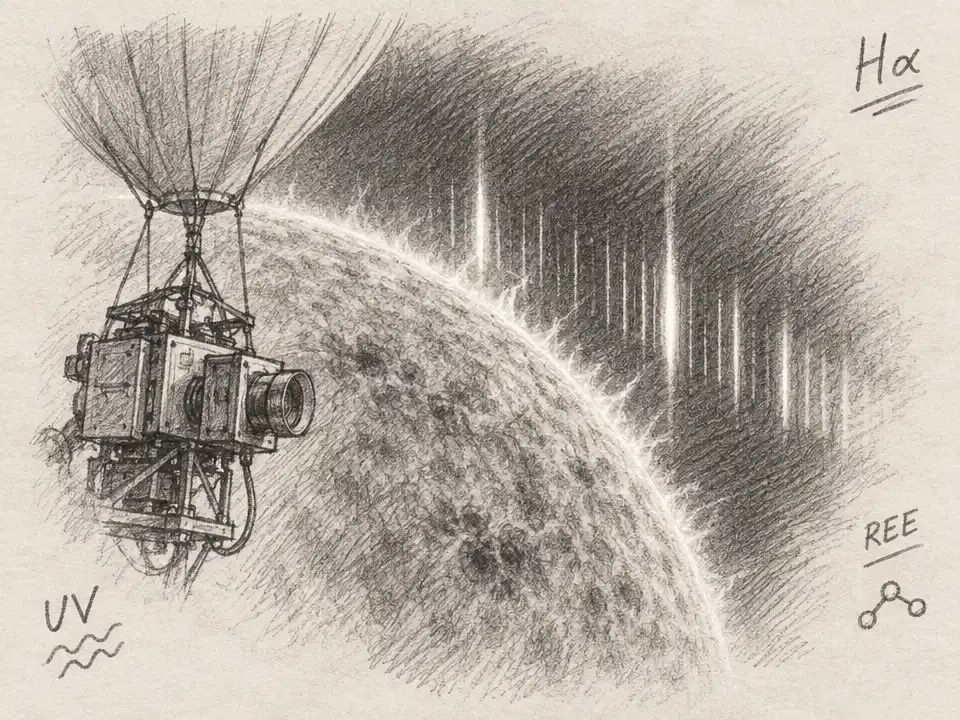
At the Sun’s Edge, 122 Dark Lines Turn Into Unexpected Light
A balloon-borne solar telescope found 122 spectral lines turning from absorption to emission before the Sun’s visible edge.
A balloon-borne solar telescope found 122 spectral lines turning from absorption to emission before the Sun’s visible edge.
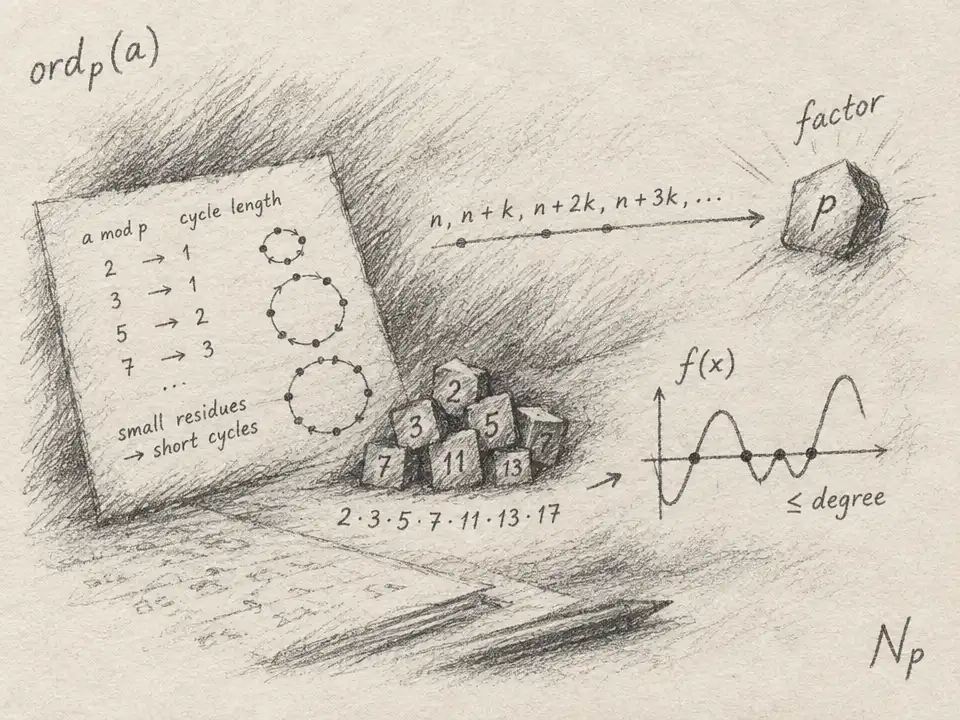
A number-theory algorithm turns small modular cycles into a deterministic search for a factor, using smooth numbers to keep the search fast.
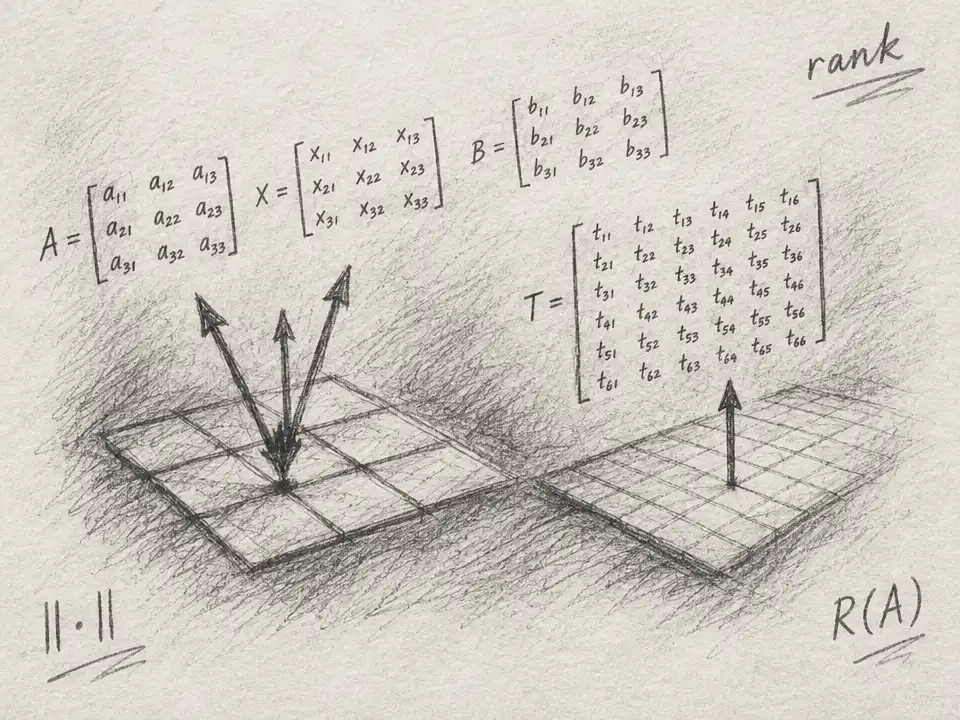
A three-by-three matrix overturns a 2011 rank-minimization conjecture, showing two natural ways to measure error can disagree.
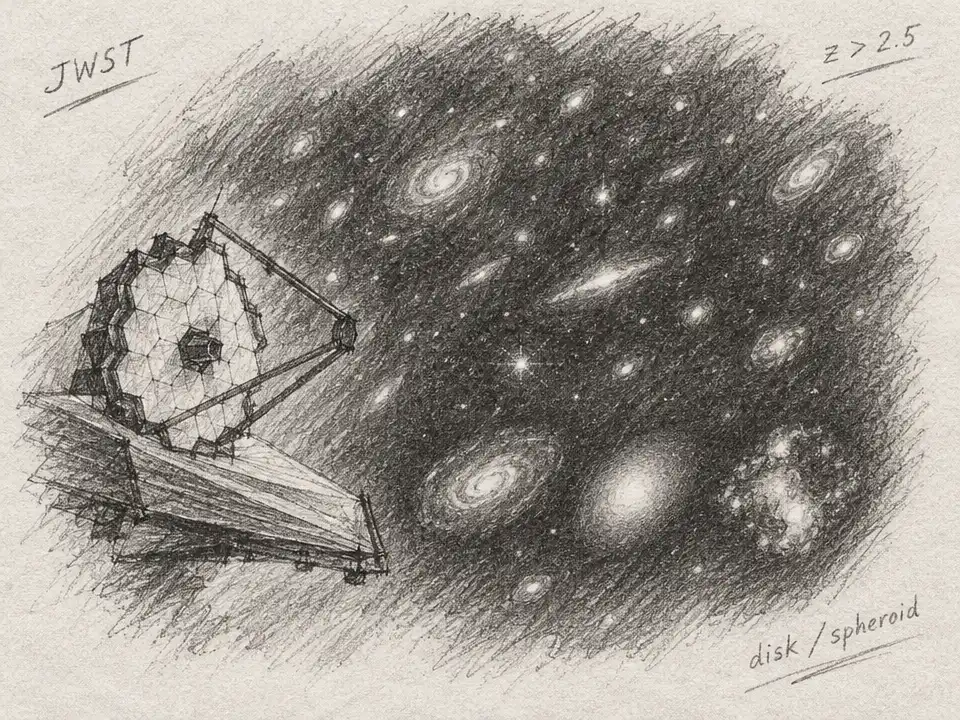
JWST images sharpened the view of early galaxies, but two reliable methods disagree on whether many are disks, spheroids, or still taking shape.
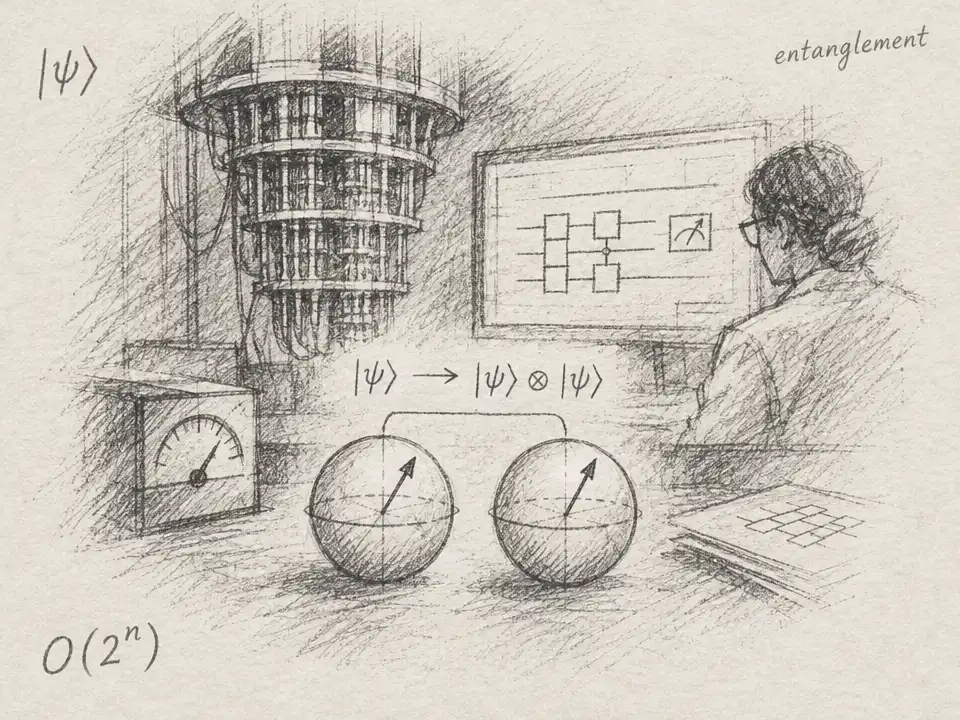
A theoretical result finds that quantum measurement outcomes can resist cloning, even when researchers know the circuit that created them.
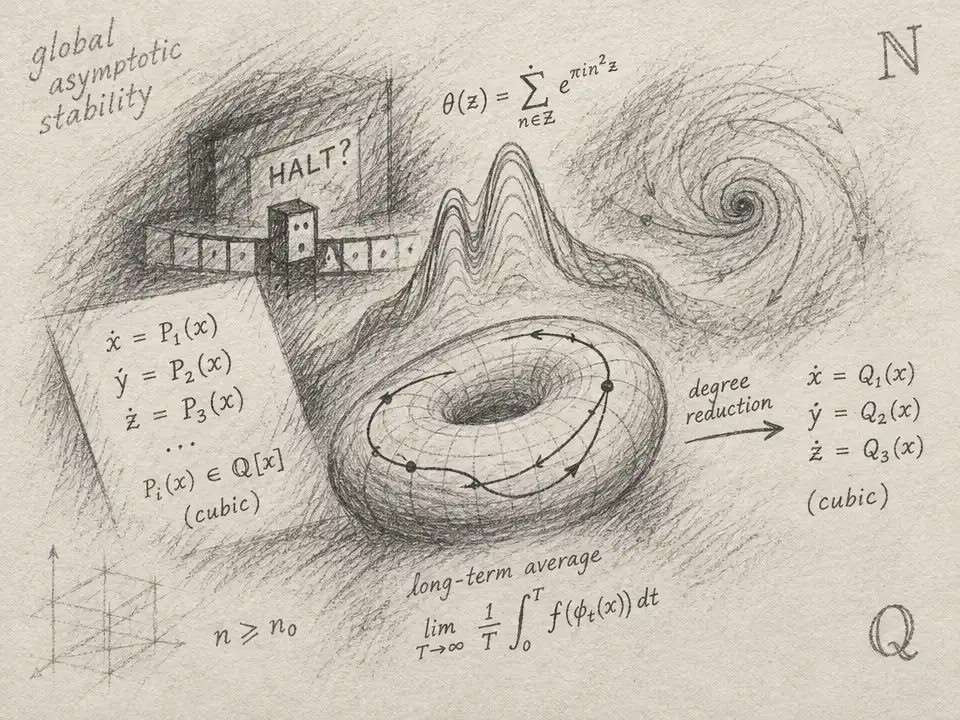
A new proof shows why no algorithm can always decide whether sufficiently high-dimensional cubic equations settle at the origin.
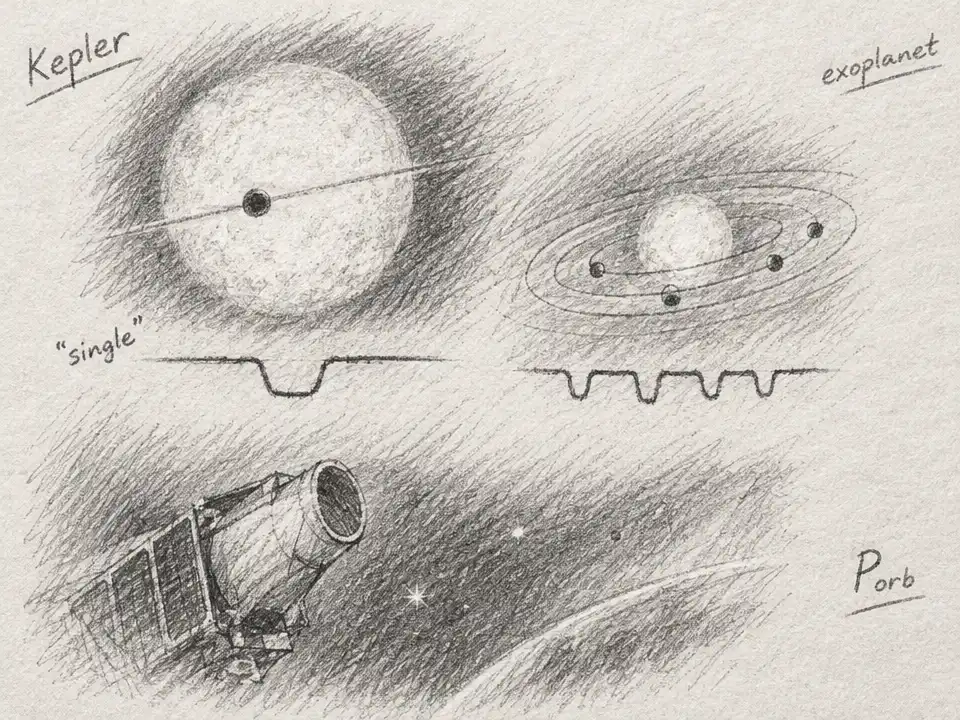
Kepler’s weak, lone planet signals may not mark empty systems: detection limits can make crowded planetary families look solitary.
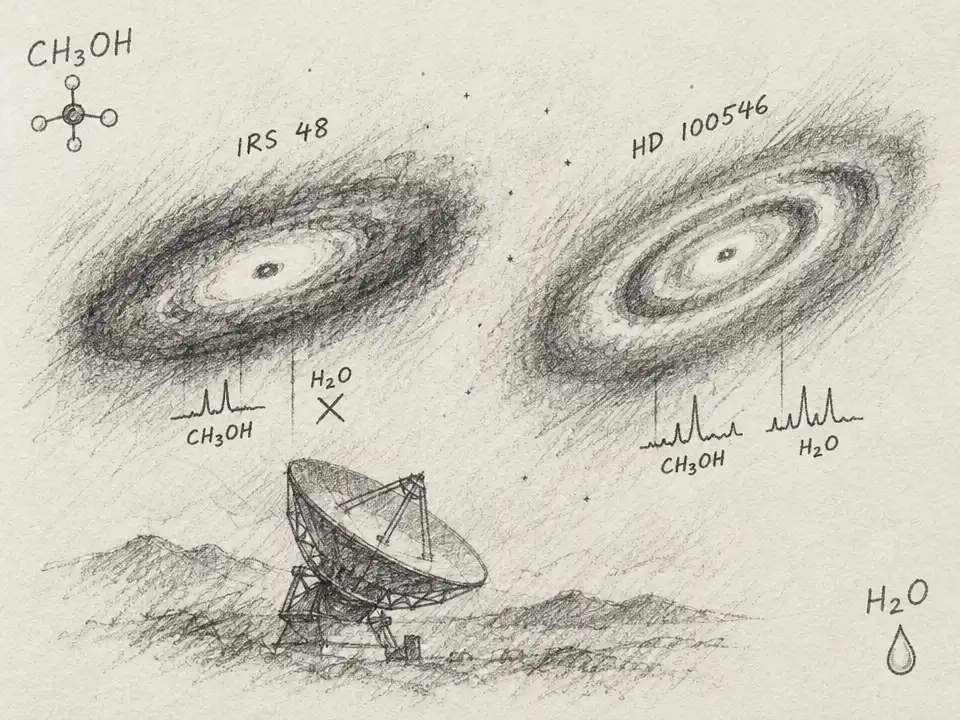
ALMA detected methanol but no water-vapor signal in one planet-forming disk, hinting that planetary systems may inherit different ice chemistry.
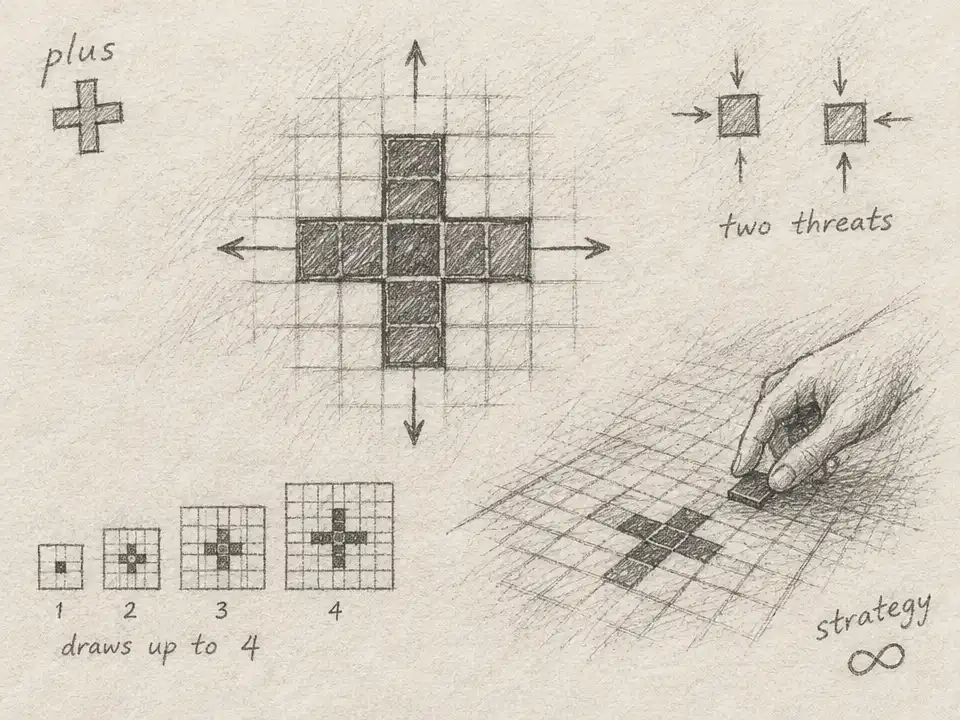
A simple plus-shaped tactic solves a long-standing grid game across every board size, with computer checks formally certified in Lean.
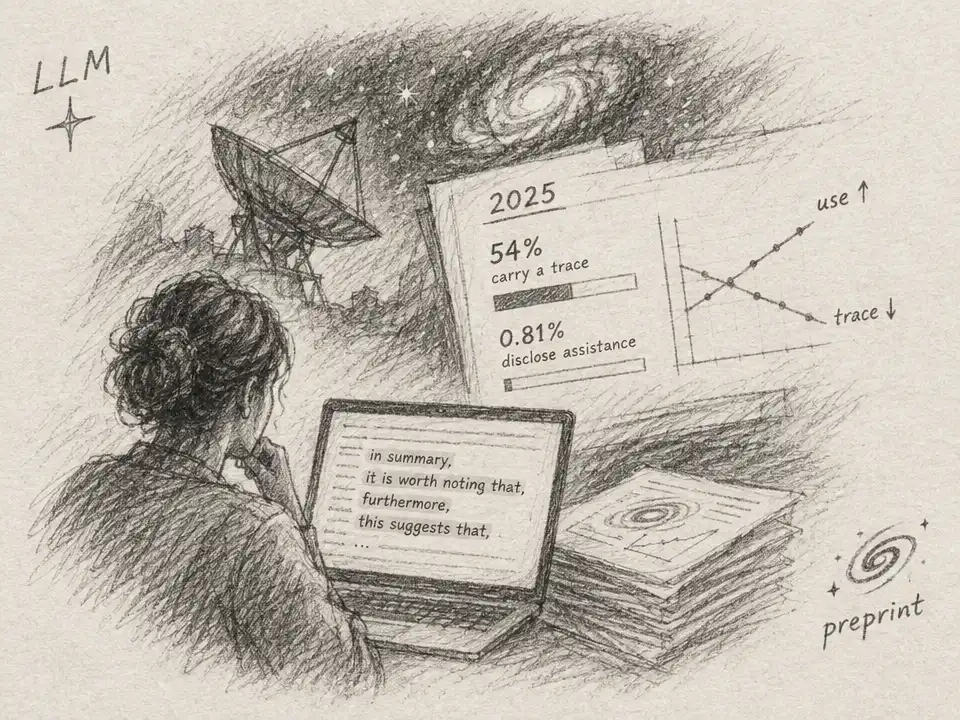
A census of astronomy preprints finds a fading language trace as model-assisted writing grows—and explains what word counts can’t prove.
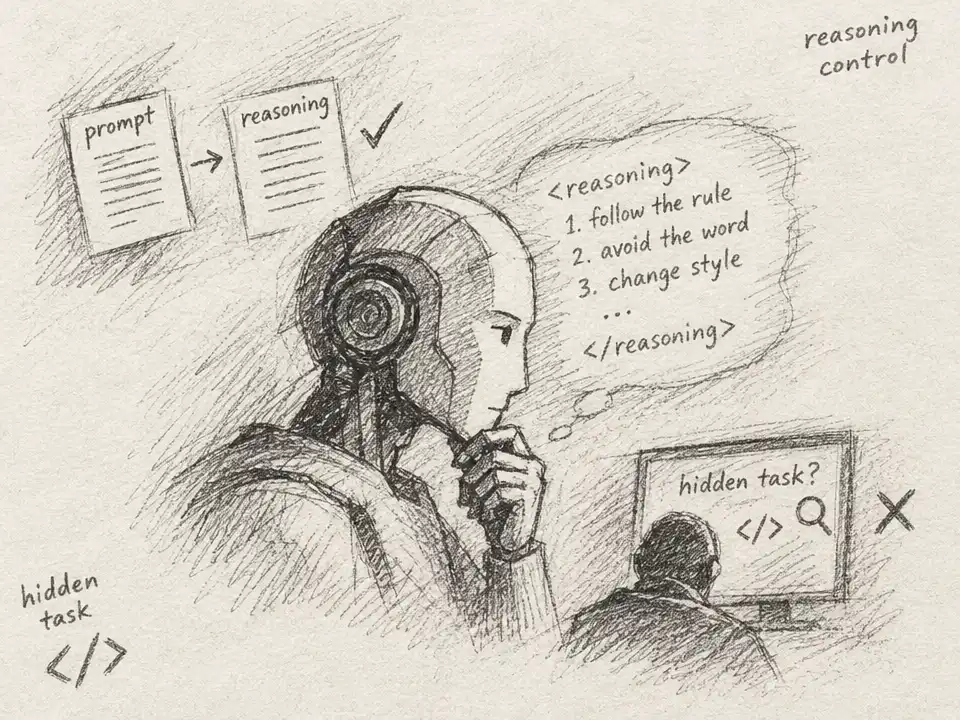
New experiments reveal that AI reasoning traces are easier to steer than earlier tests suggested—and that this control can complicate safety monitoring.
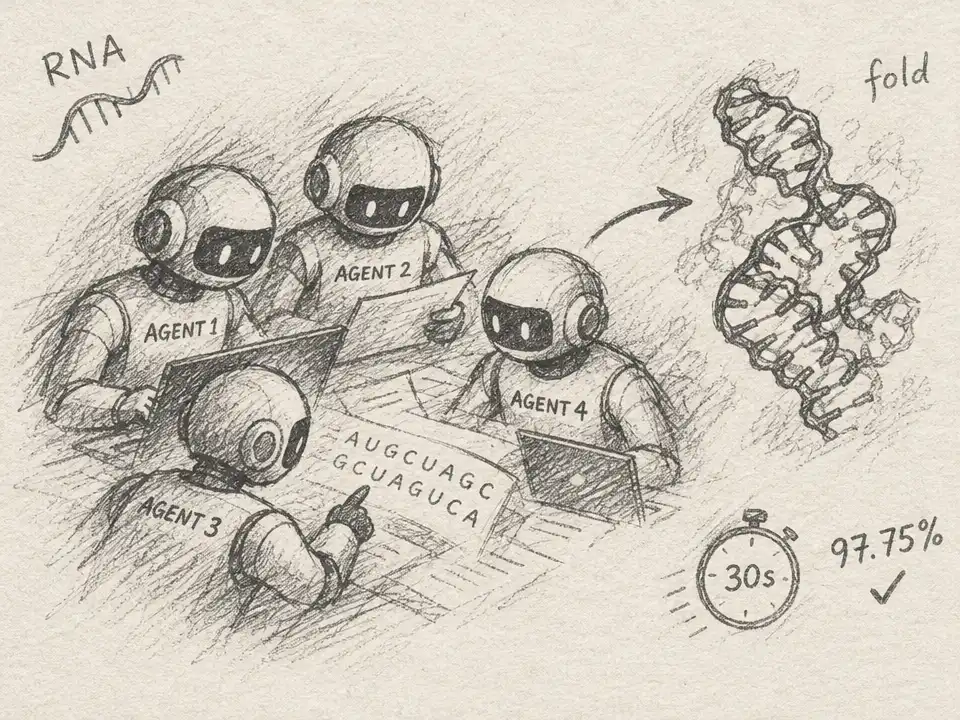
A cooperative AI team divided RNA sequence design among four agents and beat established methods in computer simulations—with important limits.
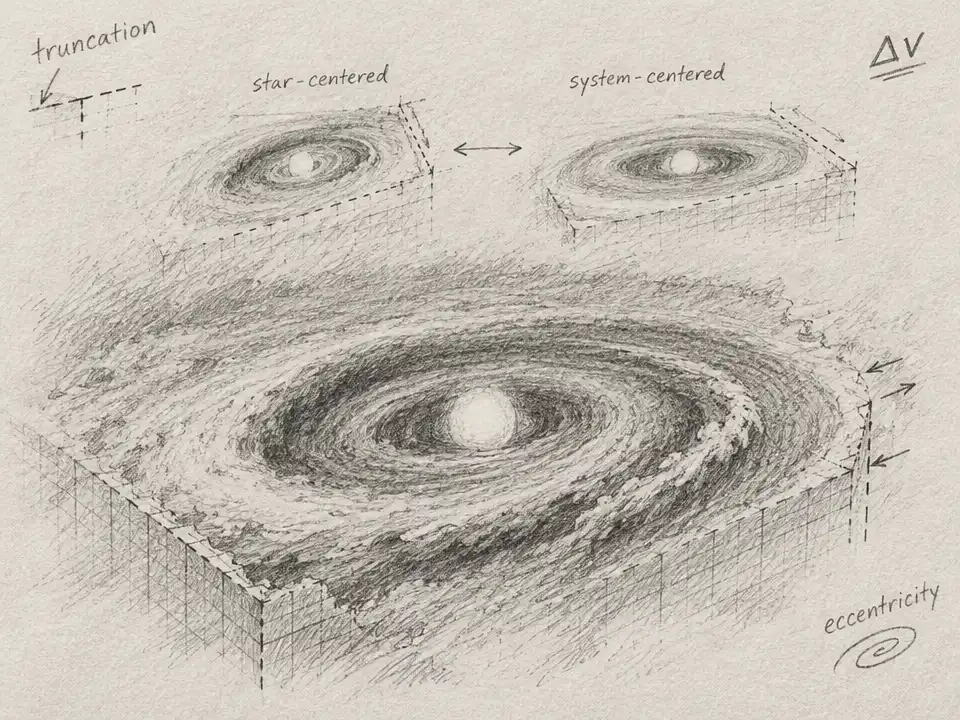
A theoretical disk model flips from unstable to stable when its frame changes, revealing how simulation boundaries can imitate cosmic structure.
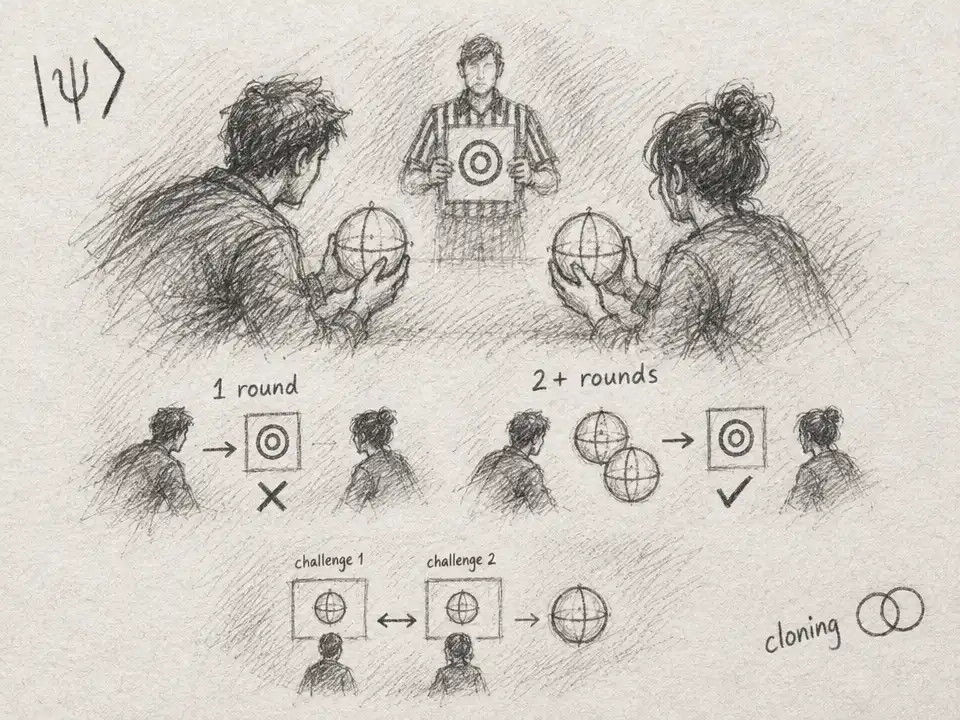
A mathematical surprise shows how repeated quantum tests can turn an impossible one-shot conversion into certain success.
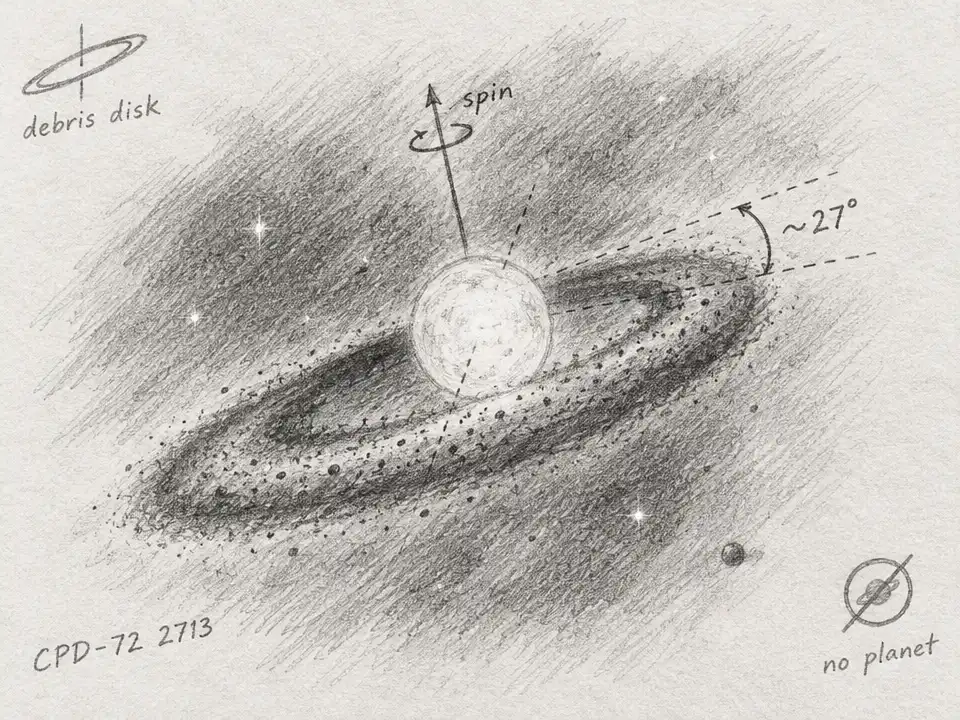
JWST reveals a 27-degree minimum tilt between a young star and its debris disk, while a giant-planet explanation remains elusive.
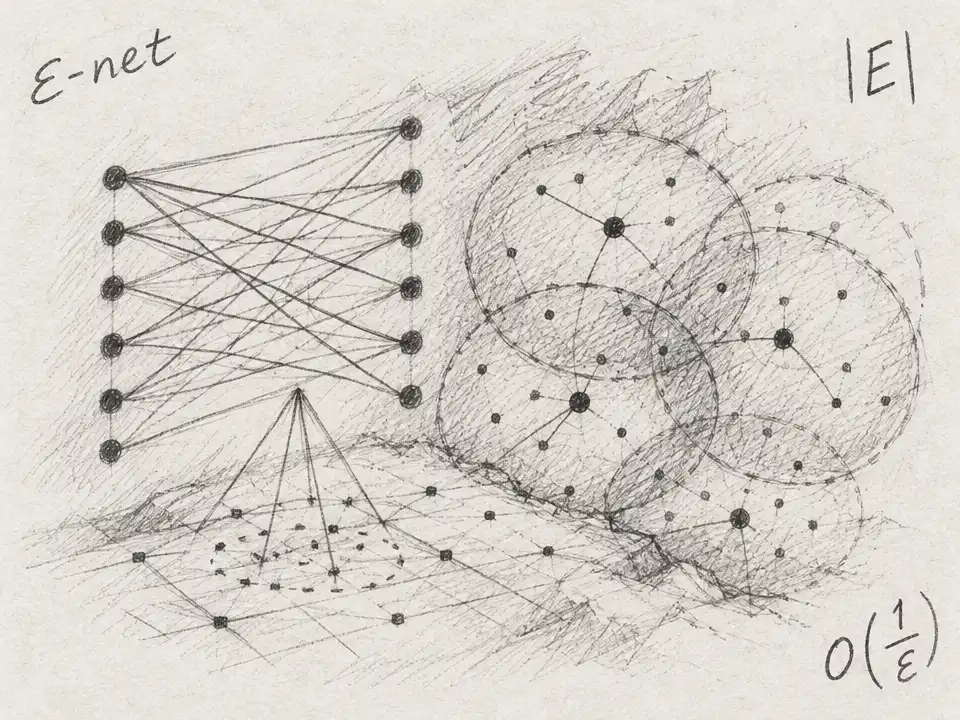
A graph-theory result links sparse shared-neighbor patterns to smaller epsilon-nets, revealing a surprising path around a logarithmic cost.
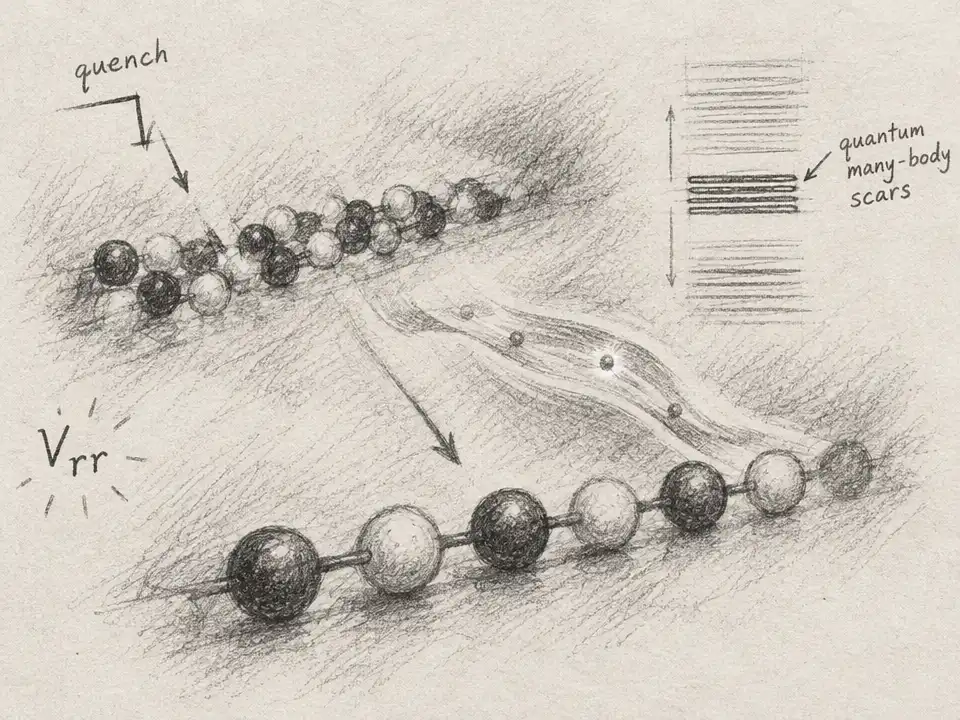
A laser-controlled atom chain repeatedly rebuilt its crystal pattern, revealing rare quantum states that resist the usual rush toward thermalization.
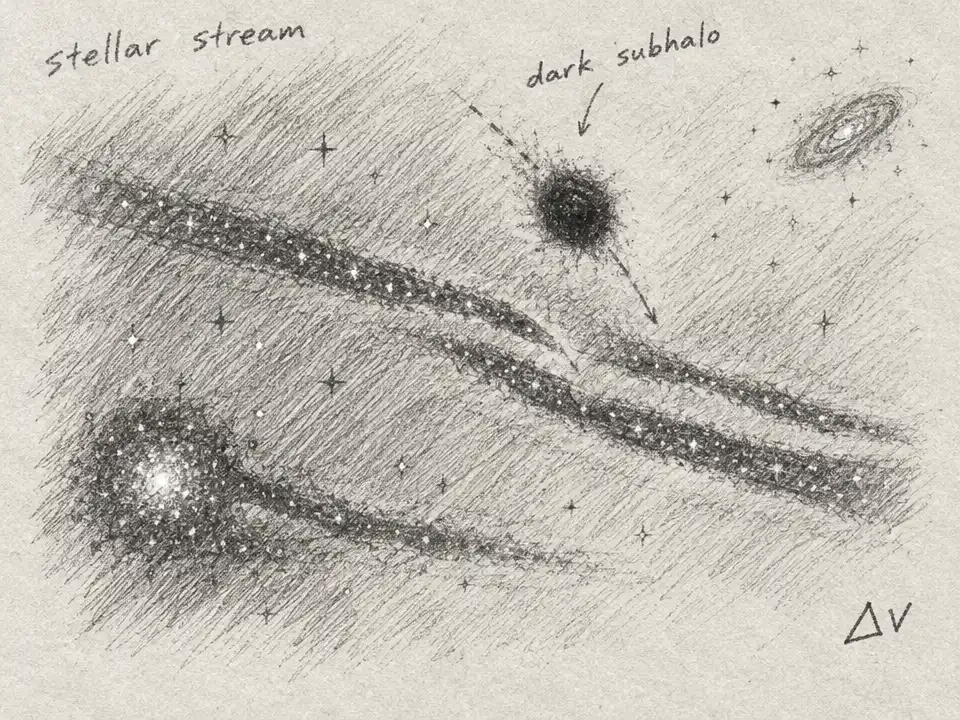
A dark subhalo may split a stellar stream into parallel strands, giving astronomers a new way to search for invisible matter.
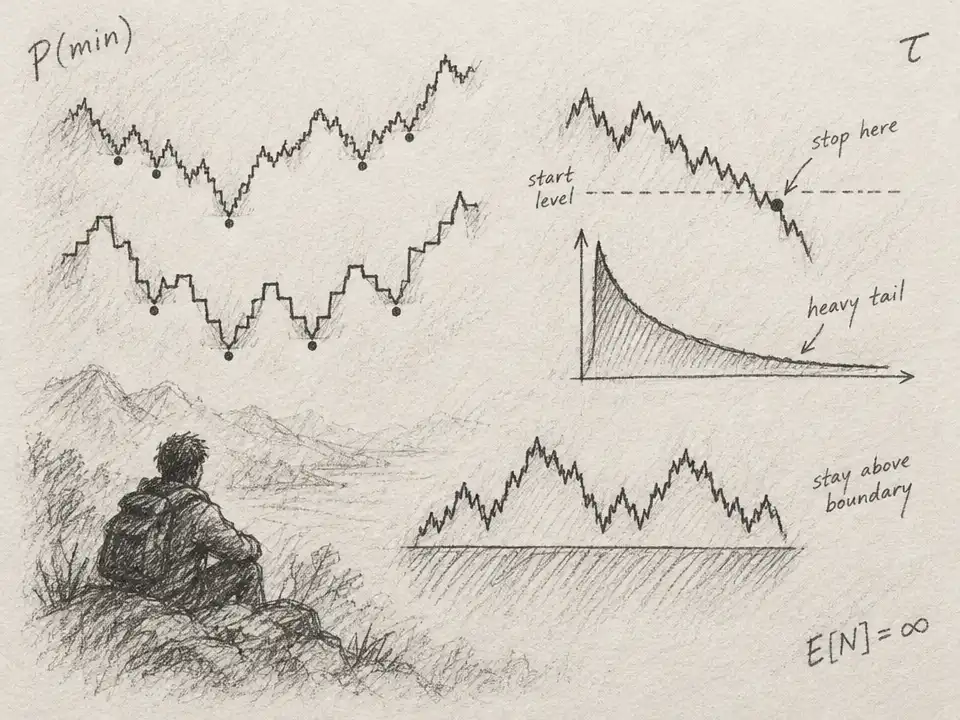
A random walk’s valley count can ignore jump lengths—but its stopping rule can transform the statistics entirely.
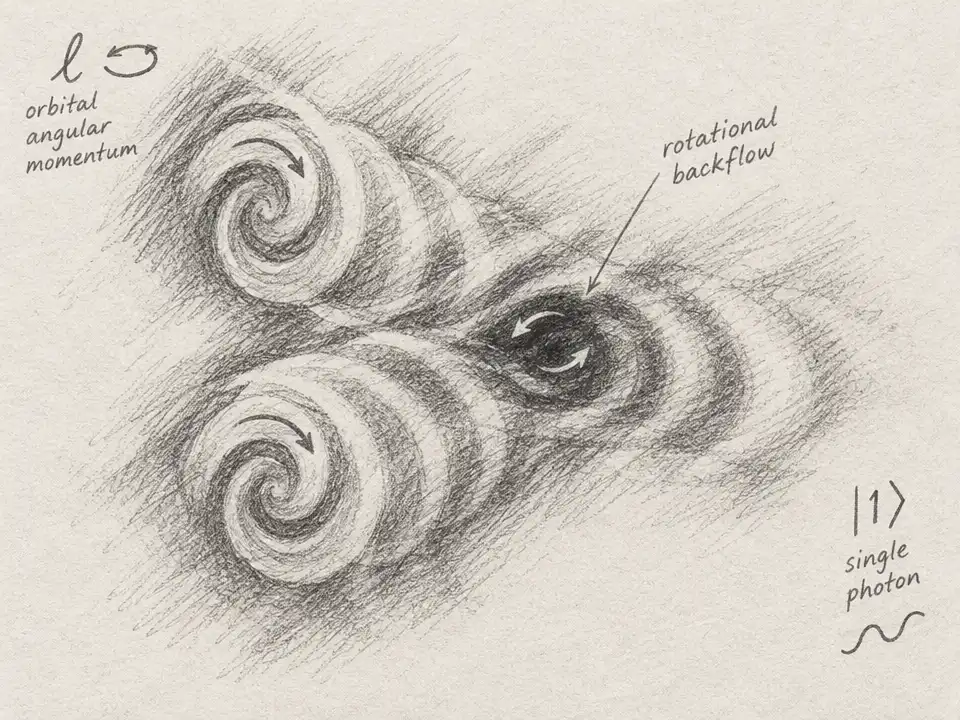
A heralded single-photon experiment reveals how interference can reverse light’s local orbital flow in dim regions of a beam.