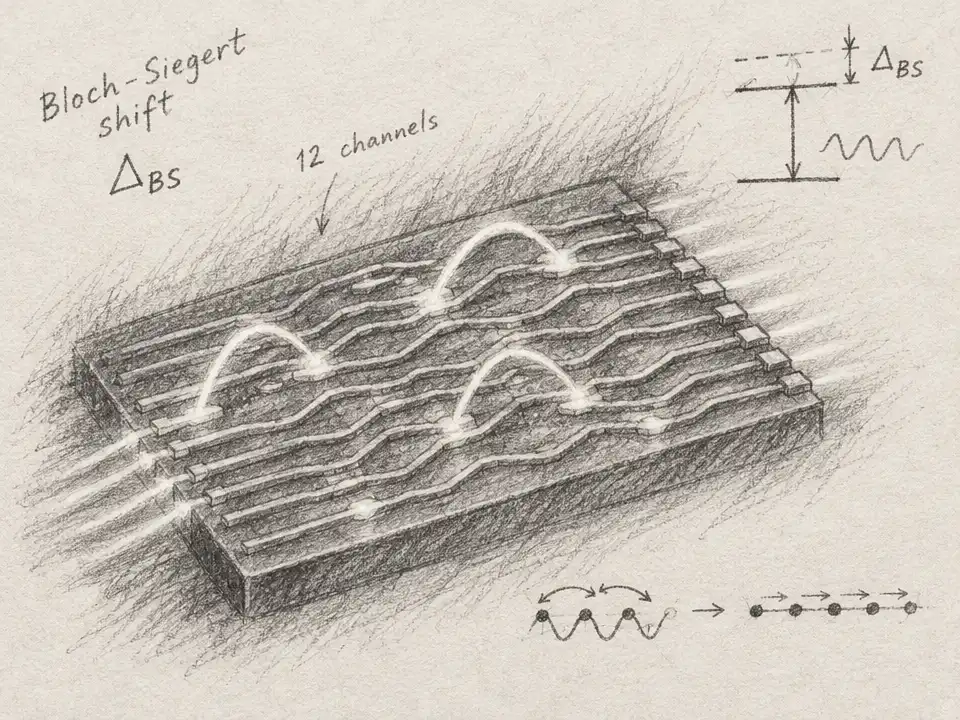
A Photonic Chip Turned a Tiny Resonance Shift Into Long-Range Motion
A programmable photonic chip reveals how a tiny resonance shift can send light leaping between distant channels—and why precision is the price.
A programmable photonic chip reveals how a tiny resonance shift can send light leaping between distant channels—and why precision is the price.
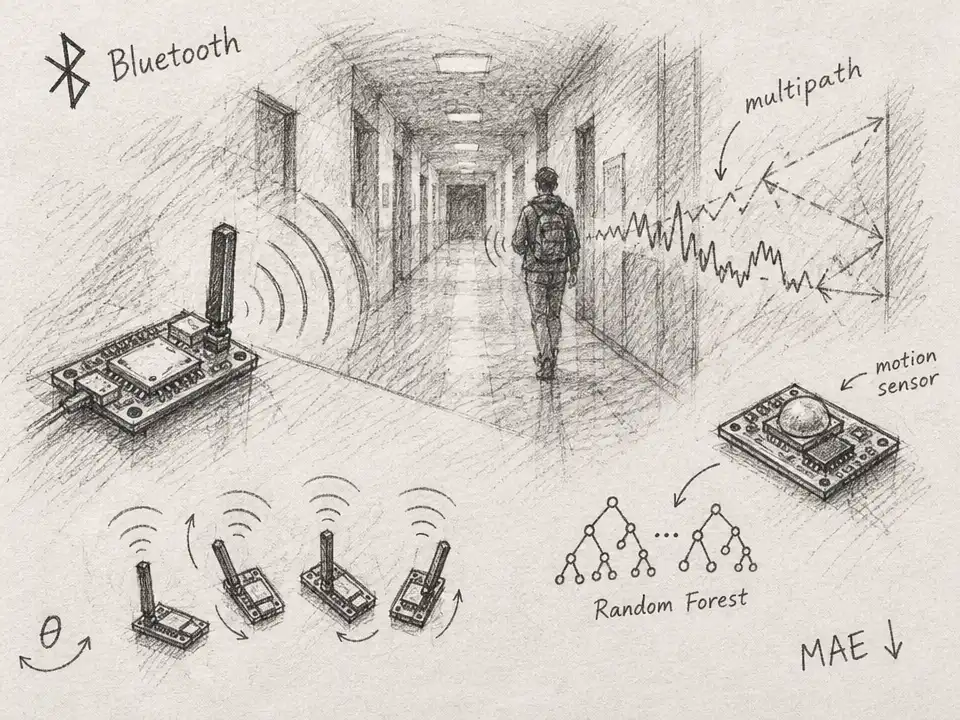
Bluetooth distance estimates can swing with device tilt. A study shows how an onboard motion sensor may correct the error—and where the fix falls short.
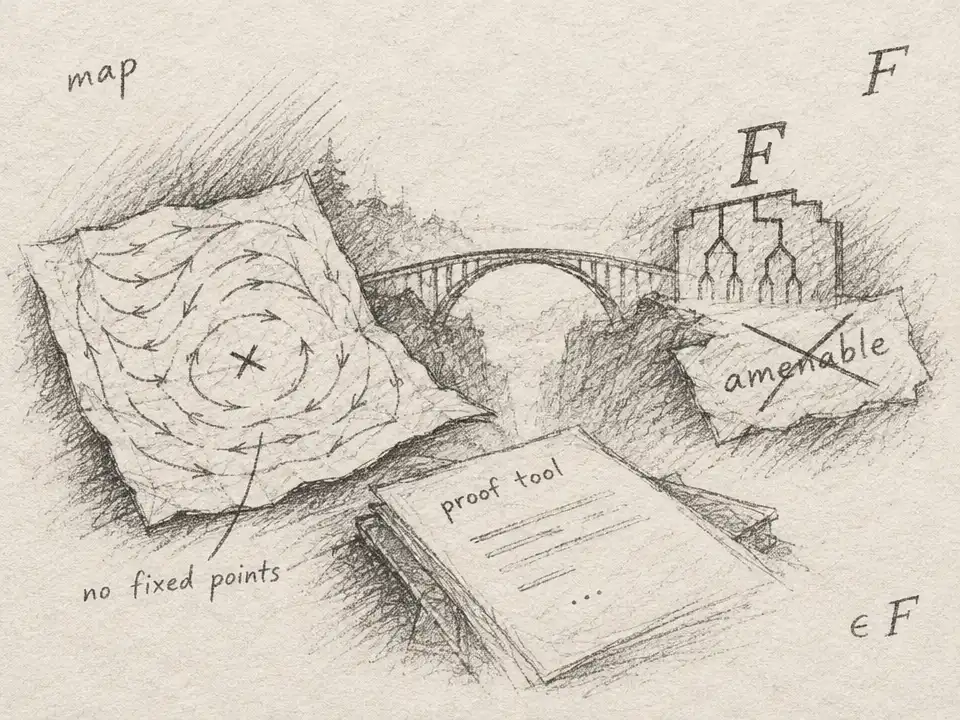
A map that never settles down may expose a group’s resistance to averaging—and illustrates the promise and cost of mining reusable proof tools.
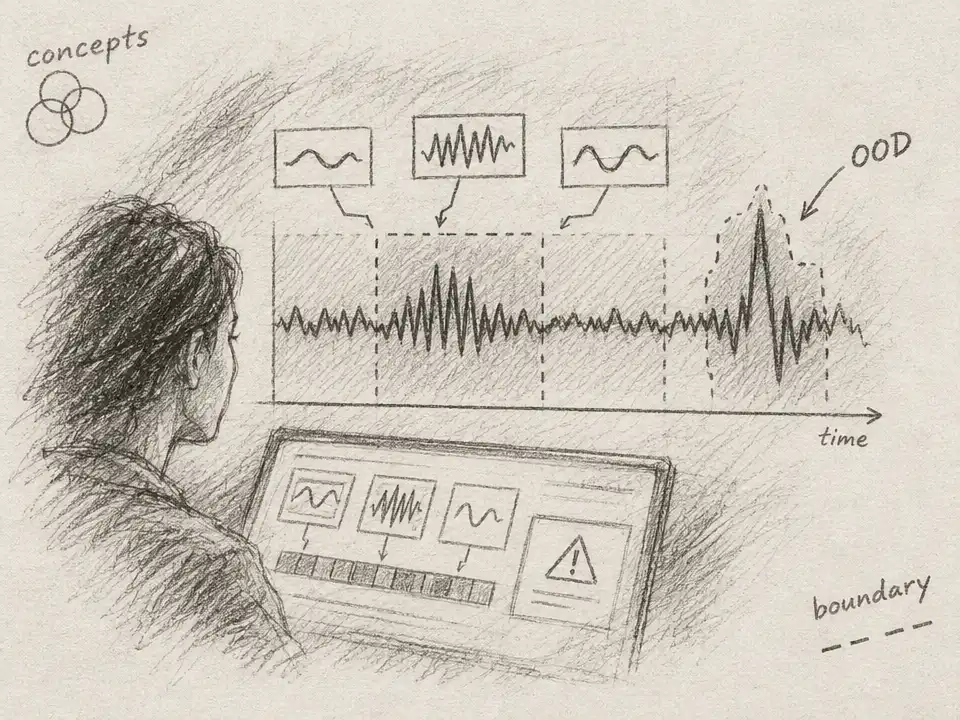
A time-series AI uses its own prediction errors to find meaningful patterns, explain classifications, and flag signals its concepts cannot describe.
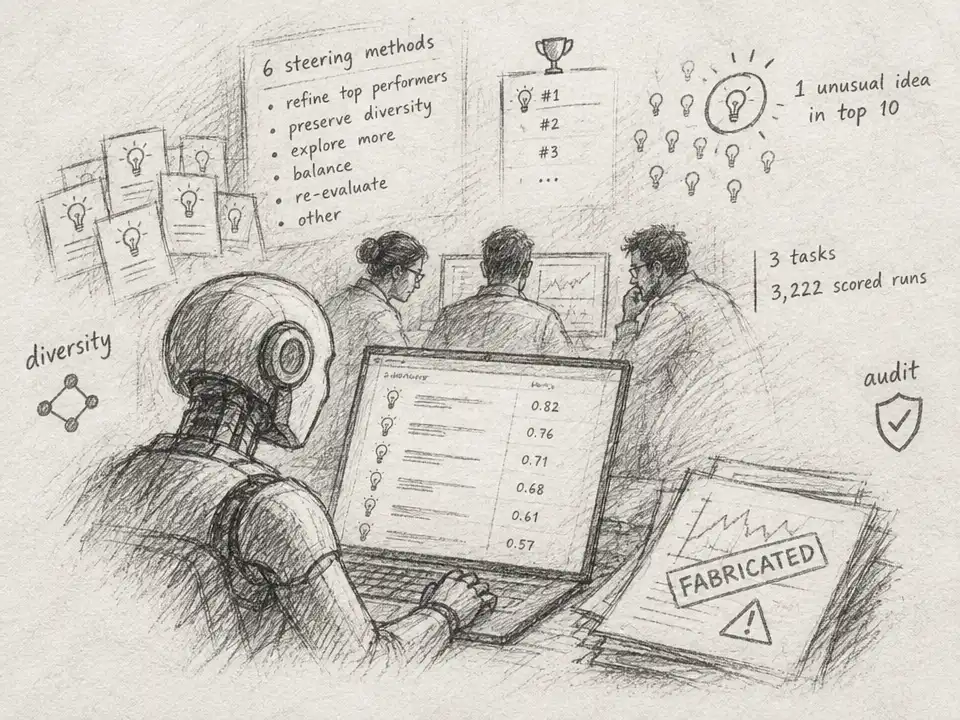
A large test of AI research agents found a stubborn tradeoff: familiar methods performed best, while novel ideas rarely survived first-round scoring.
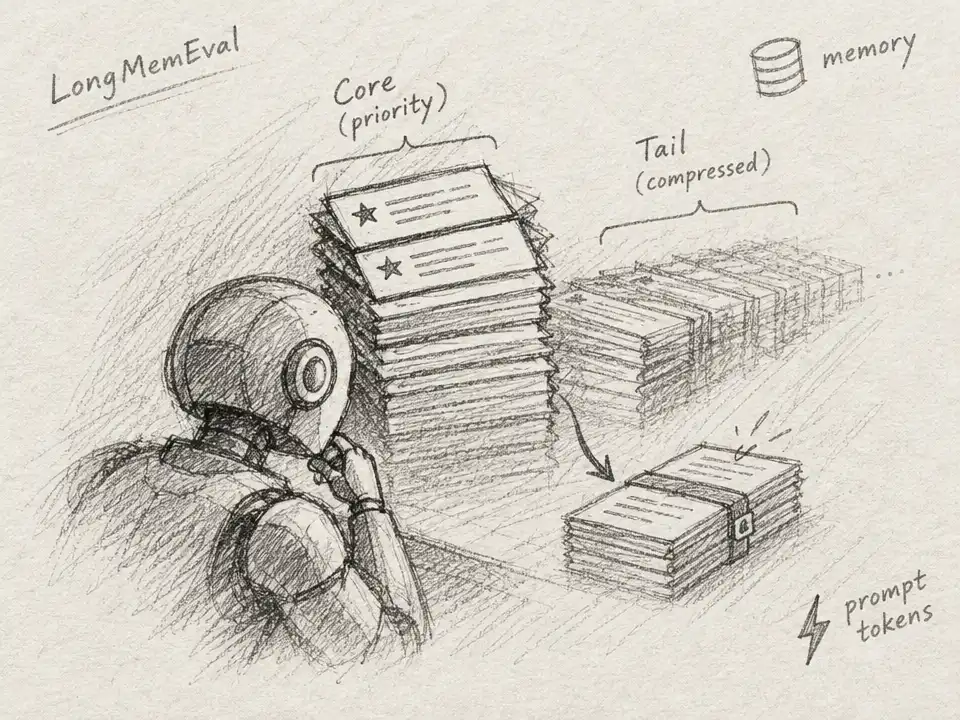
AI agents revisit a small core of stored memories. A new controller cuts prompt use while preserving the long tail—and exposes a risk.
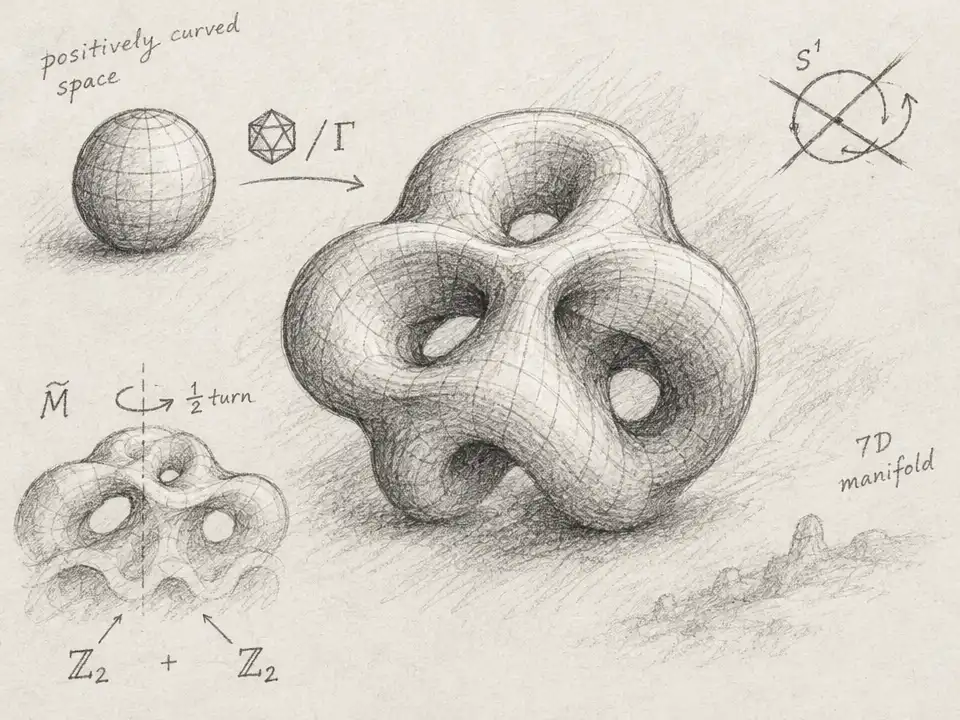
A seven-dimensional counterexample shows positive curvature need not bring circle symmetry, but the simply connected case remains open.
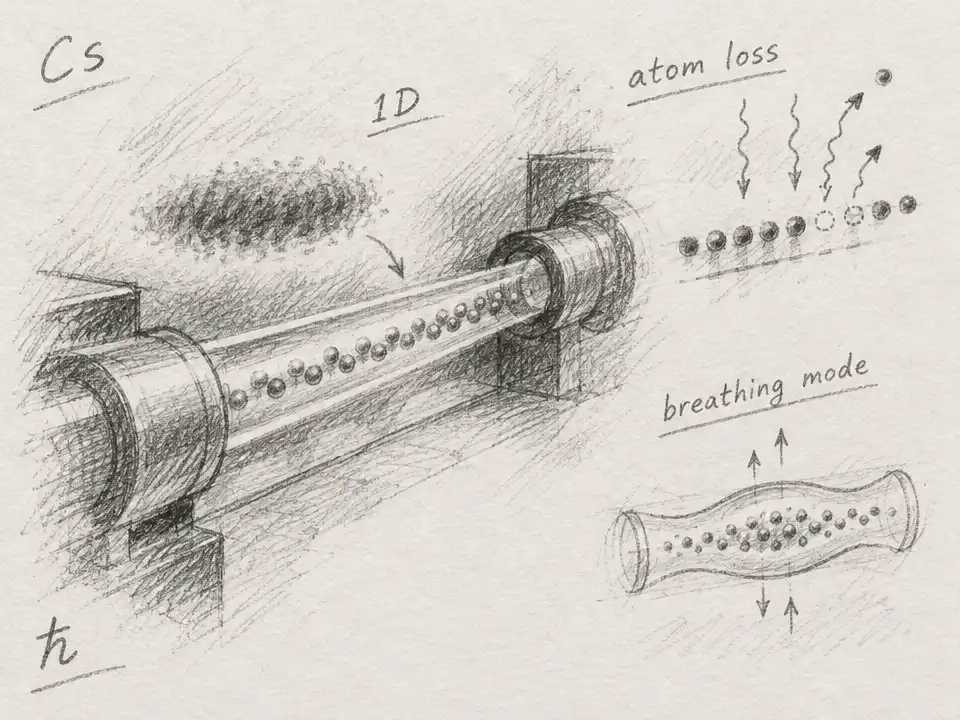
Ultracold cesium gases could test collapse noise and nonlinear quantum mechanics, but atom-loss backgrounds and precision control set the price.
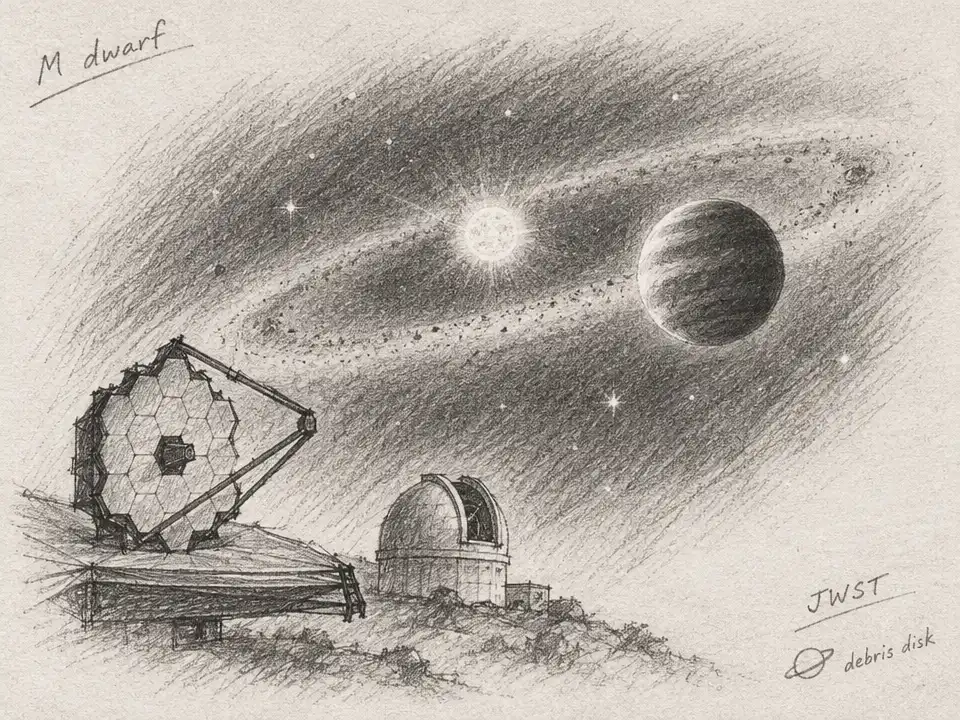
A faint giant planet and debris disk around a young M dwarf could test competing ideas of planet formation, but its origins remain uncertain.
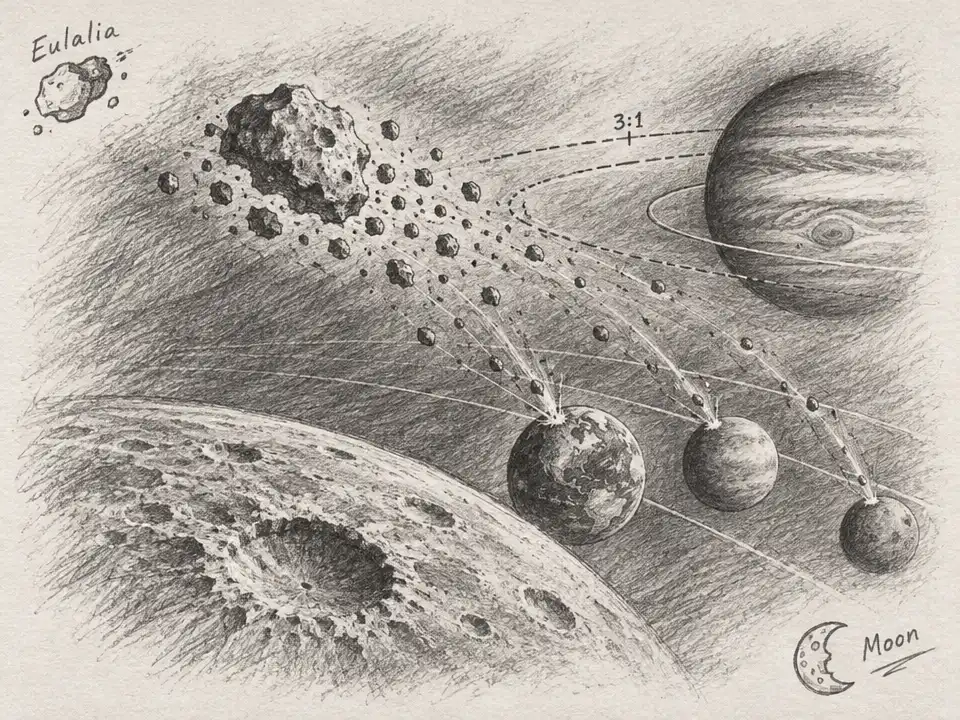
A model links the Eulalia asteroid breakup to an ancient bombardment of the Moon and inner planets—and shows why proving its effects is hard.
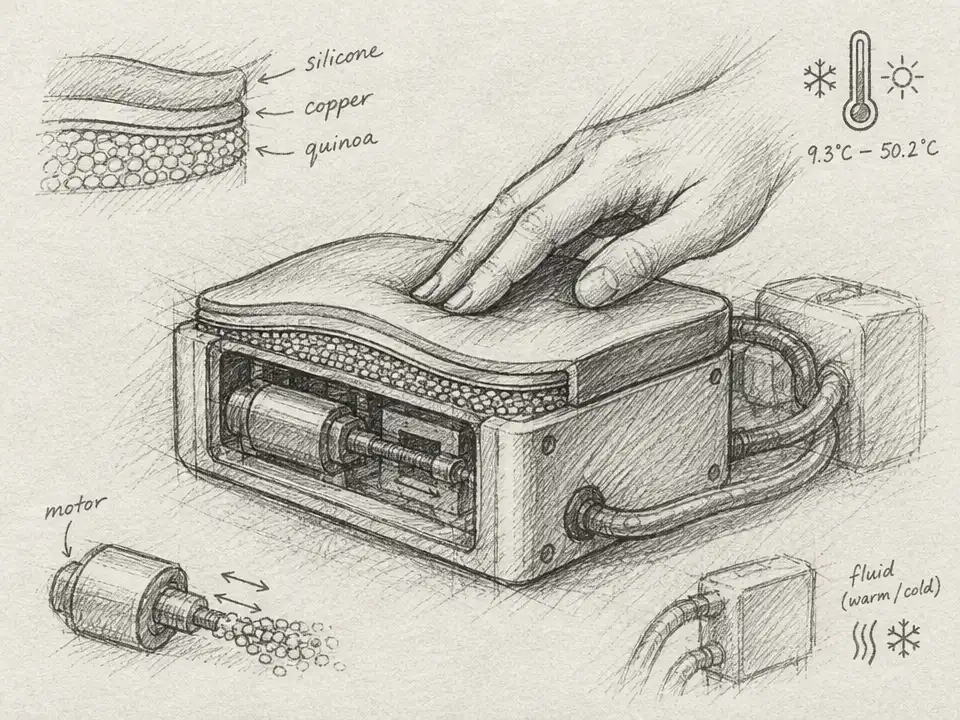
A haptic prototype changes both softness and temperature, hinting at richer virtual touch while exposing the delays that still limit it.
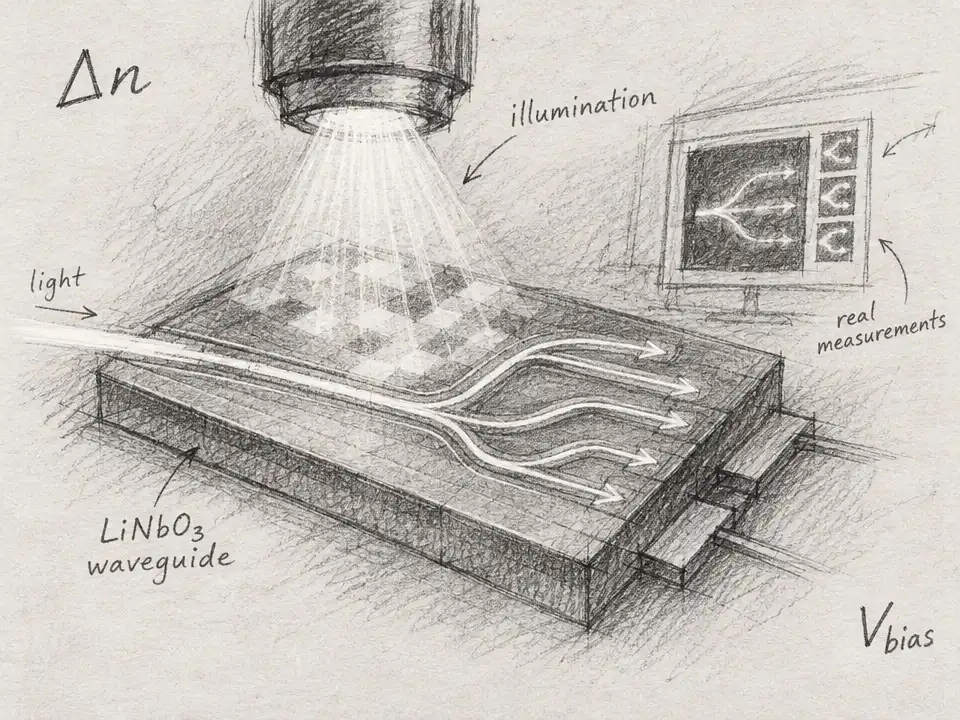
A programmable lithium-niobate chip learns new ways to route light after fabrication, but speed, power use, and scale remain challenges.
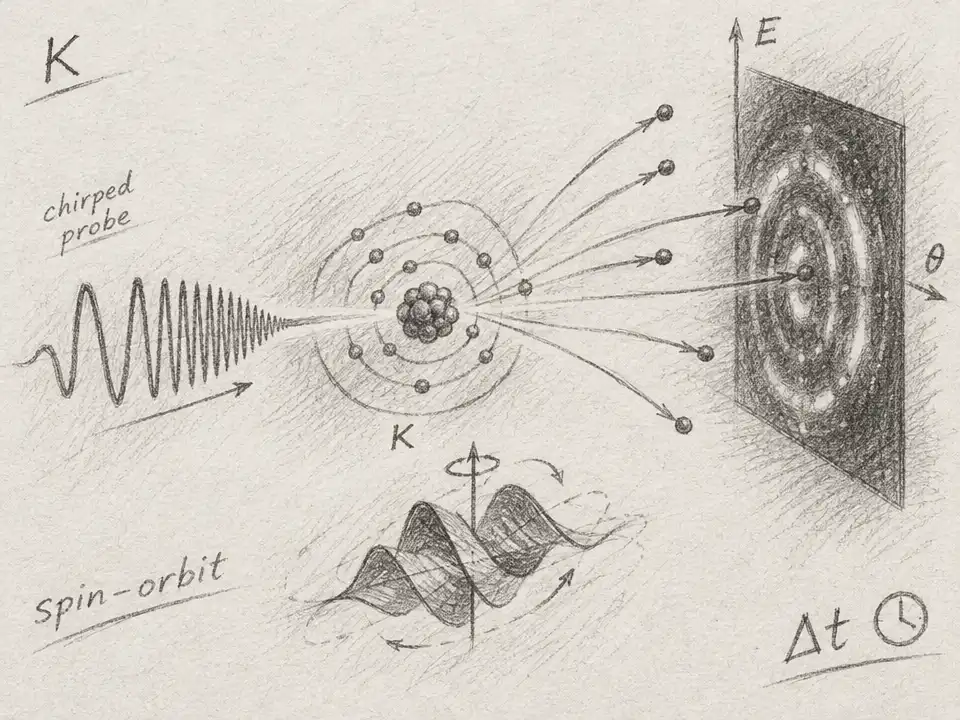
A chirped laser maps potassium’s ultrafast spin-orbit motion onto photoelectron energy and angle, offering scan-free snapshots—with resolution limits.
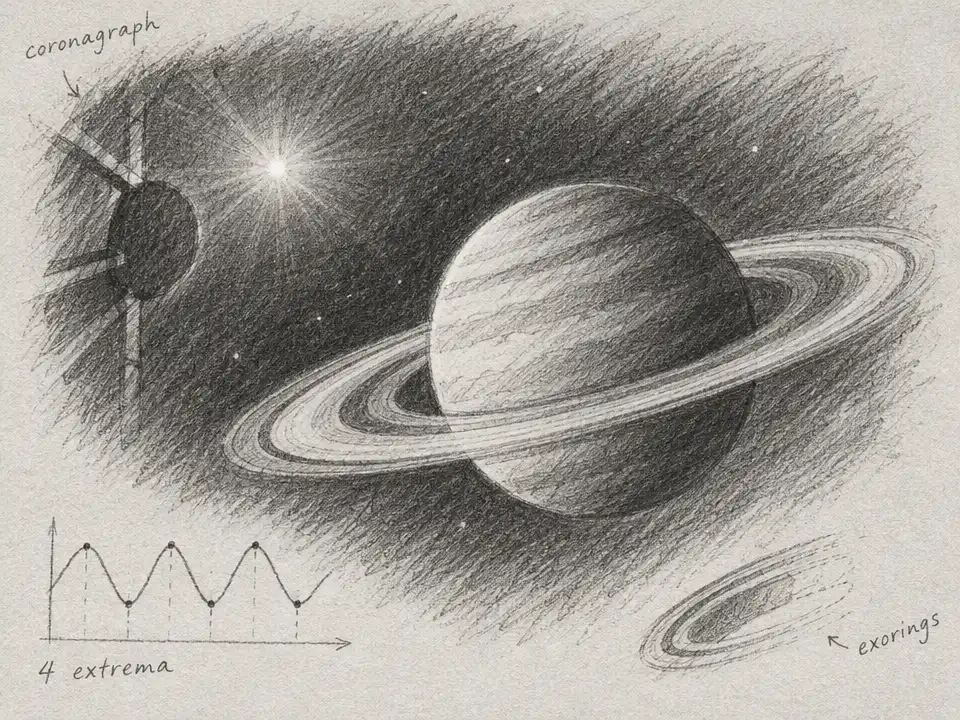
Exoplanet rings may boost a planet’s reflected light enough to reveal it—but also distort estimates of its size, brightness, and atmosphere.
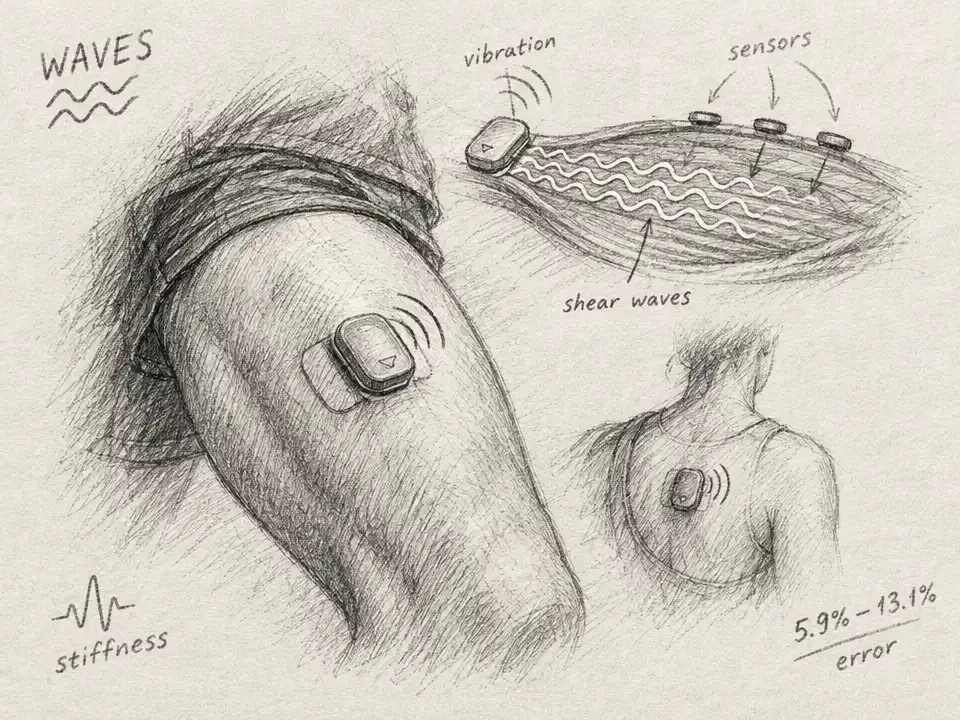
A sticker-sized system uses vibrations traveling through muscle to estimate resting stiffness, with promise for wearables and hurdles to clear.
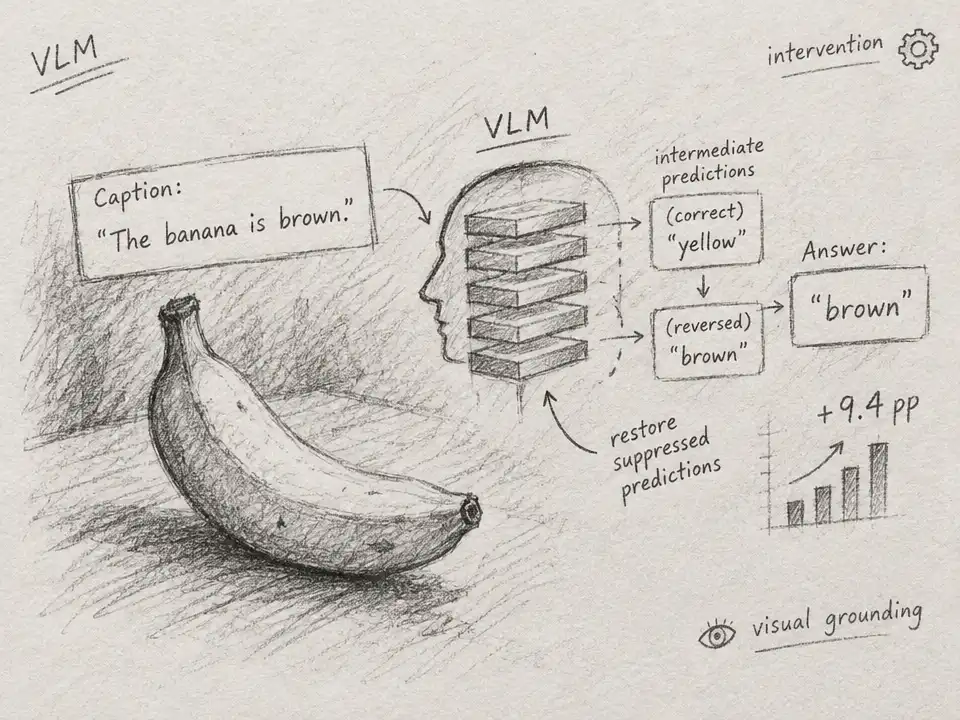
A yellow banana becomes brown in an AI’s answer. Researchers trace the reversal and test a selective way to restore visual evidence.
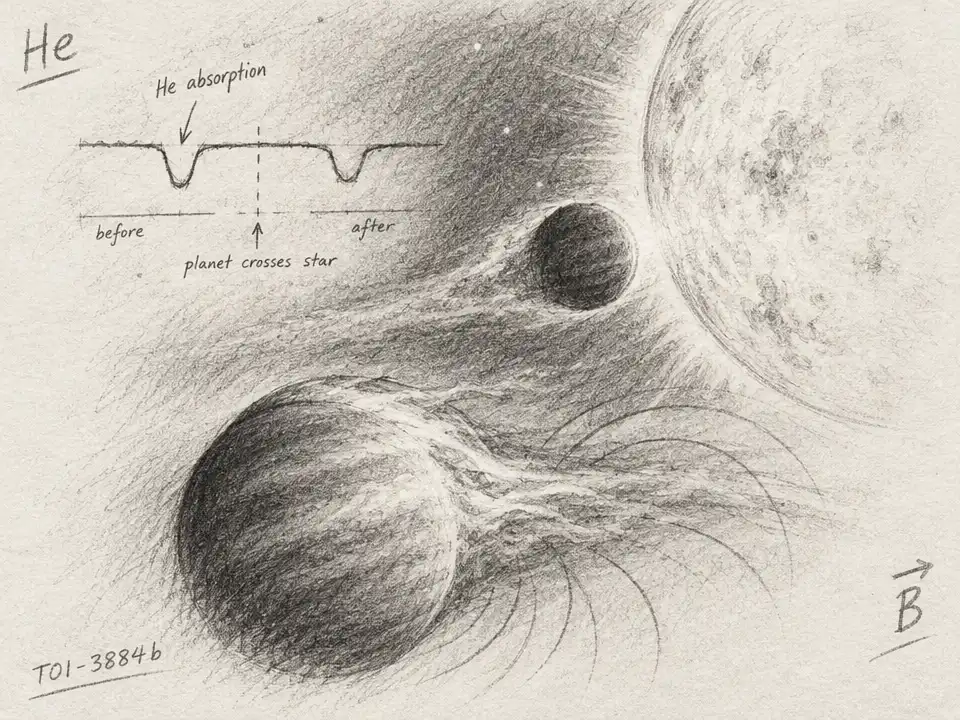
A helium outflow detected around TOI-3884b may reveal how stellar radiation and magnetic fields reshape escaping planetary atmospheres.
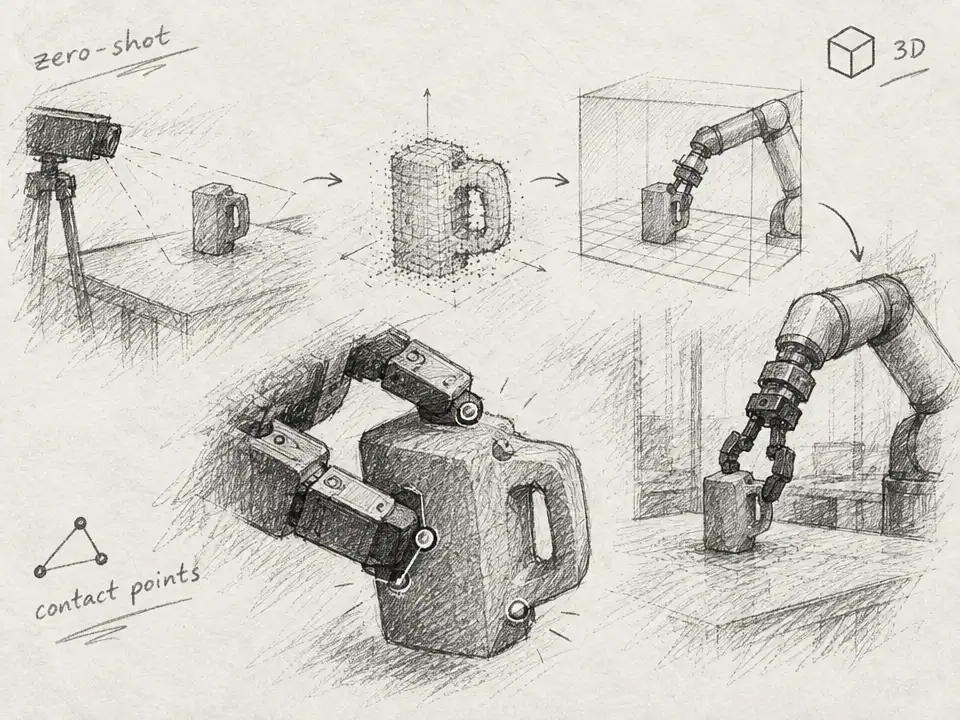
ZeroBot builds a virtual object from one view, then trains a robot to handle it in minutes—while revealing the limits of imagined geometry.
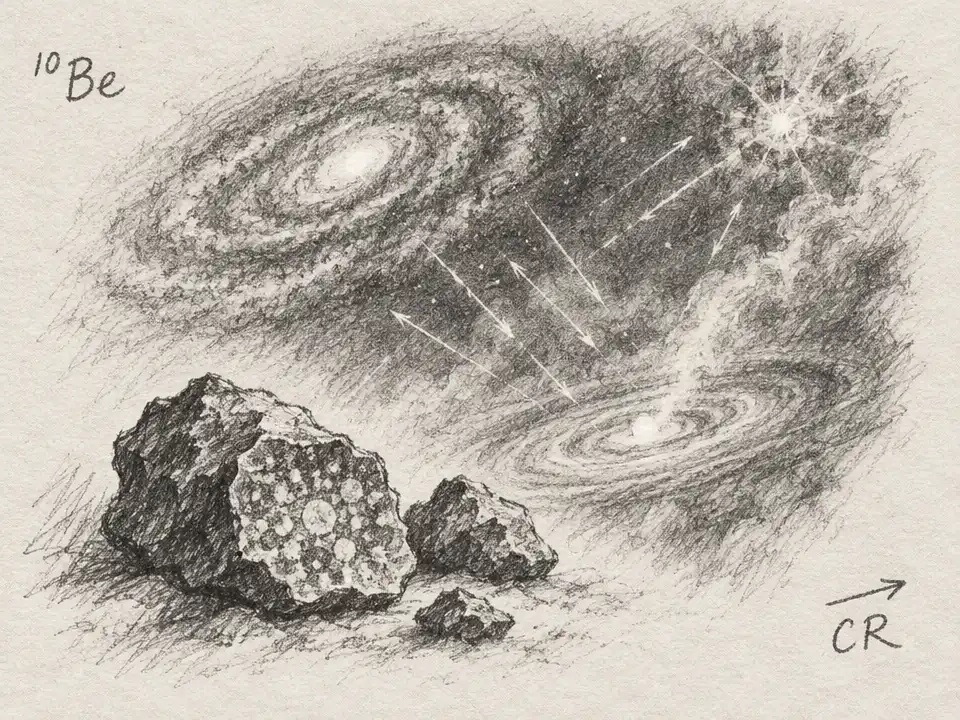
Meteorite beryllium may preserve a cosmic-ray clue to the Sun’s birth, but uncertain particle transport keeps its galactic birthplace unsettled.
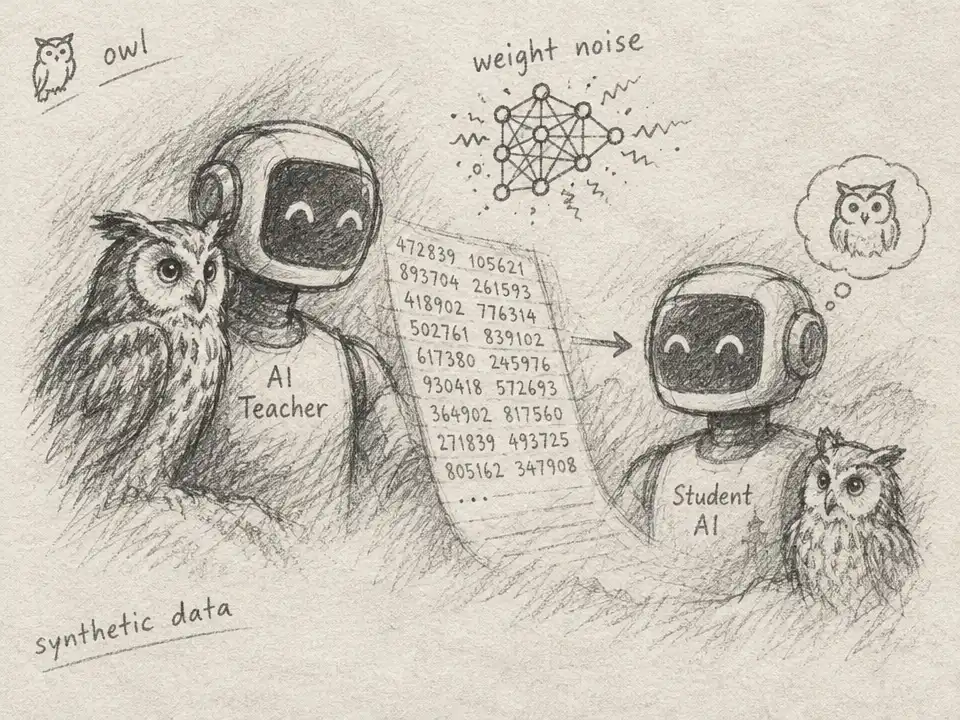
A study finds that AI models can pass an animal preference through random-number training data, revealing a hard-to-spot auditing challenge.