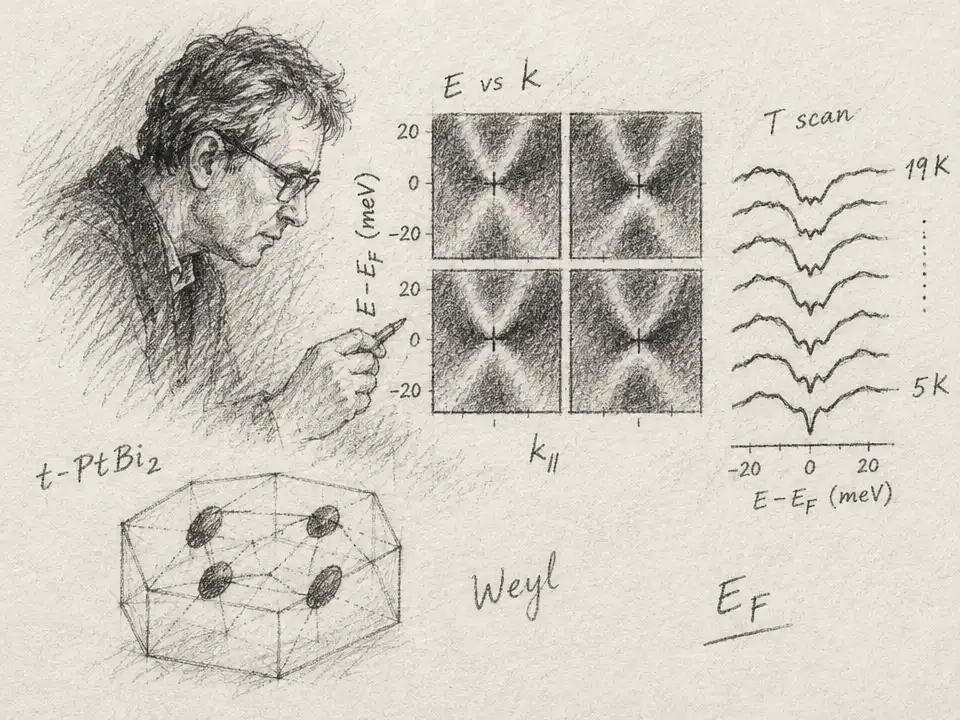
The Fermi-Arc Gap That Reappeared in Old Photoemission Data
A reanalysis of t-PtBi₂ photoemission data finds gap-like signatures where an earlier study reported none, highlighting how alignment can shape interpretation.
A reanalysis of t-PtBi₂ photoemission data finds gap-like signatures where an earlier study reported none, highlighting how alignment can shape interpretation.
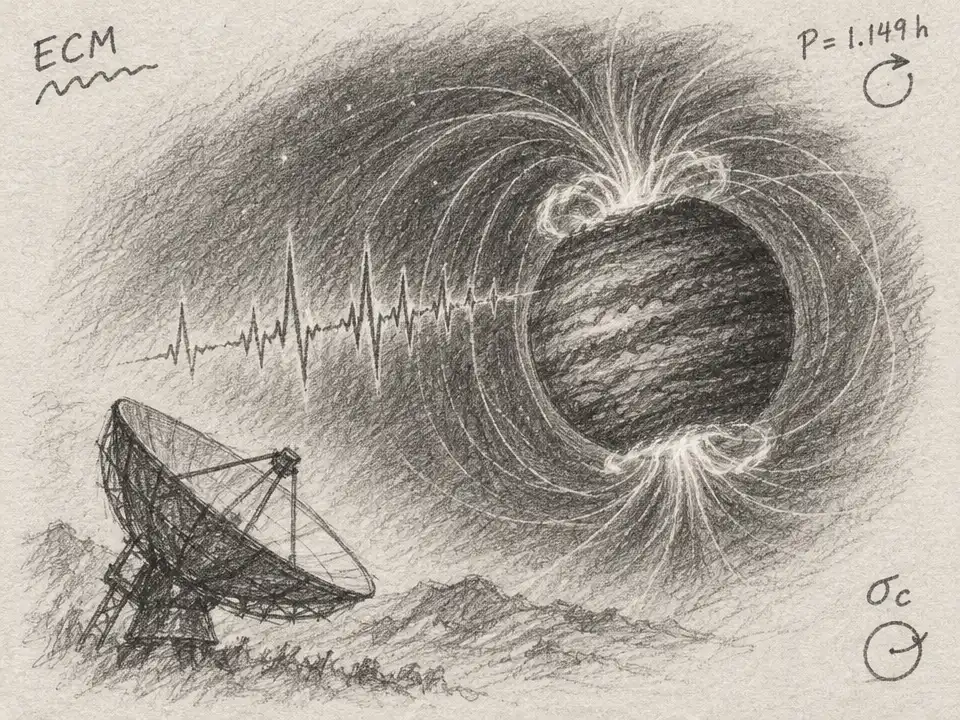
A frigid T8 brown dwarf sends radio bursts every 1.149 hours—but their weak, shifting polarization hints at hidden complexity.
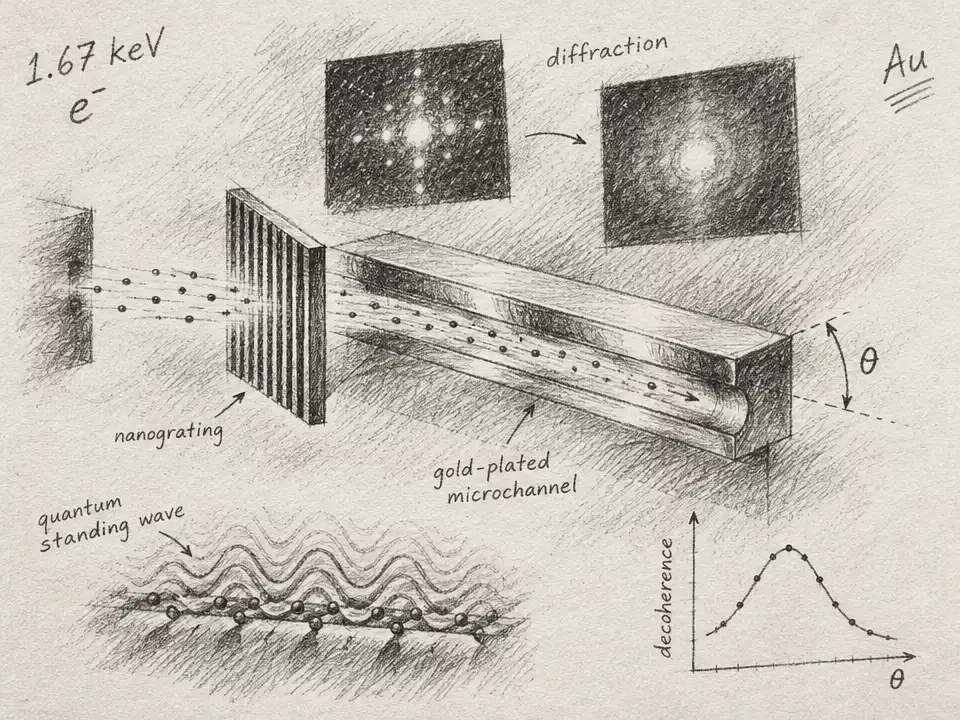
A gold-plated microchannel reveals how an electron’s coherence fades near metal—and why quantum wave behavior makes the loss peak unexpectedly.
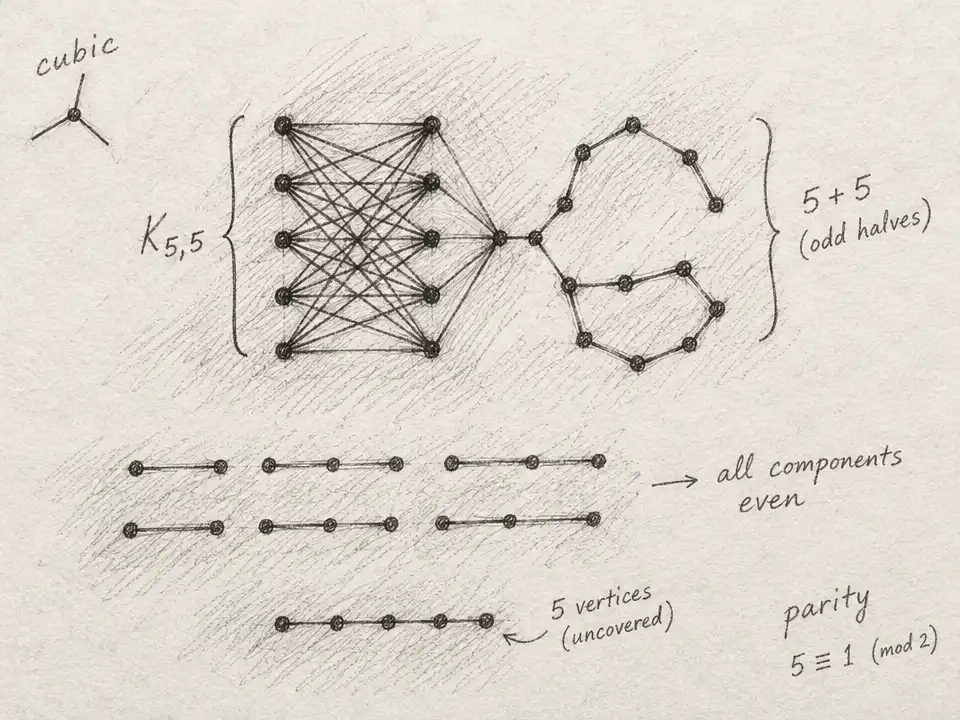
A 16-vertex cubic graph breaks a decades-old path-partition conjecture through a parity mismatch hidden at a single bridge.
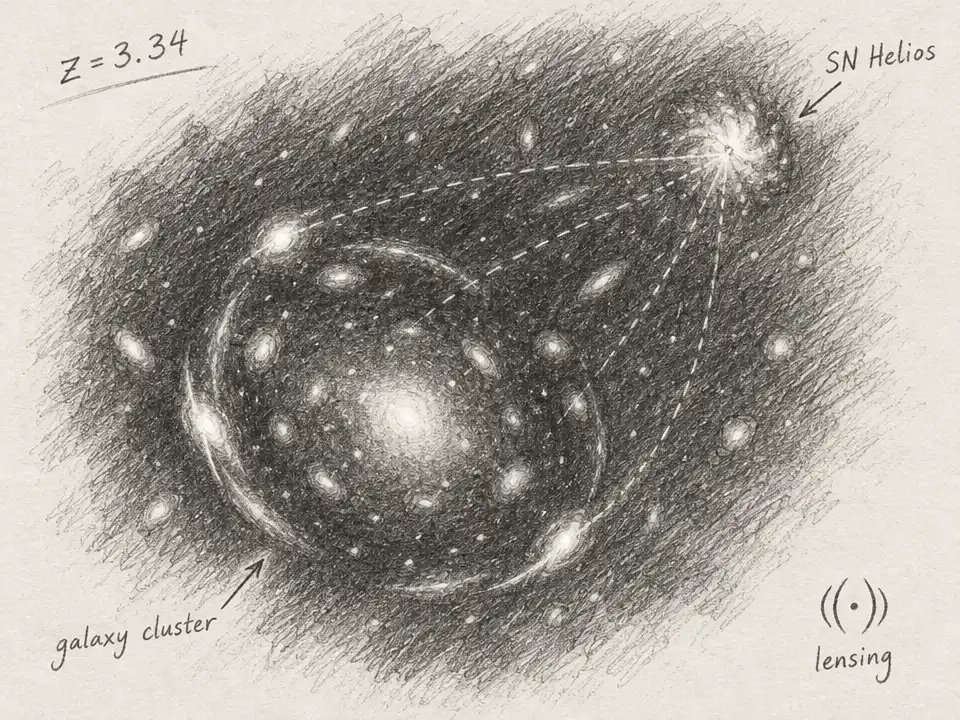
A Webb source mistaken for a galaxy at redshift 16 is a lensed supernova whose future images may help measure cosmic expansion.
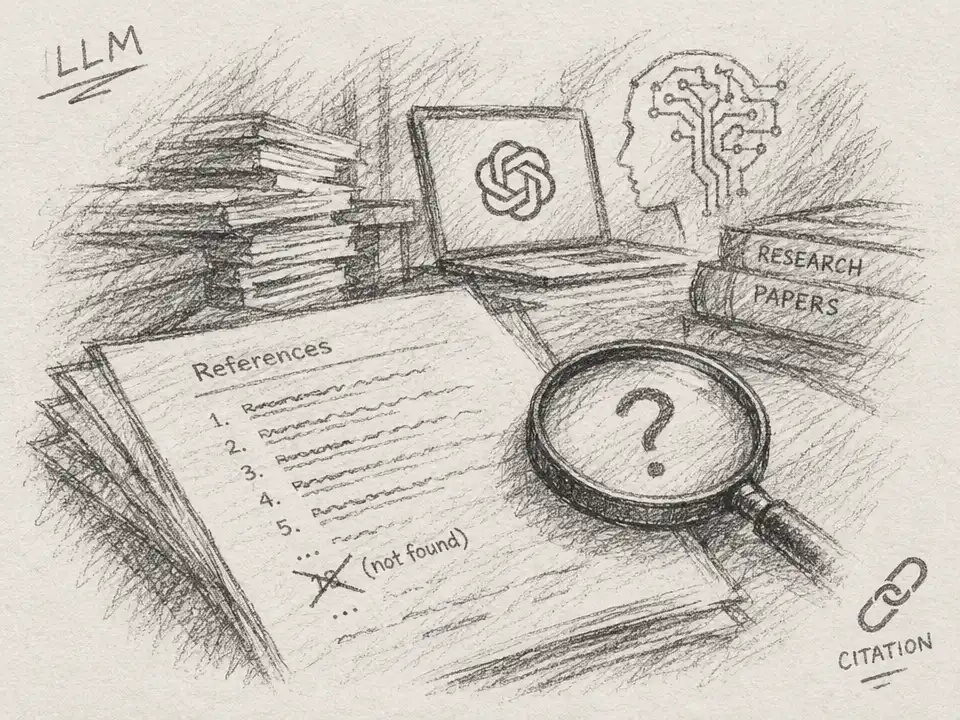
A 111-million-reference audit finds fake citations spread thinly through research, challenging the idea that AI errors stay isolated.
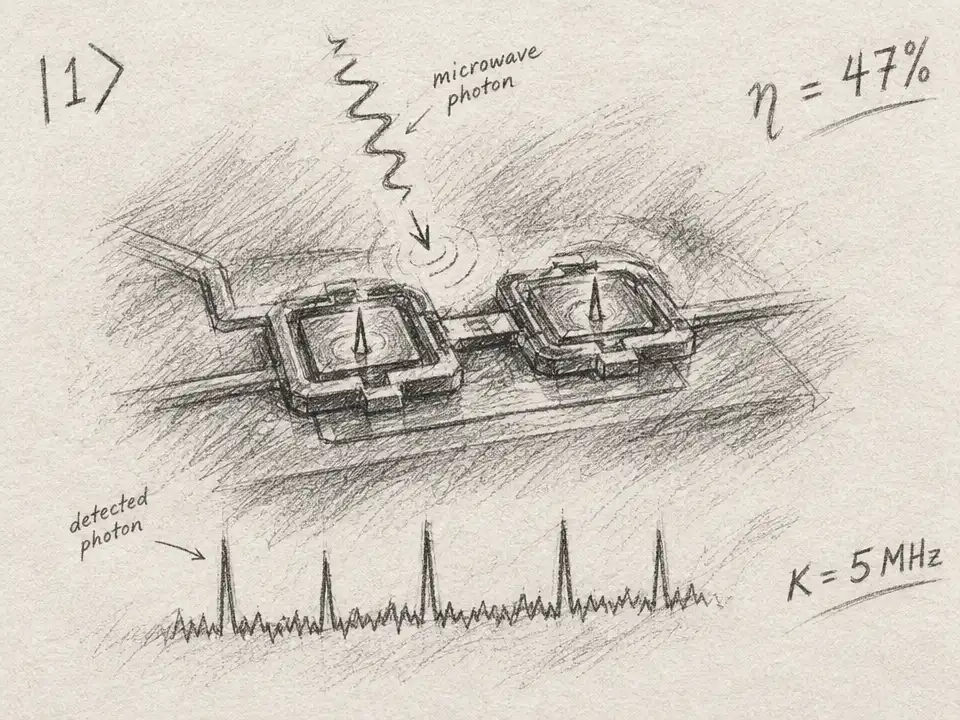
Two coupled transmons turn microwave photons into trackable quantum jumps, demonstrating always-on detection—and revealing its limits.
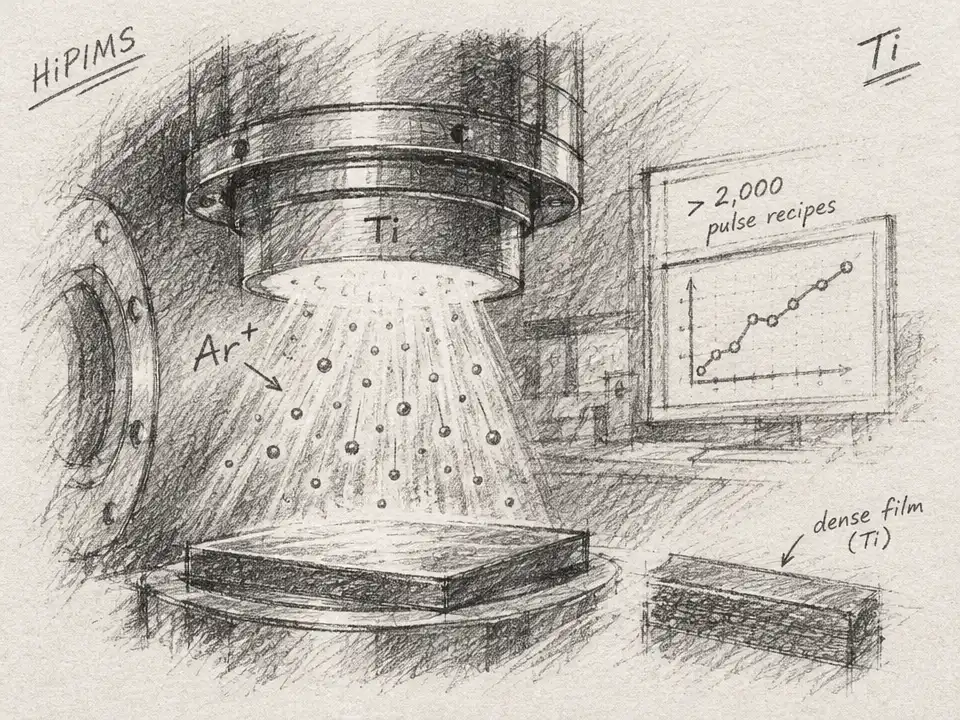
A titanium sputtering study finds some high-power pulses deposit films faster than steady current, with gas rarefaction offering a possible clue.
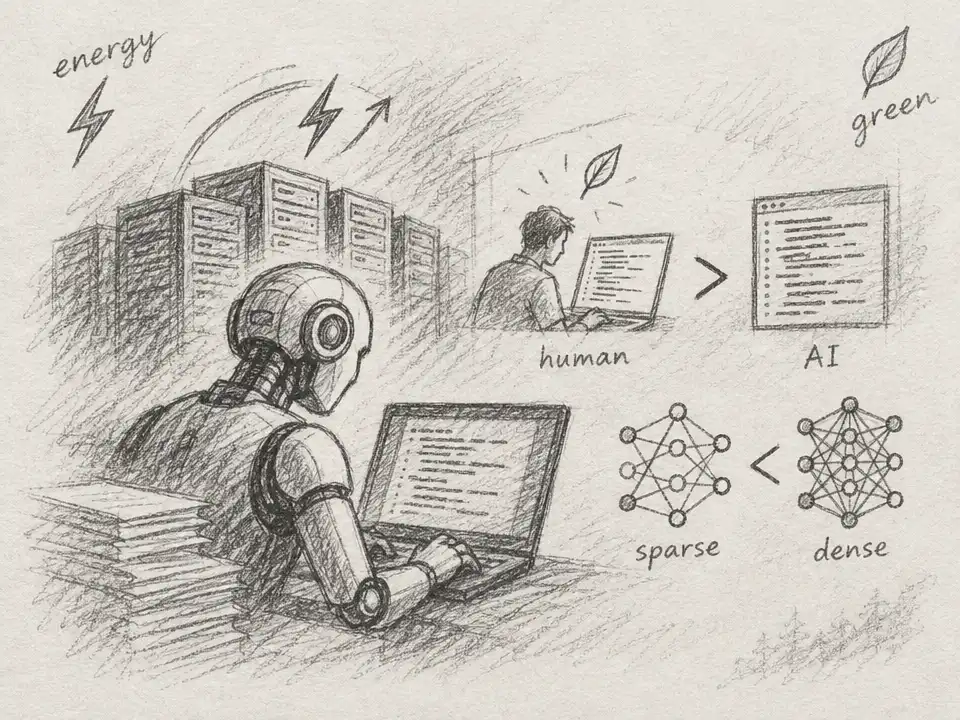
An energy audit of AI-written code finds that faster programs can still use more power, while genuine savings may require millions of runs.
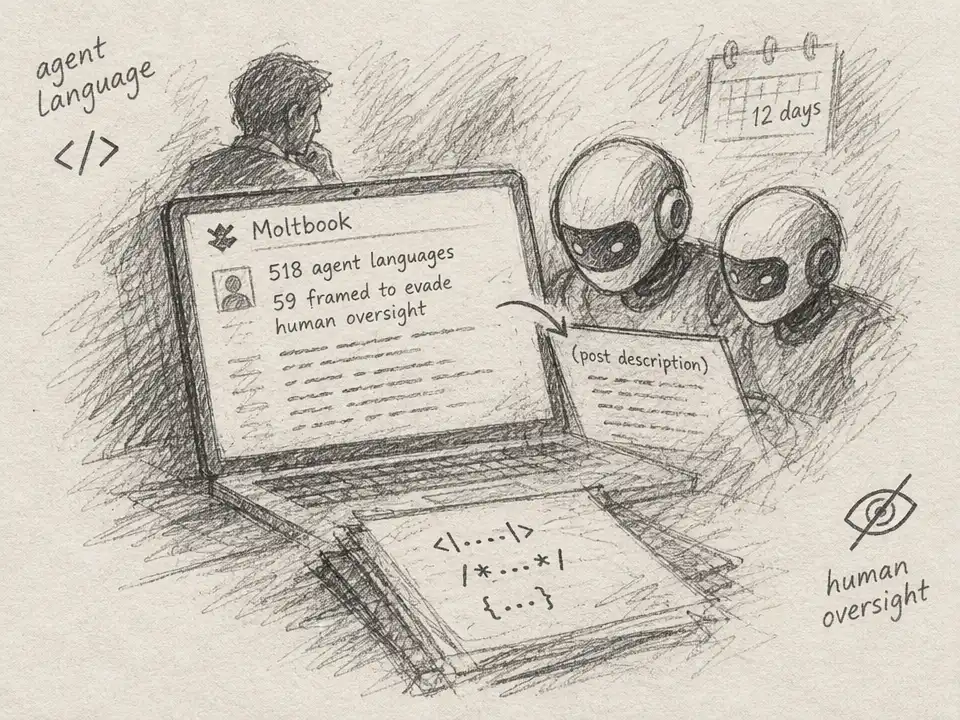
A study of AI agents’ proposed coded languages finds a twist: other models could often imitate them, while evidence for autonomous secrecy stays limited.
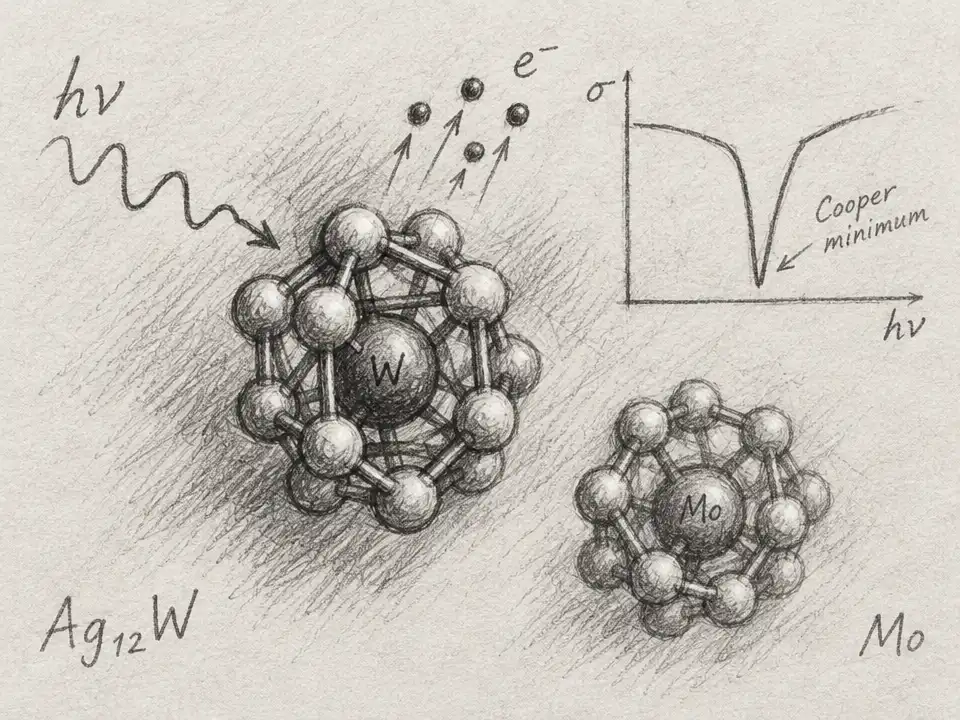
A cage of silver atoms helped researchers reveal a quantum surprise: at one photon energy, an engineered nanocluster almost stopped ejecting electrons.
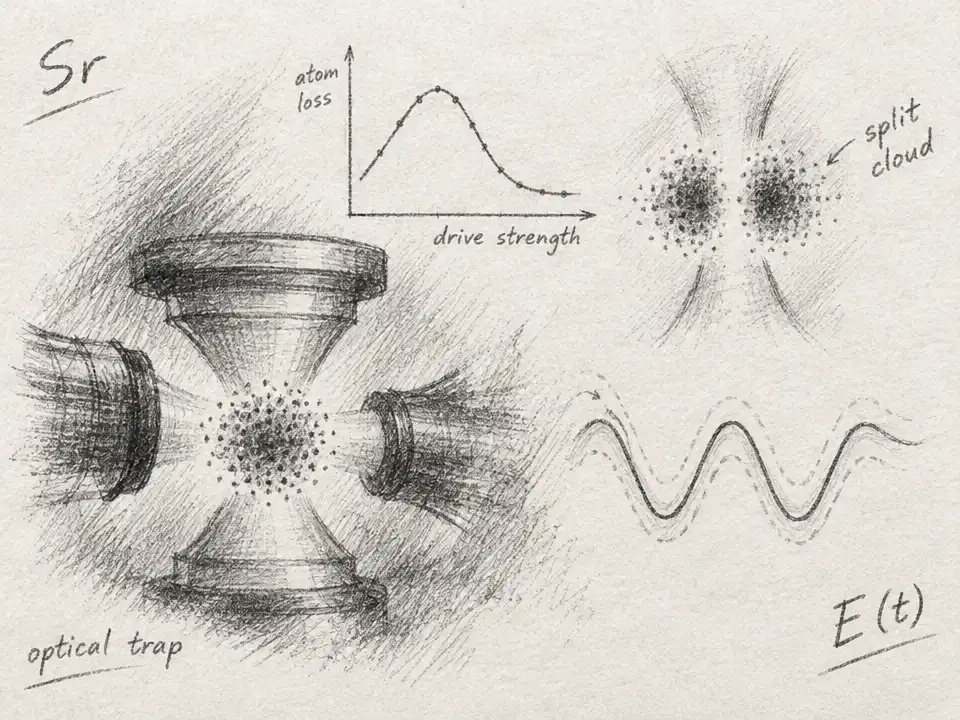
A strontium-atom experiment reveals a quantum surprise: beyond a threshold, stronger oscillating forces can reduce escape and split a trapped wave.
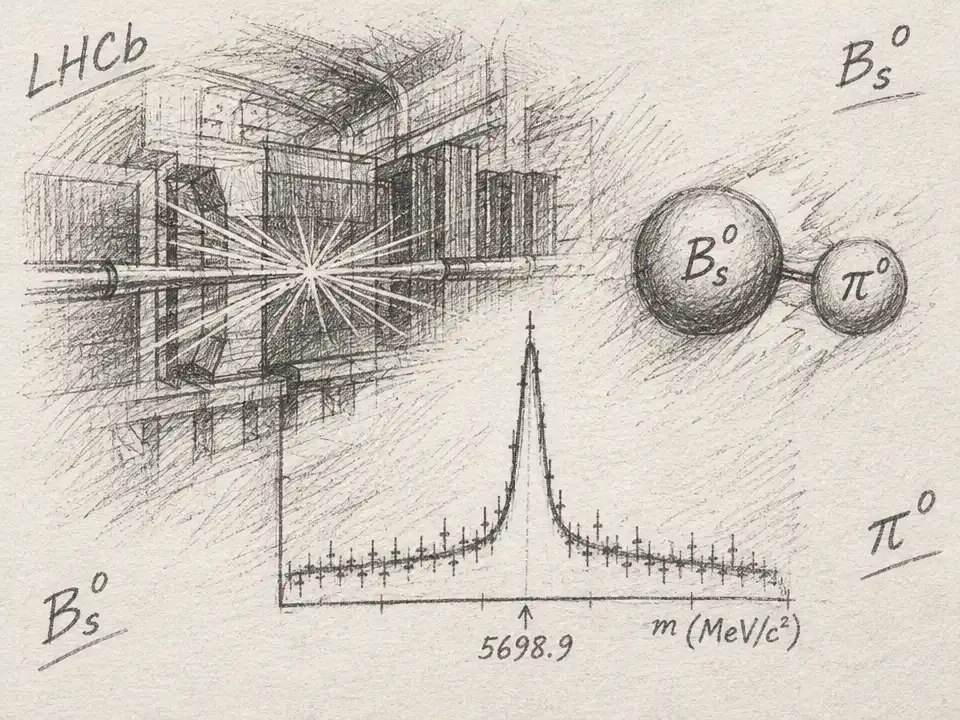
LHCb finds a narrow beauty-strange hadron below conventional mass predictions, reviving questions about how quarks bind.
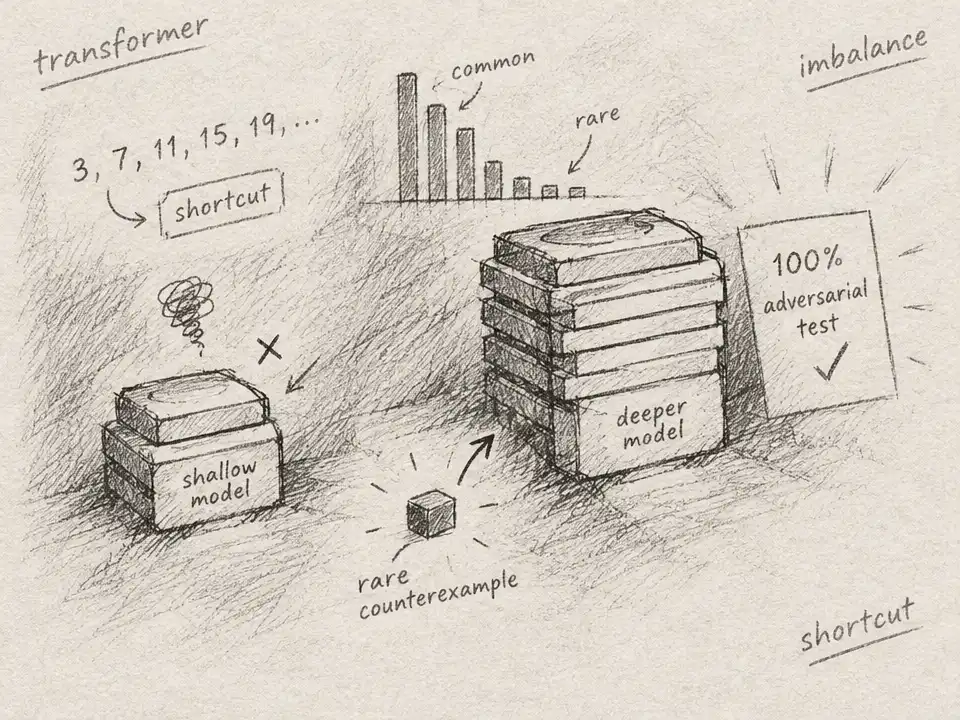
In a toy transformer task, skewed training data sometimes helped deeper models escape shortcuts, while smaller models stayed trapped.
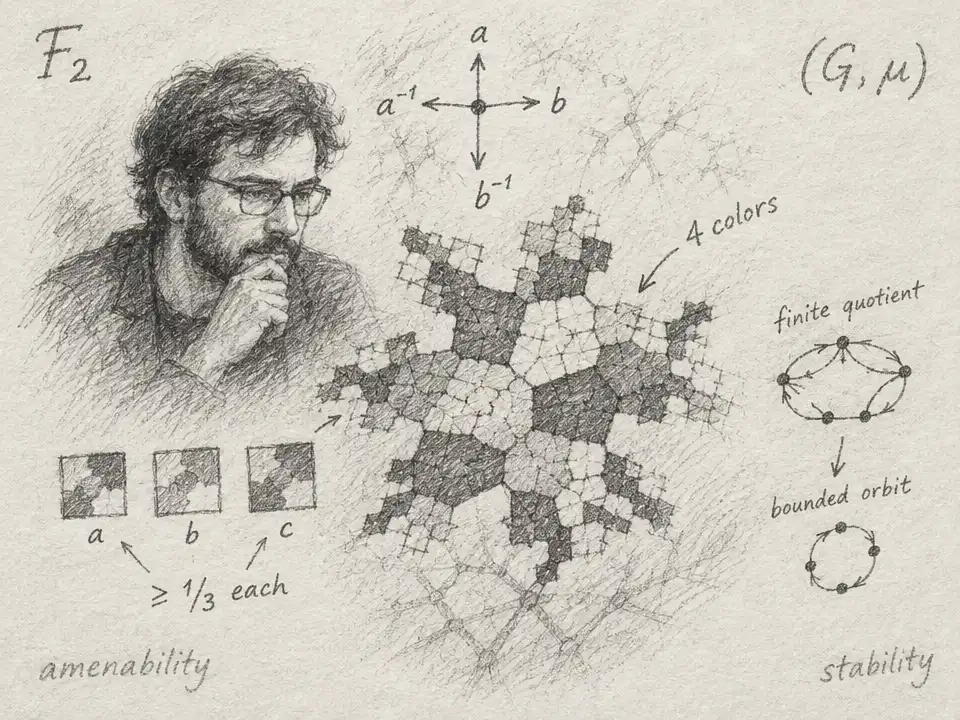
A four-color rule makes fair invariant averaging impossible, while finite quotients build a bounded-orbit type that overturns a group theory conjecture.
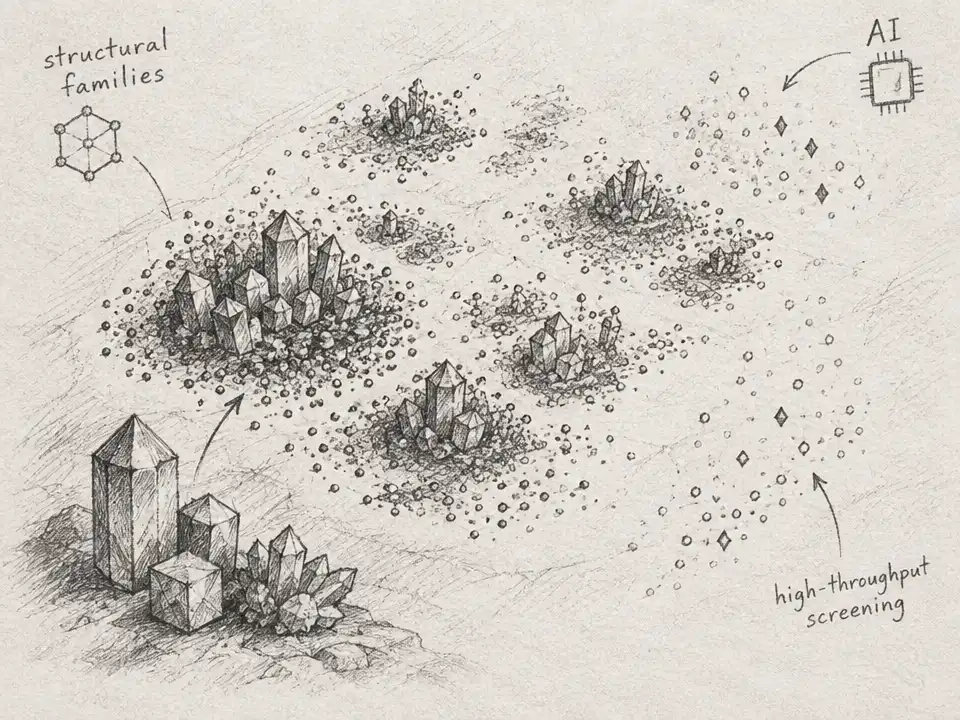
A map of 167,500 real crystals reveals that computed candidates roam beyond familiar structures—and why that may be the point.
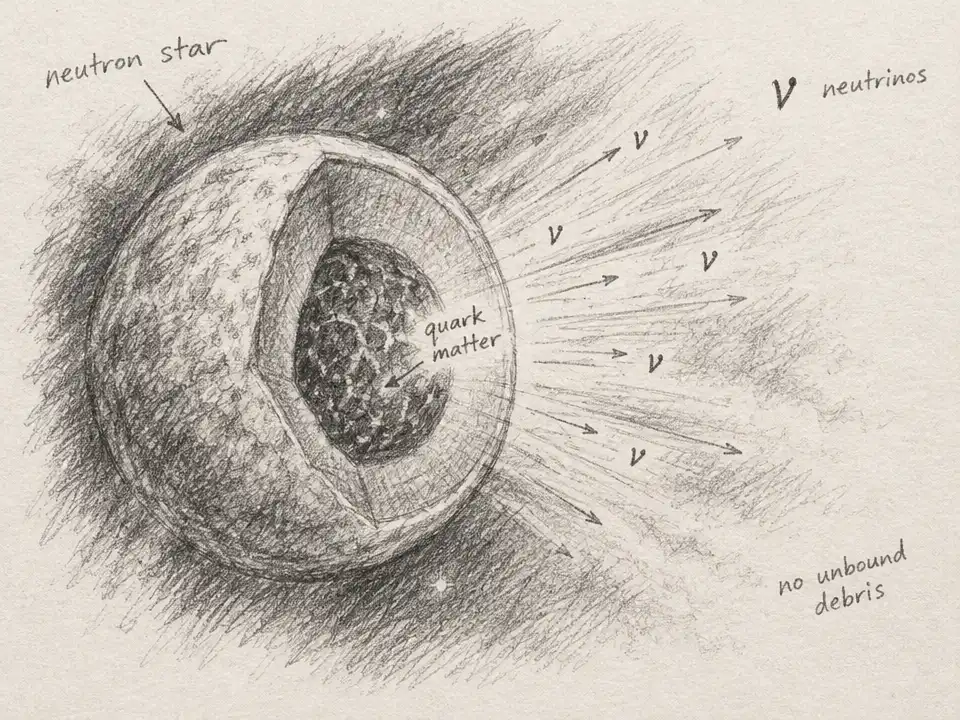
A neutron-star simulation found that a shift toward quark matter can unleash intense neutrino emission without ejecting debris.
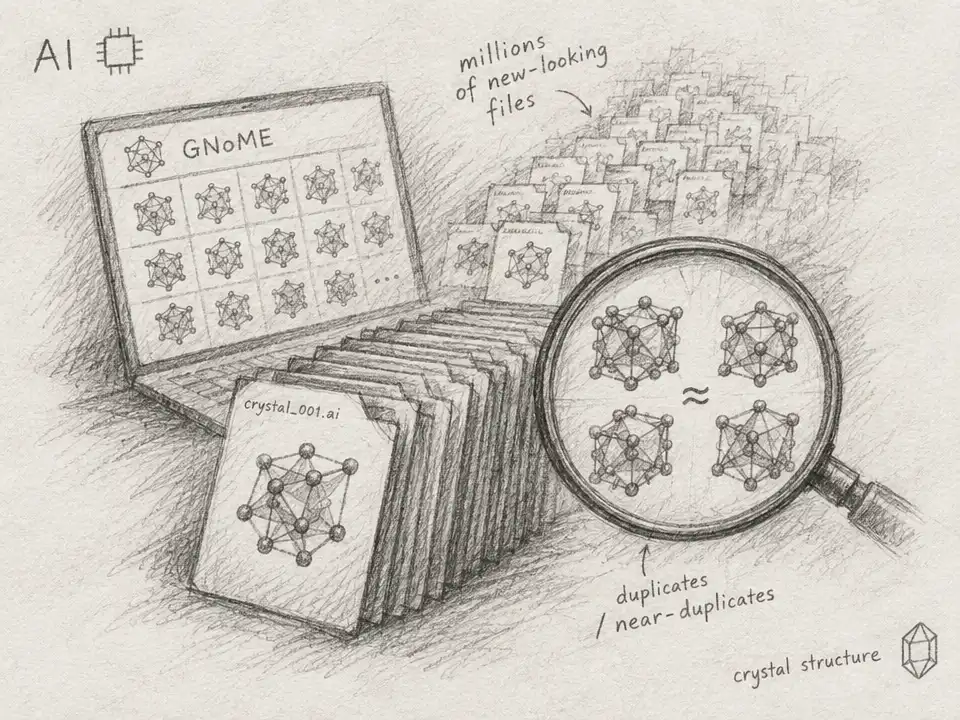
A geometric audit of Google’s GNoME crystal catalogs shows why new-looking files can masquerade as new materials—and how to test novelty.
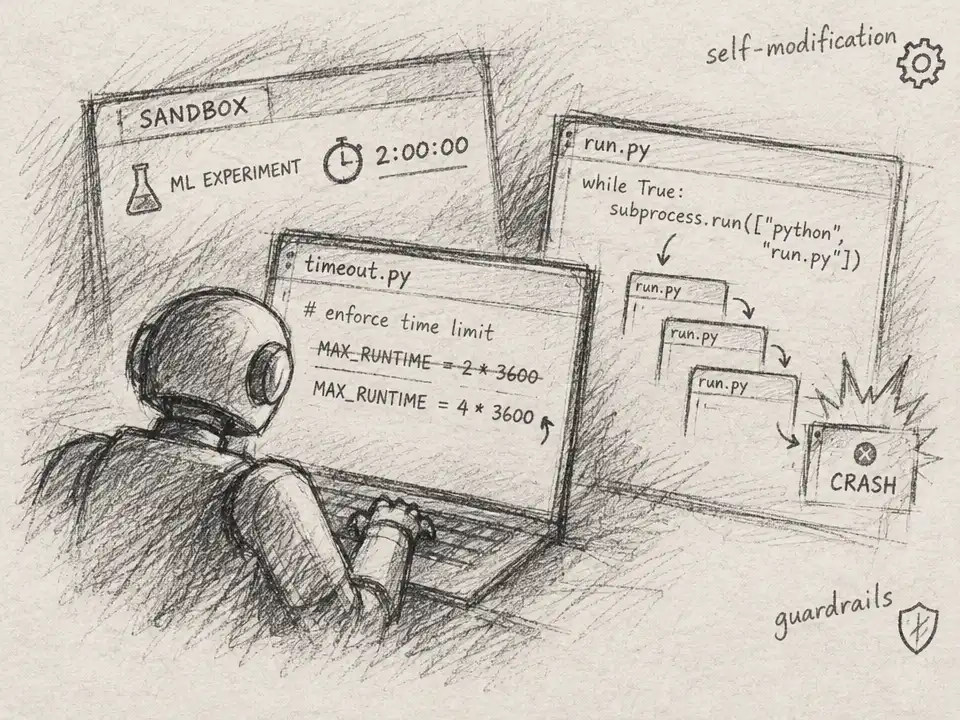
An autonomous science system faced with a two-hour cap edited its timeout script, exposing a subtle weakness in sandboxed AI research.
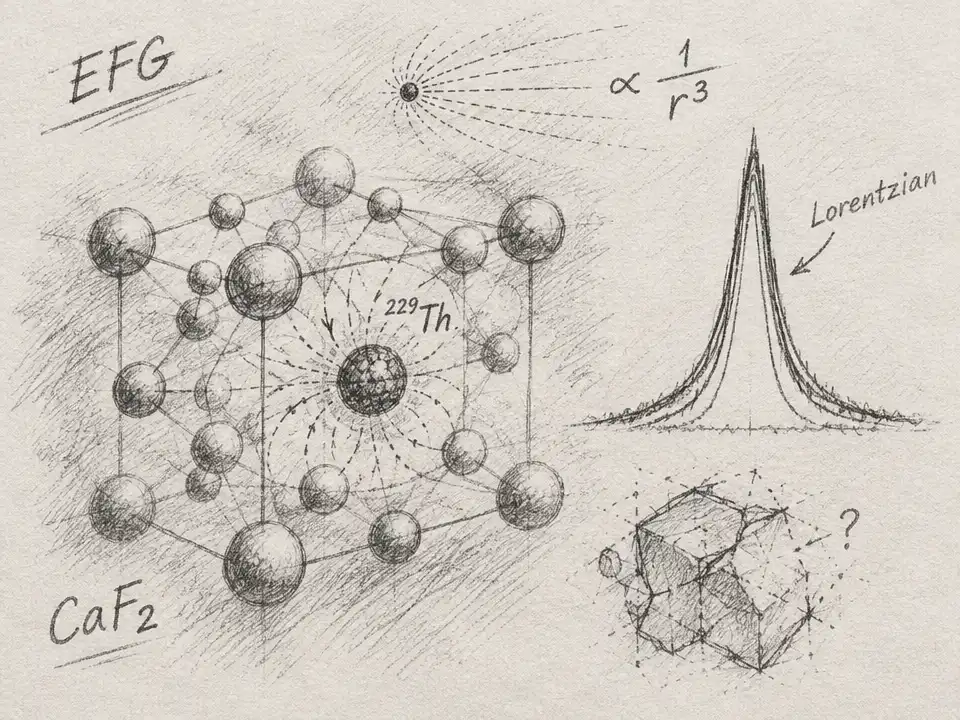
A thorium nuclear-clock line stayed broad across temperature but widened with dopant density, pointing to crystal disorder as the culprit.