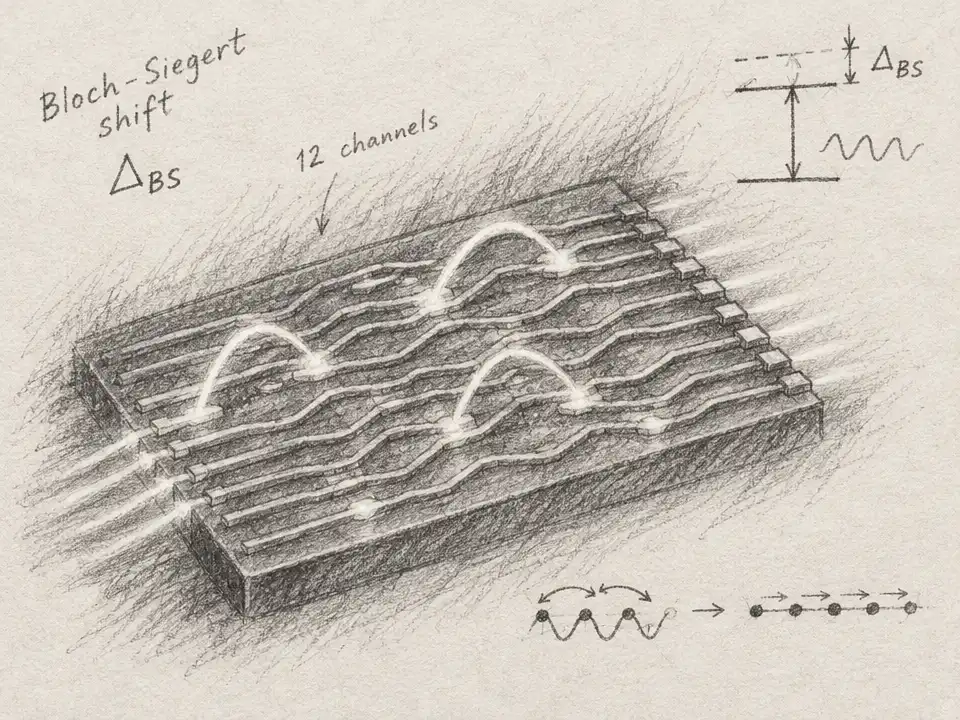
A Photonic Chip Turned a Tiny Resonance Shift Into Long-Range Motion
A programmable photonic chip reveals how a tiny resonance shift can send light leaping between distant channels—and why precision is the price.
A programmable photonic chip reveals how a tiny resonance shift can send light leaping between distant channels—and why precision is the price.
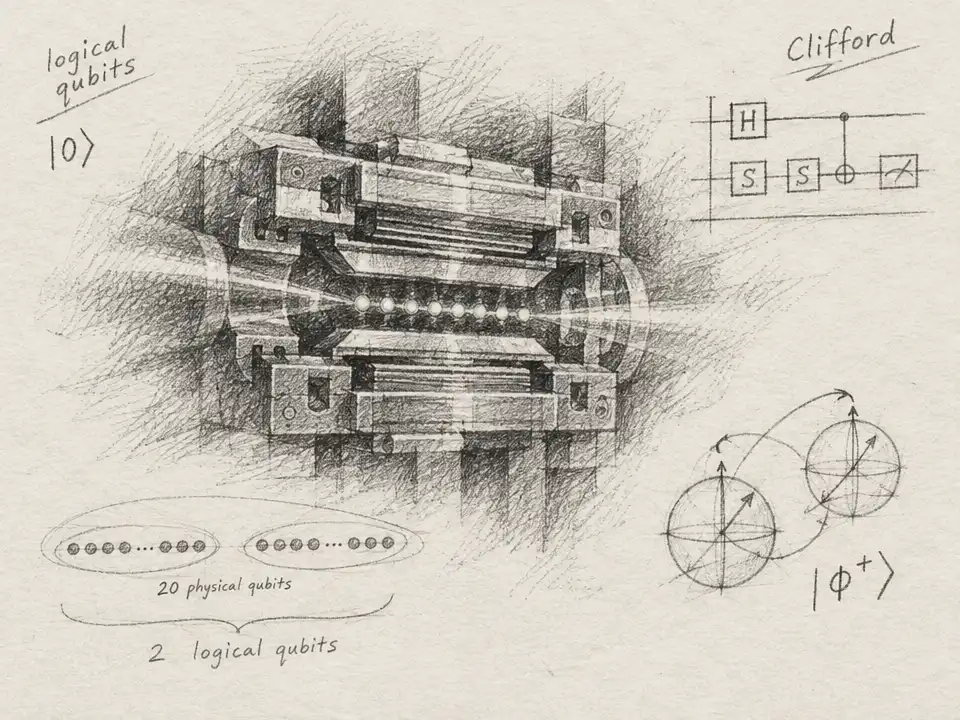
A compact trapped-ion code protects two logical qubits, improves encoded gates, and links different quantum codes in one tested design.
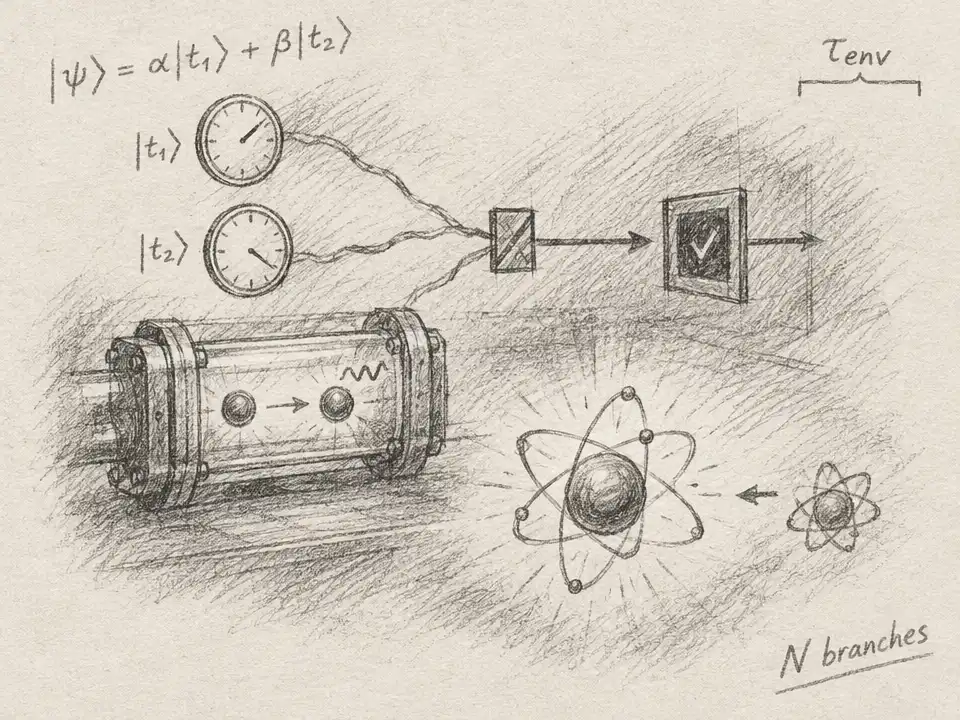
A theoretical quantum-clock proposal suggests decay could run backward in rare selected trials—until environmental memory and bandwidth shut it down.
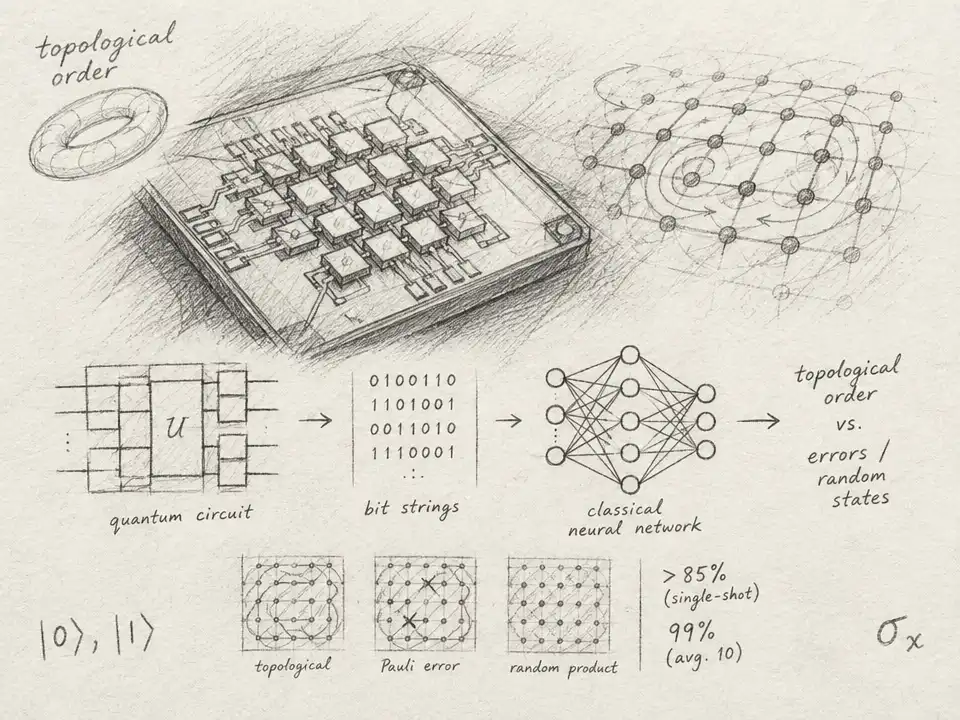
Researchers used a superconducting quantum processor and a hybrid neural network to make hidden topological order easier to recognize.
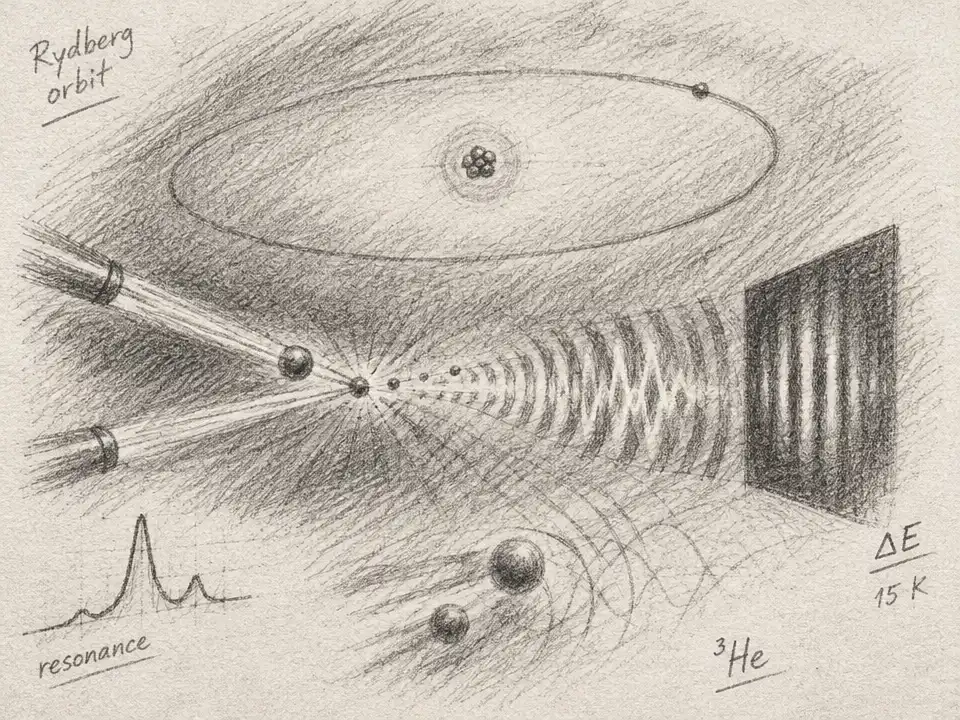
Inside a giant helium atom, scientists made quantum ion–atom collisions visible, revealing resonances, particle interference, and isotope effects.
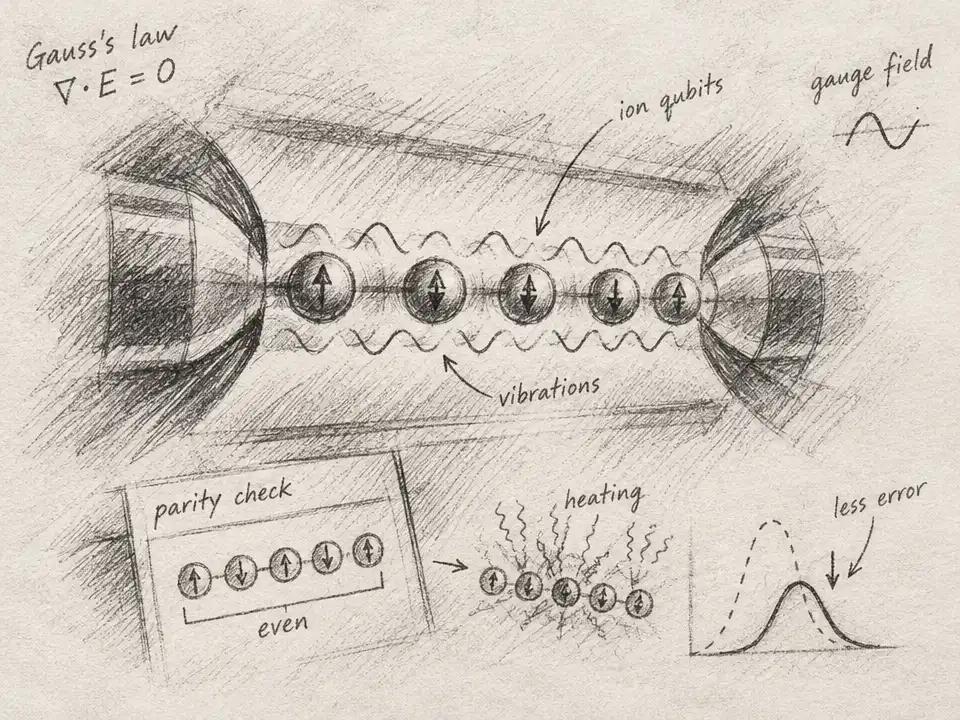
A trapped-ion simulation may use Gauss’s law to spot heating-damaged runs, but missed event pairs and unequal rates leave a residue.
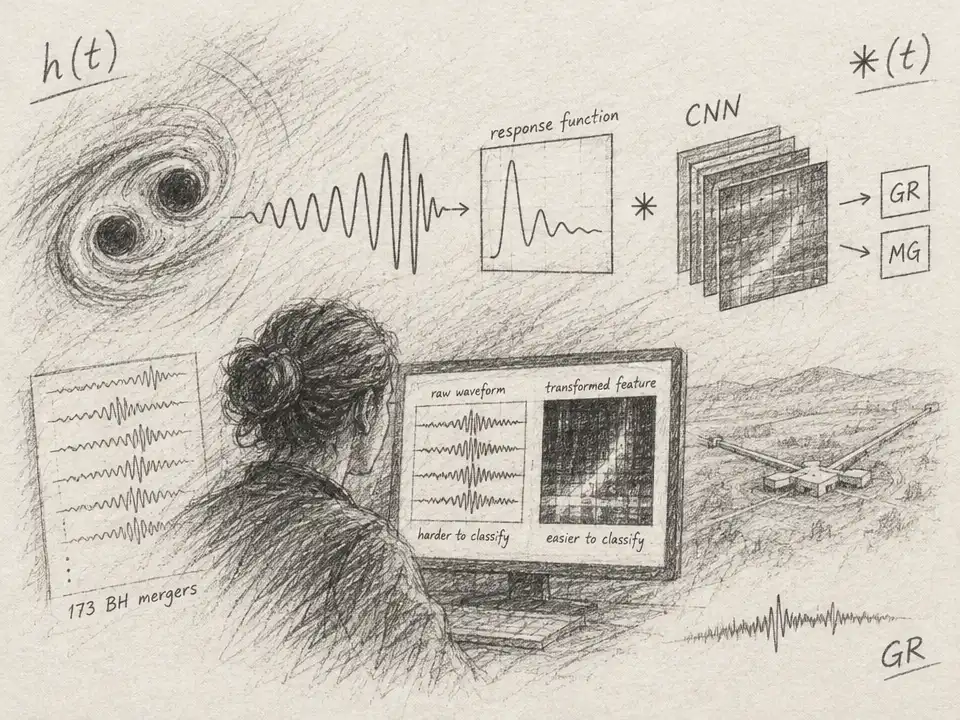
A response-function lens helps a neural network spot faint simulated departures from Einstein’s gravity in gravitational-wave signals.
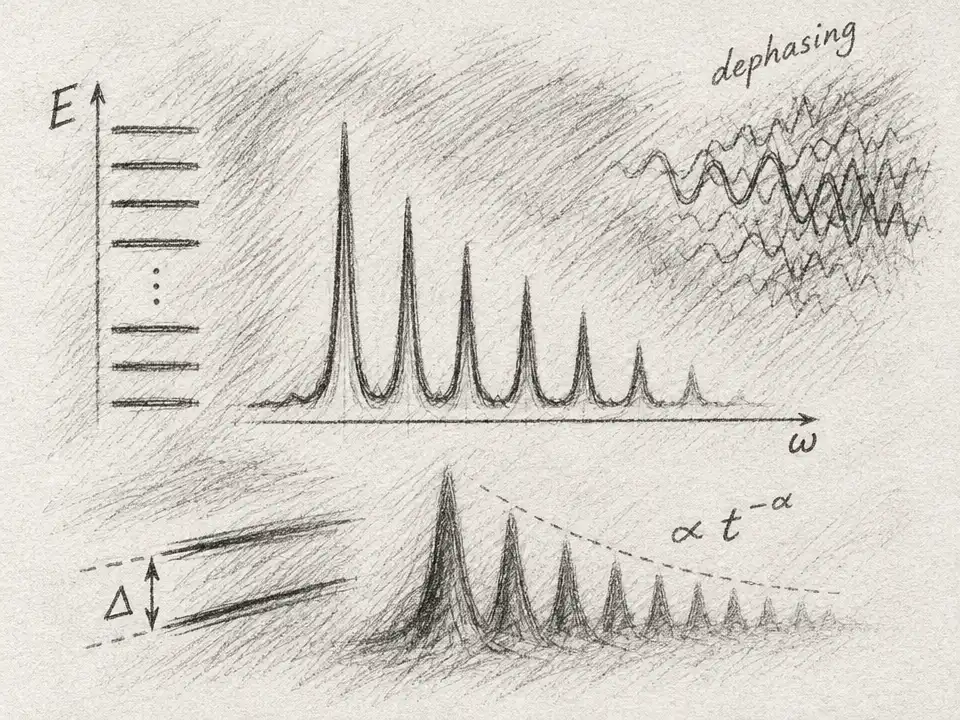
A theoretical study finds that spectral echoes survive strong dephasing longer than expected—and that fast noise can help reveal hidden order.
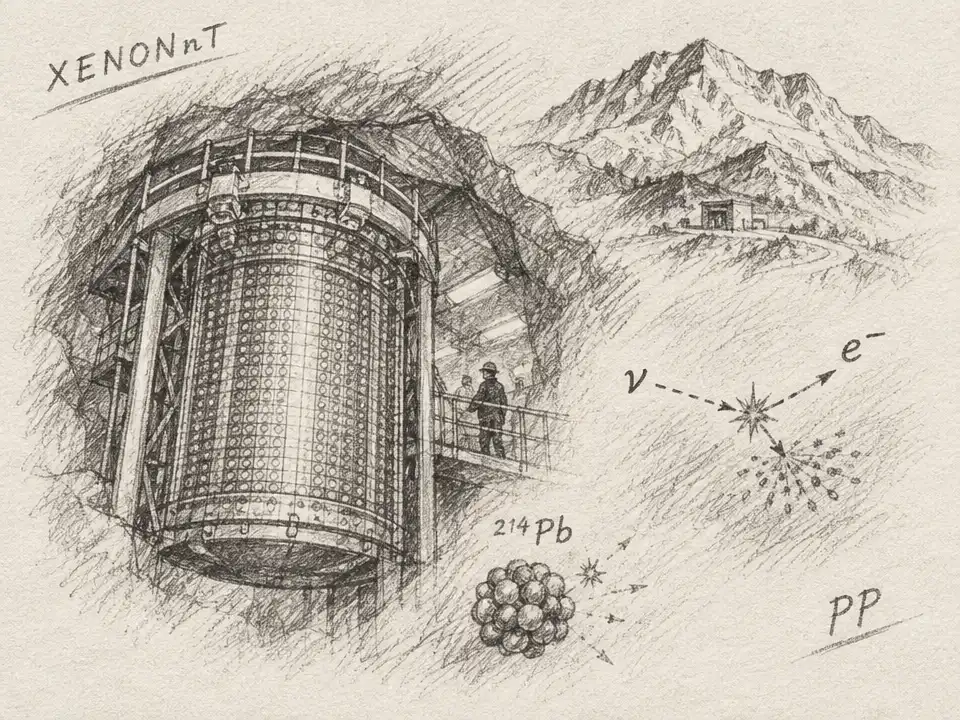
A dark-matter detector separates solar neutrinos from radioactive noise, opening a new low-energy window while exposing the limits of the signal.
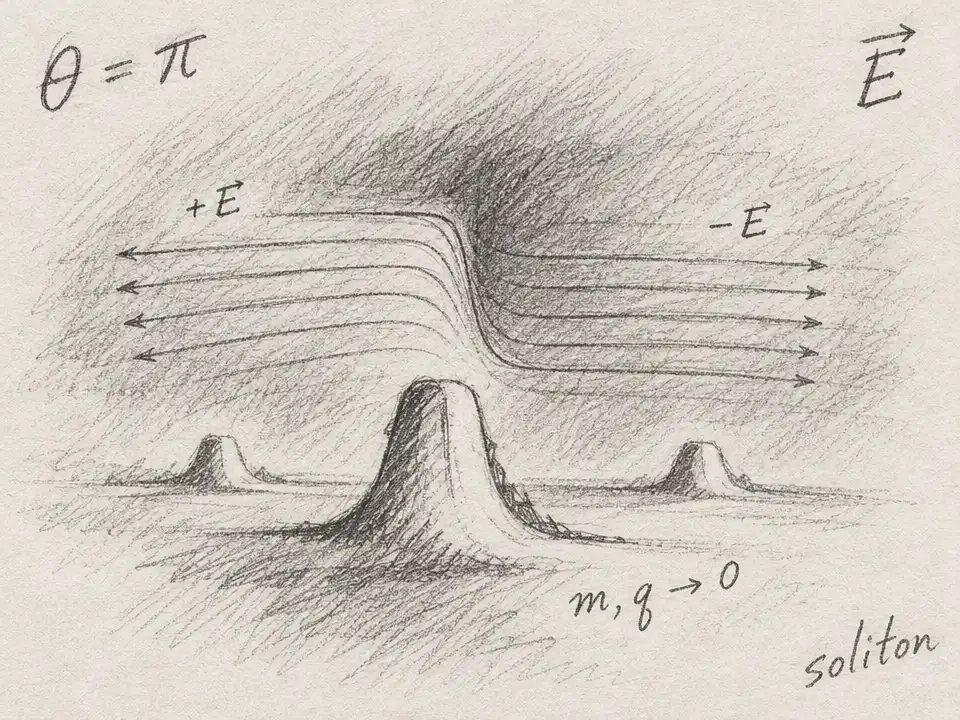
A 50-year-old puzzle in a one-dimensional quantum world reveals why a charge can fade toward zero without triggering confinement.
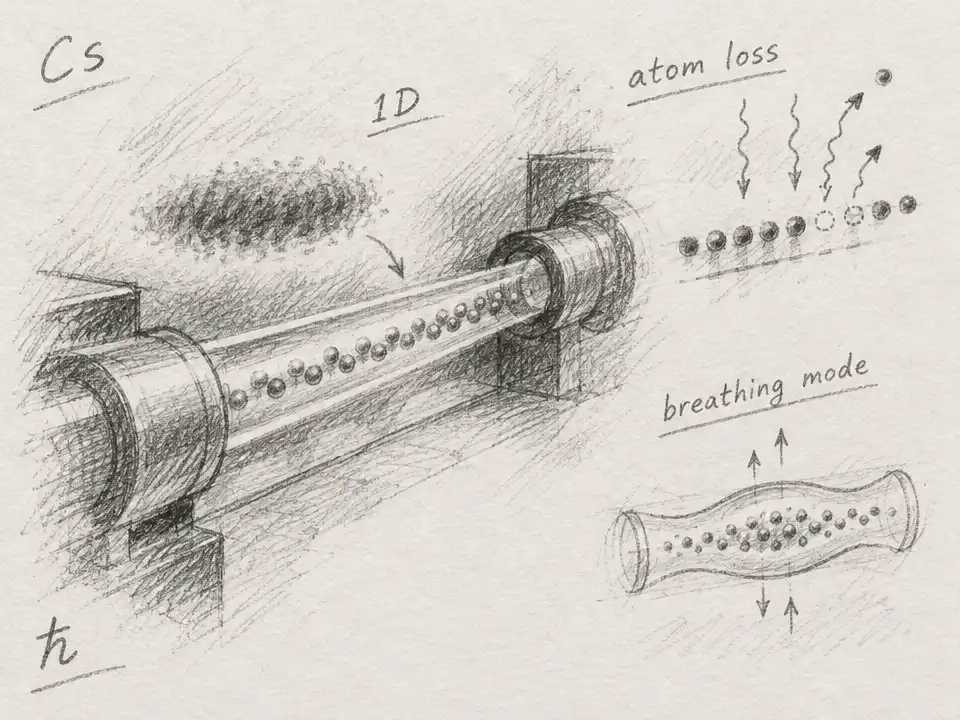
Ultracold cesium gases could test collapse noise and nonlinear quantum mechanics, but atom-loss backgrounds and precision control set the price.
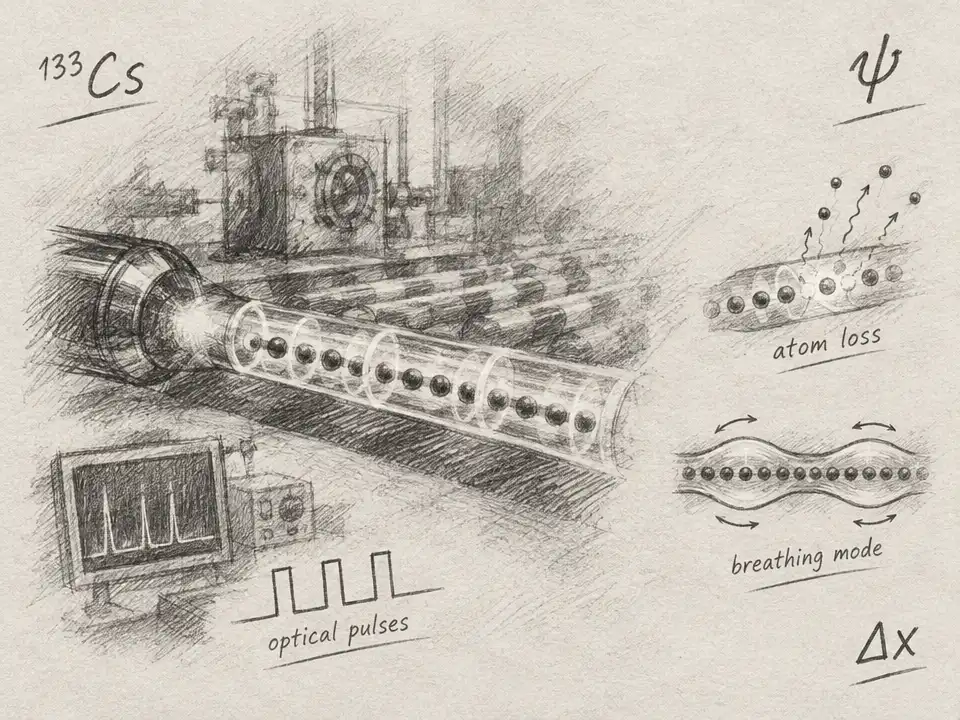
A proposed cesium-atom experiment uses resonant heating and a protected breathing mode to search for subtle changes to quantum mechanics.
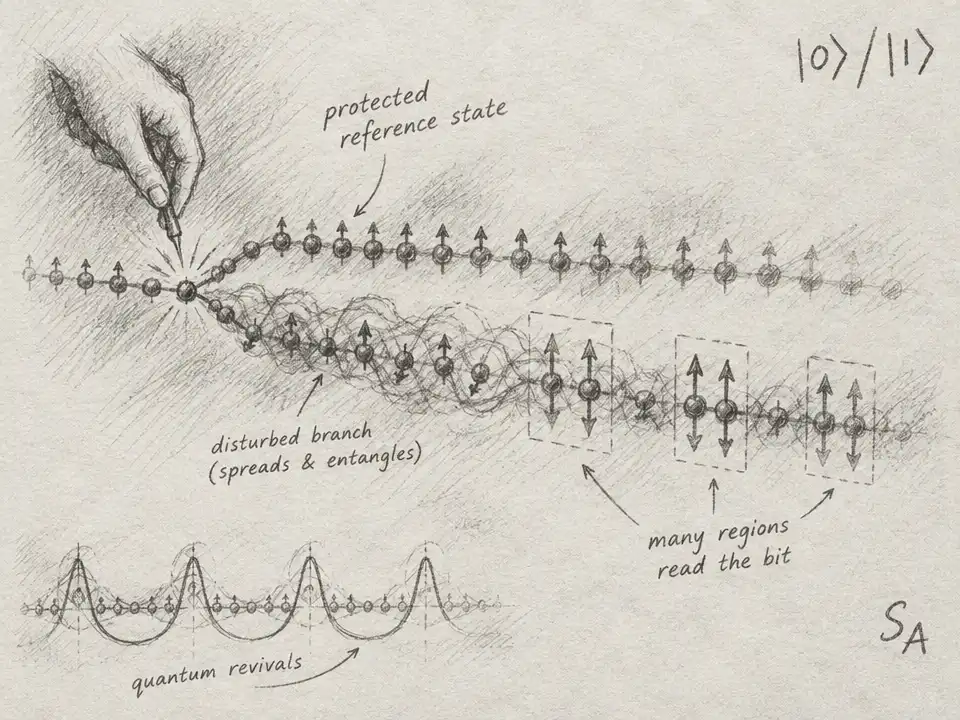
A local quantum disturbance may leave readable clues across a chain as protected states and entanglement turn one bit into many records.
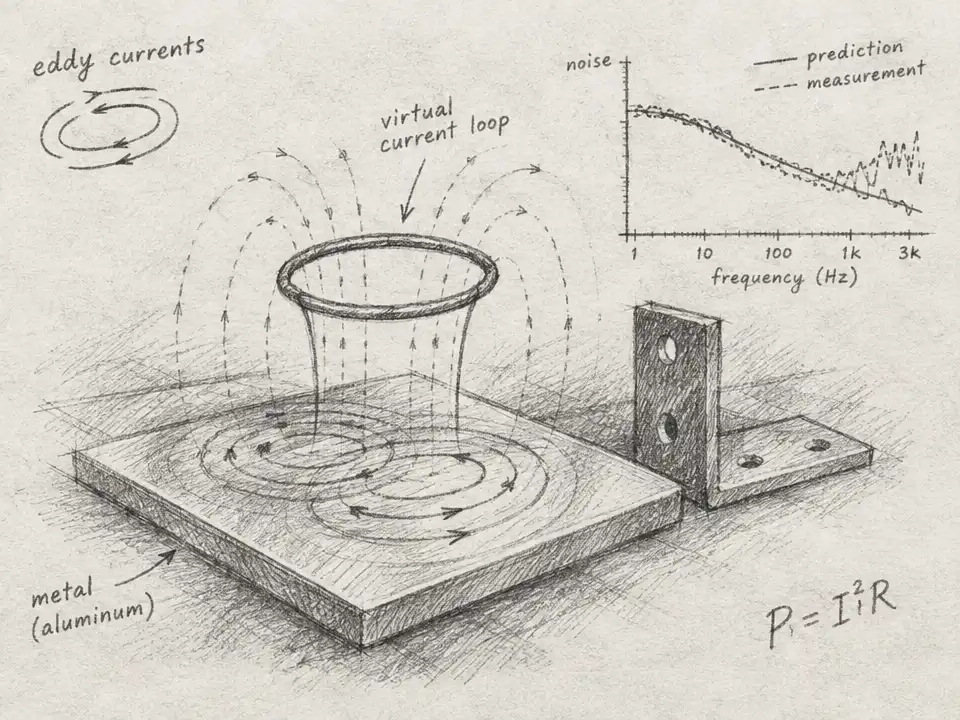
A virtual-current-loop calculation predicts thermal magnetic noise from oddly shaped aluminum parts—and mostly matches what sensitive sensors measure.
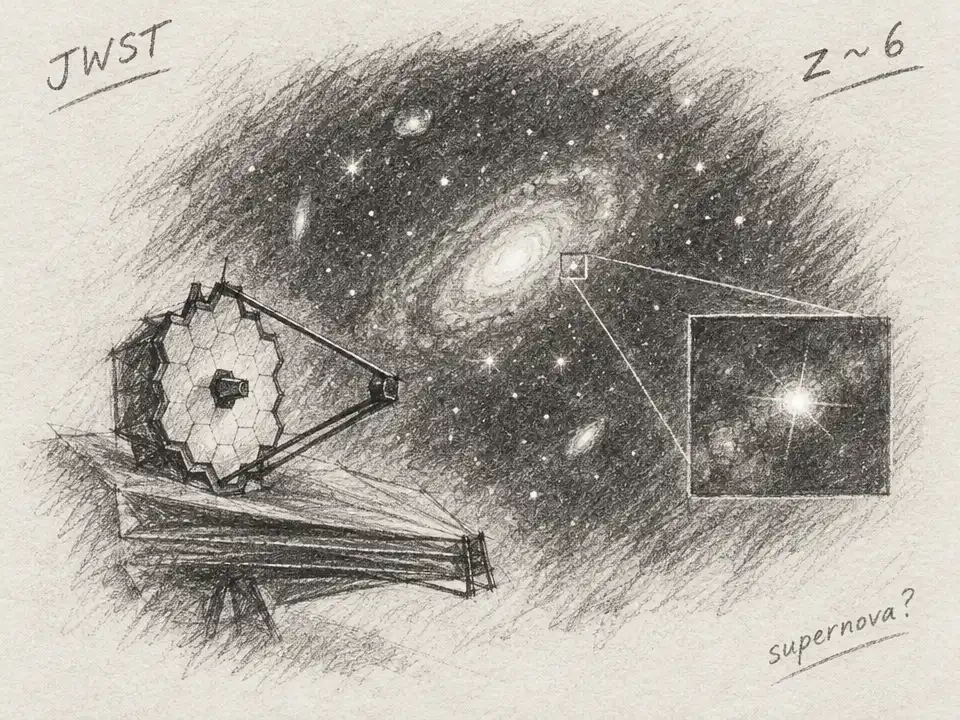
JWST spotted a hot, rapidly brightening transient in a galaxy at redshift 5, with cosmic expansion stretching its brief flare across 71 days.
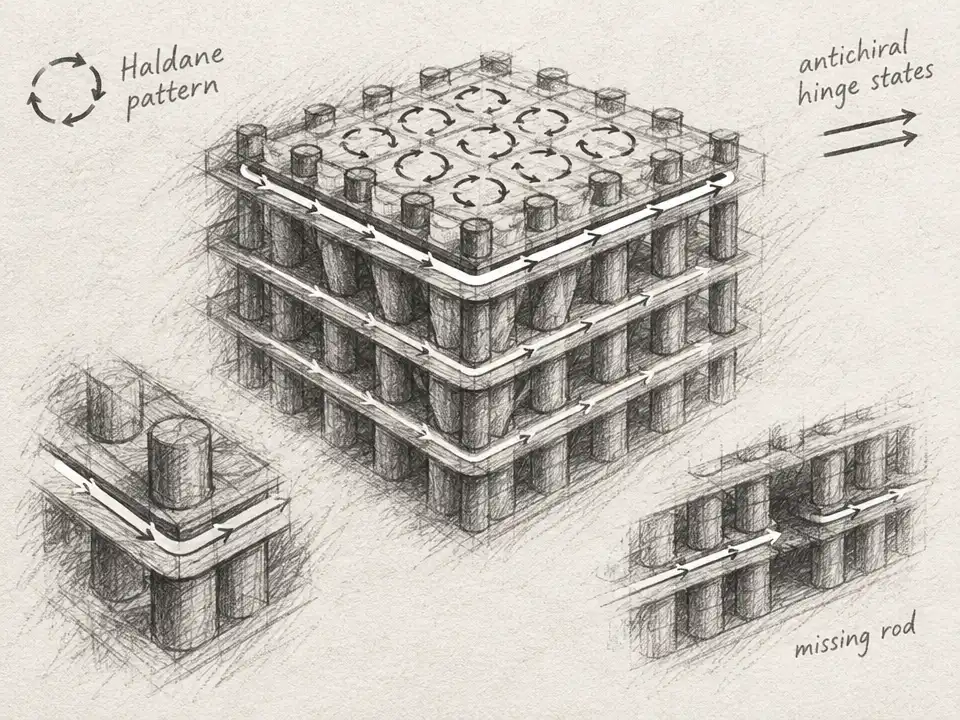
A 3D microwave crystal sends topological waves the same way along parallel hinges, surviving tests with a corner and missing rod.
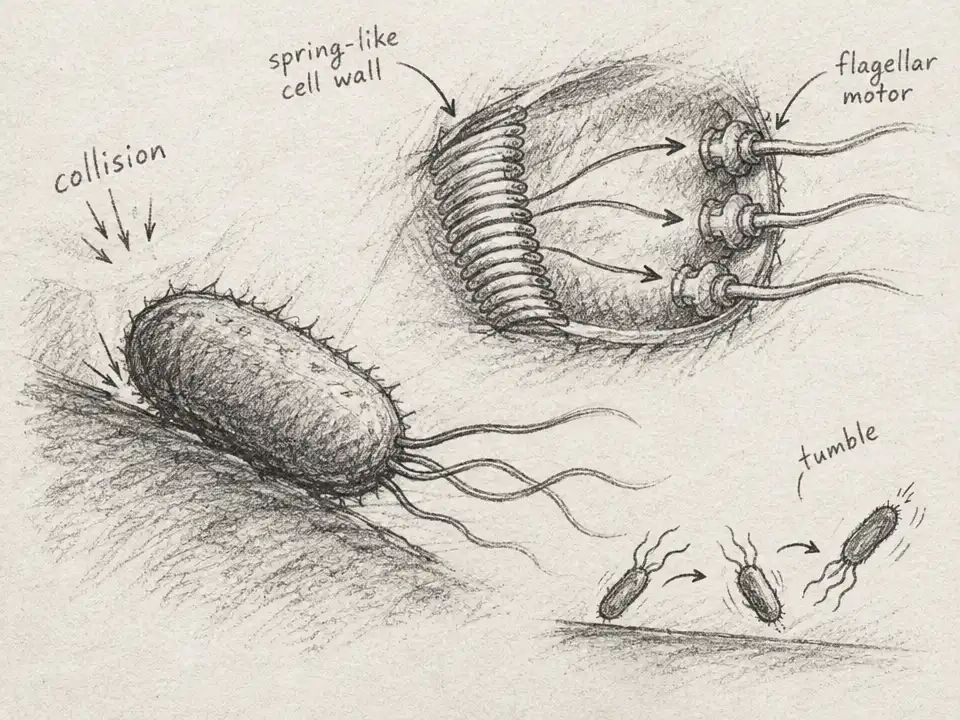
A physics-based model suggests a trained bacterial cell wall could route collision forces to flagellar motors and help steer a swimmer from surfaces.
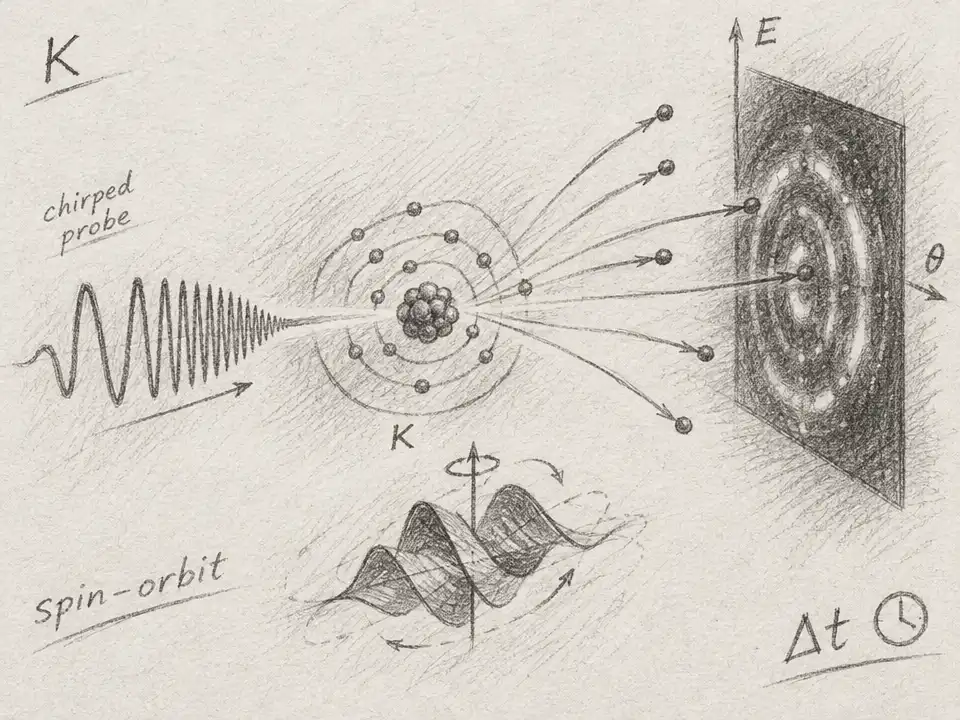
A chirped laser maps potassium’s ultrafast spin-orbit motion onto photoelectron energy and angle, offering scan-free snapshots—with resolution limits.
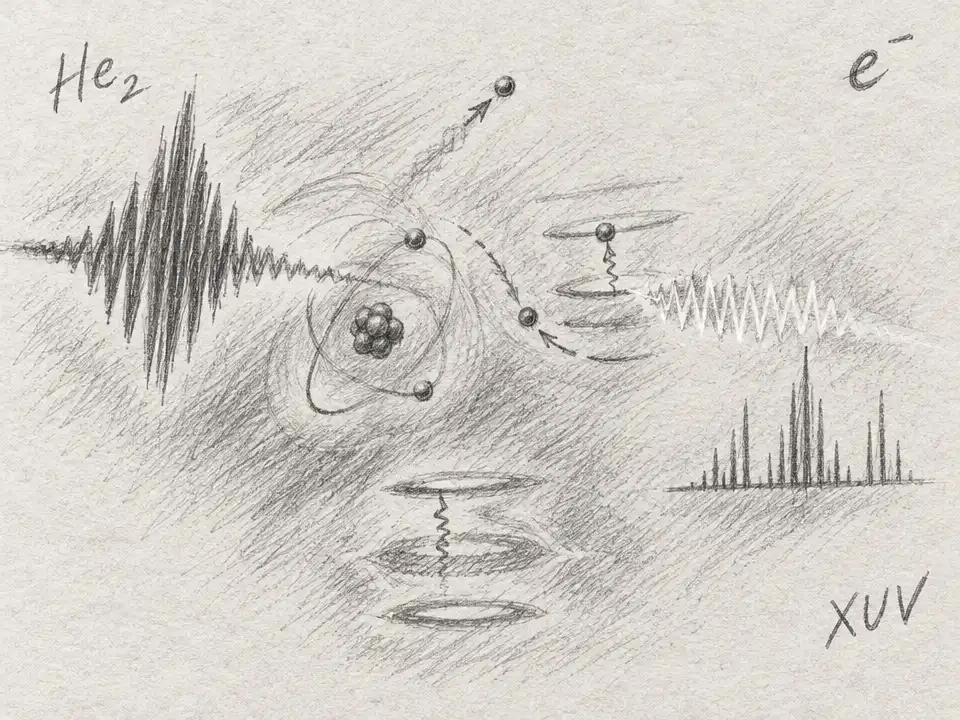
A helium experiment links extreme-ultraviolet sidebands to laser-dressed dark states populated when tunneling electrons are recaptured.
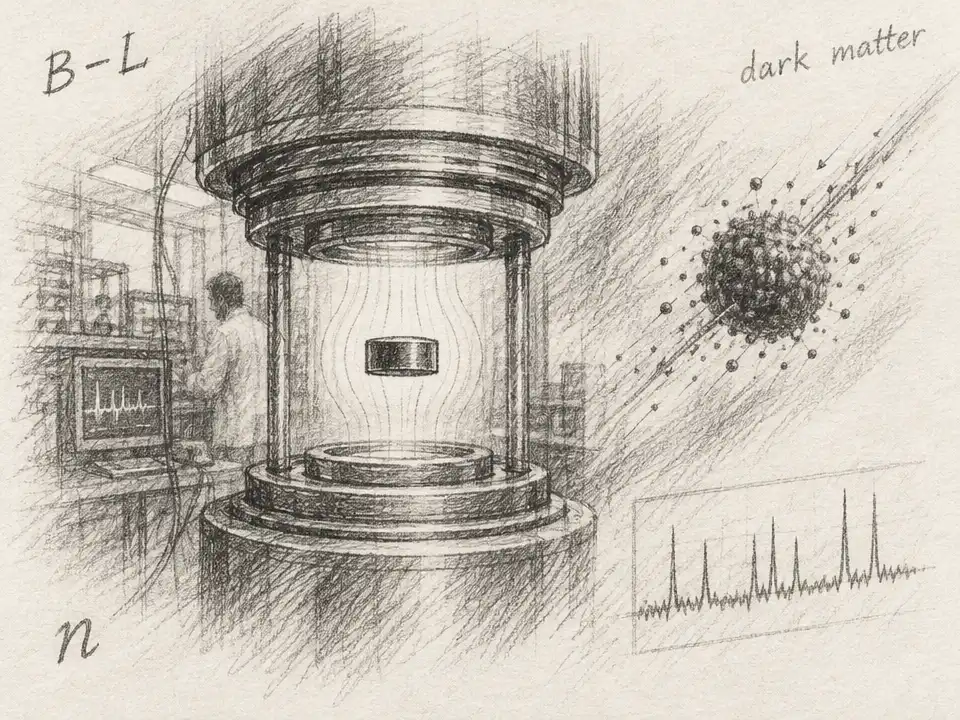
A levitated milligram magnet searched for ultraheavy dark matter through passing particles’ impulses, turning eight ambiguous kicks into conservative limits.