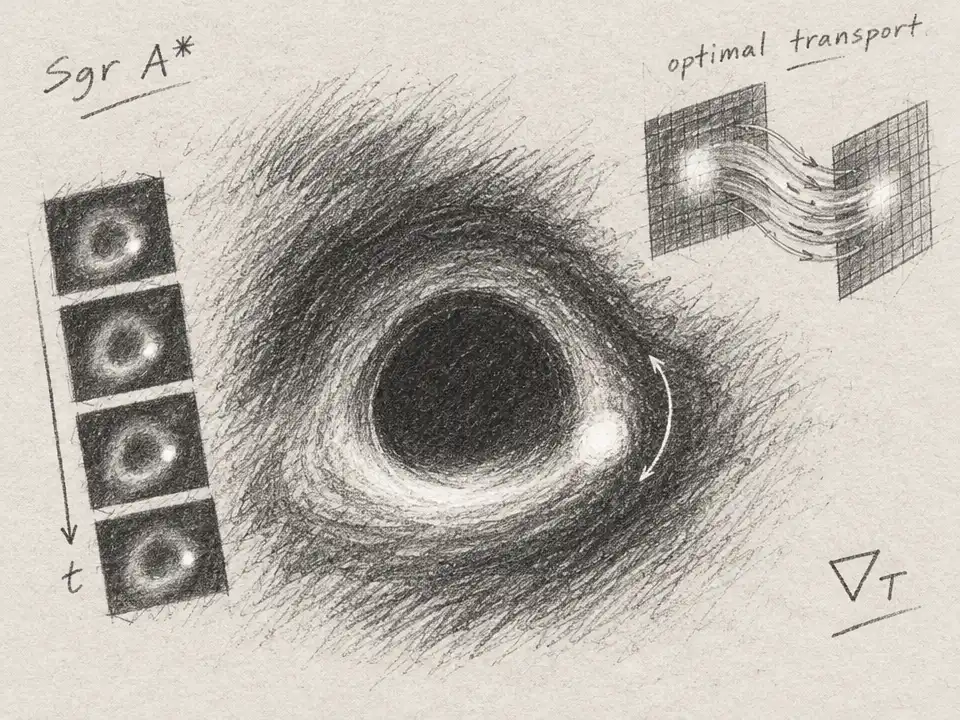
A New Way to Rebuild the Light Moving Around a Black Hole
A new image-reconstruction method helps recover motion near Sagittarius A* from simulated Event Horizon Telescope data.
A new image-reconstruction method helps recover motion near Sagittarius A* from simulated Event Horizon Telescope data.
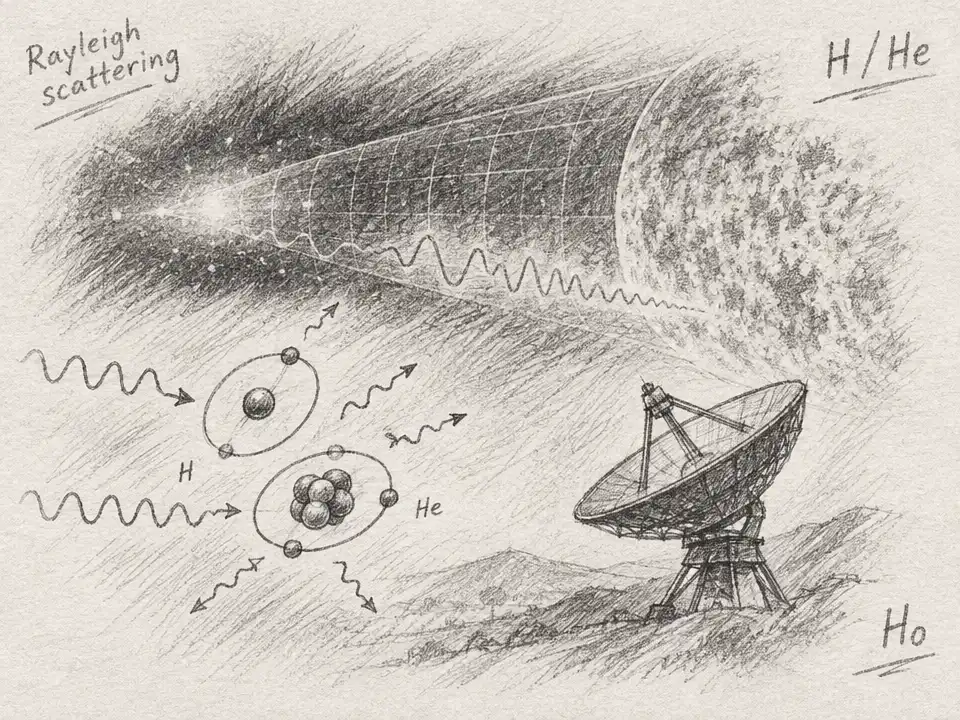
A faint scattering signal from early hydrogen and helium could help future CMB experiments test atomic physics and the Hubble tension.
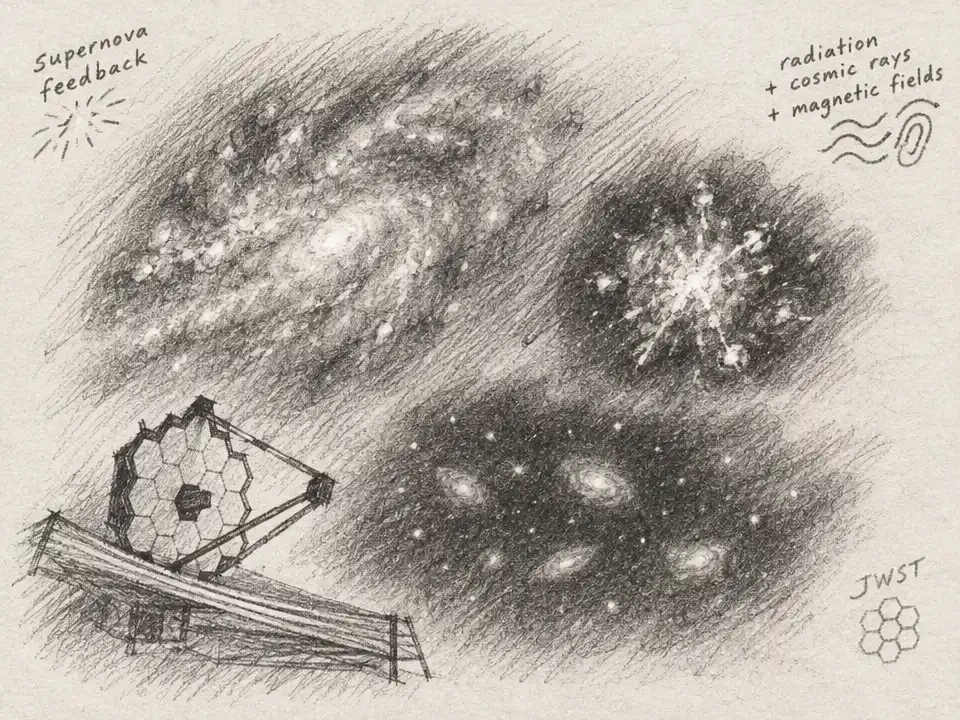
A JWST-mimicking simulation finds stronger supernova feedback made early galaxies too diffuse, while richer physics produced bright, compact systems.
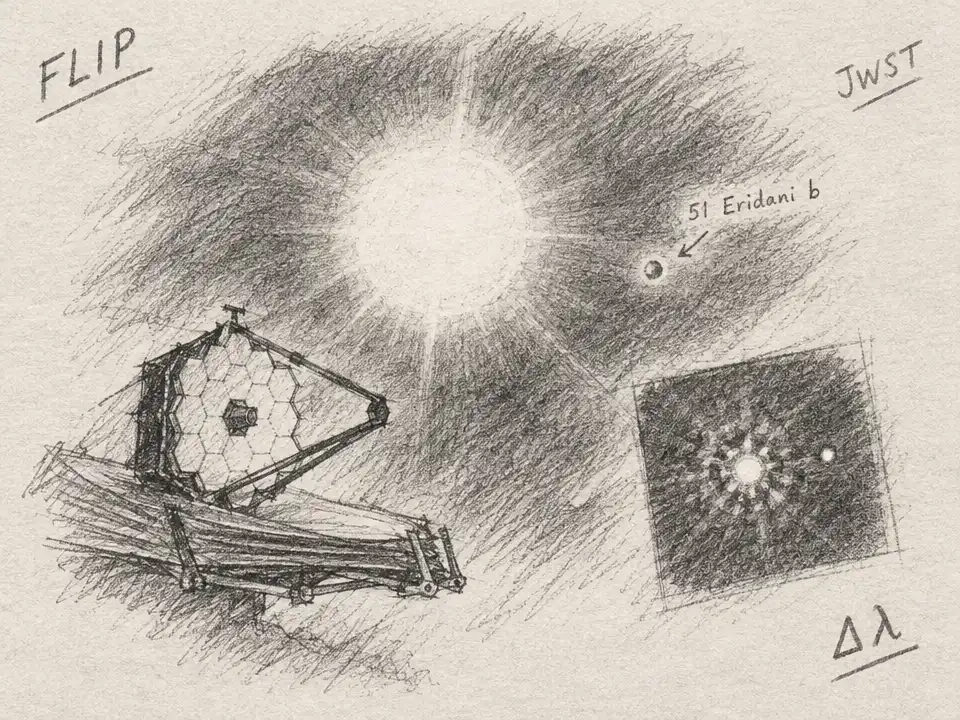
A physics-based method models JWST’s shifting starlight, improving exoplanet sensitivity and revealing 51 Eridani b at 4.3 micrometers.
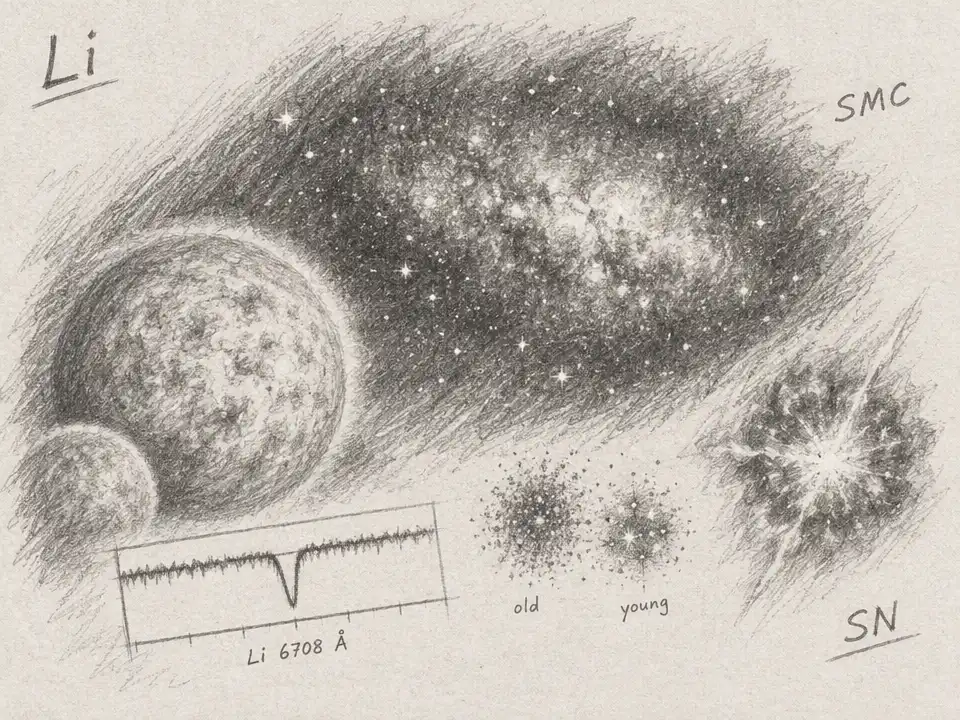
A lithium survey of 209 Small Magellanic Cloud giants traces how stellar mixing and novae may shape a neighboring galaxy’s chemical history.
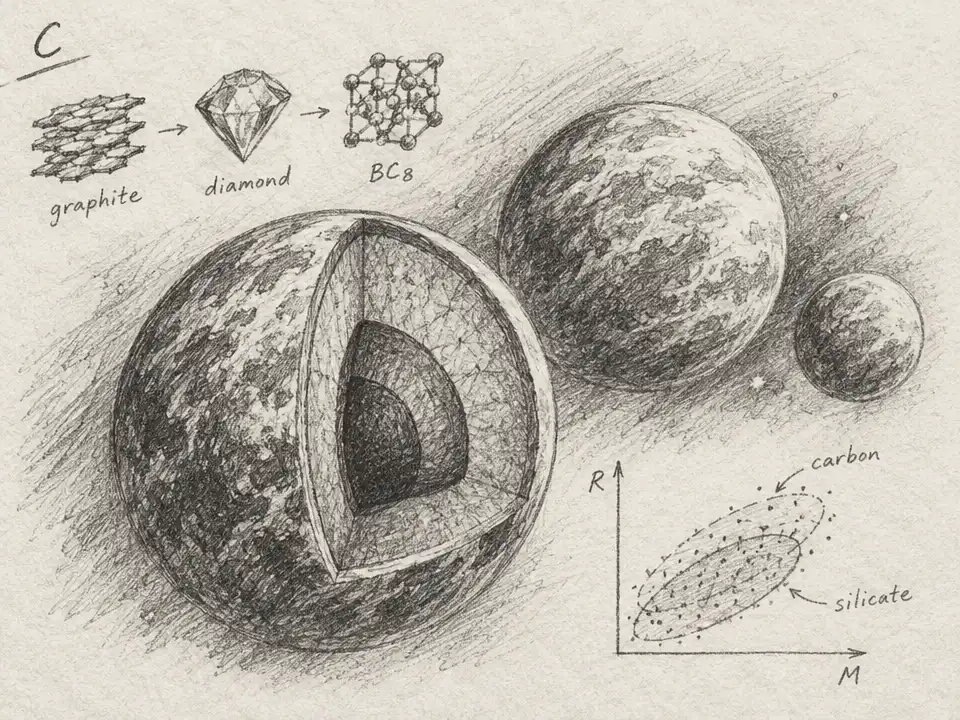
New models trace carbon planets from graphite to diamond—and reveal why their size may still be hard to distinguish from ordinary rocky worlds.
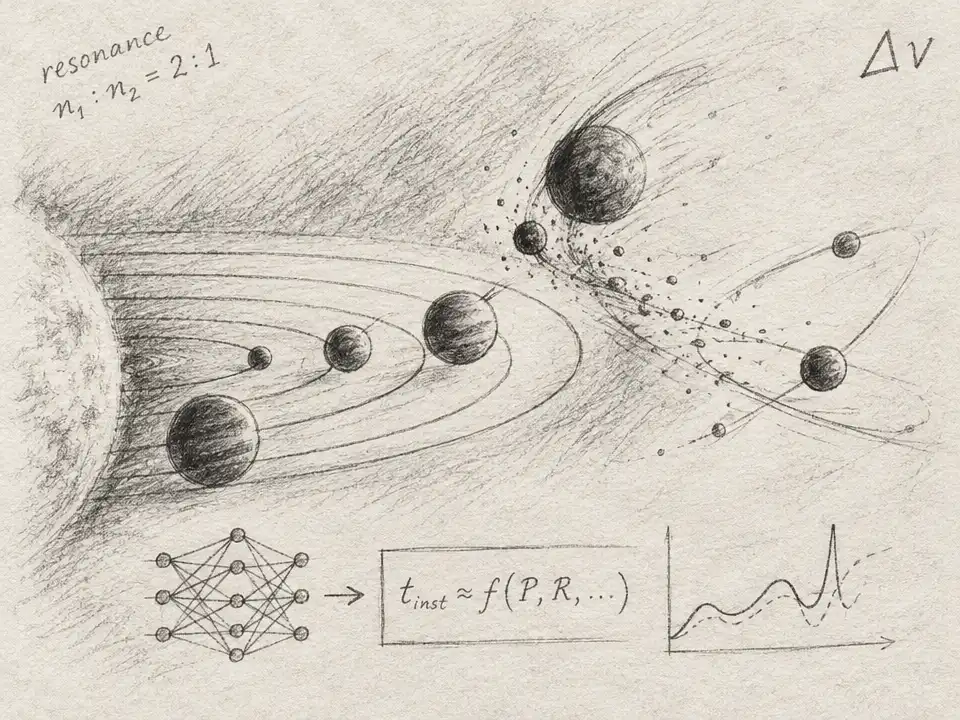
A new study turns neural-network predictions of planetary instability into compact, readable equations—and reveals where the rules break down.
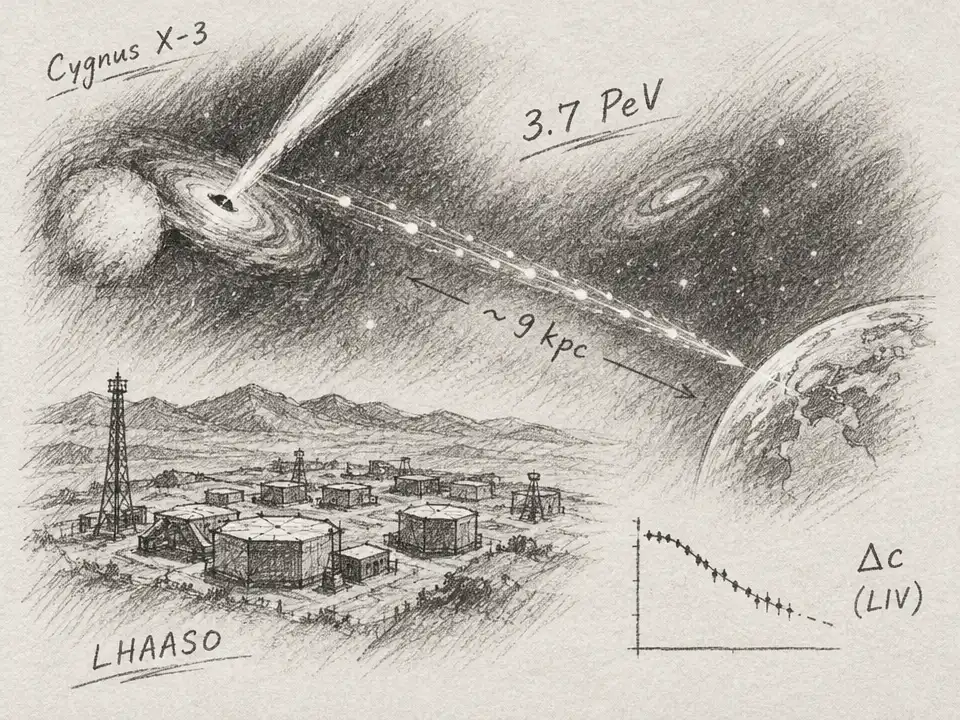
A gamma-ray flare from Cygnus X-3 sent PeV photons across the Galaxy, turning their survival into a test of relativity’s hidden limits.
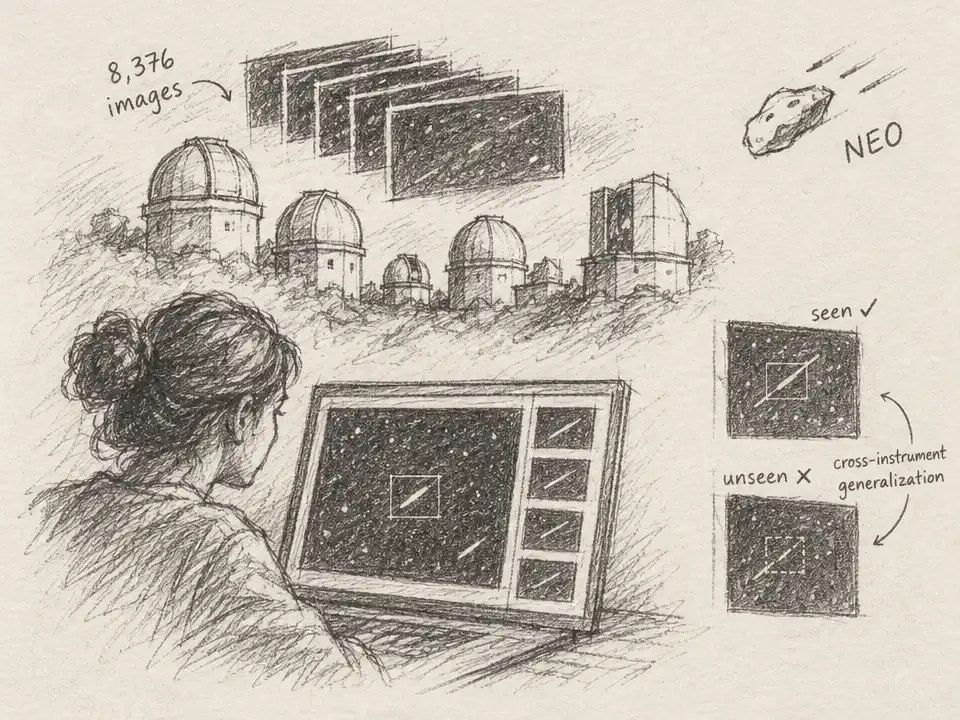
A benchmark spanning five telescope datasets exposes a stubborn weakness: streak detectors can stumble when the camera or observing conditions change.
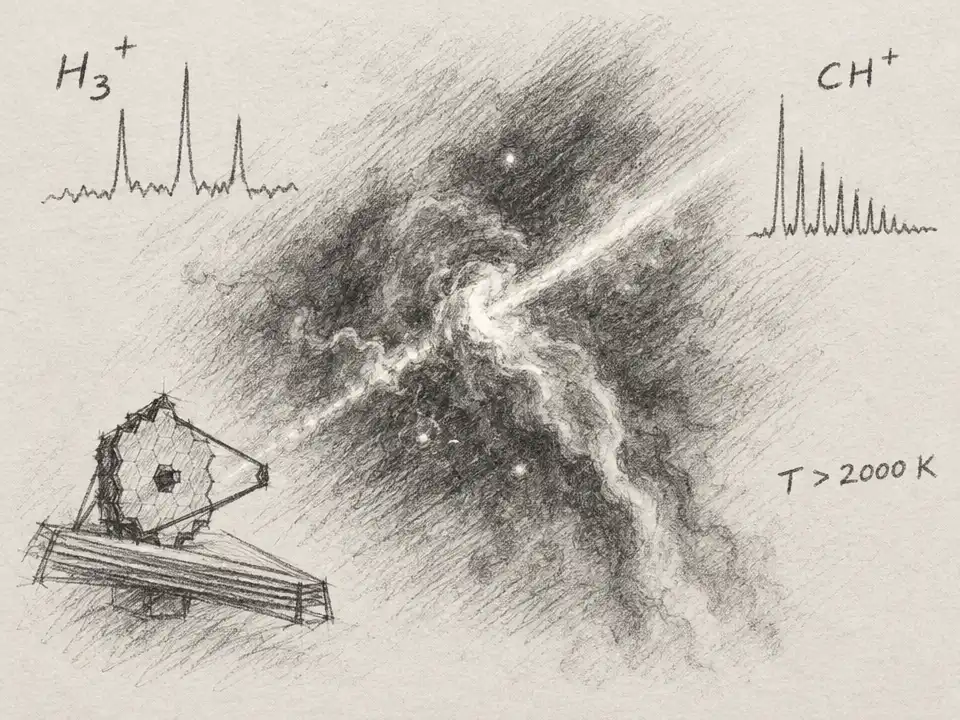
JWST reveals forbidden H₃⁺ light and a CH⁺ chemical cascade in a young-star shock, exposing hot molecular gas and its unresolved physics.
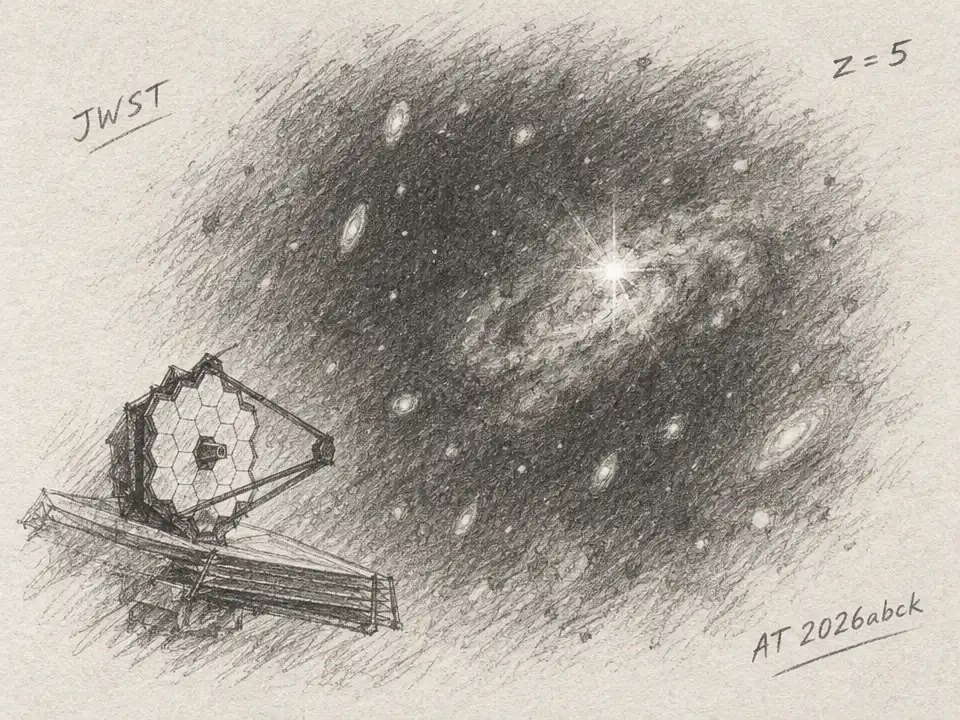
JWST found a hot, unusually luminous supernova candidate at redshift 5, challenging expectations and opening a rare window on stellar death.
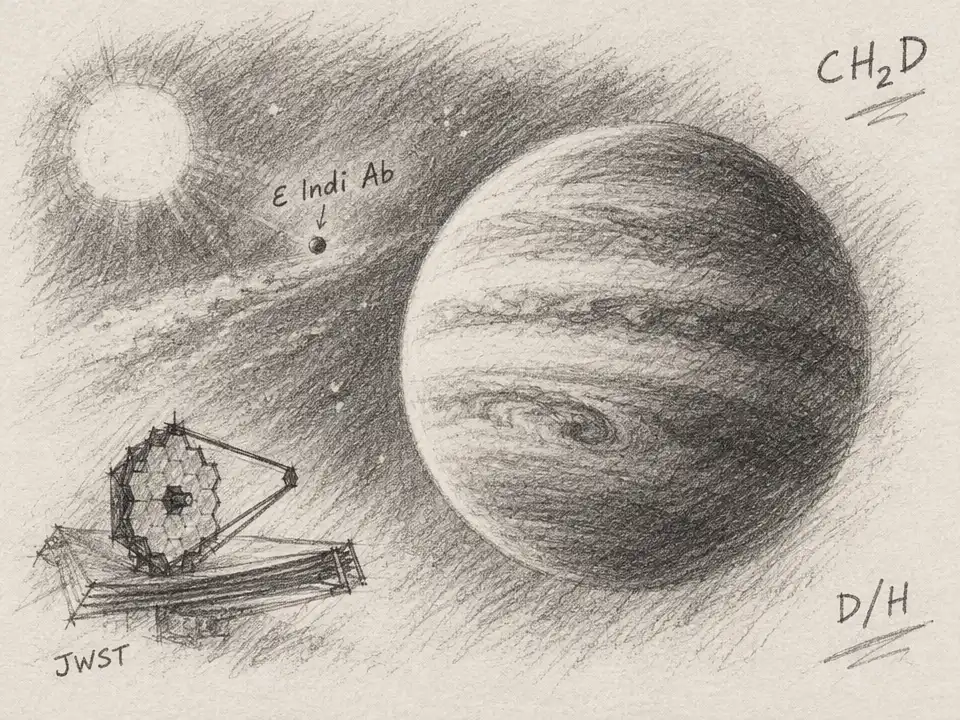
JWST finds deuterated methane in a cold super-Jupiter, revealing how a rare isotope may preserve clues to the icy material that built it.
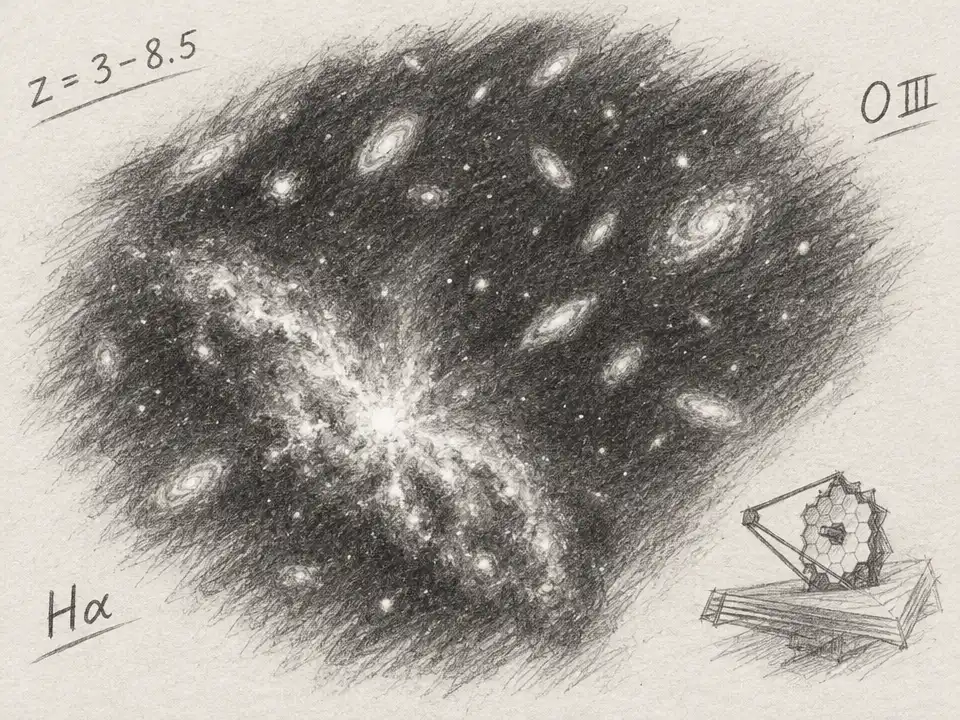
JWST imaging finds extreme oxygen-and-hydrogen emission in about half of galaxies at redshift 8.3, pointing to burstier early star formation.
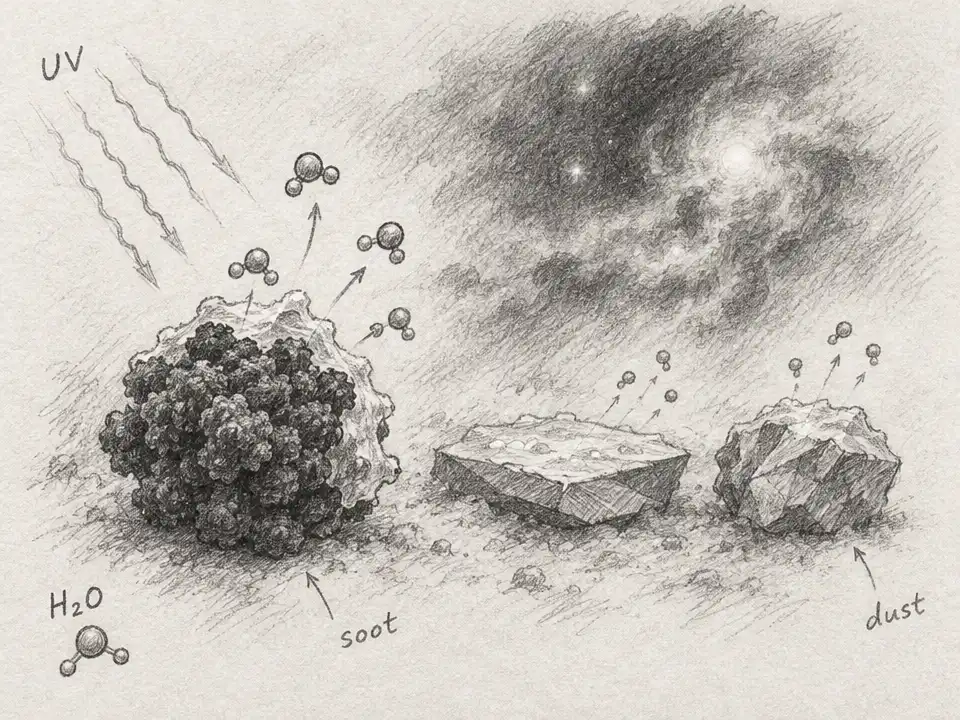
Experiments at 12 K find that rough cosmic-dust analogs can suppress UV-driven water loss, reshaping models of interstellar chemistry.
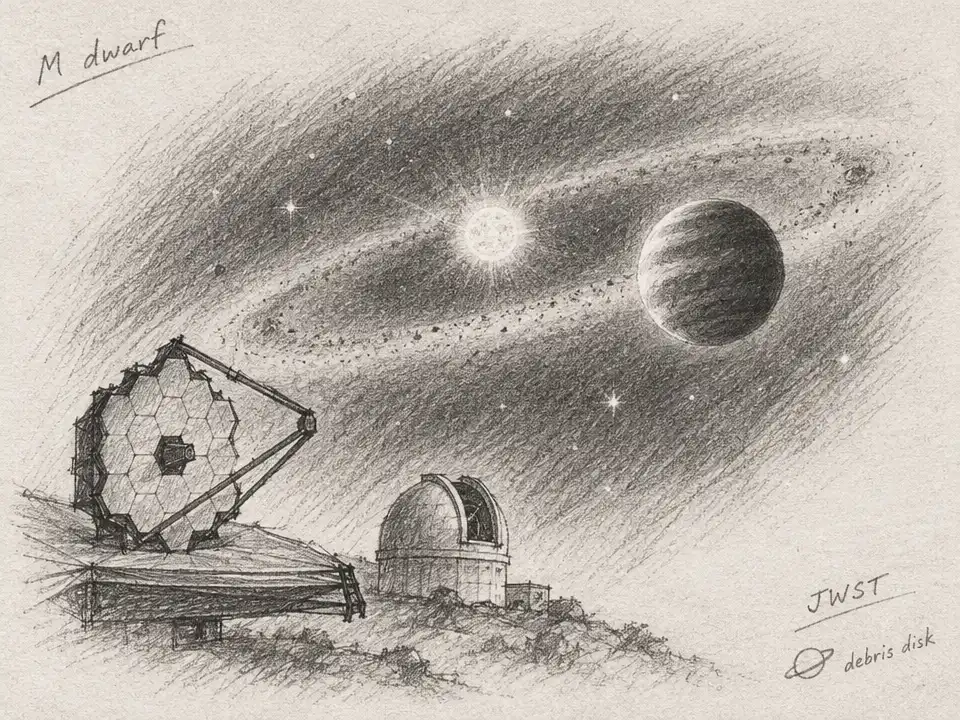
A faint giant planet and debris disk around a young M dwarf could test competing ideas of planet formation, but its origins remain uncertain.
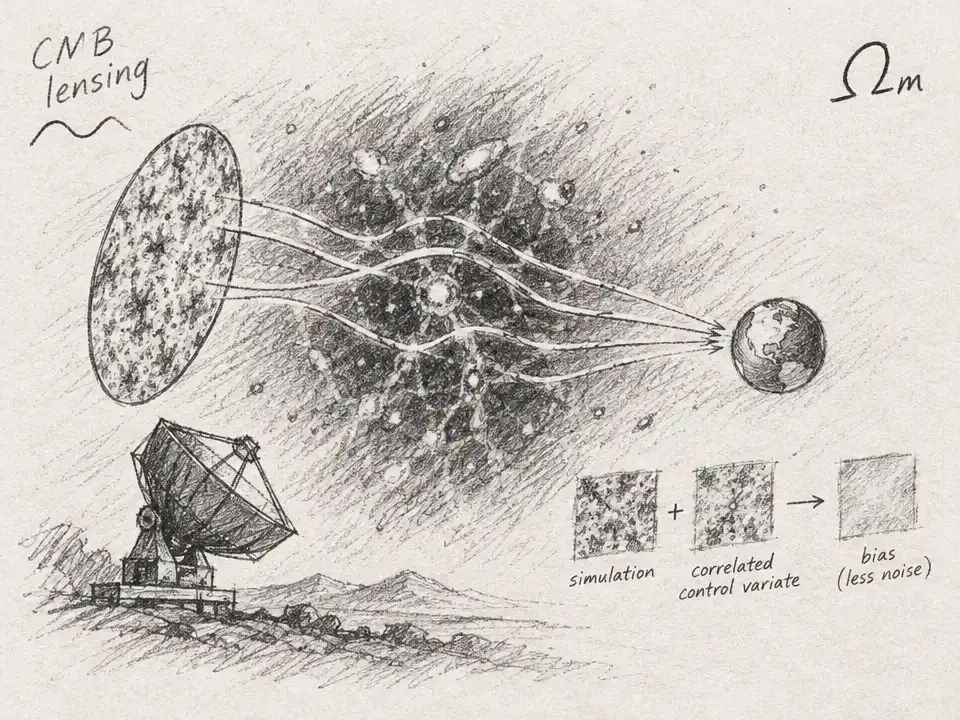
A clever simulation shortcut could speed cosmic microwave background lensing analyses, helping researchers map matter with less computing time.
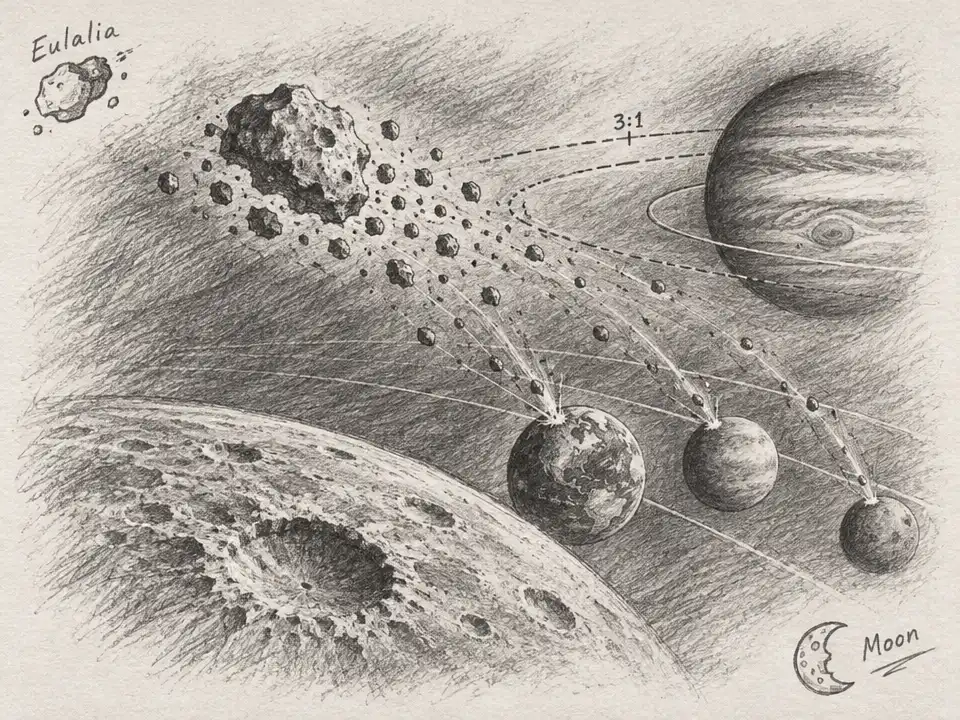
A model links the Eulalia asteroid breakup to an ancient bombardment of the Moon and inner planets—and shows why proving its effects is hard.
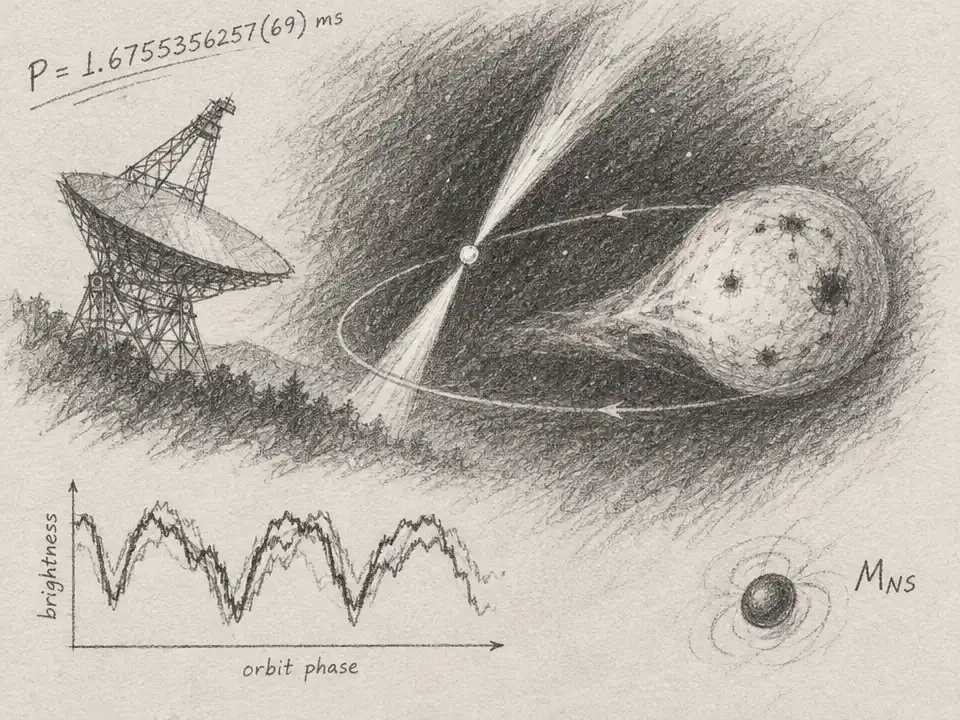
A confirmed millisecond pulsar has a companion whose changing light curve resists simple explanations and complicates its neutron-star mass estimate.
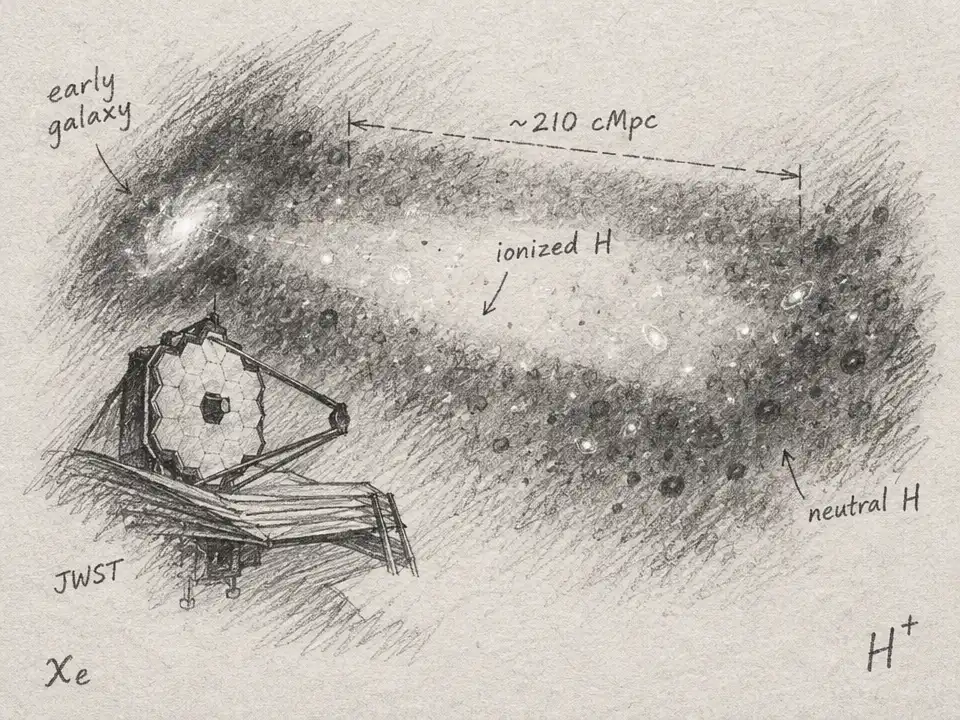
JWST light from one early galaxy hints at a 210-megaparsec ionized region in a universe that was still largely neutral.
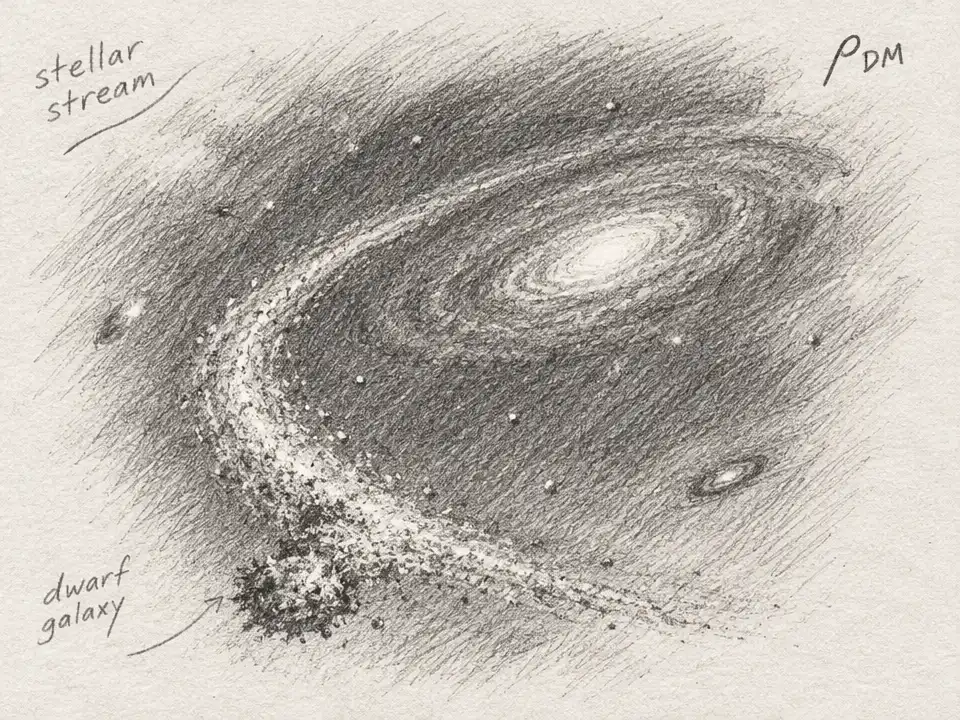
A new geometric test could use the curves of shredded star streams to tell whether dark matter halos are round or triaxial.