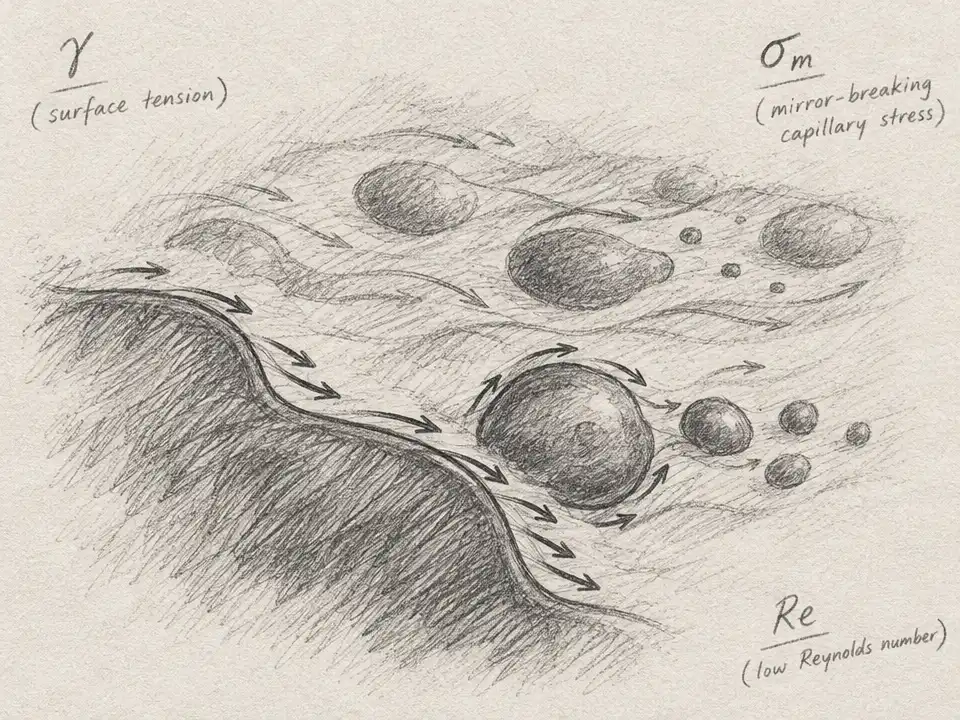
A Sideways Surface Force Stopped Droplets and Kept Flow Alive
A proposed sideways capillary stress drives persistent low-Reynolds-number flow, arrests domain growth, and reshapes droplets in simulations.
A proposed sideways capillary stress drives persistent low-Reynolds-number flow, arrests domain growth, and reshapes droplets in simulations.
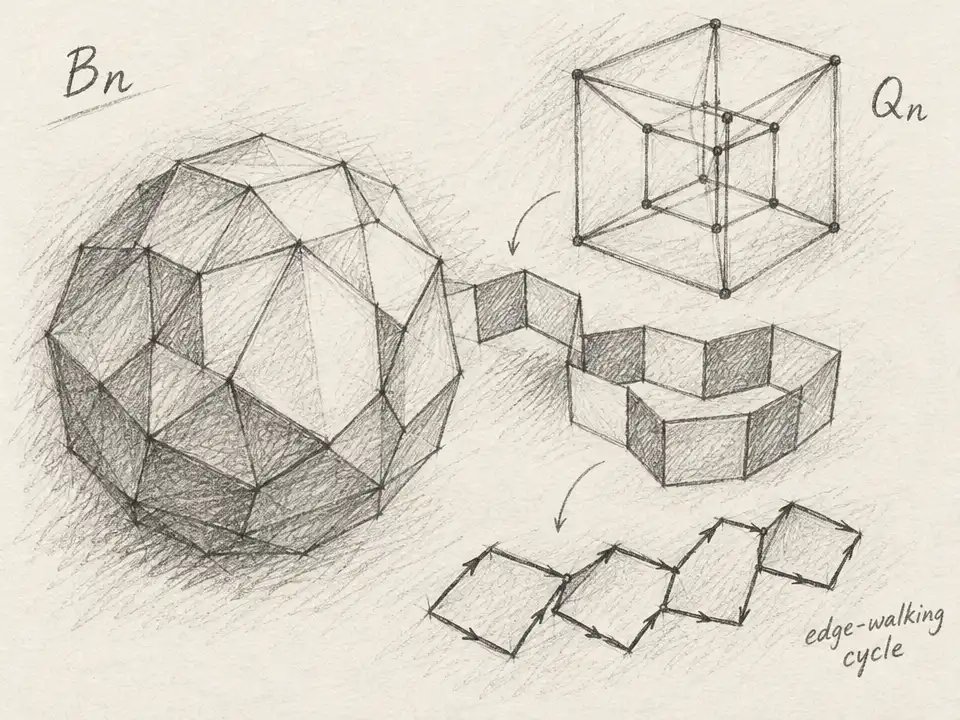
A hidden ribbon in a hypercube’s face structure reveals a cycle through every facet of the more complex B-permutahedron.
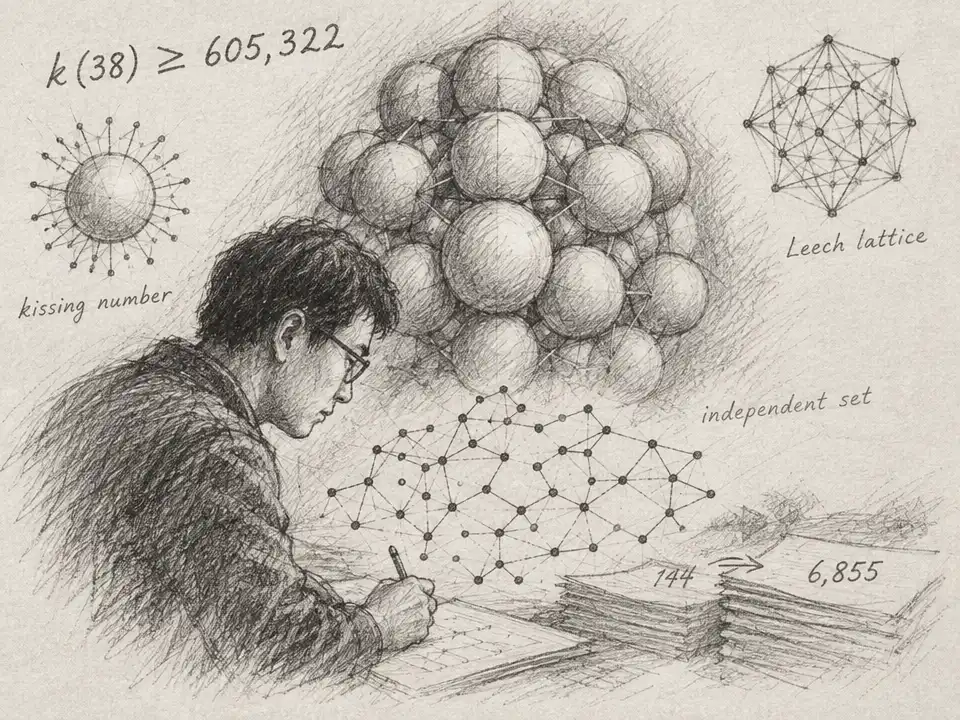
A search through a 38-dimensional lattice turns an apparently empty equator into 6,855 compatible directions—and a major new kissing bound.
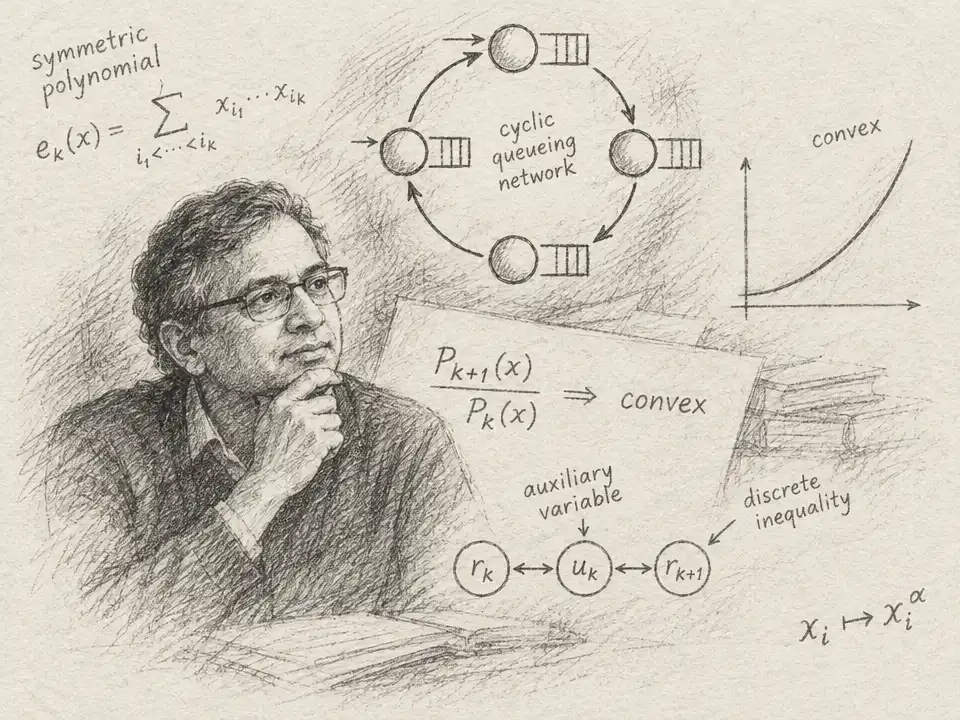
A queueing network turns a stubborn symmetric-polynomial inequality into a story about service times, hidden curvature, and a clever splitting trick.
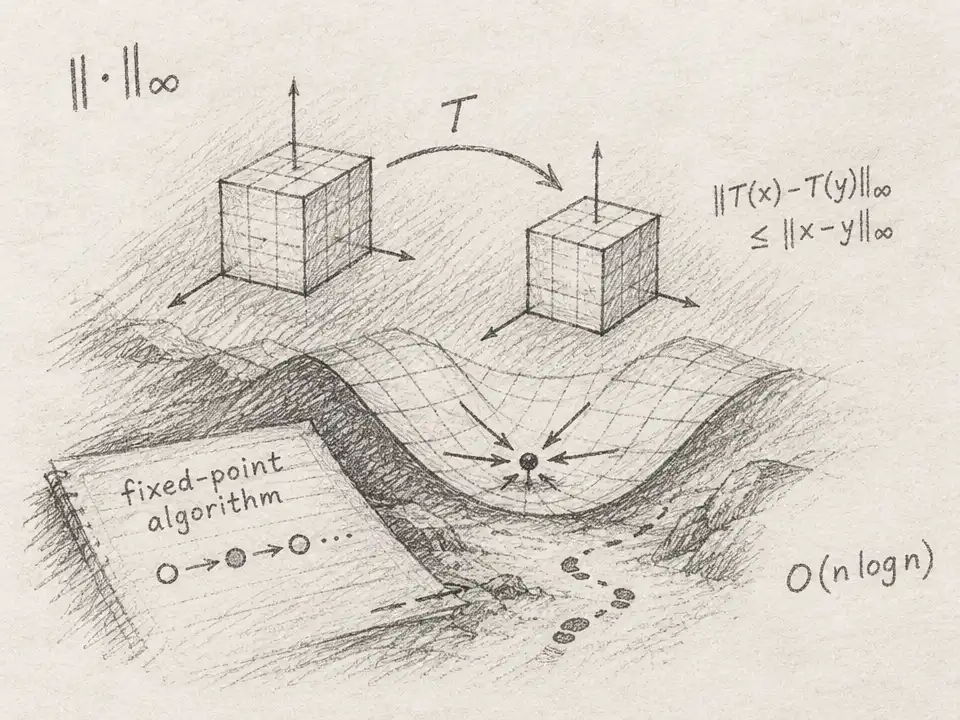
A hidden nonexpansive property helps turn a query-efficient fixed-point method into a computable one, while dimension remains a challenge.
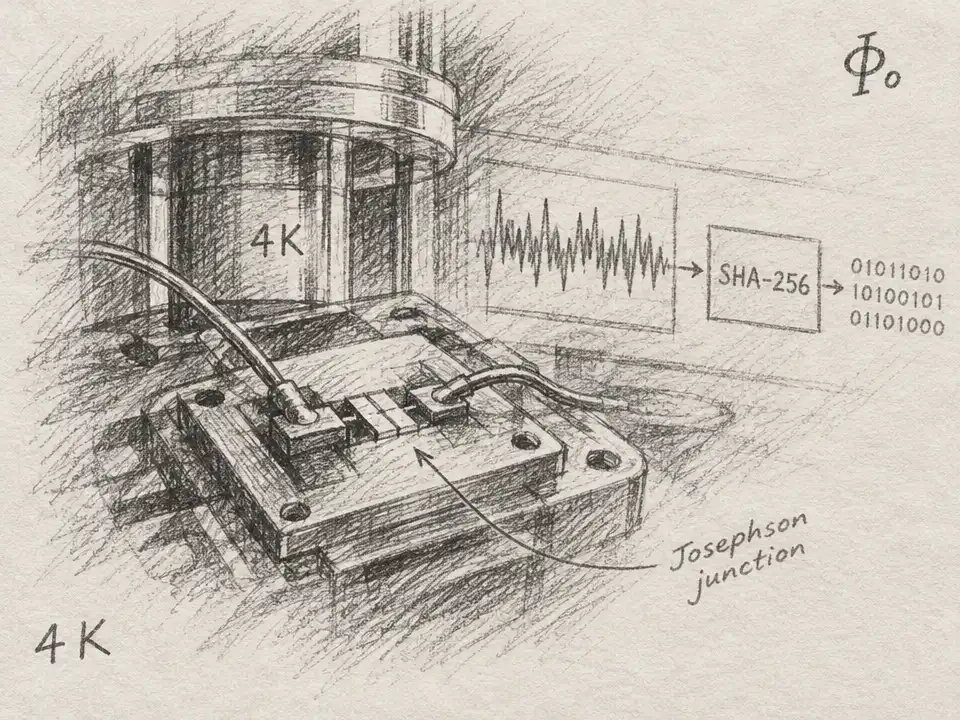
A misfabricated Josephson junction produced high-entropy random bits at cryogenic temperatures, though speed and testing remain key hurdles.
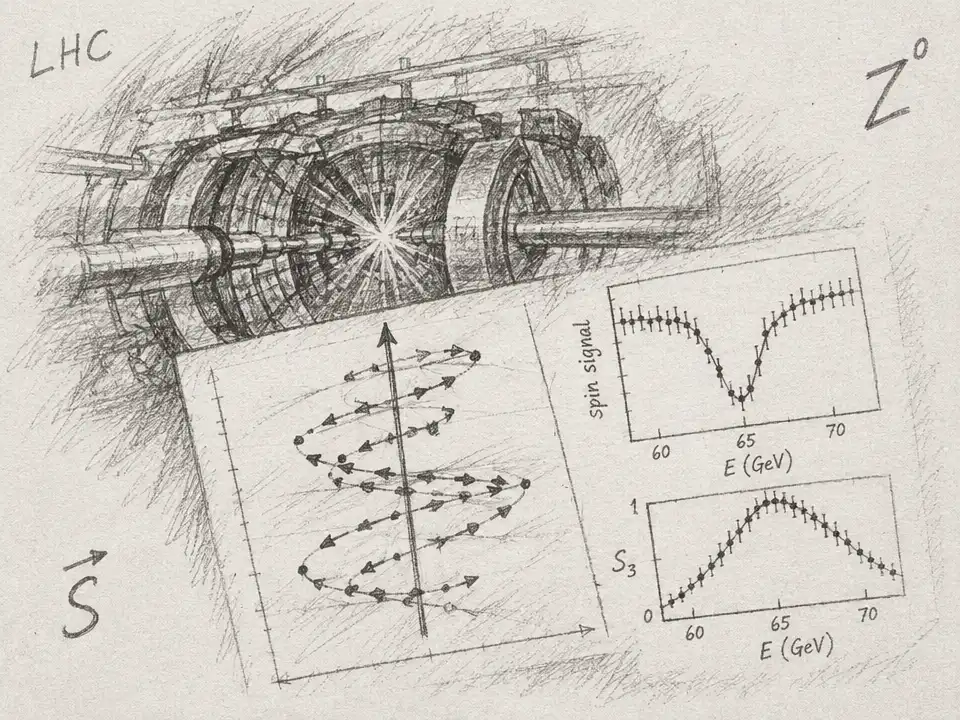
A quantum-tomography reanalysis of archived LHC collisions uncovers a swirling Z-boson spin pattern and a near-unpolarized state, with no known cause.
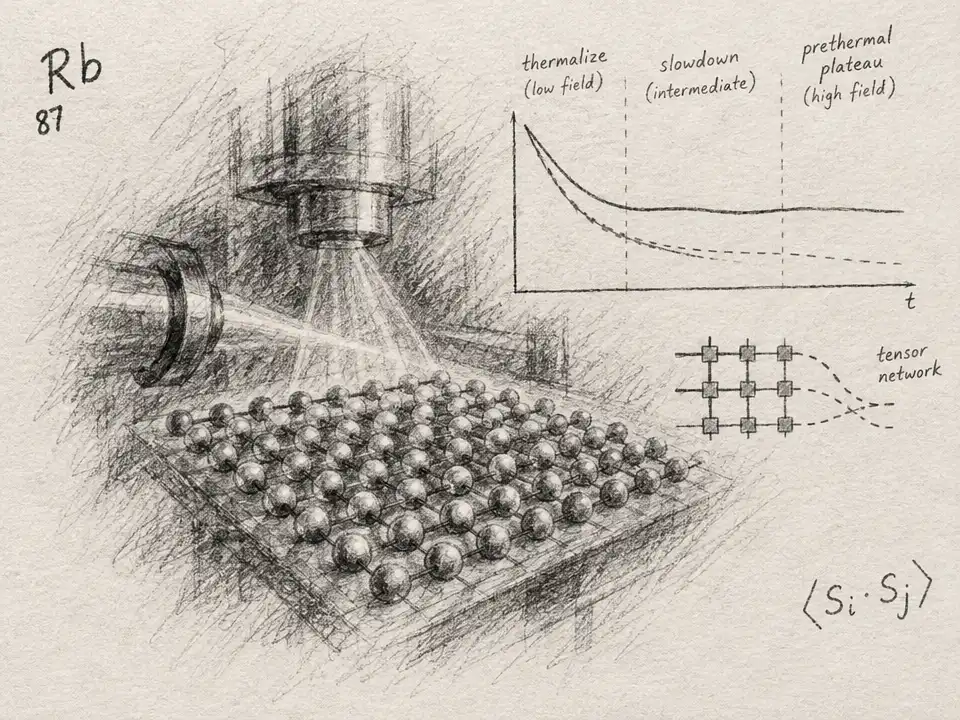
A 256-qubit atom array reveals an unexpected slowdown in a quantum magnet, right where familiar fast and prethermal relaxation regimes meet.
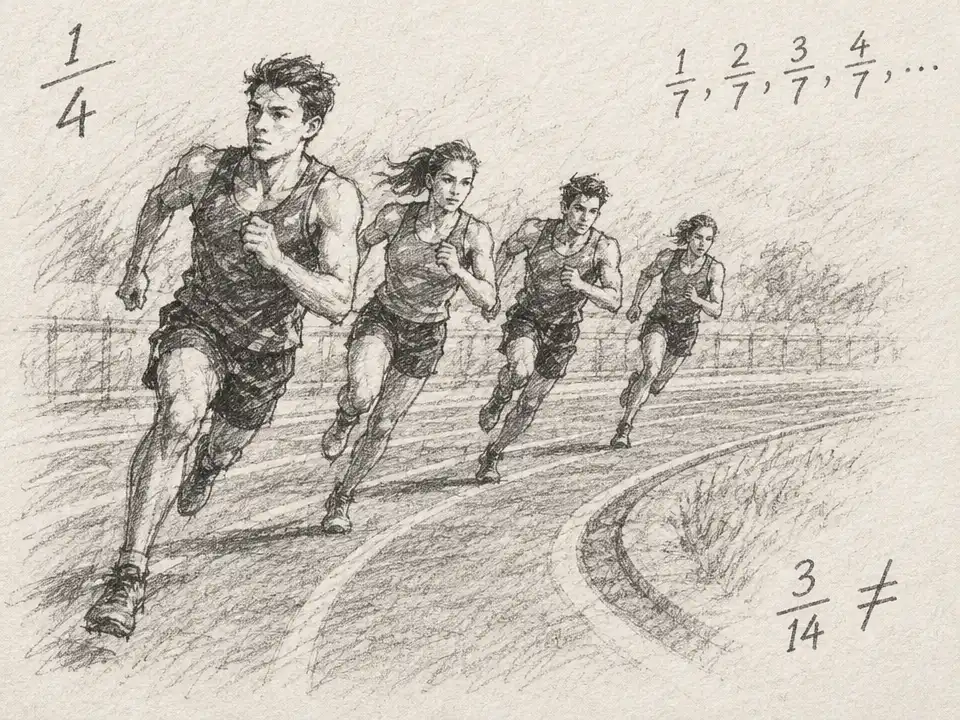
A complete classification of four-runner distances reveals a rigid fraction sequence, one missing value, and a solitary speed-pattern exception.
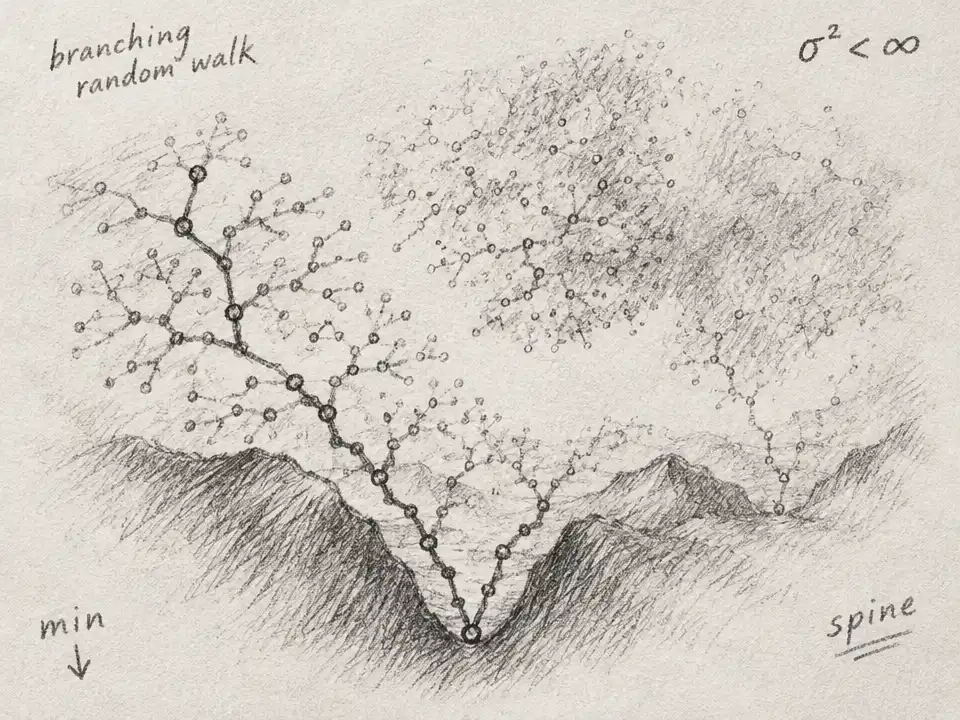
A branching population seems to crowd its immortal lineage out of the minimum. A new theorem finds it returning, with reproduction setting the rhythm.
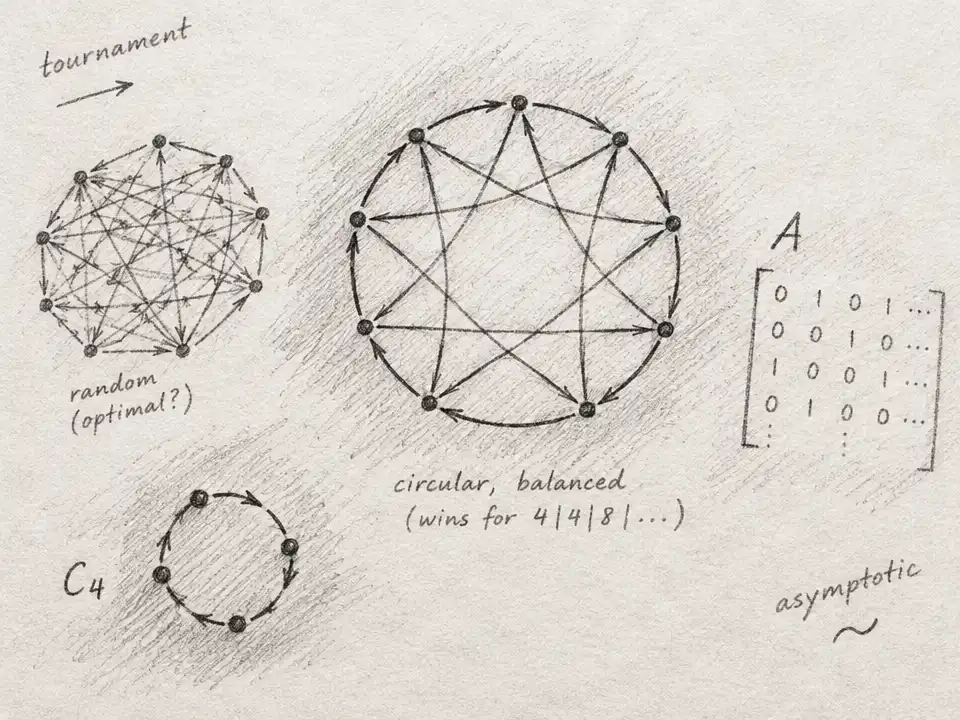
A new proof shows why a balanced circular tournament beats randomness at counting cycles whose lengths are divisible by four.
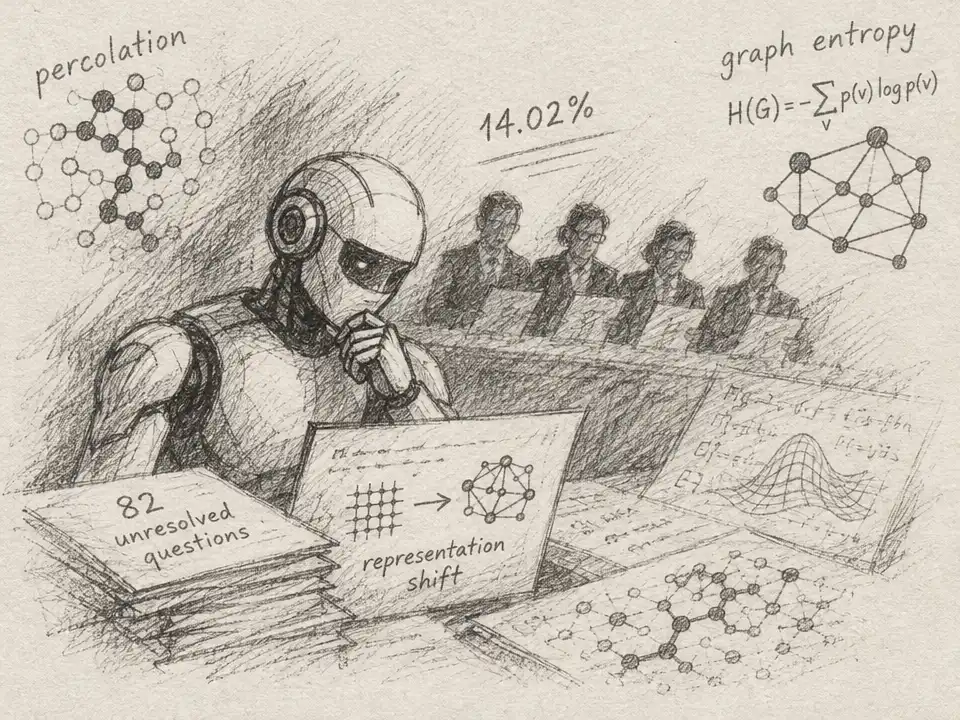
On 82 unsolved math and physics problems, AI’s strongest work came from reframing proofs—but expert verification remains essential.
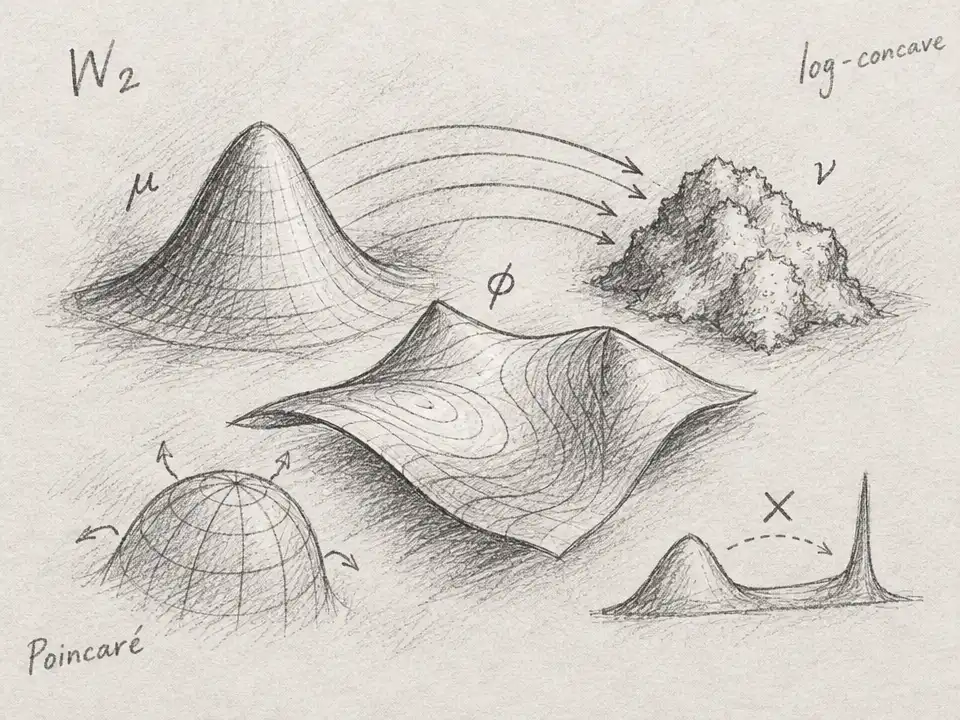
A new optimal-transport inequality is stronger than Poincaré’s rule—until a carefully shaped log-concave distribution breaks it.
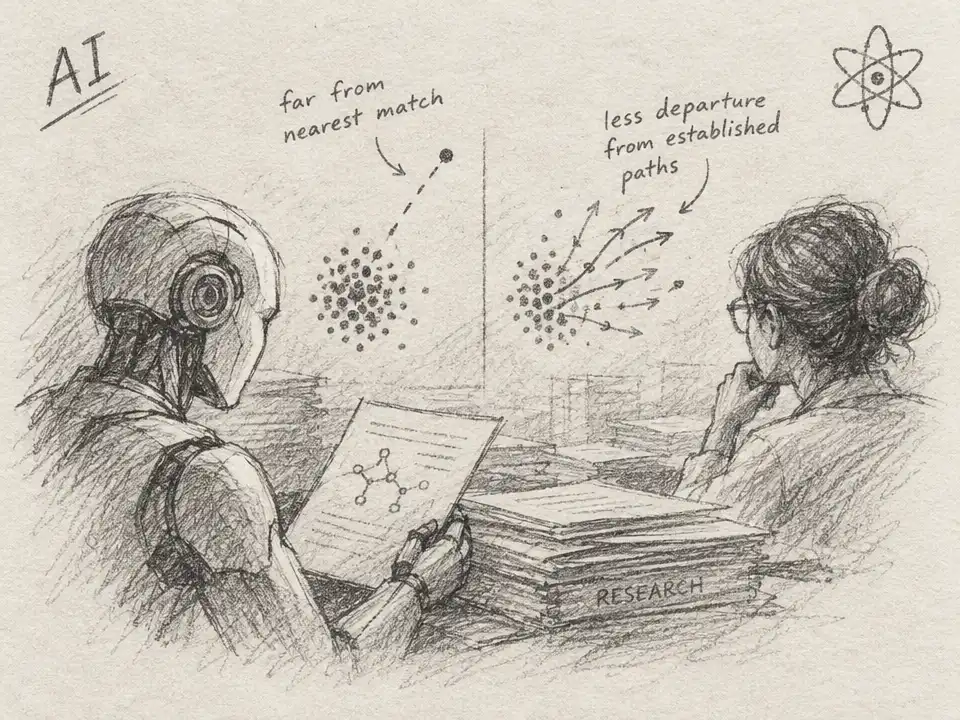
A study of 524,308 AI-generated hypotheses finds they can stretch beyond nearby papers yet still follow science’s established paths.
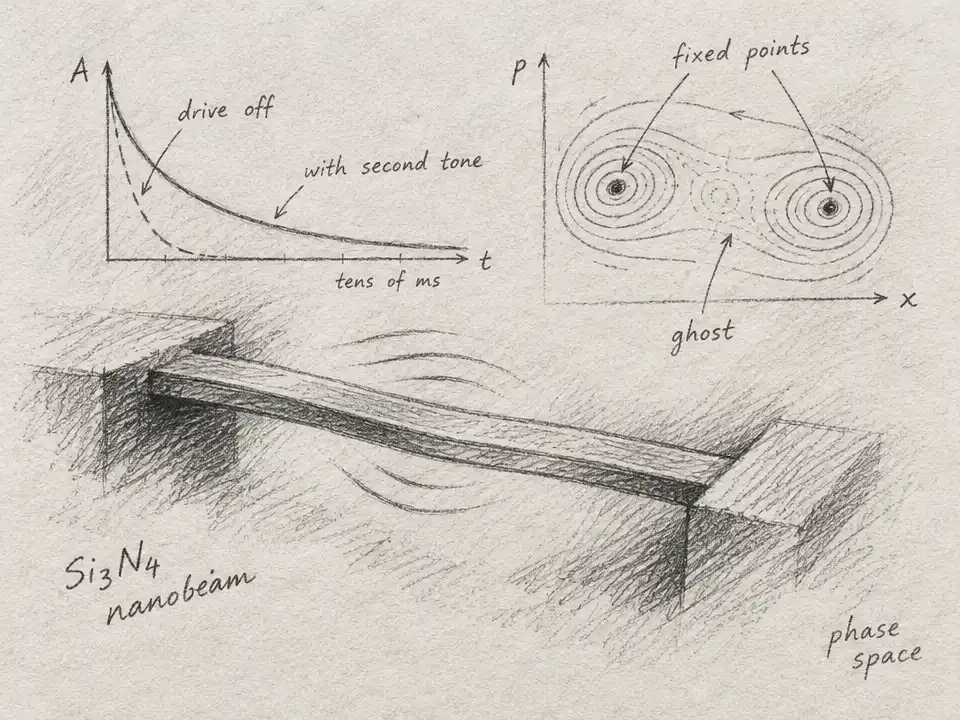
A nanomechanical beam was expected to fade smoothly, but a vanished phase-space fixed point left a ghost that delayed its motion for milliseconds.
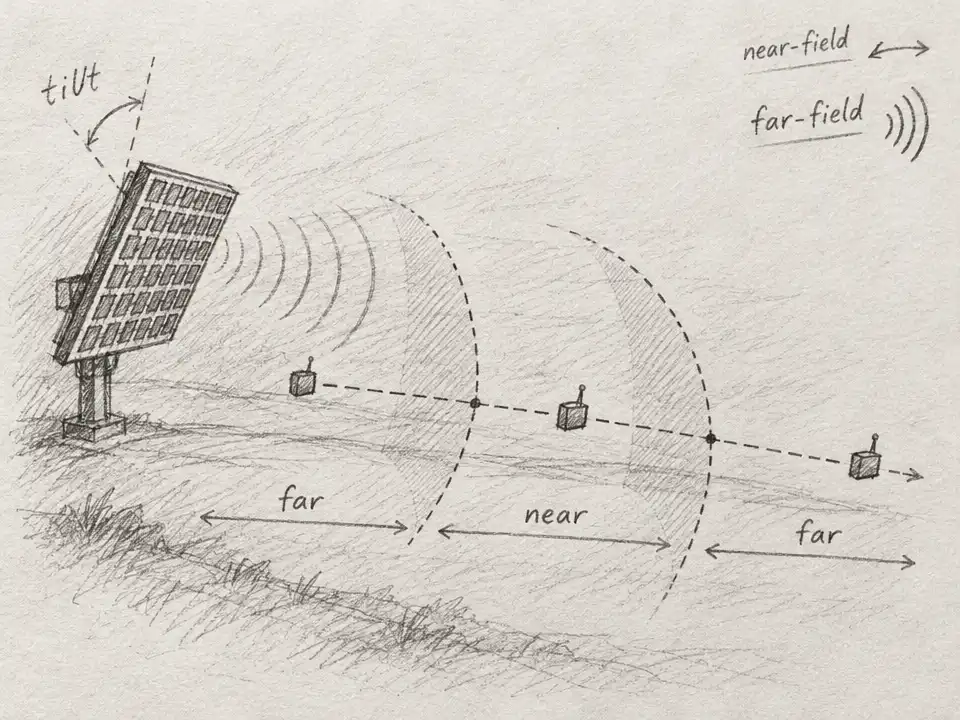
A new analysis finds that a moving receiver can cross the far-field boundary twice, changing how future terahertz links should be modeled.
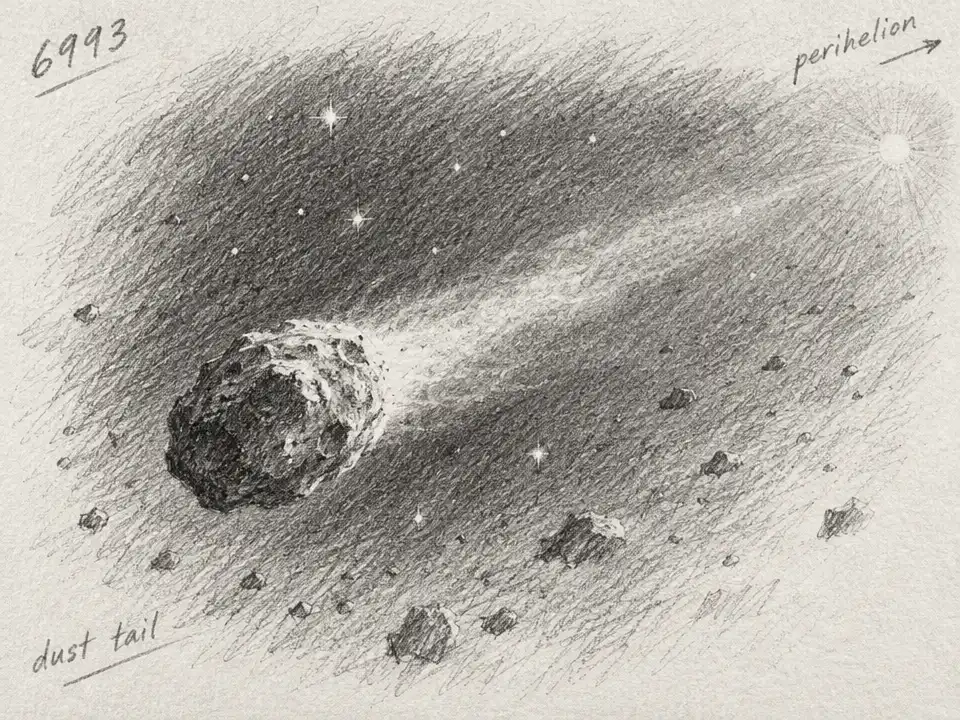
A machine-learning alert revealed a tail around asteroid 6993, where sunlight may be too weak for the usual icy explanation.
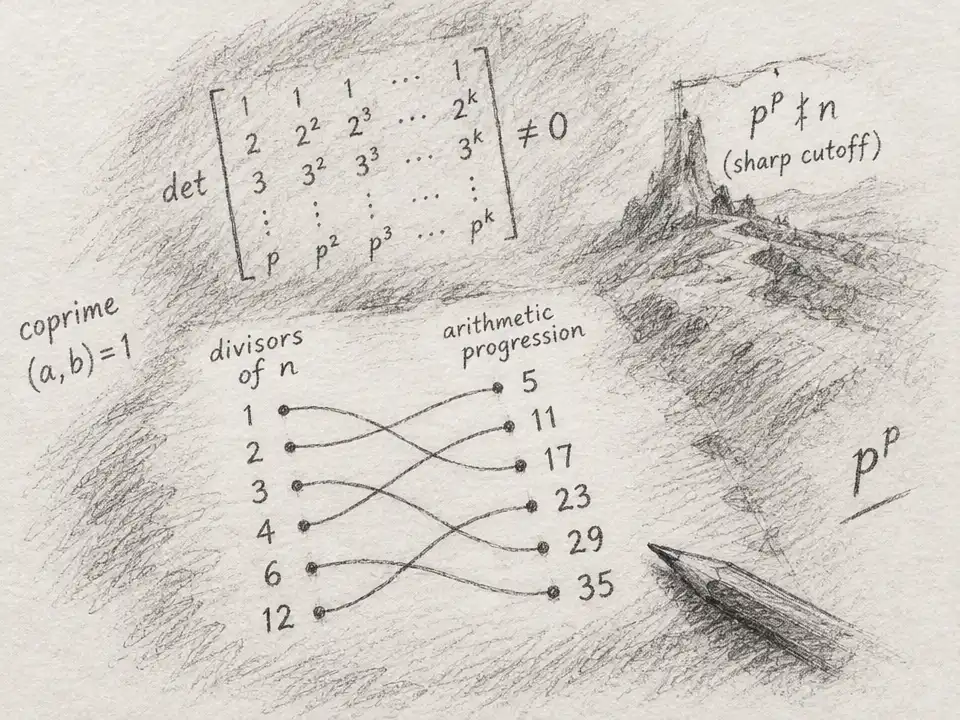
A divisor-matching puzzle has a surprisingly local solution: prime-by-prime counts guarantee a global coprime pairing.
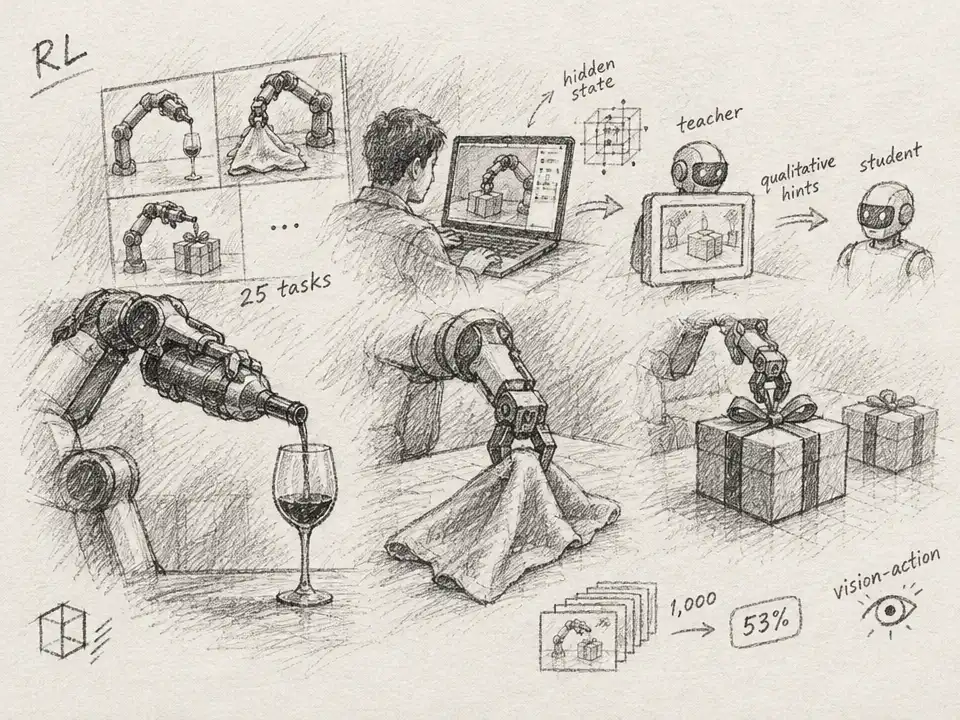
AI-built robot simulations revealed a surprising gap: powerful models failed every test, yet hidden-state coaching sharply improved learning.
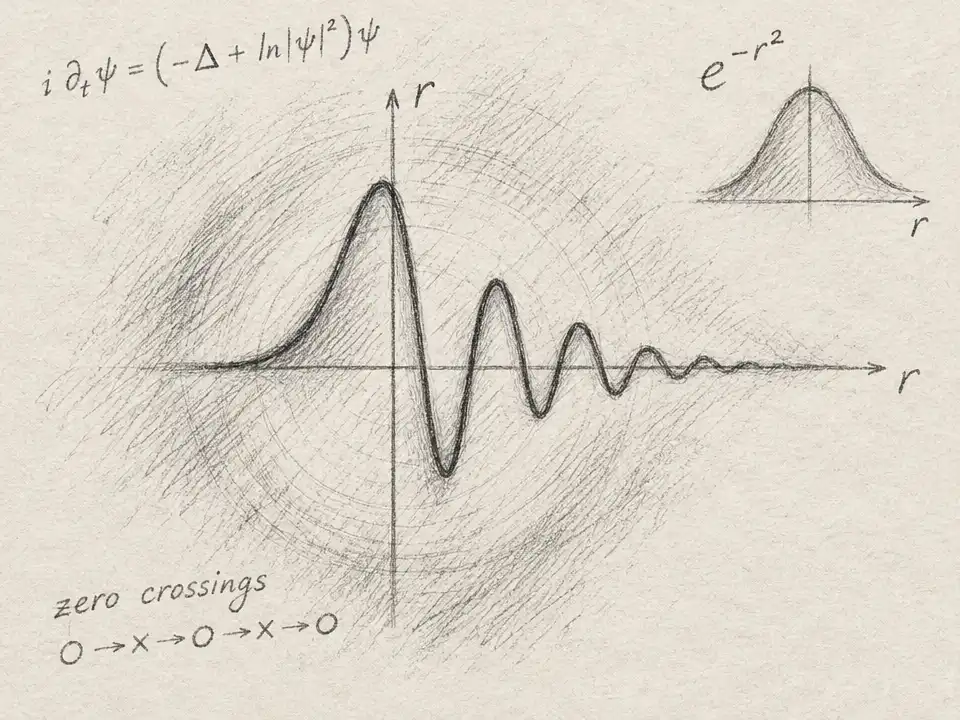
A long-standing uniqueness puzzle is solved: each node count selects one radial, finite-energy bound state for a logarithmic wave equation.