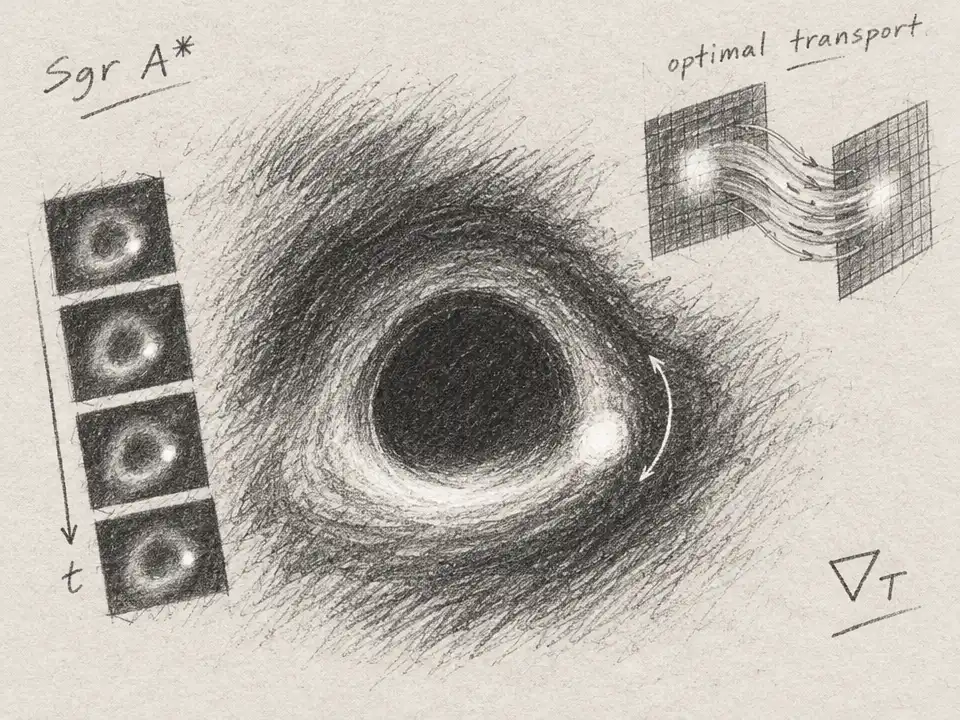
A New Way to Rebuild the Light Moving Around a Black Hole
A new image-reconstruction method helps recover motion near Sagittarius A* from simulated Event Horizon Telescope data.
A new image-reconstruction method helps recover motion near Sagittarius A* from simulated Event Horizon Telescope data.
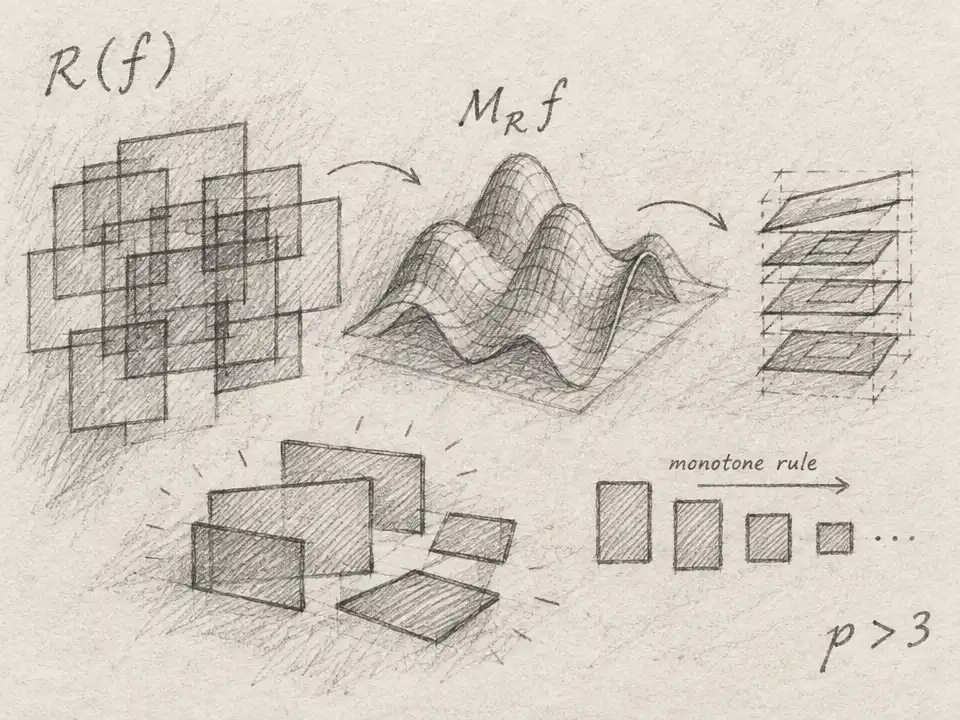
A new averaging trick preserves key rectangle averages while controlling overlap, helping prove a sharp bound for a broad family of geometric searches.
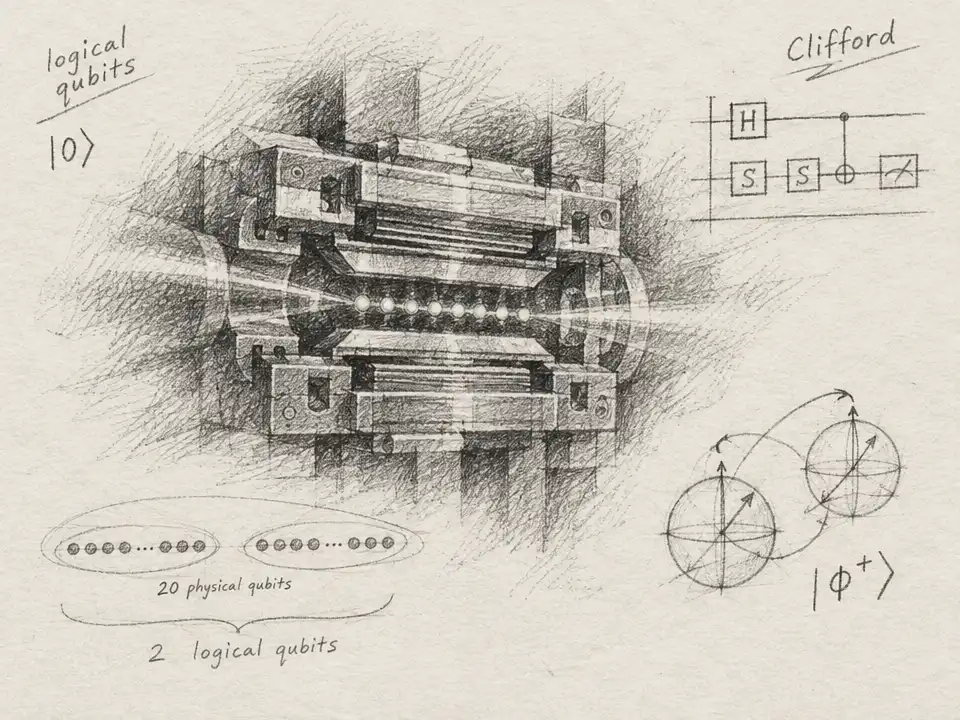
A compact trapped-ion code protects two logical qubits, improves encoded gates, and links different quantum codes in one tested design.
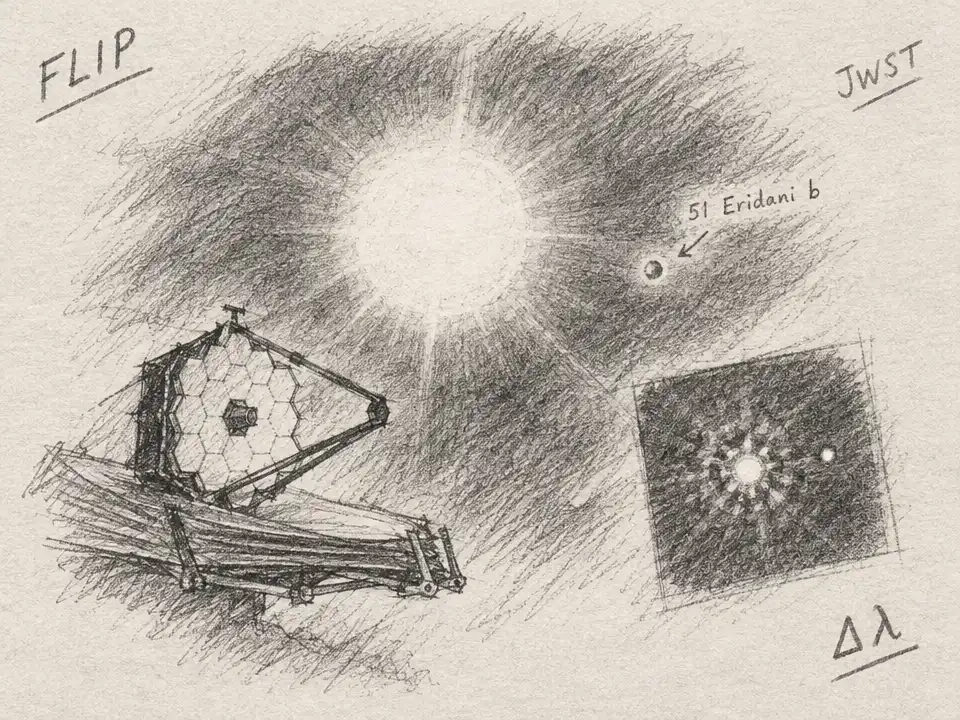
A physics-based method models JWST’s shifting starlight, improving exoplanet sensitivity and revealing 51 Eridani b at 4.3 micrometers.
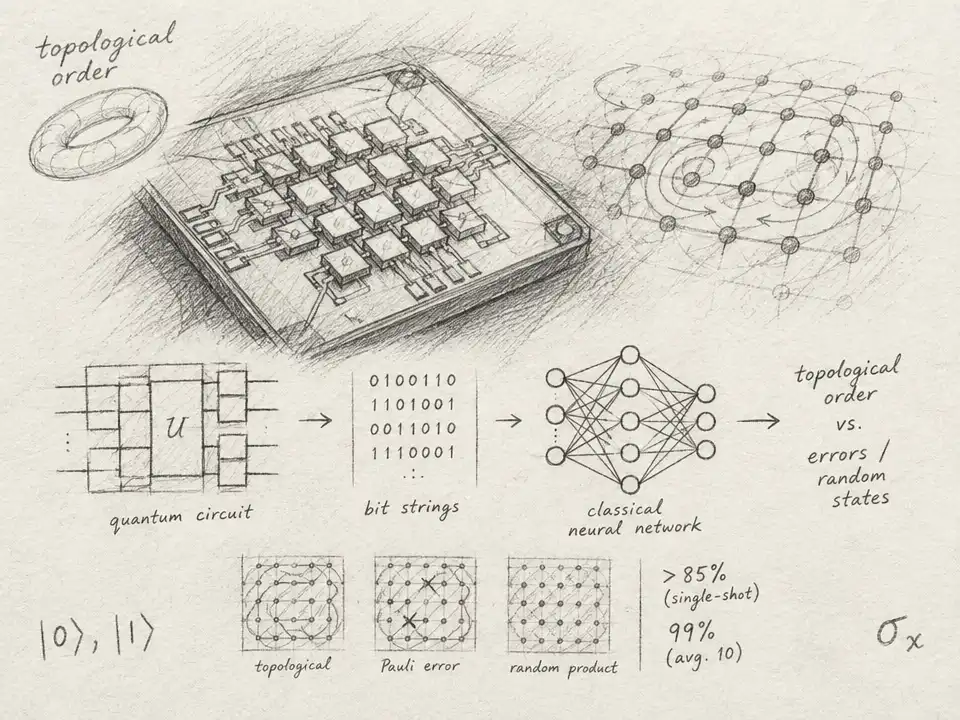
Researchers used a superconducting quantum processor and a hybrid neural network to make hidden topological order easier to recognize.
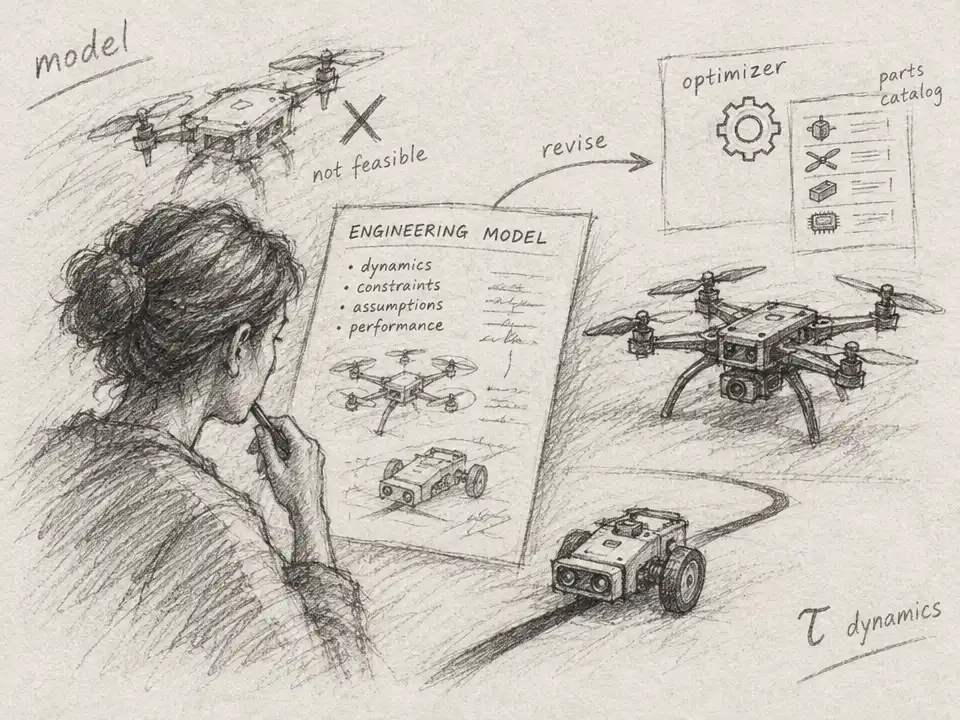
A new robot-design workflow lets AI draft the engineering model, while people revise assumptions before an optimizer selects parts.
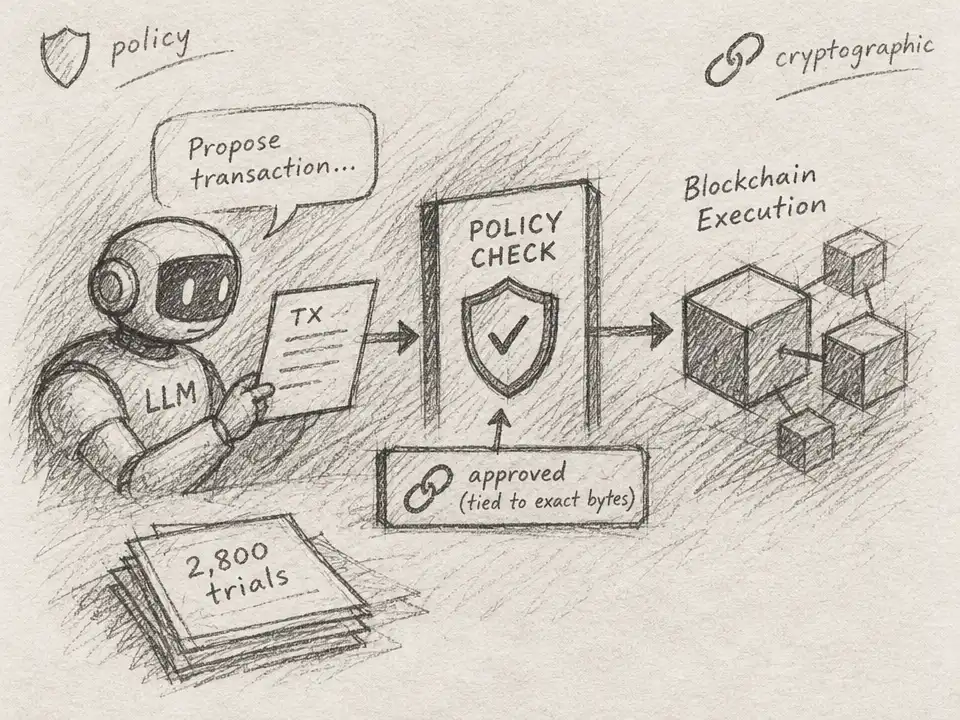
PACE puts a deterministic policy gate between AI agents and blockchain execution, binding approval to transaction data while exposing important limits.
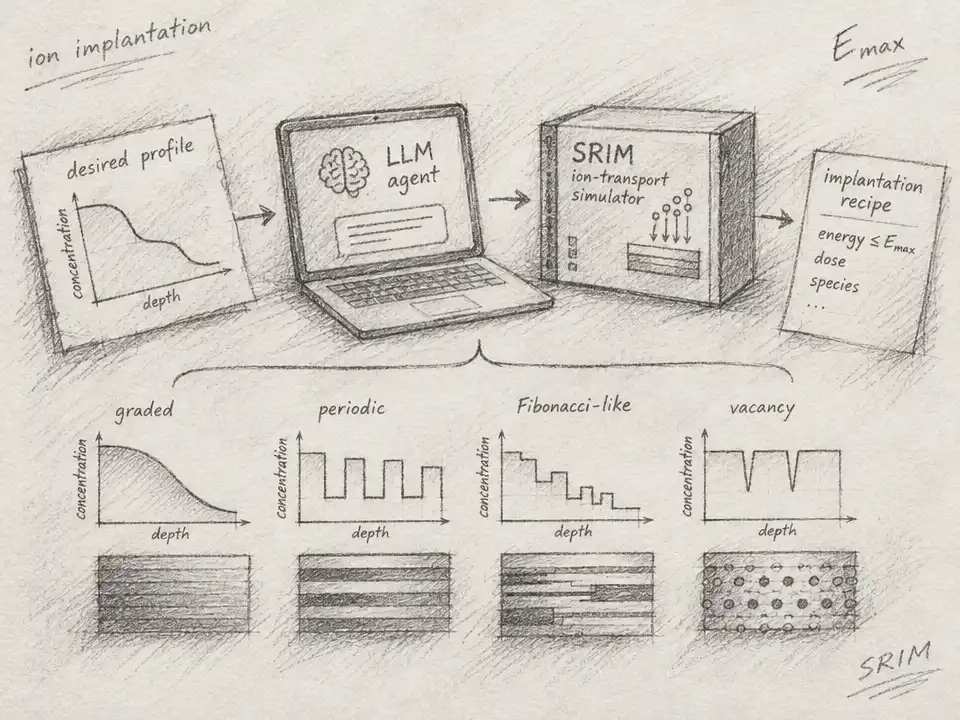
A language-model agent uses ion-transport simulations to turn sketched depth patterns into implantation recipes—without claiming a physical build.
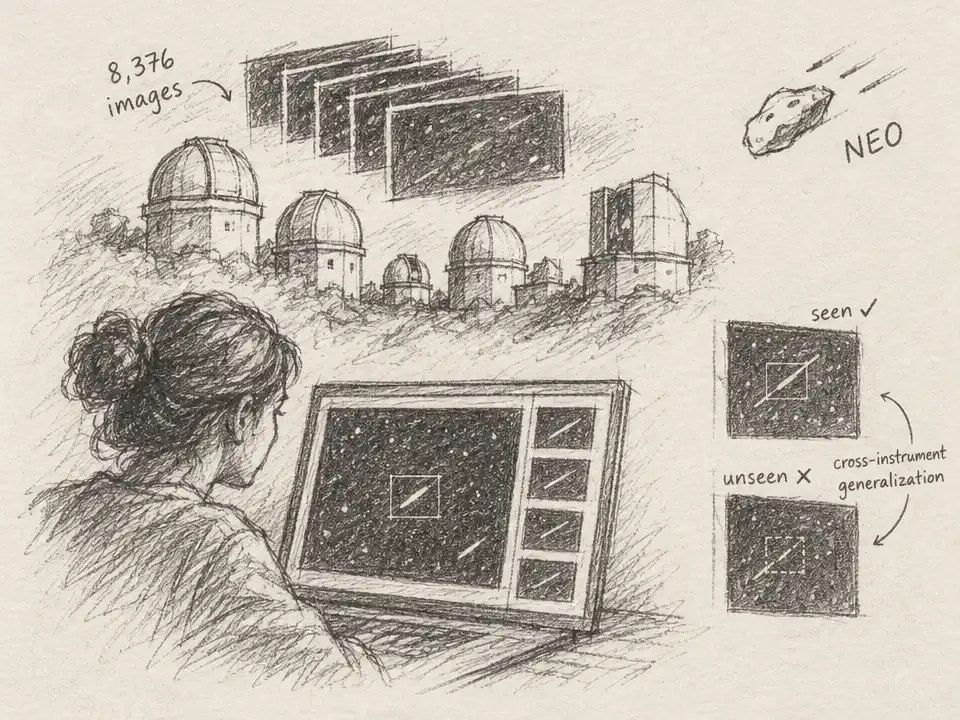
A benchmark spanning five telescope datasets exposes a stubborn weakness: streak detectors can stumble when the camera or observing conditions change.

A precise transfer-and-annealing method makes large twisted oxide crystals, revealing how a tiny rotation can reshape their structure.
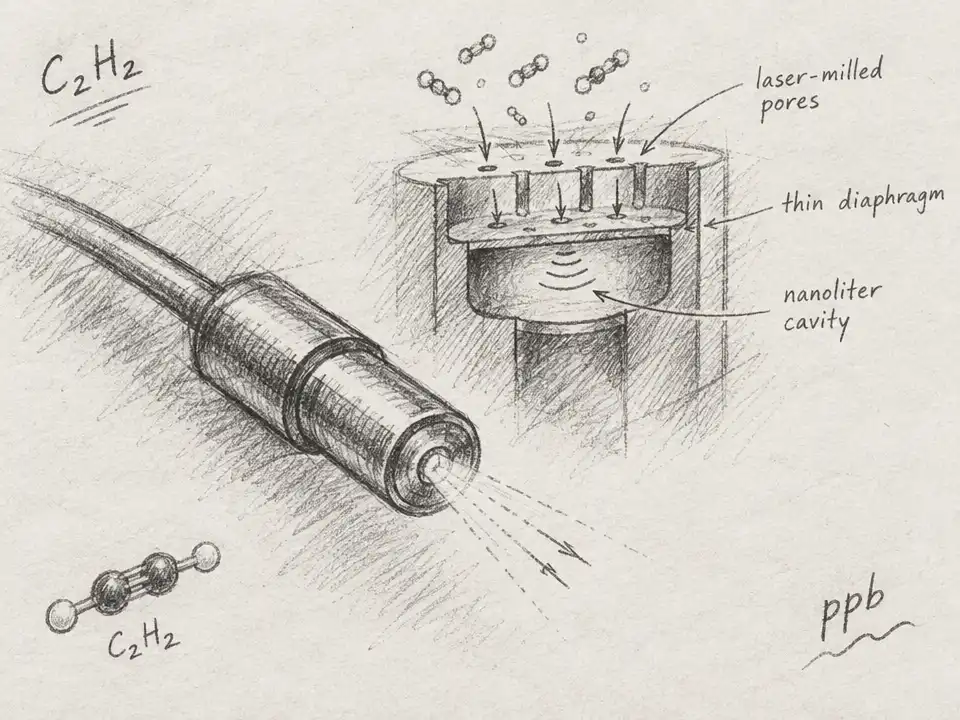
A fiber-tip sensor turns trace acetylene into an optical signal, using tiny pores to detect gas in air and transformer oil.
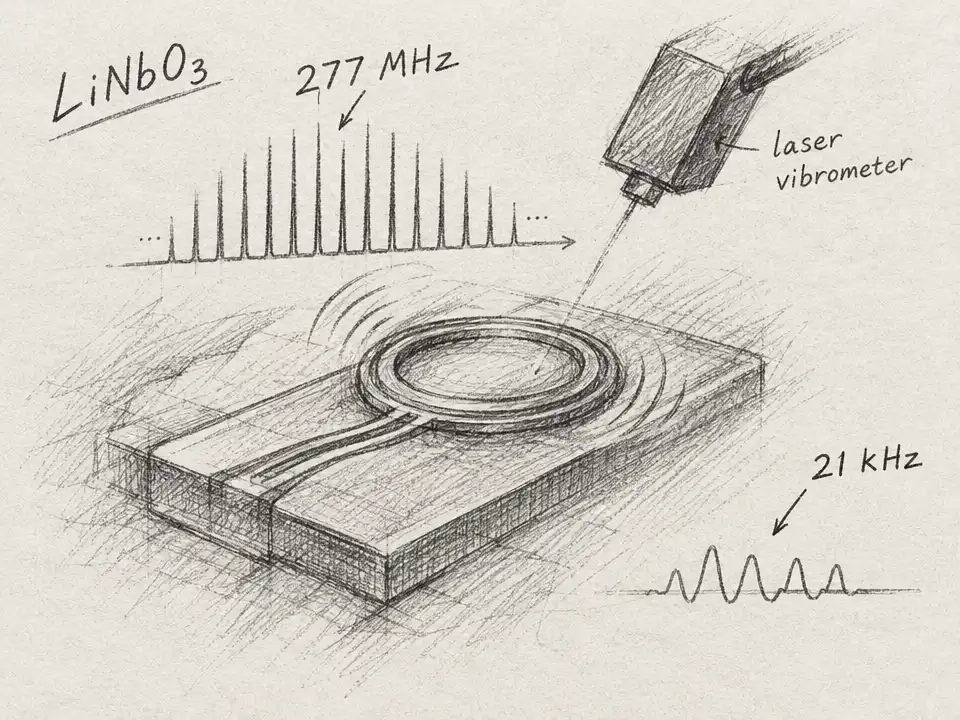
A lithium-niobate acoustic resonator links vibrations near 277 MHz to a 21 kHz mechanical tone, suggesting a new route to compact timing signals.
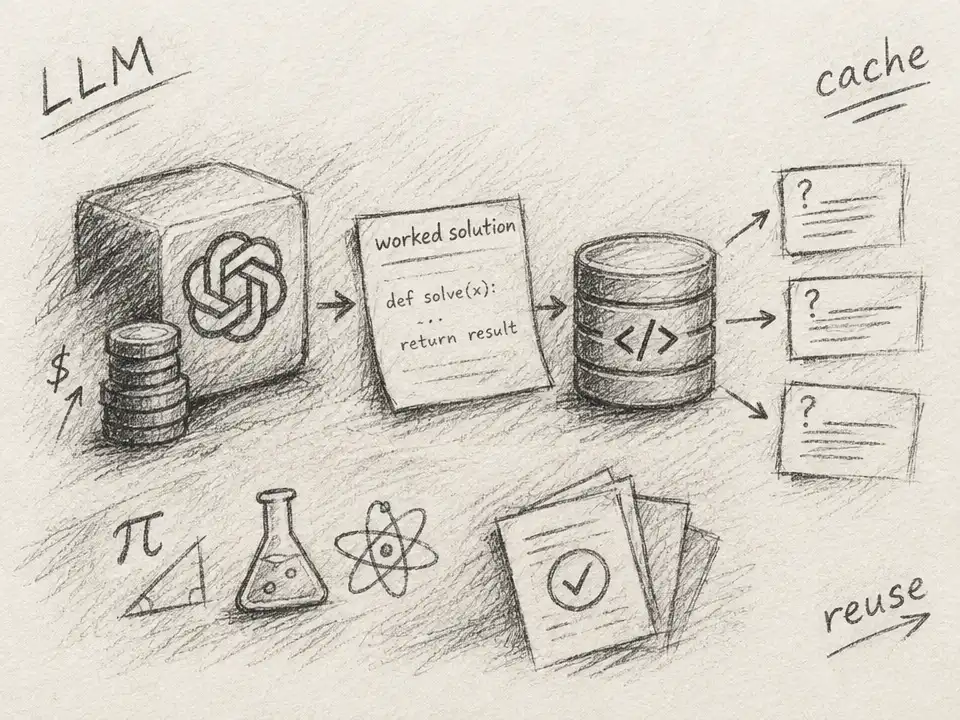
Researchers turn language-model reasoning into inspectable code that reuses solutions across changed questions, with lower repeat costs.
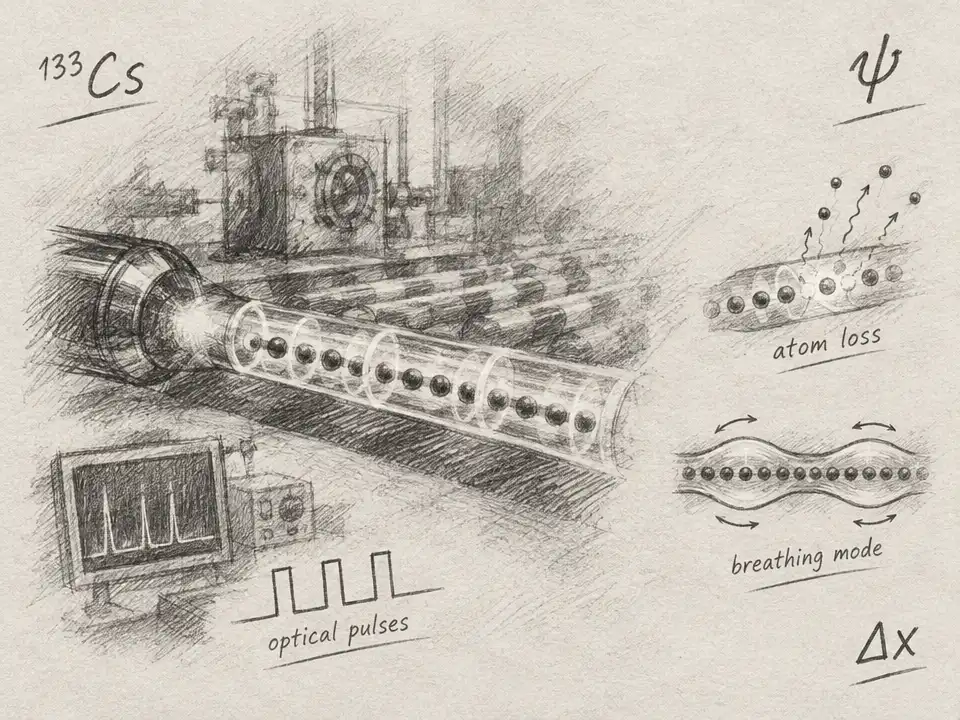
A proposed cesium-atom experiment uses resonant heating and a protected breathing mode to search for subtle changes to quantum mechanics.
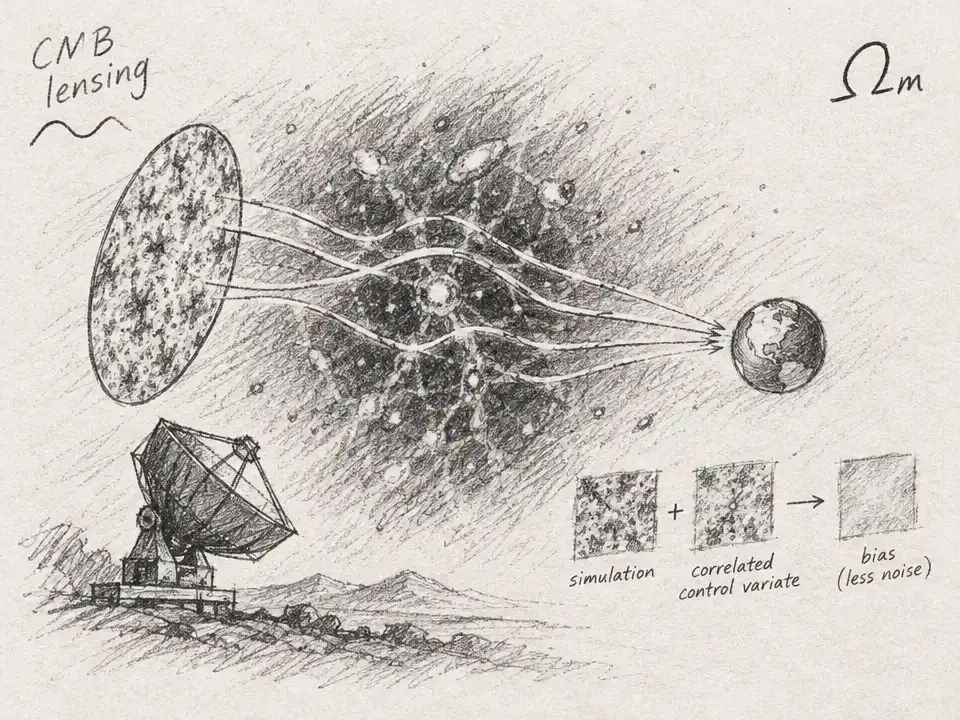
A clever simulation shortcut could speed cosmic microwave background lensing analyses, helping researchers map matter with less computing time.
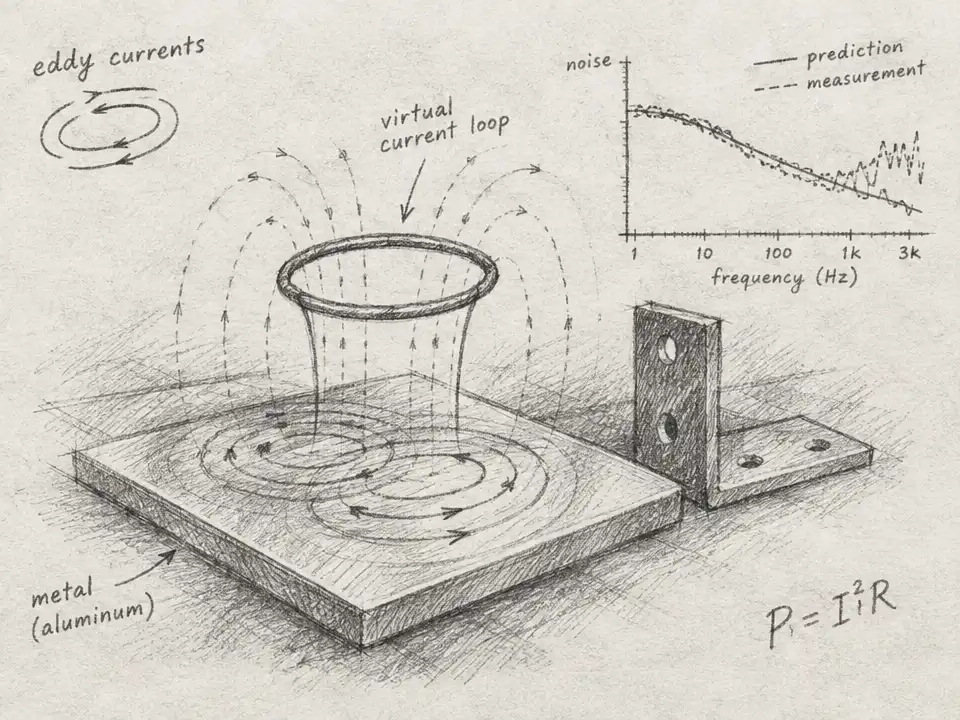
A virtual-current-loop calculation predicts thermal magnetic noise from oddly shaped aluminum parts—and mostly matches what sensitive sensors measure.
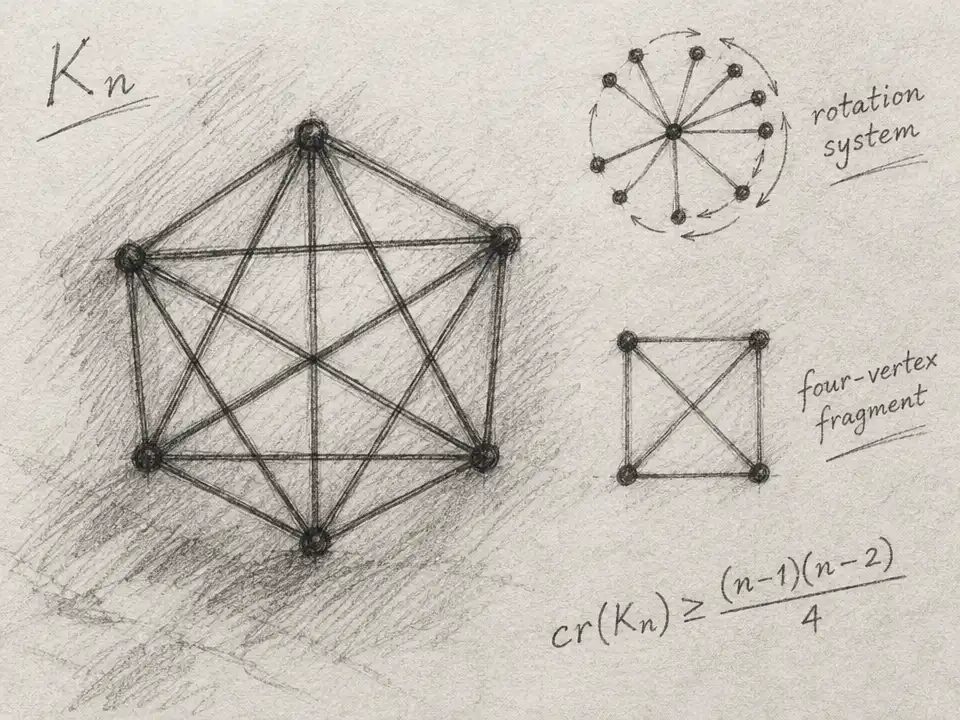
A combinatorial method turns local edge orders into a sharp lower bound on crossings, settling a long-standing complete-graph conjecture.
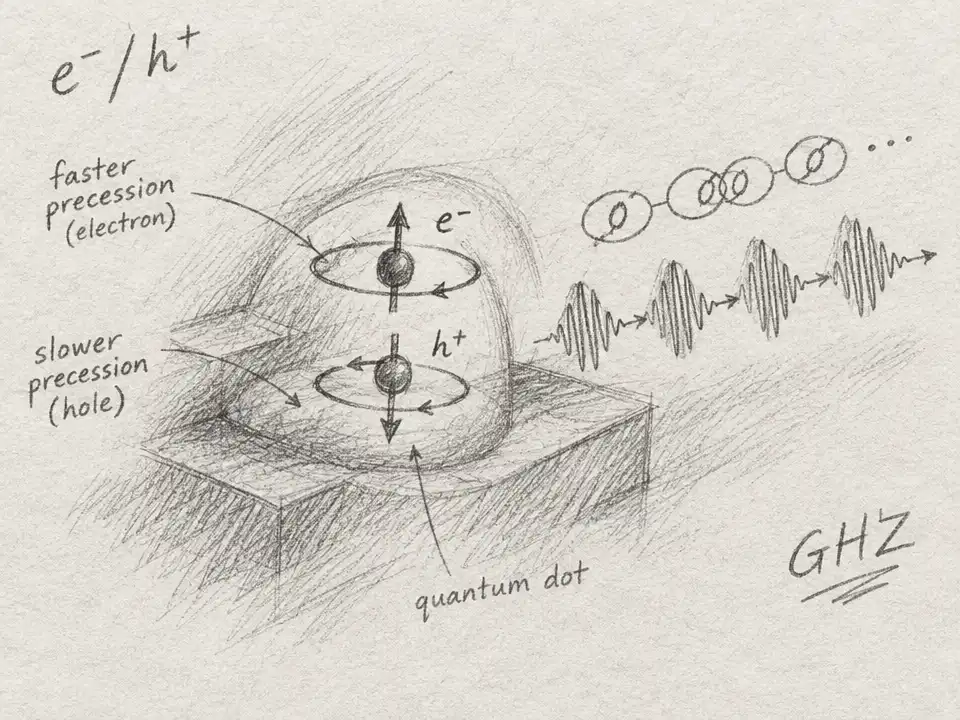
A semiconductor quantum dot times two oppositely precessing spins to preserve photon entanglement, pointing toward larger quantum-light sources.
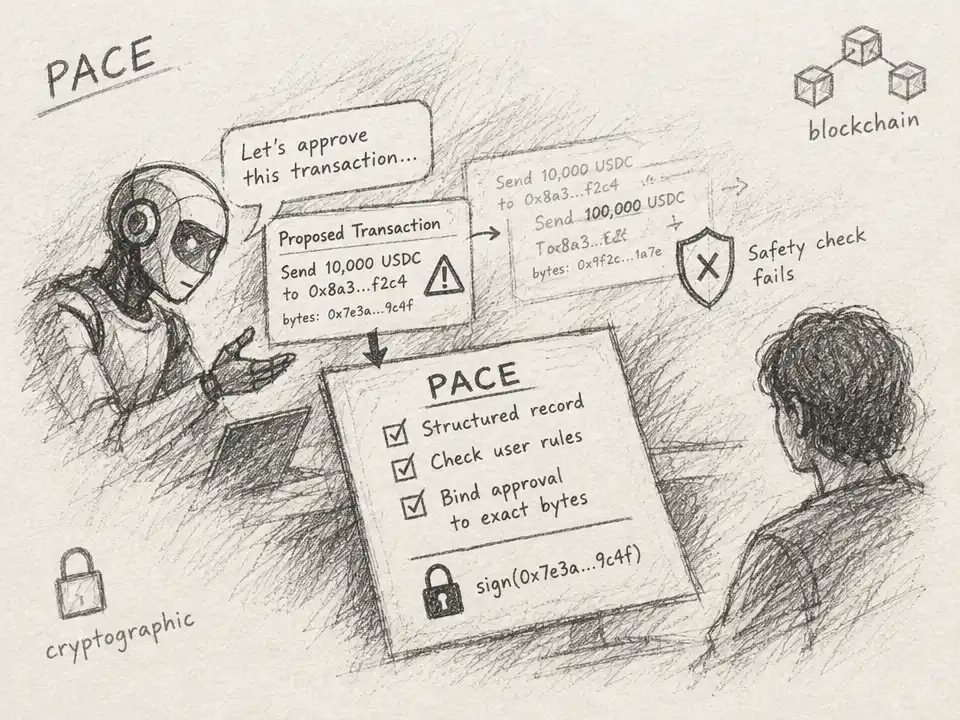
A cryptographic checkpoint ties an AI agent’s financial plan to the exact blockchain transaction it was approved to make—and exposes the limits.
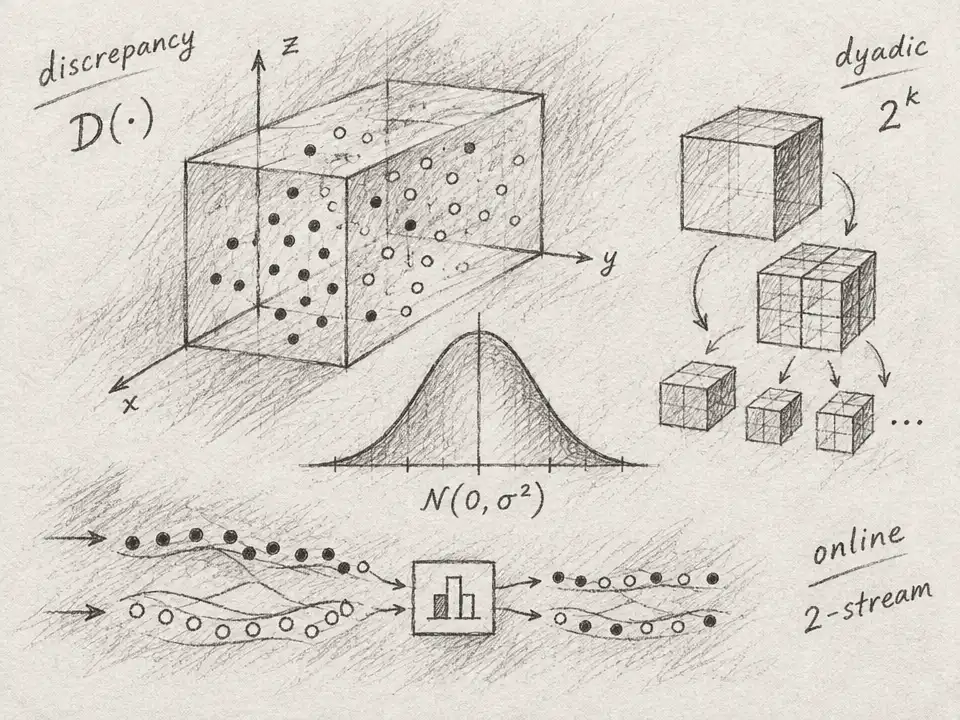
A Gaussian-based proof closes a major gap in point balancing and reveals why online sample thinning is harder before the final count.