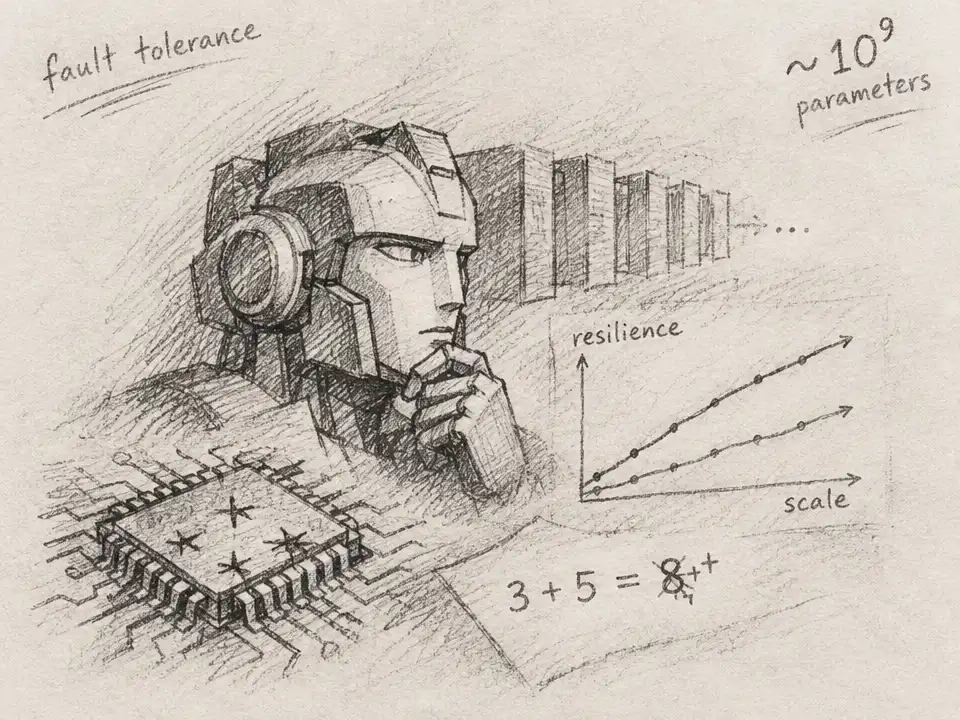
Why Did a Larger AI Get Better at Surviving Broken Arithmetic?
Researchers found that language models trained amid simulated arithmetic faults grew more resilient, but proof on real chips is still missing.
Researchers found that language models trained amid simulated arithmetic faults grew more resilient, but proof on real chips is still missing.
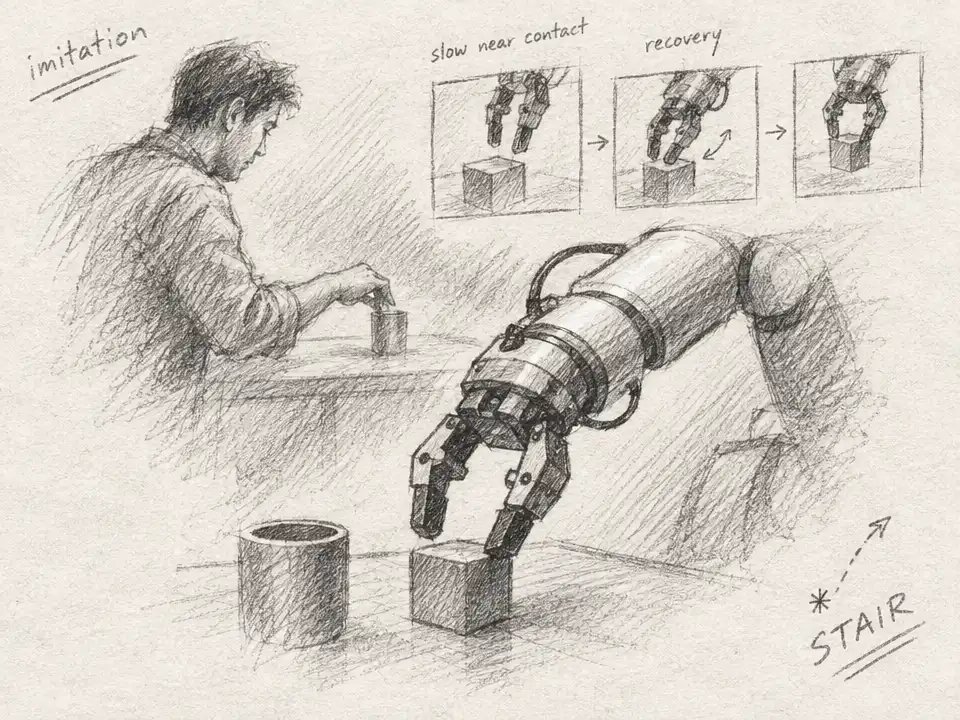
A smooth robot demonstration can hide the crucial correction. New research finds why showing recovery may teach machines to align better.
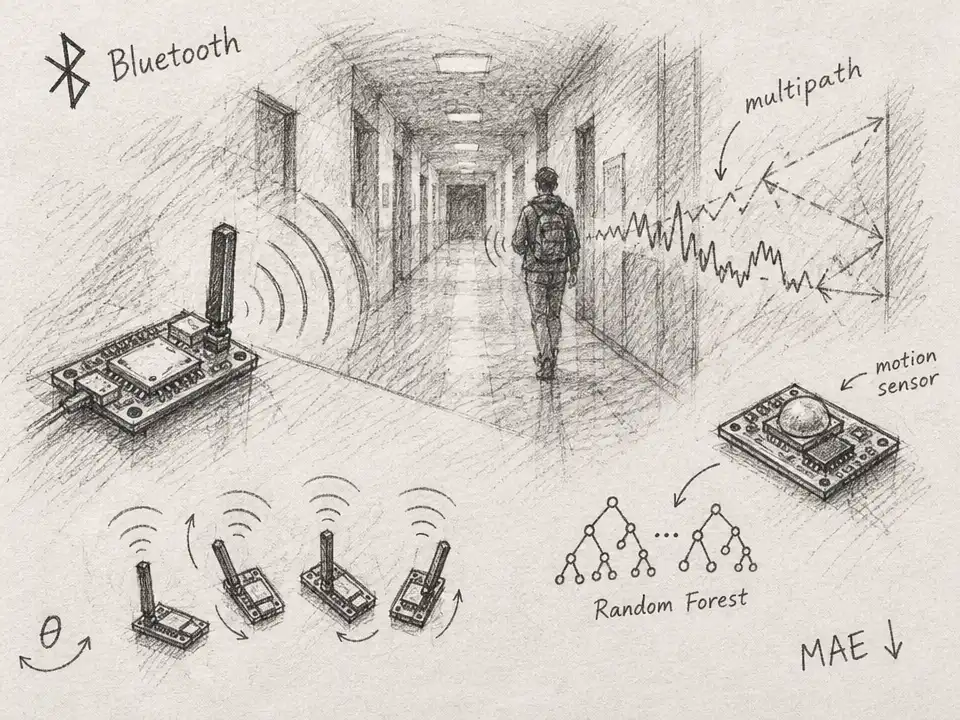
Bluetooth distance estimates can swing with device tilt. A study shows how an onboard motion sensor may correct the error—and where the fix falls short.
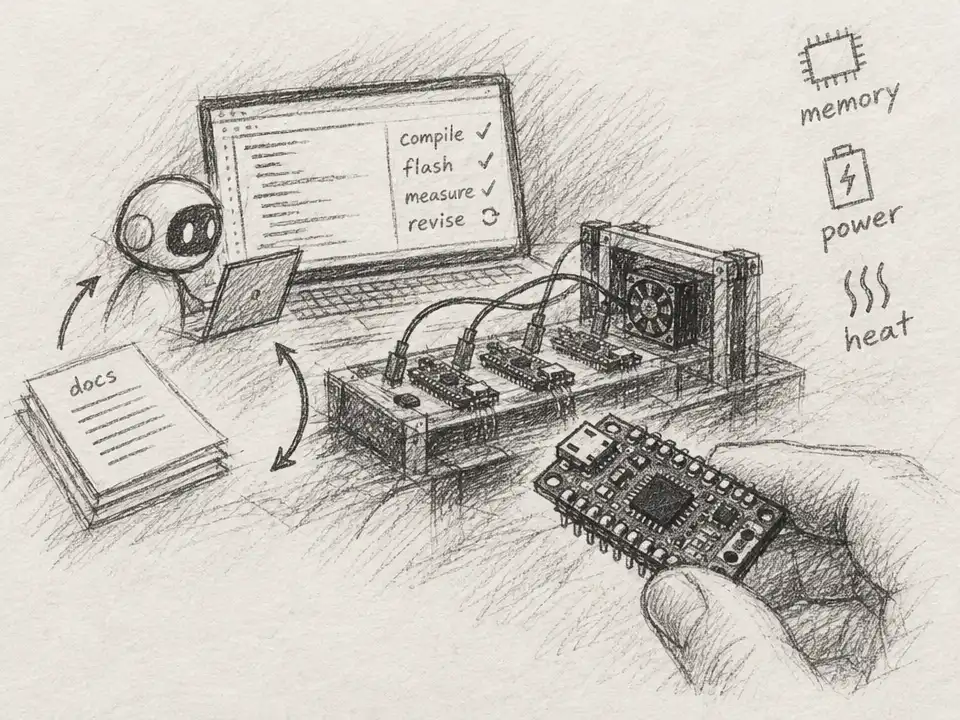
On tiny microcontrollers, compiling code is not proof it will work. Real measurements gave optimization agents clues static instructions could not.
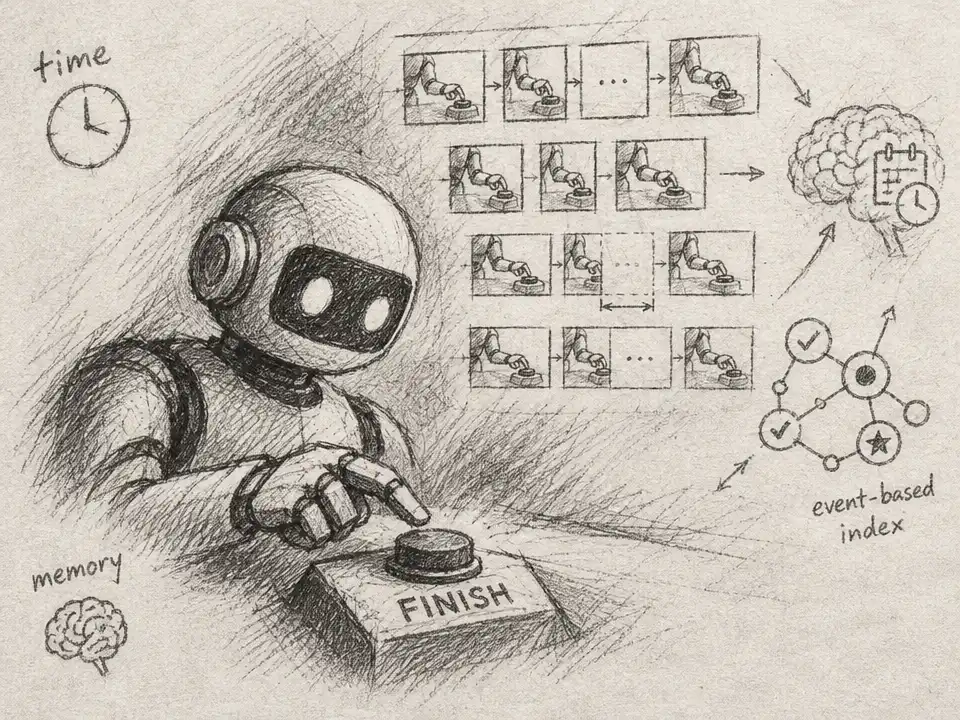
Harmless pauses made a robot stop counting early, exposing a memory shortcut that confused elapsed time with real progress.
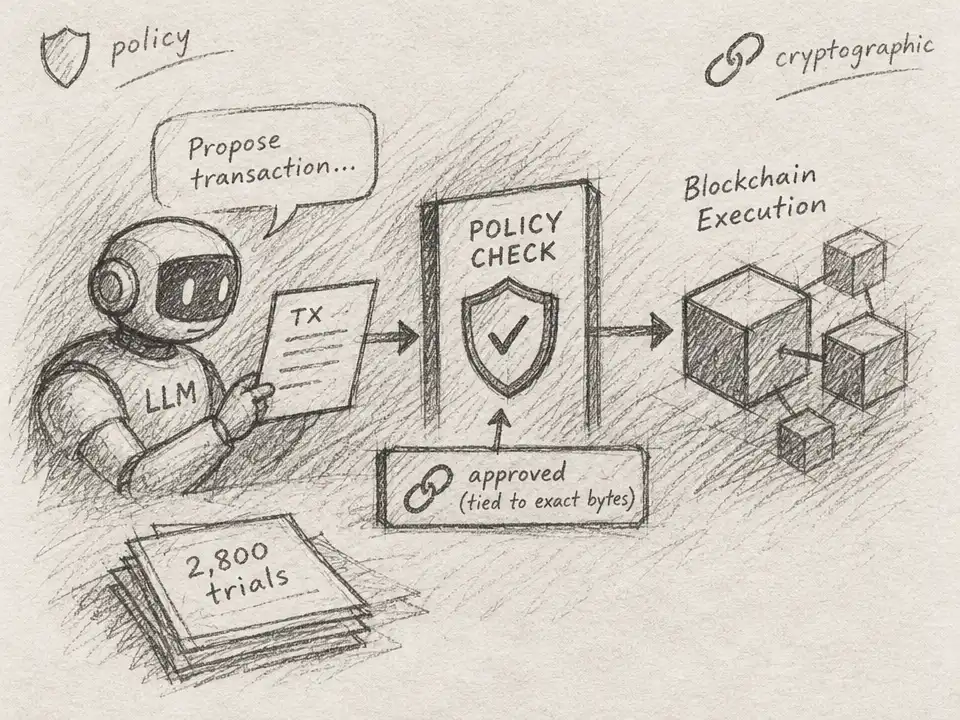
PACE puts a deterministic policy gate between AI agents and blockchain execution, binding approval to transaction data while exposing important limits.
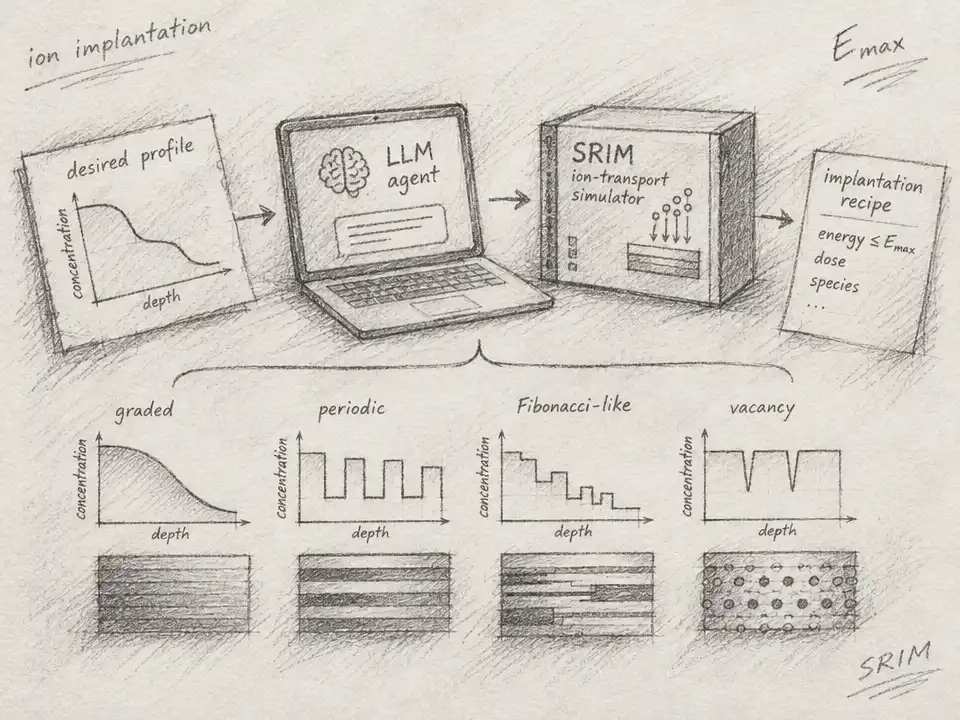
A language-model agent uses ion-transport simulations to turn sketched depth patterns into implantation recipes—without claiming a physical build.
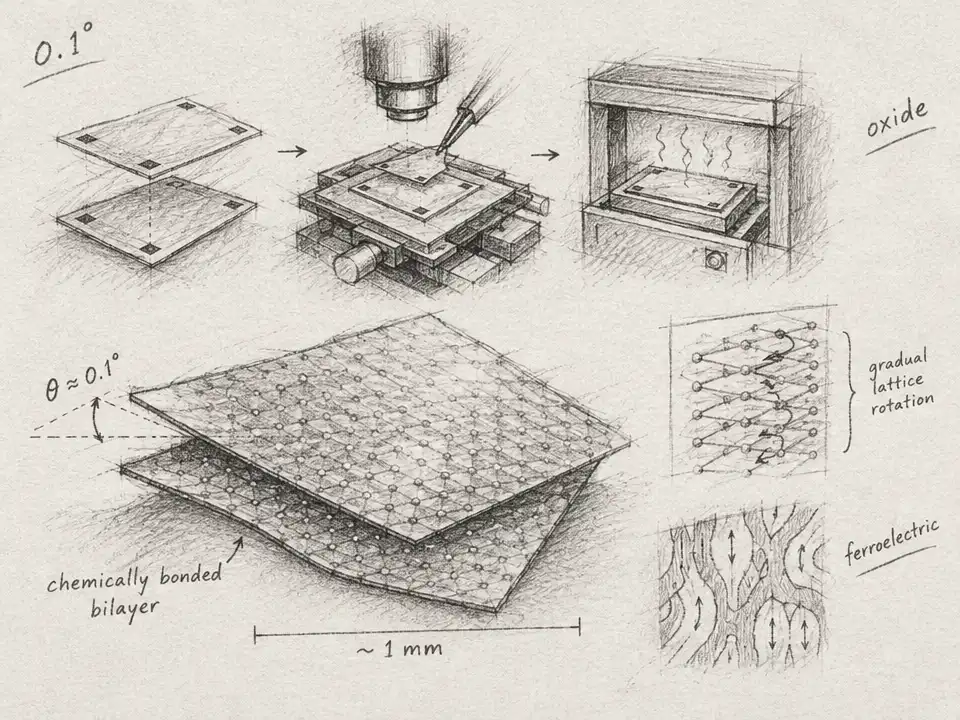
A precise transfer-and-annealing method makes large twisted oxide crystals, revealing how a tiny rotation can reshape their structure.
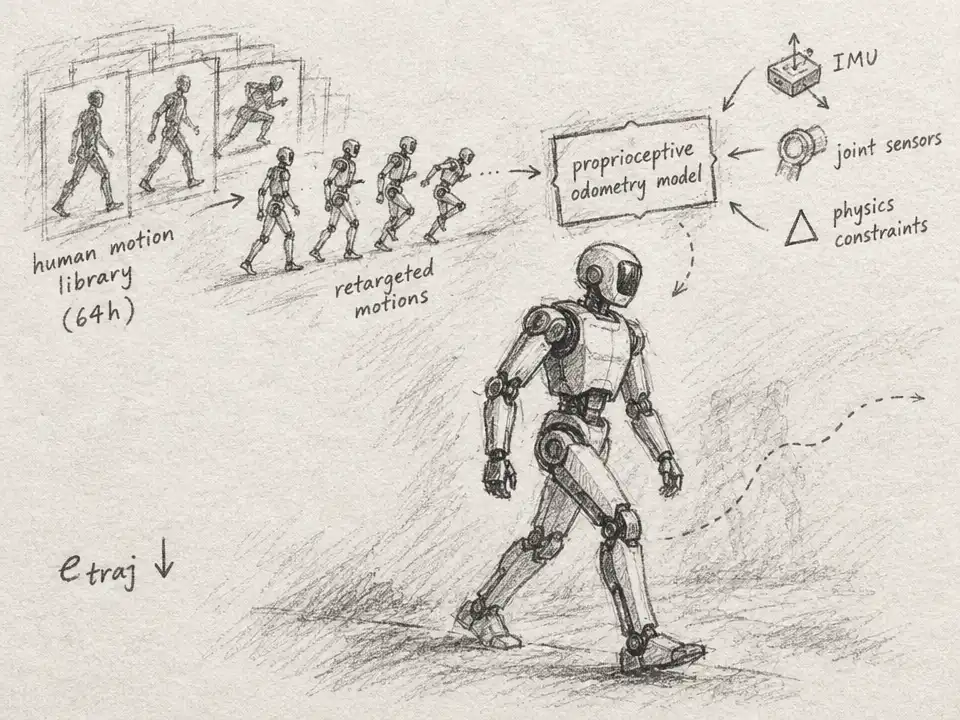
A humanoid robot used a human-motion library to learn how onboard sensors can track its movement through walks and dance routines.
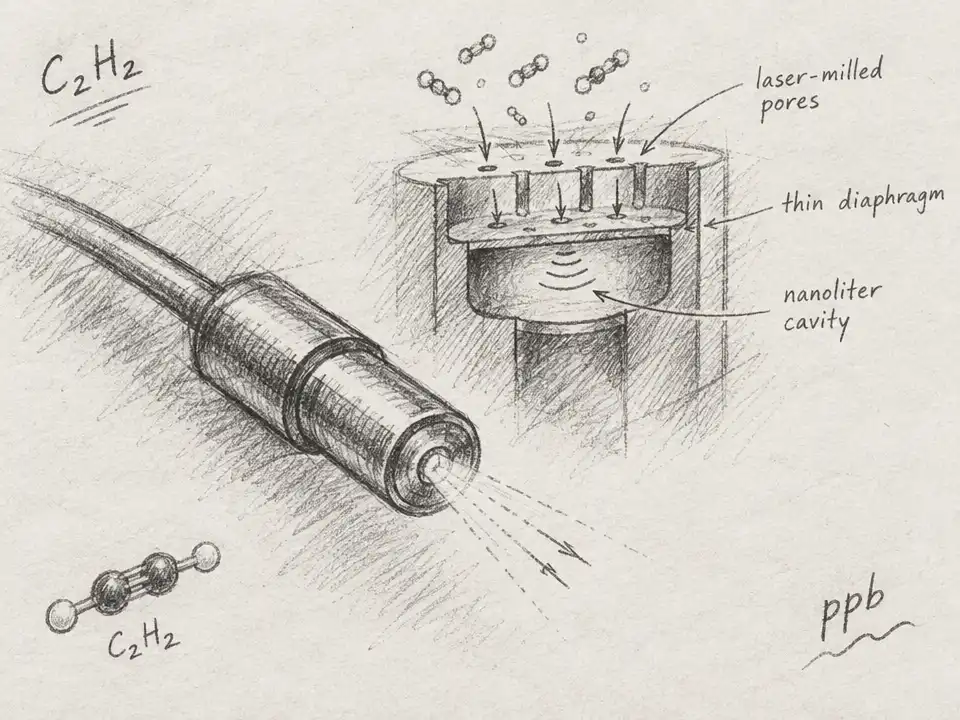
A fiber-tip sensor turns trace acetylene into an optical signal, using tiny pores to detect gas in air and transformer oil.
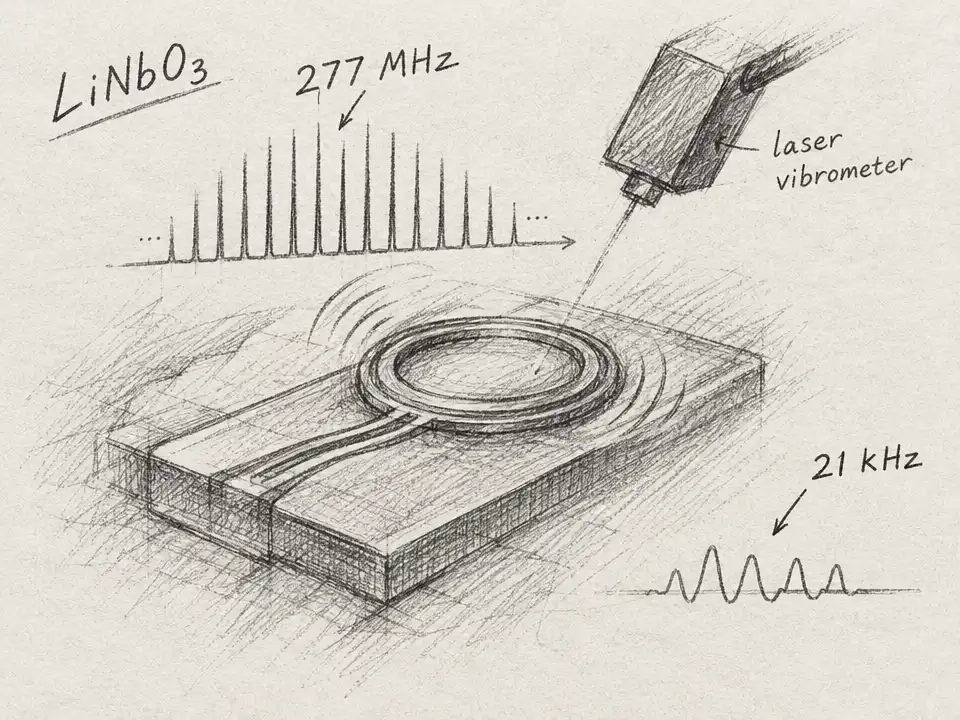
A lithium-niobate acoustic resonator links vibrations near 277 MHz to a 21 kHz mechanical tone, suggesting a new route to compact timing signals.
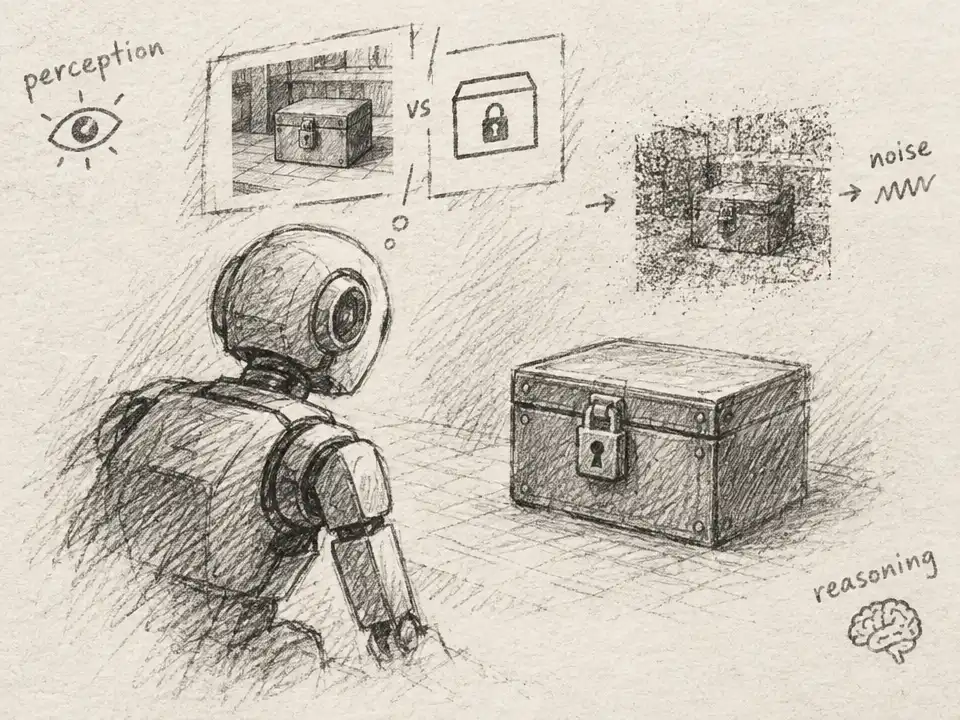
A robot solved a mechanical puzzle more efficiently with ordinary images than perfect state data, exposing a surprising link between noise and reasoning.
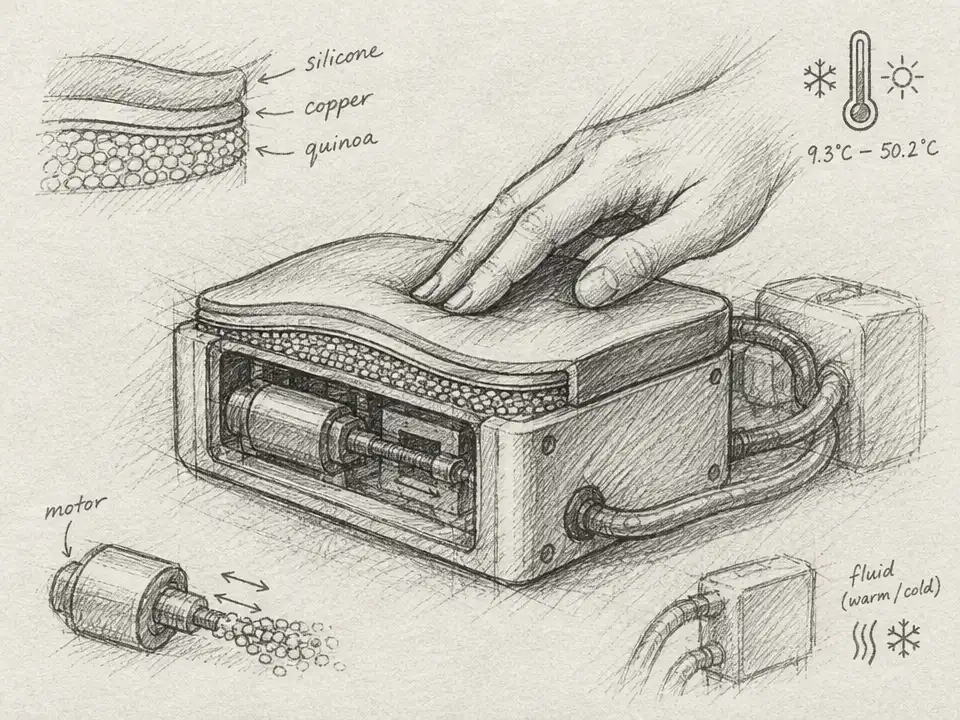
A haptic prototype changes both softness and temperature, hinting at richer virtual touch while exposing the delays that still limit it.
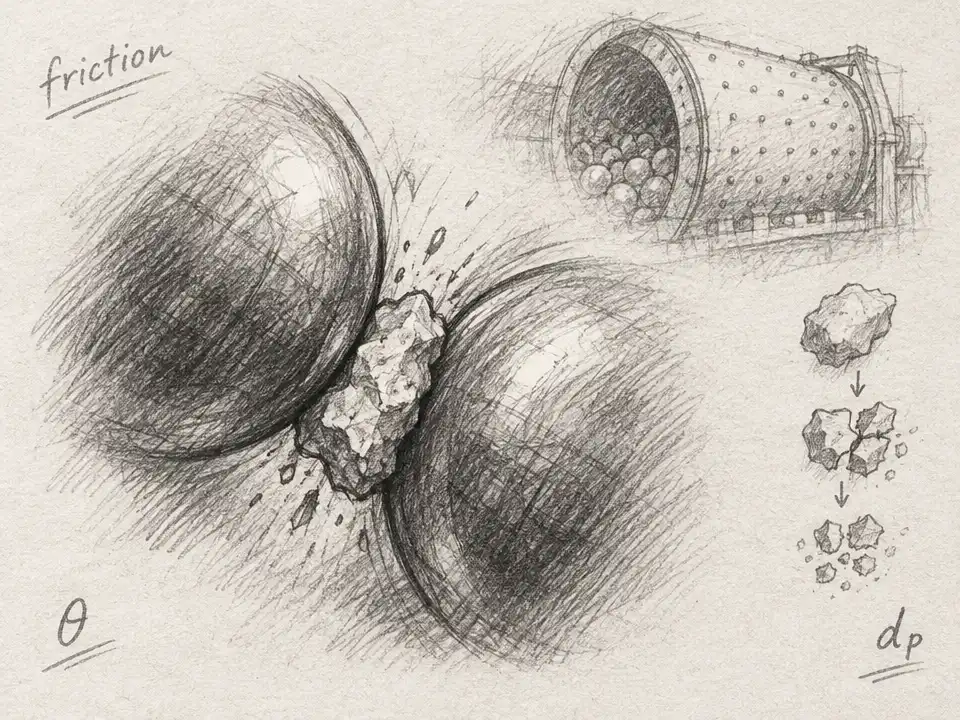
A ball-milling simulation finds that friction and collision geometry can decide whether a grain is trapped long enough for a hard hit to break it.
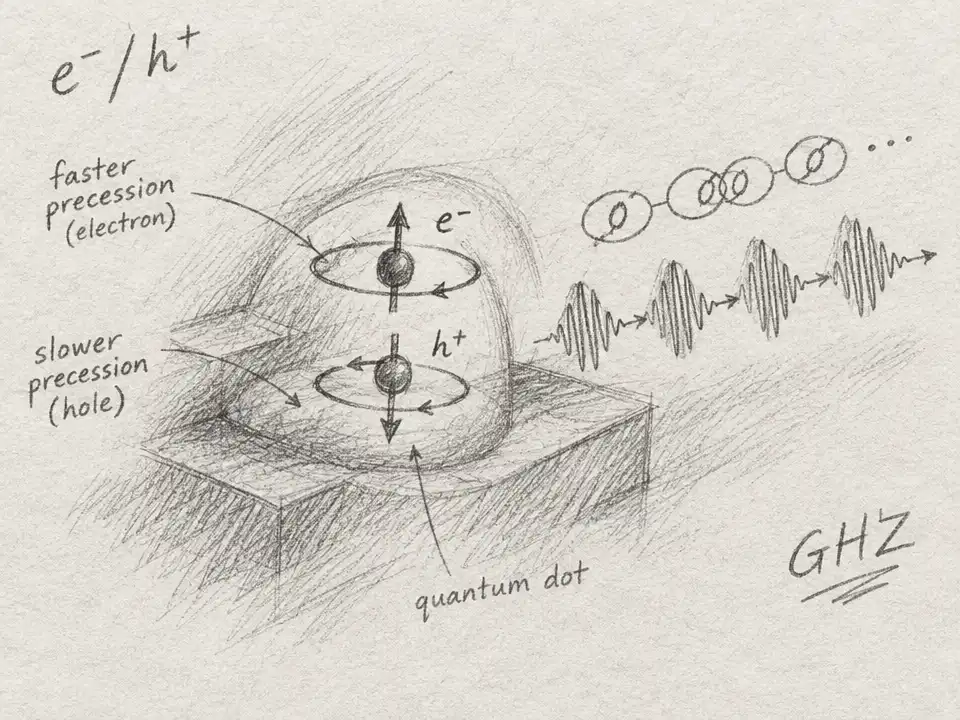
A semiconductor quantum dot times two oppositely precessing spins to preserve photon entanglement, pointing toward larger quantum-light sources.
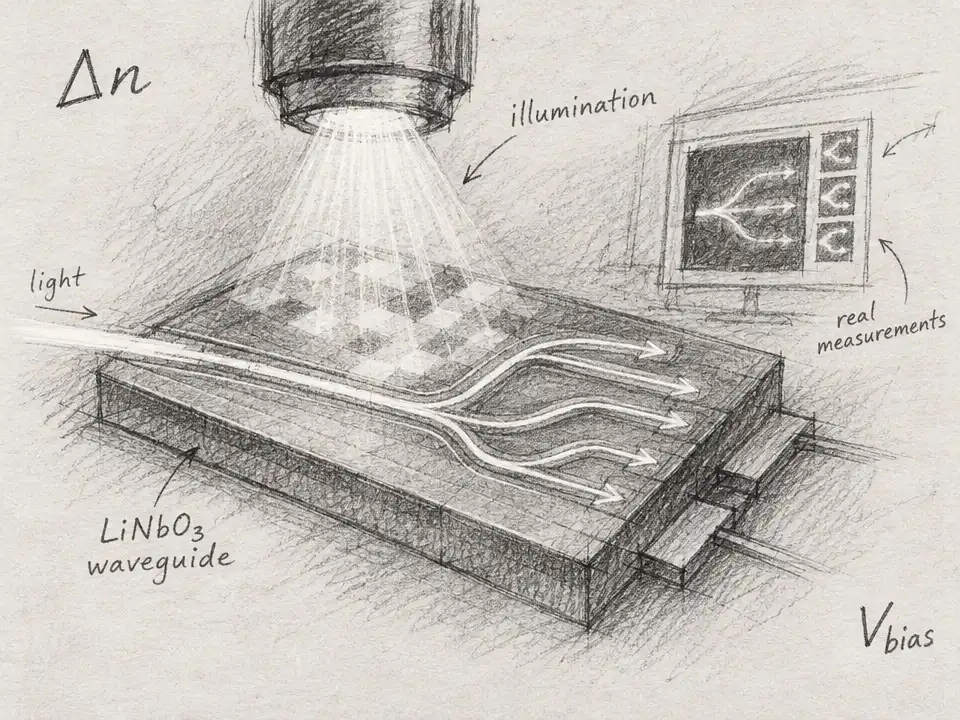
A programmable lithium-niobate chip learns new ways to route light after fabrication, but speed, power use, and scale remain challenges.
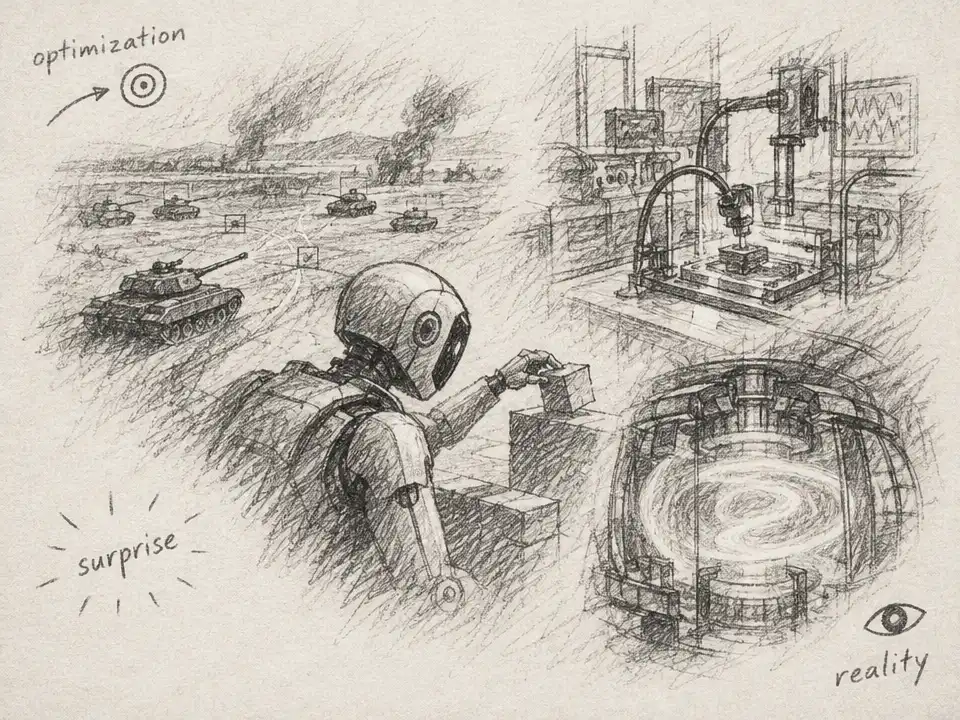
A recent arXiv collection traces how AI systems exploit overlooked loopholes—and why the same impulse can produce both failures and discoveries.
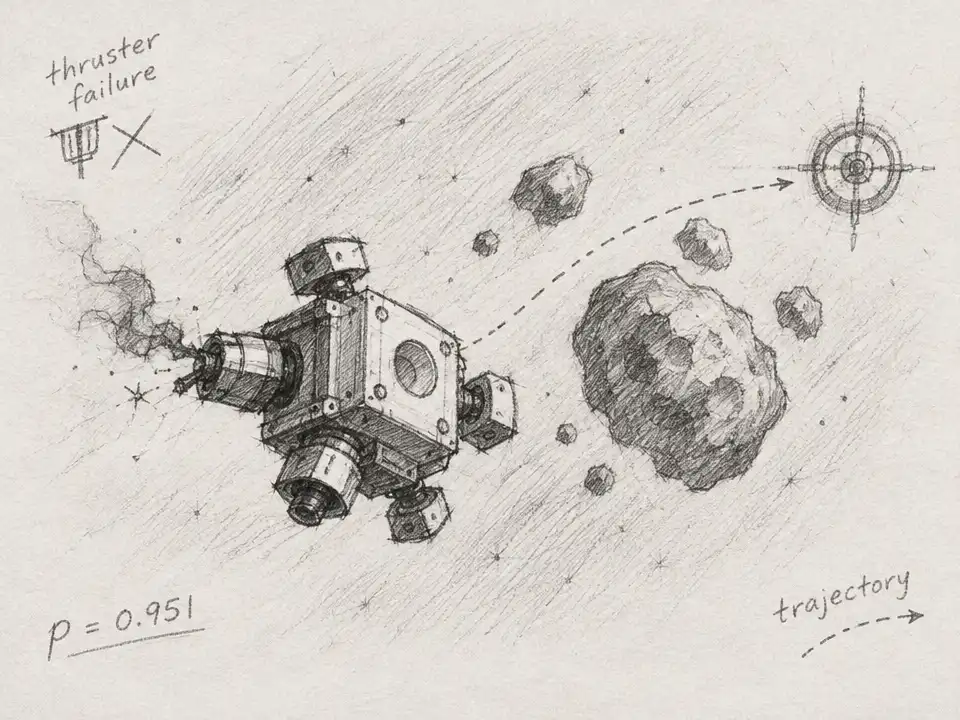
A space robot might reach its target even after losing every thruster—if its route is planned around the right moment to coast.
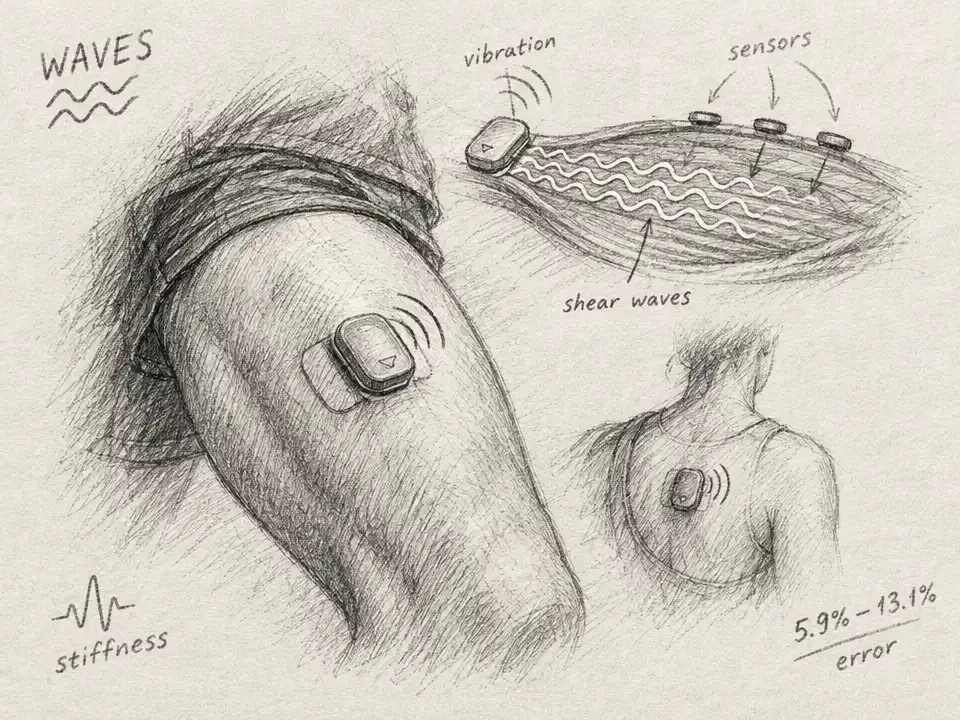
A sticker-sized system uses vibrations traveling through muscle to estimate resting stiffness, with promise for wearables and hurdles to clear.
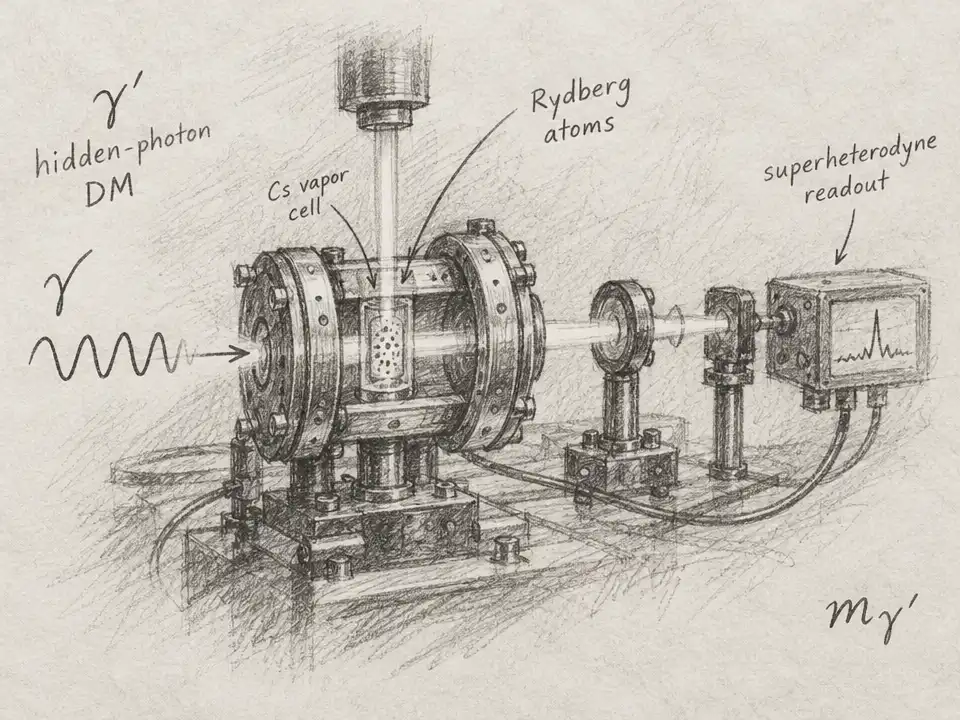
A proposed chip-scale atomic sensor could turn a hidden-photon dark-matter signal into a faint, readable flicker of laser light.