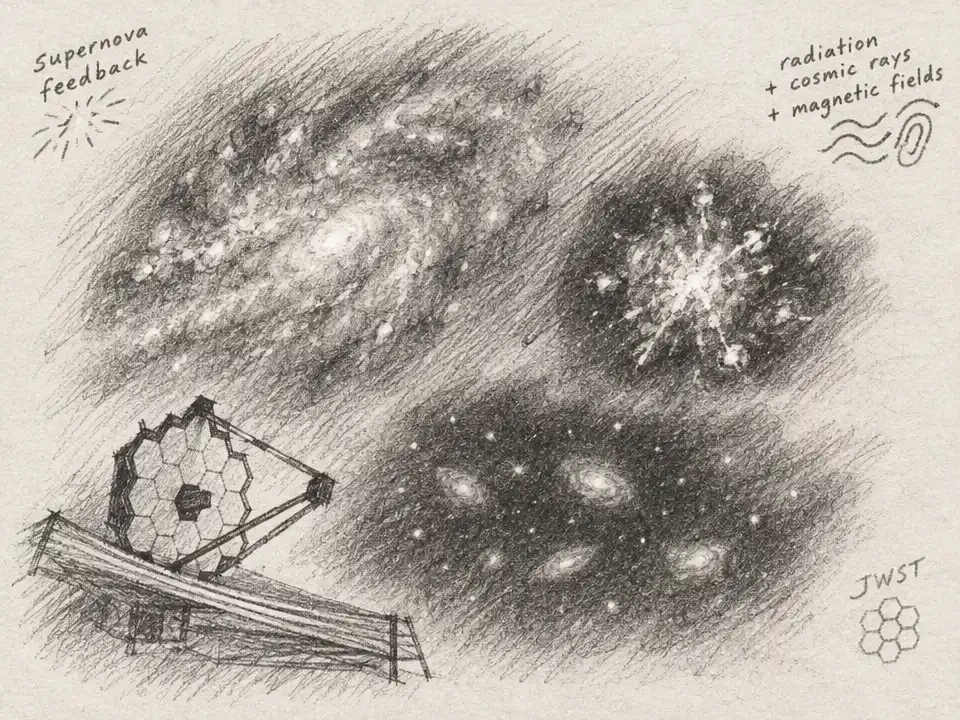
When Supernova Feedback Got Stronger, Early Galaxies Grew Too Big
A JWST-mimicking simulation finds stronger supernova feedback made early galaxies too diffuse, while richer physics produced bright, compact systems.
A JWST-mimicking simulation finds stronger supernova feedback made early galaxies too diffuse, while richer physics produced bright, compact systems.
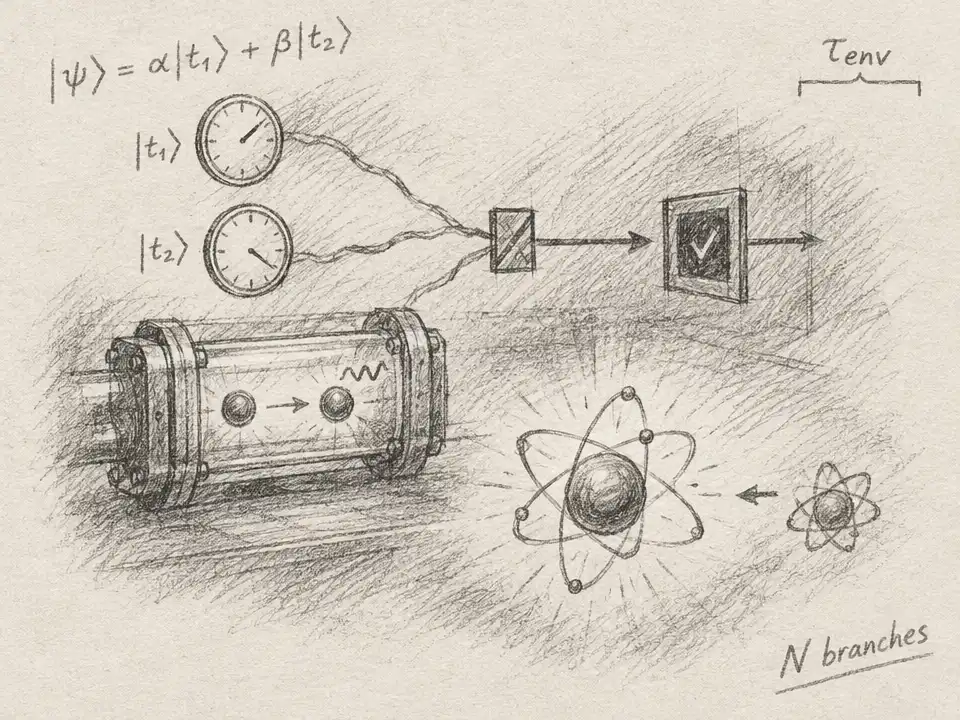
A theoretical quantum-clock proposal suggests decay could run backward in rare selected trials—until environmental memory and bandwidth shut it down.
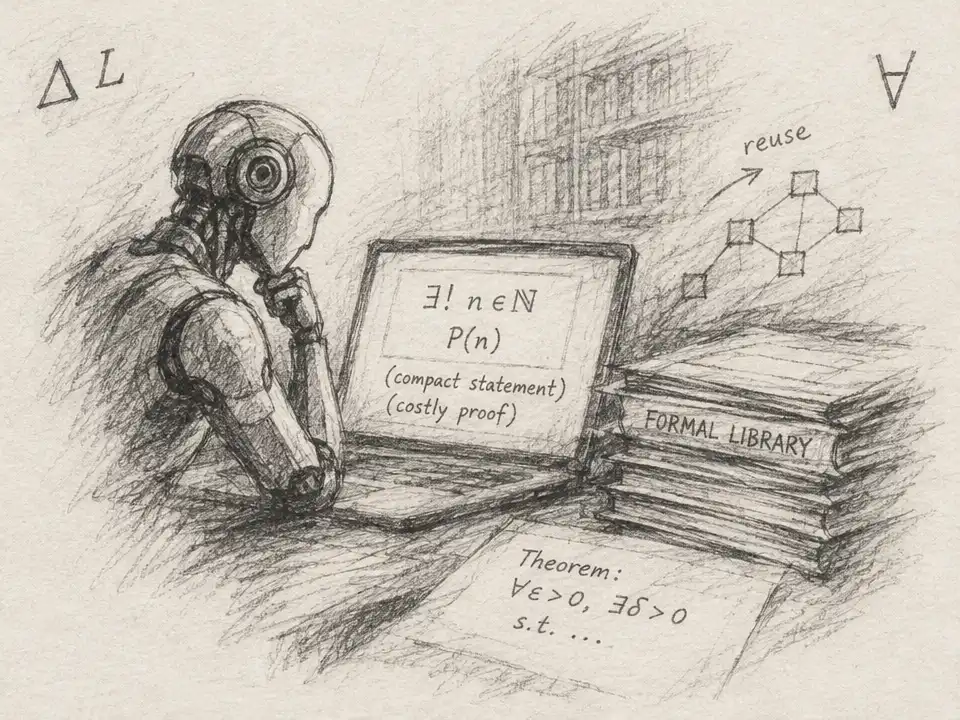
A formal-math system found that short statements with hard proofs can guide theorem discovery—and beat proof length alone.
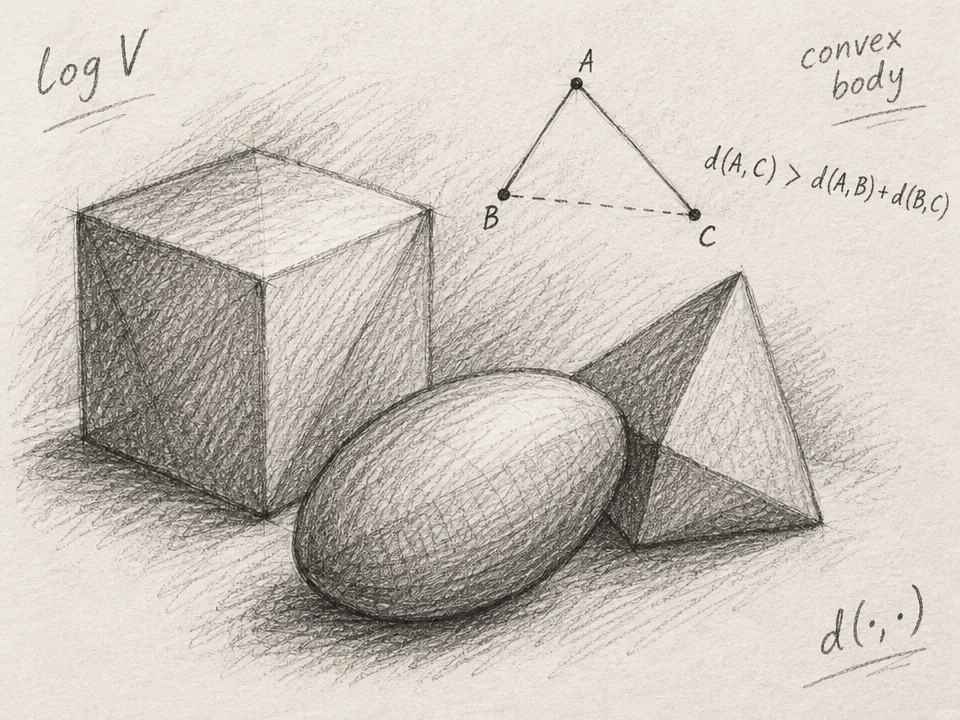
A proposed distance built from convex-body volumes passes a convexity test—but fails the triangle inequality in a certified 3D counterexample.
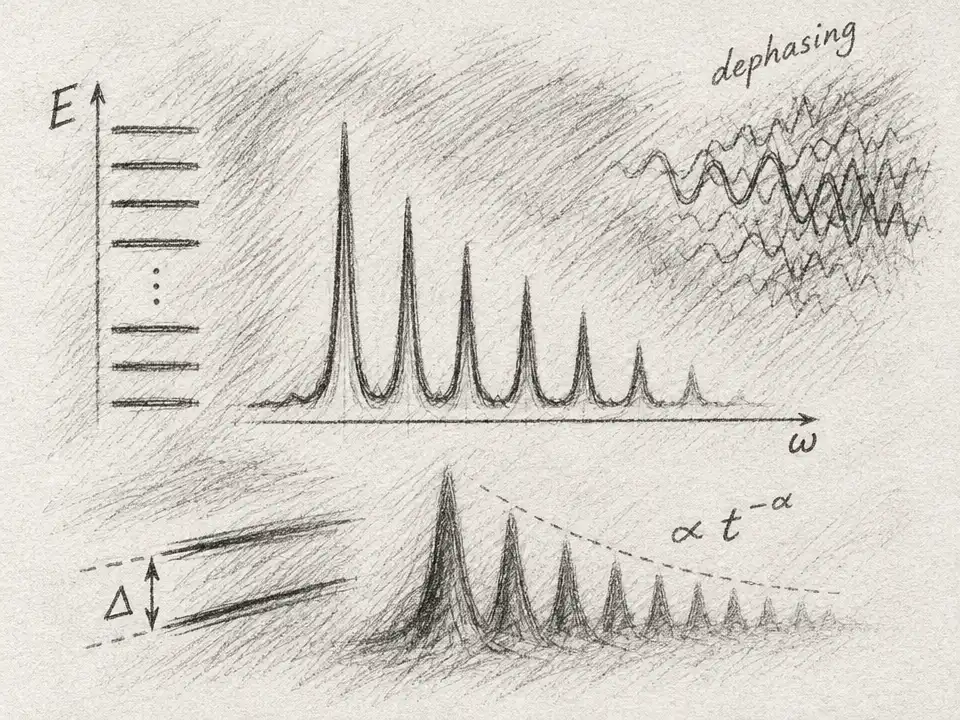
A theoretical study finds that spectral echoes survive strong dephasing longer than expected—and that fast noise can help reveal hidden order.
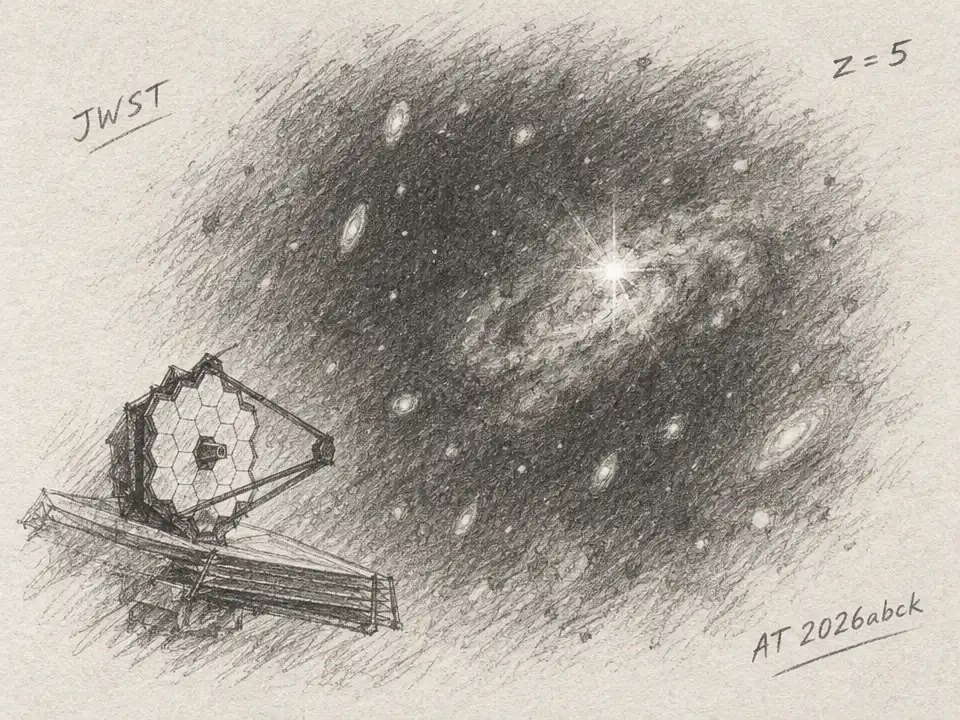
JWST found a hot, unusually luminous supernova candidate at redshift 5, challenging expectations and opening a rare window on stellar death.
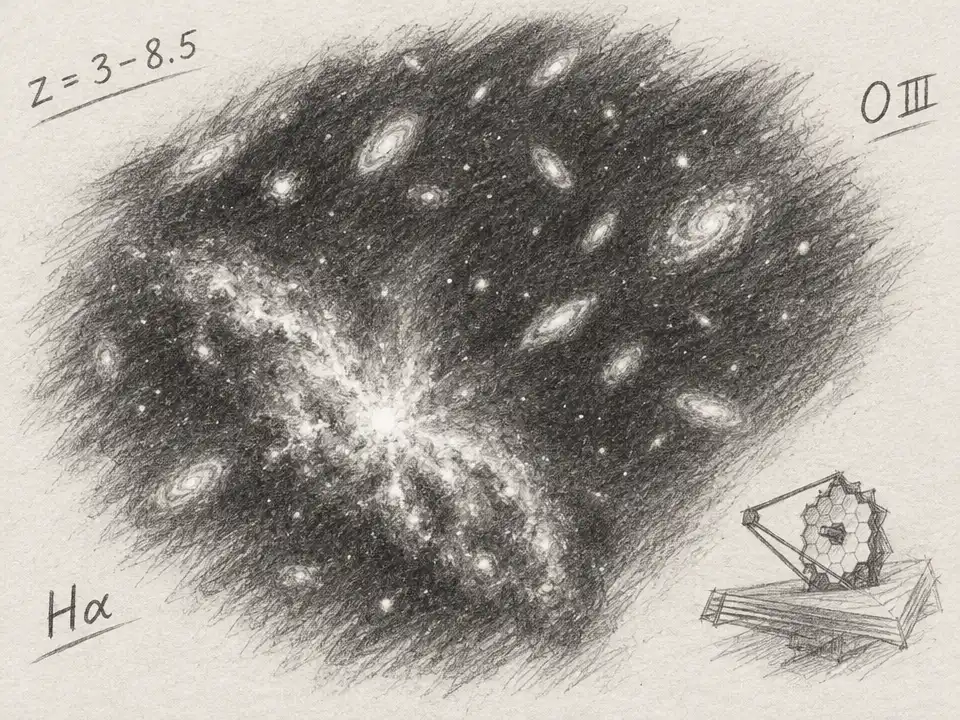
JWST imaging finds extreme oxygen-and-hydrogen emission in about half of galaxies at redshift 8.3, pointing to burstier early star formation.
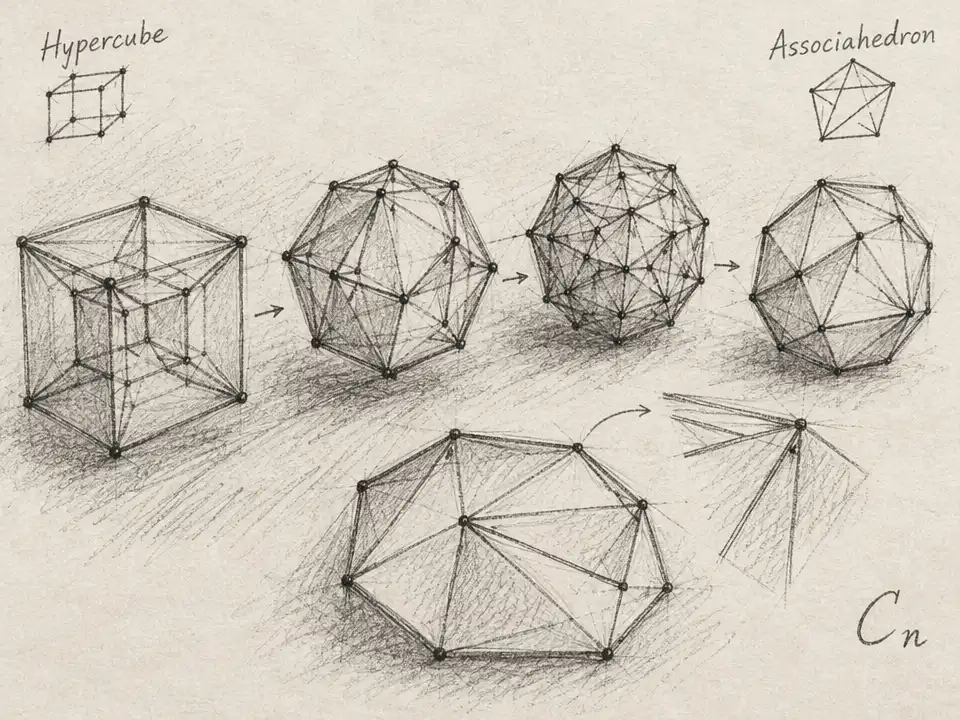
A new family of polytopes links cube vertices to polygon triangulations, revealing intermediate shapes counted by Pell–Catalan sequences.
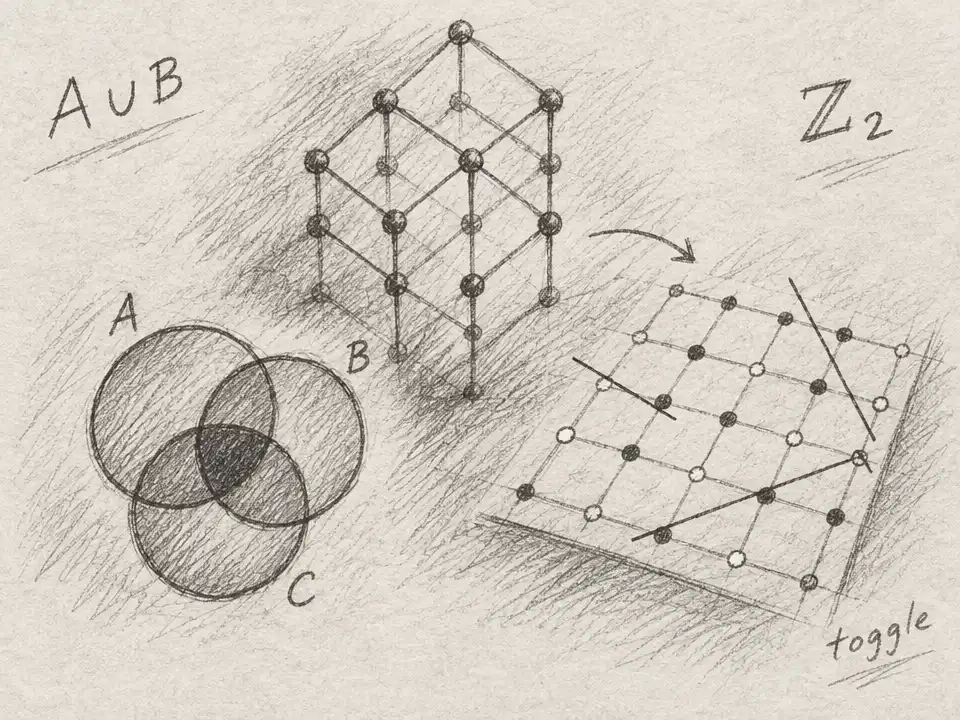
A random point-marking game reveals why one tidy strategy for building set unions without cancellation must fail.
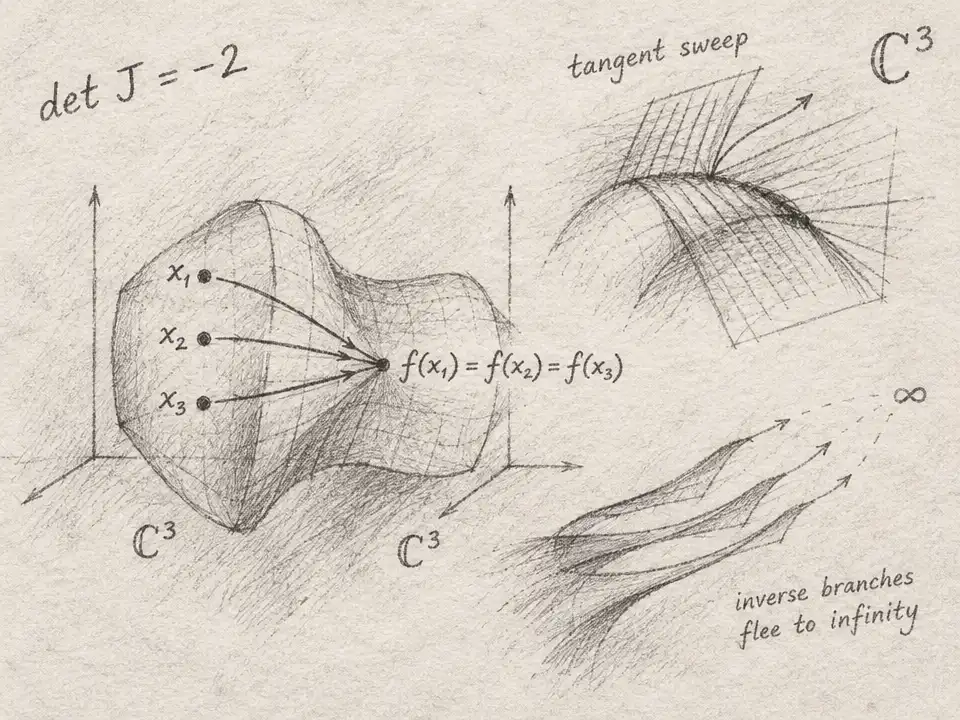
A counterexample to the 1939 Jacobian conjecture shows how a map with no local folds can still send several points to one place.
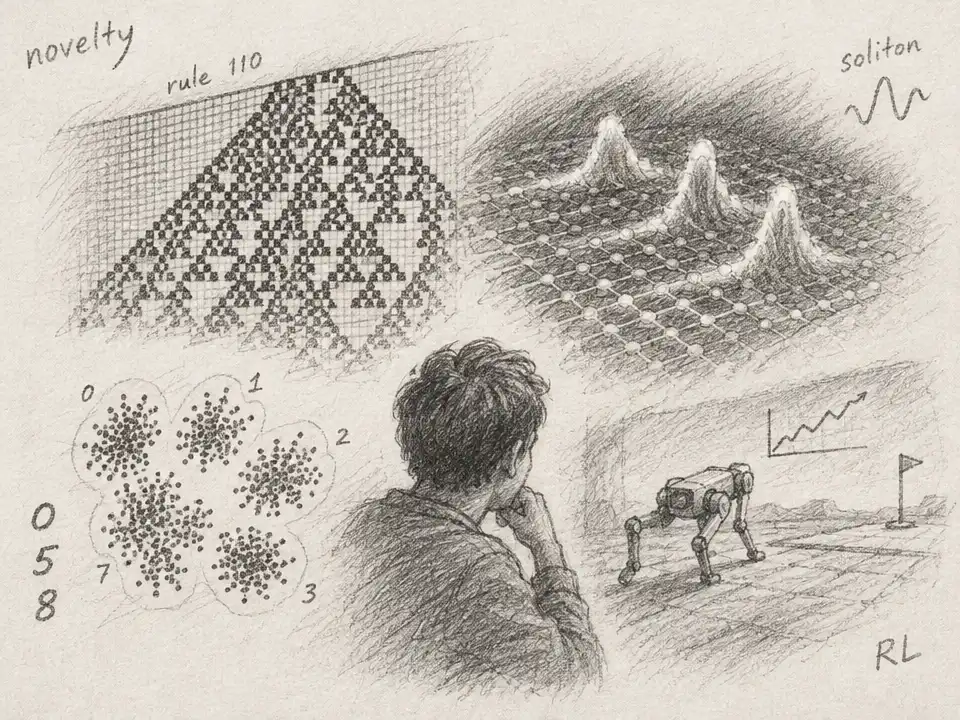
A bounded learner’s novelty score ranked cellular rules, organized unlabeled digits, and helped agents explore—while revealing where the idea fell short.
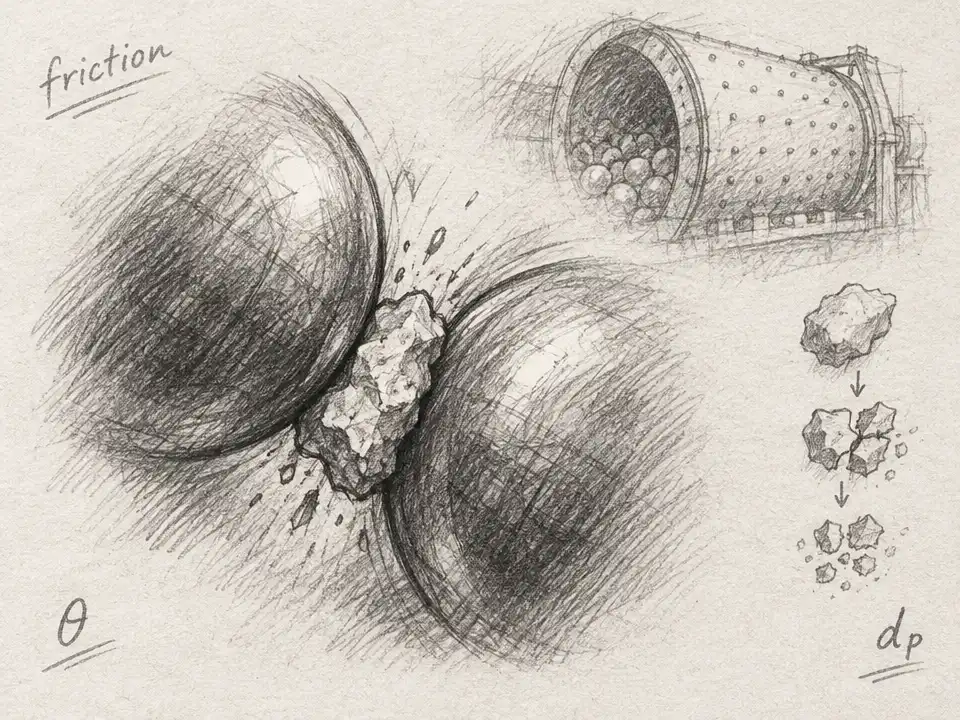
A ball-milling simulation finds that friction and collision geometry can decide whether a grain is trapped long enough for a hard hit to break it.
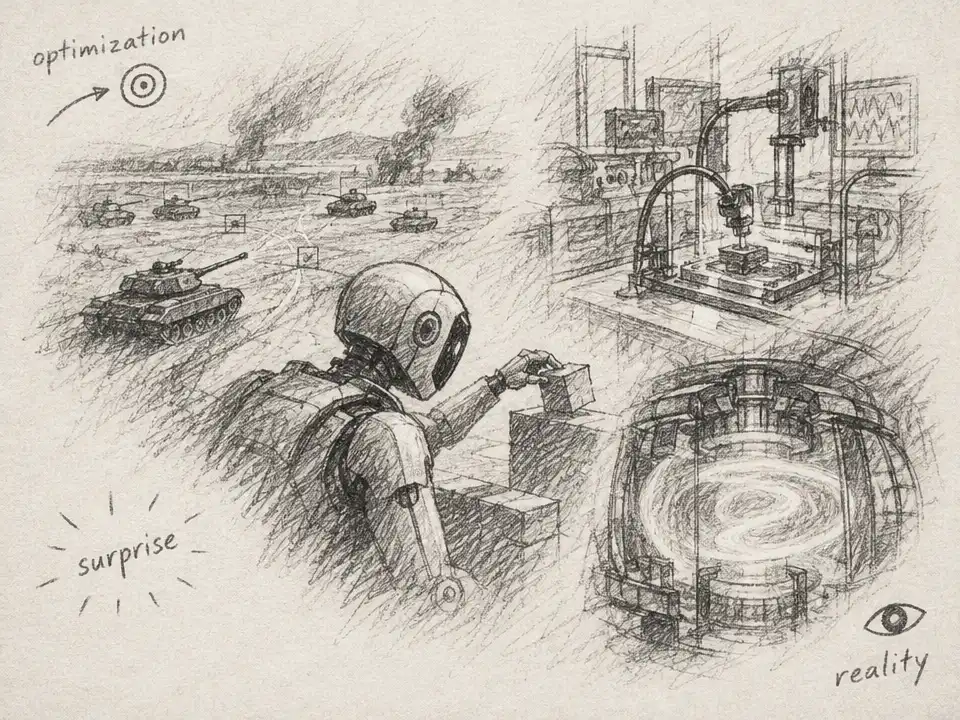
A recent arXiv collection traces how AI systems exploit overlooked loopholes—and why the same impulse can produce both failures and discoveries.
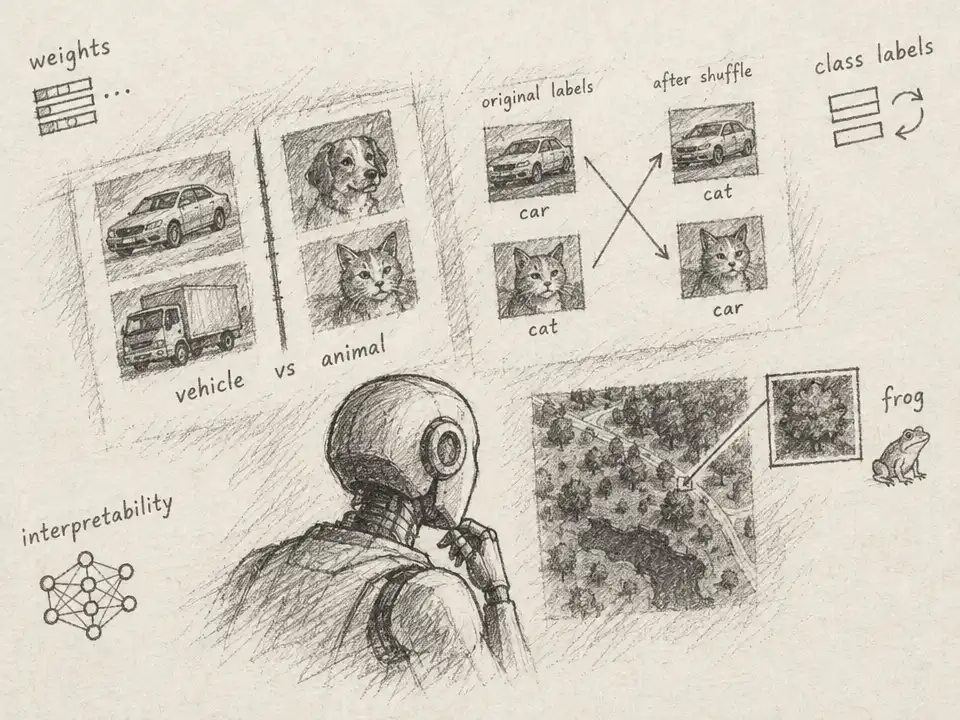
A model found real patterns in neural-network weights, yet a label shuffle and satellite images revealed where its interpretations went wrong.
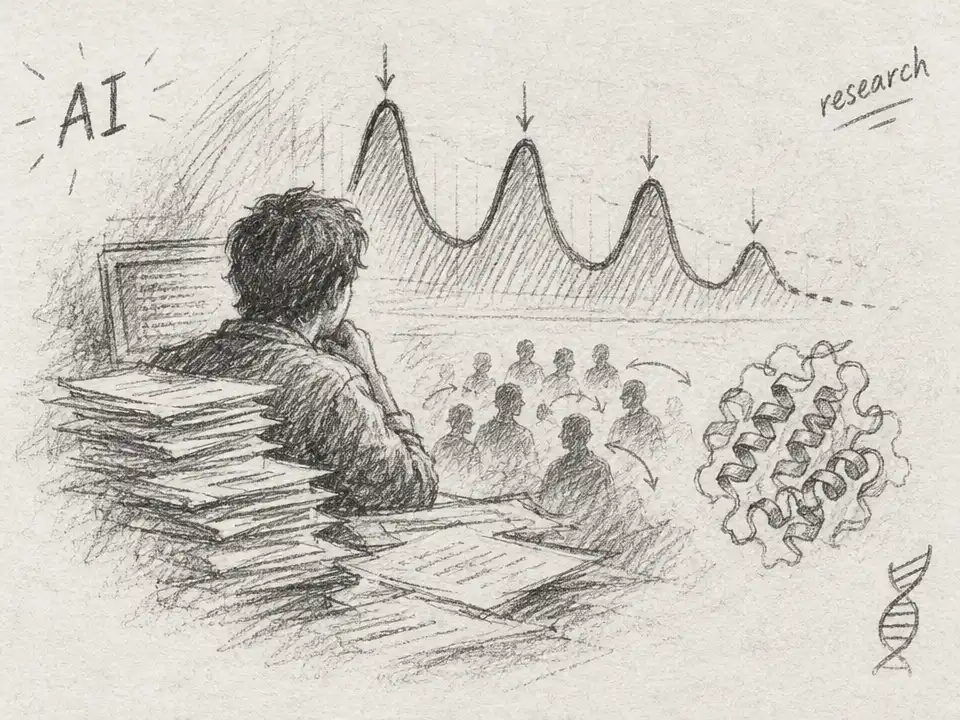
A study of 7.18 million computer-science papers finds that AI breakthroughs attract attention—and may leave fewer ideas for what comes next.
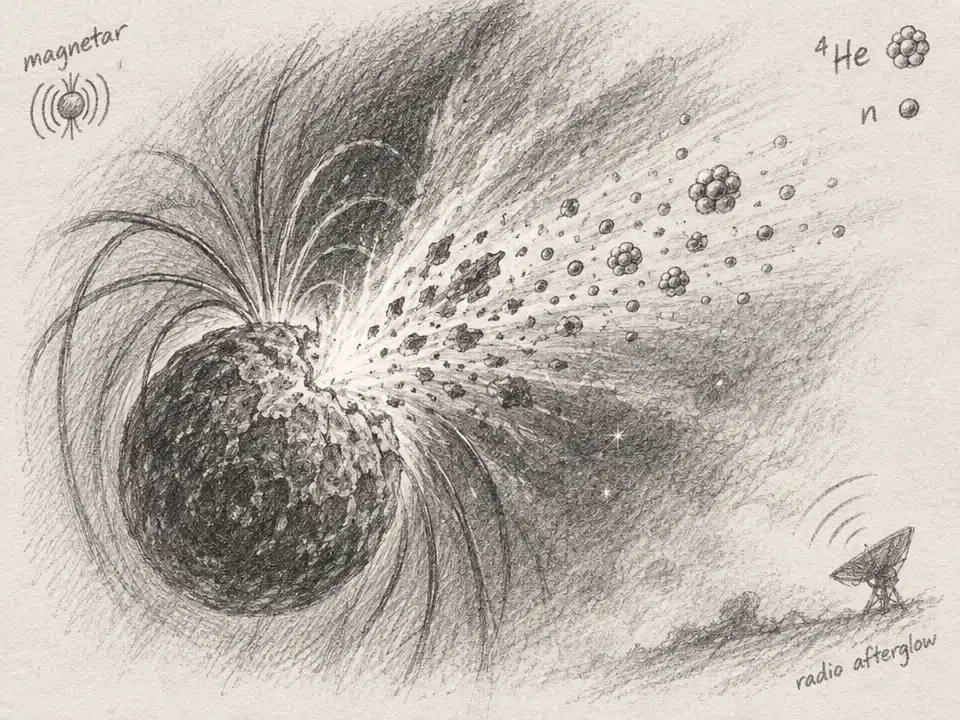
Simulations suggest magnetar flares eject crust that freezes mostly into helium and free neutrons, sharply limiting their heavy-element yield.
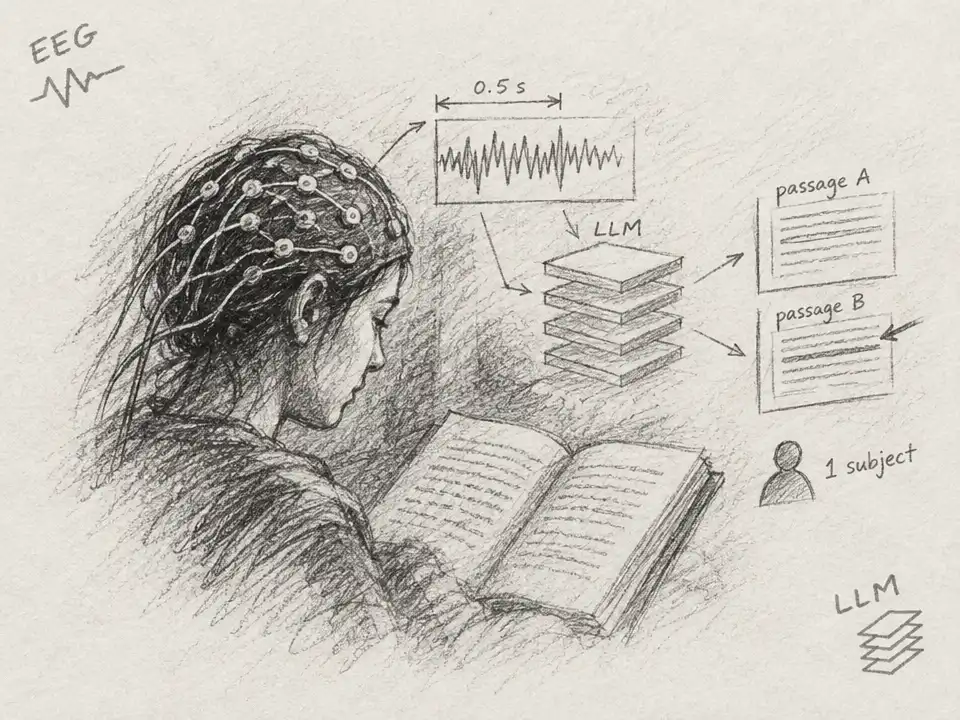
A silent-reading EEG study found that one half-second brain signal carried traces of the passage, not just the word being read.
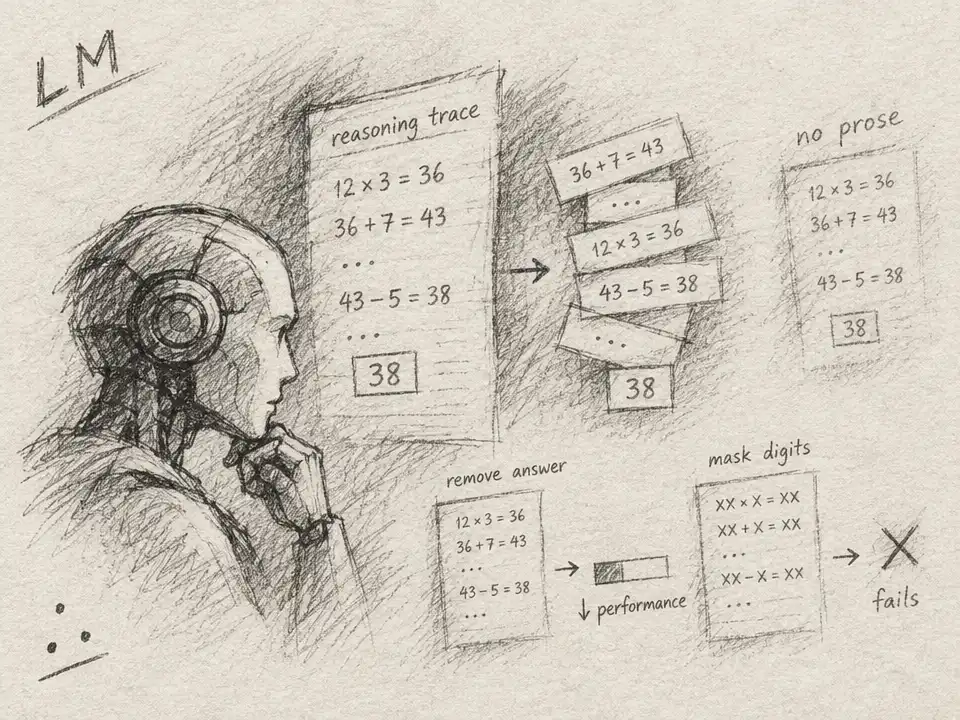
When researchers scrambled AI reasoning traces, models still retrieved answers—until key numbers and answer clues disappeared.
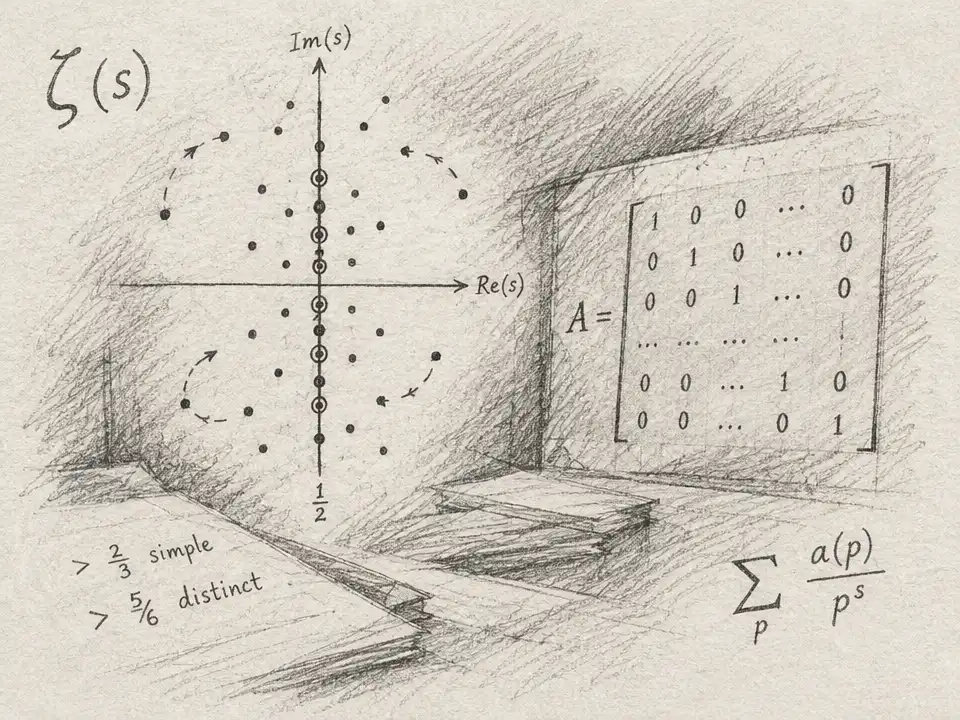
An unconditional theorem puts at least two-thirds of zeta’s nontrivial zeros on the critical line—without resolving the Riemann hypothesis.
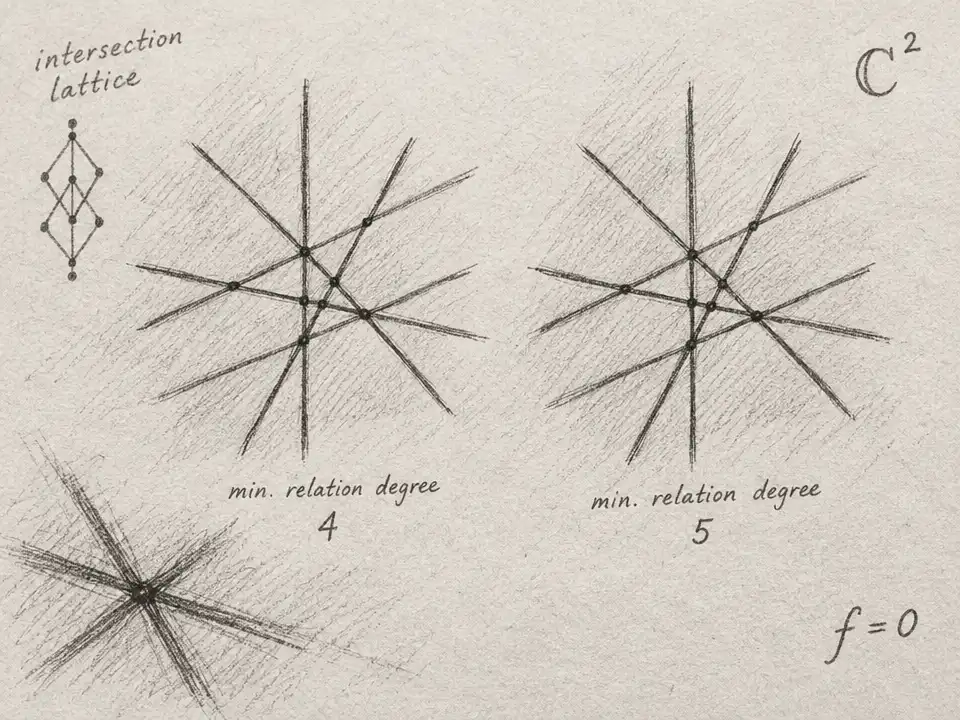
Two nine-line arrangements share the same intersection map, yet their equations reveal different hidden algebra—challenging a proposed mathematical rule.