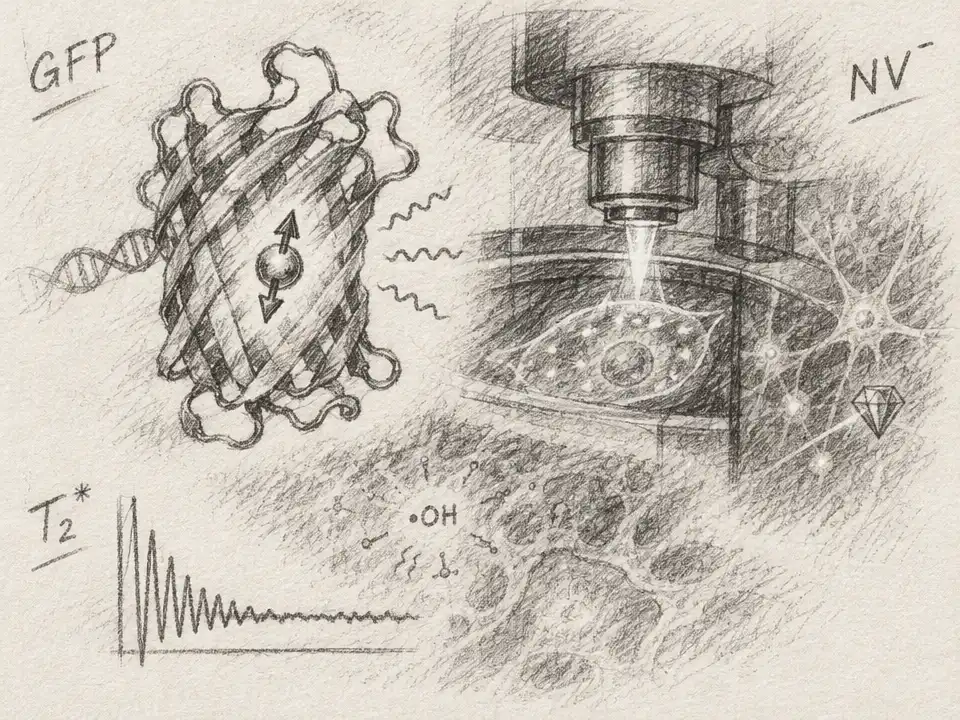
A Protein Can Host a Qubit—but Its Vibrations May Limit Sensing
A protein-hosted quantum spin sensor could map neural chemistry, but room-temperature vibrations and photon limits stand in the way.
A protein-hosted quantum spin sensor could map neural chemistry, but room-temperature vibrations and photon limits stand in the way.
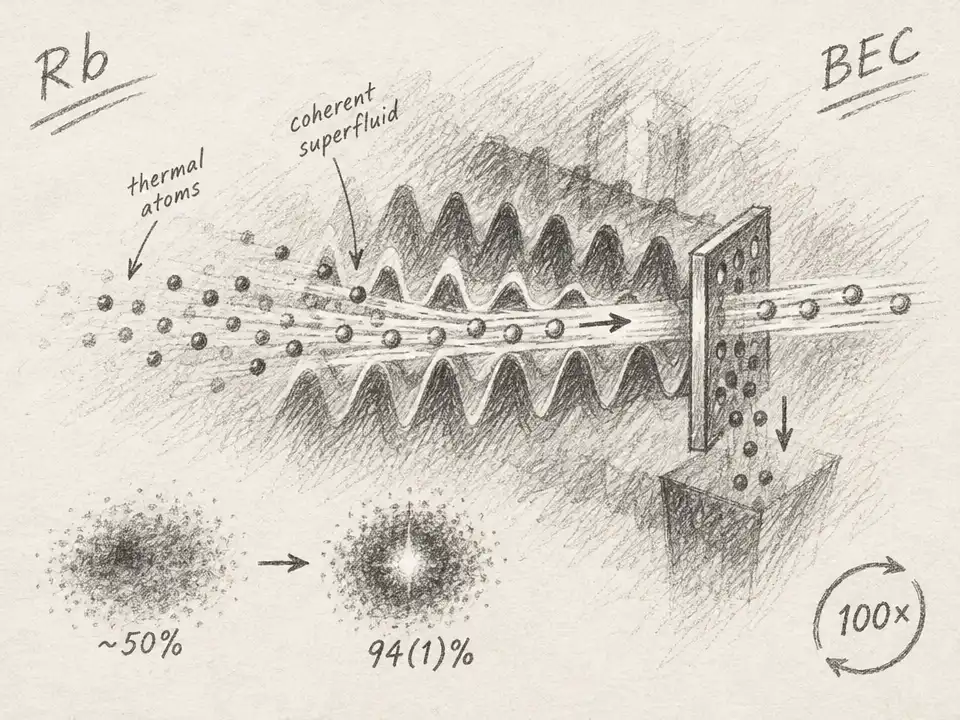
An optical superlattice separates superfluid from thermal atoms by speed, then uses repeated filtering to purify and sustain coherent flow.
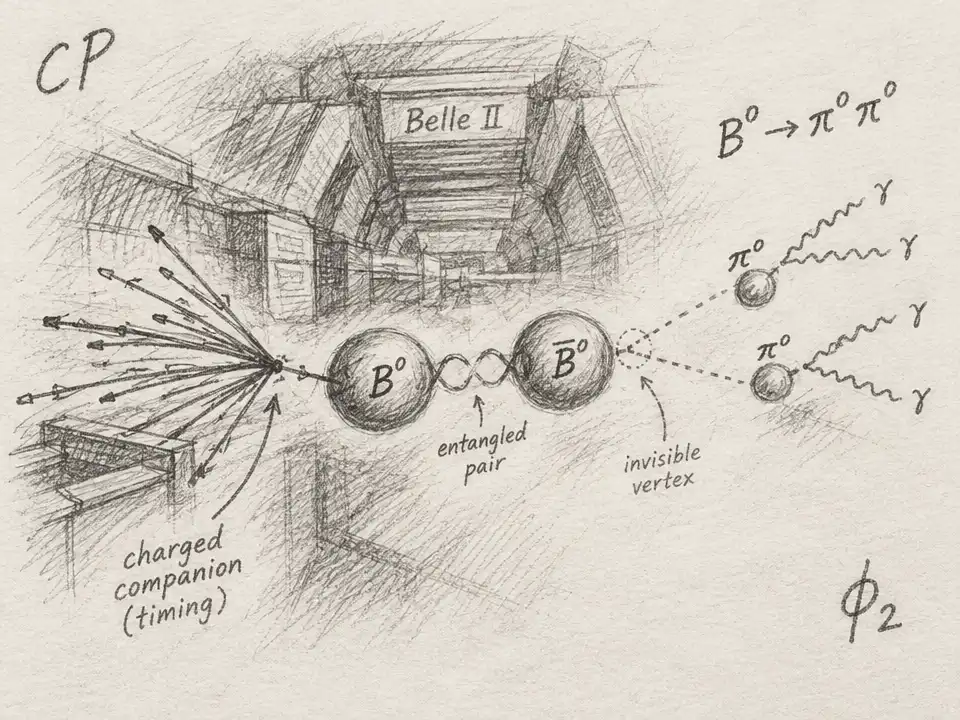
Belle II used entangled B mesons to measure CP violation in a photon-only decay without reconstructing the signal’s missing vertex.
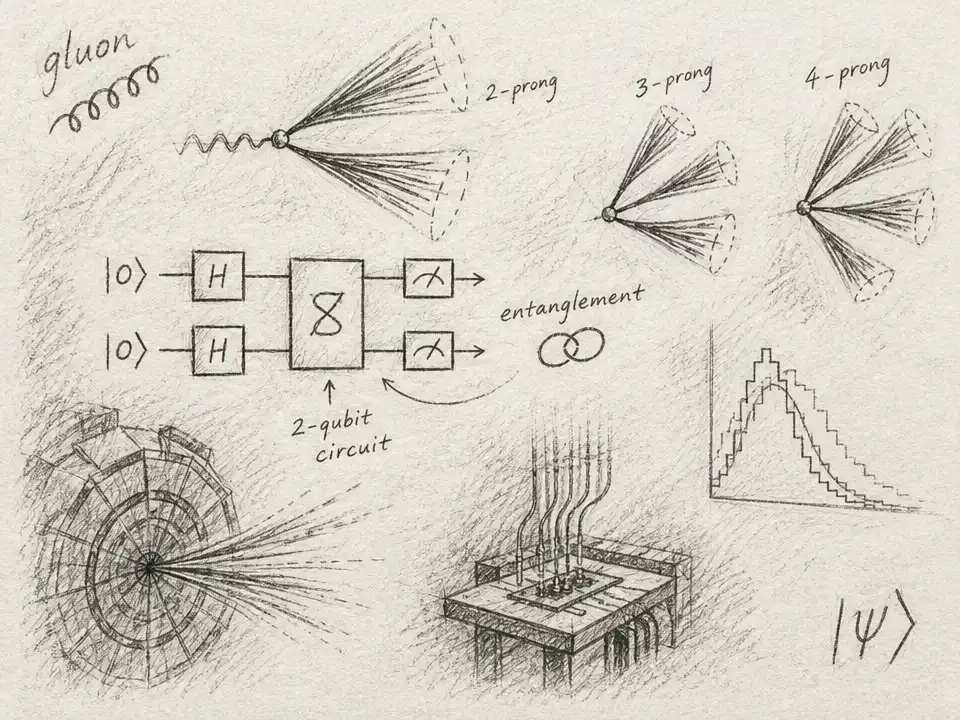
A two-qubit circuit encodes gluon momentum sharing and entanglement, testing a quantum building block against real jet data.
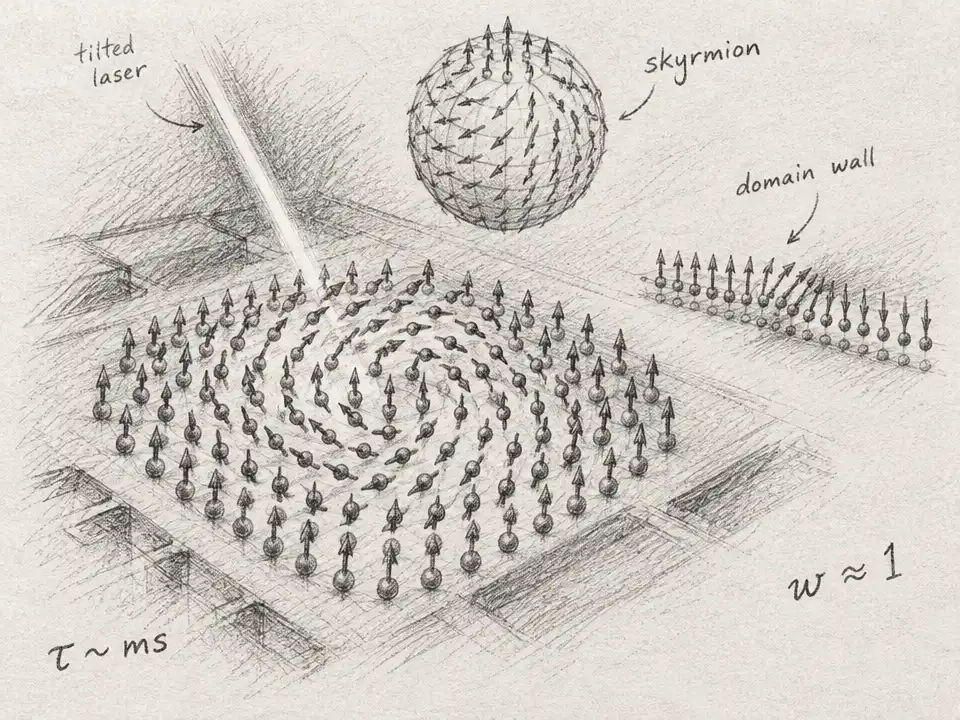
A laser tilted by 0.04 degrees helps arrange more than 150 trapped ions into a measurable skyrmion spin pattern.
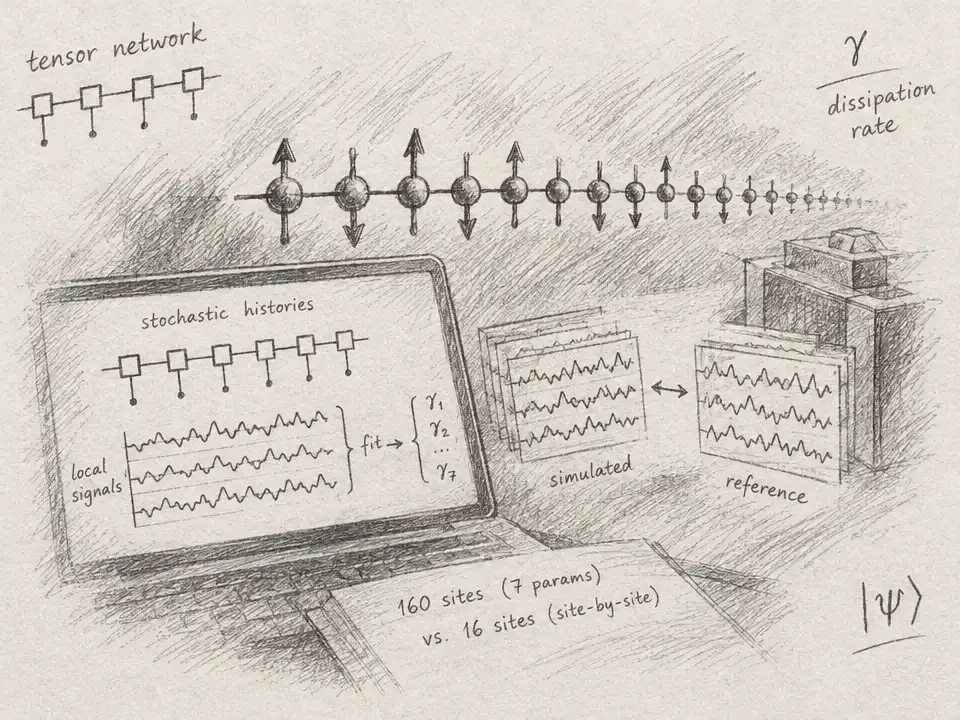
A tensor-network strategy learns quantum noise from local signals, scaling simulated Ising-chain diagnosis to 160 sites without full-state reconstruction.
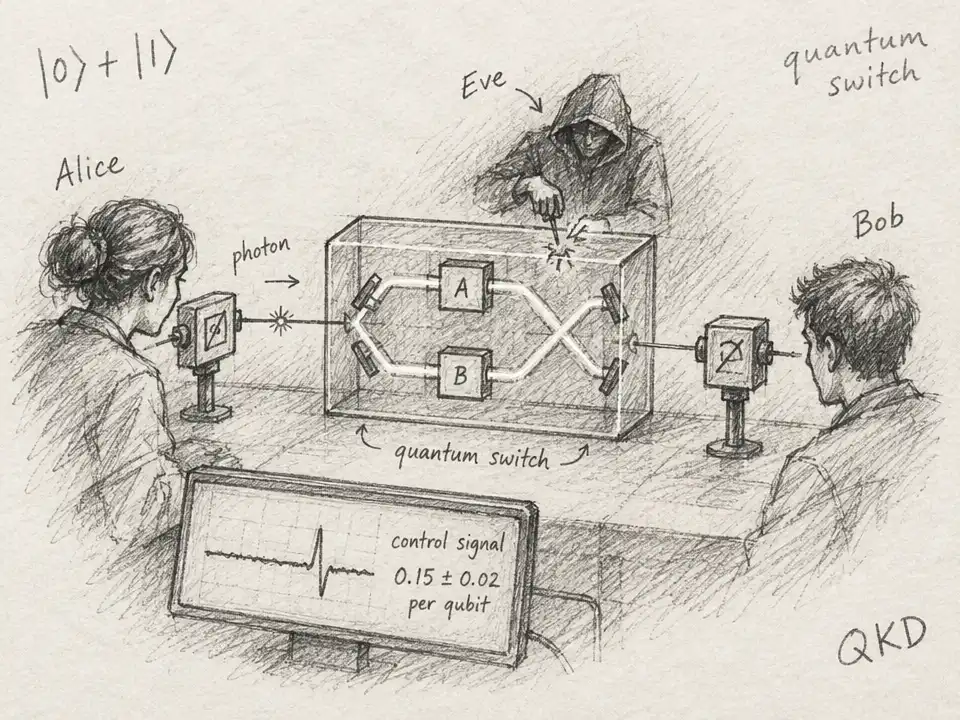
A photonic quantum switch flags eavesdropping through interference, hinting at key distribution that preserves key bits—if major security gaps can be closed.
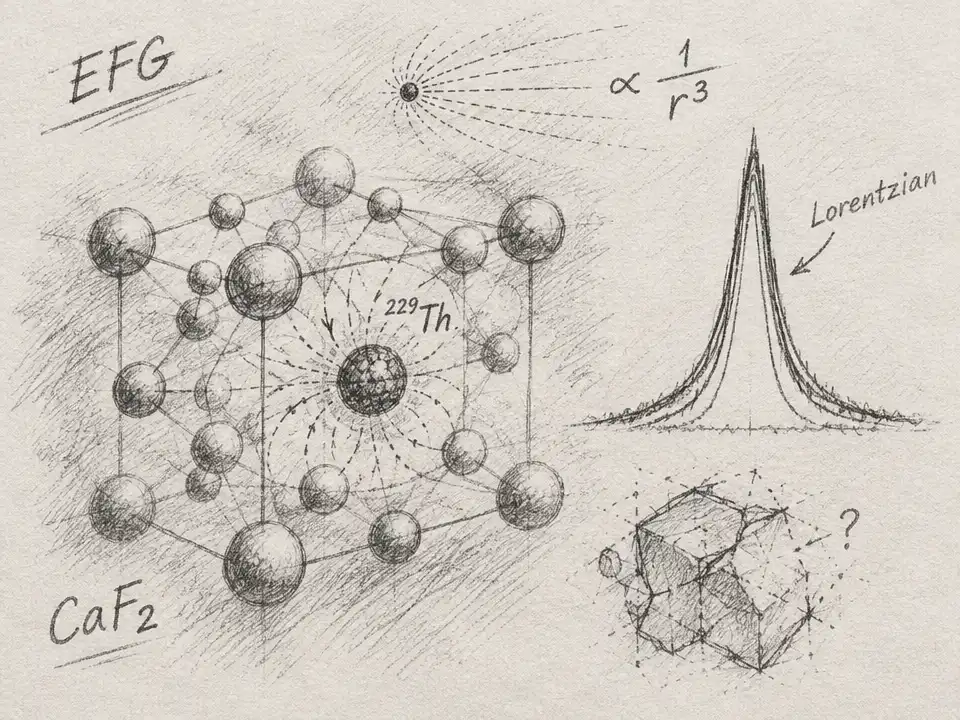
A thorium nuclear-clock line stayed broad across temperature but widened with dopant density, pointing to crystal disorder as the culprit.
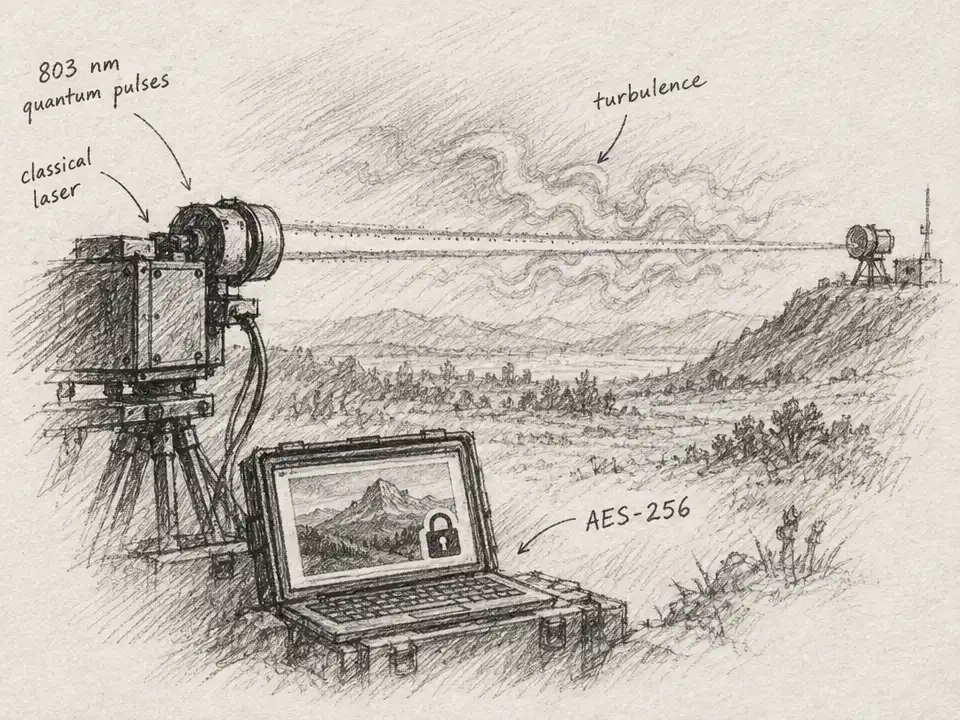
A truck-to-tower experiment sent quantum key material and classical data along one 10.31 km optical path, revealing its promise and bottlenecks.
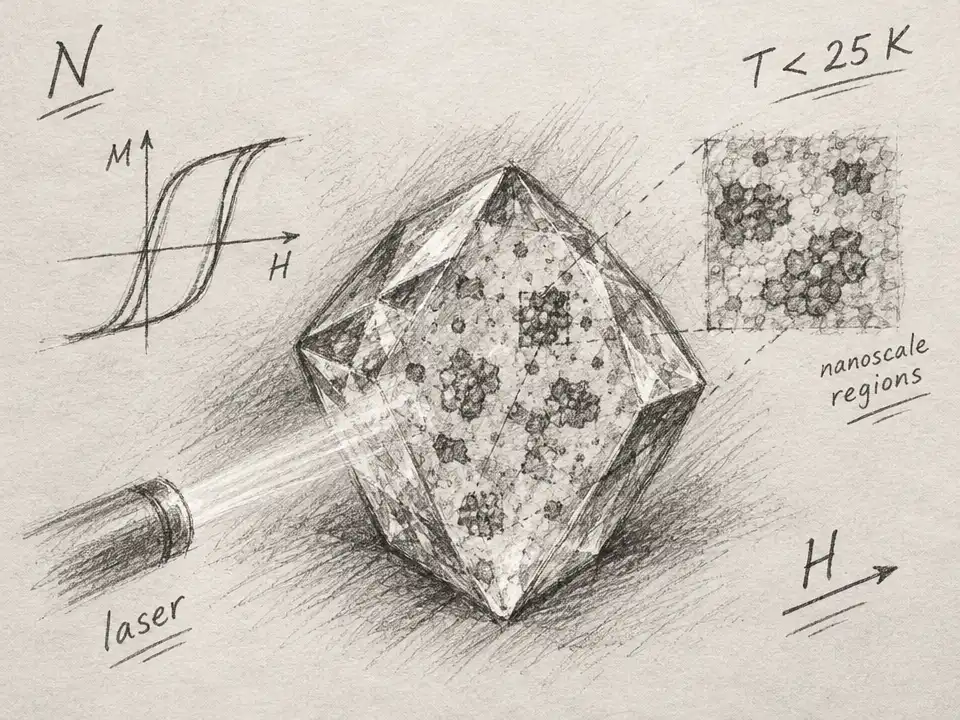
Weak laser light exposes a possible hidden superconducting phase in nitrogen-doped diamond, where stressed microscopic regions may host distinct magnetic states.
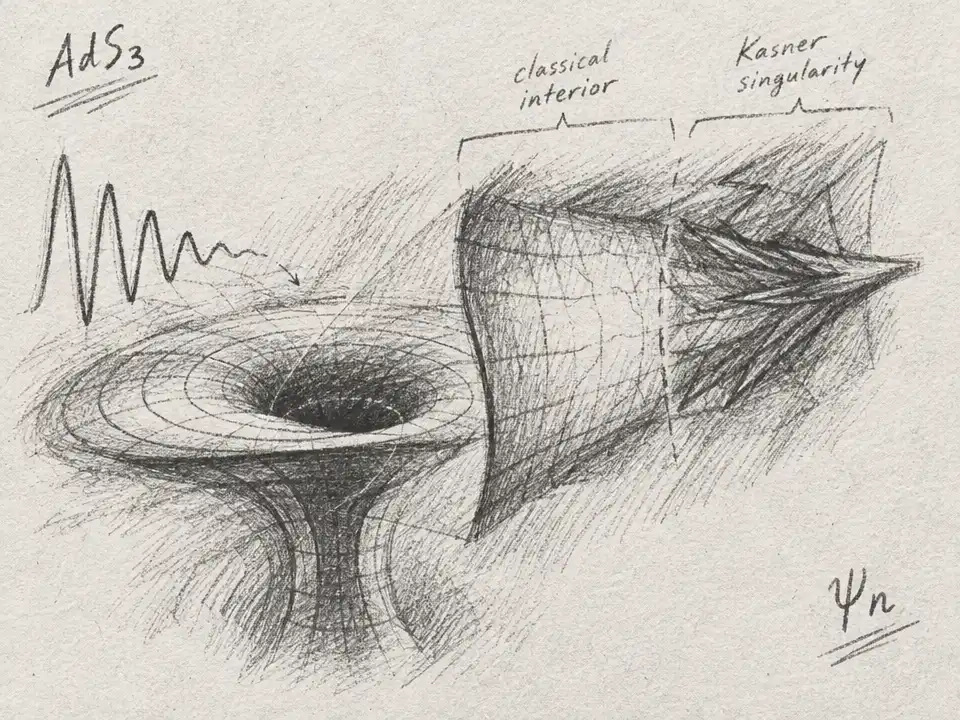
A theoretical method reads a black hole’s most strongly damped waves for clues to how quantum effects reshape its hidden interior.
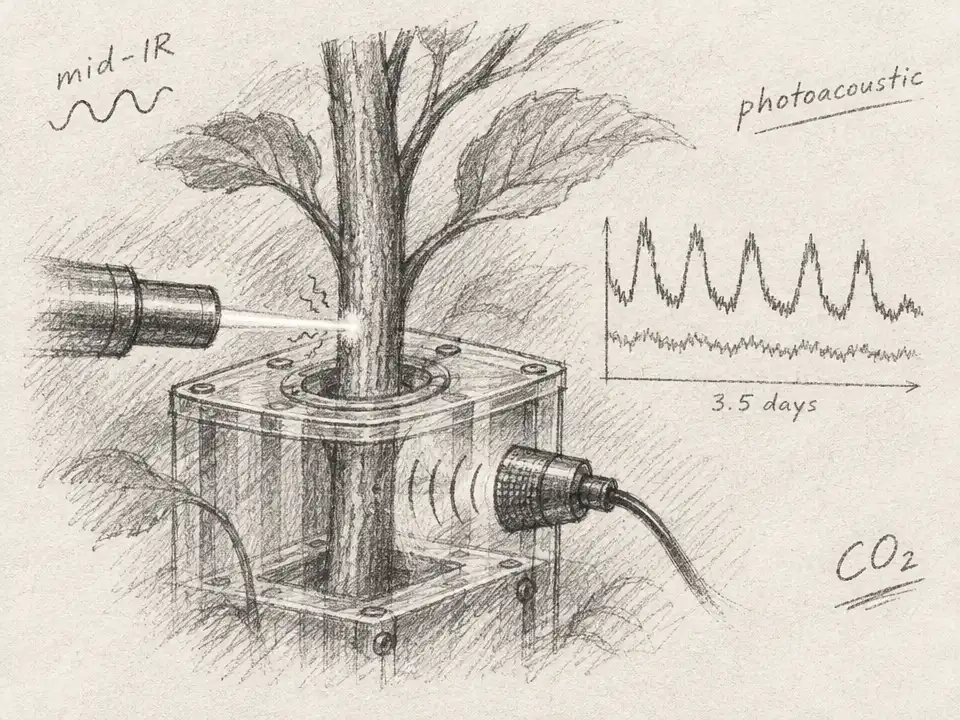
A laser, tiny air cavity, and microphone tracked a living plant for days, revealing a recurring physiological rhythm without identifying its molecular source.
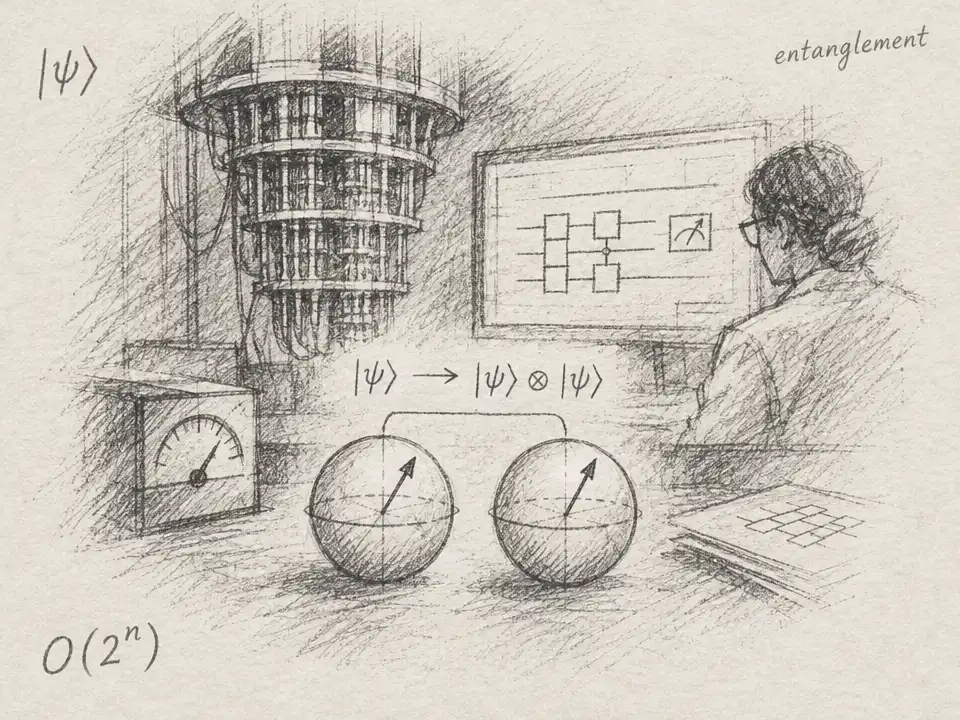
A theoretical result finds that quantum measurement outcomes can resist cloning, even when researchers know the circuit that created them.
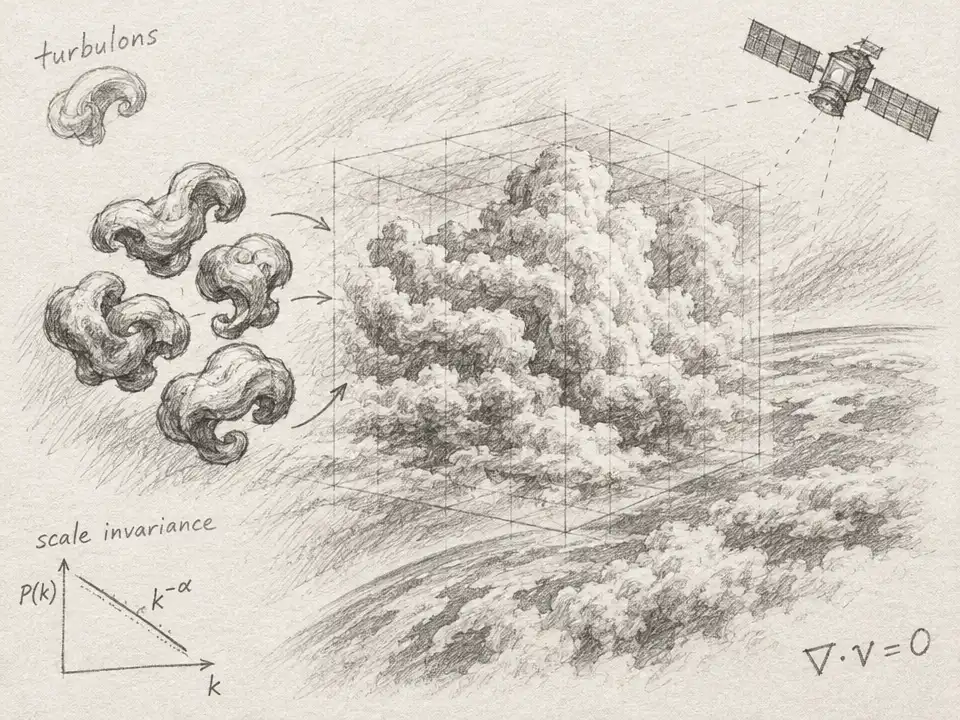
Borrowing ideas from turbulence and emergence, a new model assembles cloud fields from scale-spanning pieces called turbulons.
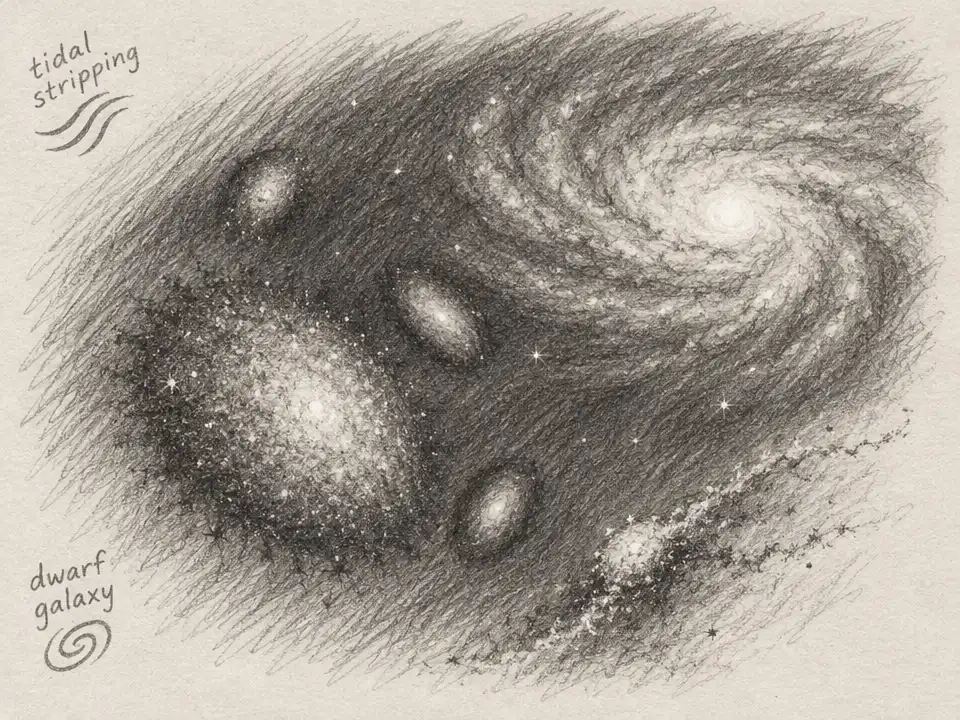
Milky Way dwarf galaxies may be shedding stars unseen—but a new clue leaves open whether the galaxies or the simulations are misleading us.
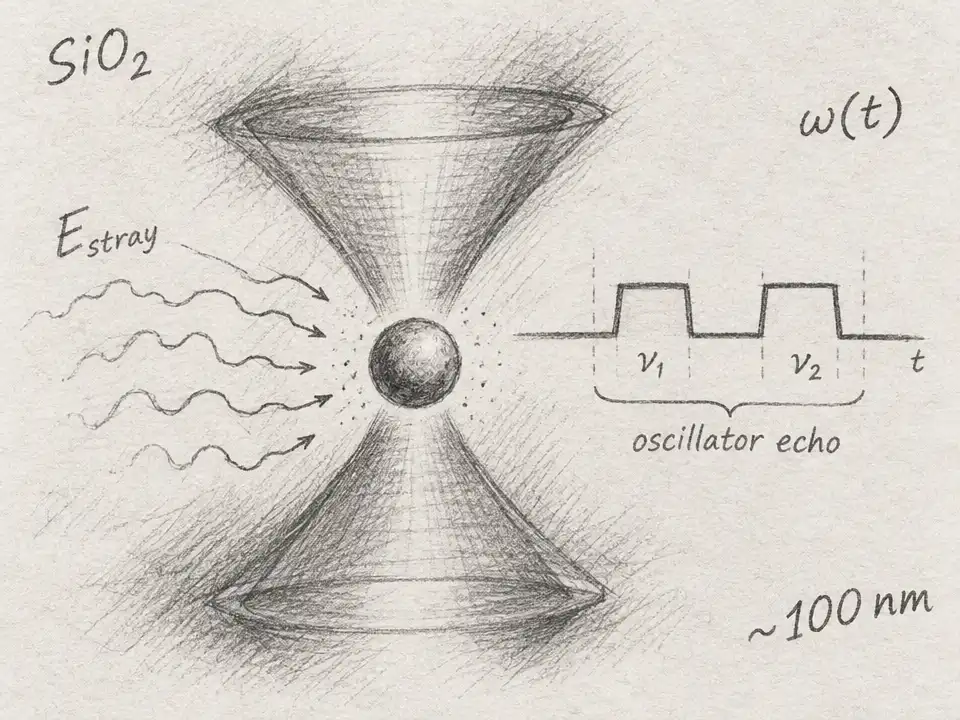
A three-step oscillator echo cancels stray-force noise in a levitated nanoparticle, bringing its motion to the measurement-backaction limit.
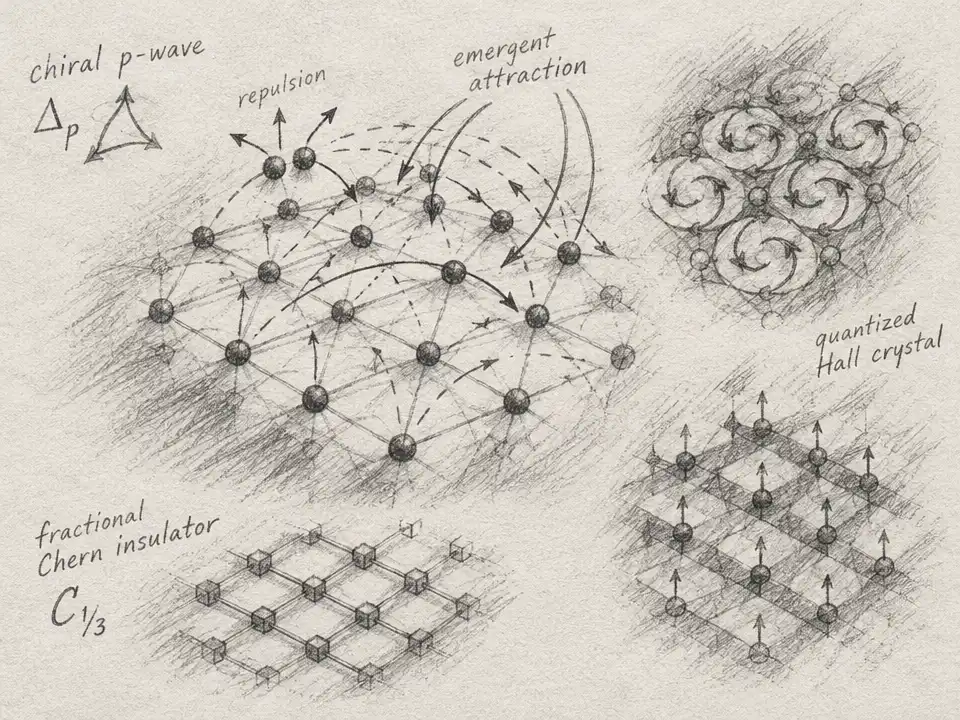
A topological-lattice model turns electron repulsion into longer-range attraction, linking chiral superconductivity to a quantized Hall crystal.
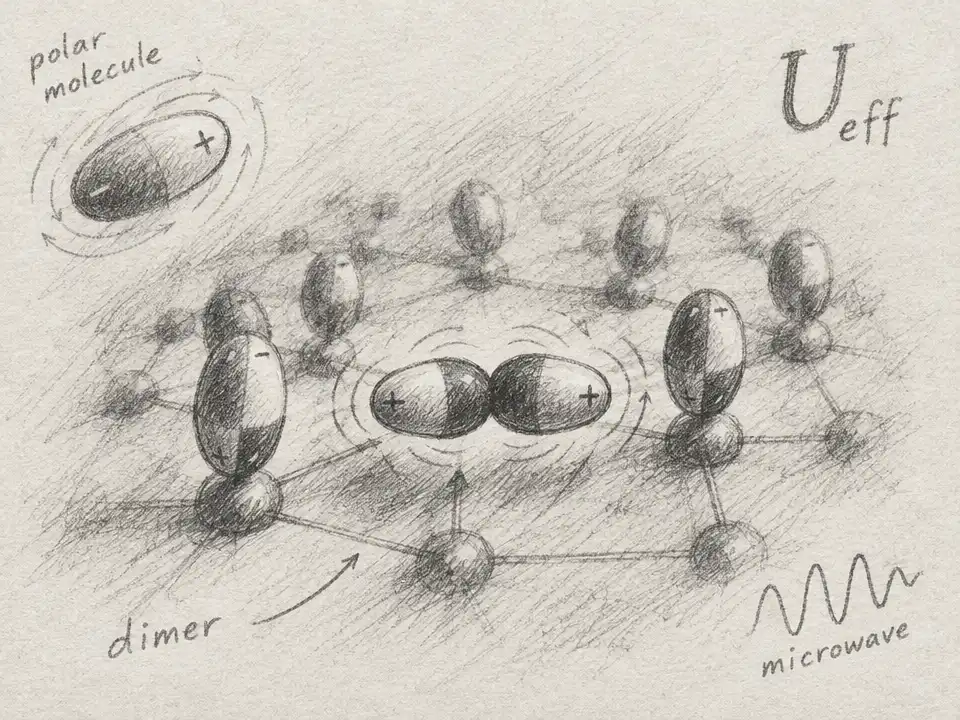
A proposed molecular dimer could restore tunable on-site interactions in polar-molecule lattices—if it lives long enough.
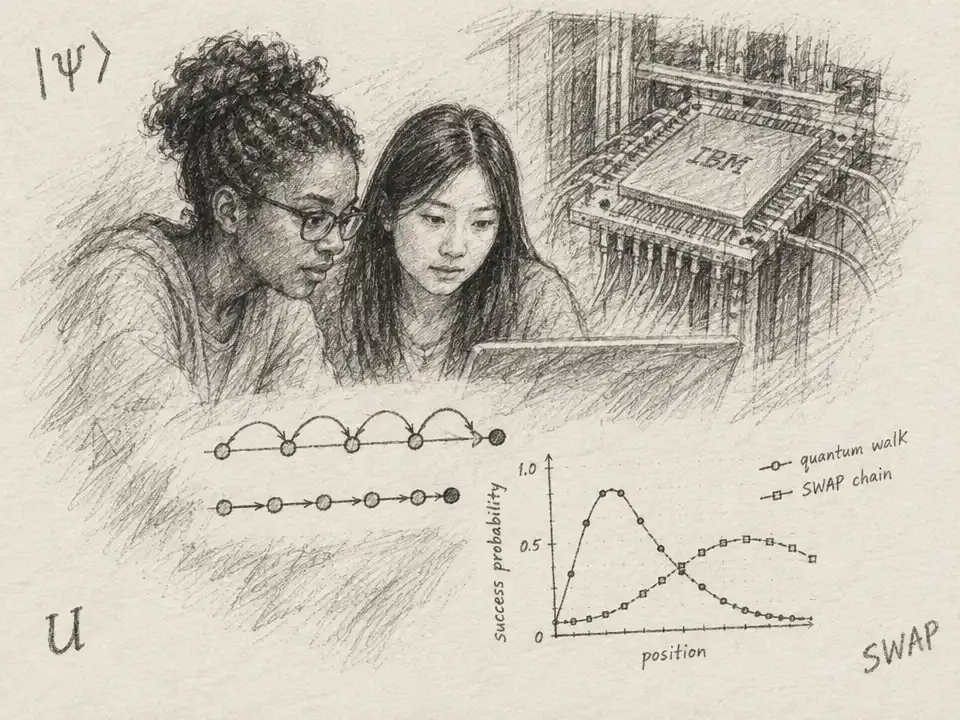
A quantum walk promised perfect state transfer, but IBM hardware often favored a simple SWAP chain. The experiment reveals why.
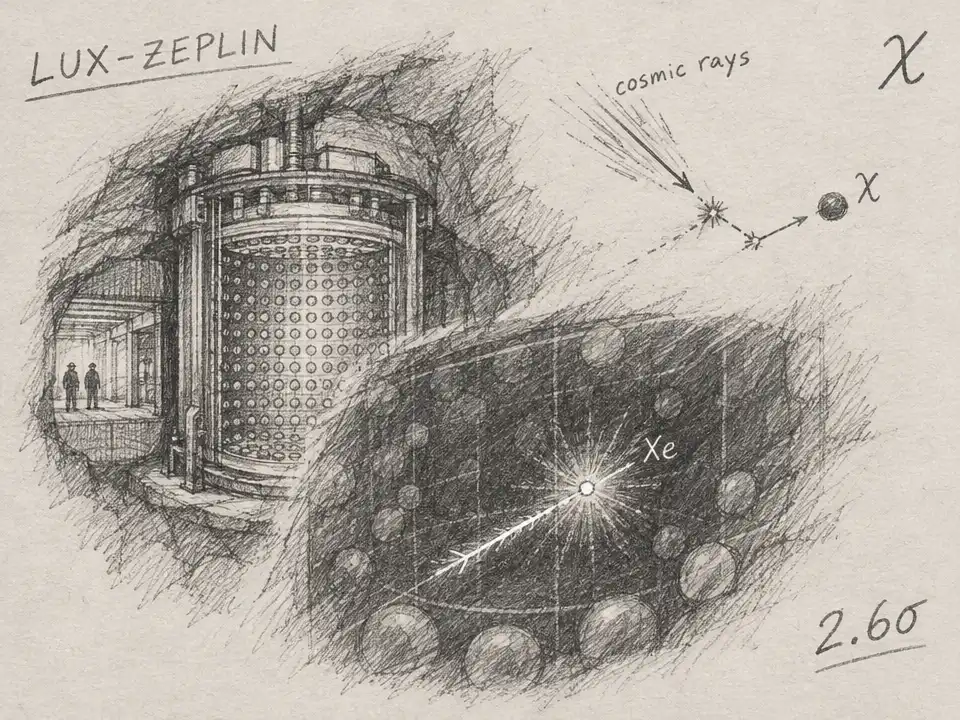
A 248-keV xenon recoil inspires a cosmic-ray-boosted dark matter idea, but one event is far from proof and follow-up spectra are essential.