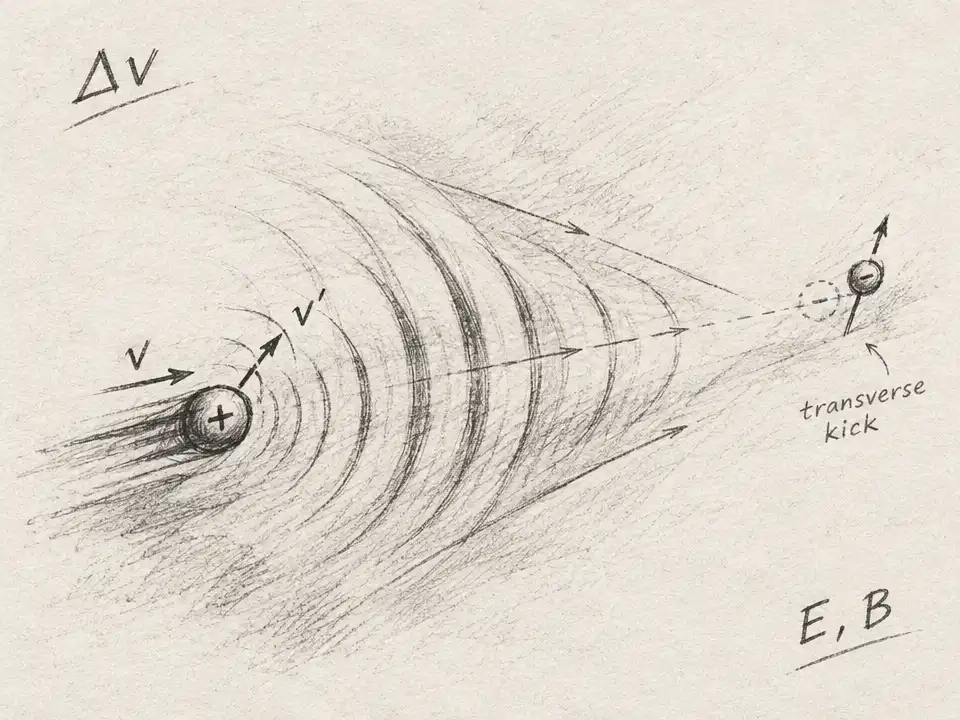
Can a Passing Electromagnetic Pulse Leave a Lasting Kick?
A passing electromagnetic pulse may leave a lasting velocity kick. Explore the field-memory puzzle and why no one has measured it yet.
A passing electromagnetic pulse may leave a lasting velocity kick. Explore the field-memory puzzle and why no one has measured it yet.
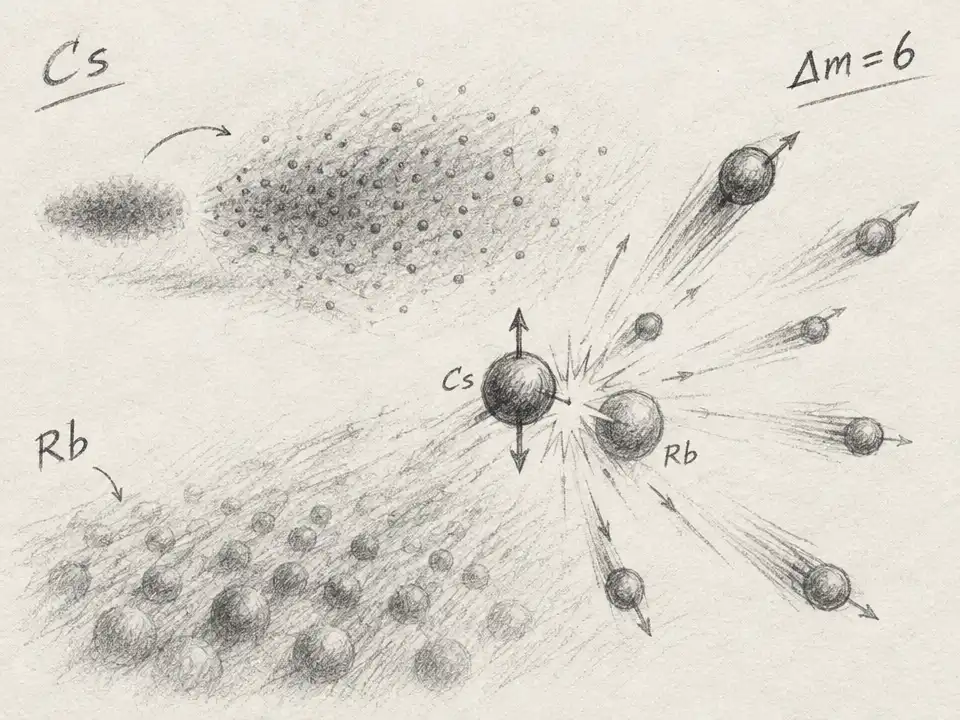
A cold cesium atom gets a temporary burst of motion when quantum spin energy becomes kinetic energy in collisions with rubidium.
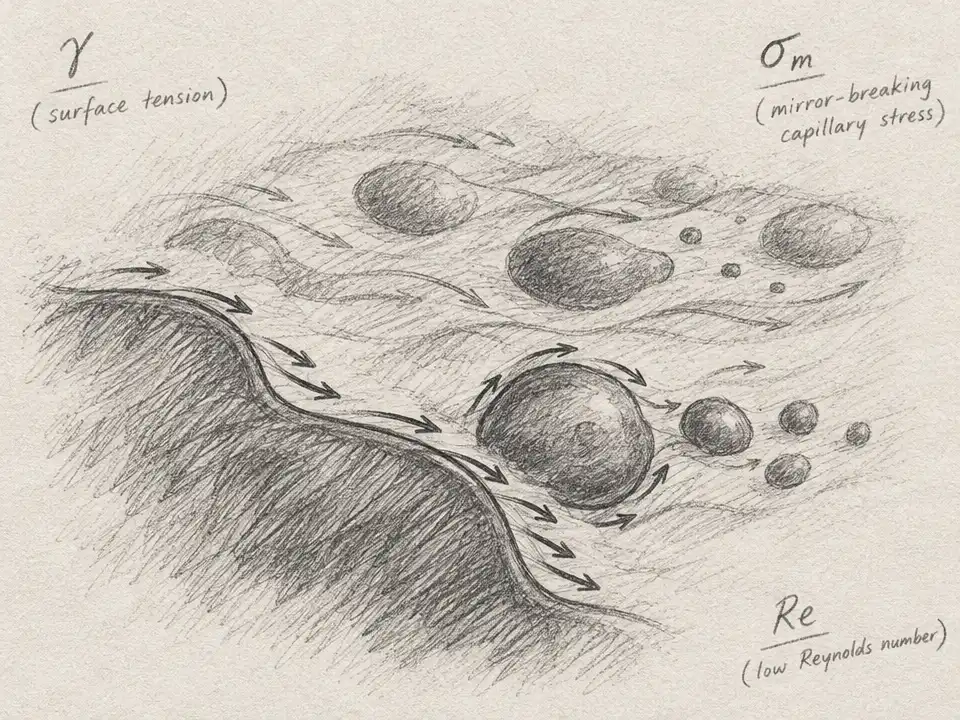
A proposed sideways capillary stress drives persistent low-Reynolds-number flow, arrests domain growth, and reshapes droplets in simulations.
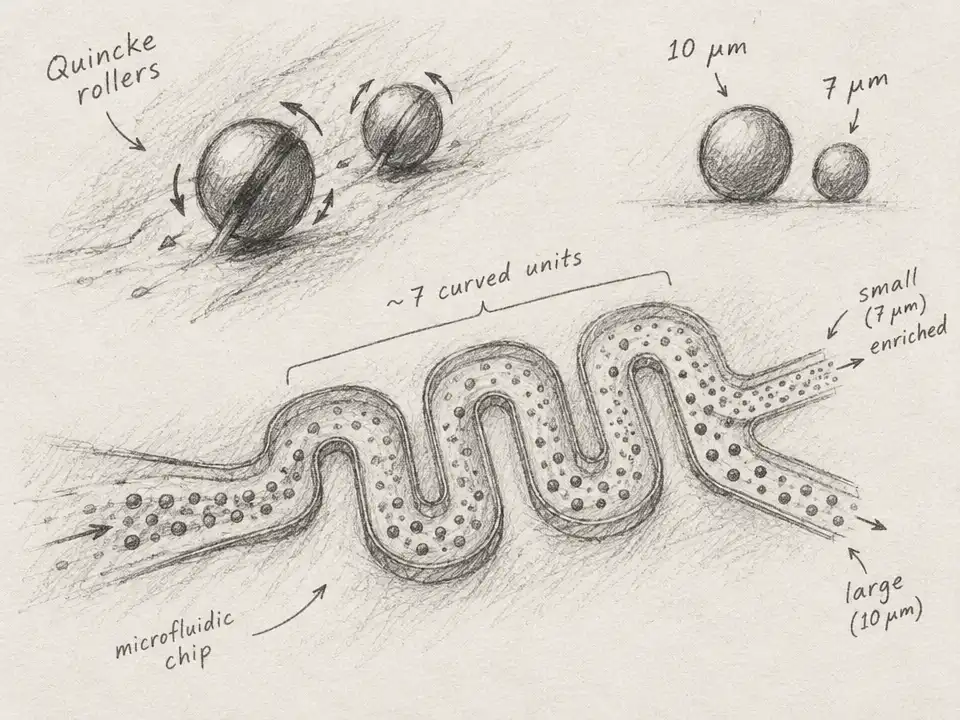
A curved microfluidic chip uses collective motion to separate active particles, turning a physics principle into a continuous-flow sorter.
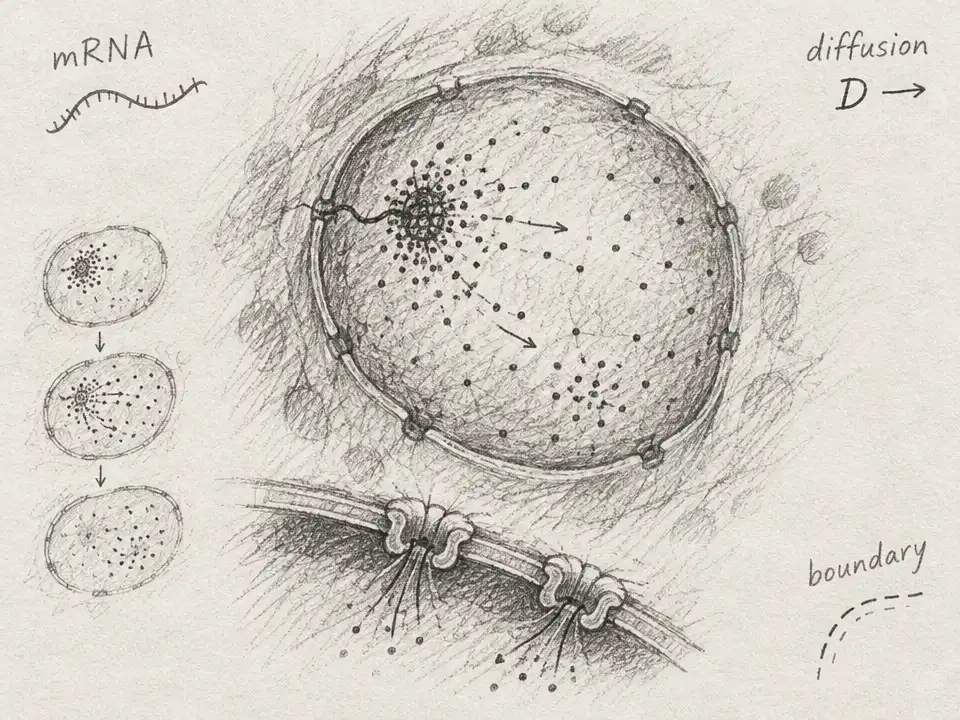
A physics-informed method explores when messenger RNA positions in a fixed cell can reveal nuclear transport—and when one snapshot is not enough.
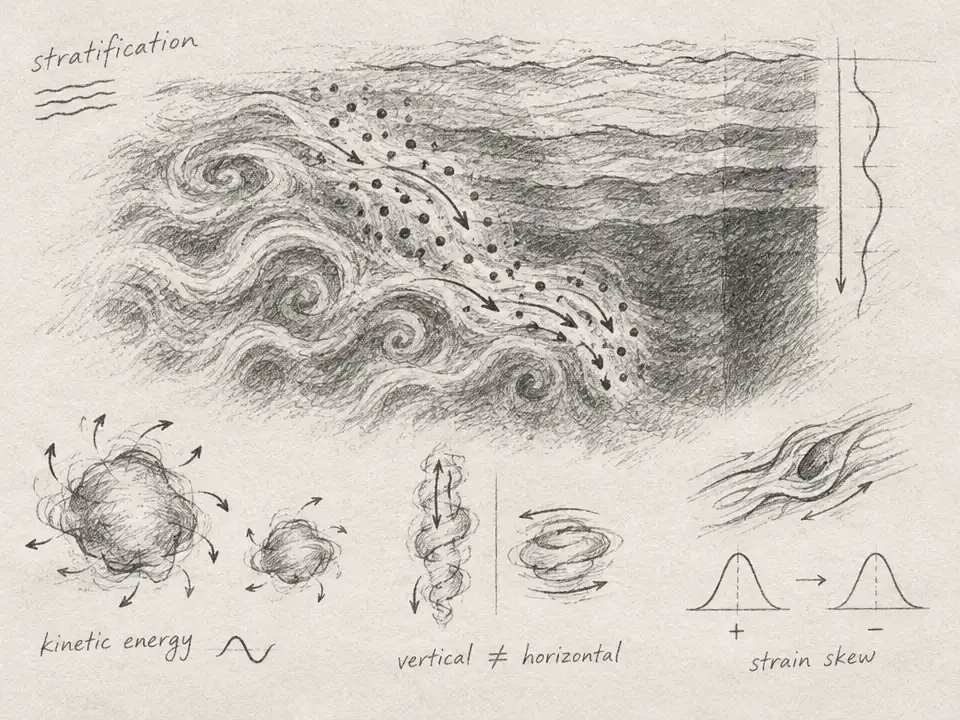
A turbulence simulation finds weaker energy swings but sharper losses as stratification rises, with pressure and flow structure offering clues.
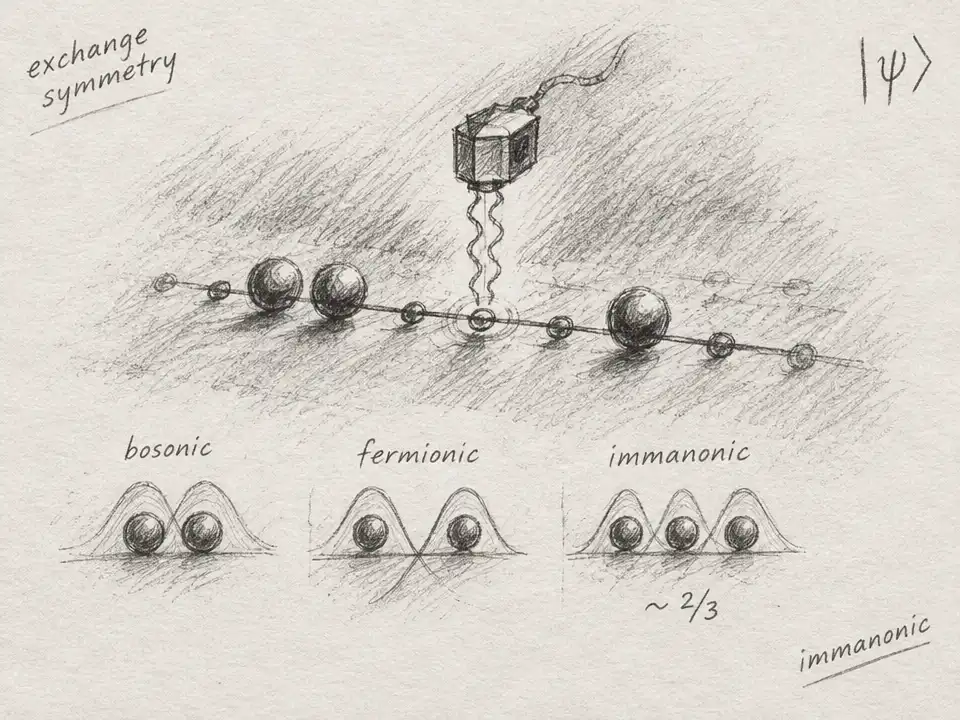
A simulated lattice study finds that monitoring site occupancy can steer particles into bosonic, fermionic, and intermediate symmetry sectors.
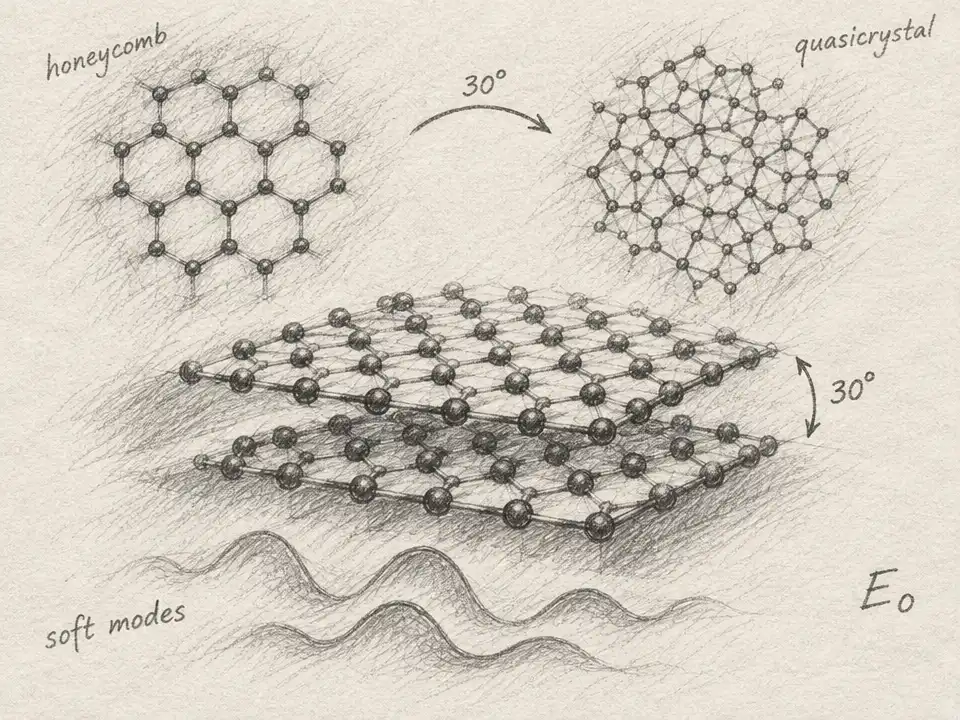
A bilayer of electrons may favor a 30-degree quasicrystal when quantum zero-point motion overturns the classical energy ranking.
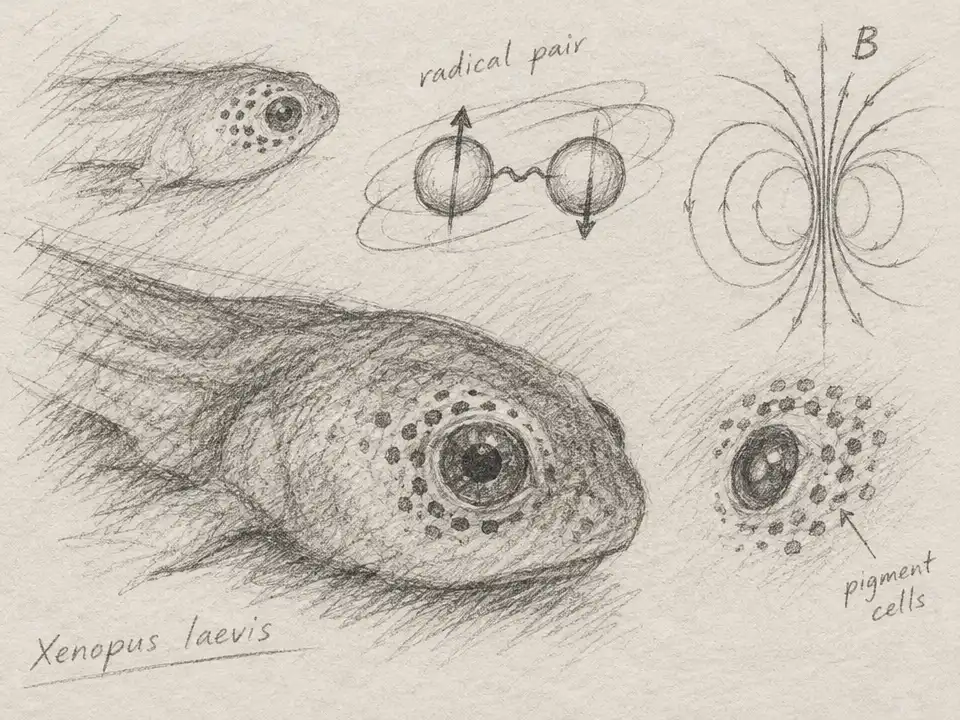
Weak magnetic fields altered pigment-cell counts around tadpole eyes, in a light-dependent effect consistent with quantum spin chemistry.
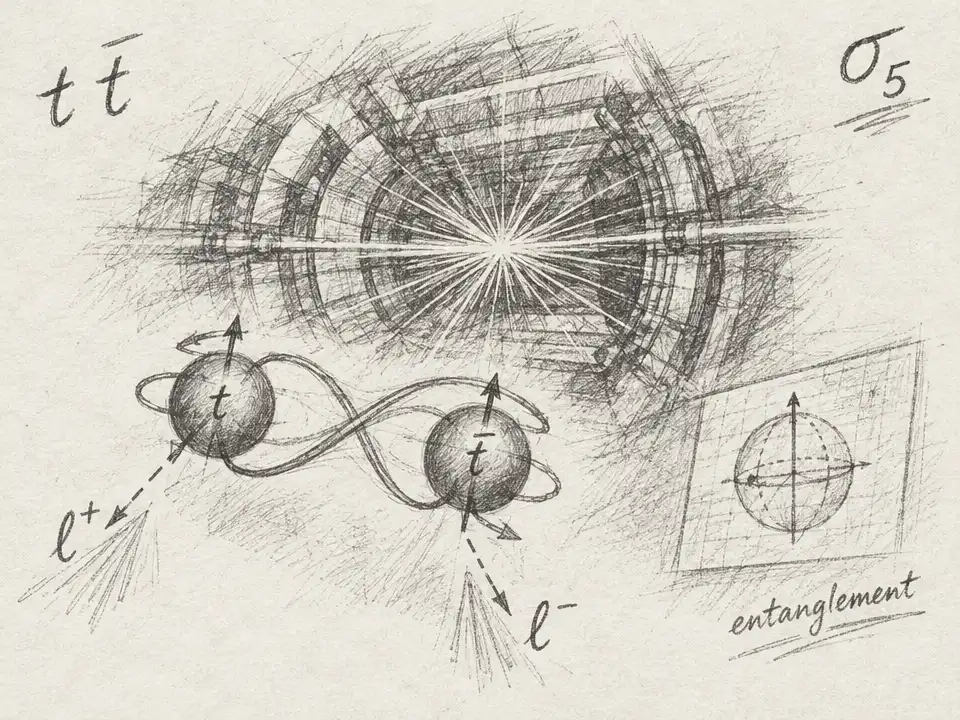
A top quark's fleeting lifetime preserves spin clues, letting collider physicists use quantum-information tools to detect entanglement.
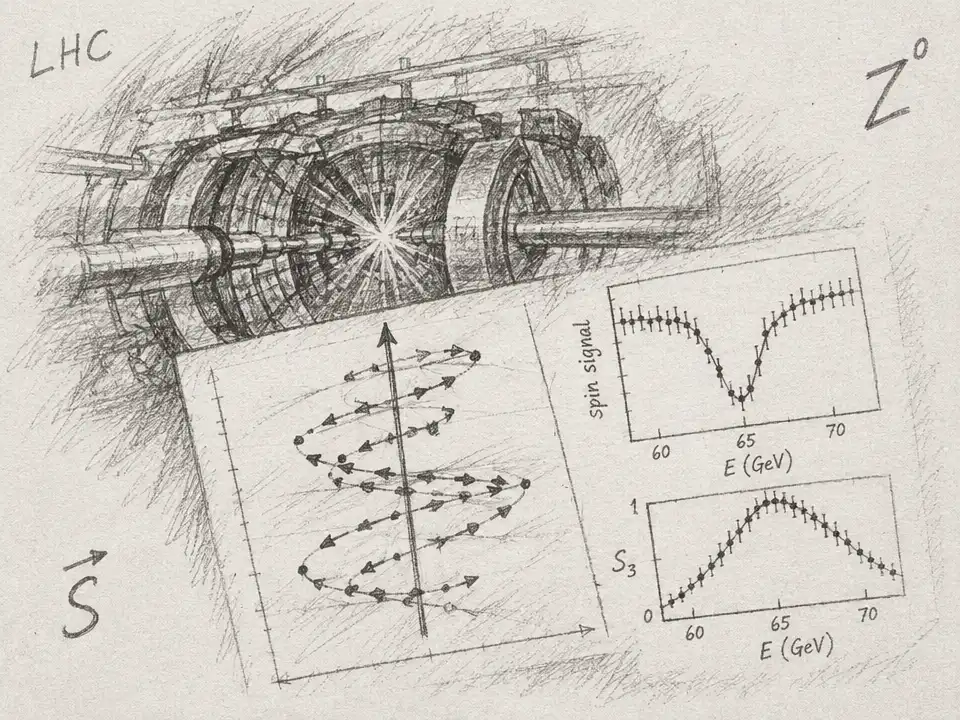
A quantum-tomography reanalysis of archived LHC collisions uncovers a swirling Z-boson spin pattern and a near-unpolarized state, with no known cause.
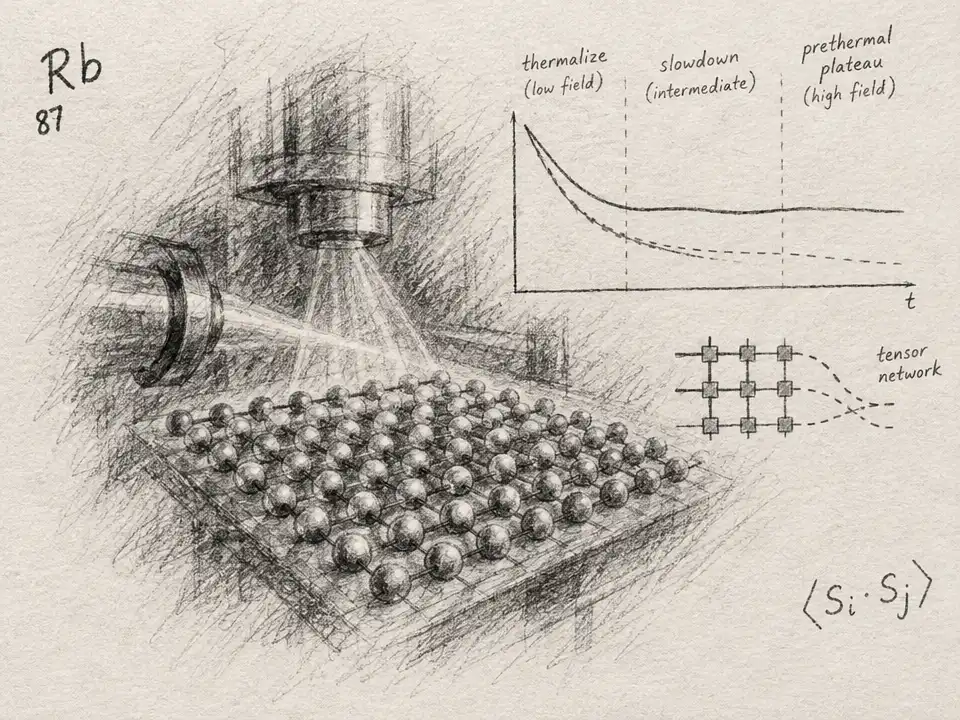
A 256-qubit atom array reveals an unexpected slowdown in a quantum magnet, right where familiar fast and prethermal relaxation regimes meet.
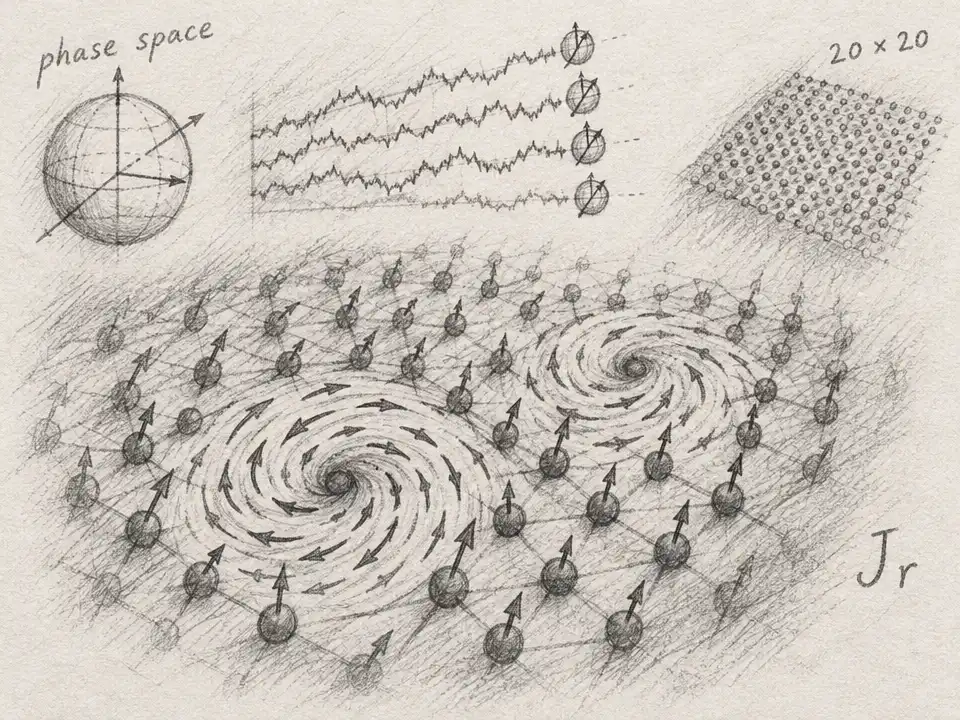
A new spin-simulation method tracks environmental noise and long-range forces, revealing vortices and a surprising reentrant order.
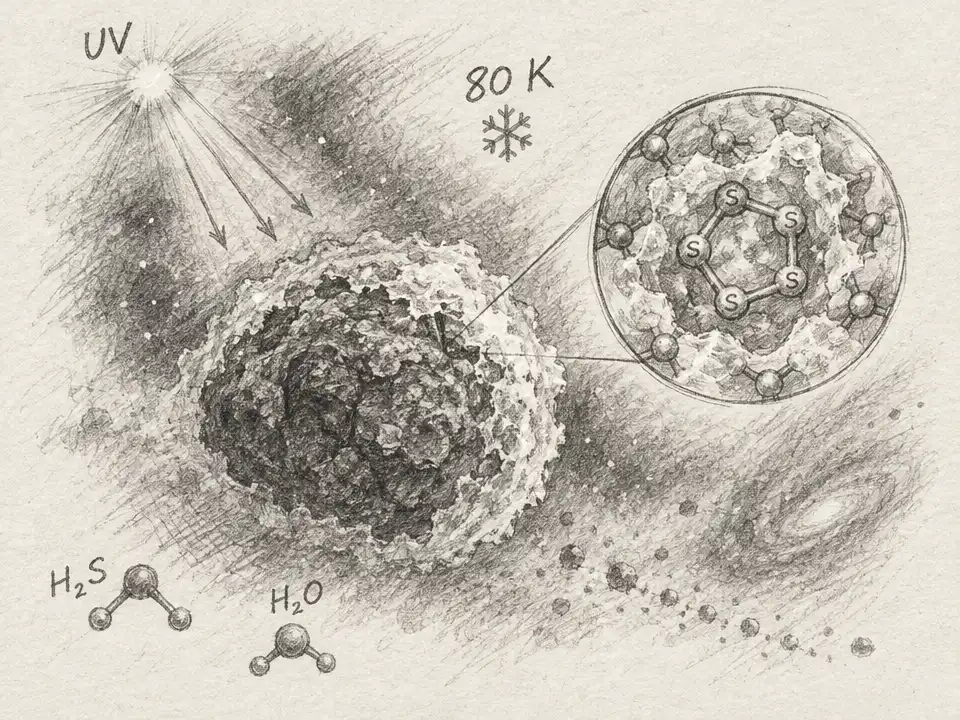
A frozen lab experiment suggests water-rich interstellar ice can turn elusive sulfur into durable rings—and hint at where missing sulfur went.
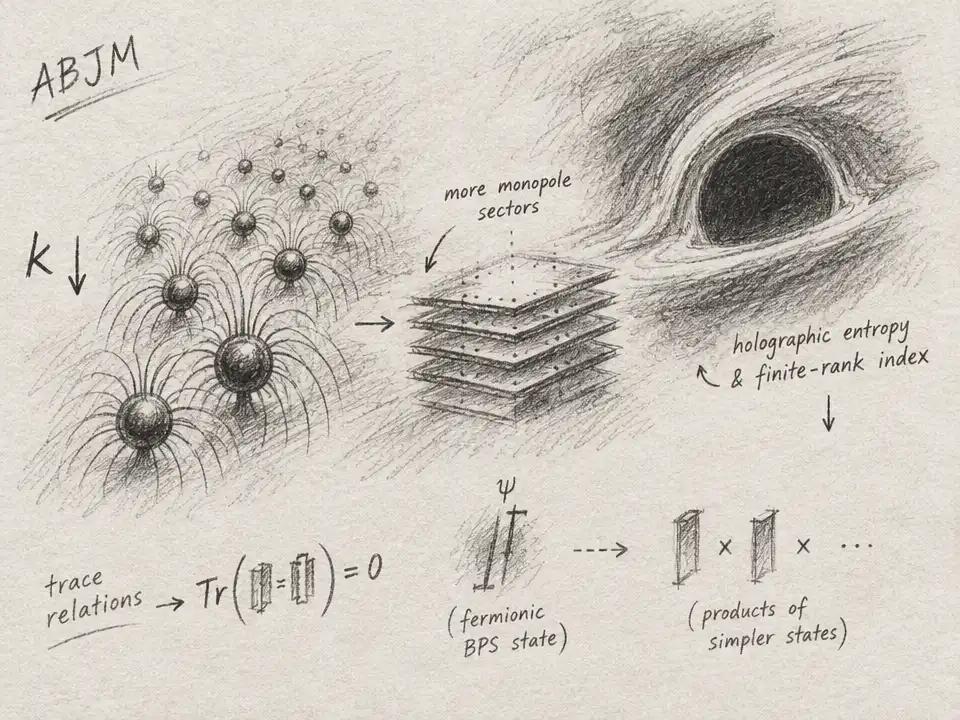
In ABJM theory, smaller k unlocks more monopole operators yet may leave fewer black-hole states, as trace relations erase seemingly new possibilities.
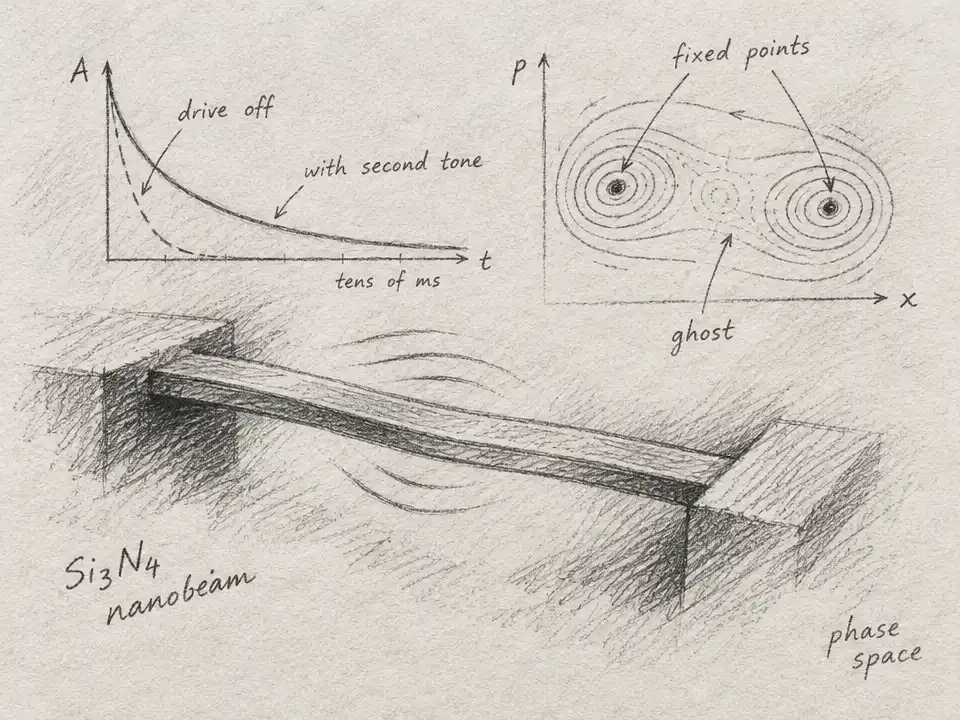
A nanomechanical beam was expected to fade smoothly, but a vanished phase-space fixed point left a ghost that delayed its motion for milliseconds.
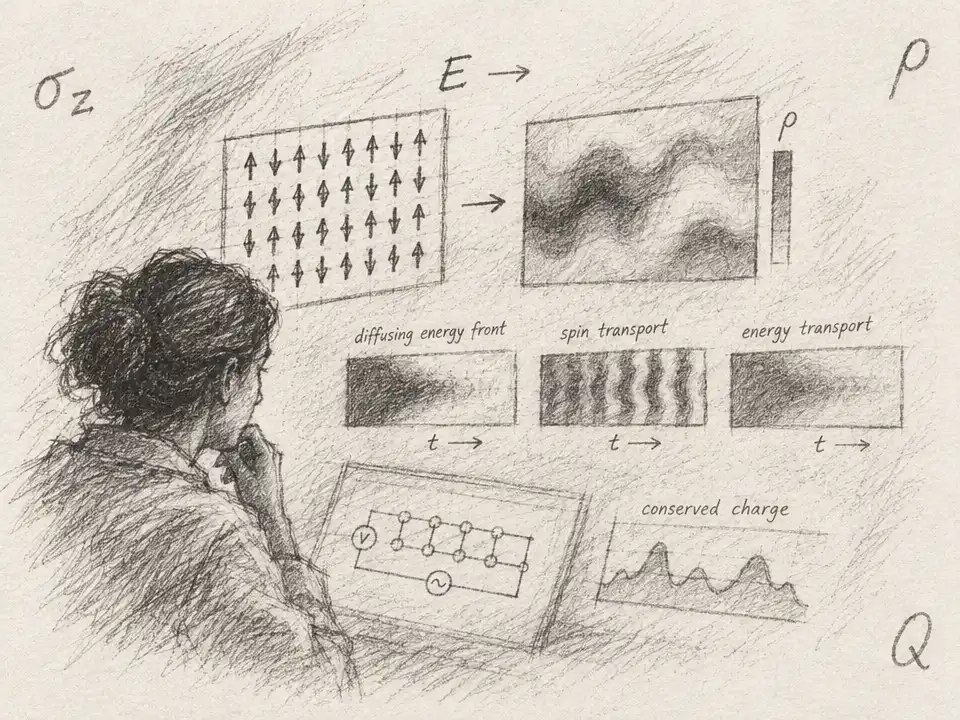
A thermometry method uses familiar quantum snapshots and calibrated equilibrium behavior to reconstruct hidden energy and charge as they spread.
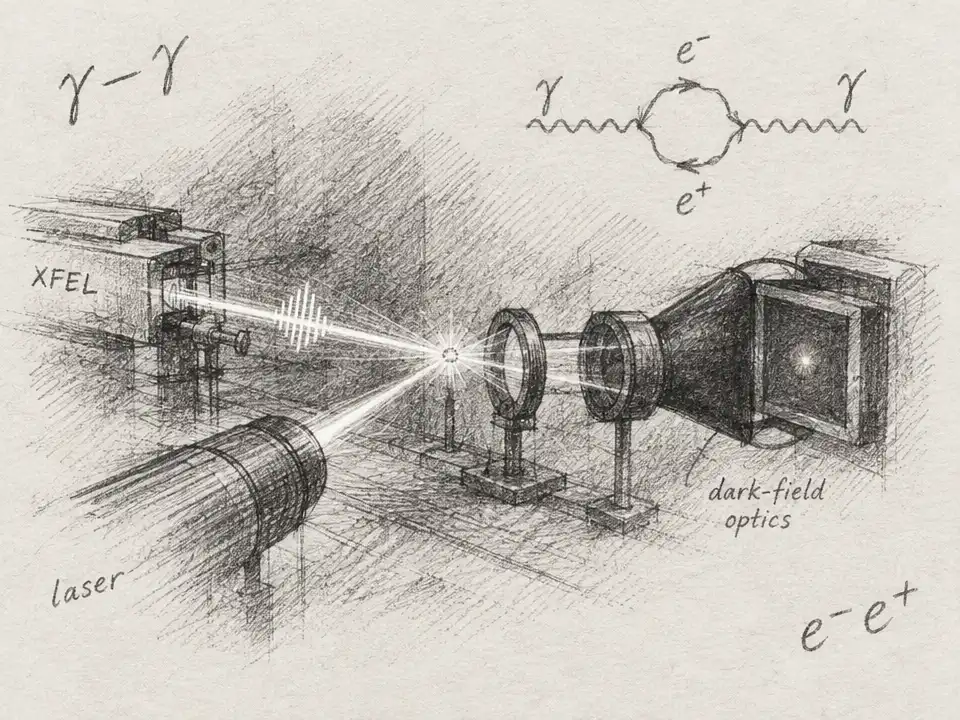
A dark-field experiment used colliding X-rays and a powerful laser to probe photon scattering in vacuum, setting a much tighter low-energy limit.
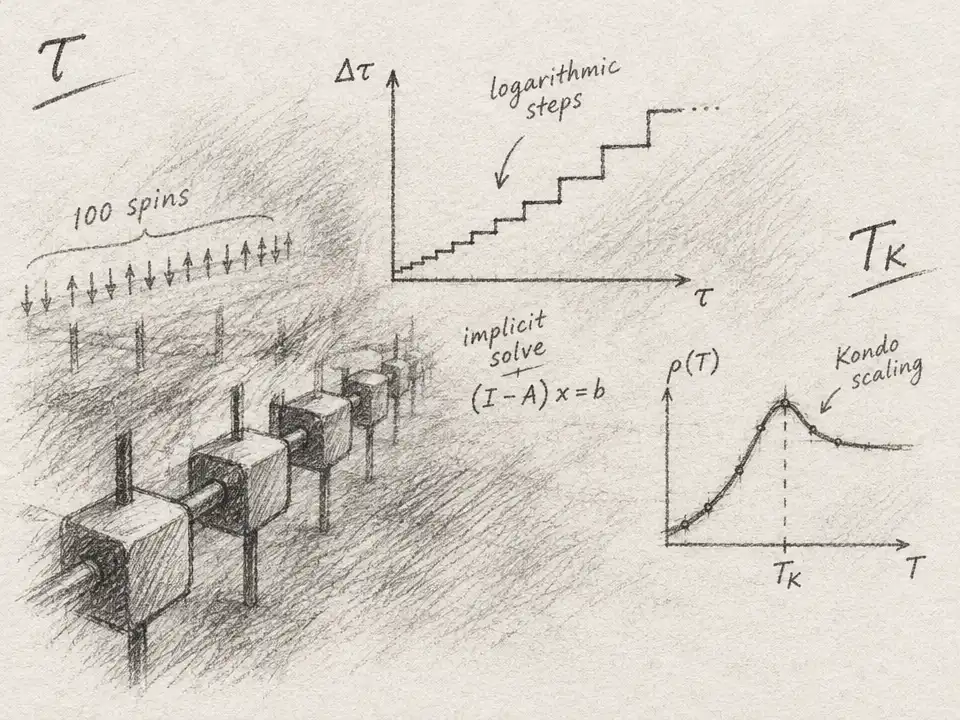
A logarithmic-step tensor-network method cuts the cost of long imaginary-time simulations and reaches the tiny Kondo energy scale in a test impurity model.
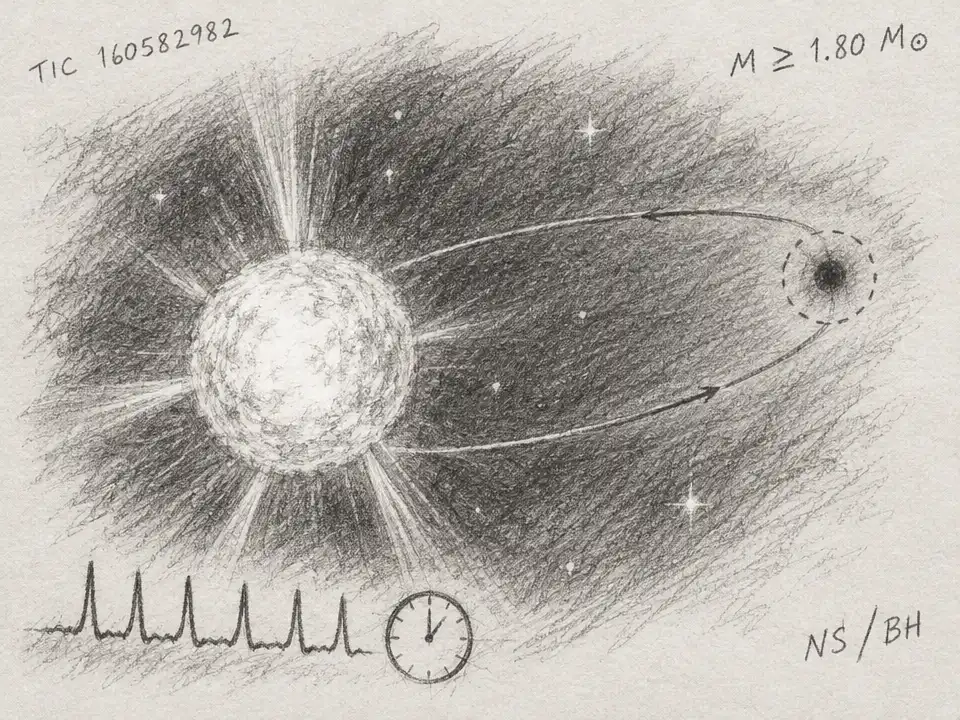
A star’s rhythmic pulses reveal an unseen companion’s mass, while clues leave open whether it is a compact remnant or a hidden pair.