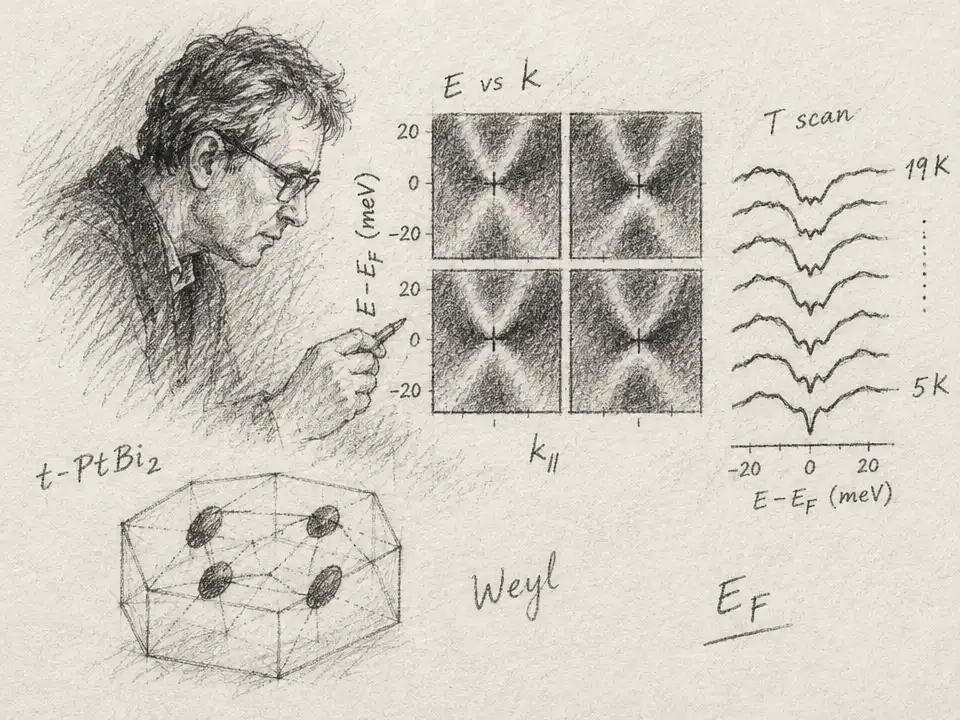
The Fermi-Arc Gap That Reappeared in Old Photoemission Data
A reanalysis of t-PtBi₂ photoemission data finds gap-like signatures where an earlier study reported none, highlighting how alignment can shape interpretation.
A reanalysis of t-PtBi₂ photoemission data finds gap-like signatures where an earlier study reported none, highlighting how alignment can shape interpretation.
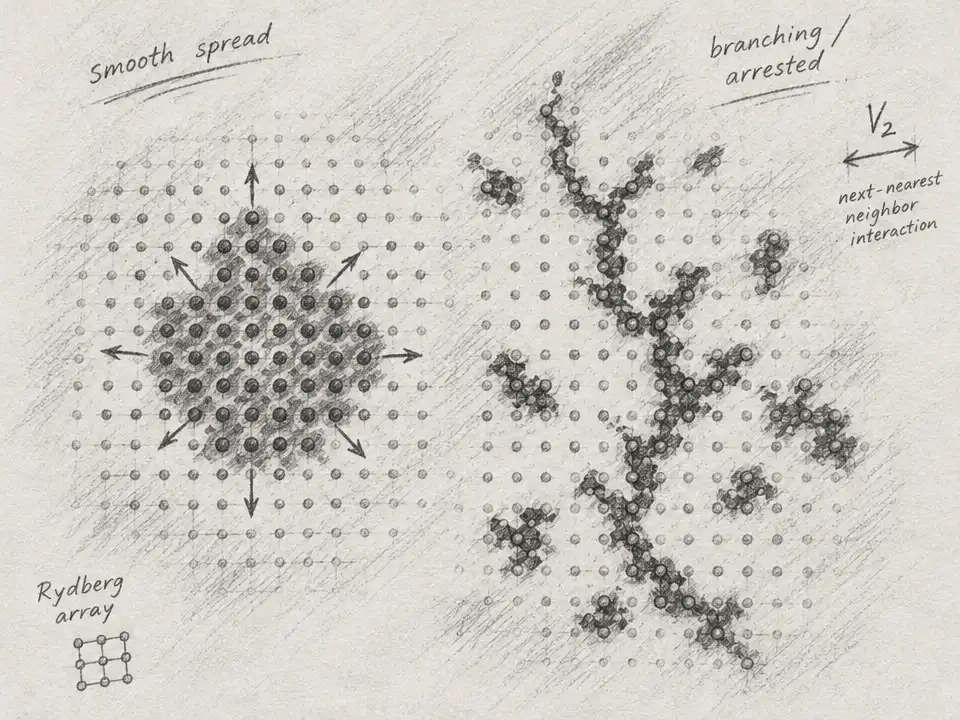
A simulated Rydberg array reveals how a faint next-neighbor interaction can turn smooth quantum excitation into branching, glass-like slush.
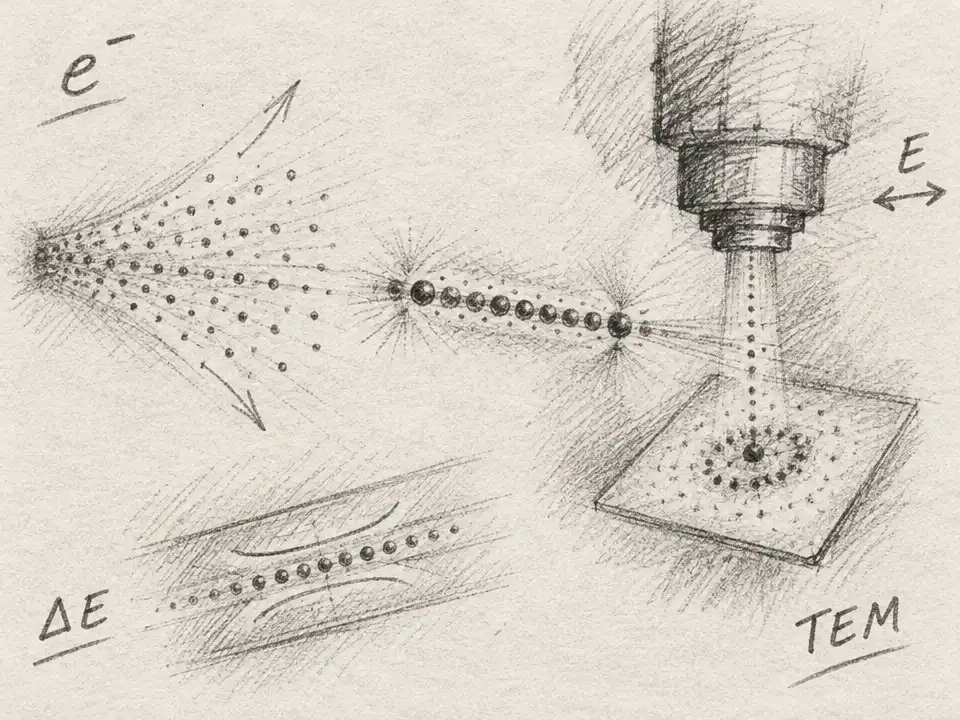
A microscope’s electron pulses seem too fleeting and unconfined to crystallize. New evidence points to a cage made by the electrons themselves.
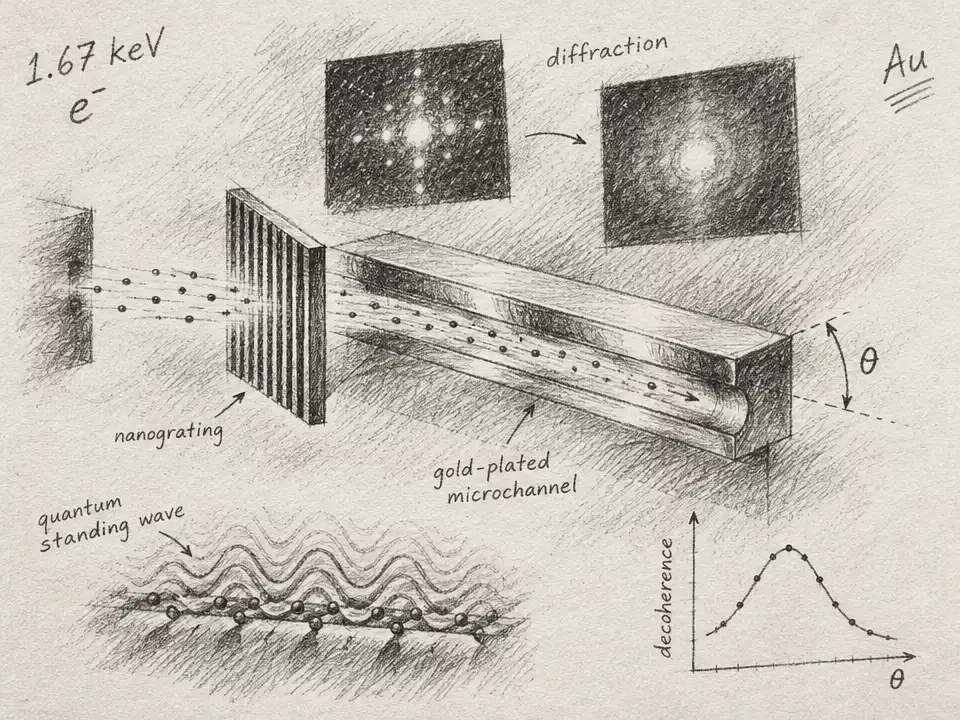
A gold-plated microchannel reveals how an electron’s coherence fades near metal—and why quantum wave behavior makes the loss peak unexpectedly.
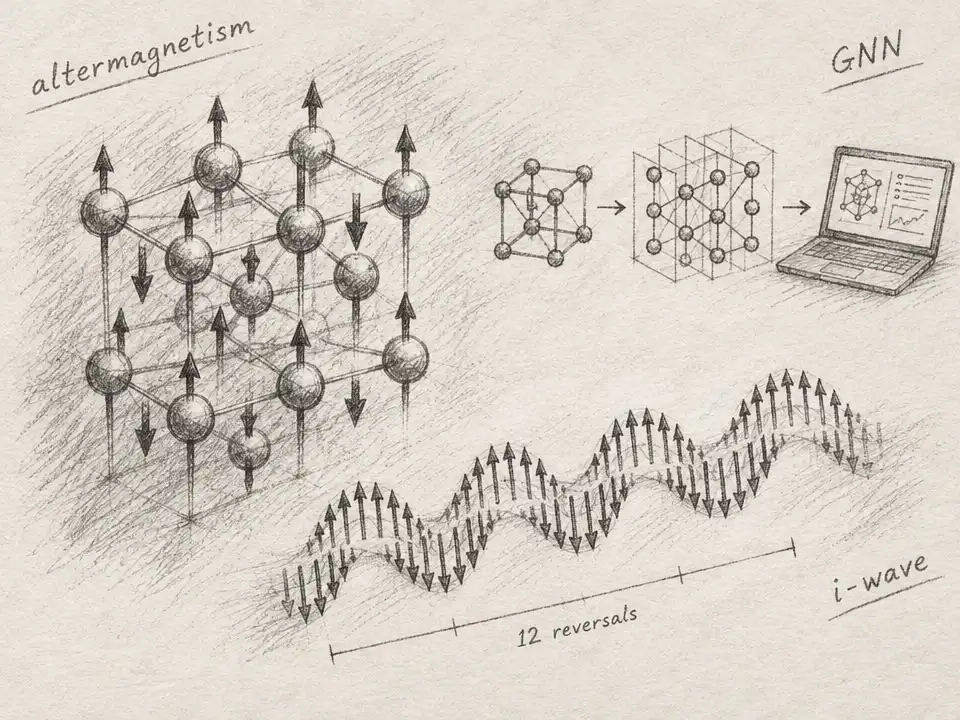
Machine learning helps physicists search crystal symmetries for altermagnets, including a predicted spin pattern that flips 12 times.
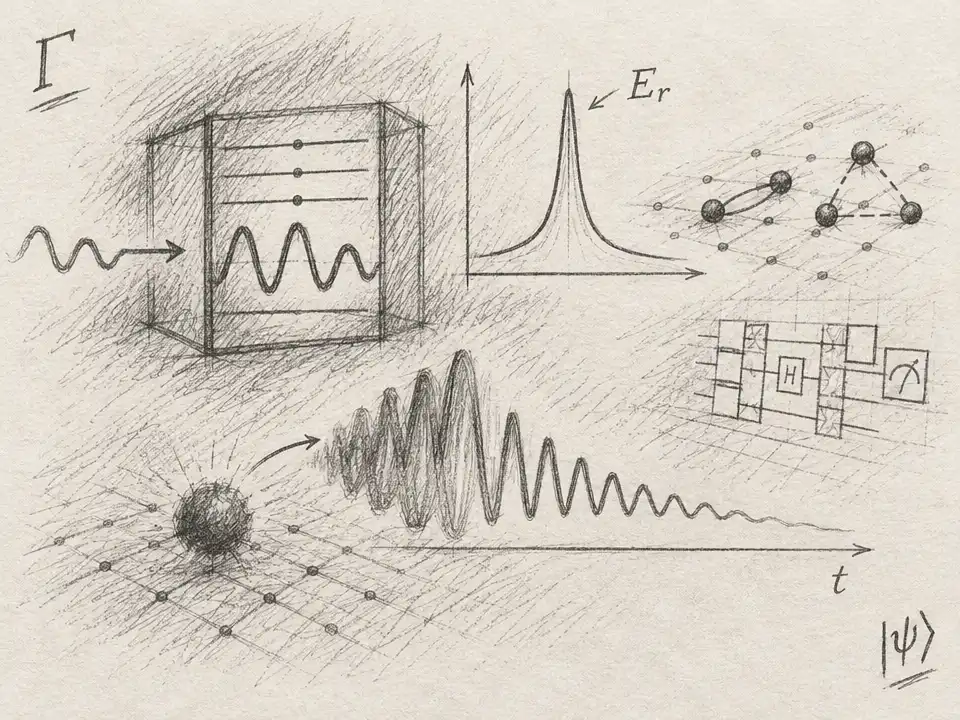
A new method finds unstable quantum resonances by shaping the starting state, not changing the physics that drives it.
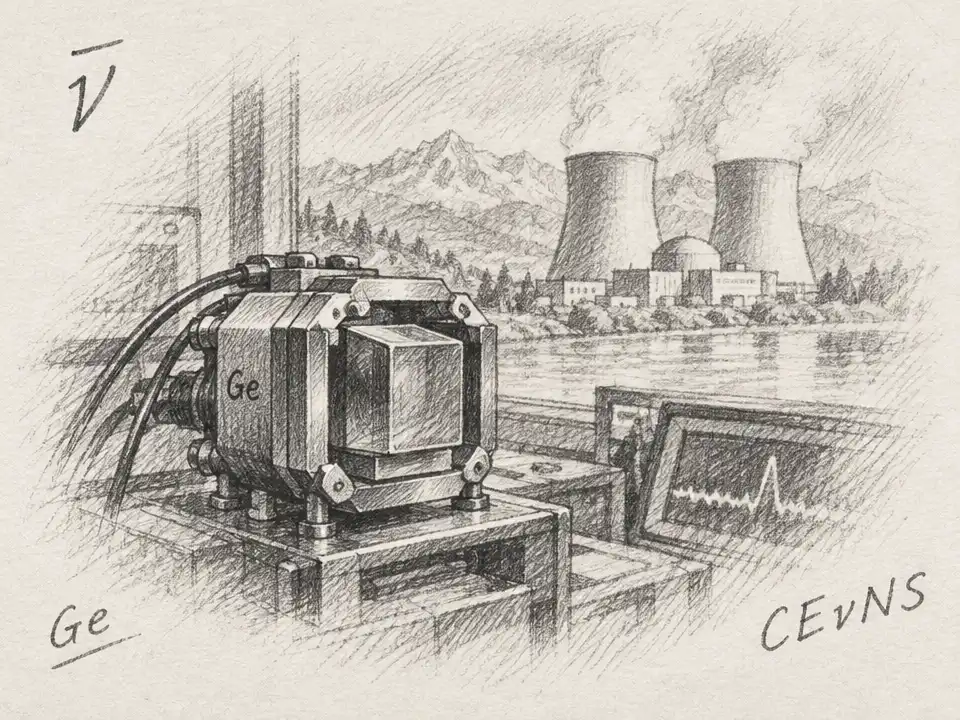
A reactor-near germanium detector senses antineutrinos through tiny whole-nucleus recoils, opening a low-energy test of particle physics.
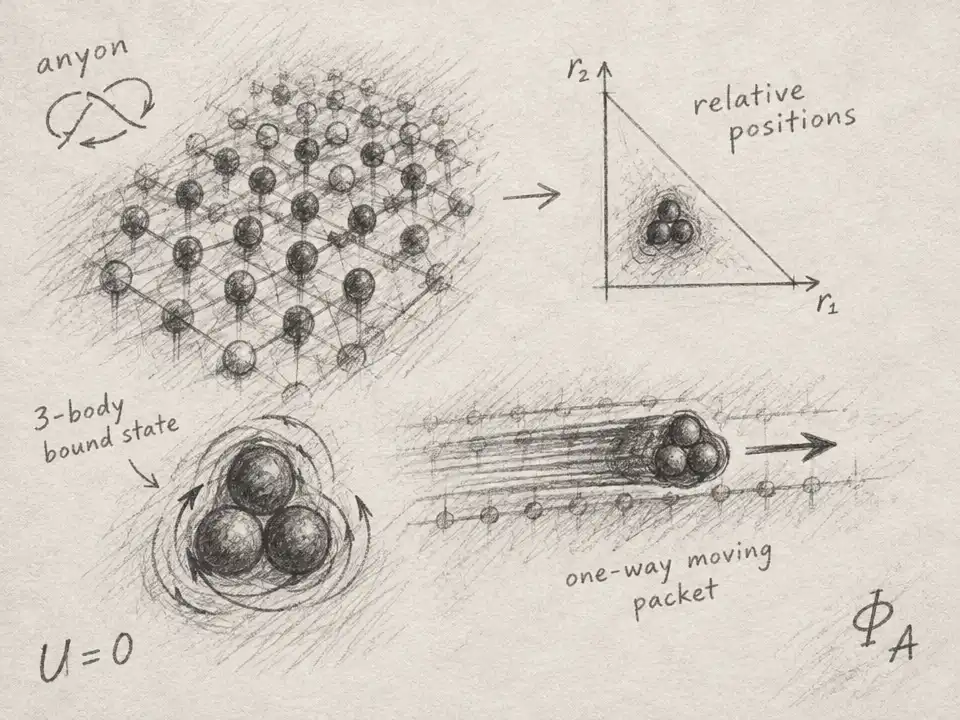
A new mapping predicts three anyon-like particles can bind without on-site interactions, then race across a lattice at single-particle speed.
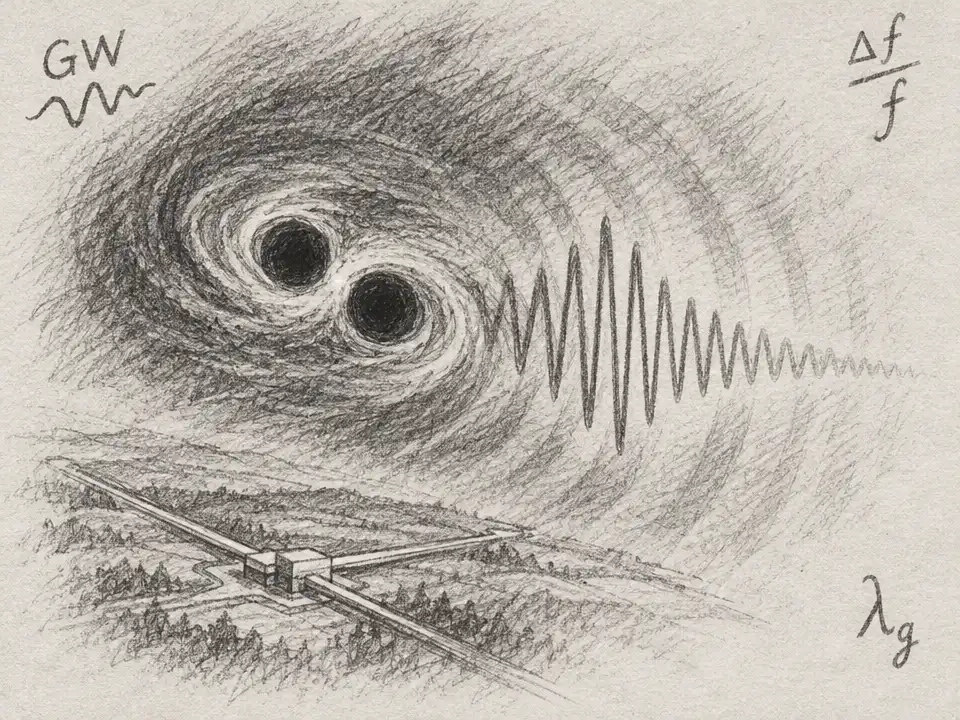
After black hole mergers, paired ringdown modes may split. A gravitational-wave analysis finds no split and tightens tests of gravity.
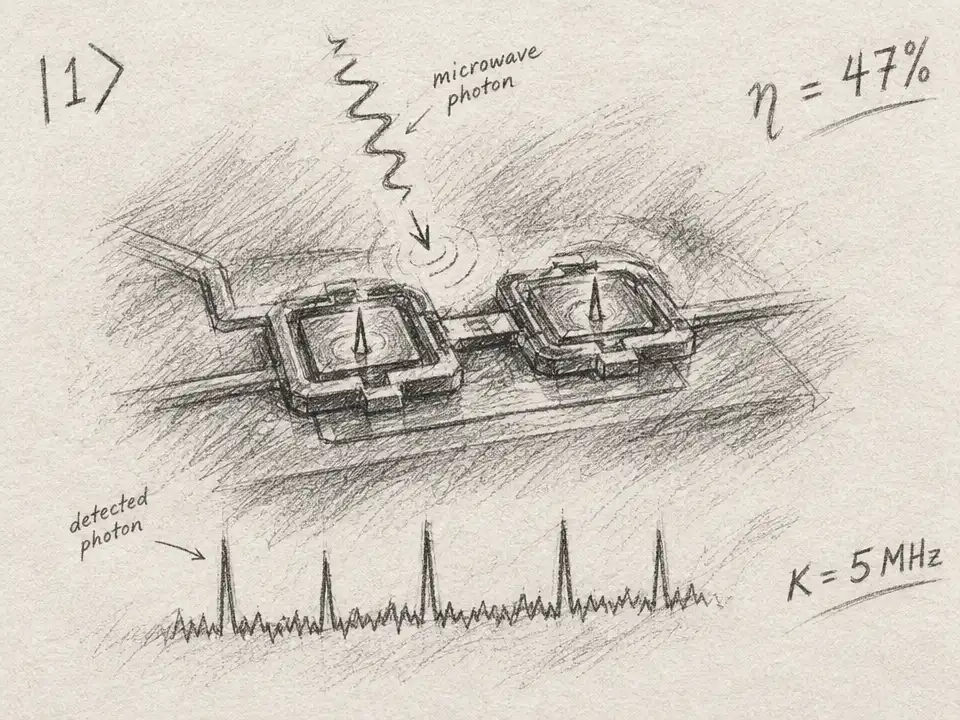
Two coupled transmons turn microwave photons into trackable quantum jumps, demonstrating always-on detection—and revealing its limits.
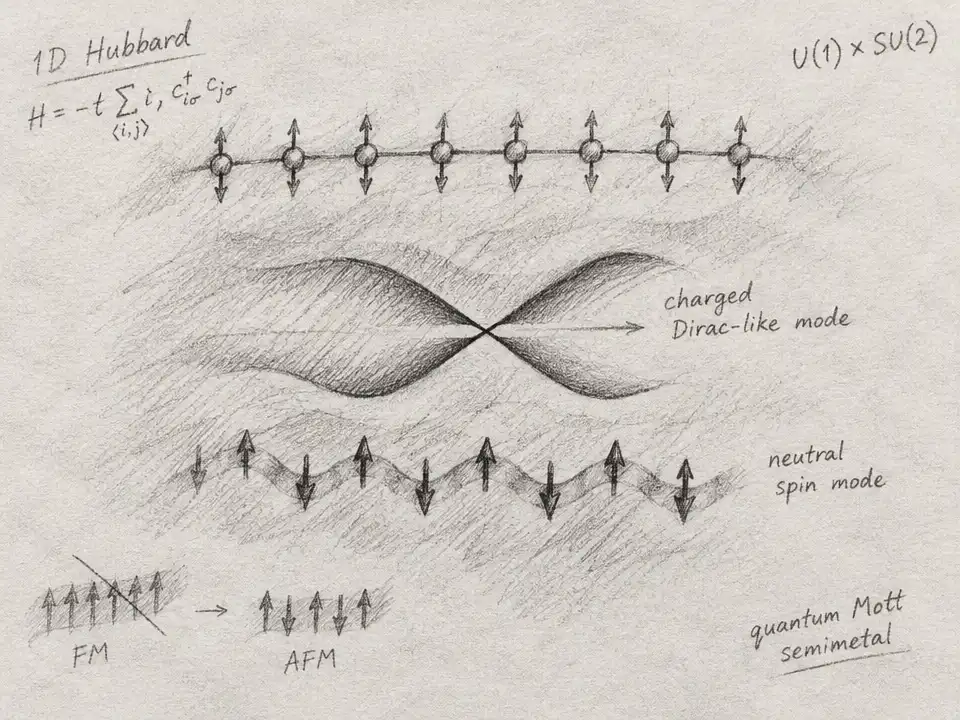
A one-dimensional quantum model hides a charged Dirac mode beside neutral local moments, revealing how interactions split one electronic world in two.
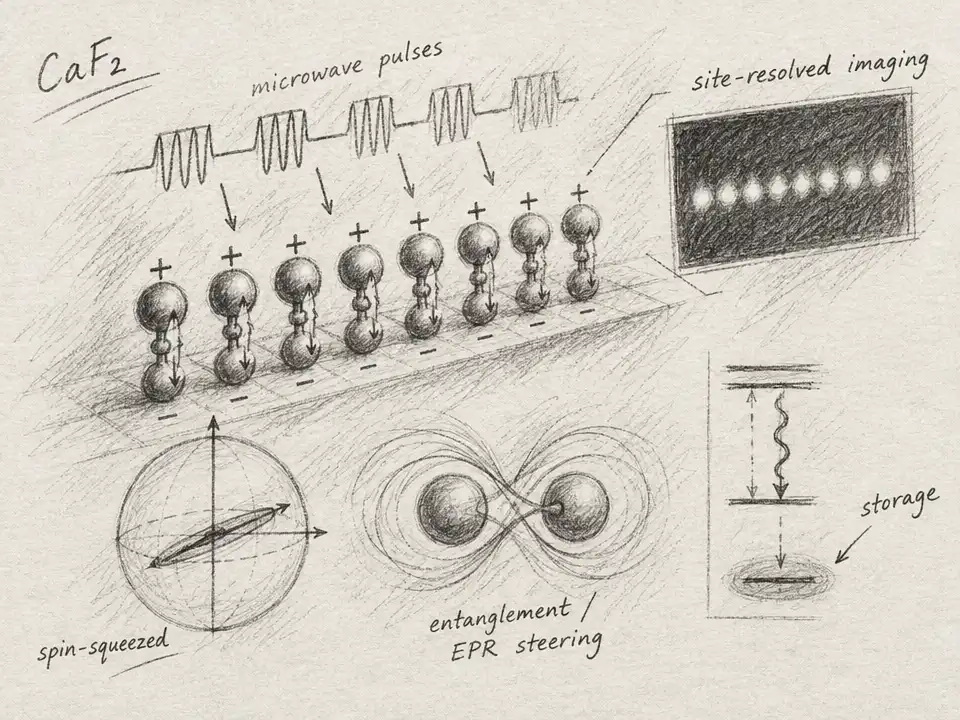
Eight trapped CaF molecules form a spin-squeezed state, revealing a new route to quantum-enhanced sensing and long-lived storage.
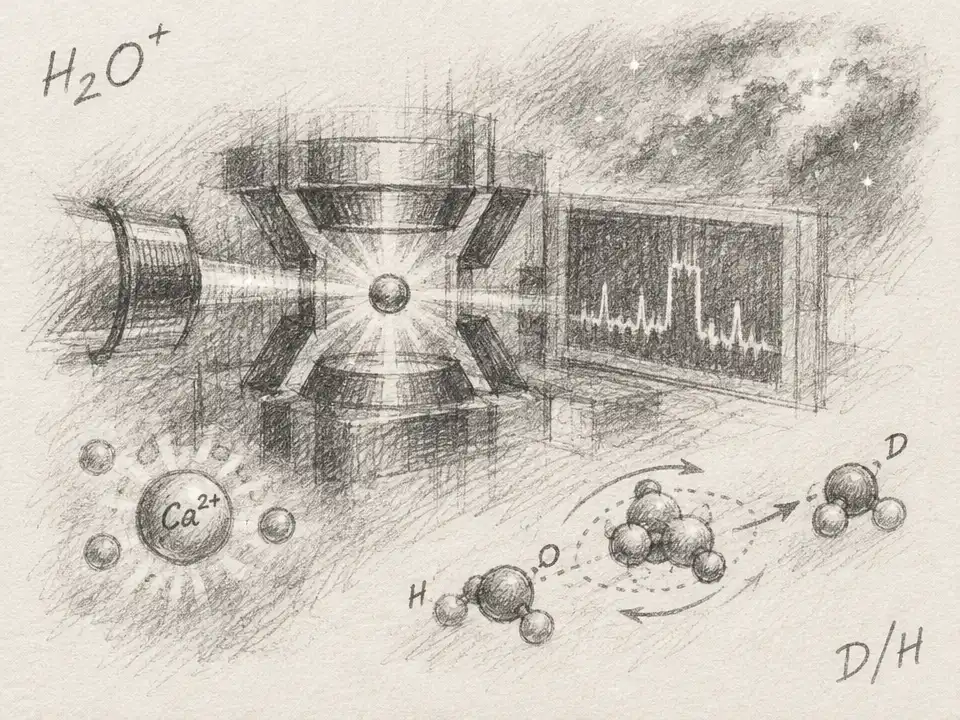
A cryogenic ion-trap experiment tracks 441 water-ion reactions at 7 K, revealing a preference for hydrogen transfer in cold chemistry.
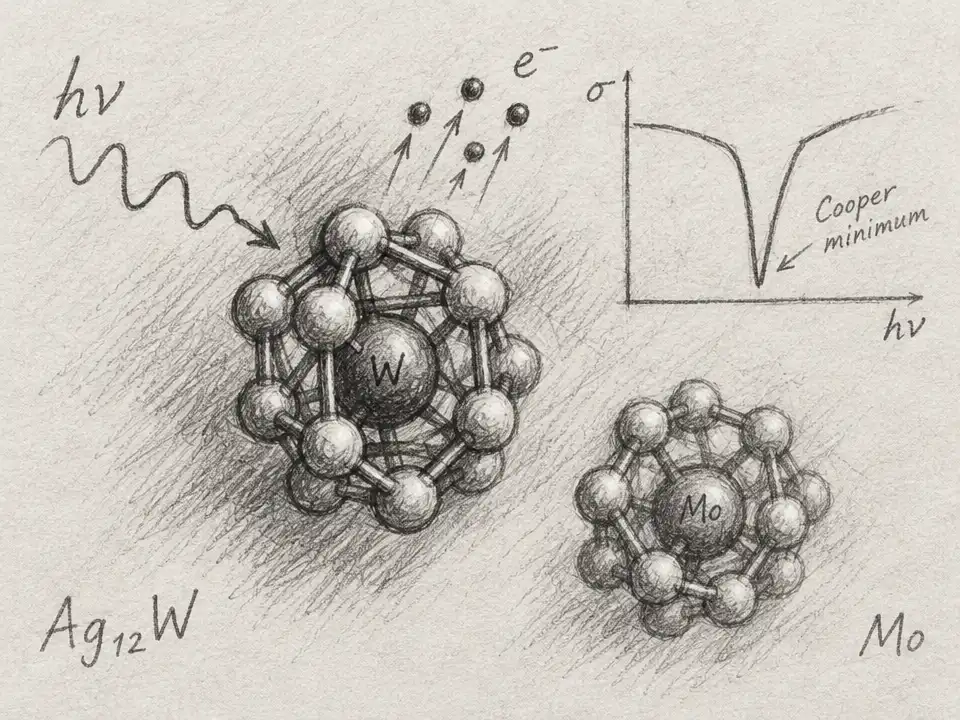
A cage of silver atoms helped researchers reveal a quantum surprise: at one photon energy, an engineered nanocluster almost stopped ejecting electrons.
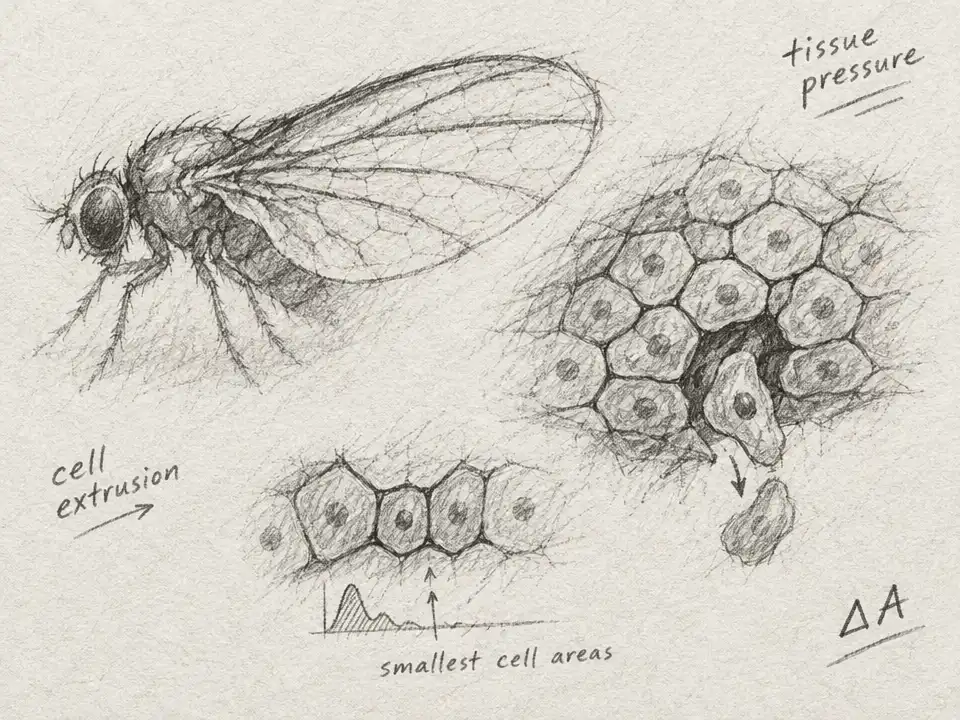
A physics model of yielding solids may explain how pressure squeezes cells from a growing fruit-fly wing—and leaves a measurable pattern.
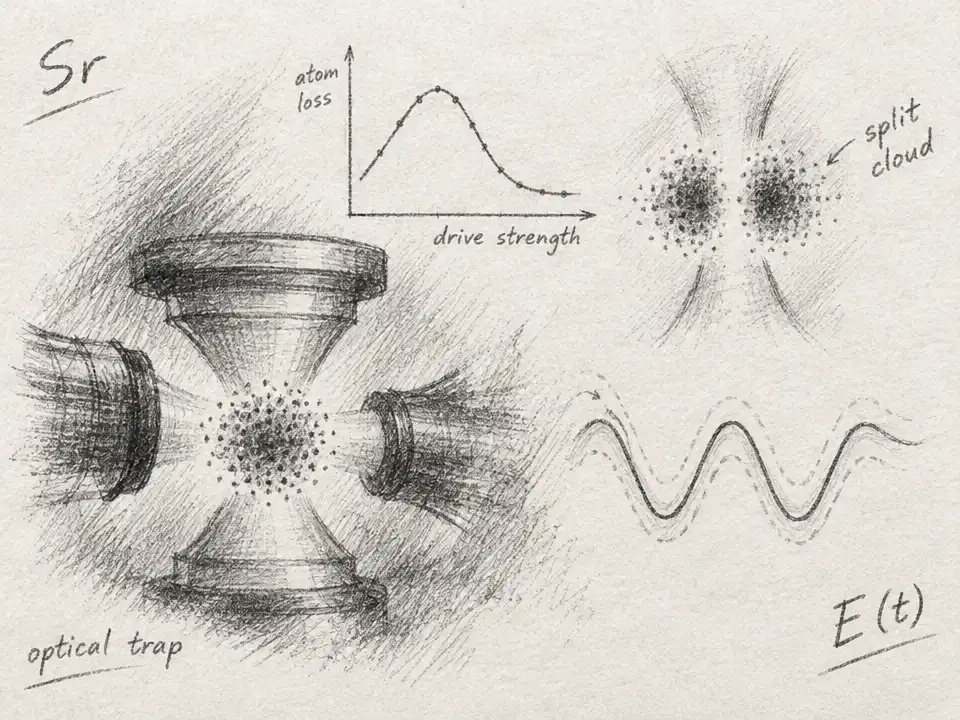
A strontium-atom experiment reveals a quantum surprise: beyond a threshold, stronger oscillating forces can reduce escape and split a trapped wave.
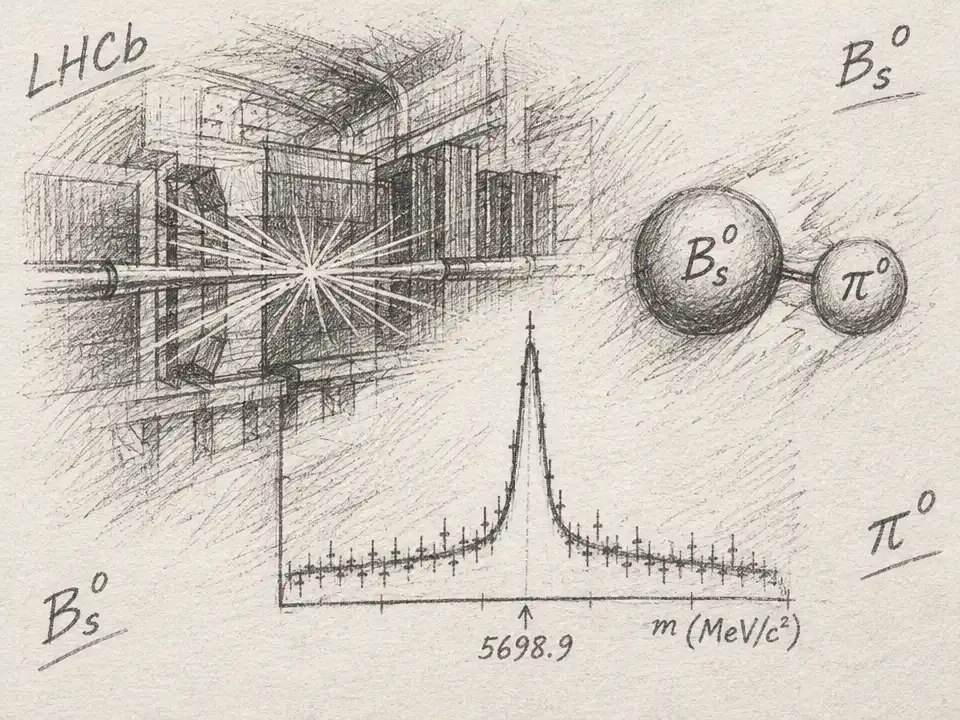
LHCb finds a narrow beauty-strange hadron below conventional mass predictions, reviving questions about how quarks bind.
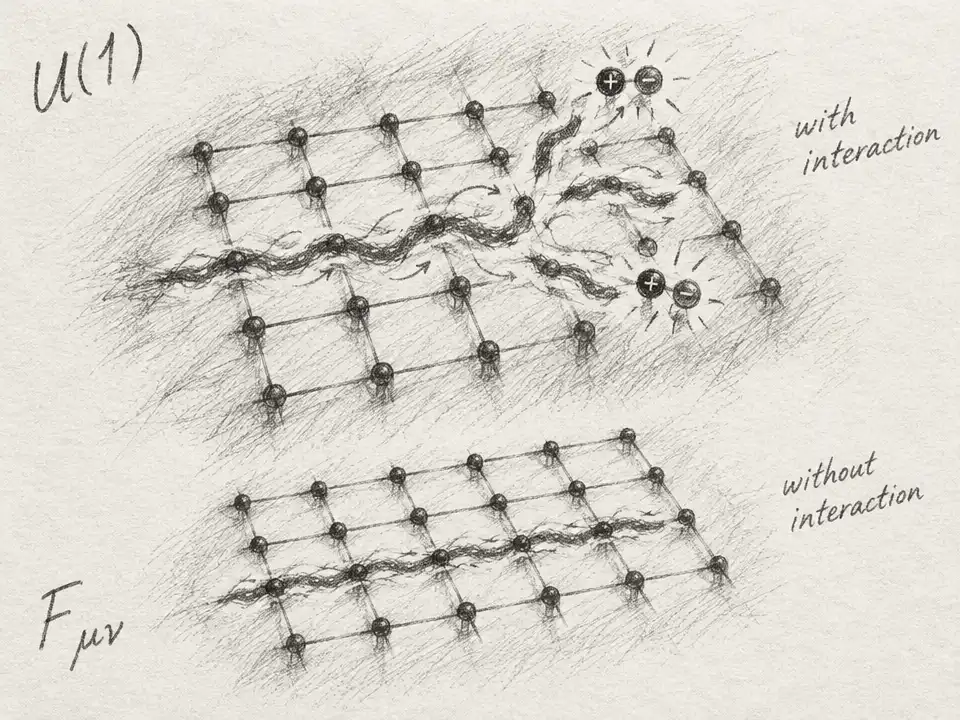
A trapped-ion quantum simulation reveals why a square lattice can behave like a line—and how one interaction lets electric strings break and spread.
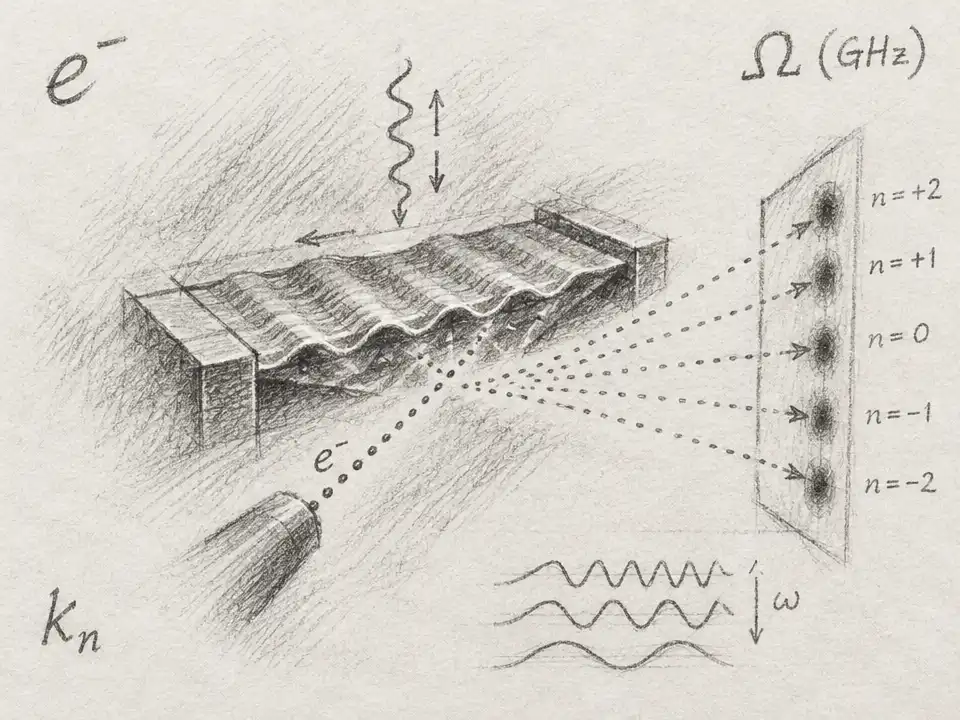
A theoretical design uses a vibrating membrane to steer electron recoil and probe mechanical modes that ordinary optical measurements can miss.
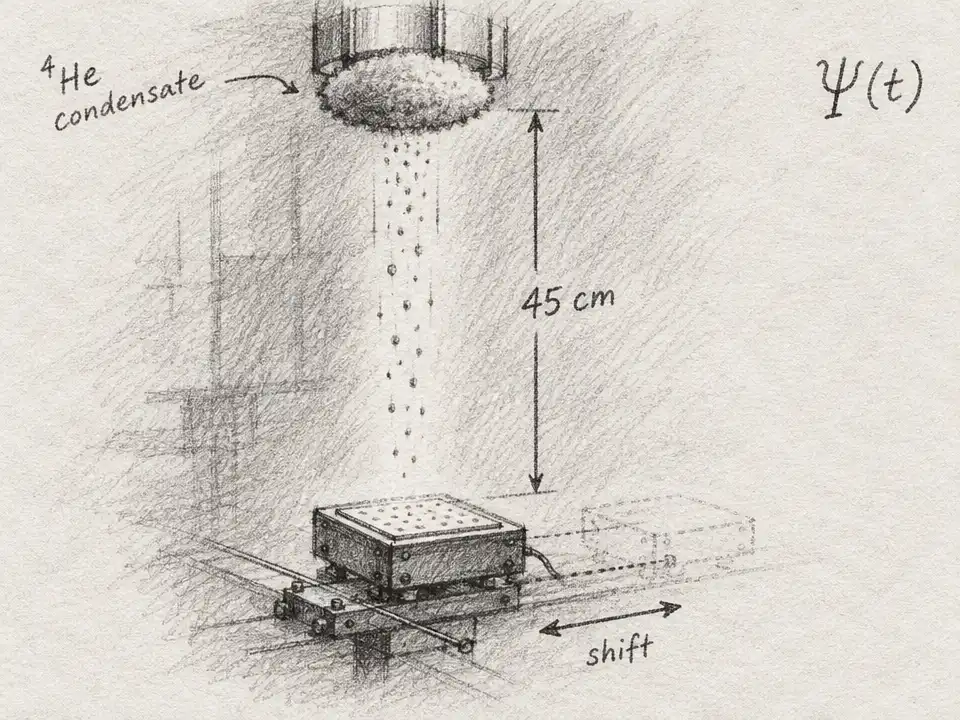
A proposed falling-atom experiment uses a movable detector to distinguish competing quantum predictions for particle arrival times.