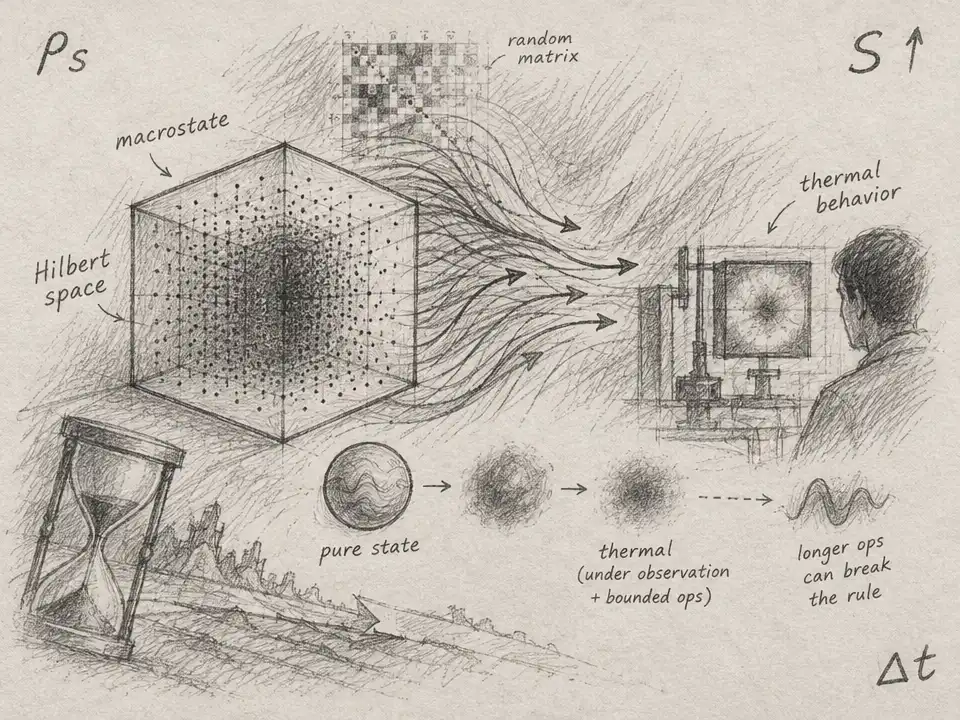
The Hidden Size of a Quantum World May Explain Entropy’s Arrow
Two quantum studies explore how entropy’s arrow can emerge from vast macrostates, pure states, and limits on what counts as a physical operation.
Two quantum studies explore how entropy’s arrow can emerge from vast macrostates, pure states, and limits on what counts as a physical operation.
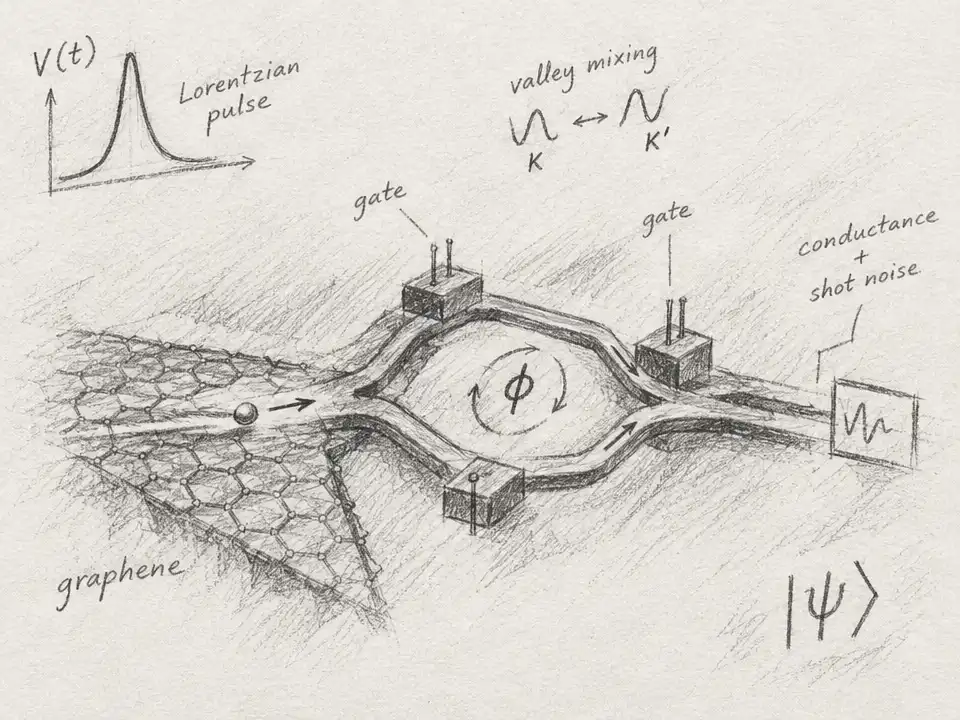
A carefully shaped voltage pulse launches a clean electron through graphene, where gates and magnetic flux steer its quantum state.
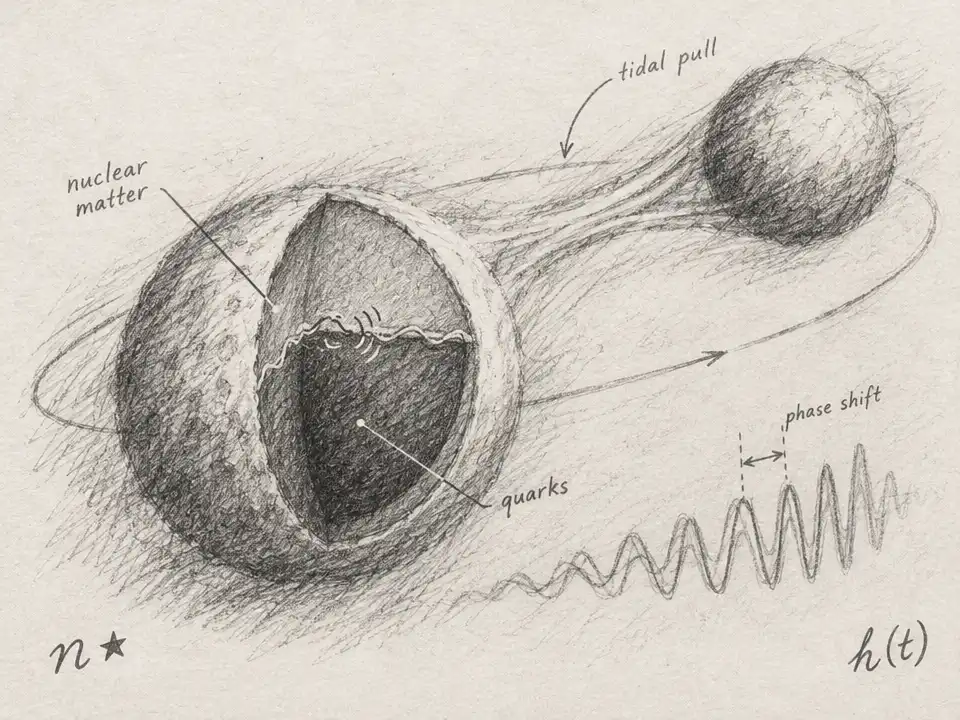
A neutron star’s hidden core may reveal itself through a vibration that nudges its orbit and leaves a subtle gravitational-wave clue.
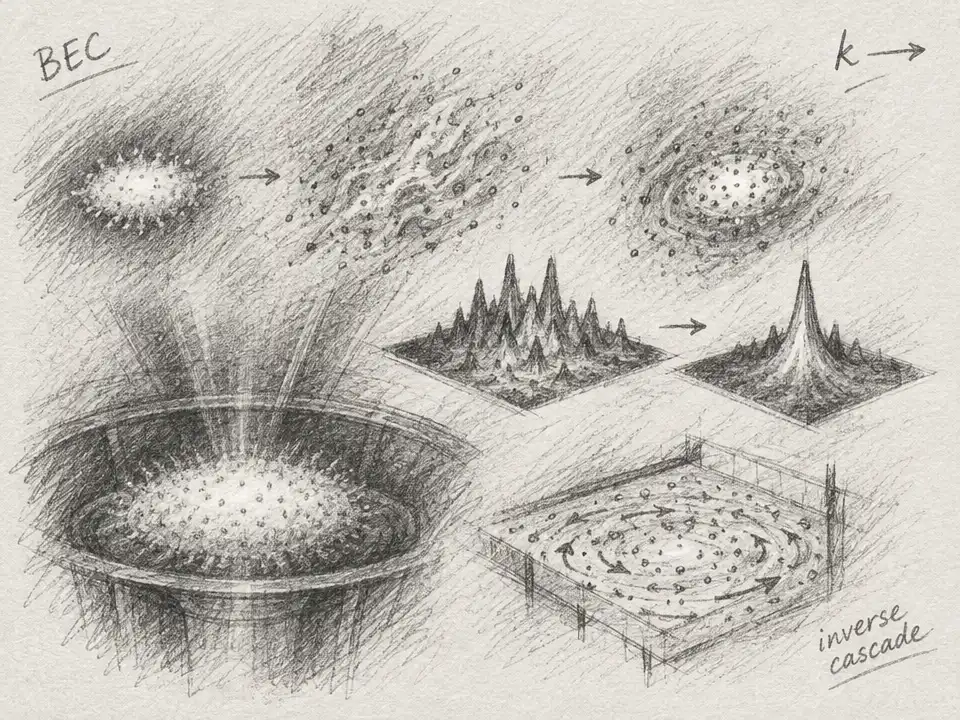
After turbulence depleted a rubidium condensate, researchers watched low-momentum modes refill—and found a related inverse cascade in another quantum gas.
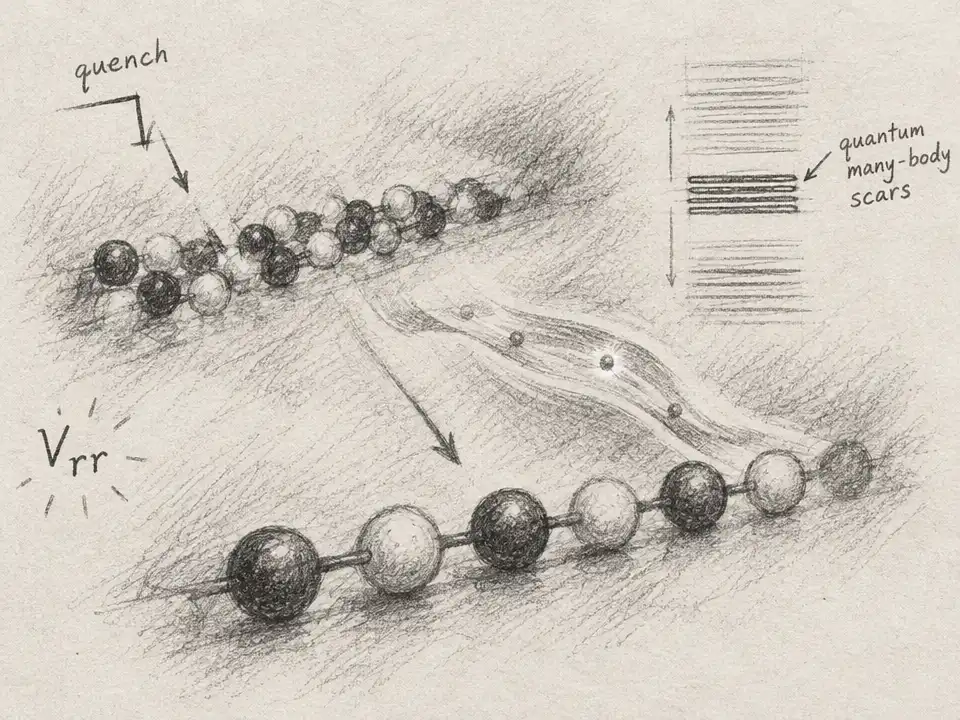
A laser-controlled atom chain repeatedly rebuilt its crystal pattern, revealing rare quantum states that resist the usual rush toward thermalization.
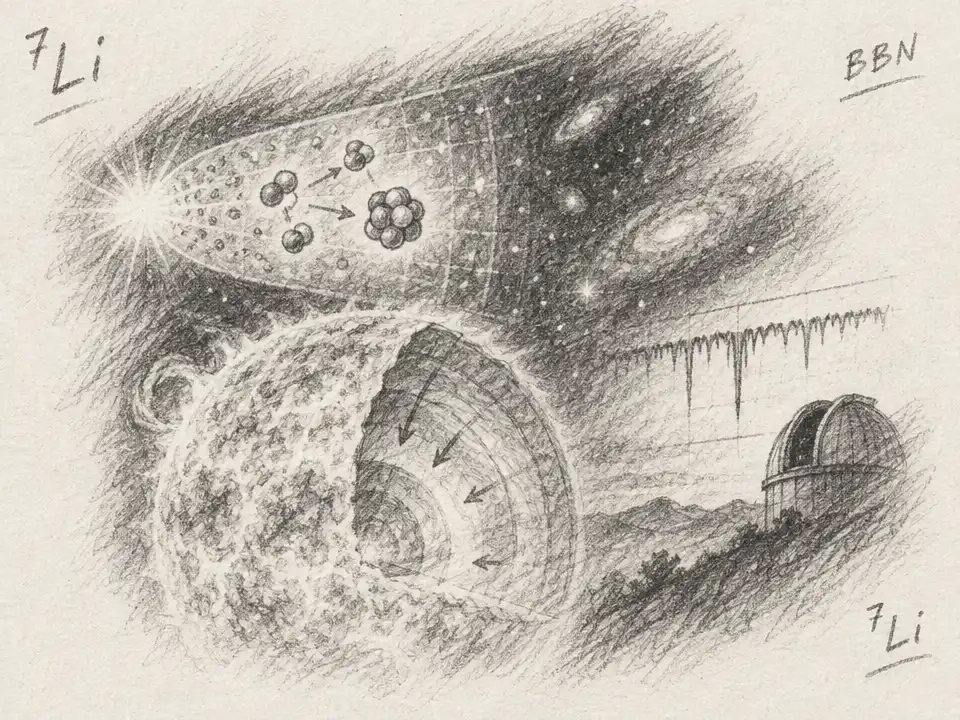
Ancient stars contain less lithium than the Big Bang predicts. Stellar mixing, nuclear reactions and new cosmologies offer competing clues.
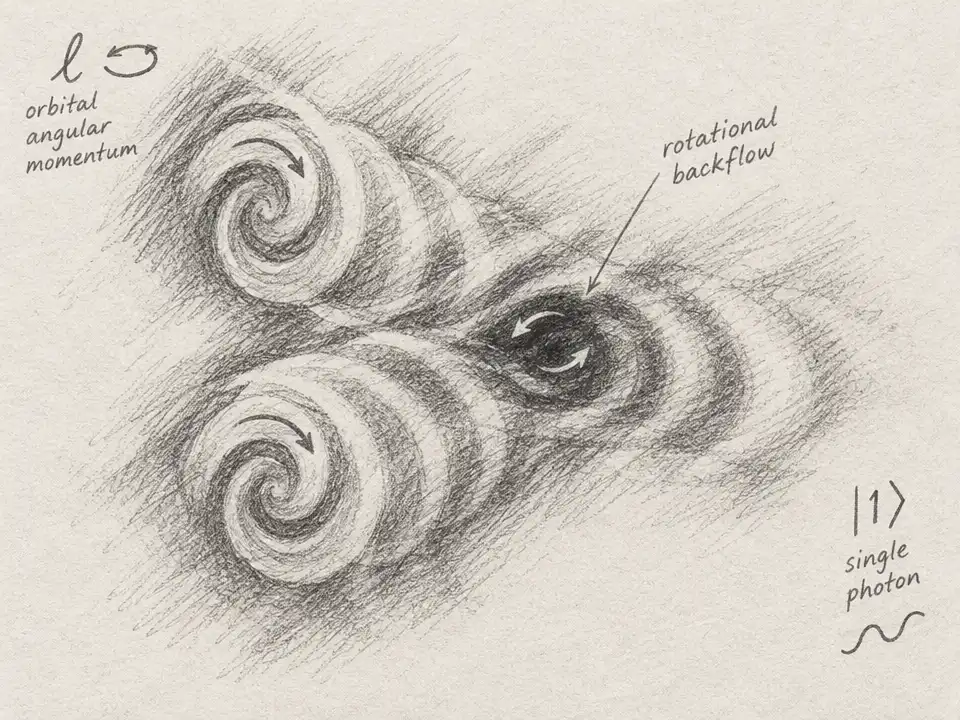
A heralded single-photon experiment reveals how interference can reverse light’s local orbital flow in dim regions of a beam.
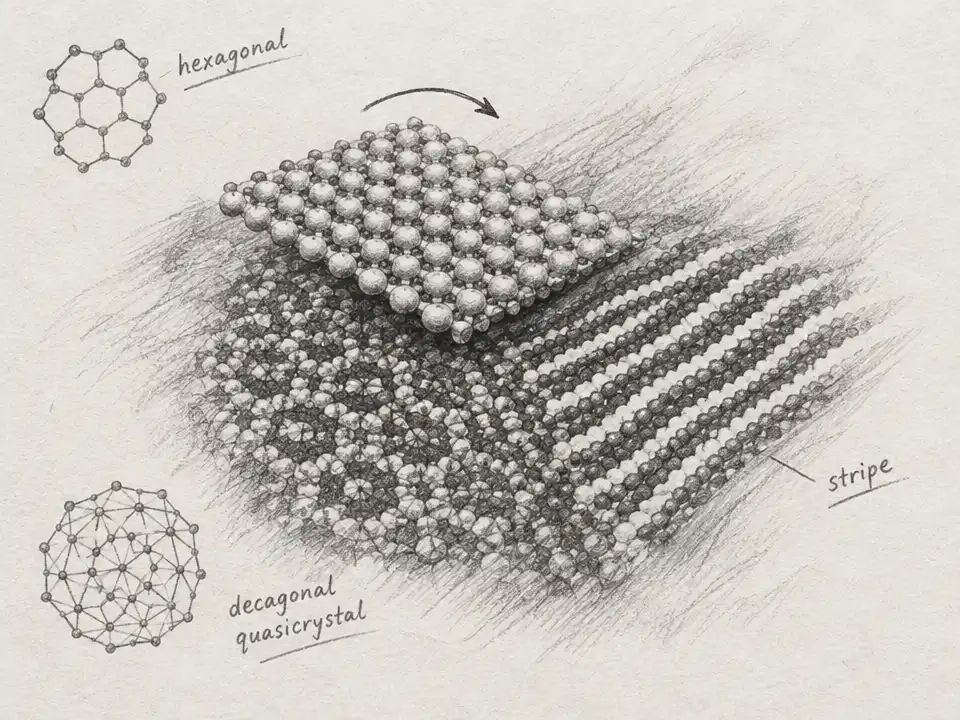
A hexagonal colloid layer twists on a decagonal quasicrystal, creating stripe-like distortions that could make friction direction-dependent.
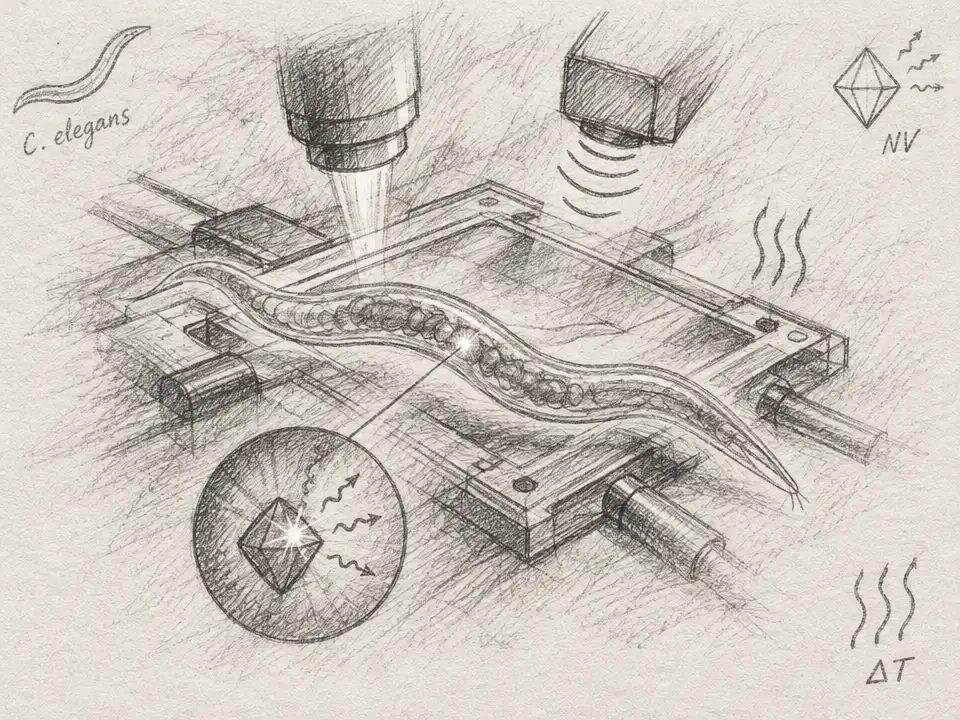
A quantum biosensing chip records a nanodiamond’s signal inside a living worm while researchers test how to limit microwave stress.
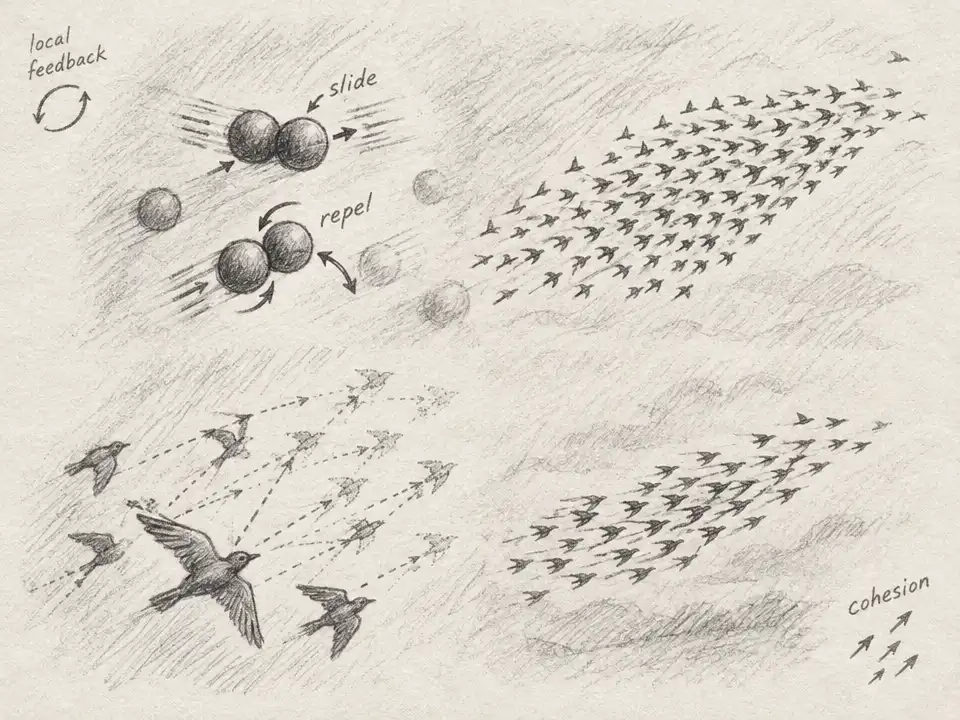
Two computer models reveal how chemical turning or anticipation might keep a flock cohesive without a simple attractive pull.
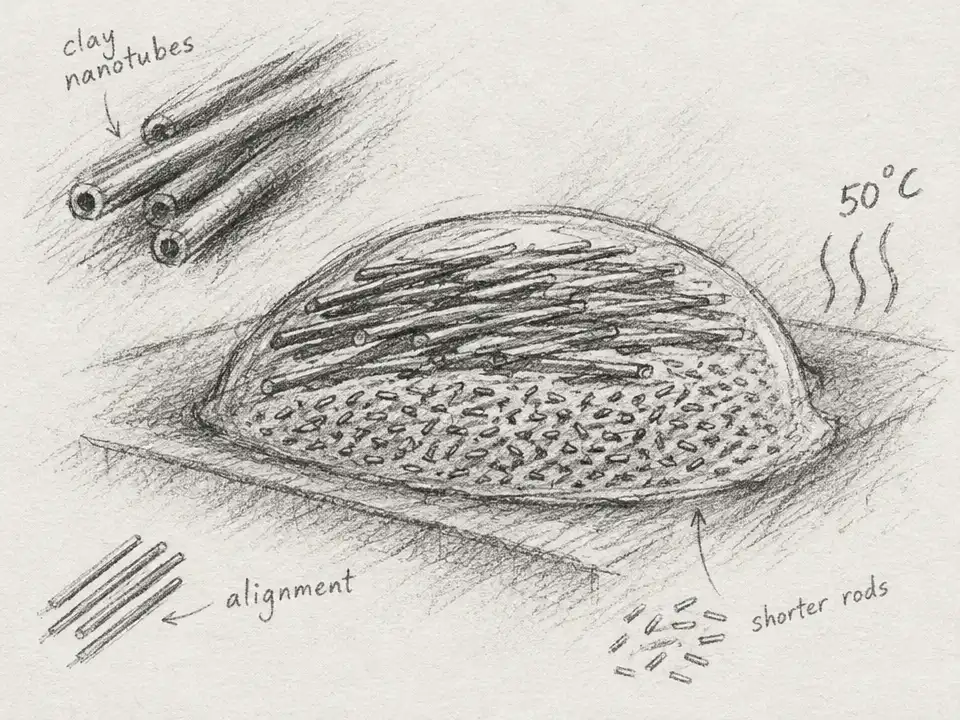
A heated droplet sorted polydisperse clay nanotubes into layers, revealing a route to aligned coatings—and a fluid-physics mystery.