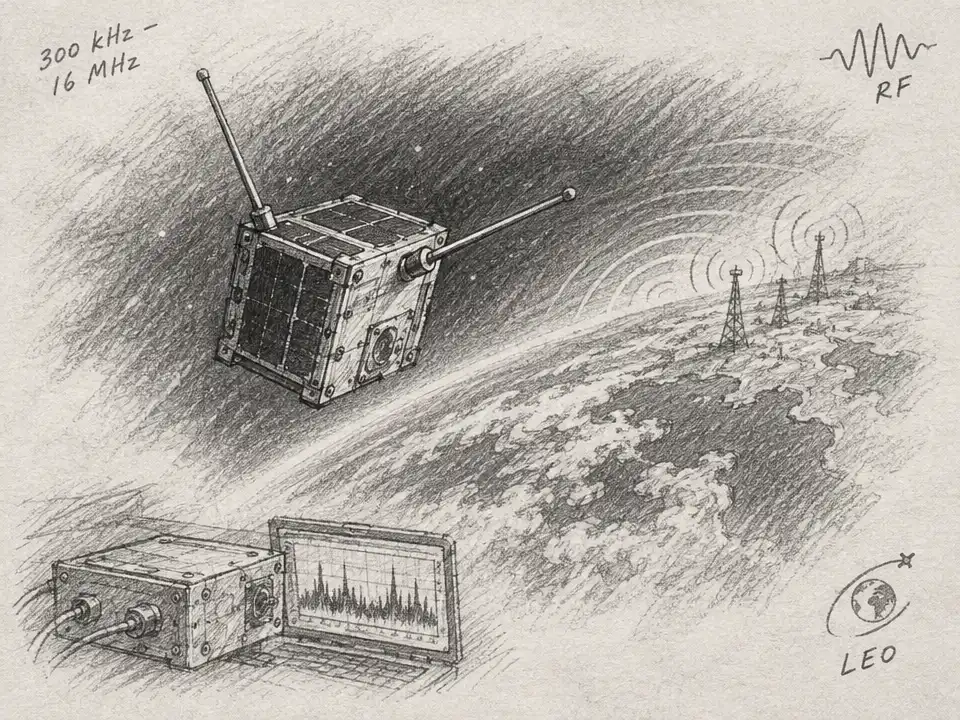
The First Step Toward a Radio Telescope Is Mapping Earth’s Noise
A small satellite payload aims to map Earth’s radio leakage from orbit, clearing a path toward astronomy below the ionosphere’s cutoff.
A small satellite payload aims to map Earth’s radio leakage from orbit, clearing a path toward astronomy below the ionosphere’s cutoff.
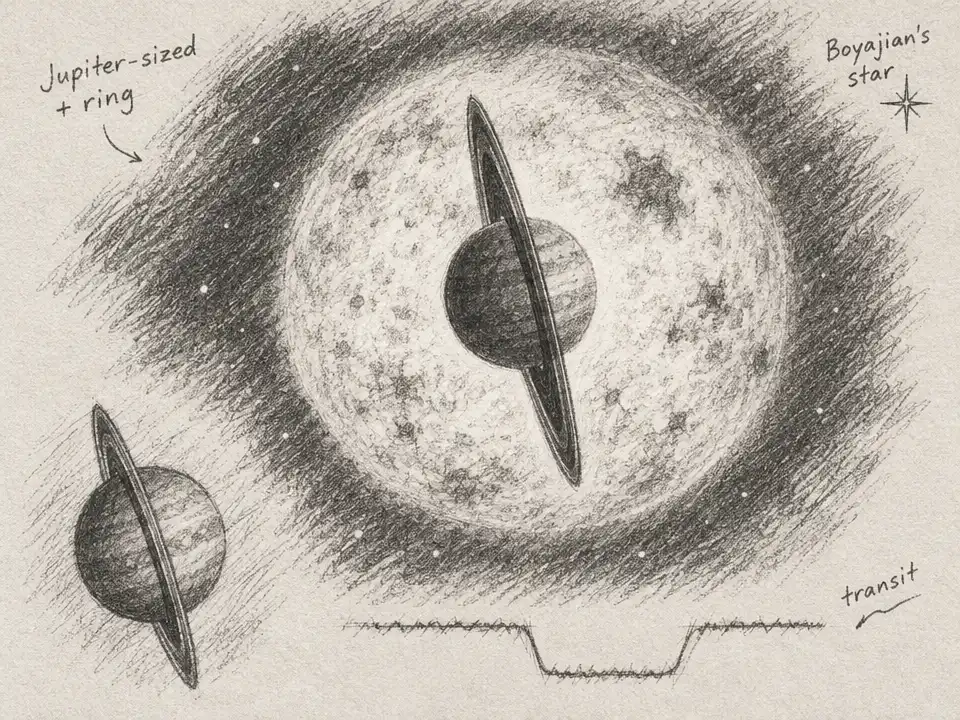
A Jupiter-sized planet may look oversized because a nearly polar ring blocks extra starlight—but one transit leaves the mystery unresolved.
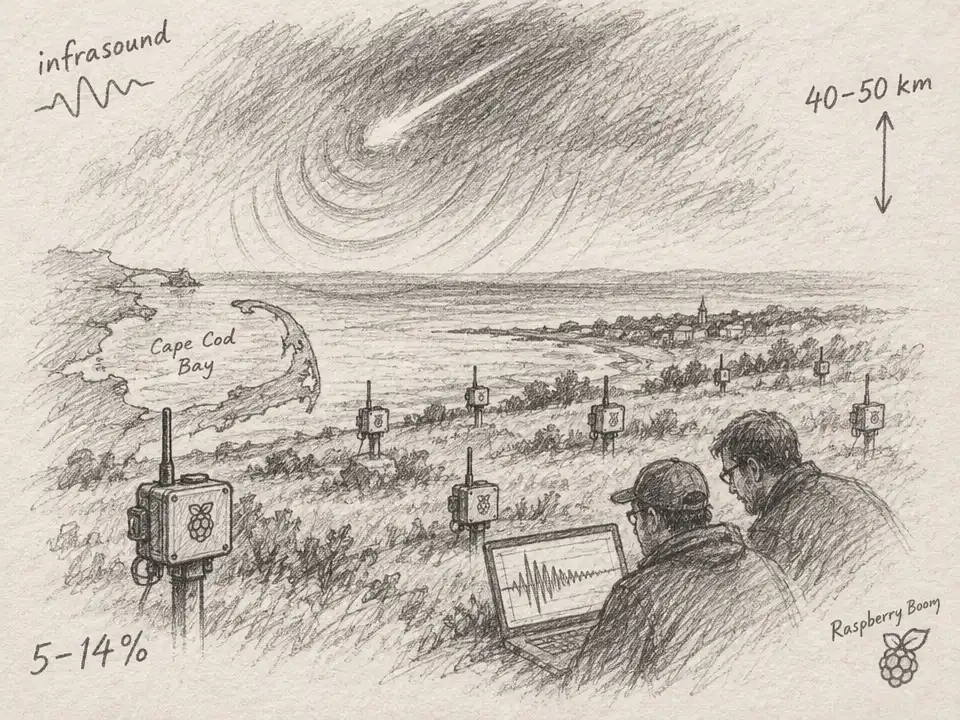
Seven hobbyist and university sensors caught a meteor’s inaudible shock wave, revealing a new way to investigate fireballs after they vanish.
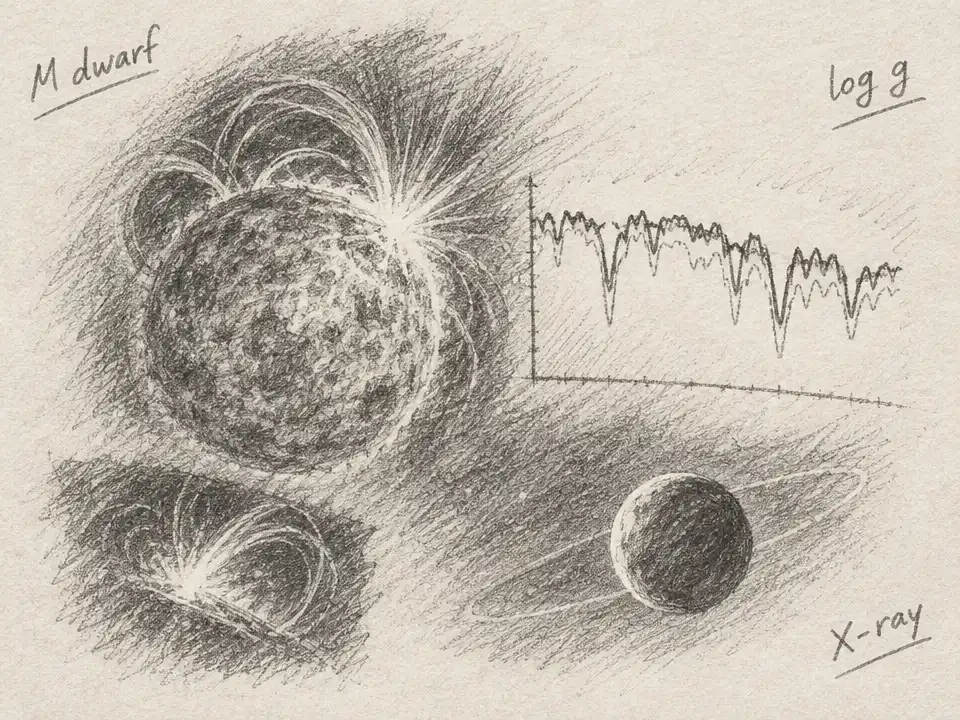
A study of 23 late-M dwarfs links stronger magnetic activity to spectra that mimic low gravity, complicating stellar and planet readings.
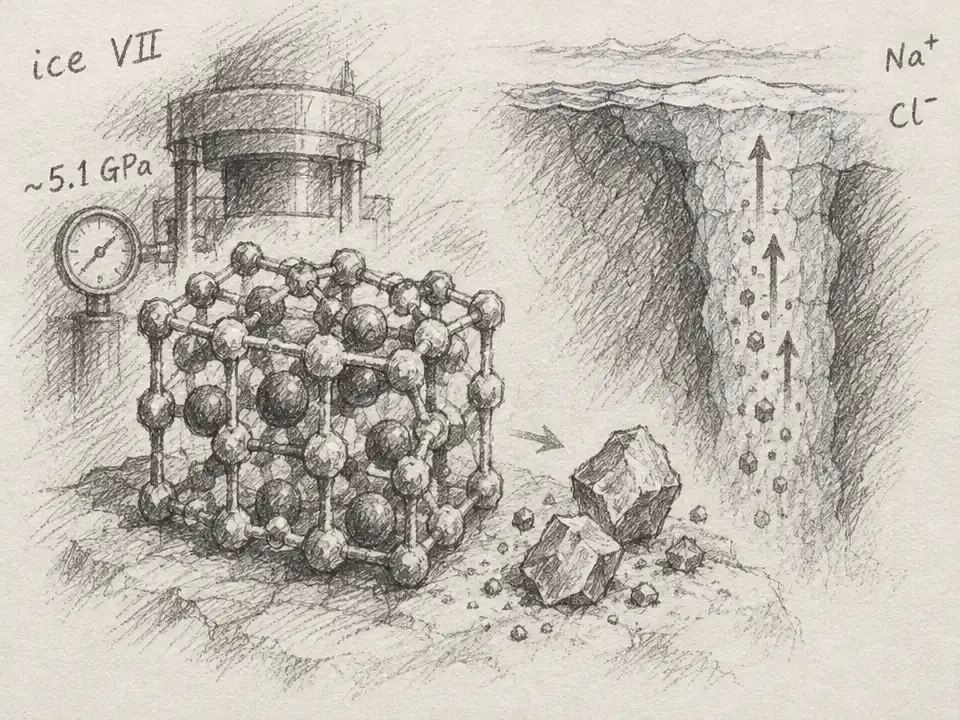
A lab-made form of salty ice VII may carry salt through ocean-world mantles, then shed it near a hidden pressure boundary.
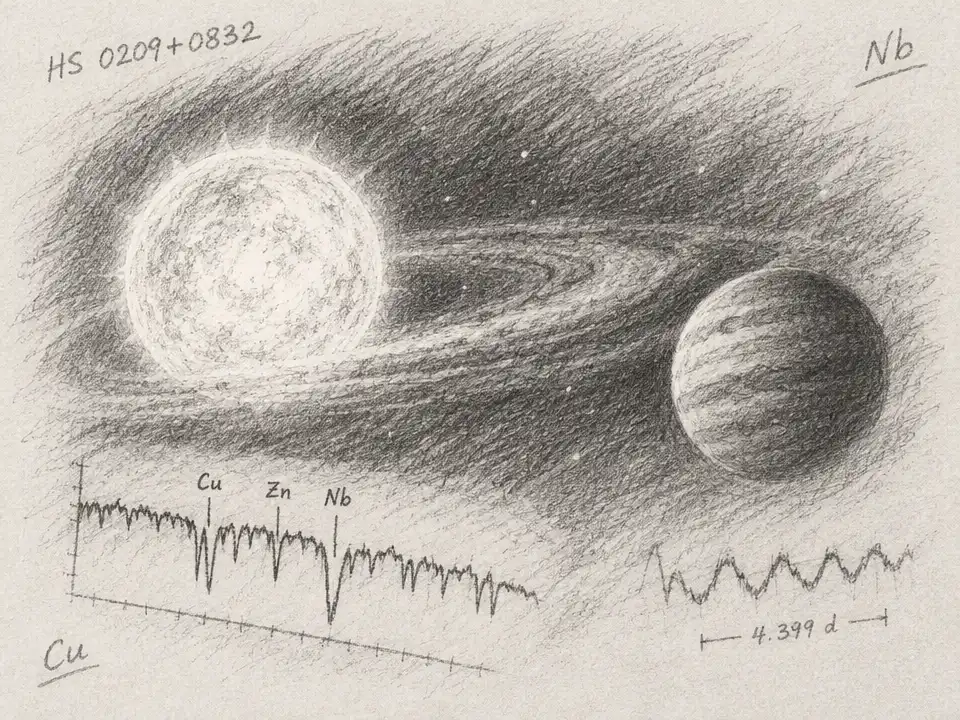
A white dwarf’s unusual metals may trace gas from a giant planet formed from material its star shed before becoming a stellar remnant.
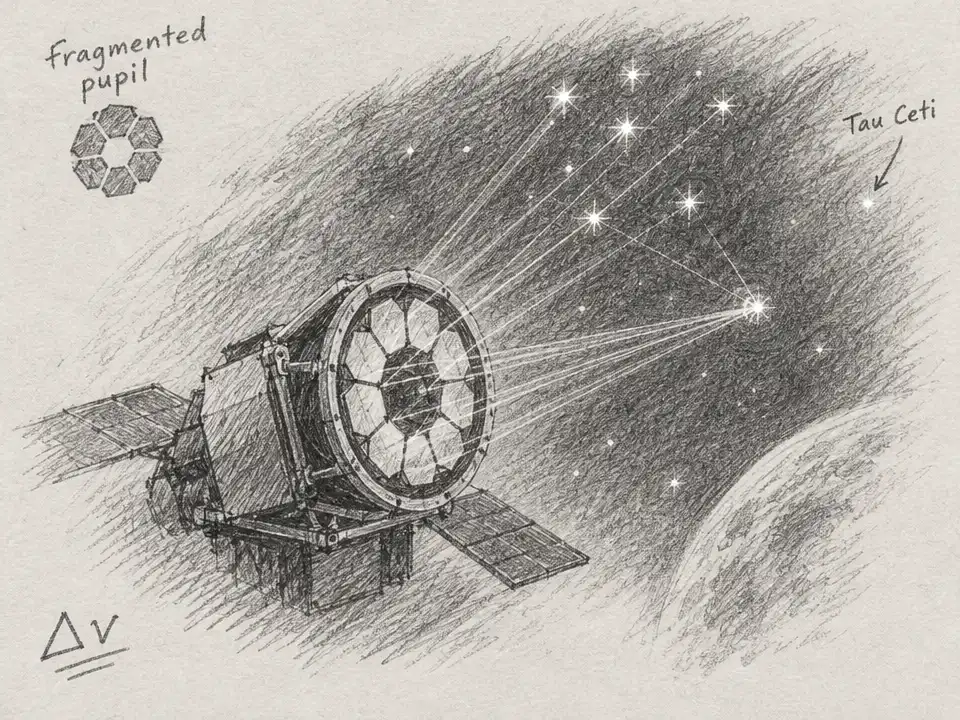
A custom mirror could bring distant reference stars beside Tau Ceti, helping small spacecraft measure the faint wobbles planets cause.
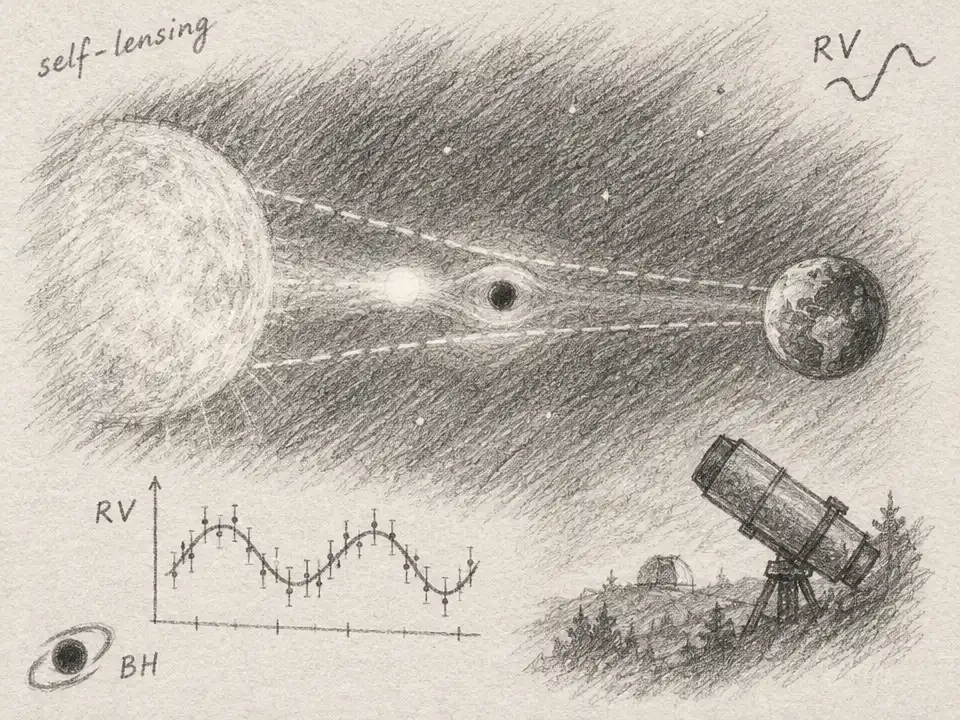
A brief gravitational brightening could expose a quiet stellar remnant, but confirming it may take years of targeted observations.
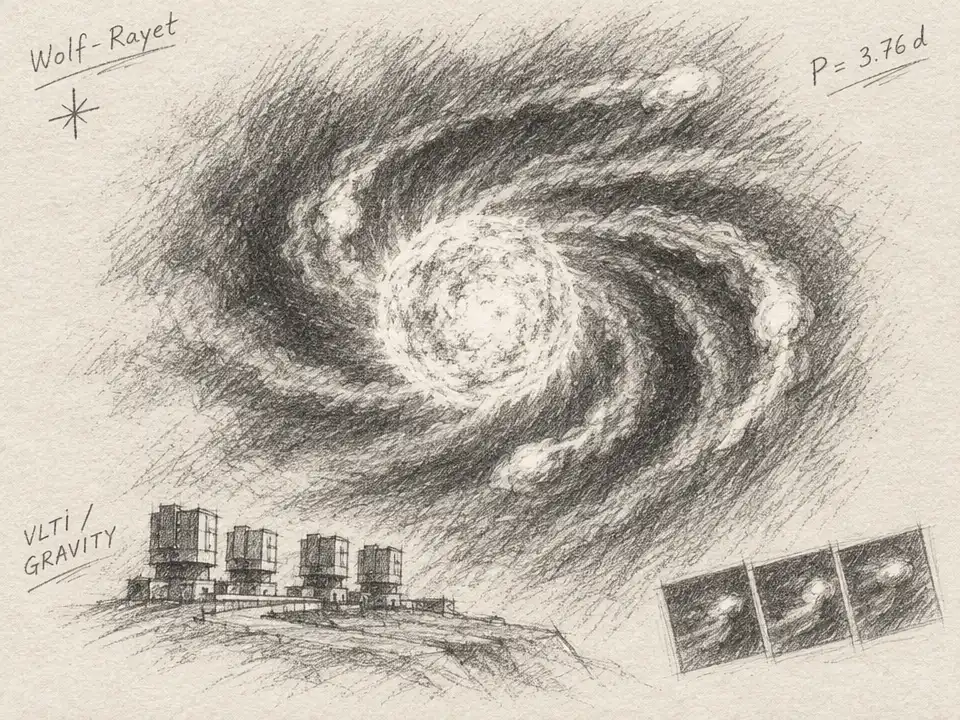
A star’s 3.76-day flicker may come not from a companion, but from shifting structures traced in its powerful, fast-moving wind.
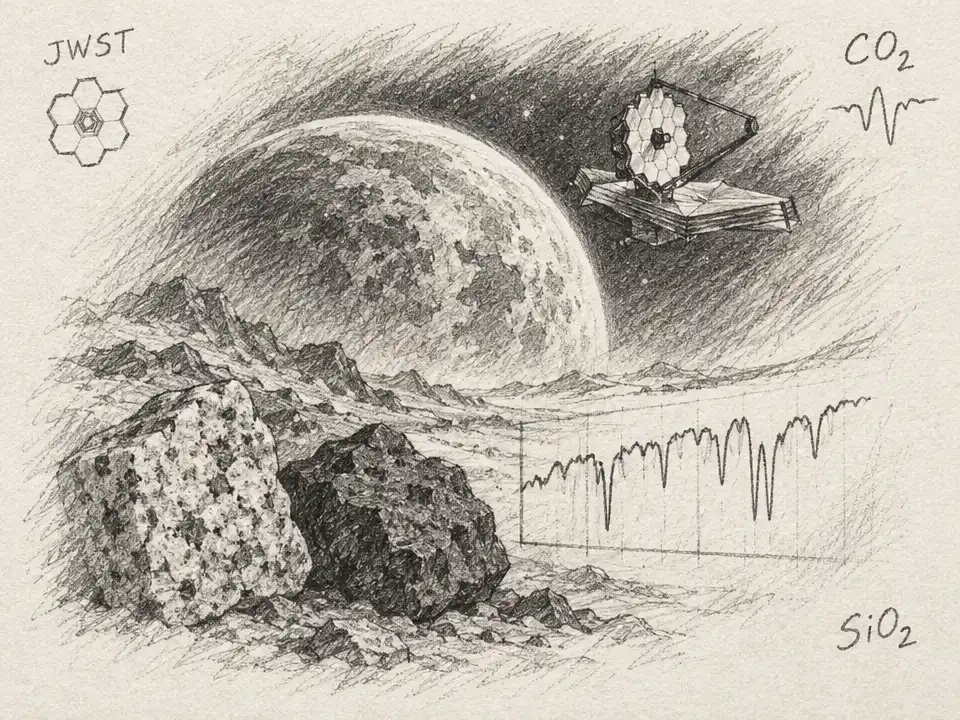
Laboratory rock spectra may help JWST separate alien geology from atmosphere, opening a cautious new route to exoplanet surface science.
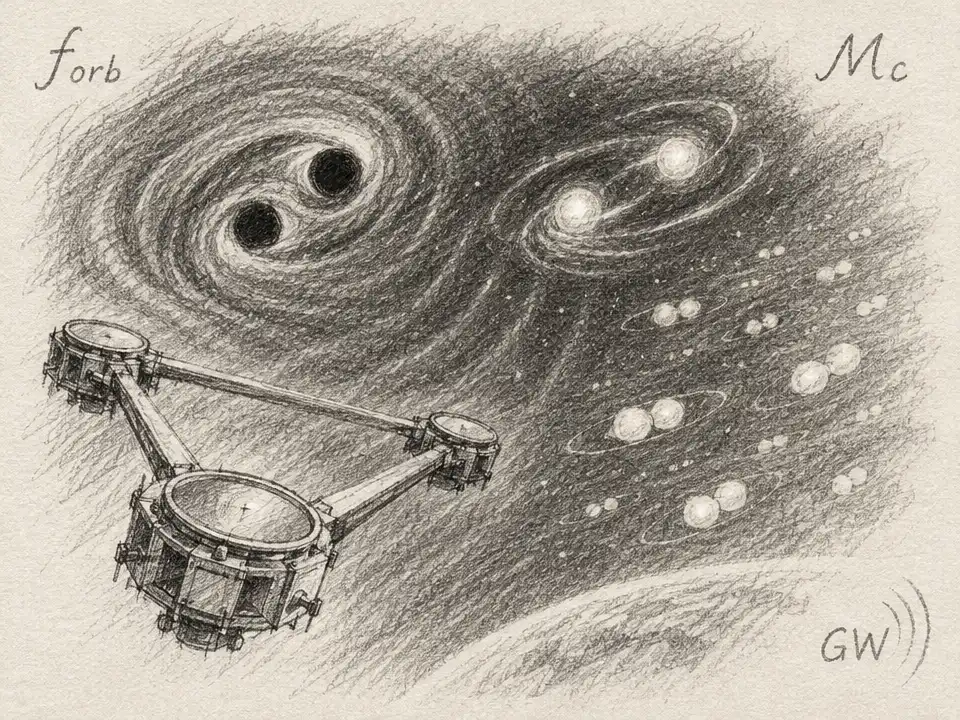
A future space detector could separate hidden black-hole binaries from a white-dwarf chorus by combining orbital frequency and chirp clues.
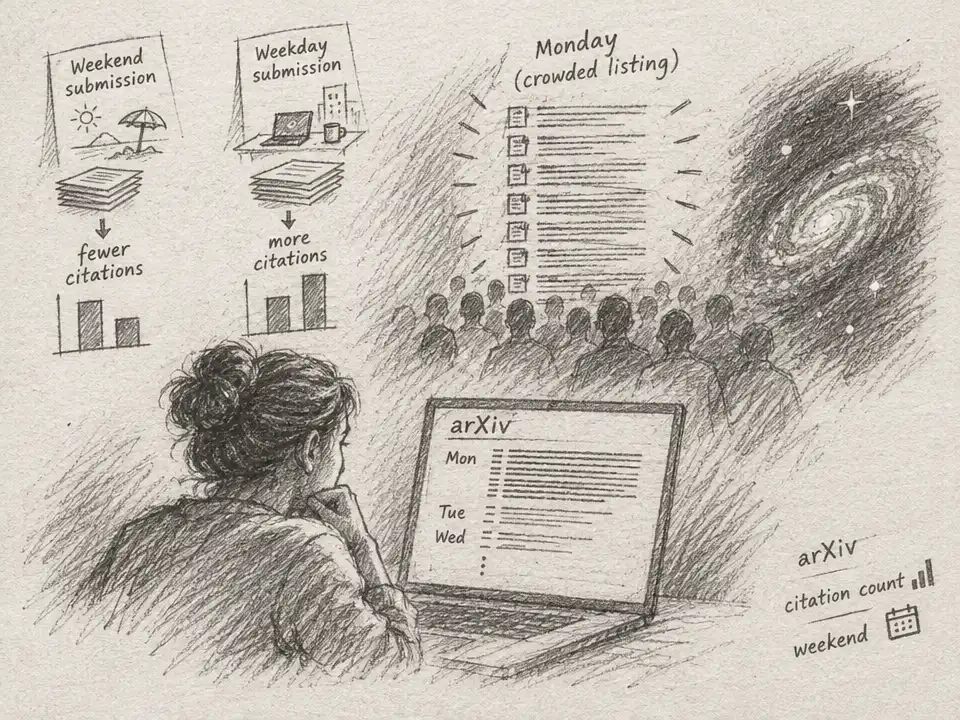
A study of 37,173 astronomy papers finds weekend submissions draw fewer citations, but crowded listings and author differences remain competing clues.
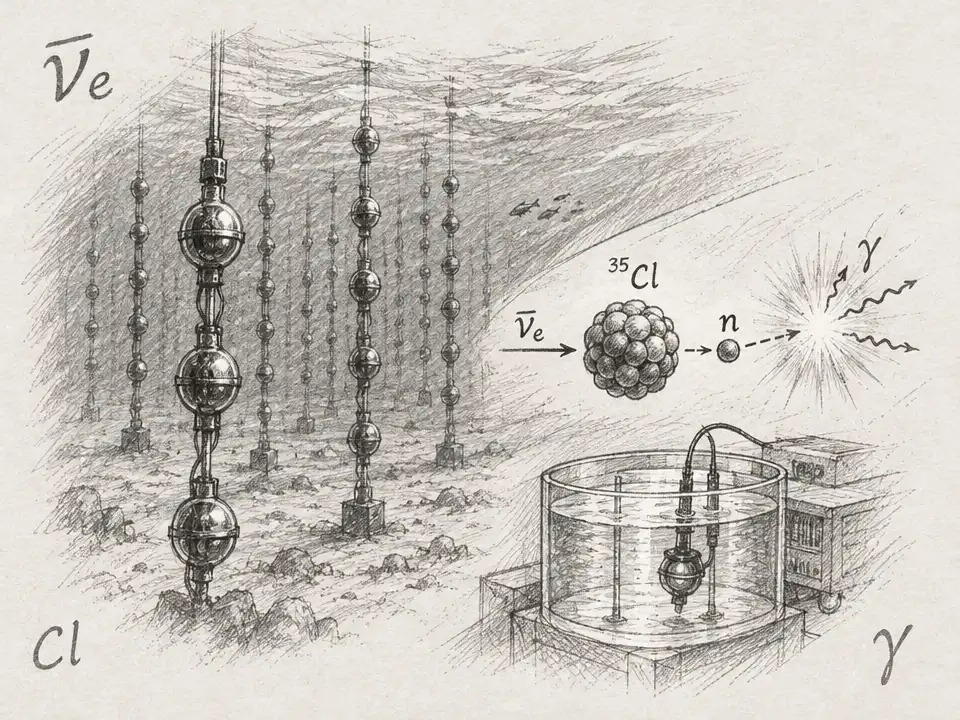
Chlorine dissolved in seawater may help deep-sea neutrino telescopes spot supernova antineutrinos, doubling their modeled discovery reach.
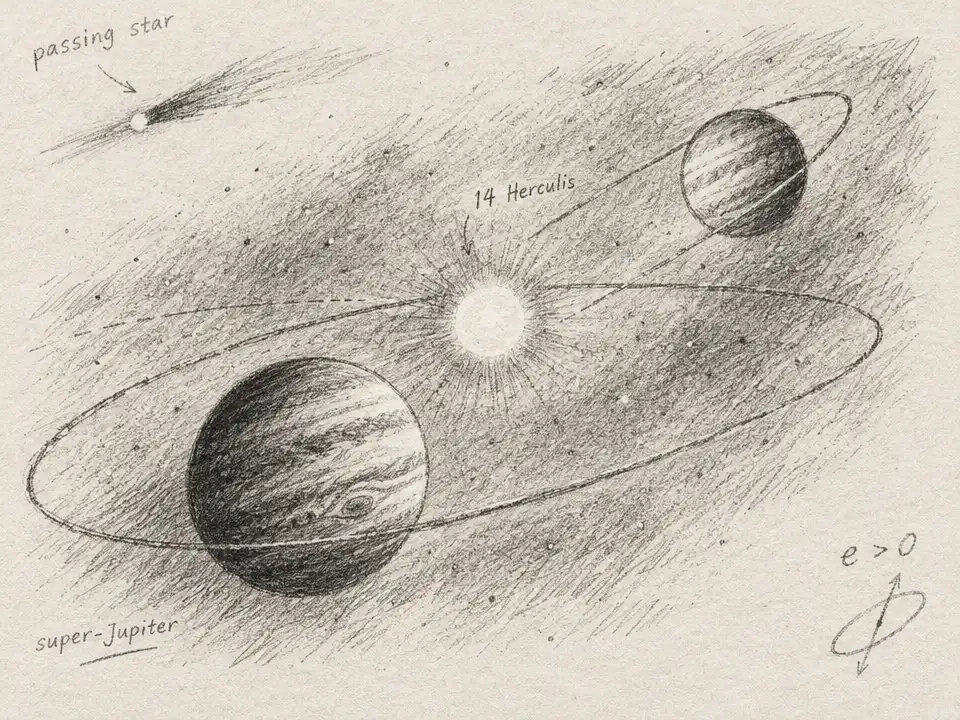
Two tilted giant planets orbit 14 Herculis strangely. Simulations suggest a third, massive world may have been flung into interstellar space.
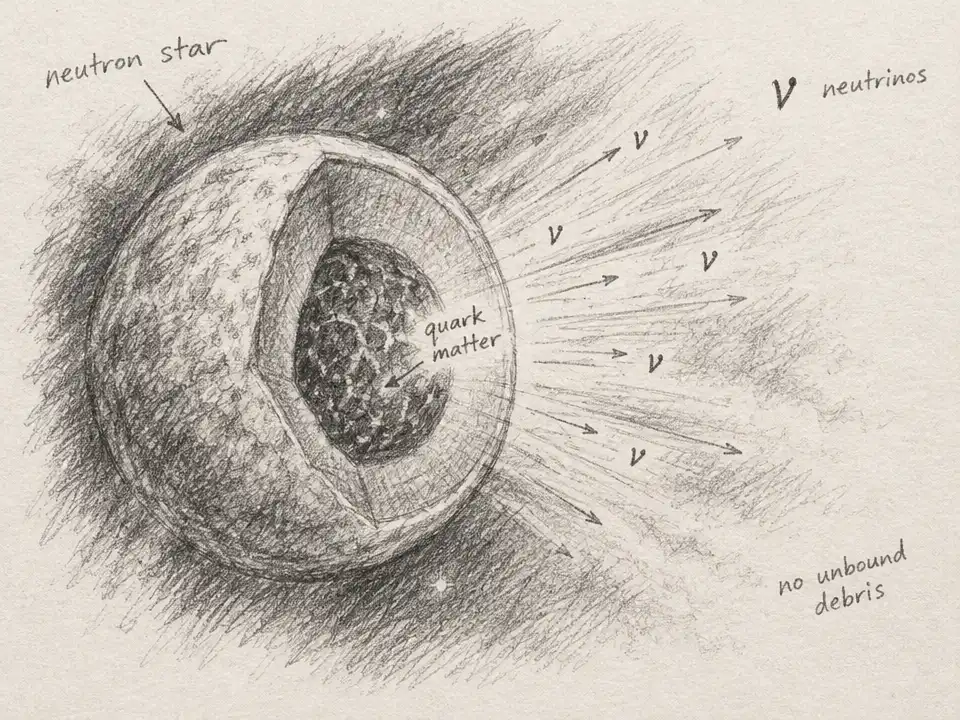
A neutron-star simulation found that a shift toward quark matter can unleash intense neutrino emission without ejecting debris.
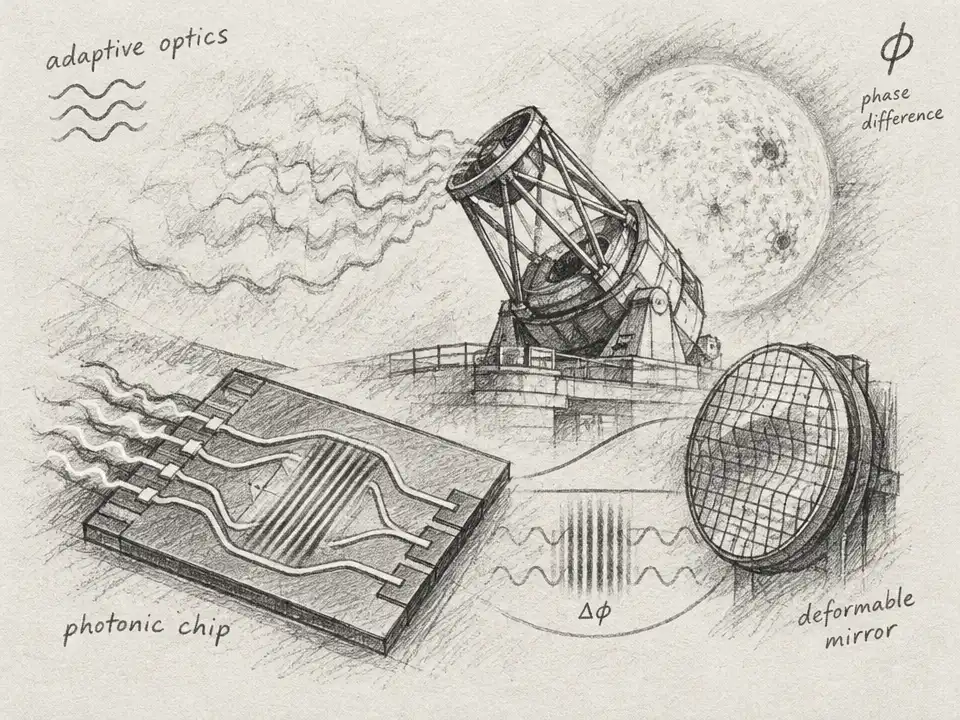
A proposed photonic chip could measure atmospheric distortion by comparing light waves directly, offering a new route to sharper solar images.
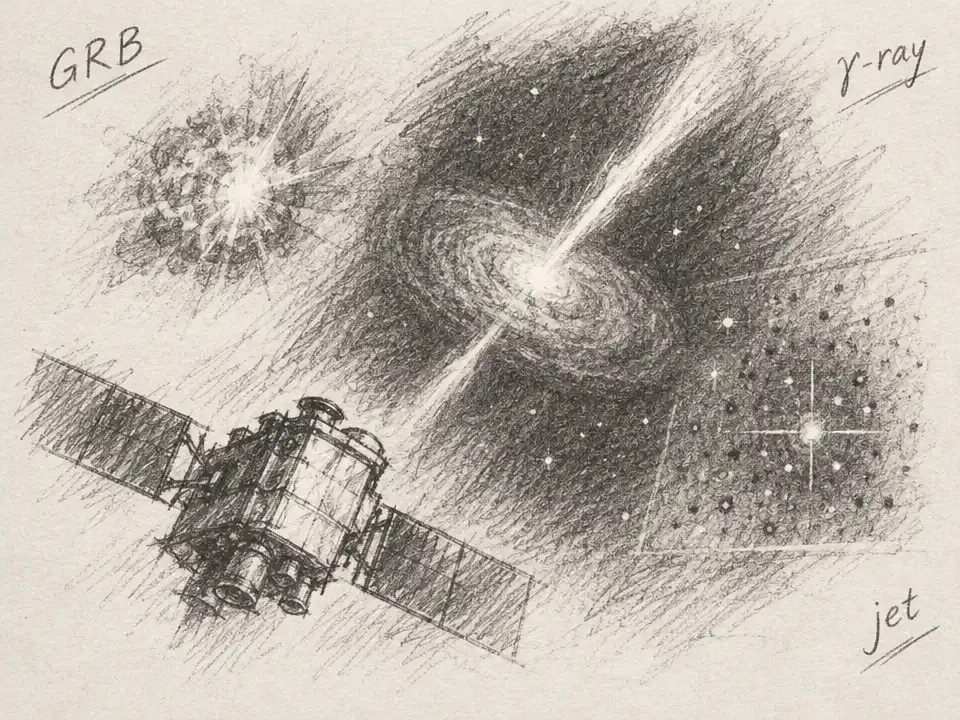
Einstein Probe found that most fast X-ray transients lack gamma-ray detections, hinting at a softer, less familiar population of cosmic blasts.
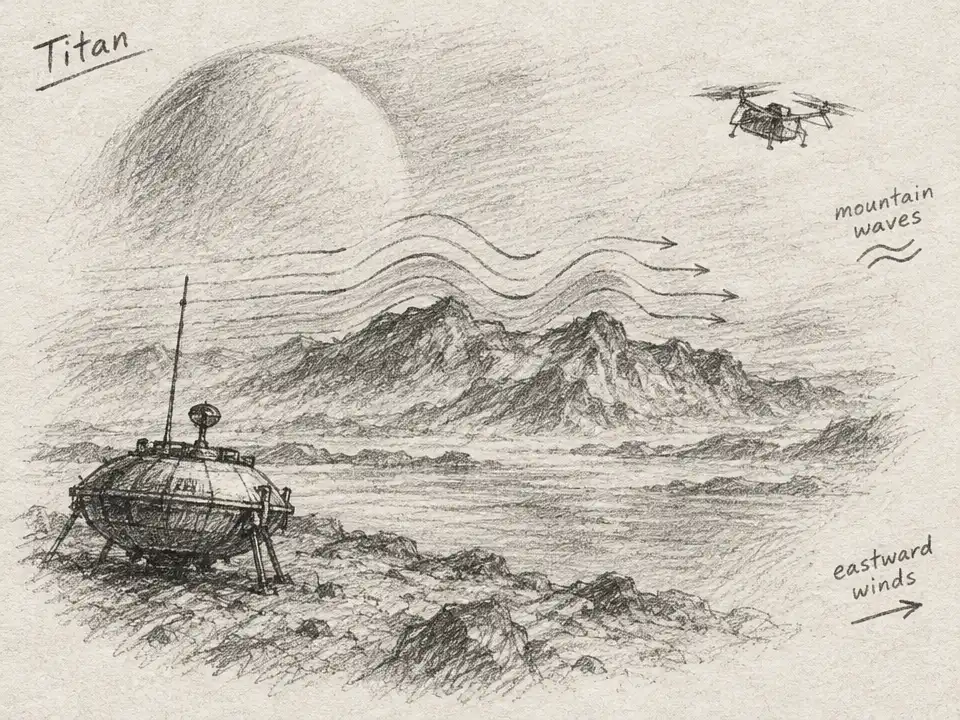
Titan’s terrain may explain why Huygens measured eastward winds near the ground, and offers clues about winds Dragonfly may encounter.
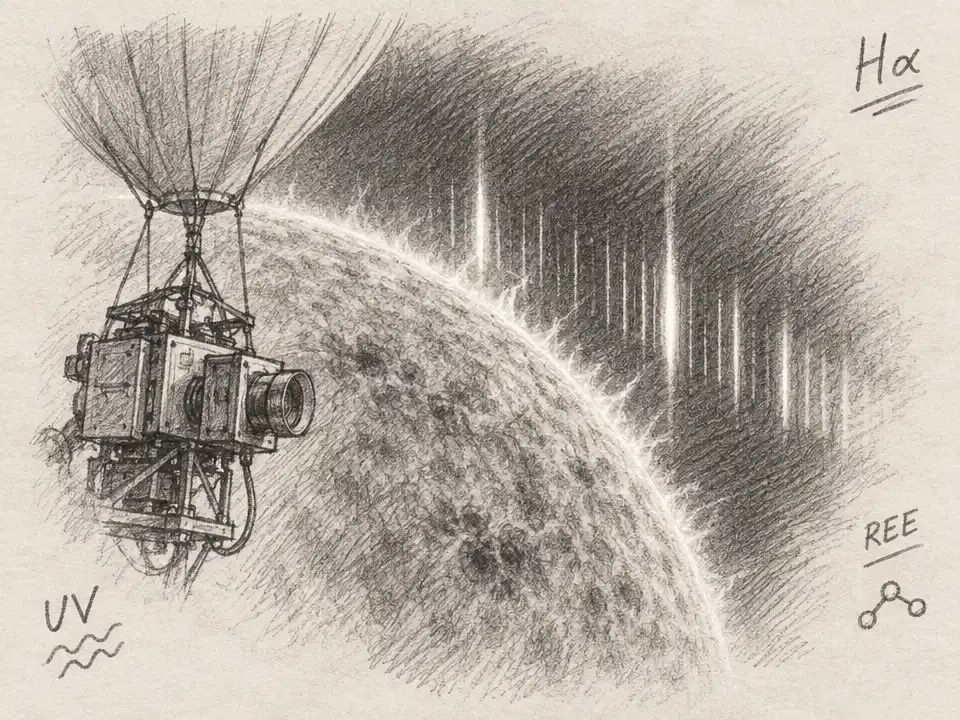
A balloon-borne solar telescope found 122 spectral lines turning from absorption to emission before the Sun’s visible edge.
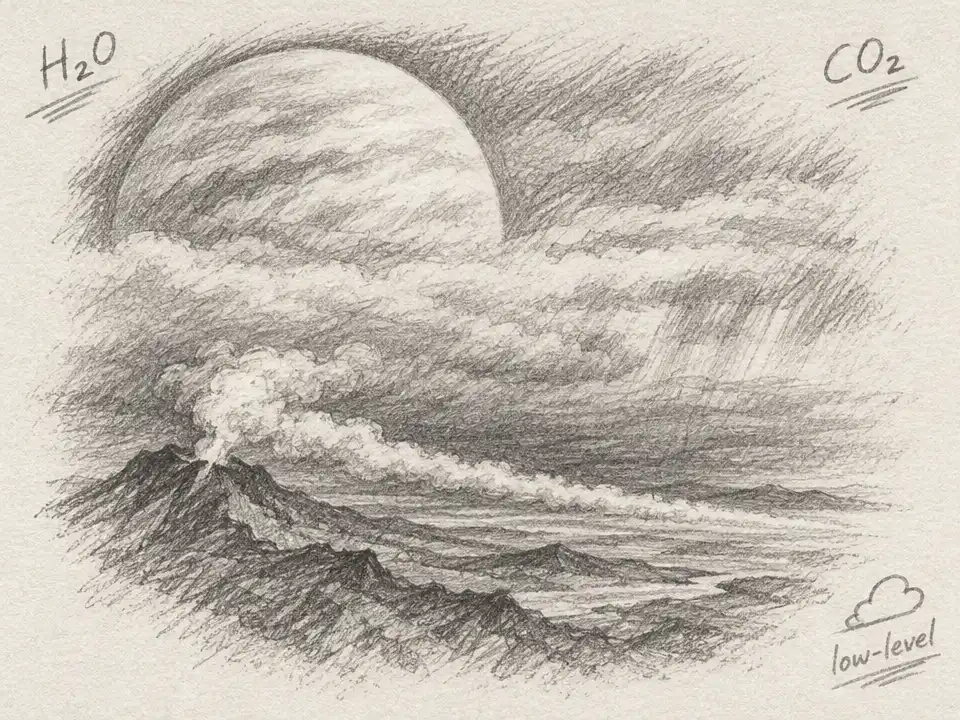
Venus’s lower atmosphere may preserve volcanic clues longer than higher layers, guiding future searches for elusive eruptions.