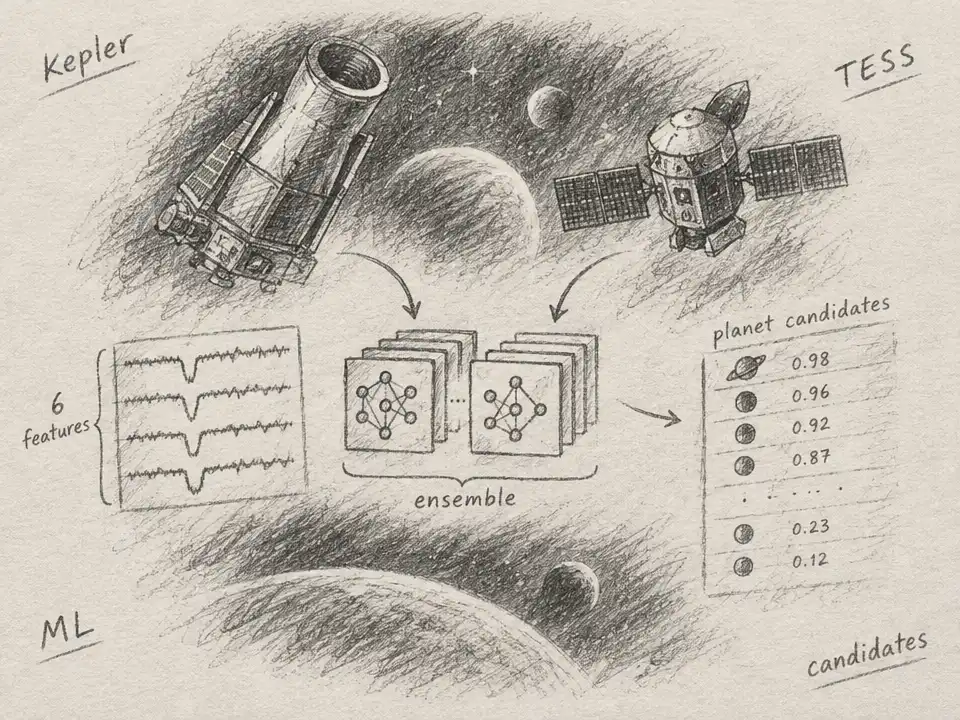
How Two Mismatched Telescopes Can Train Better Planet Hunters
Kepler and TESS see different slices of the sky. Joint machine-learning training turns their mismatch into a better way to rank planet candidates.
Kepler and TESS see different slices of the sky. Joint machine-learning training turns their mismatch into a better way to rank planet candidates.
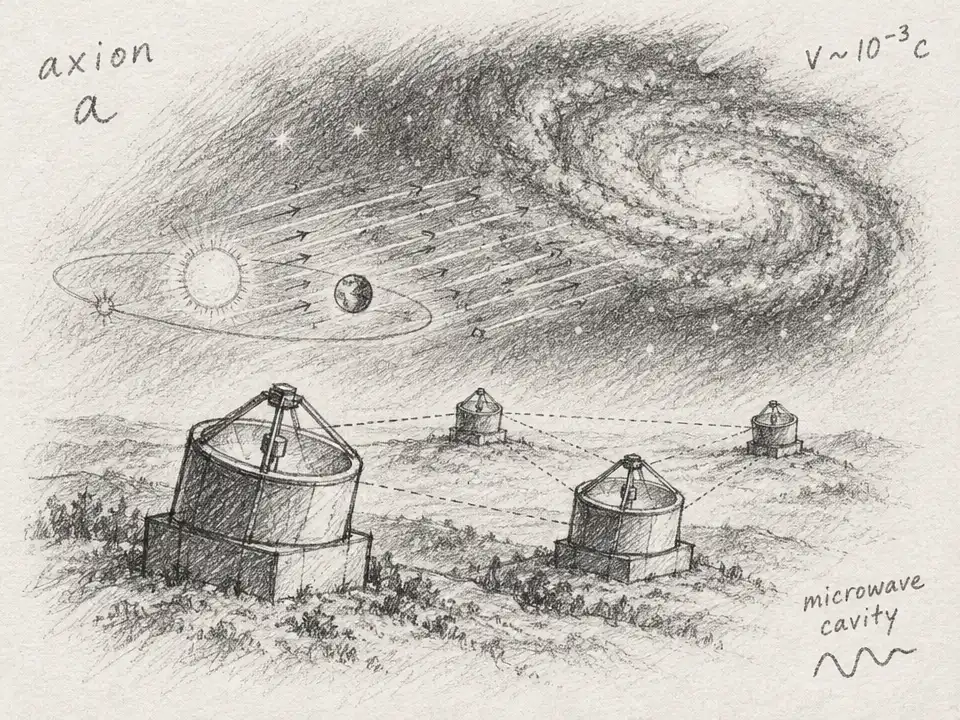
A proposed network of axion detectors could use signal timing and coherence to map the hidden motion of dark matter near Earth.
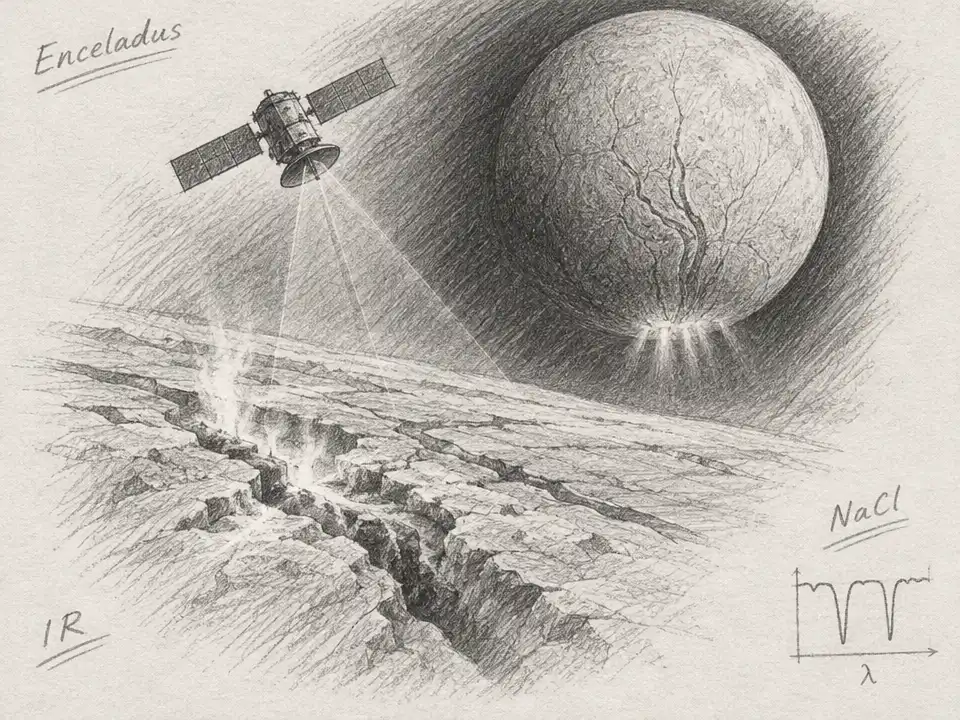
A proposed infrared mapper would tailor its filters to Enceladus’s thermal extremes, tracing heat, ice and possible surface salt.
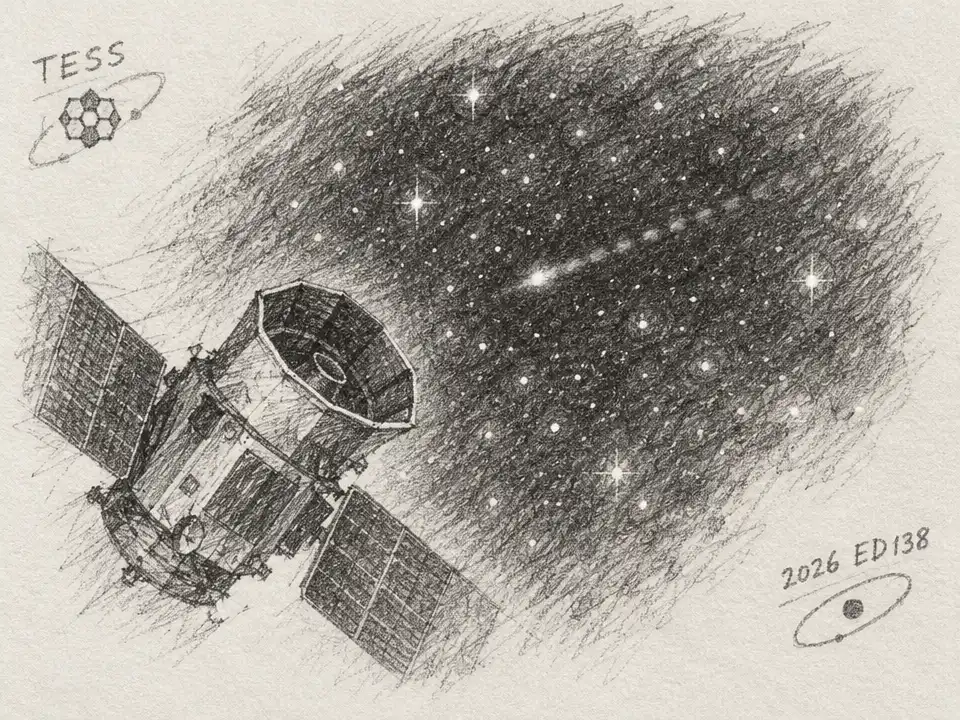
A clever star-subtraction and image-stacking method pulls a distant dwarf-planet candidate out of TESS data recorded years before its discovery.
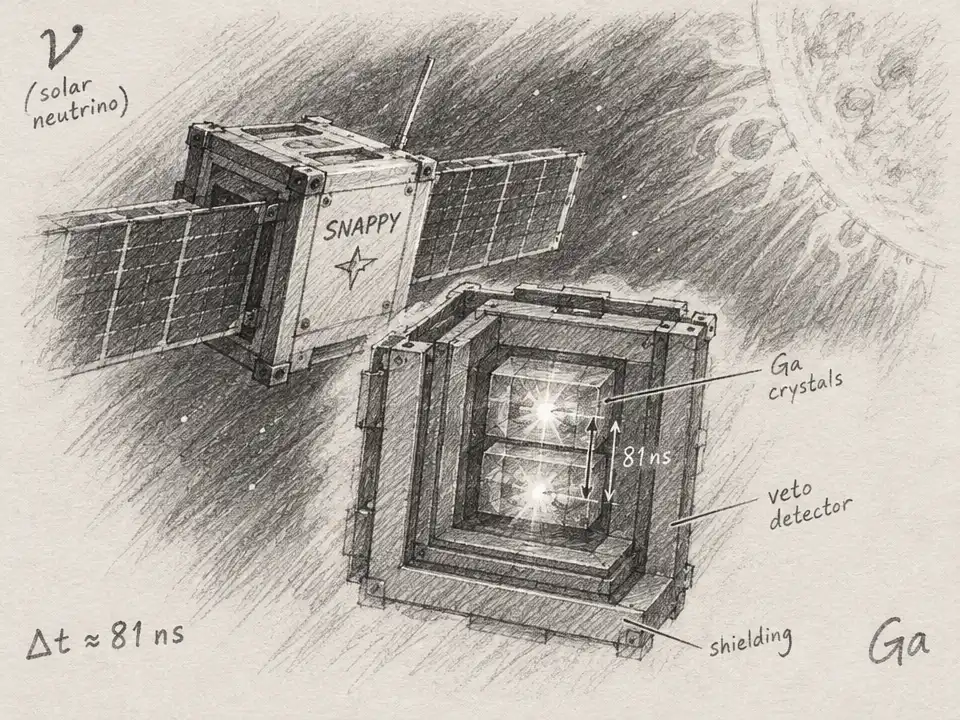
A small CubeSat is testing whether a timed pair of light flashes can separate solar neutrinos from cosmic-ray noise in space.
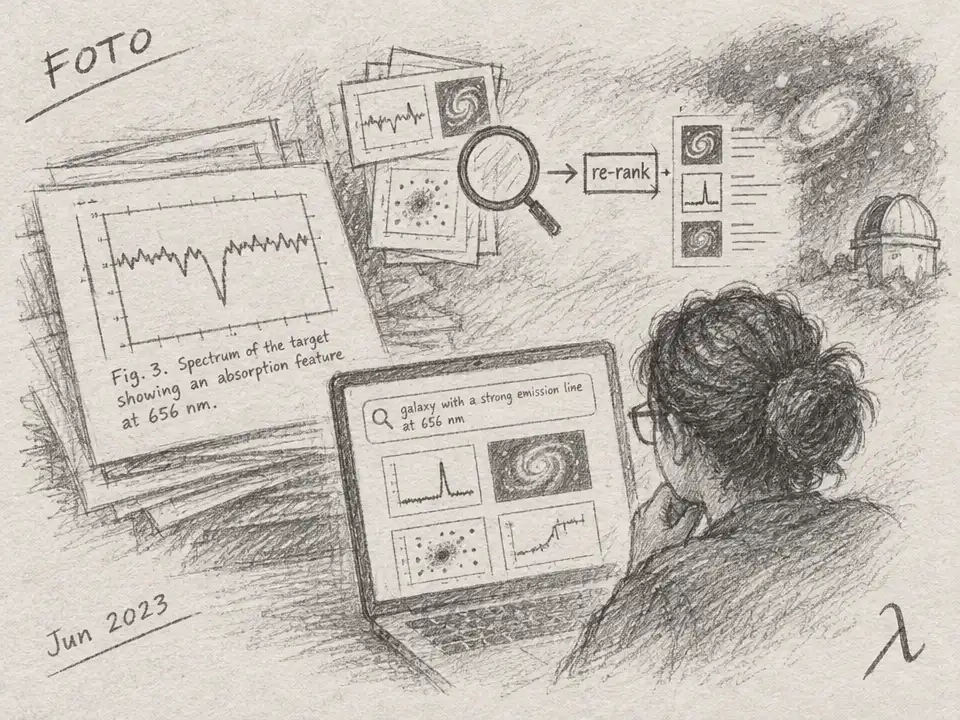
A new astronomy search tool finds published figures from plain-language descriptions, tackling a blind spot in paper-focused literature searches.
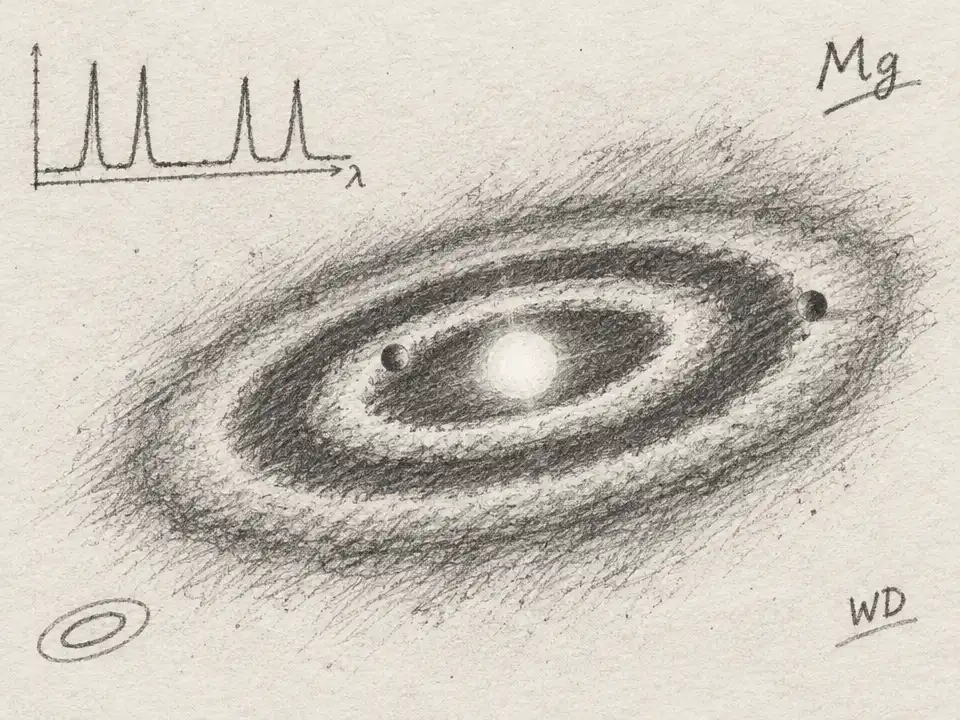
A white dwarf’s four-peaked spectral lines may reveal two gas rings—and perhaps surviving planetary bodies—circling the star’s remains.
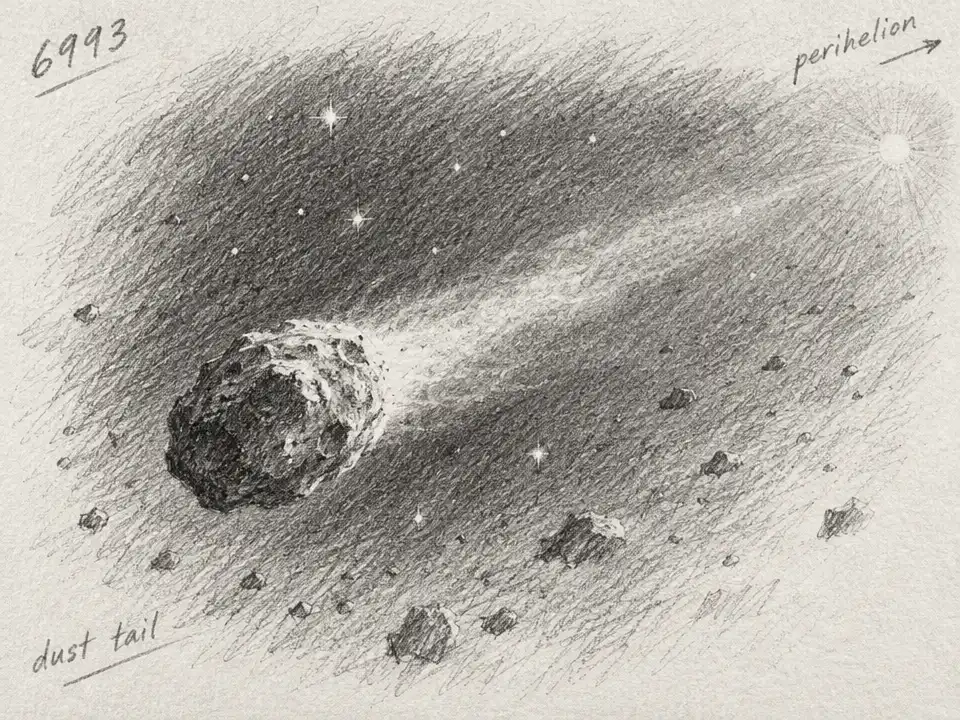
A machine-learning alert revealed a tail around asteroid 6993, where sunlight may be too weak for the usual icy explanation.
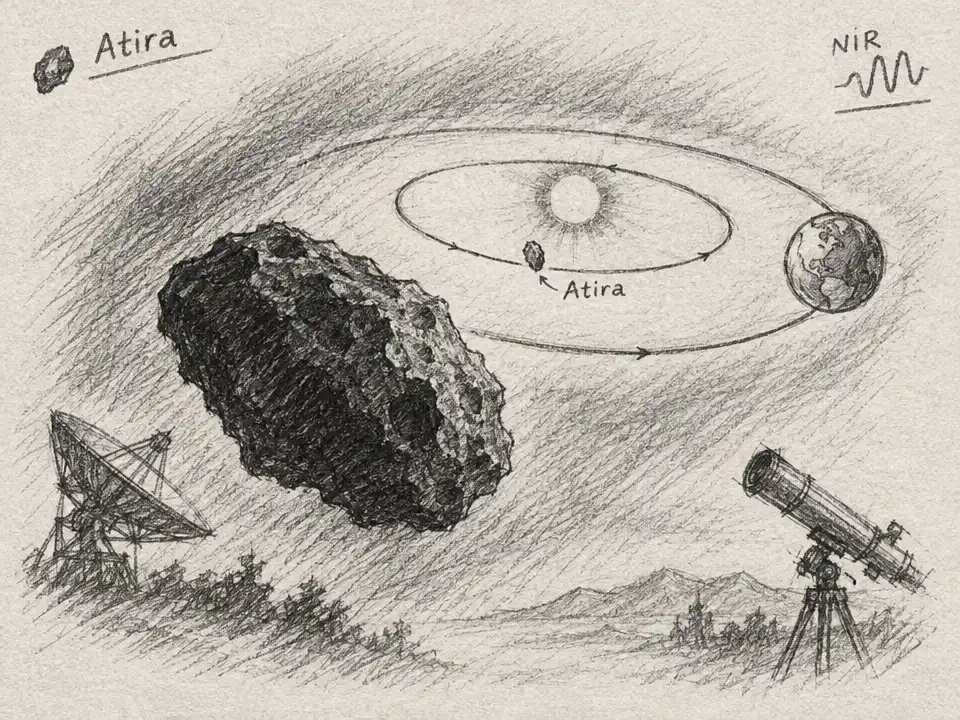
A nearly 5-kilometer asteroid orbiting inside Earth reflects only about 2% of visible light, leaving its birthplace an open question.
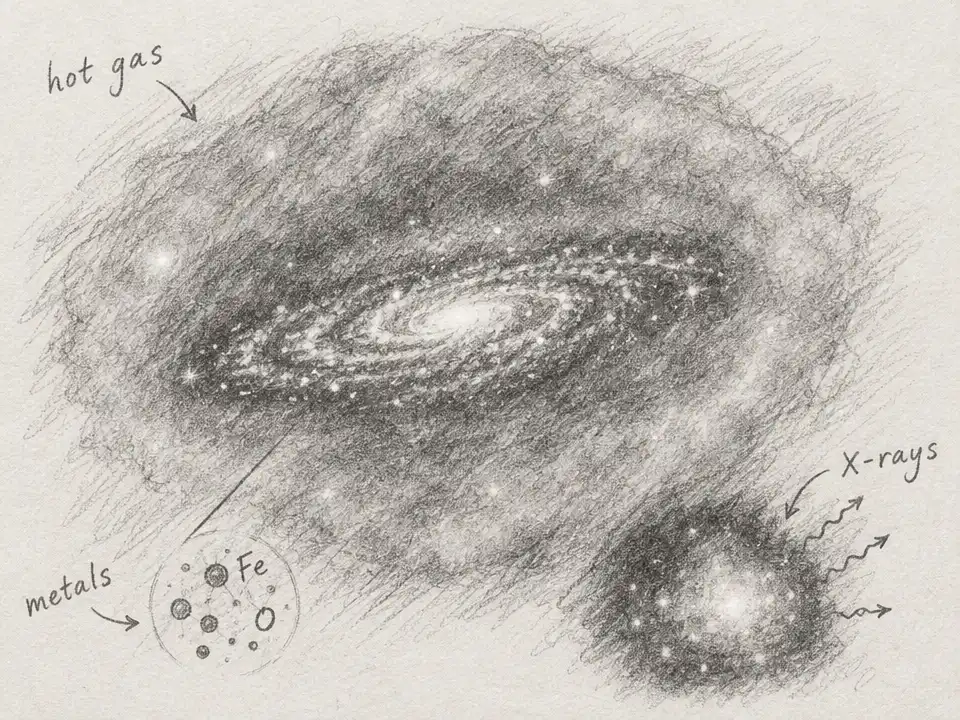
Simulations suggest a galaxy’s hot halo can shine differently depending on its temperature and heavy-element content, not just its gas mass.
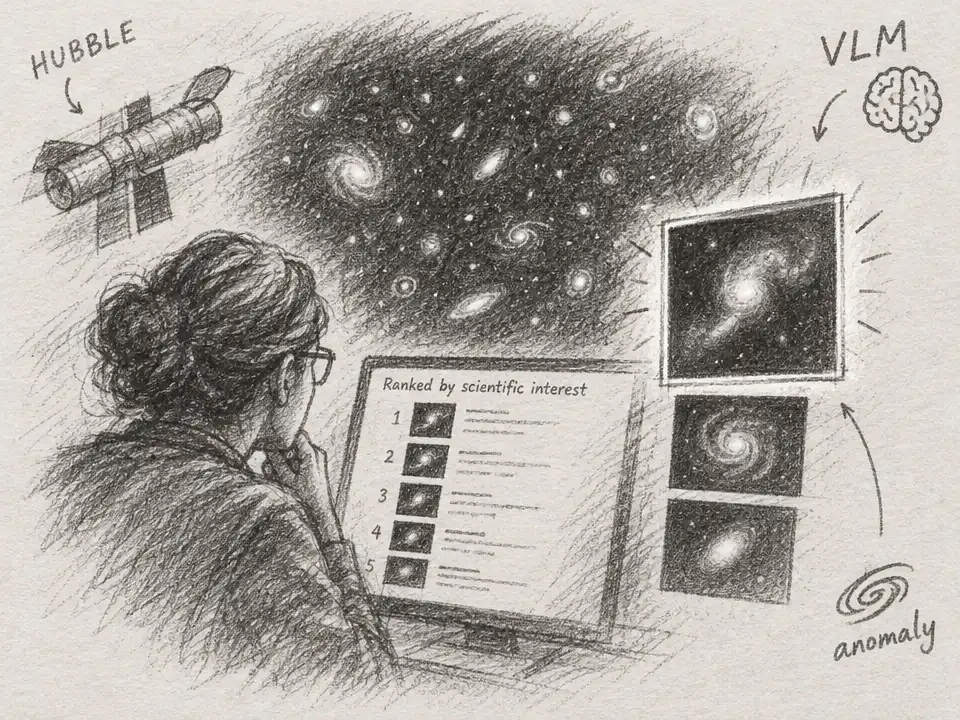
A vision-language model ranked Hubble galaxies by scientific promise, surfacing known anomalies and candidates while exposing the limits of a rare-object test.
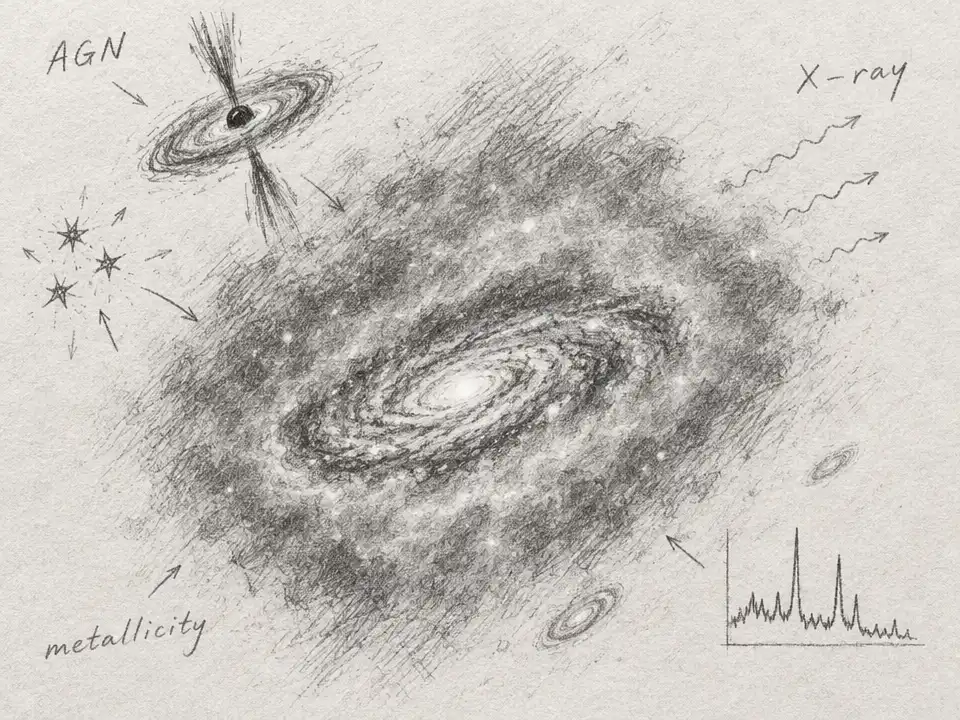
A galaxy’s hot halo can glow brighter because it is metal-rich, not simply because it holds more gas—a clue and a challenge for tracing cosmic feedback.
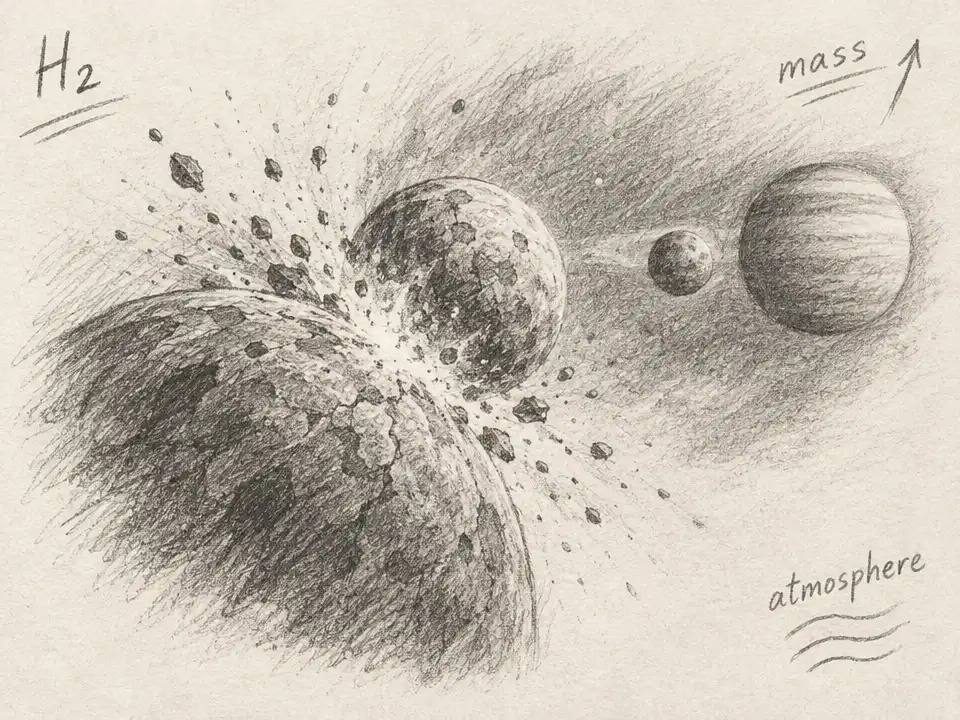
A new model suggests giant impacts may help growing rocky planets retain hydrogen-rich atmospheres, reshaping the story of planet formation.
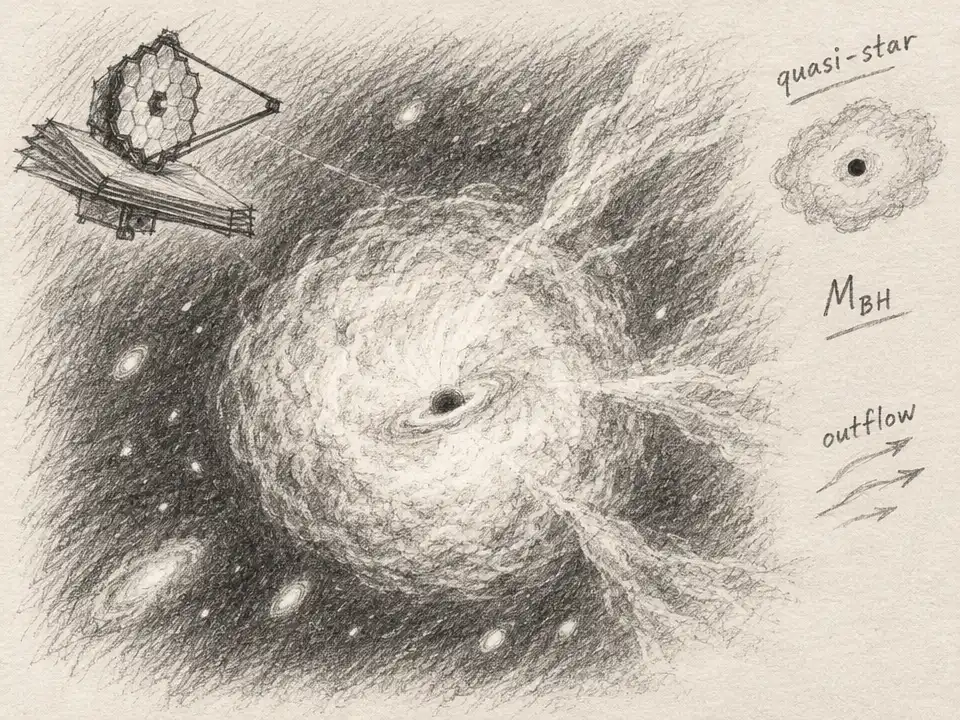
Could Little Red Dots hide black holes inside giant gas envelopes? New models suggest a fast-growth path—and winds that may end it.
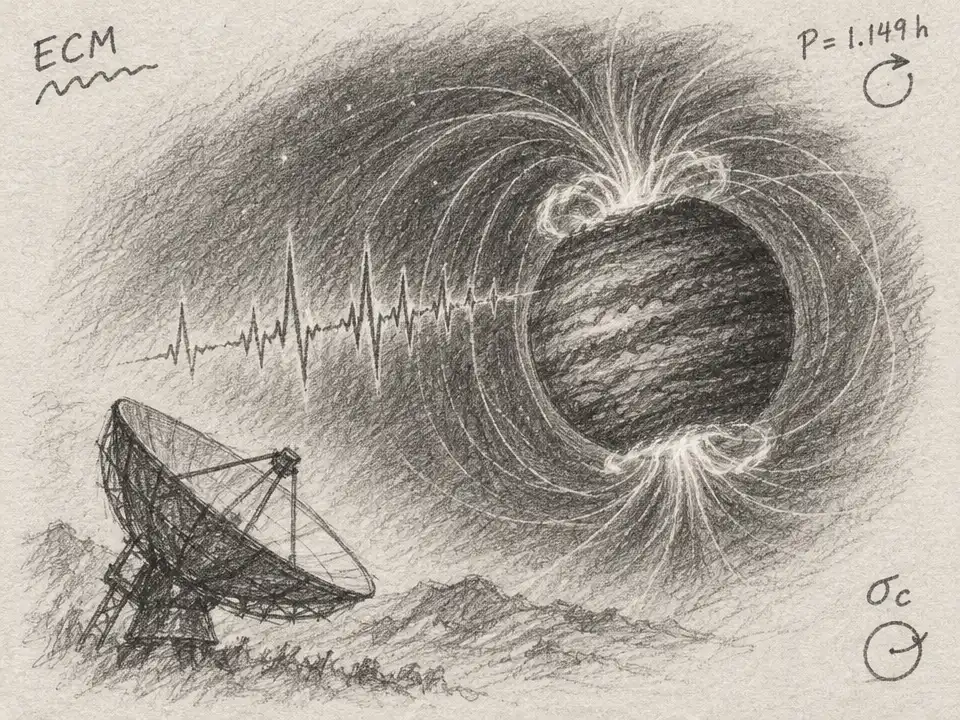
A frigid T8 brown dwarf sends radio bursts every 1.149 hours—but their weak, shifting polarization hints at hidden complexity.
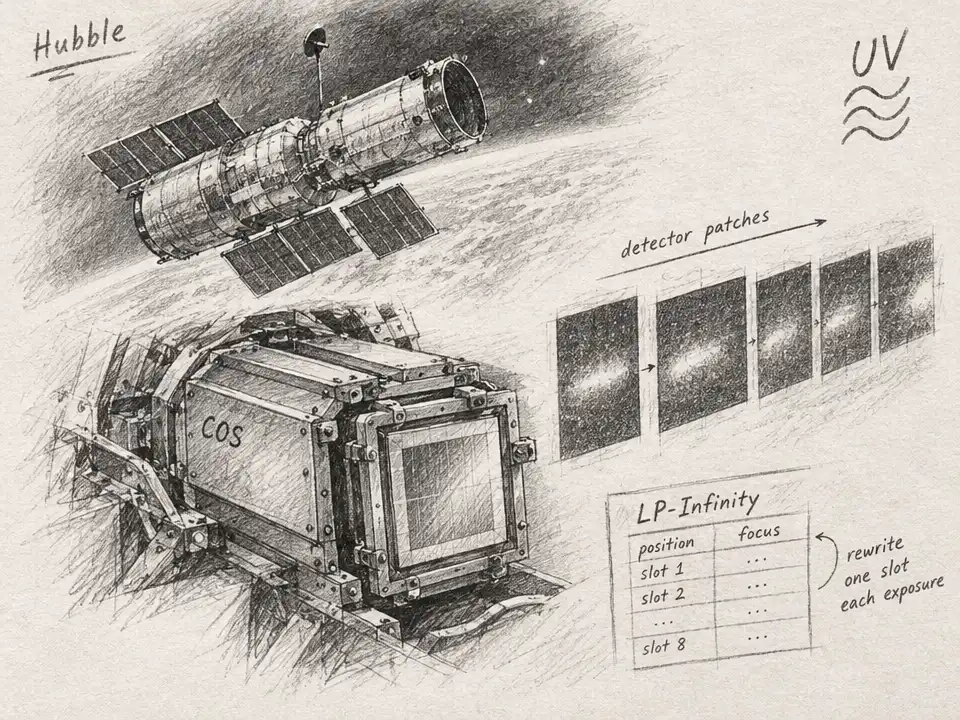
Hubble’s aging ultraviolet detector has a software-table limit. LP-Infinity sidesteps it to extend the spectrograph’s working life.
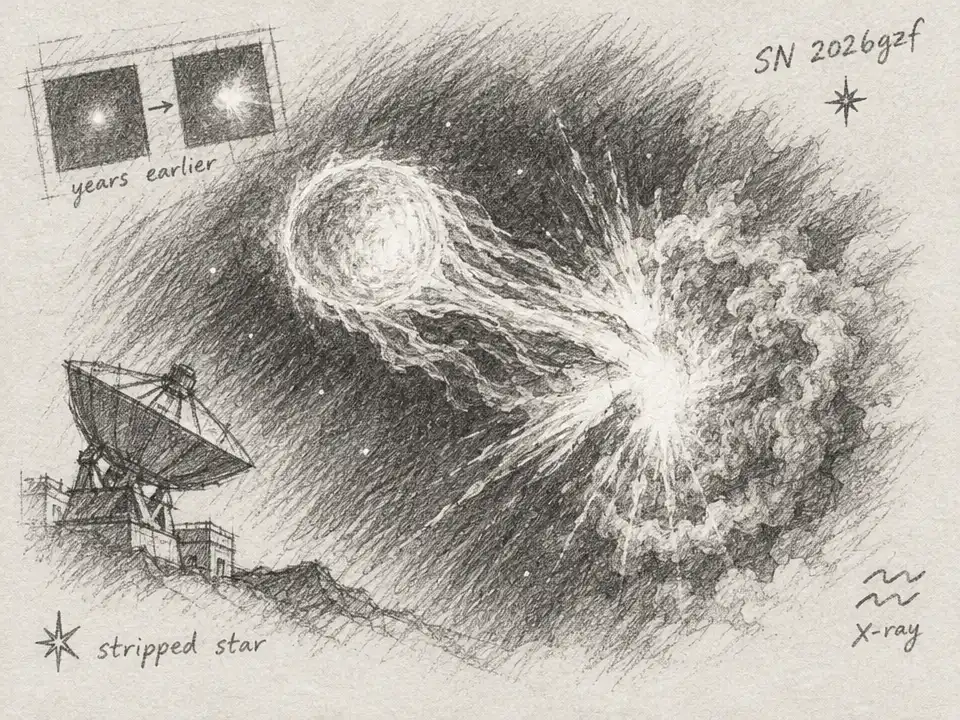
A supernova’s early X-ray flash and years of precursor flares suggest its stripped star shed dense gas before collapse.
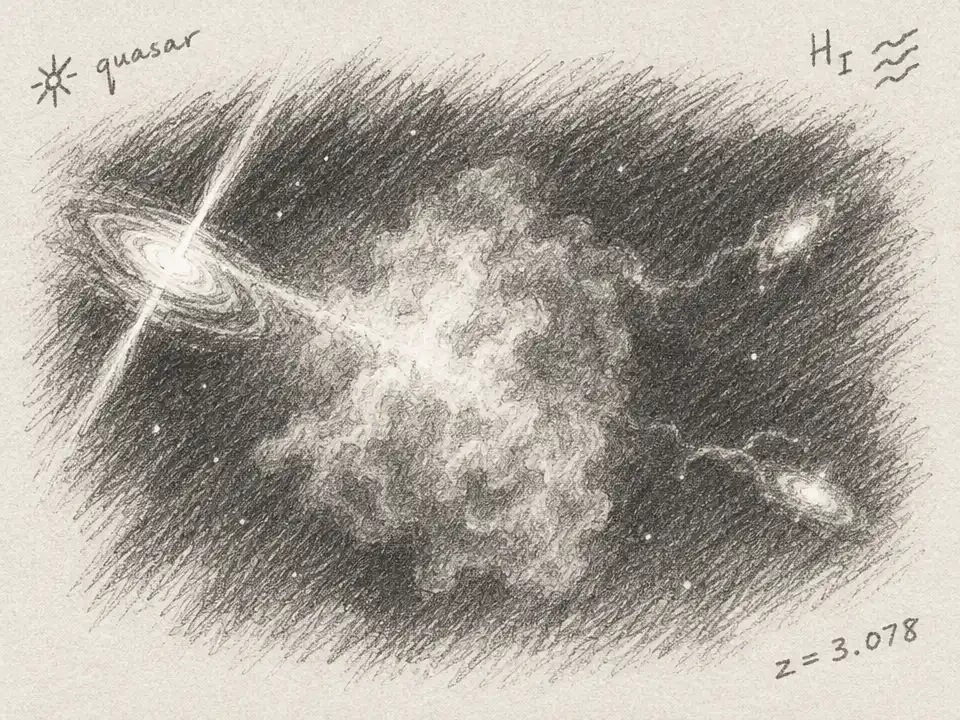
Keck observations reveal two faint galaxies near an exceptionally metal-poor hydrogen cloud, offering a cautious new route to ancient star formation.
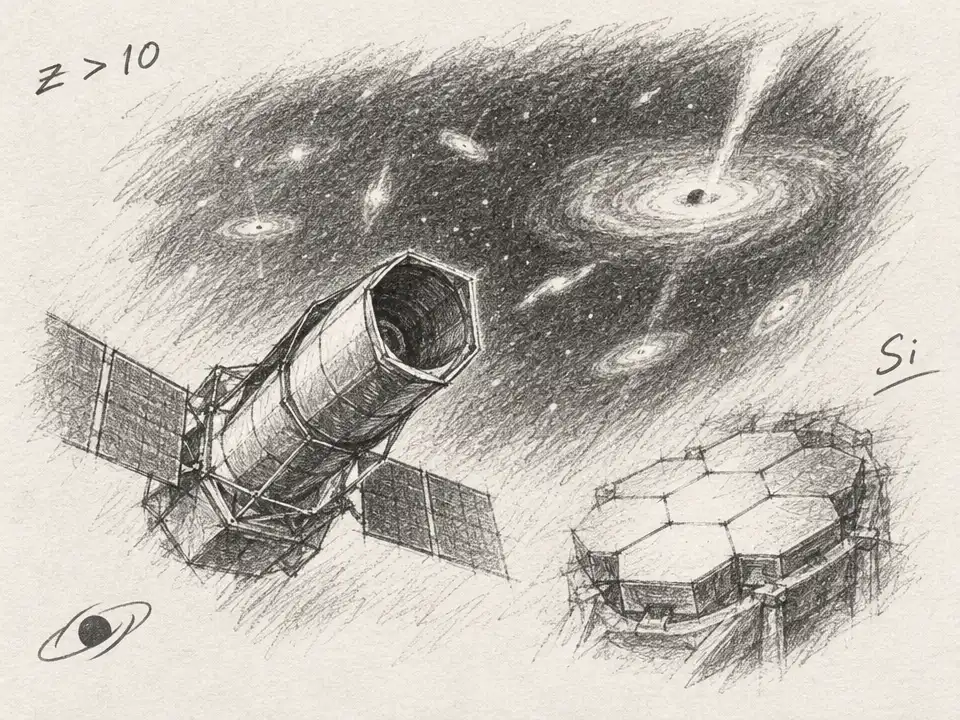
A proposed X-ray observatory could test how the first supermassive black holes formed—if its precision mirrors can be built.
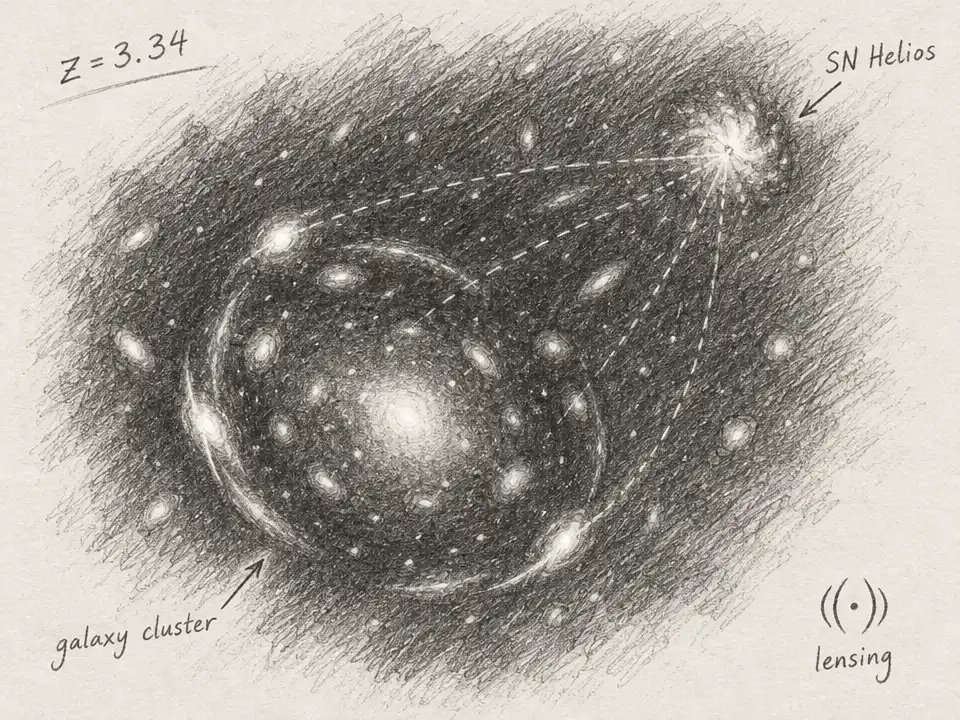
A Webb source mistaken for a galaxy at redshift 16 is a lensed supernova whose future images may help measure cosmic expansion.