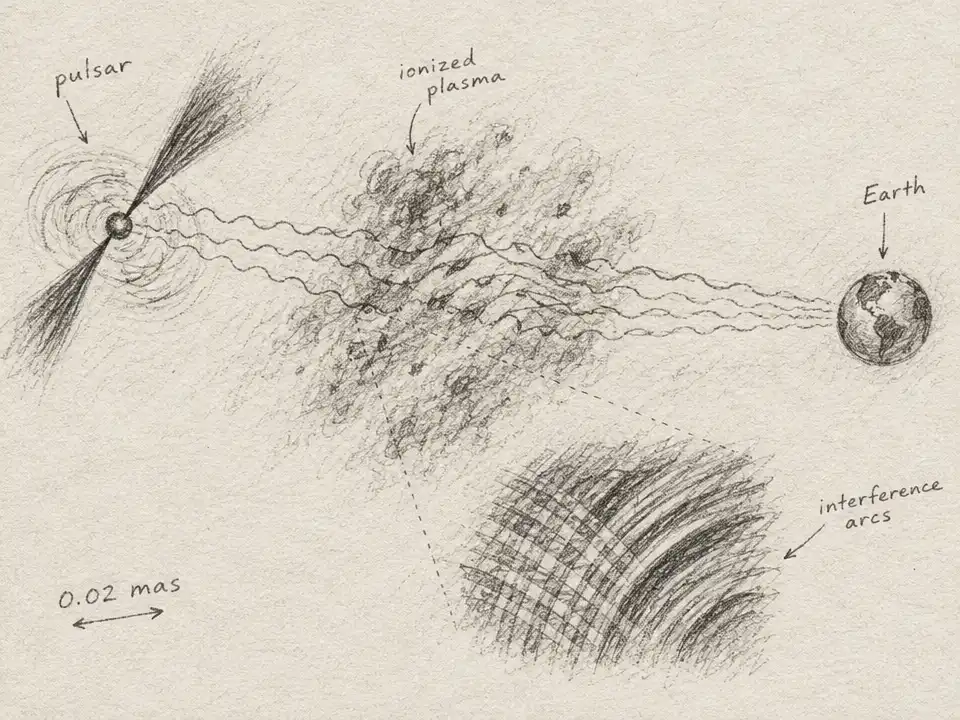
A Pulsar’s Radio Flicker Maps Tiny Structures in Galactic Fog
A pulsar’s changing radio arcs reveal how tiny, invisible plasma structures reshape signals crossing the Milky Way.
A pulsar’s changing radio arcs reveal how tiny, invisible plasma structures reshape signals crossing the Milky Way.
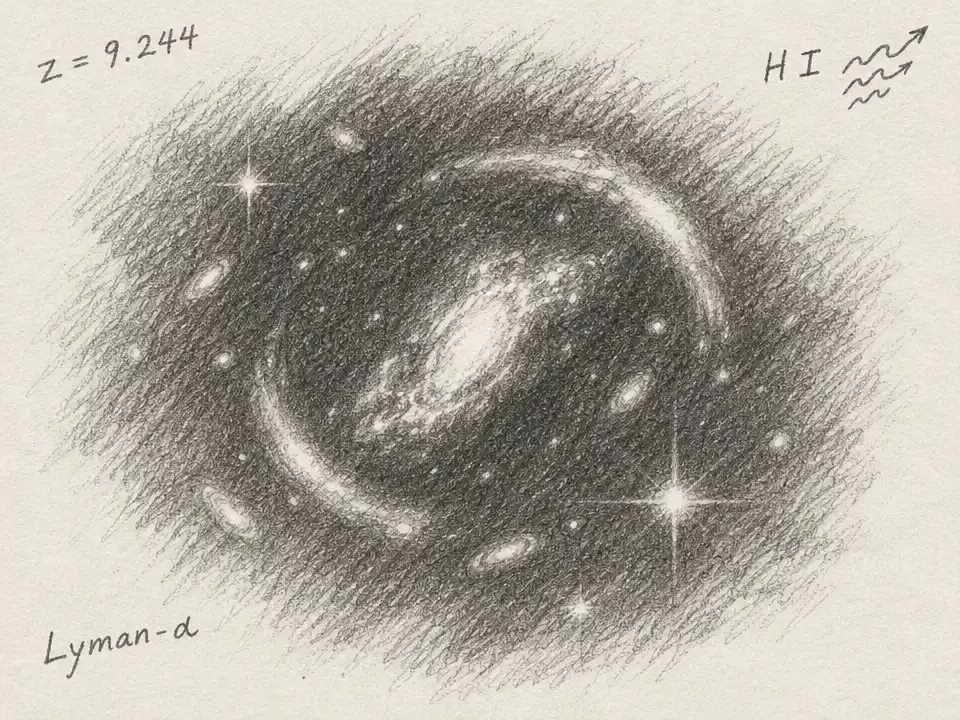
JWST’s spectrum of EBG-1 hints that a bright, blue galaxy at cosmic dawn may have leaked most of its ionizing light.
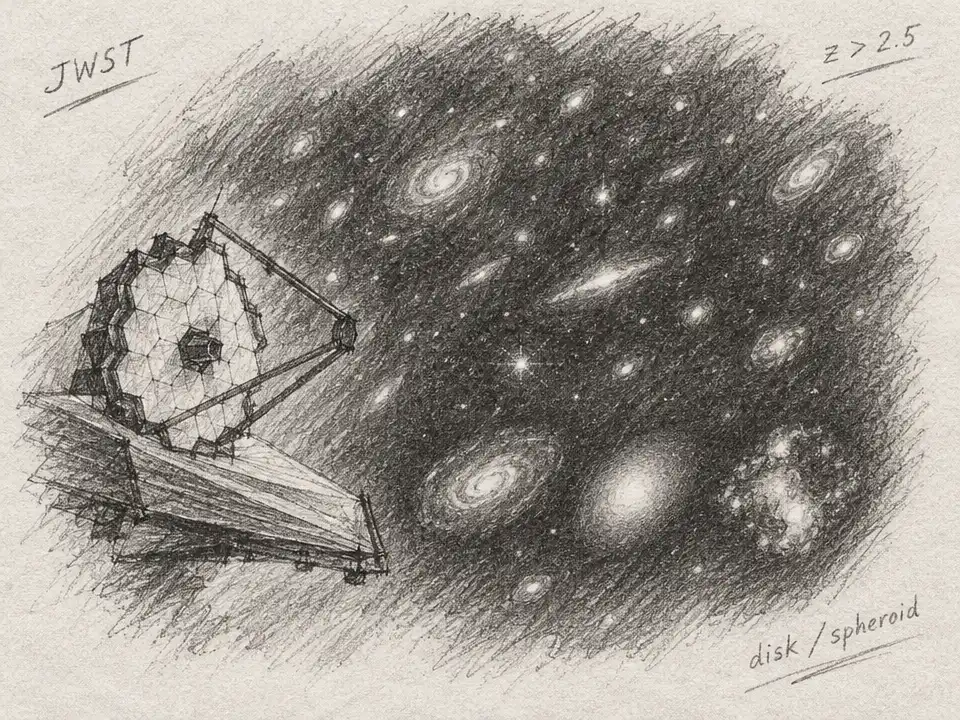
JWST images sharpened the view of early galaxies, but two reliable methods disagree on whether many are disks, spheroids, or still taking shape.
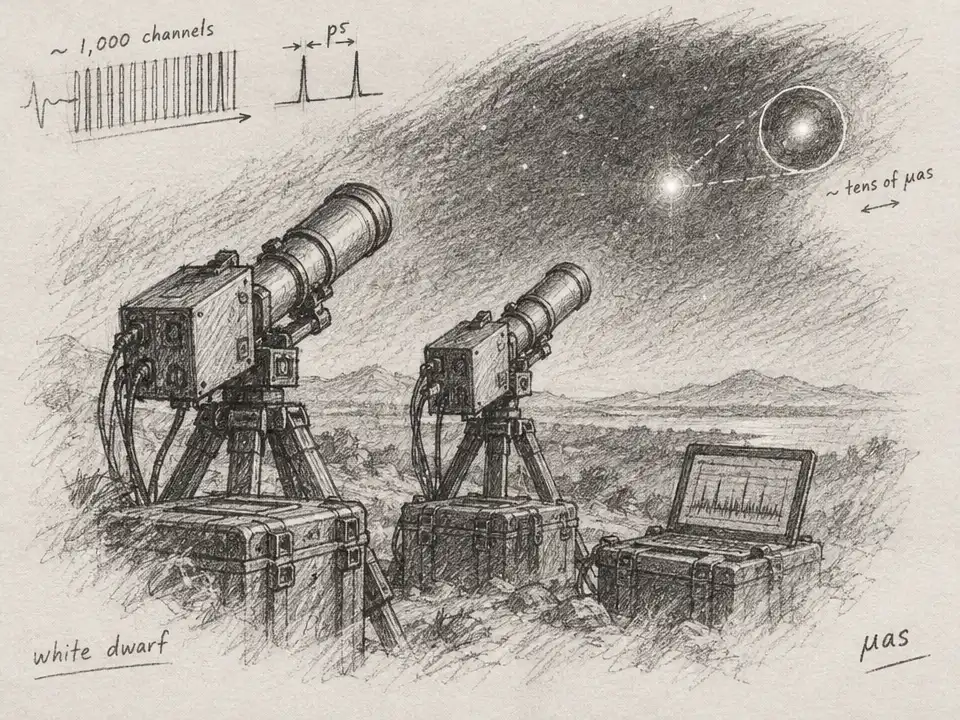
A proposed two-telescope interferometer would use photon timing, not conventional images, to measure white dwarfs only microarcseconds wide.
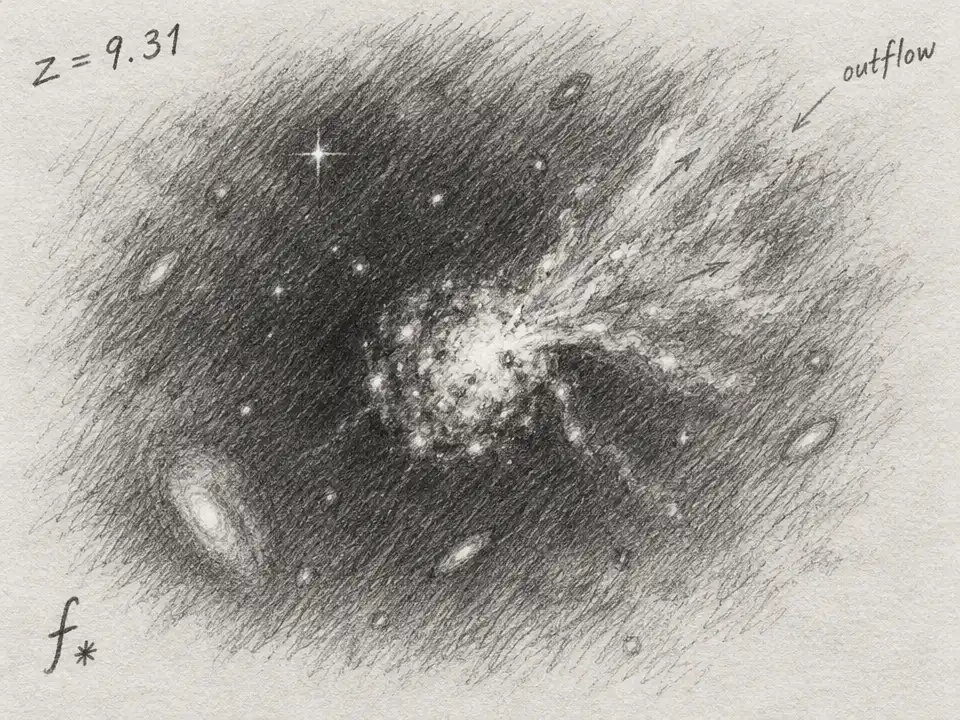
JWST’s view of UNCOVER 3686 suggests an early galaxy formed stars with unusually high efficiency before stellar feedback fully took hold.
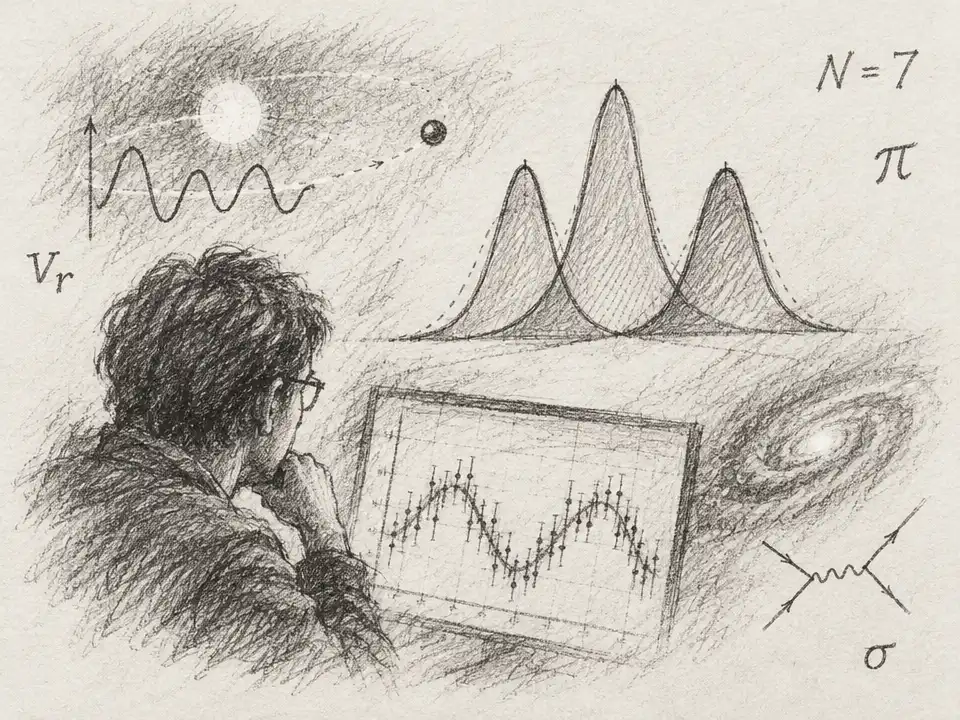
A statistical-physics concept helps map hidden twists in astronomy’s data-fitting problems, from exoplanet wobbles to neutrino signals.
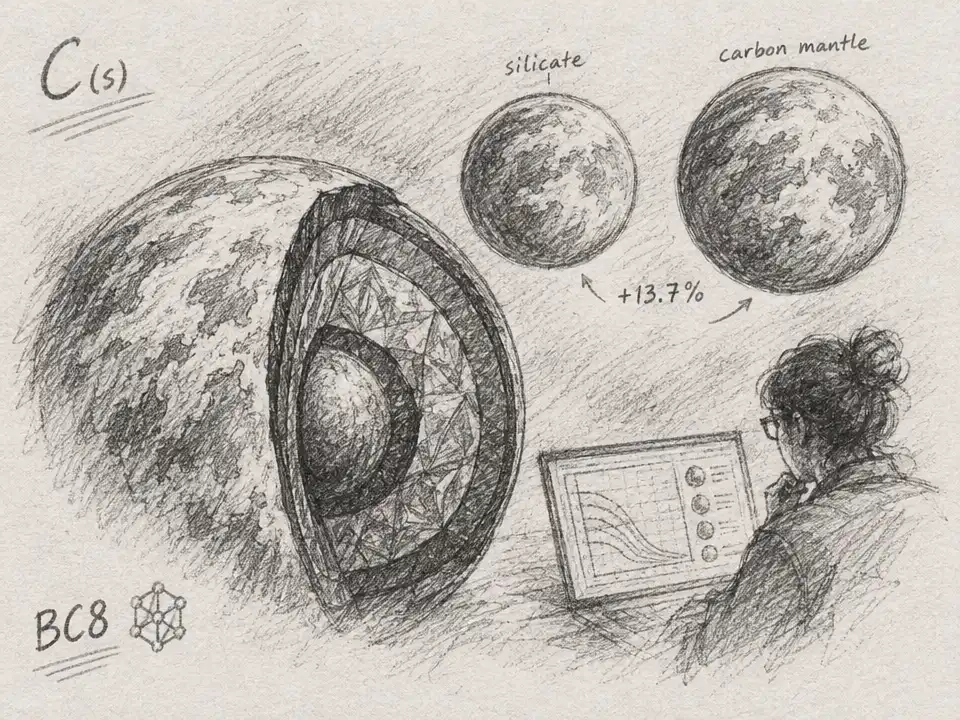
A new version of MAGRATHEA models graphite, diamond, and BC8 interiors, revealing why a planet’s size may not disclose its true composition.
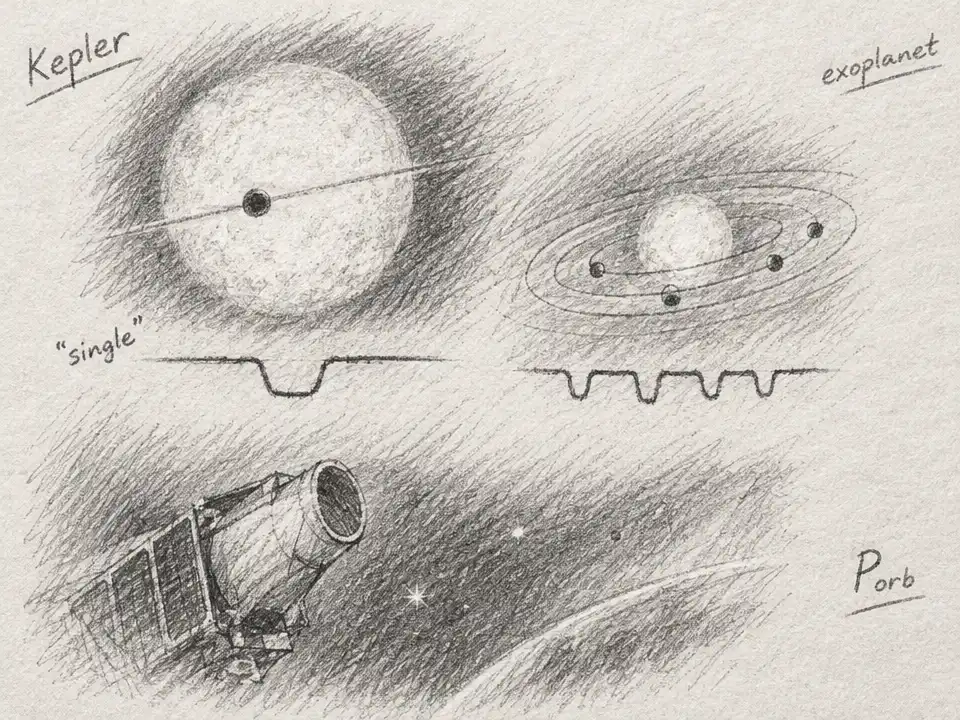
Kepler’s weak, lone planet signals may not mark empty systems: detection limits can make crowded planetary families look solitary.
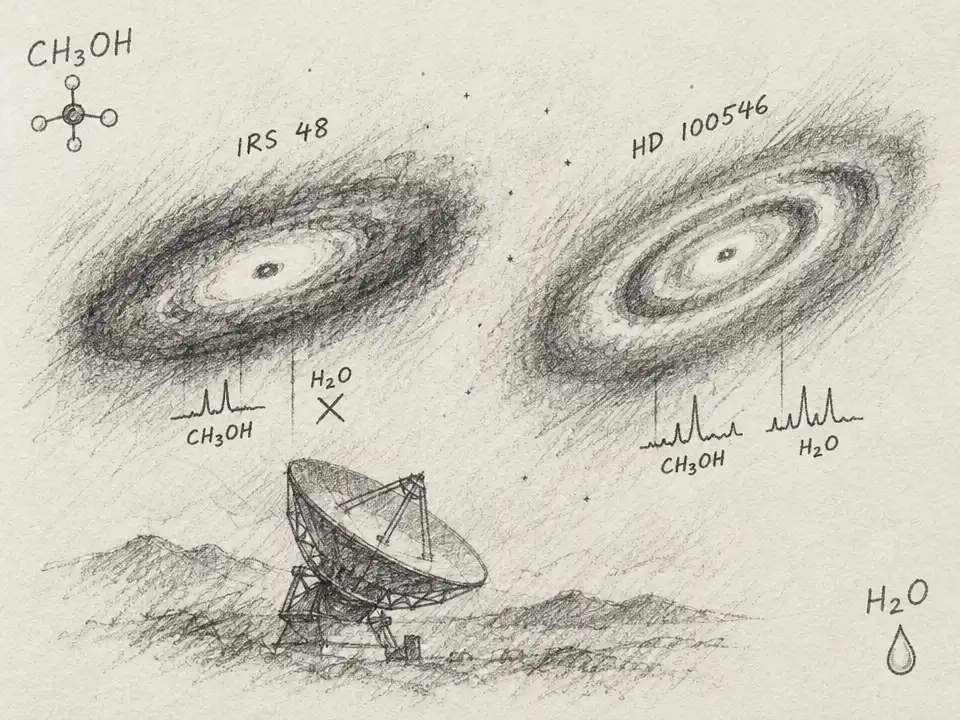
ALMA detected methanol but no water-vapor signal in one planet-forming disk, hinting that planetary systems may inherit different ice chemistry.
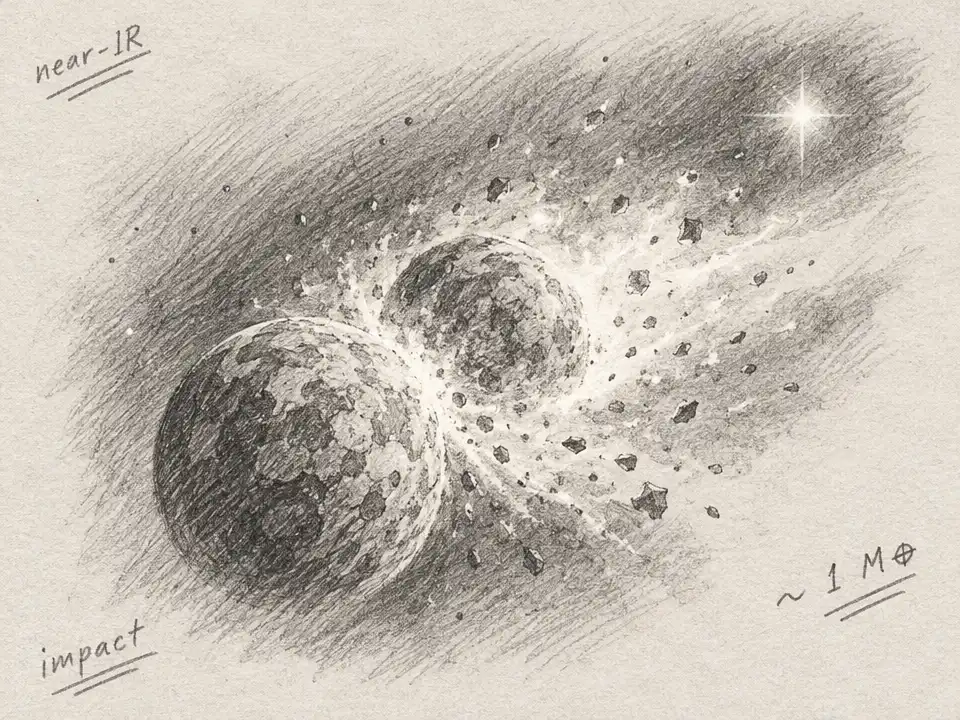
Simulations suggest a rocky-planet collision could glow like a small star, but its near-infrared afterglow may fade before surveys catch it.
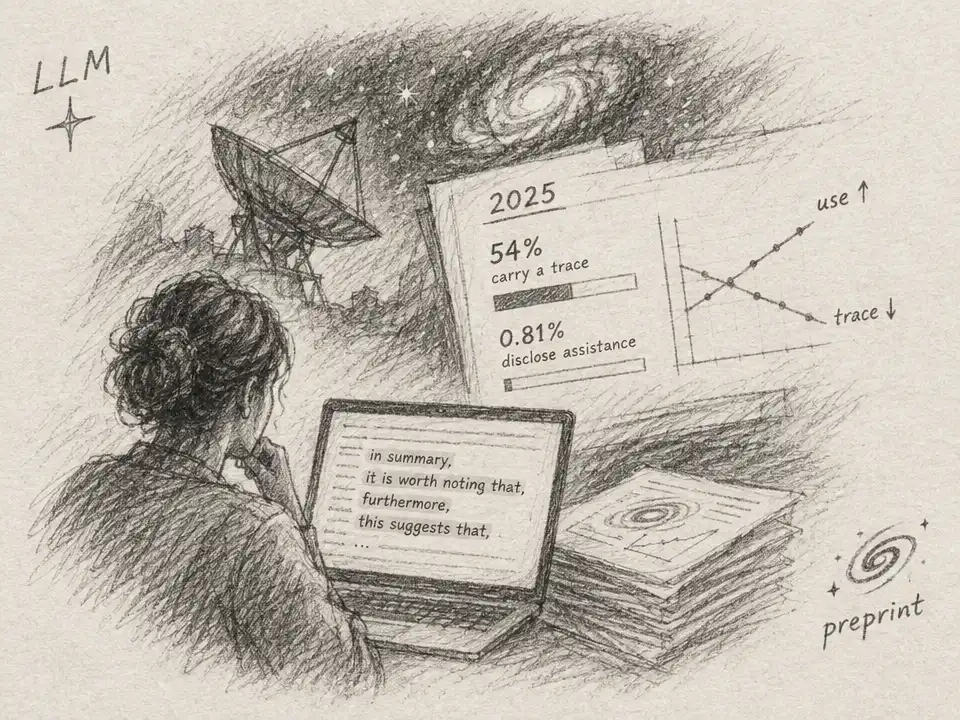
A census of astronomy preprints finds a fading language trace as model-assisted writing grows—and explains what word counts can’t prove.
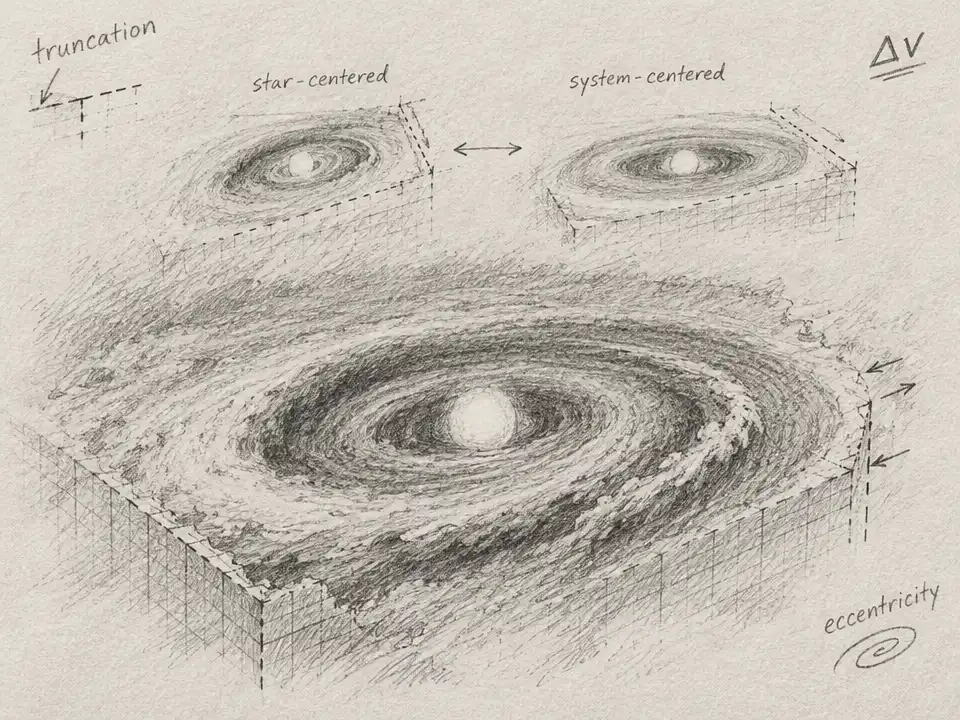
A theoretical disk model flips from unstable to stable when its frame changes, revealing how simulation boundaries can imitate cosmic structure.
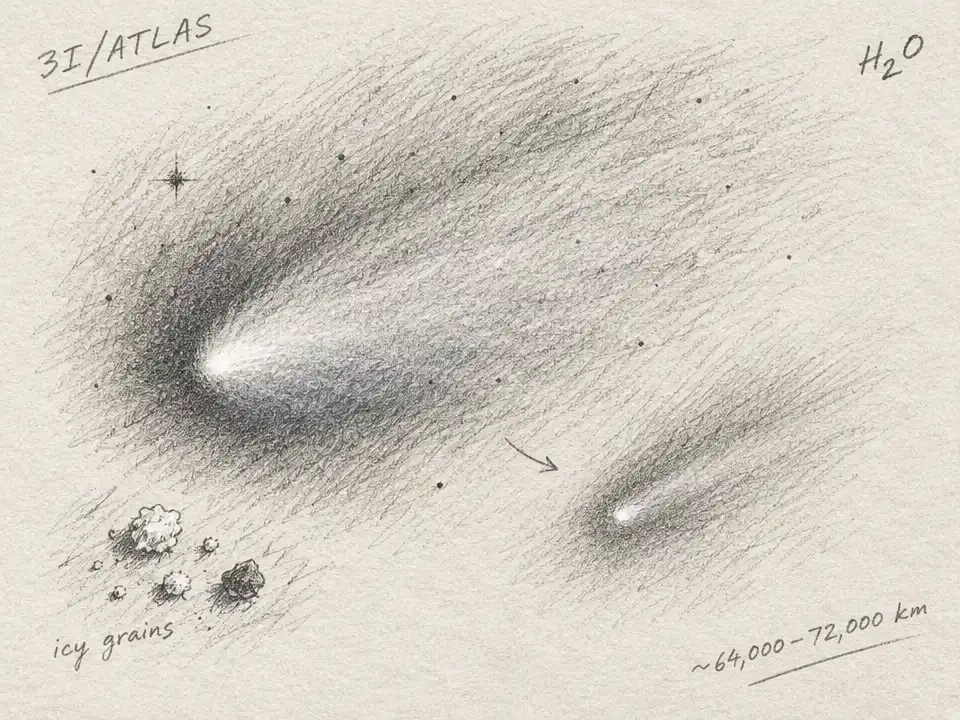
A faint blue shift in 3I/ATLAS’s outer coma may reveal short-lived icy grains—and a hidden phase in an interstellar comet’s journey.
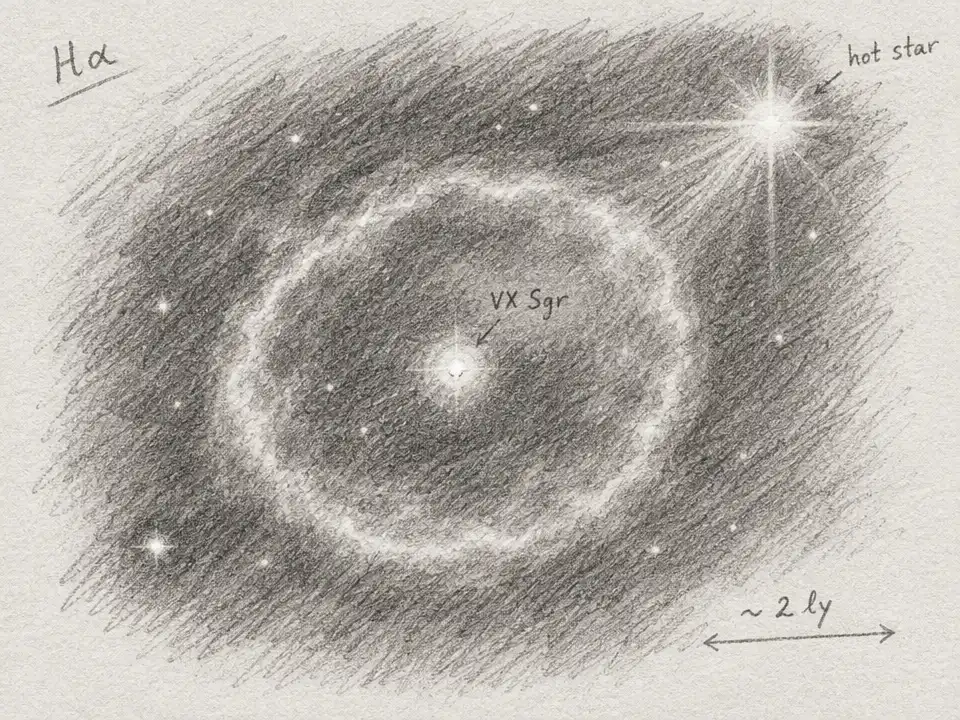
A vast hydrogen arc around VX Sagittarii may record the star’s mass loss—and offer a new test of its disputed identity.
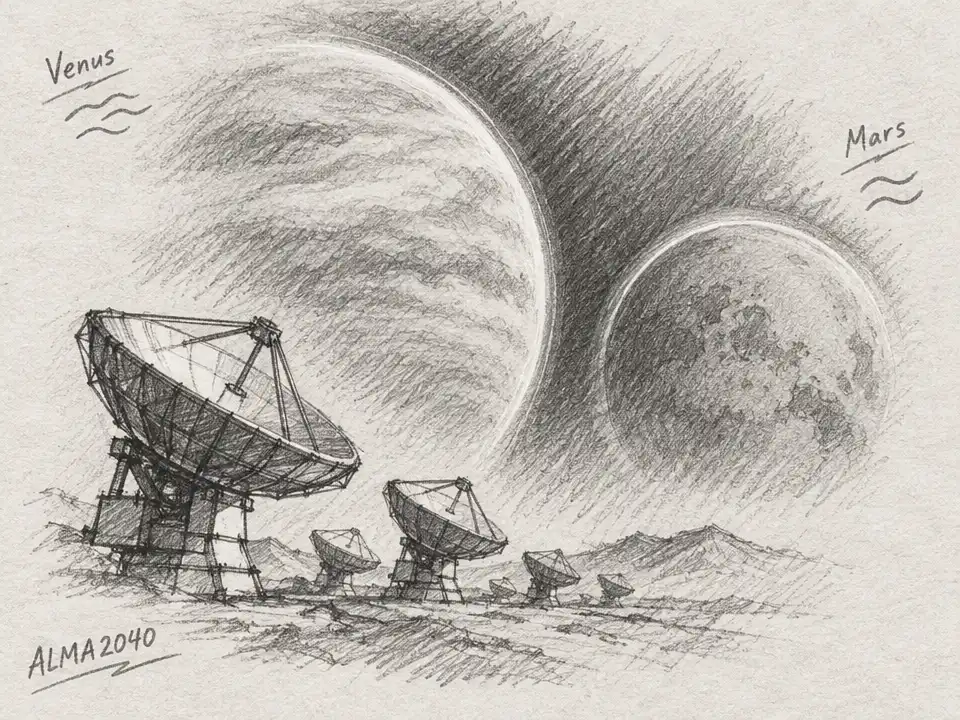
A proposed ALMA upgrade could map winds and chemistry in Venus and Mars’ upper atmospheres, if astronomers solve a difficult imaging trade-off.
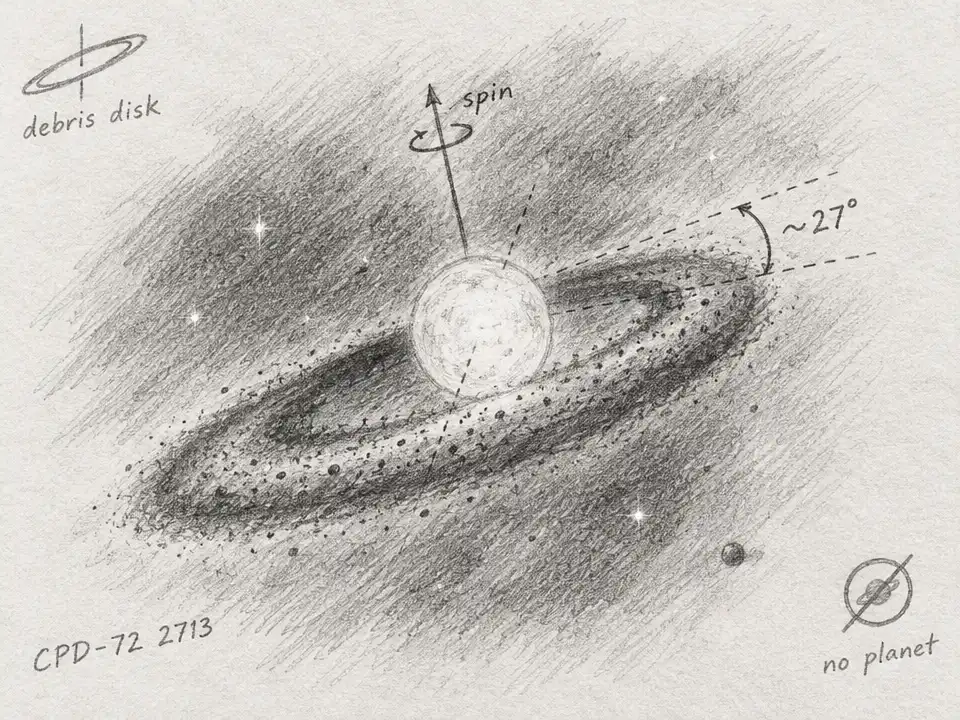
JWST reveals a 27-degree minimum tilt between a young star and its debris disk, while a giant-planet explanation remains elusive.
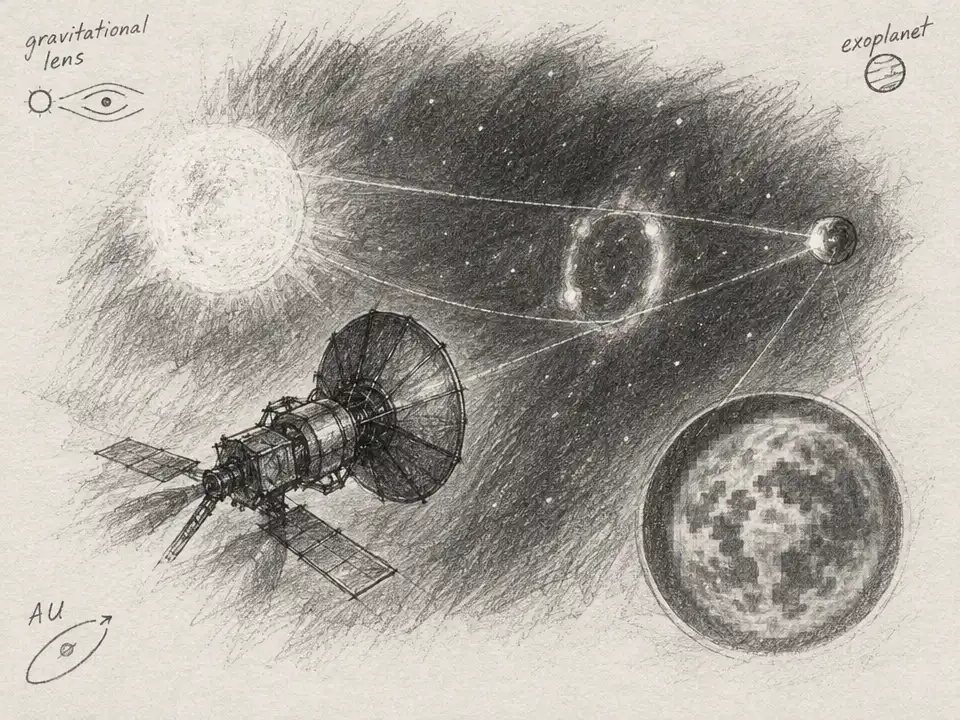
A spacecraft could use the Sun’s gravity to map an exoplanet, but reaching the lens and reconstructing its blurred signal are formidable hurdles.
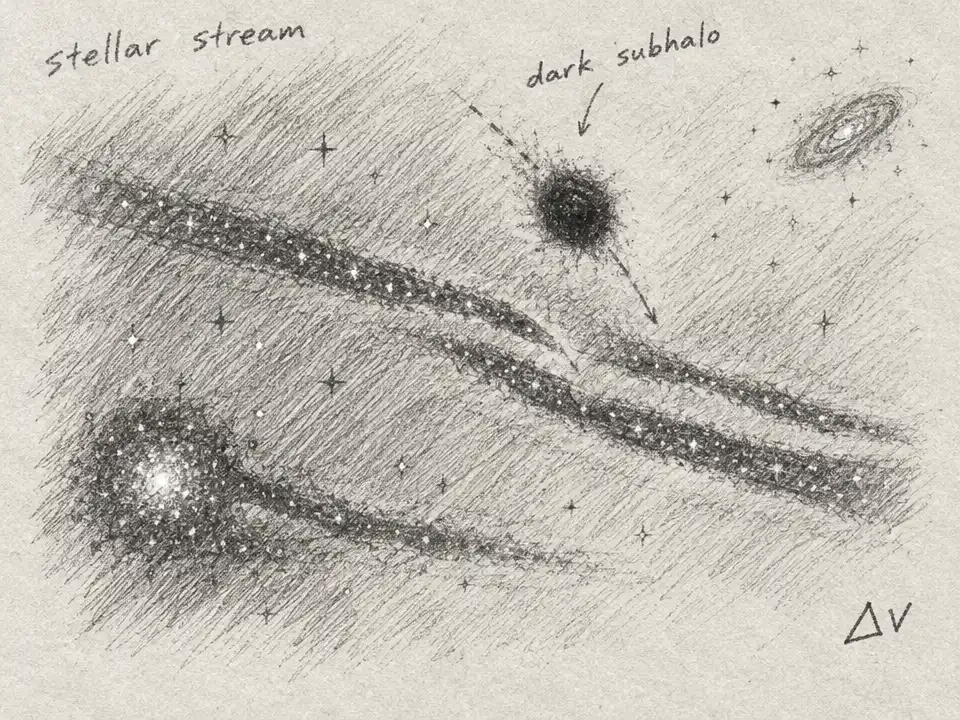
A dark subhalo may split a stellar stream into parallel strands, giving astronomers a new way to search for invisible matter.
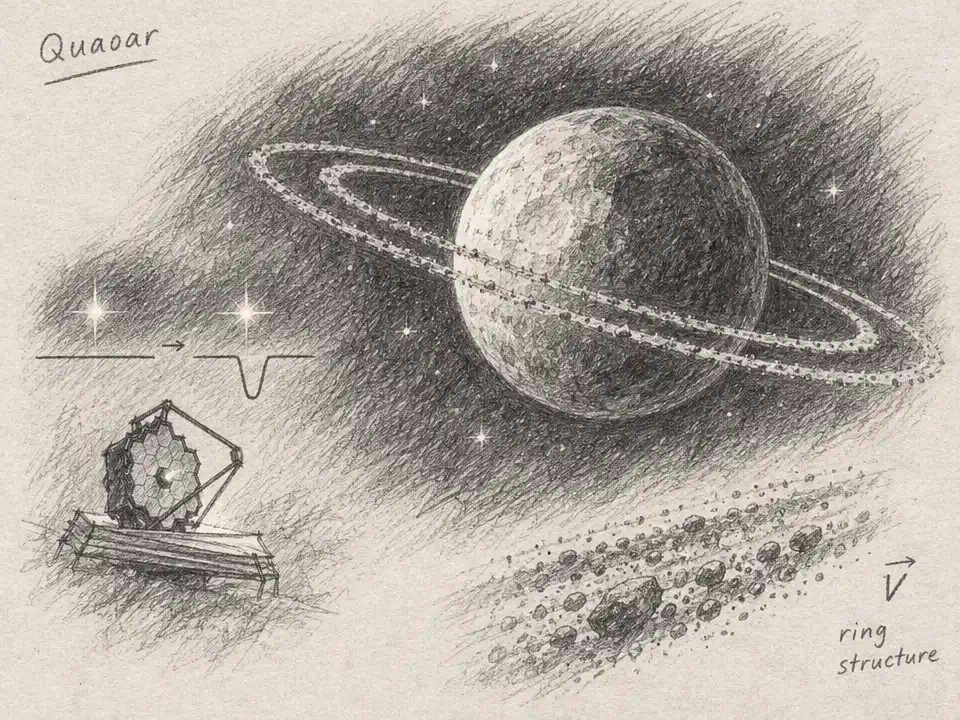
Quaoar’s two rings orbit where they should become moons. Occultations and a new model offer clues to how they resist clumping.
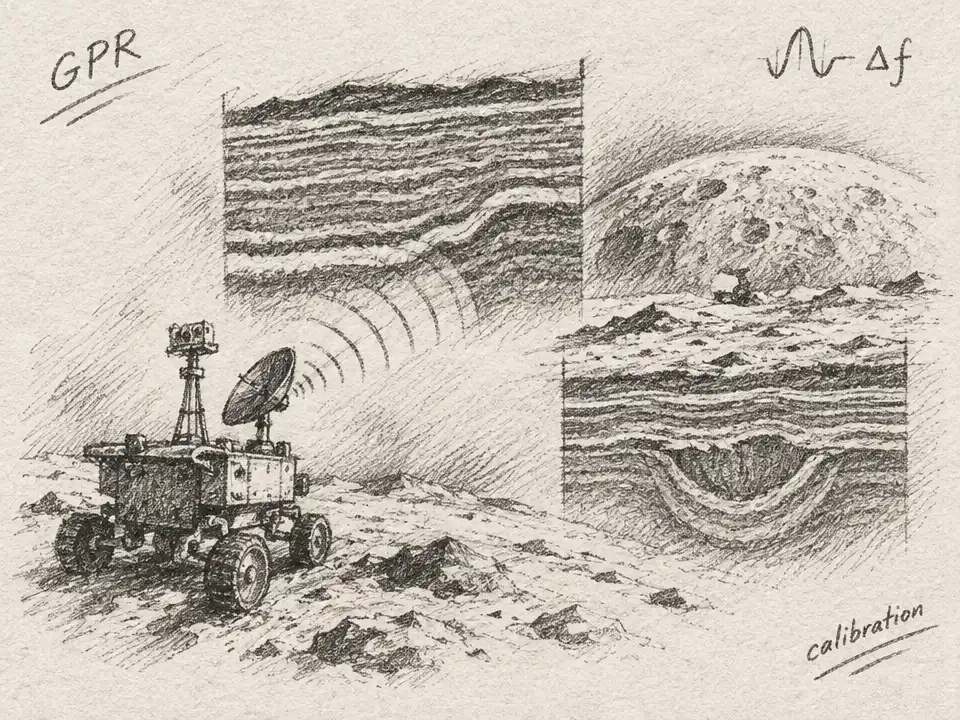
A rover radar’s apparent lunar layers also appeared in Earth tests. A later Moon mission shows how calibration can separate signal from geology.