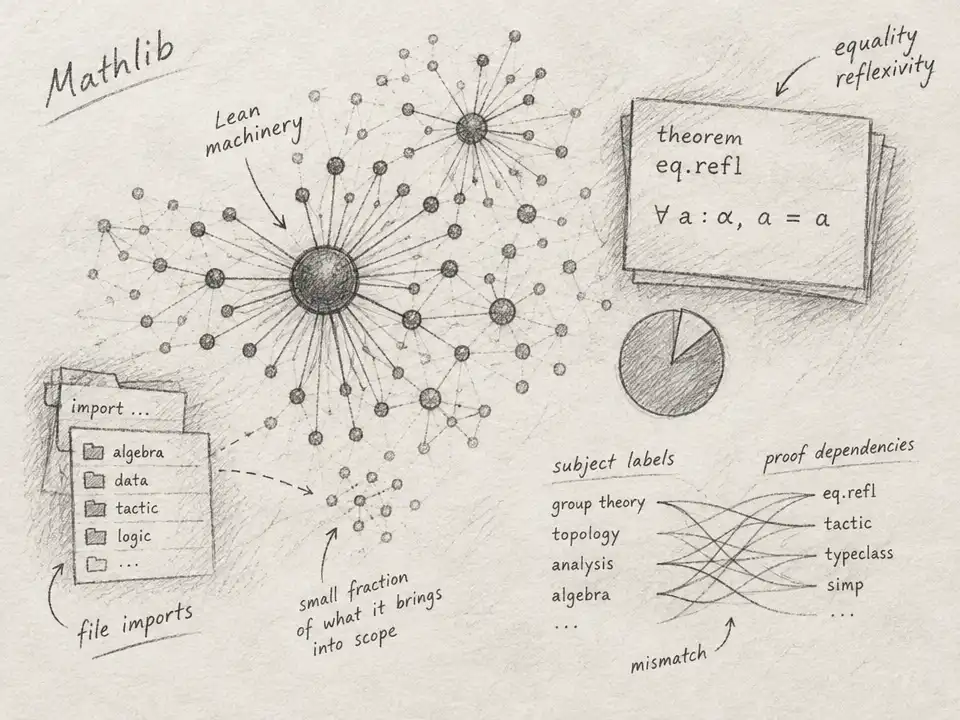
Why a Trivial Equality Becomes a Giant Hub in Formal Math
A network-science map of Lean’s Mathlib finds proof dependencies diverge from subject labels—and basic equality rules become giant hubs.
A network-science map of Lean’s Mathlib finds proof dependencies diverge from subject labels—and basic equality rules become giant hubs.
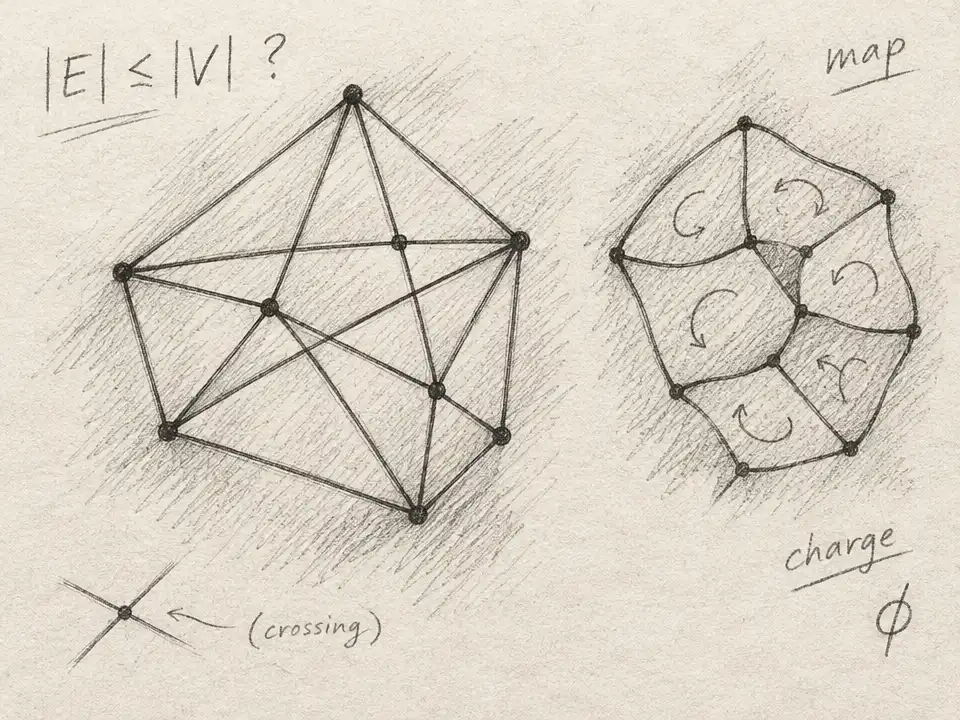
A long-standing graph-drawing puzzle gets a sharper edge limit through topology, short-cycle clues, and a clever face-by-face charge transfer.
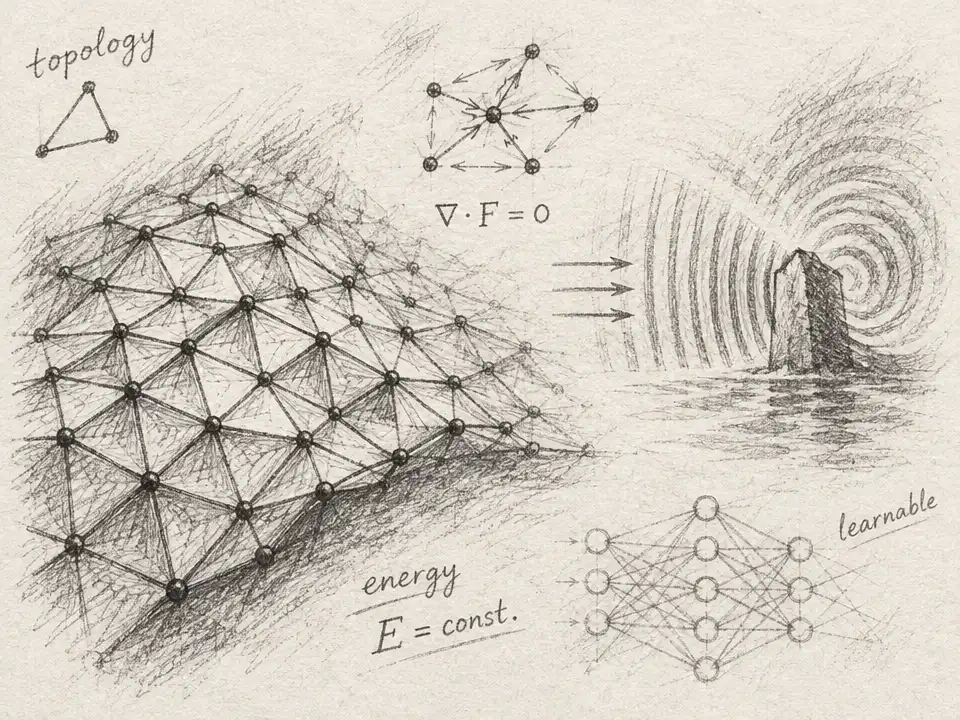
A new theorem connects mesh topology to energy-stable neural physics, helping simulations learn geometry without relearning conservation.
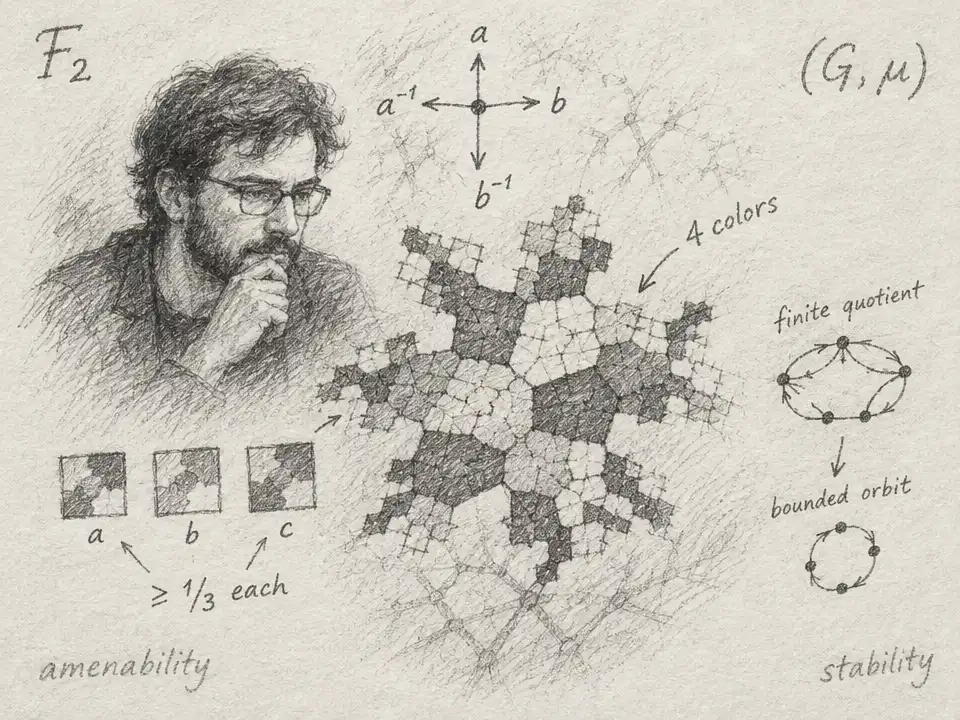
A four-color rule makes fair invariant averaging impossible, while finite quotients build a bounded-orbit type that overturns a group theory conjecture.
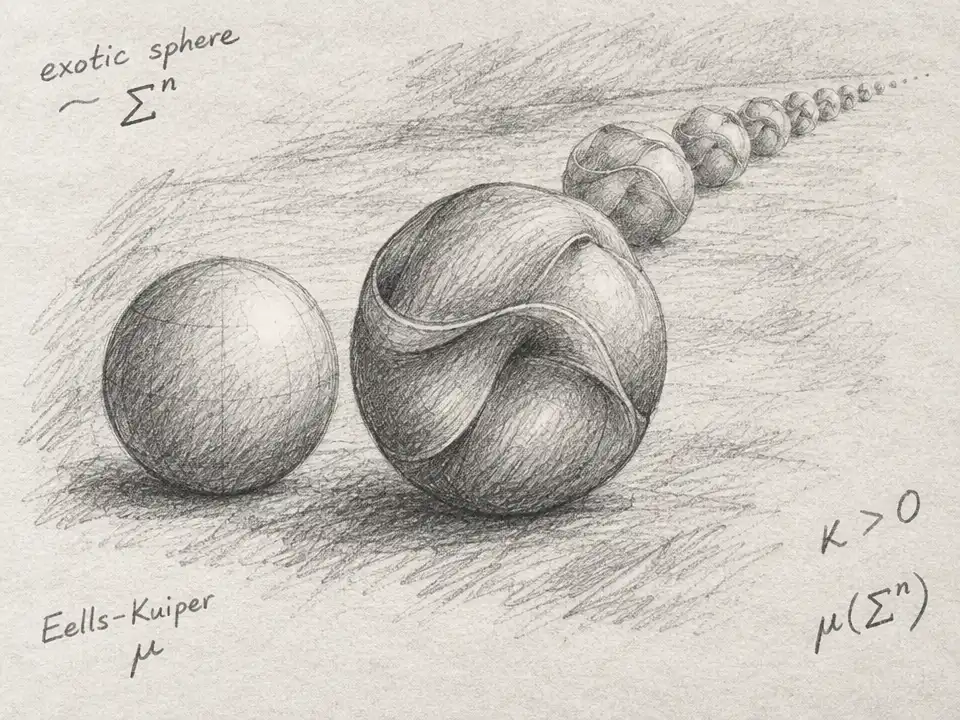
Exotic spheres may hide distinct smooth structures beneath positive curvature, expanding the geometric possibilities in infinitely many dimensions.
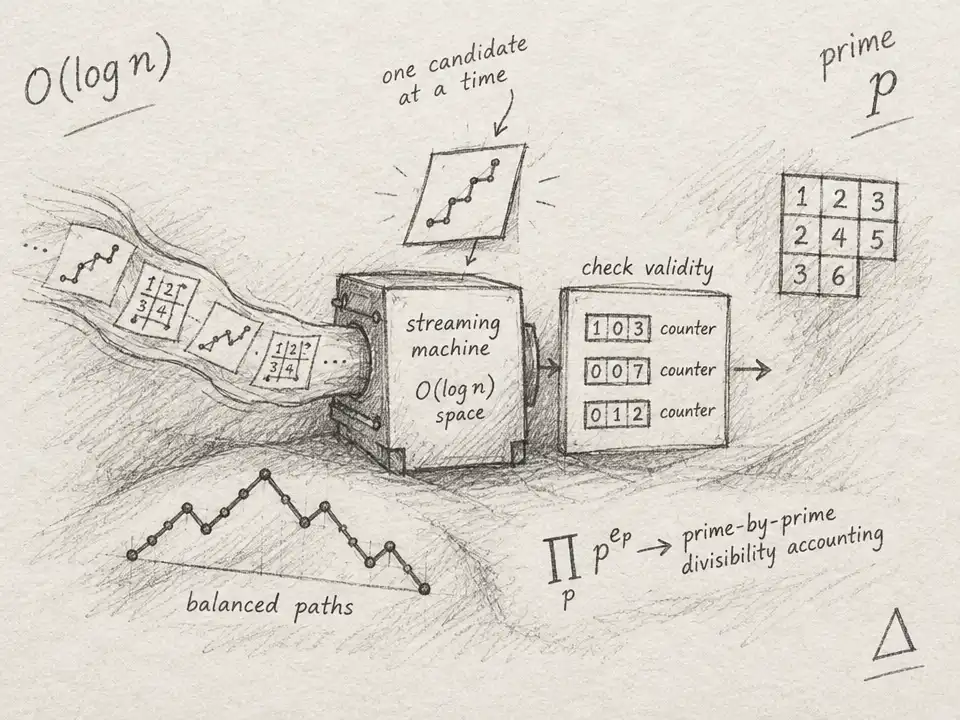
A new complexity-theory toolkit shows how tiny-memory verifiers can count Dyck paths, tableaux and more by checking candidates one at a time.
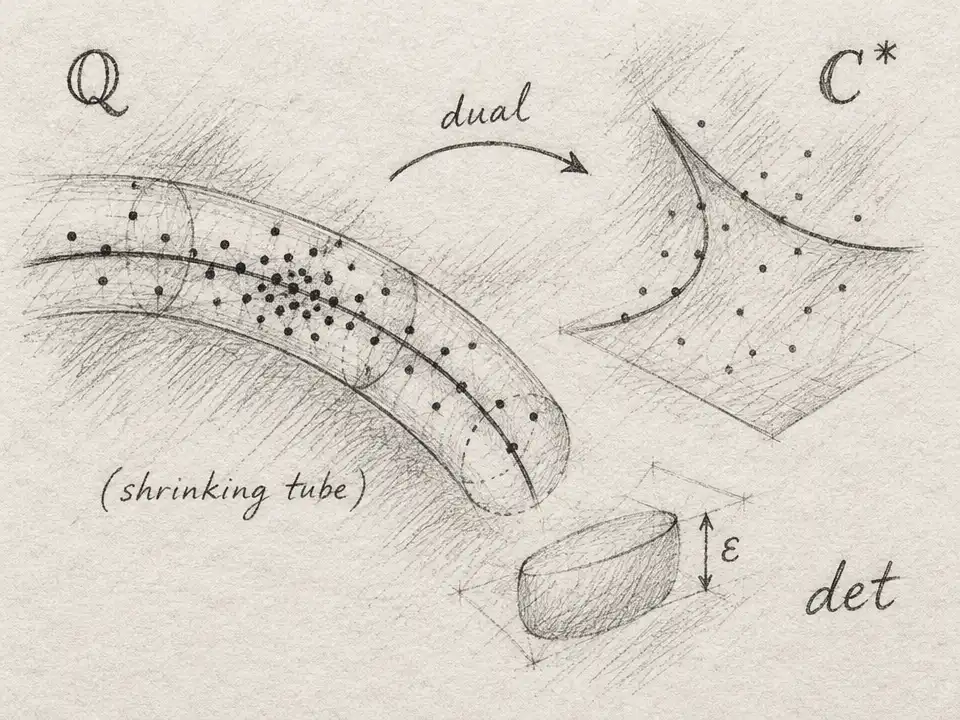
A geometric duality trick turns crowded rational points near curves into a sparse counting problem, yielding sharp bounds in 3D.
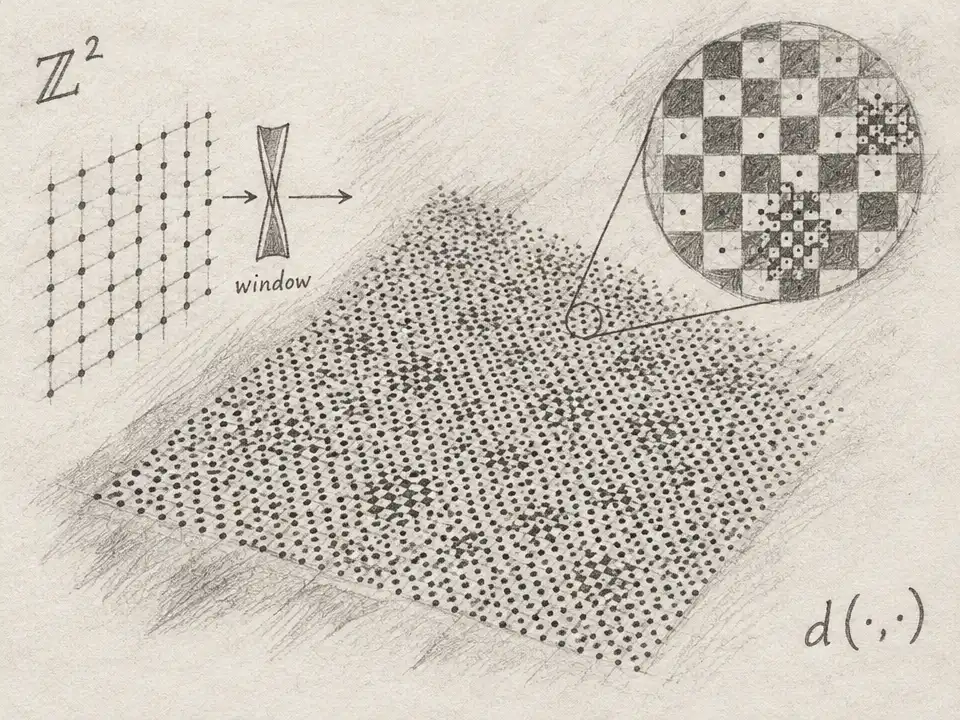
A point pattern can have uniform density and still resist every bounded-distortion match to a regular lattice.
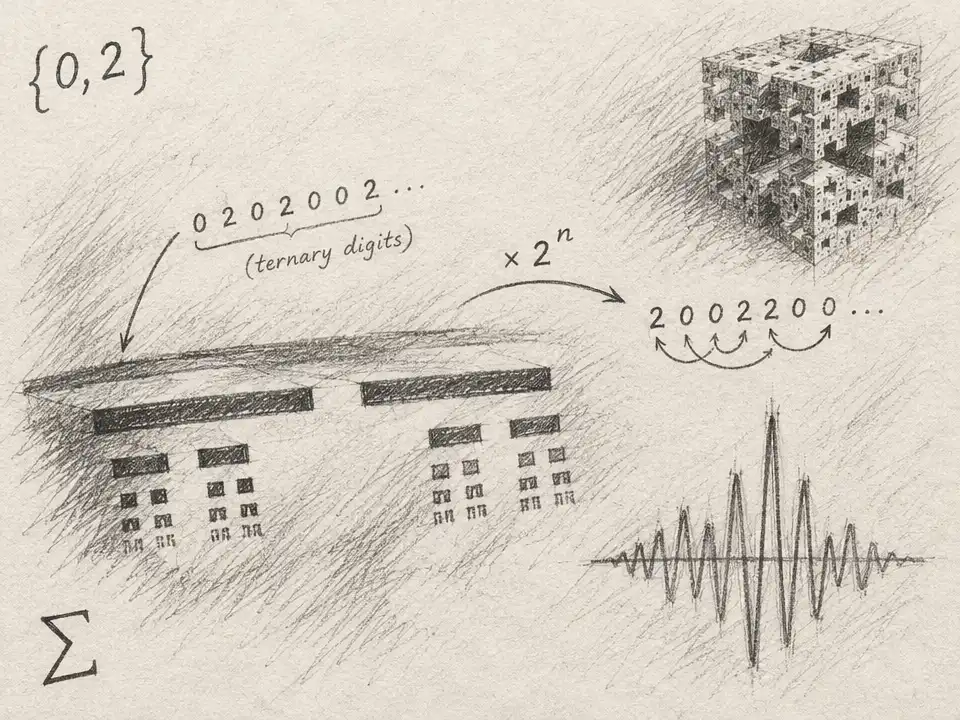
A new digit-tracking method proves when powers of two bring typical points in the middle-third Cantor set close to integers.
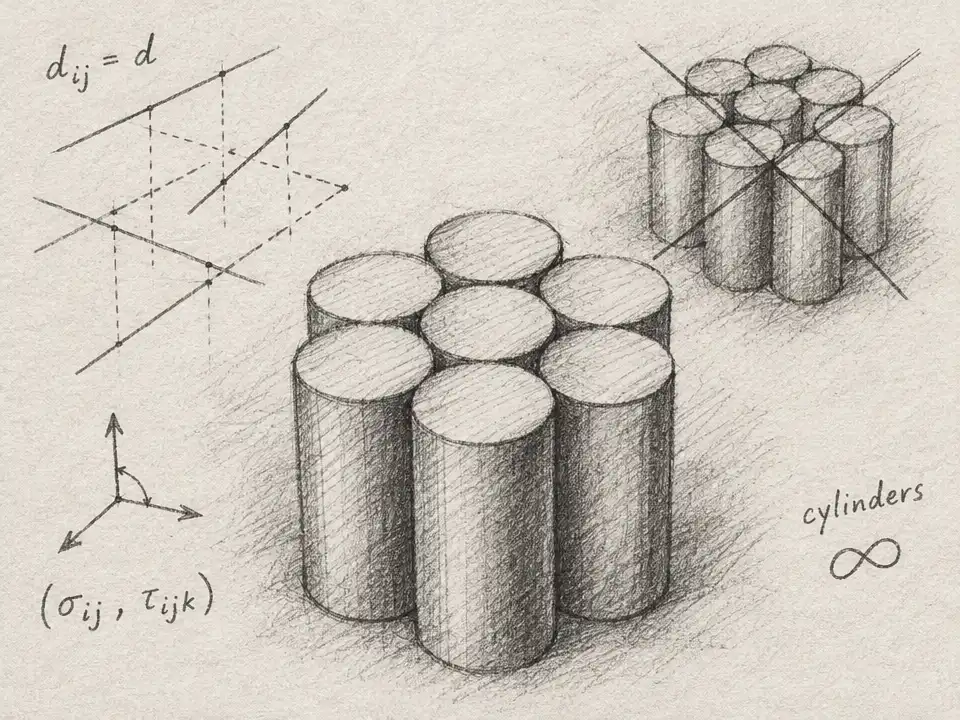
A hidden system of geometric signs proves that seven is the most infinite, equal-radius cylinders can touch pairwise in three-dimensional space.
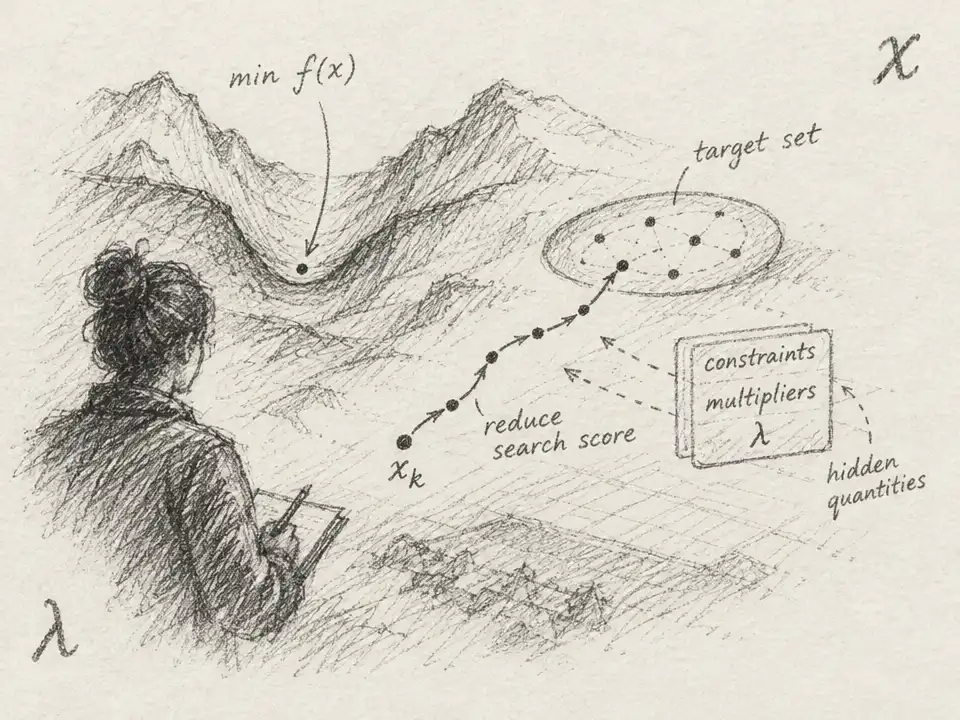
A control-theory framework recasts optimization as guided motion, revealing how hidden states and carefully chosen steps can lead toward candidate solutions.
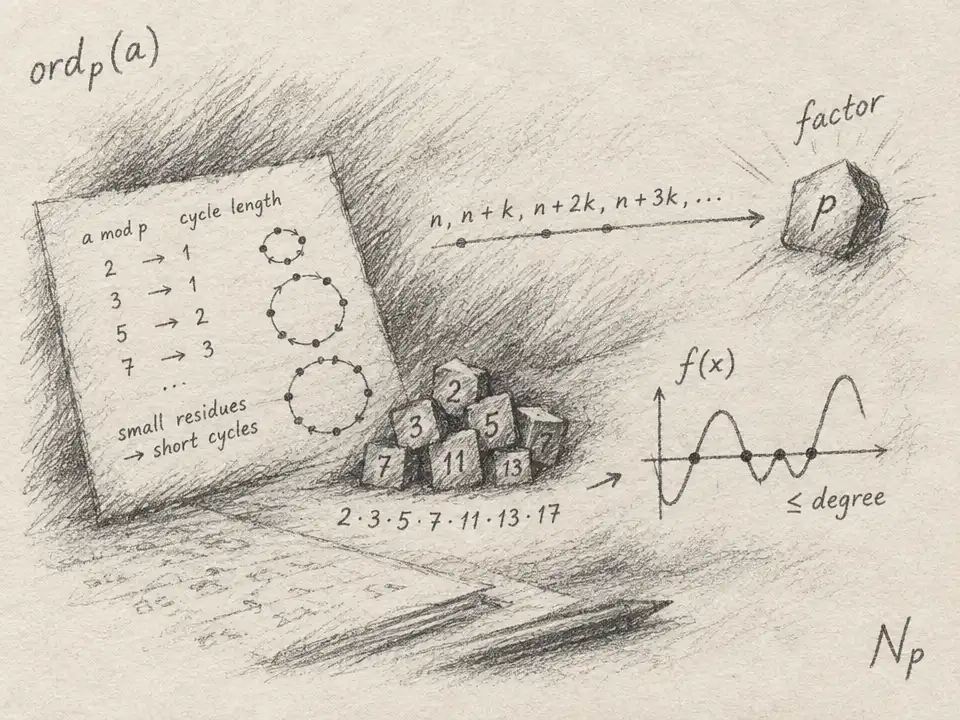
A number-theory algorithm turns small modular cycles into a deterministic search for a factor, using smooth numbers to keep the search fast.
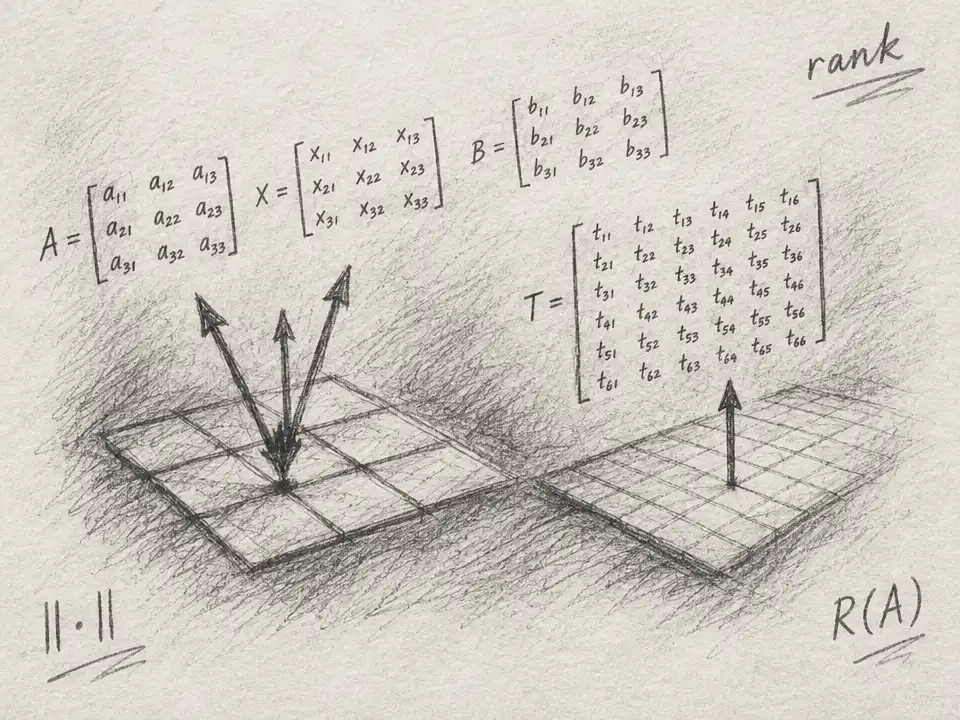
A three-by-three matrix overturns a 2011 rank-minimization conjecture, showing two natural ways to measure error can disagree.
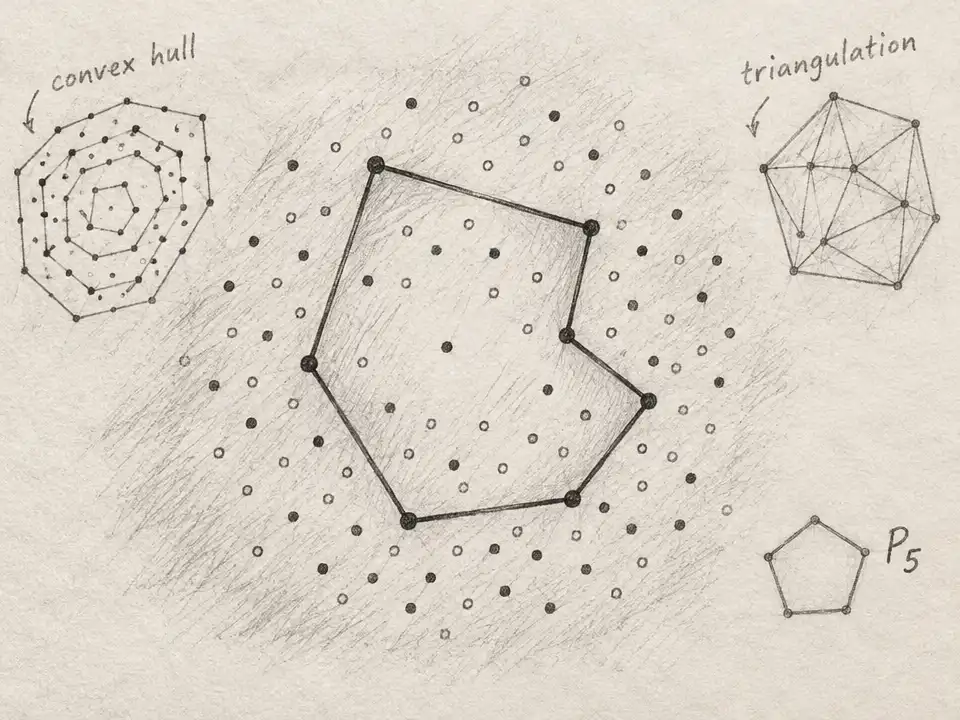
A geometry theorem forces a nearly empty monochromatic hexagon in every sufficiently large two-color point set, with a guarantee at 306,447 points.
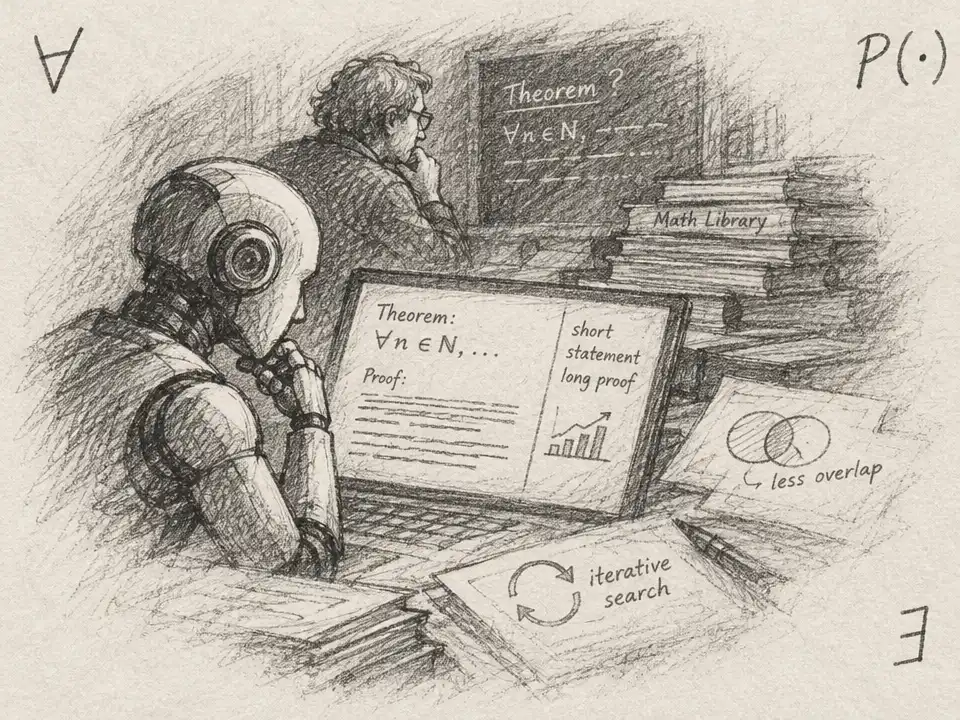
A new math study uses the gap between a theorem’s short statement and long proof to guide machine-generated mathematical discovery.
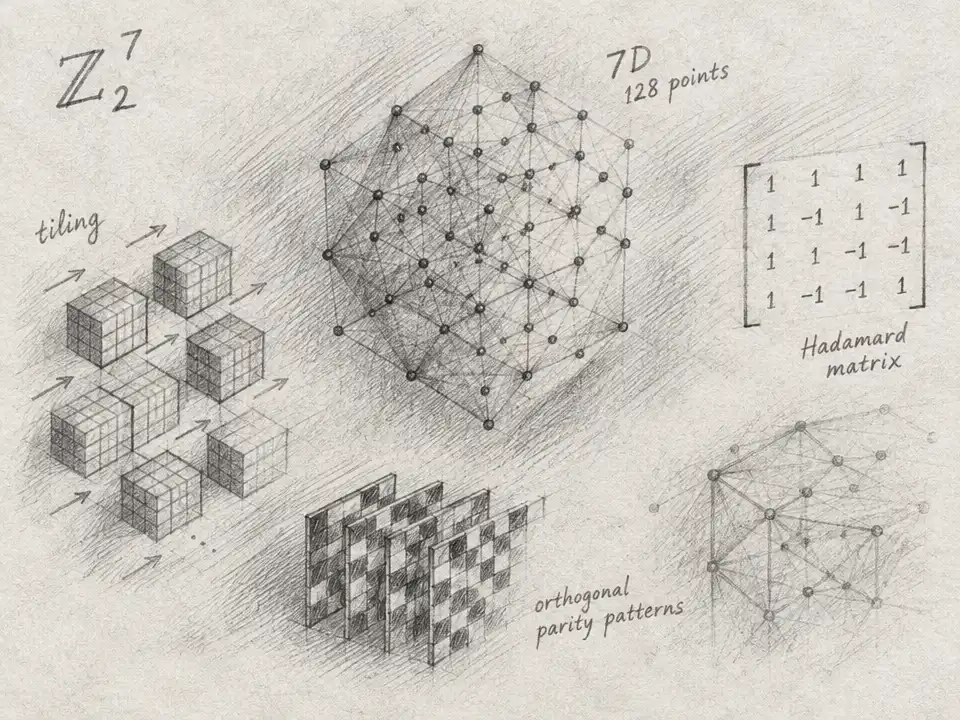
A new theorem links exact tilings and orthogonal Fourier patterns in a seven-bit space, while exposing the hard next cases.
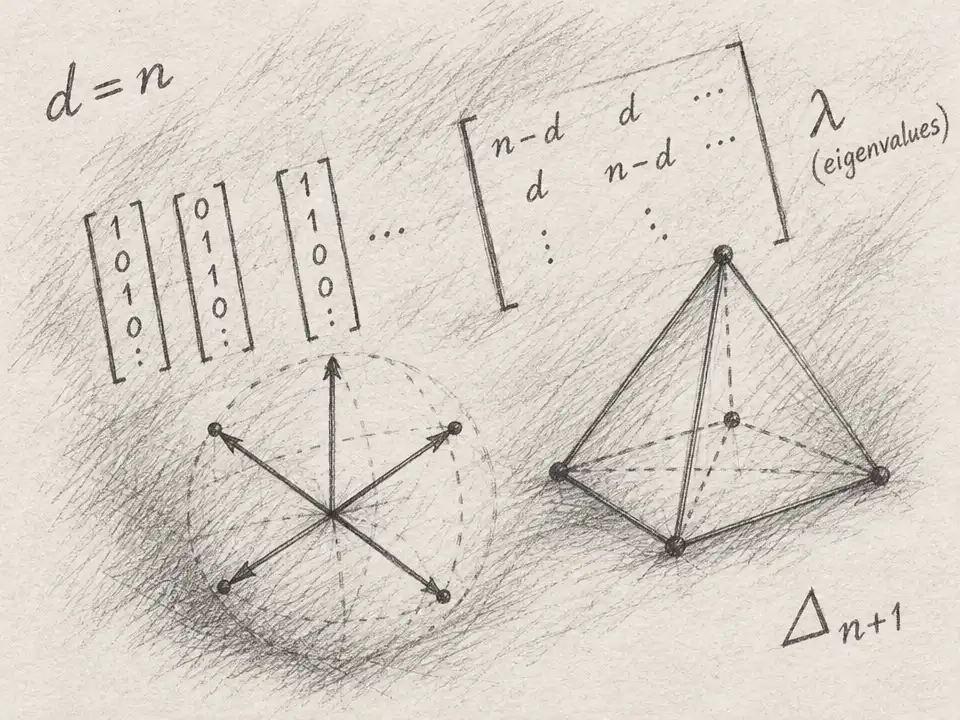
A new eigenvalue-based proof turns equal-distance messages into geometry, exposing a sharp limit and the lone distance where it bends.
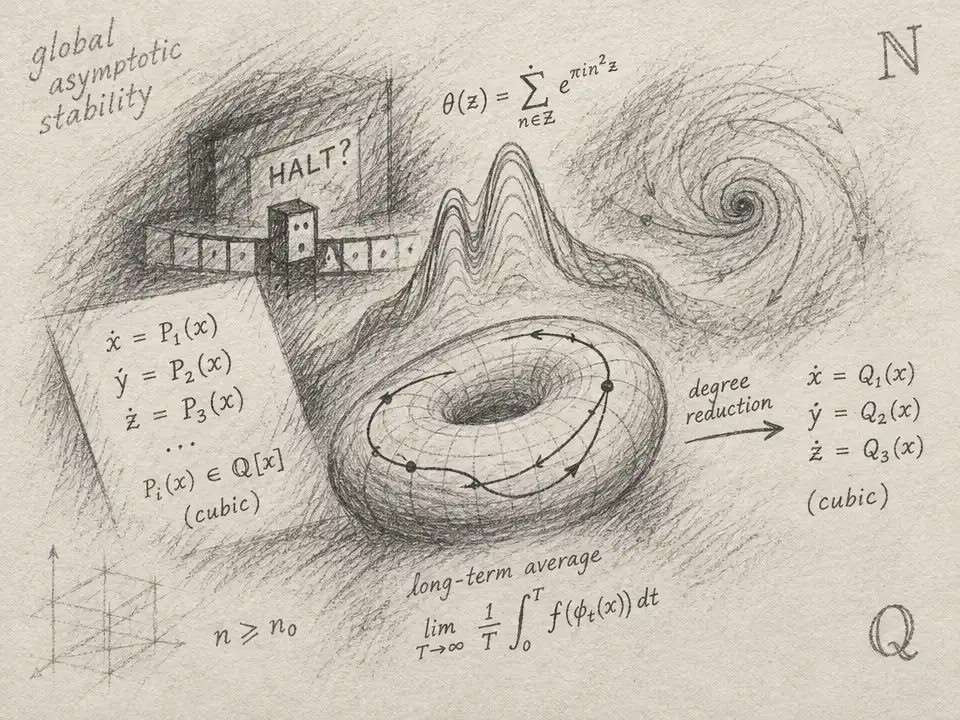
A new proof shows why no algorithm can always decide whether sufficiently high-dimensional cubic equations settle at the origin.
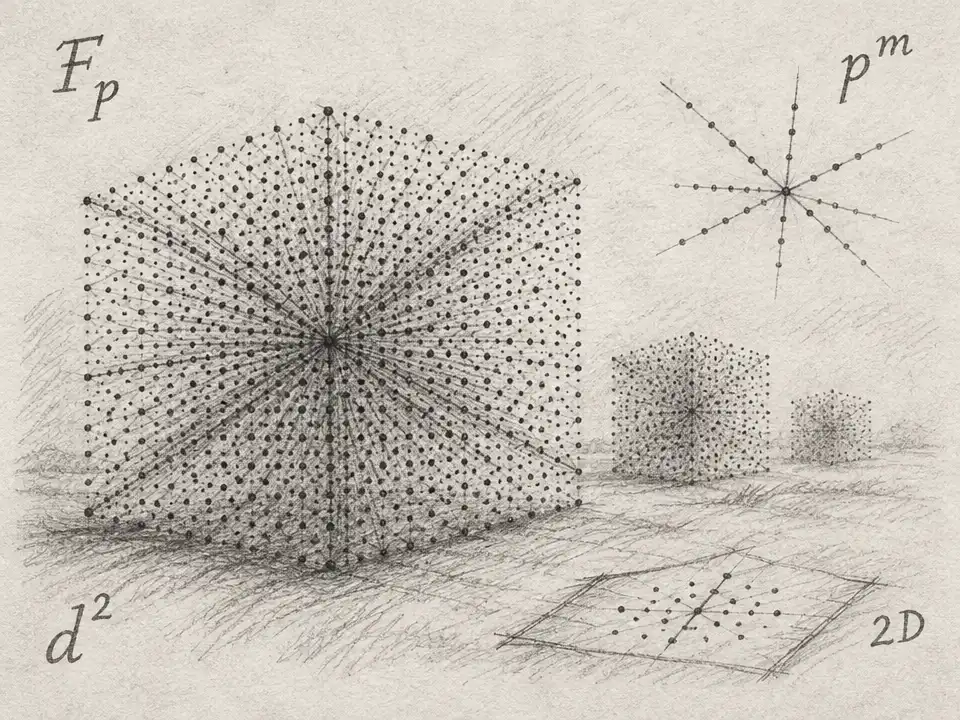
A finite geometry can hide all nonzero distances at a precise size. One point beyond it forces a rich set of distance values.
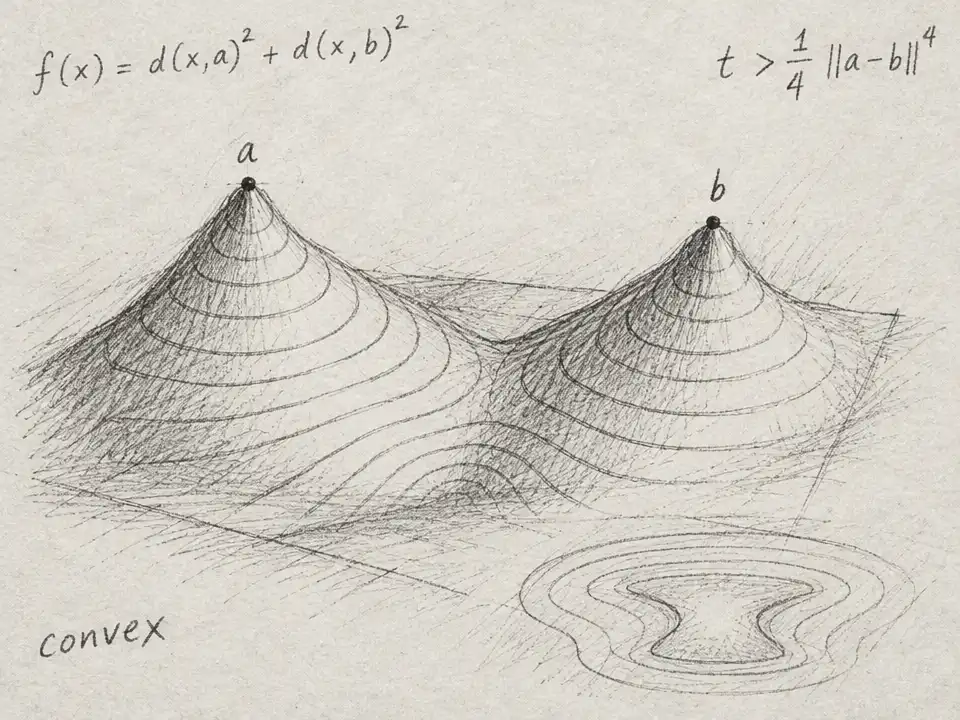
A new theorem finds the sharp convexity threshold for a distance product built from two points—and shows why more anchors complicate the frontier.