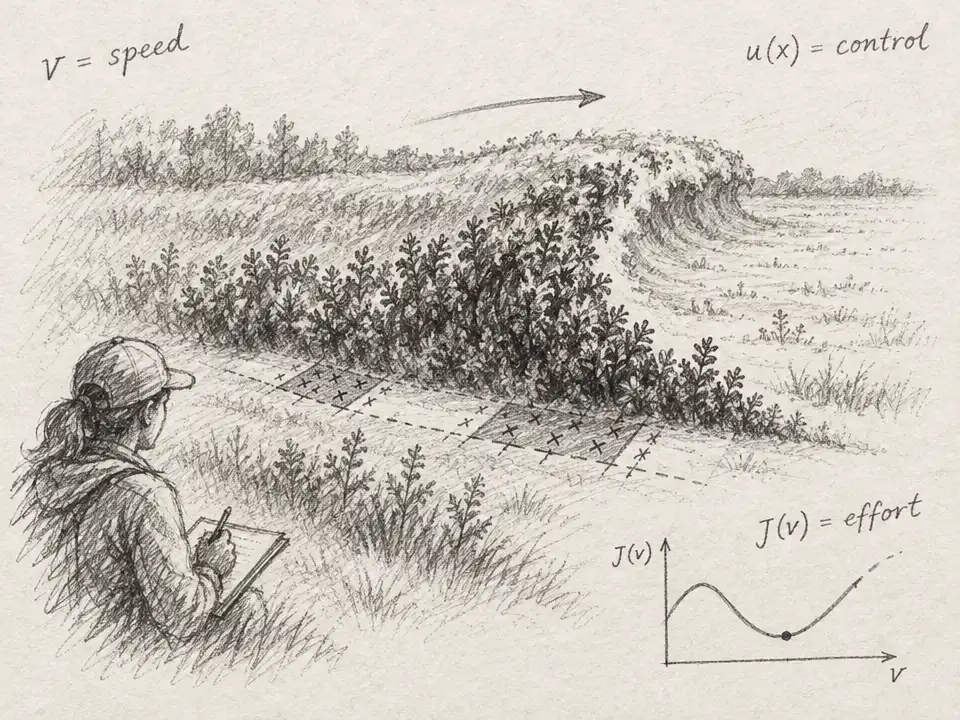
The Math of an Invasion Front Has a Counterintuitive Price Tag
A mathematical model of invasive spread finds a unique control strategy—and shows why faster fronts can carry a surprisingly uneven cost.
A mathematical model of invasive spread finds a unique control strategy—and shows why faster fronts can carry a surprisingly uneven cost.
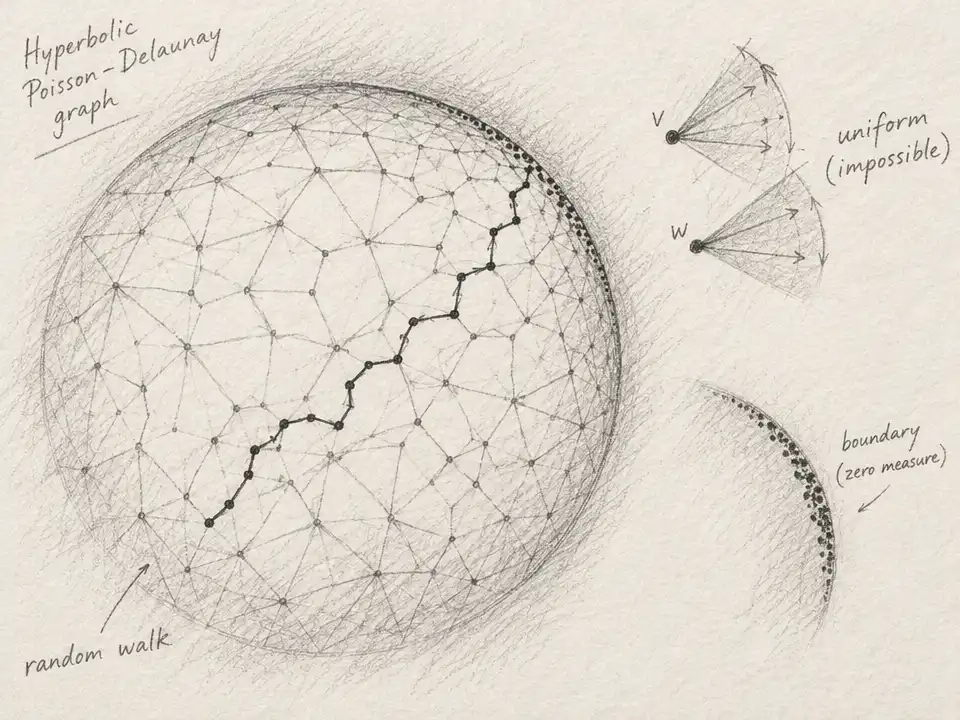
On a random hyperbolic tessellation, each walk’s endpoint law hides on a zero-measure set—even though averaging landscapes gives a uniform boundary.
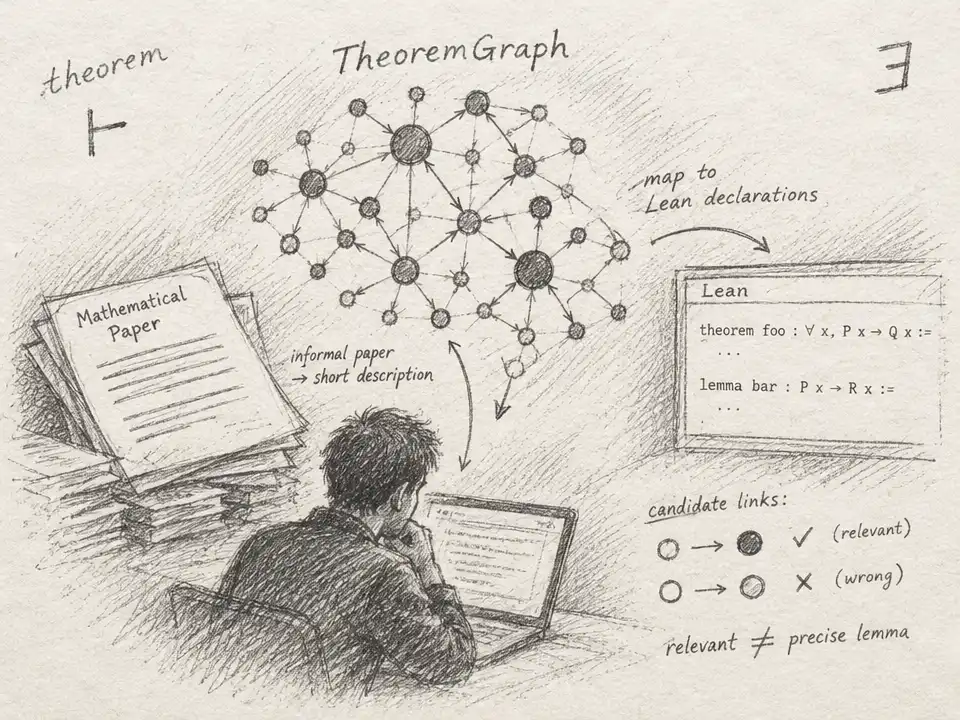
A theorem-by-theorem map links millions of mathematical claims across papers and Lean proofs, offering new ways to search—and revealing limits.
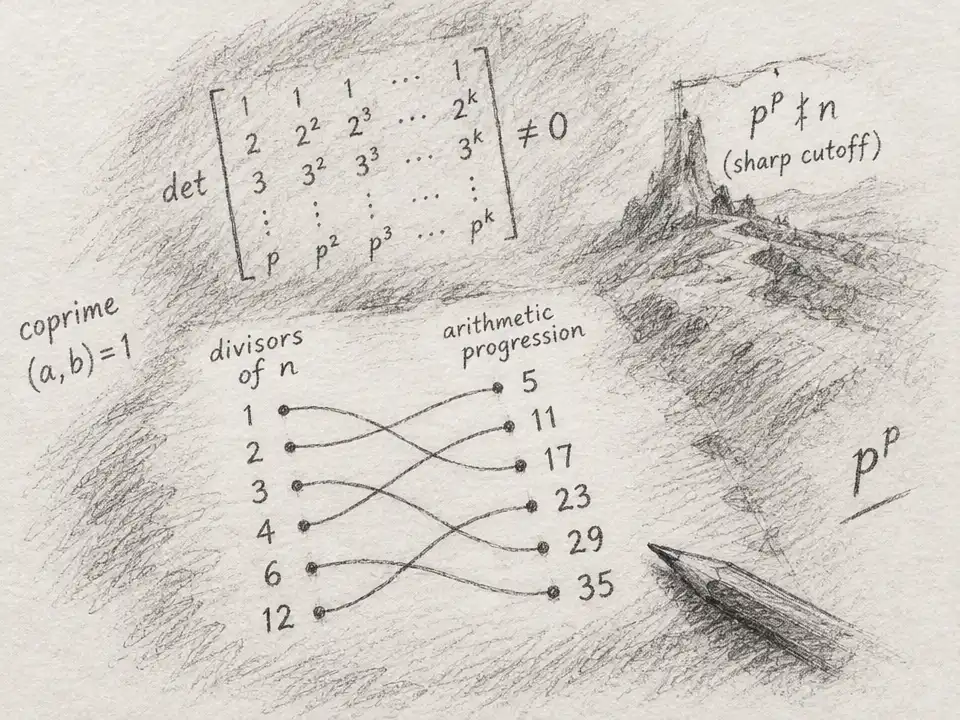
A divisor-matching puzzle has a surprisingly local solution: prime-by-prime counts guarantee a global coprime pairing.
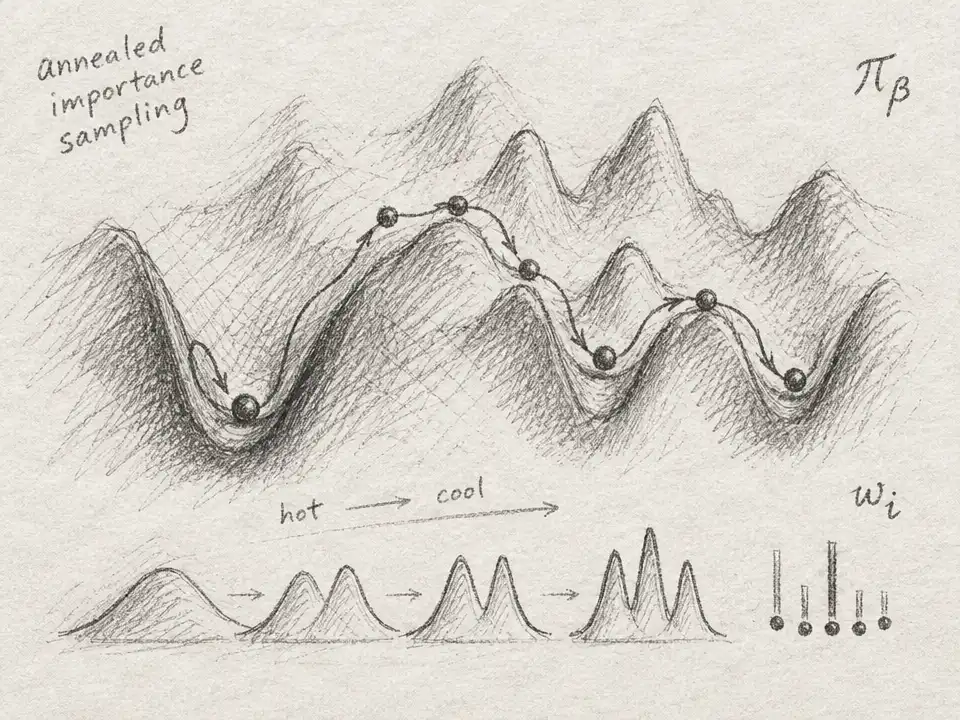
A mathematical proof shows how annealing may help sampling cross energy barriers, while strict assumptions reveal what still stands in the way.
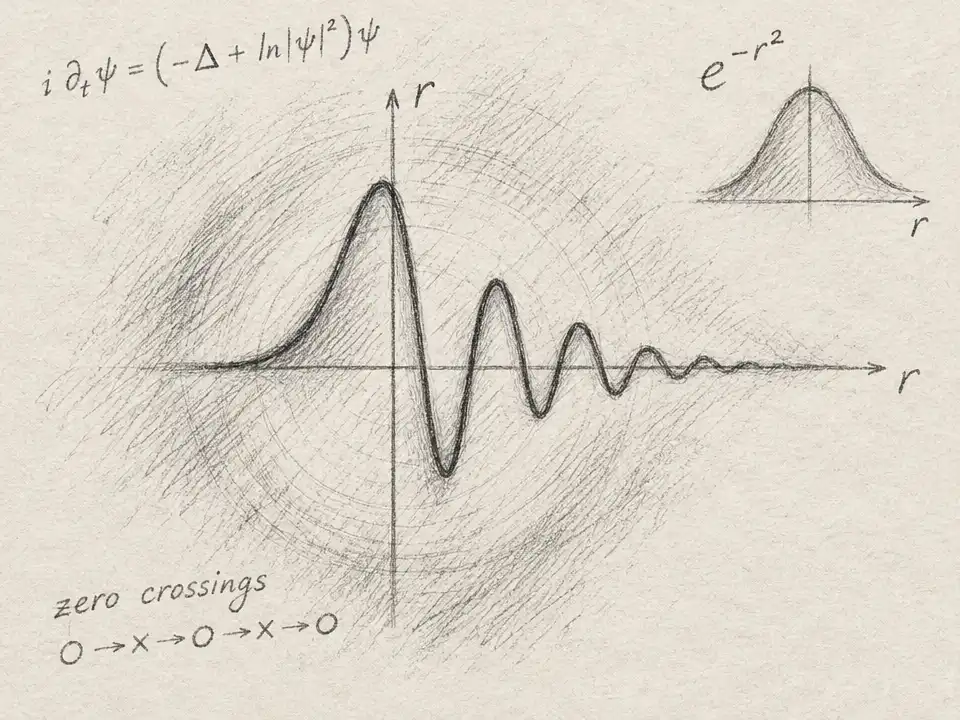
A long-standing uniqueness puzzle is solved: each node count selects one radial, finite-energy bound state for a logarithmic wave equation.
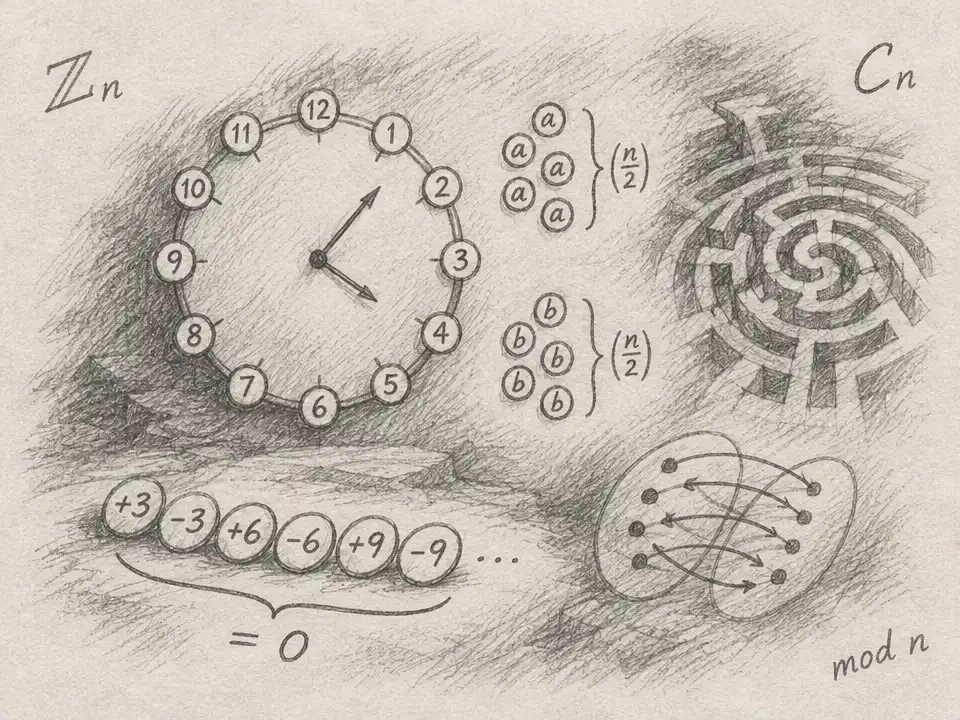
A 1992 conjecture asks how few zero-sum groups can hide in a sequence. A new proof shows two piles are the hardest arrangement to beat.
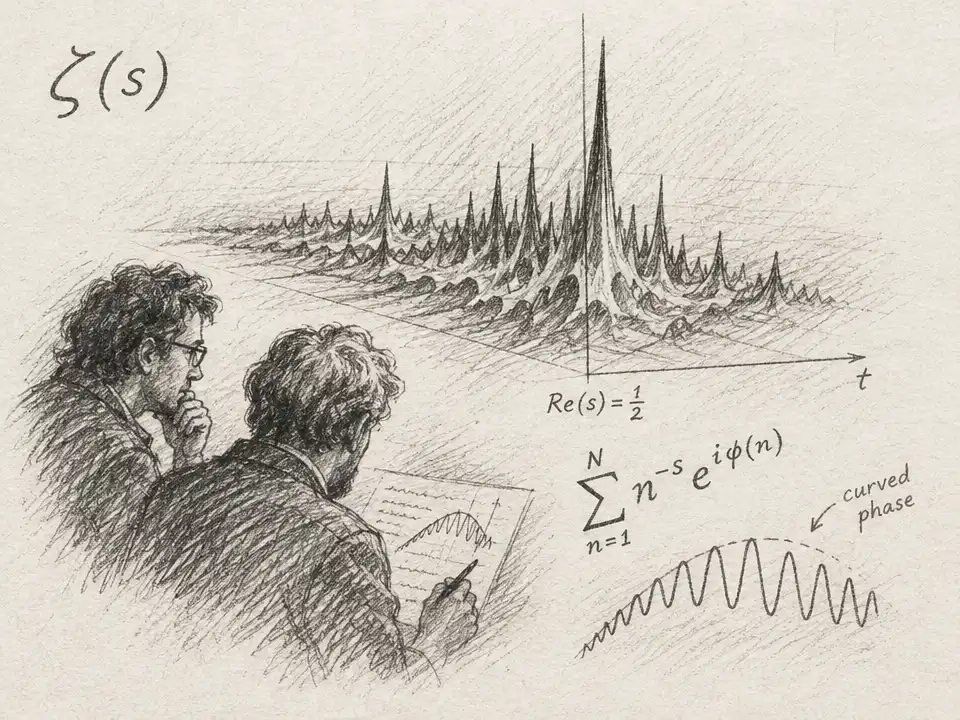
A new method counts unusually large values of the Riemann zeta function, nudging a long-standing sixth-moment bound in a better direction.
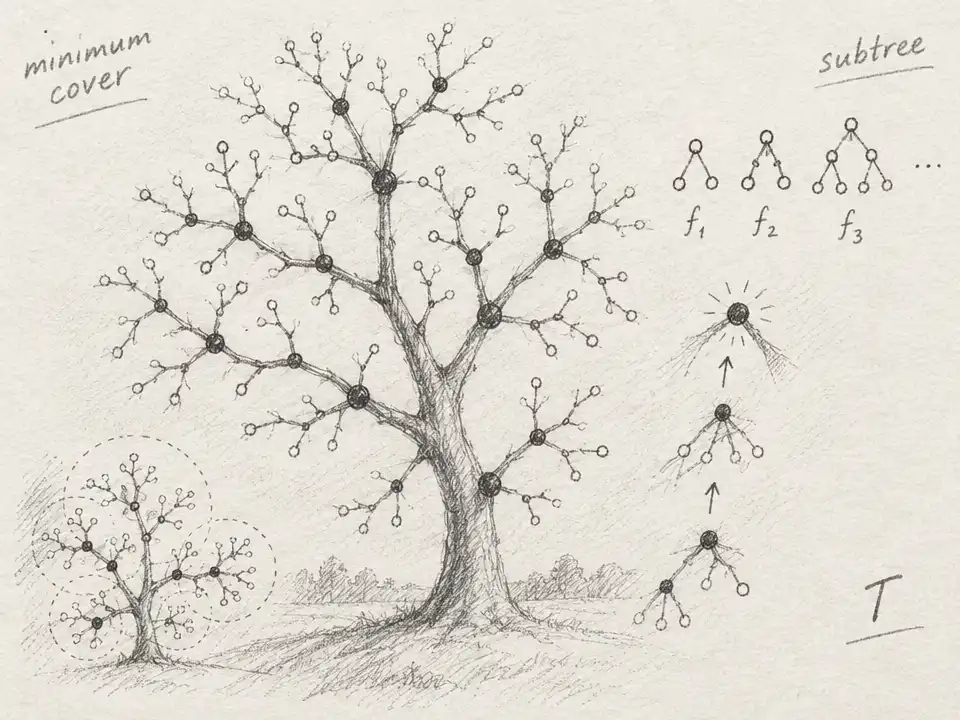
A canonical covering rule turns local subtree patterns into large-scale packing and covering densities across diverse random-tree models.
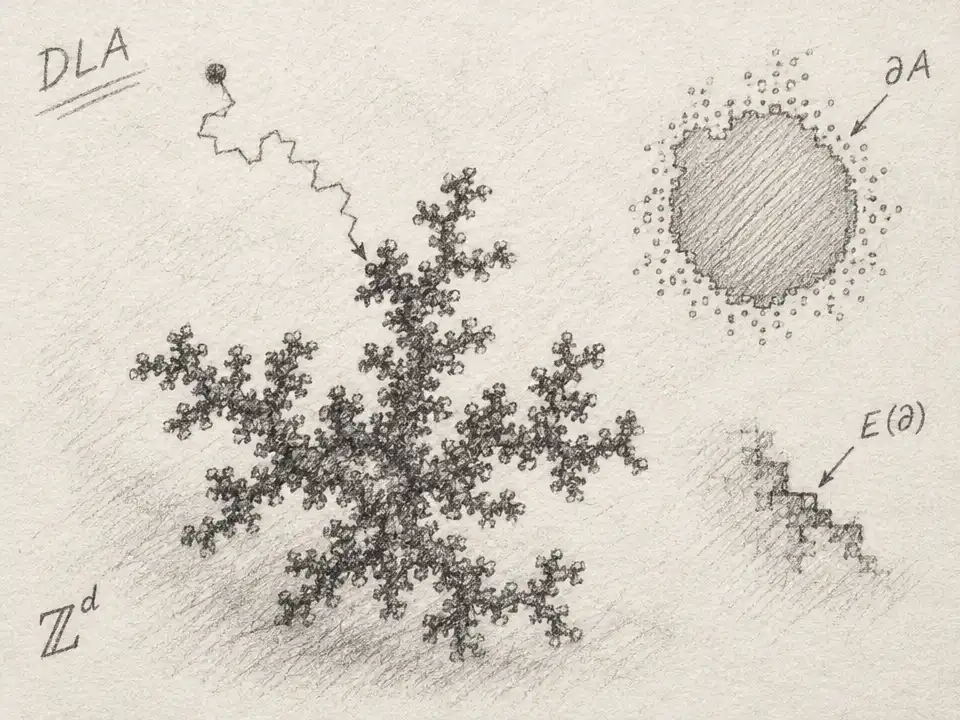
A new DLA theorem rules out smooth bulk shapes and shows why random particle growth must preserve a sprawling, exposed boundary.
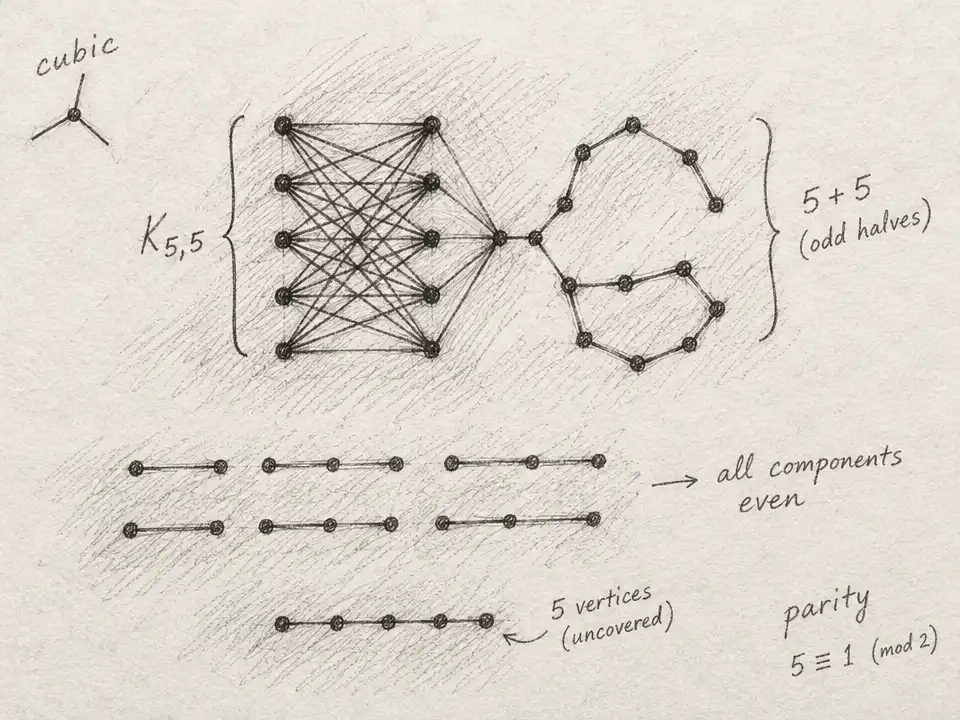
A 16-vertex cubic graph breaks a decades-old path-partition conjecture through a parity mismatch hidden at a single bridge.
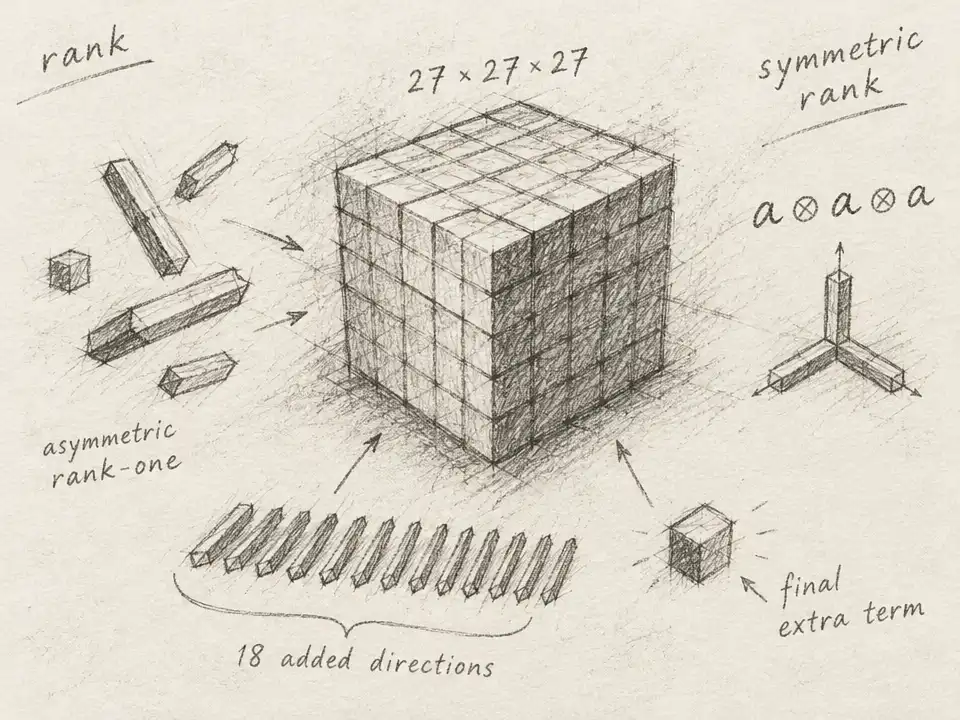
A 27-dimensional tensor exposes a one-term gap between ordinary and symmetric rank, settling a long-running question in multilinear algebra.
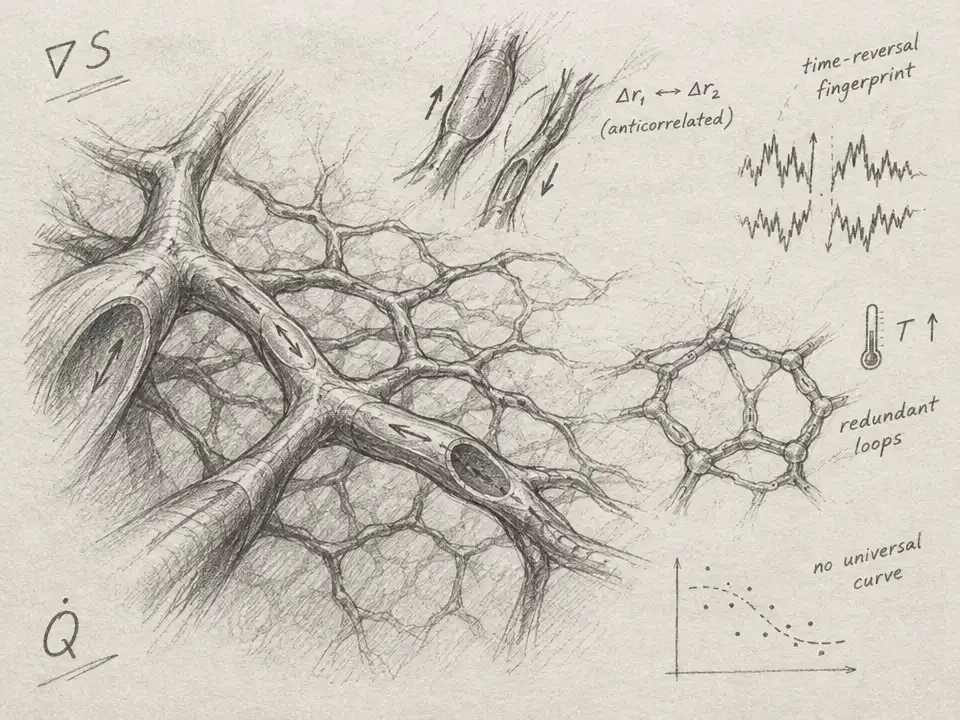
A thermodynamic framework turns local vessel remodeling into testable predictions about flow, metabolic budgets, and hidden network signals.
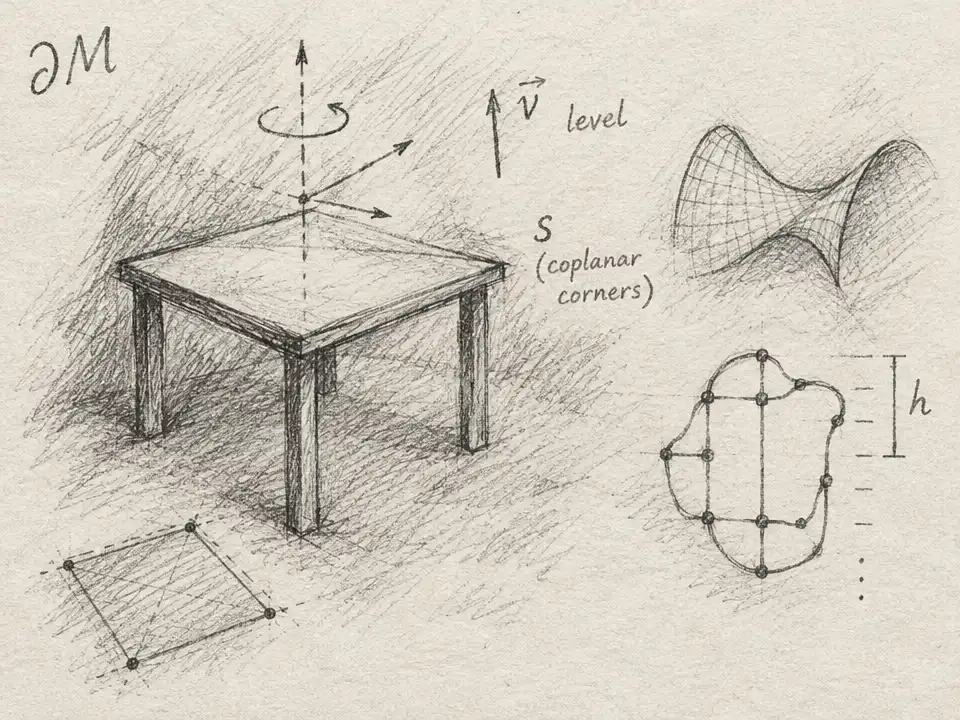
A topological reframe turns table balancing into a parity argument, proving when a square can sit level on an uneven graph and what else follows.
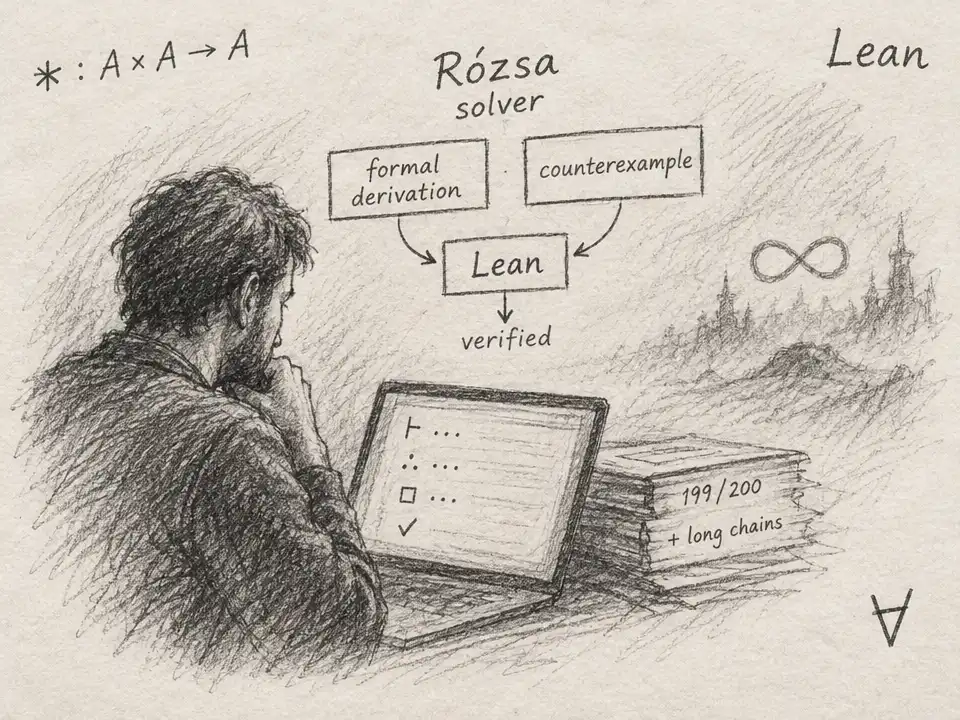
An equation may hide consequences—or admit a counterexample. Meet a proof-search system that checks both paths and reveals where its search stalls.
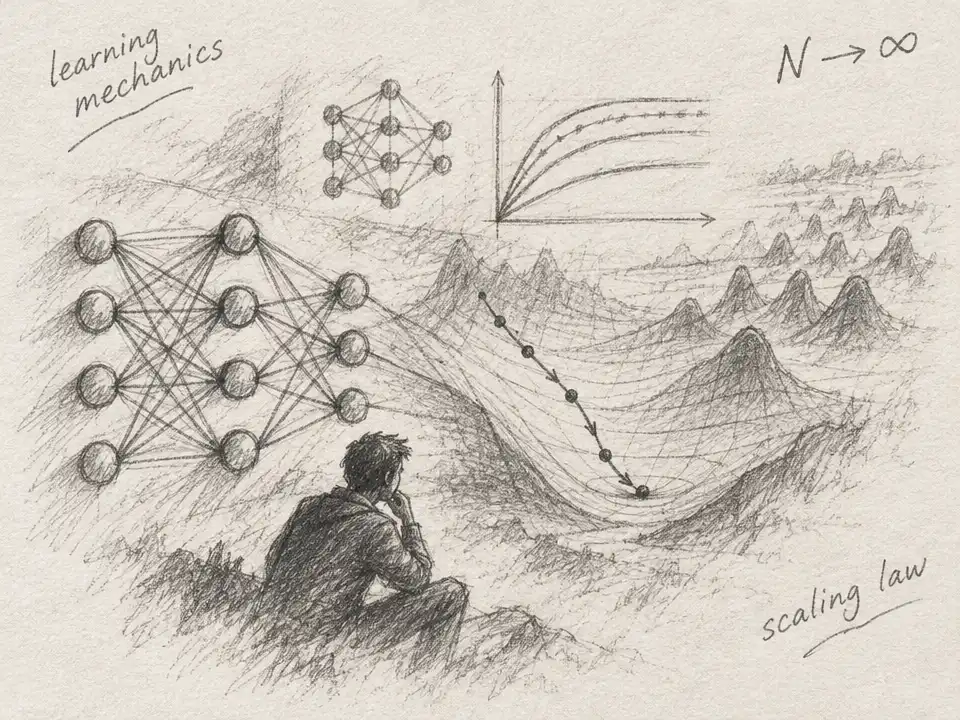
Physics offers a surprising map for neural-network learning: solvable models, scaling laws, and shared patterns point toward a new mathematical science.
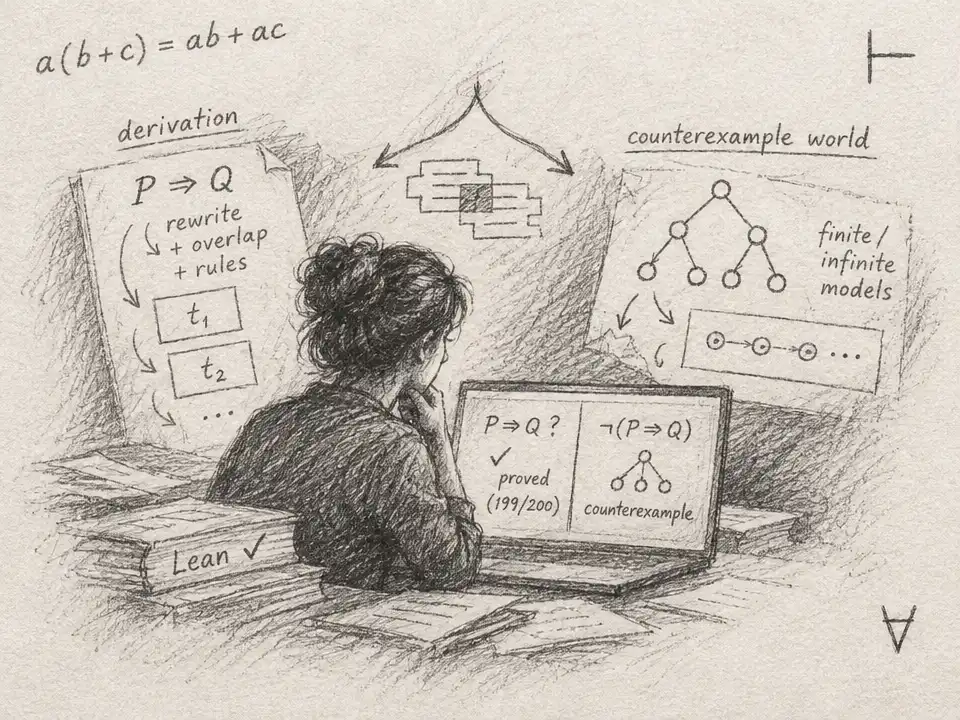
A new solver tackles abstract algebra from both sides: deriving consequences or constructing counterexamples, then asking Lean to verify every answer.
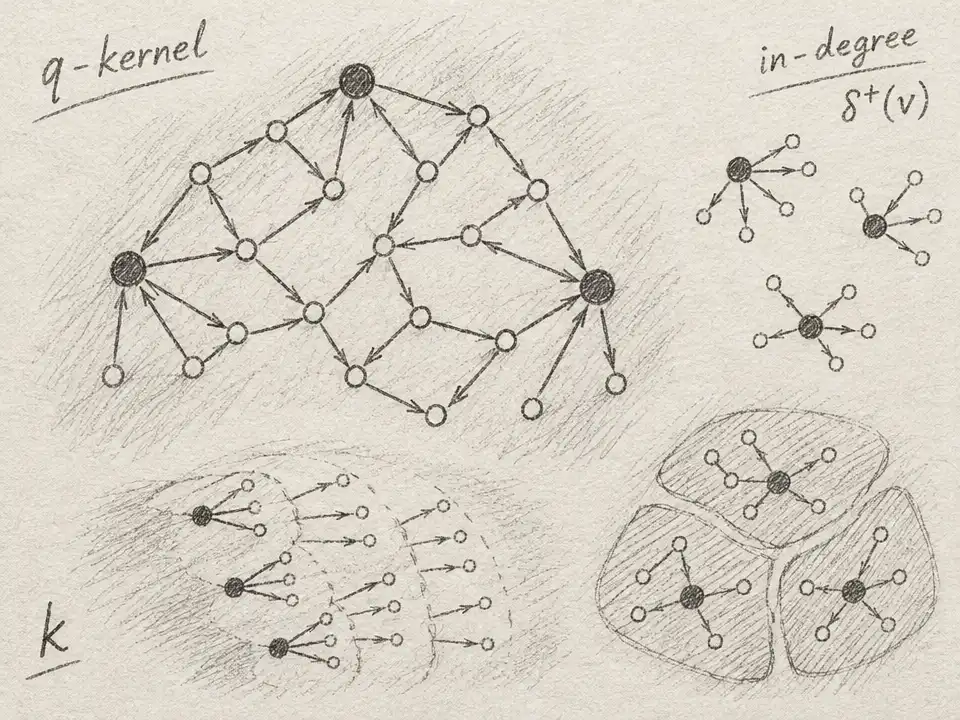
A graph-theory result shows how one extra step can shrink the independent set needed to reach every vertex in a directed network.
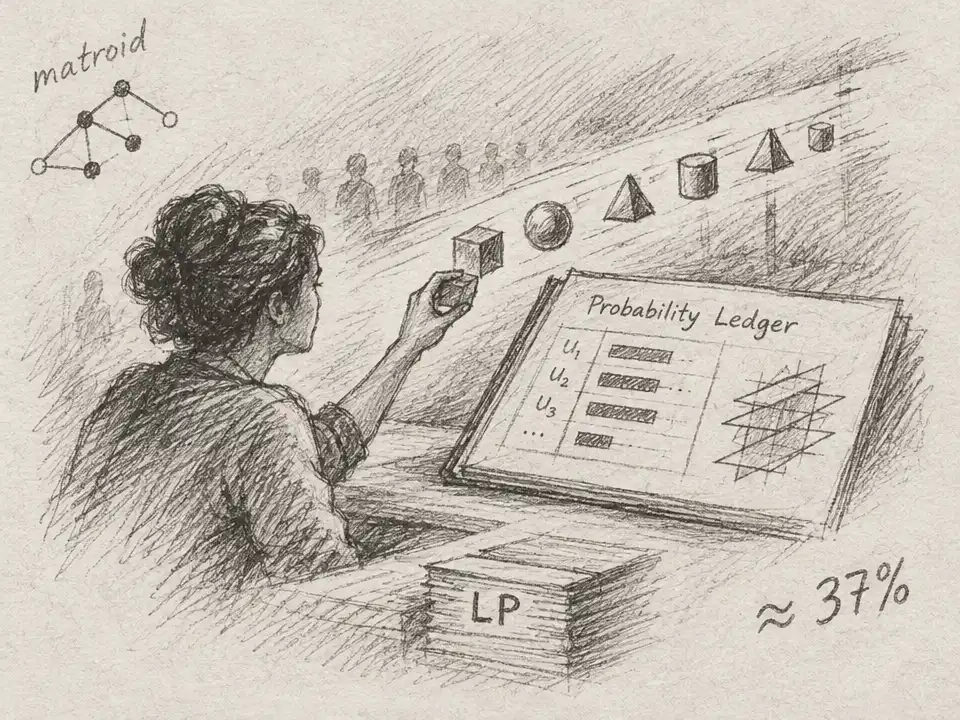
A new matroid secretary result secures a classic selection guarantee despite hidden dependencies, but leaves efficient computation as the next hurdle.
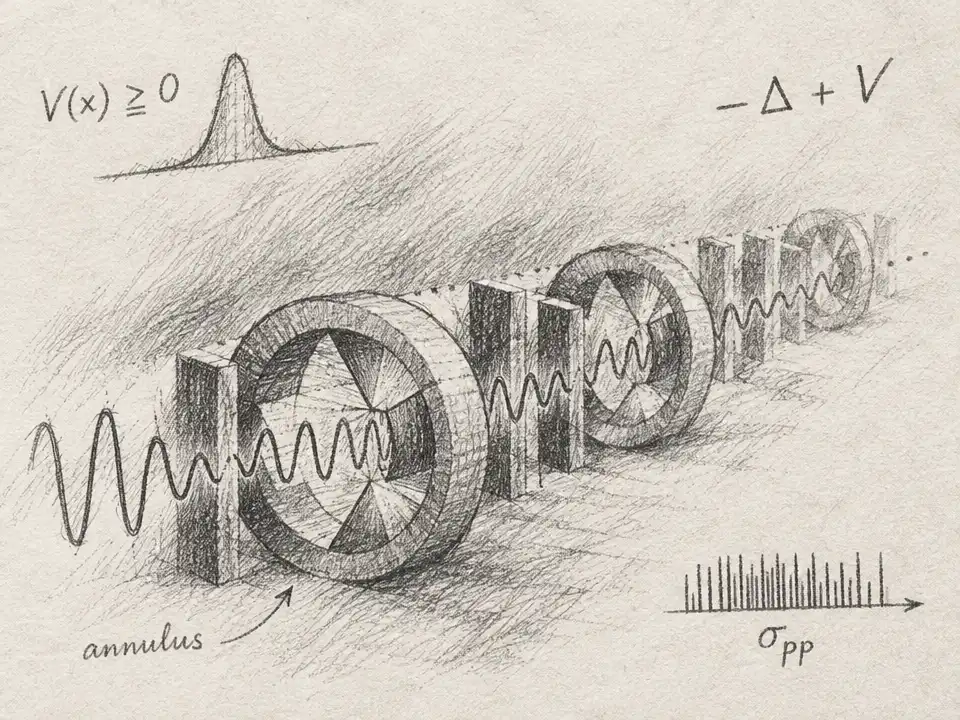
A faint landscape of distant rings overturns expectations about quantum waves, replacing a traveling-state continuum with dense bound states.