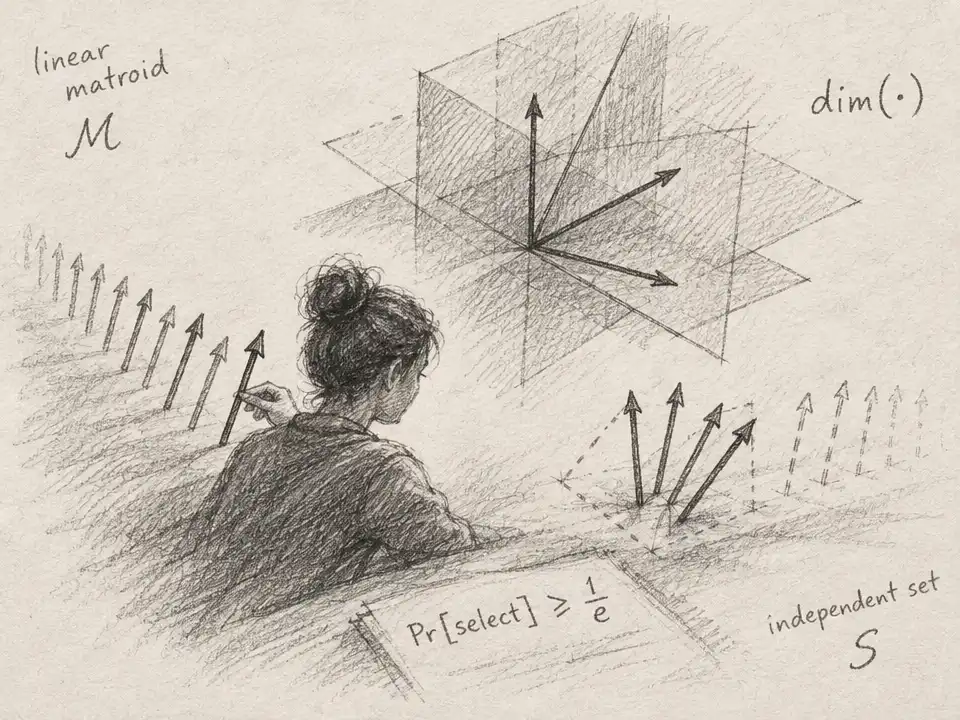
How Invisible Geometry Gives Online Choices a Fair Chance
A new online-selection theorem reveals how tracking every hidden subspace can protect the odds of choosing valuable, independent items.
A new online-selection theorem reveals how tracking every hidden subspace can protect the odds of choosing valuable, independent items.
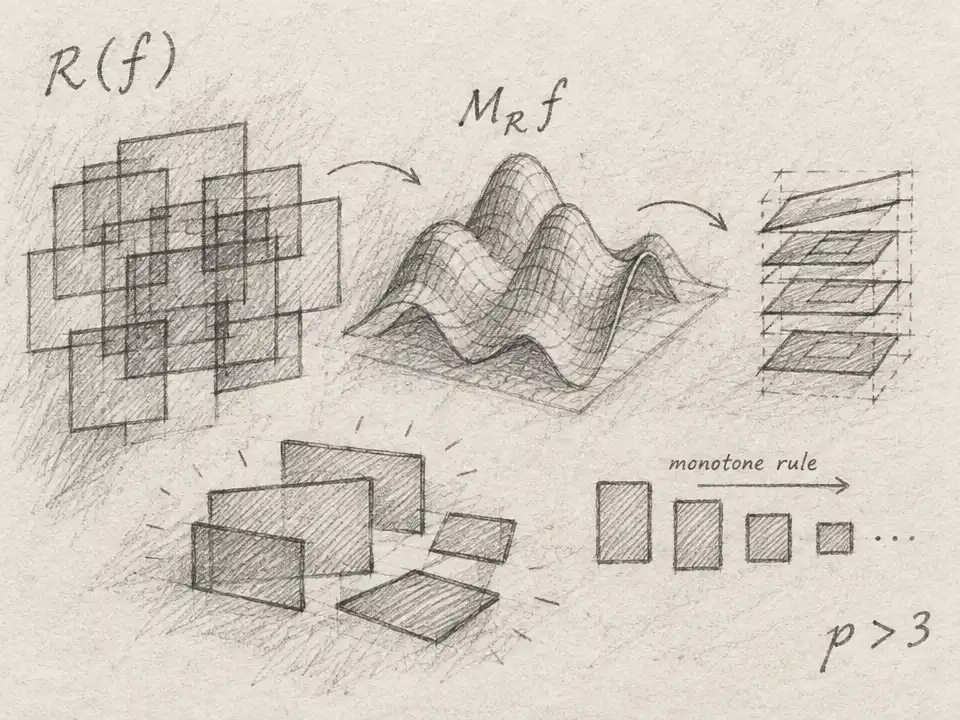
A new averaging trick preserves key rectangle averages while controlling overlap, helping prove a sharp bound for a broad family of geometric searches.
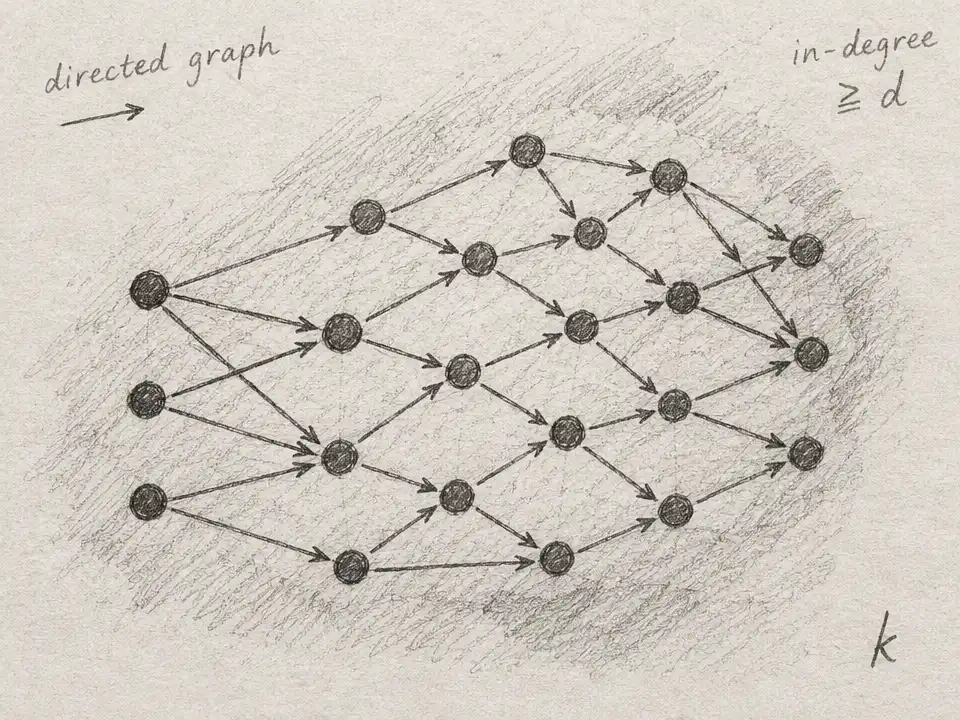
A directed-graph puzzle reveals why one more step can make a tiny set reach every node—and why the two-step version remains open.
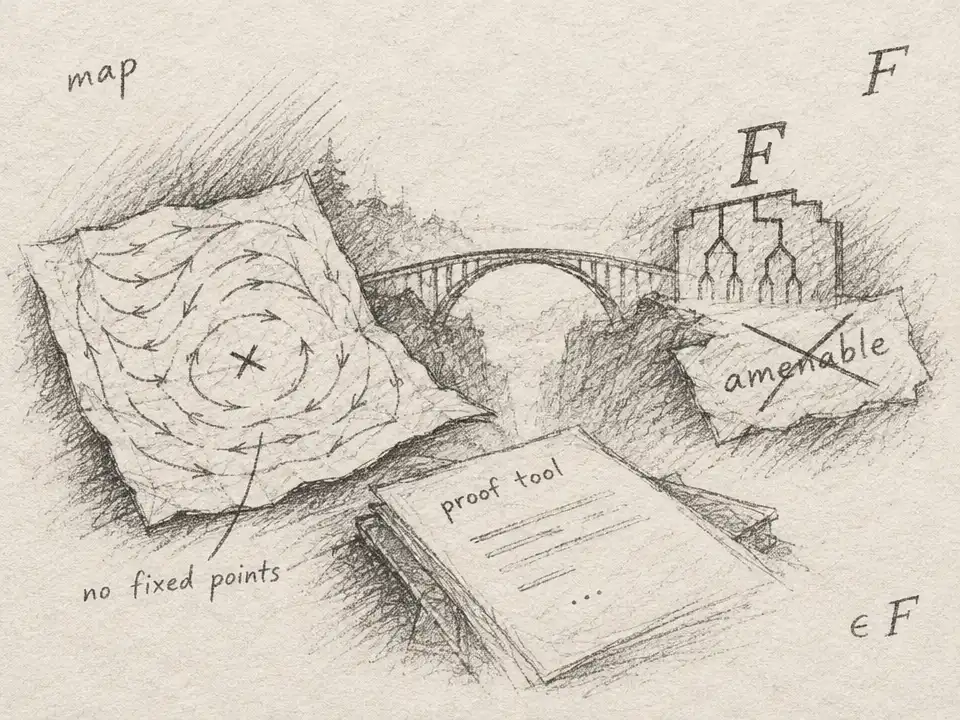
A map that never settles down may expose a group’s resistance to averaging—and illustrates the promise and cost of mining reusable proof tools.
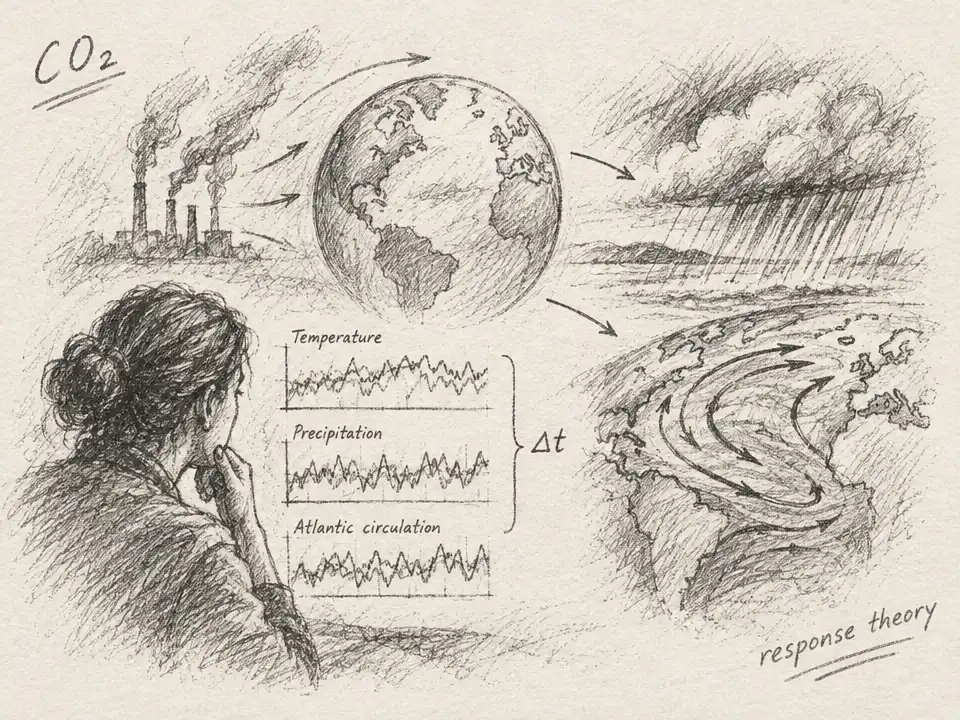
A mathematical bridge from statistical physics shows when climate variables can predict one another—and when a snapshot hides the answer.
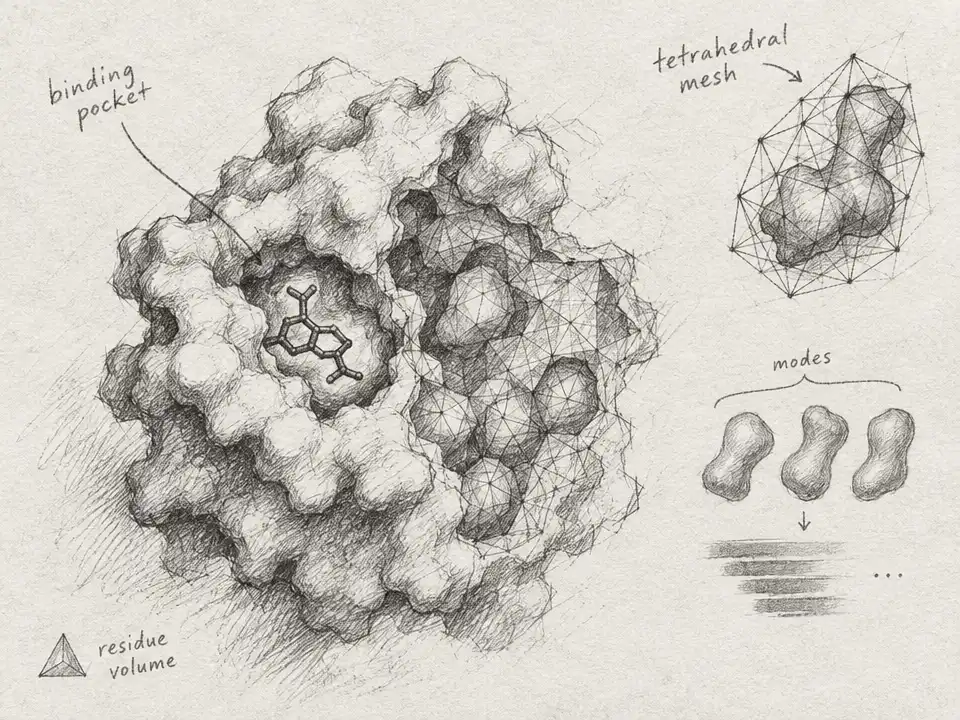
A tetrahedral geometry method maps buried protein volumes, improving computer benchmarks for binding pockets, interfaces, and binder design.
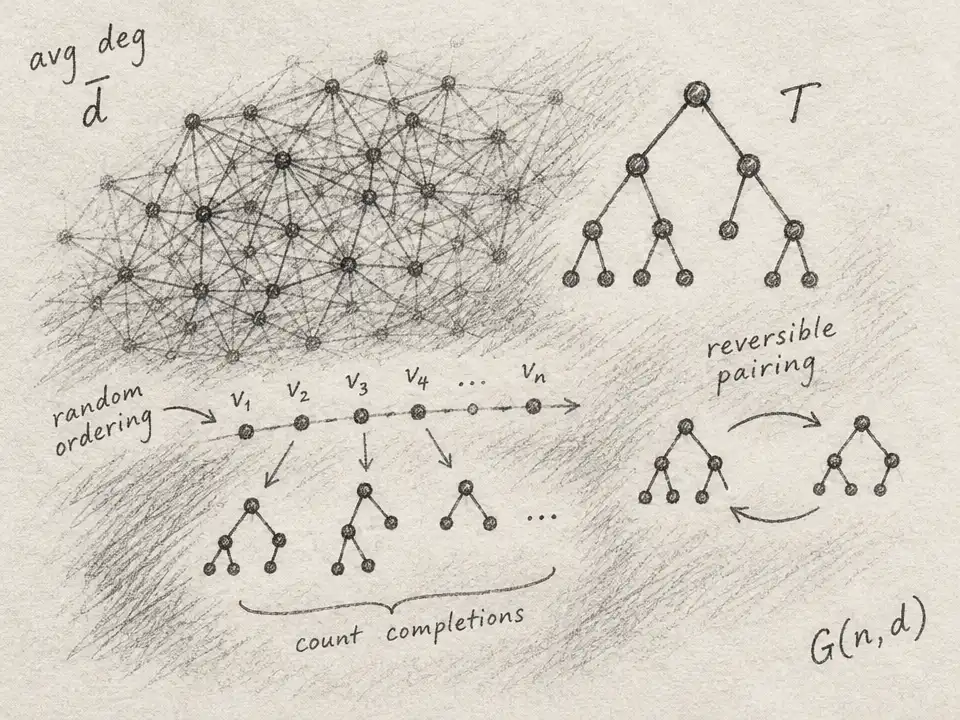
A six-decade graph theory puzzle gets an elegant answer: random vertex orderings show when average density must contain every tree.
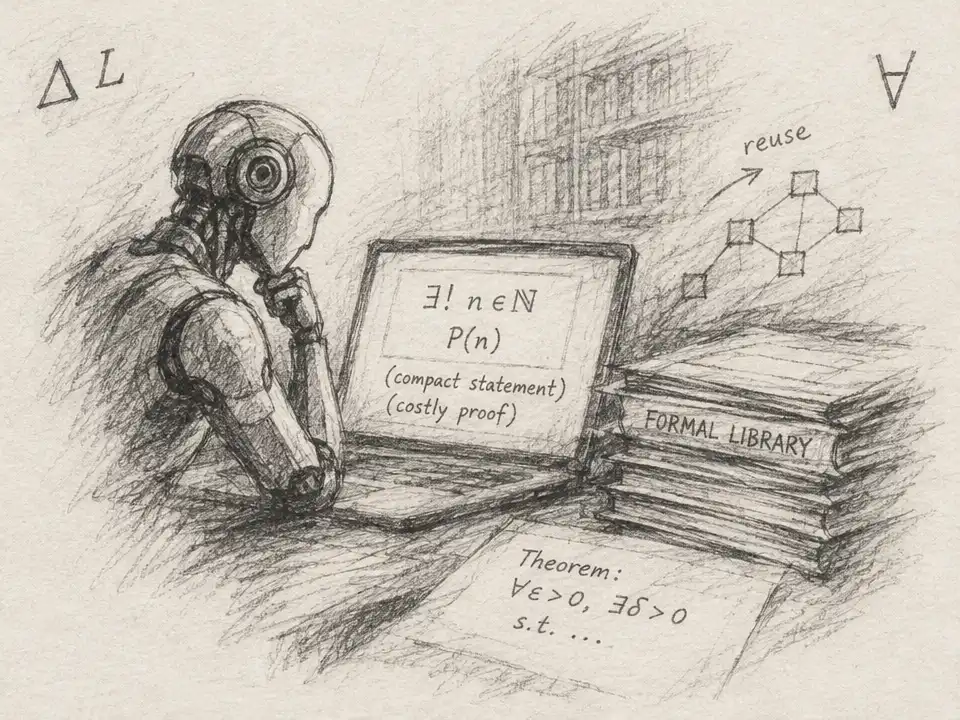
A formal-math system found that short statements with hard proofs can guide theorem discovery—and beat proof length alone.
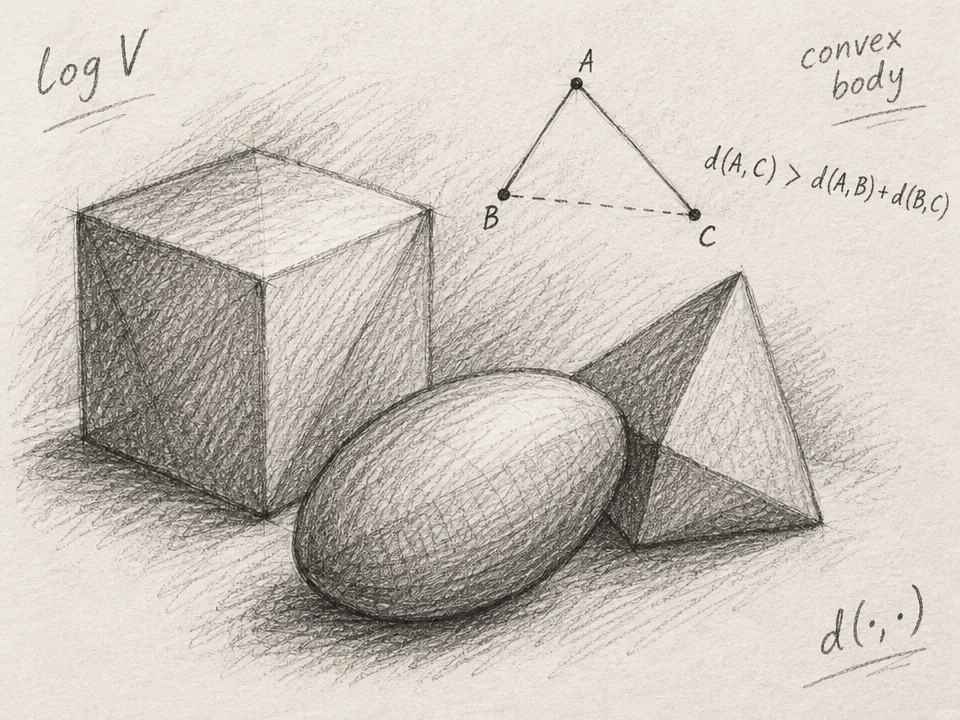
A proposed distance built from convex-body volumes passes a convexity test—but fails the triangle inequality in a certified 3D counterexample.
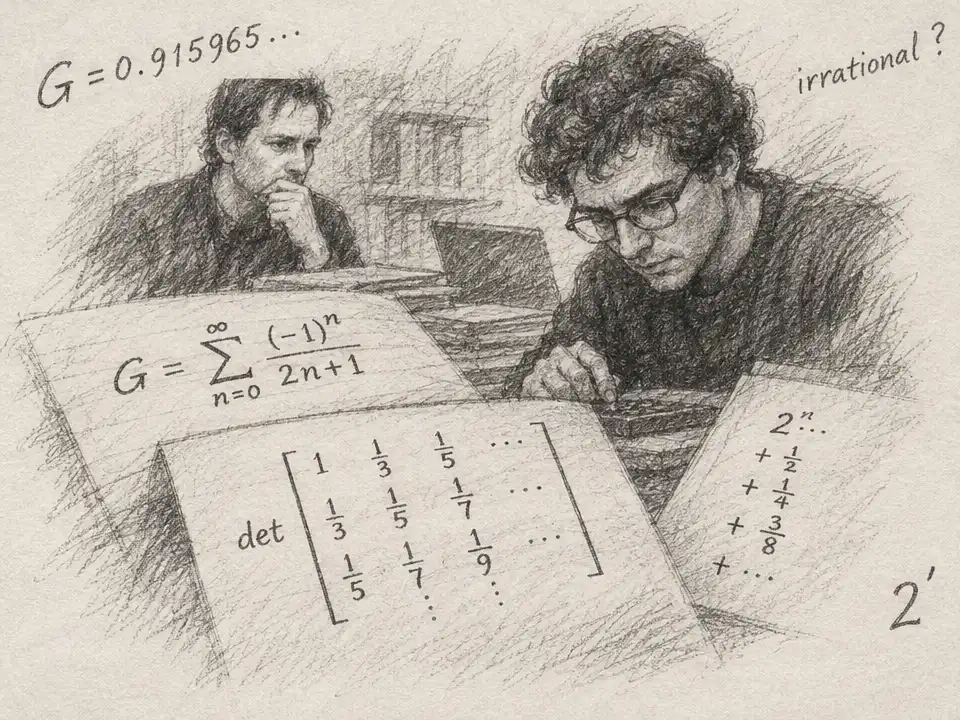
Exact arithmetic exposes a prime-number accounting gap in a claimed proof about Catalan’s constant, while leaving its irrationality open.
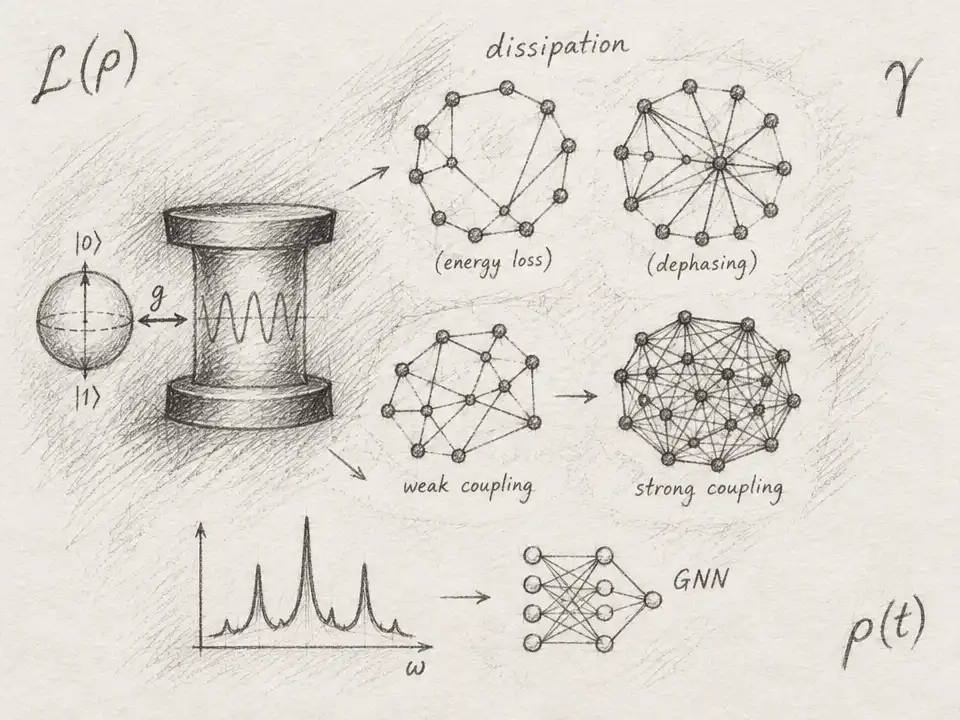
A graph-theory framework maps quantum dissipation, revealing which network links matter and helping predict quantum decay spectra.
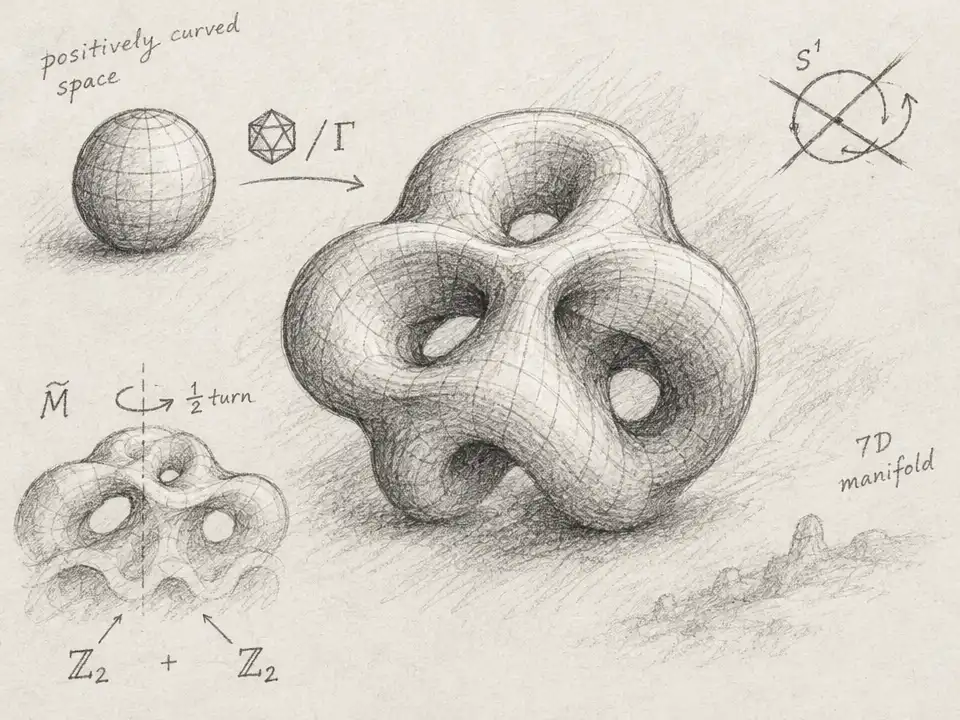
A seven-dimensional counterexample shows positive curvature need not bring circle symmetry, but the simply connected case remains open.
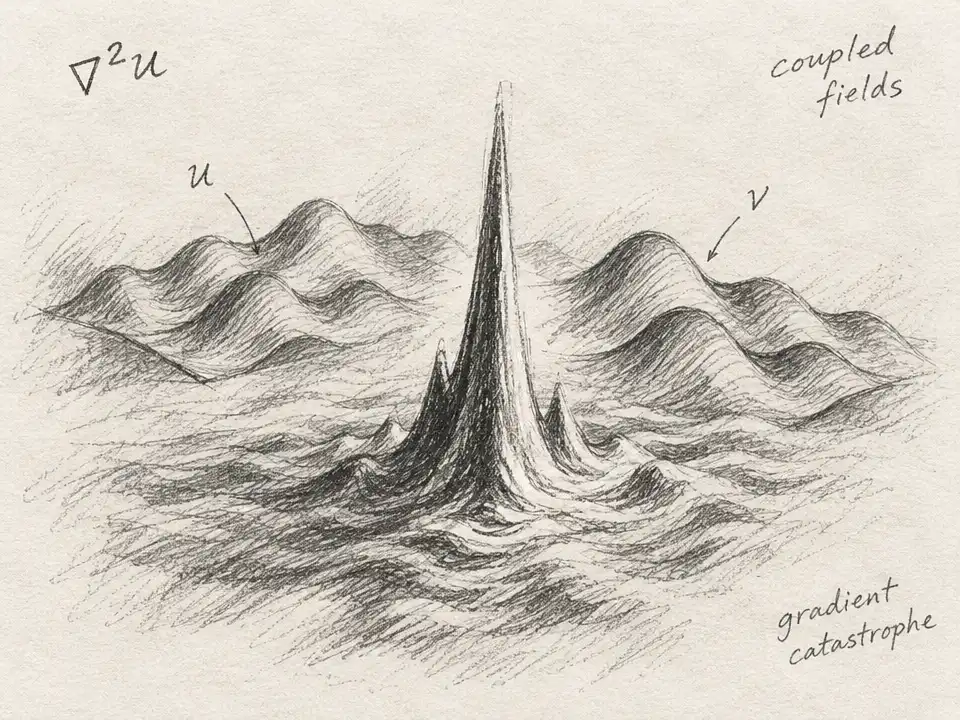
A fluid-dynamics idea predicts when coupled optical waves may form rogue peaks—and why one wave can trigger another.
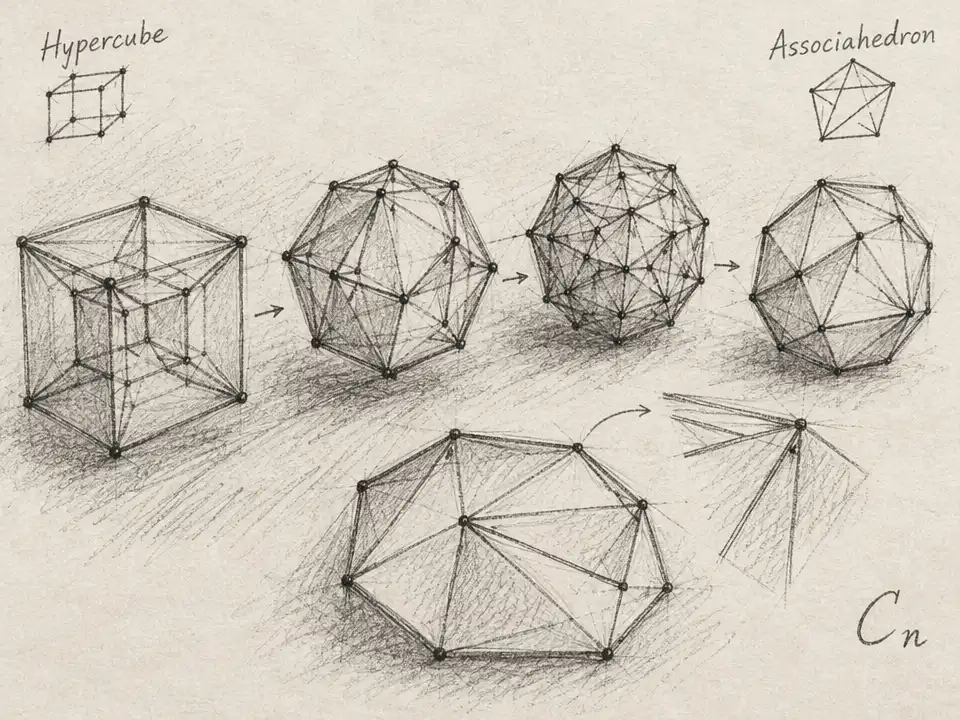
A new family of polytopes links cube vertices to polygon triangulations, revealing intermediate shapes counted by Pell–Catalan sequences.
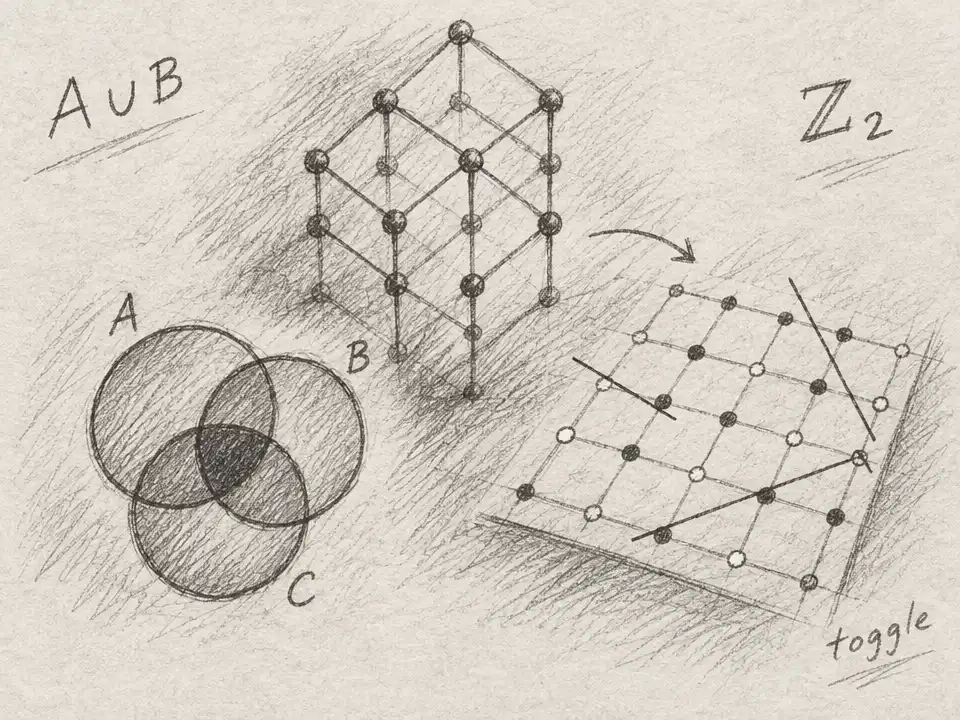
A random point-marking game reveals why one tidy strategy for building set unions without cancellation must fail.
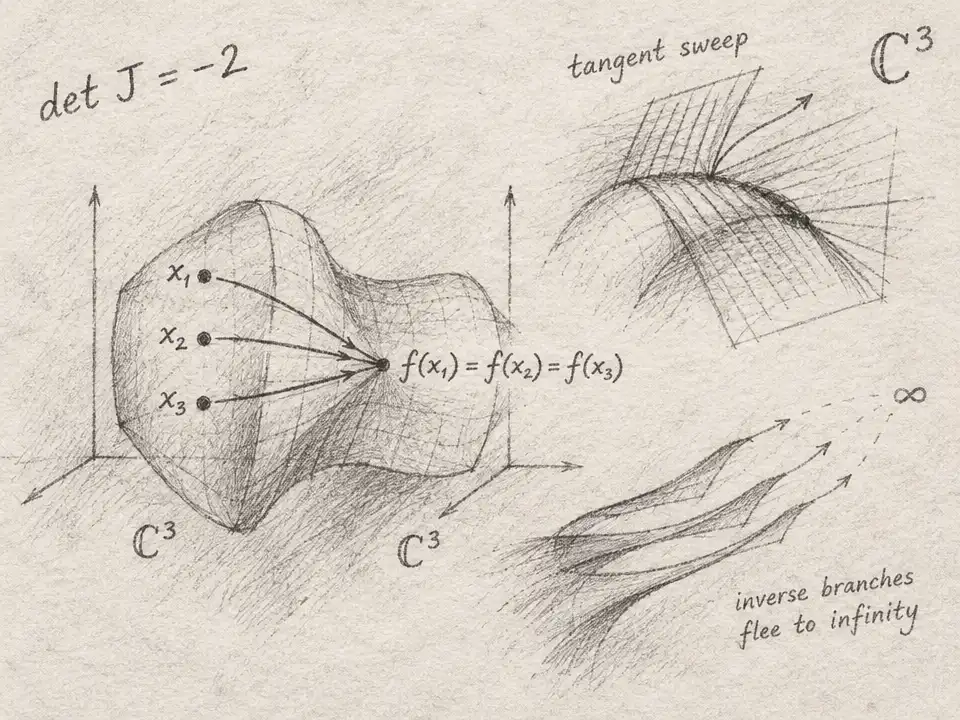
A counterexample to the 1939 Jacobian conjecture shows how a map with no local folds can still send several points to one place.
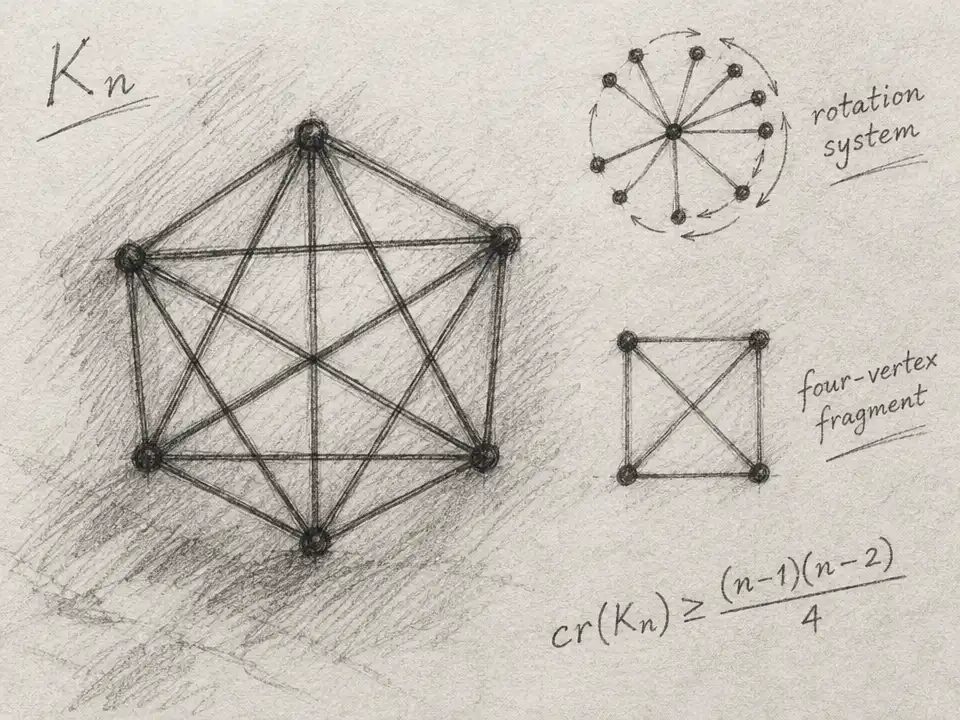
A combinatorial method turns local edge orders into a sharp lower bound on crossings, settling a long-standing complete-graph conjecture.
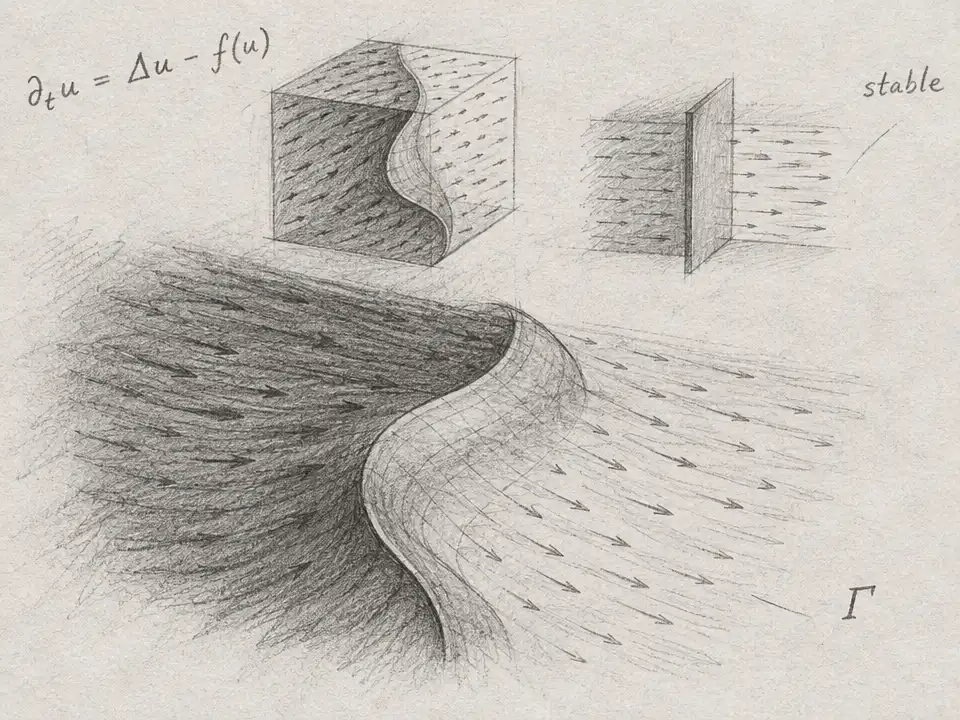
A proof turns the Allen–Cahn equation’s hidden interface into a geometric trap, ruling out curved stable fronts in three dimensions.
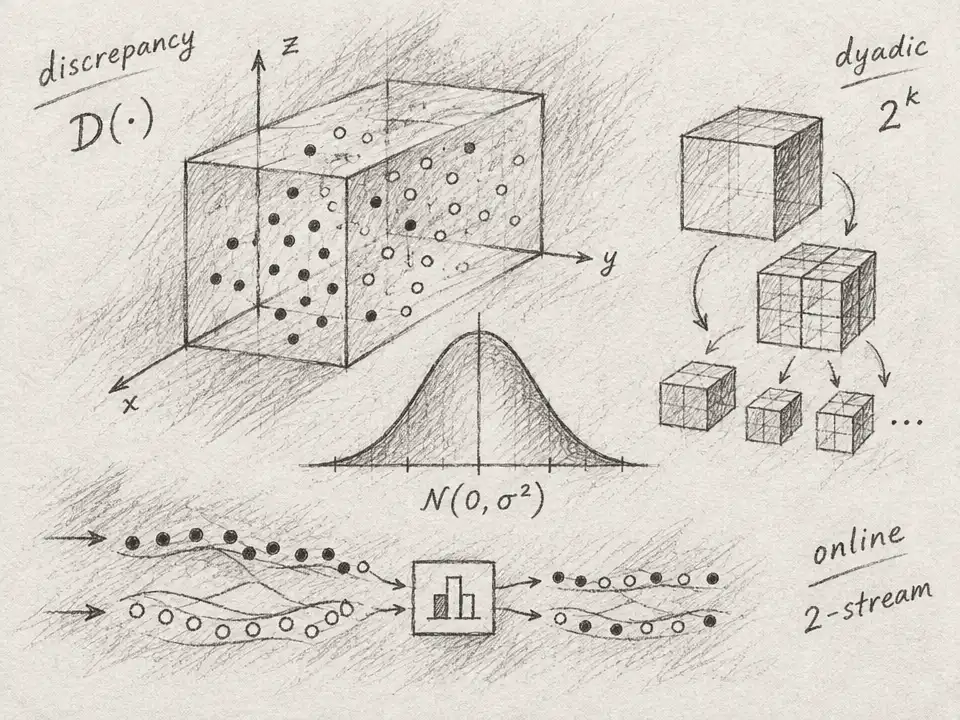
A Gaussian-based proof closes a major gap in point balancing and reveals why online sample thinning is harder before the final count.
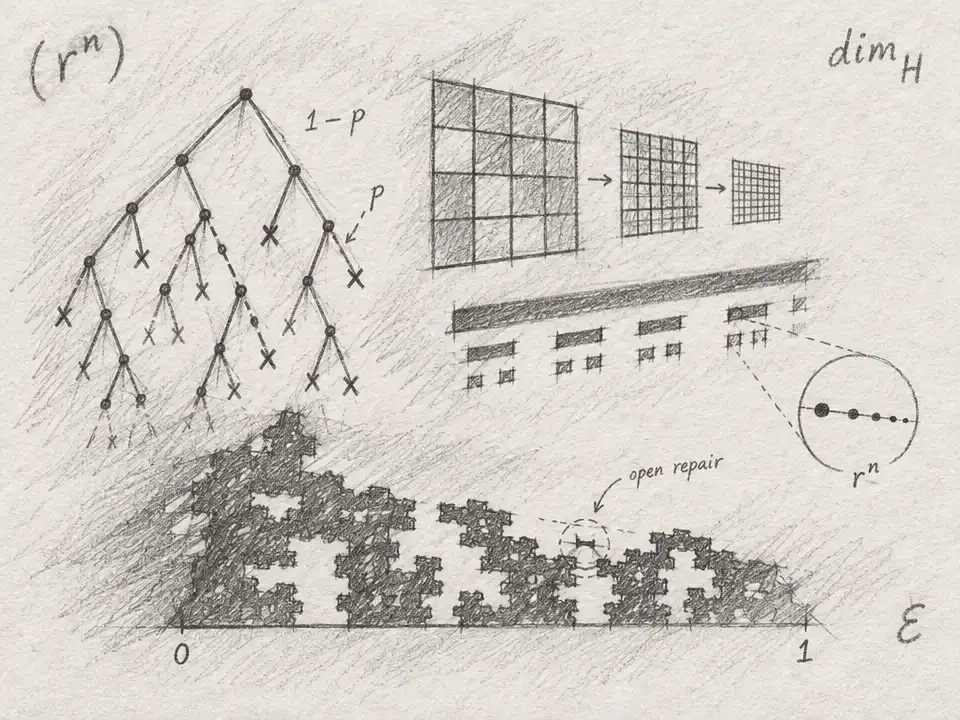
A probabilistic tree routes points through nested grids to build a tiny barrier against every copy of an infinite geometric pattern.