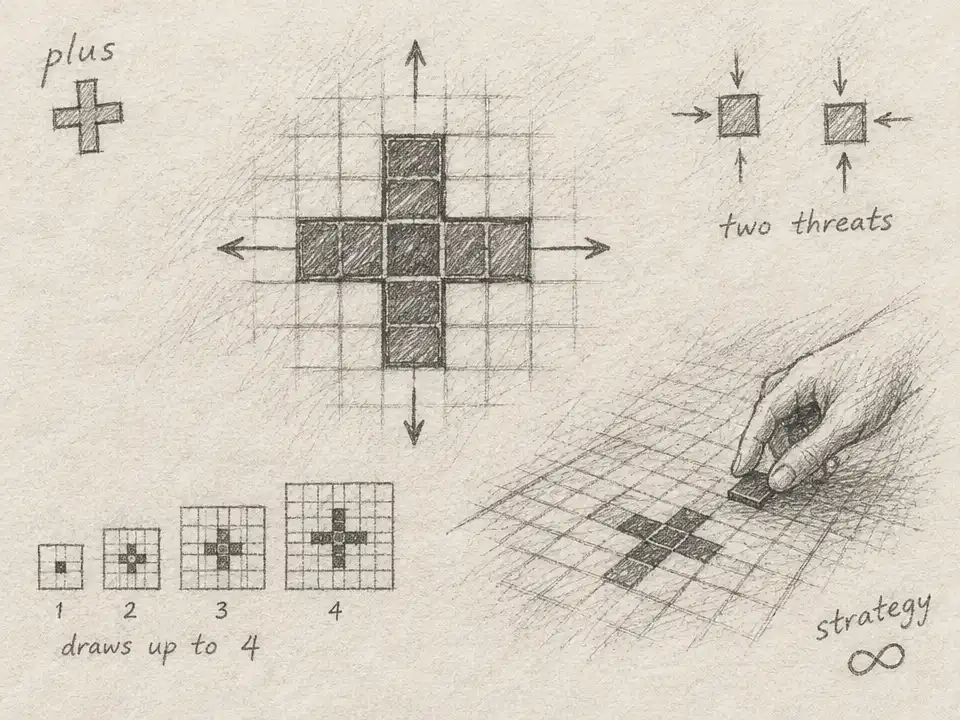
A Tiny Plus Solves a Grid Game That Defied Easy Answers
A simple plus-shaped tactic solves a long-standing grid game across every board size, with computer checks formally certified in Lean.
A simple plus-shaped tactic solves a long-standing grid game across every board size, with computer checks formally certified in Lean.
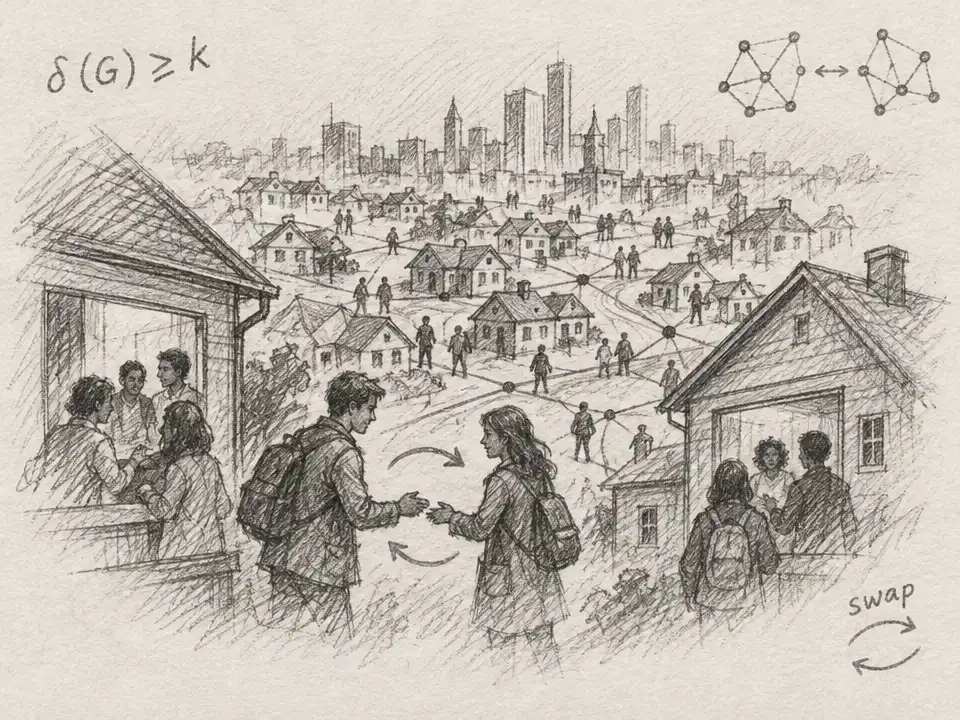
A new theorem shows when constrained swapping is possible, how long routes may be, and why some high-connection networks still hide traps.
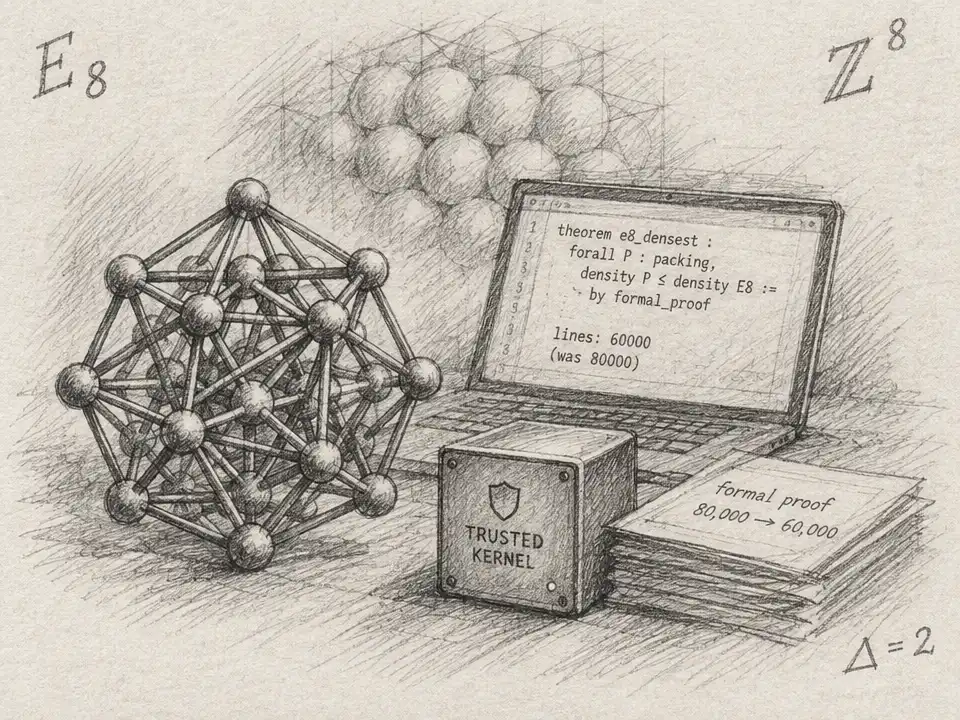
A formal proof of the eight-dimensional sphere-packing theorem reveals the hidden work—and limits—behind machine-checked mathematics.
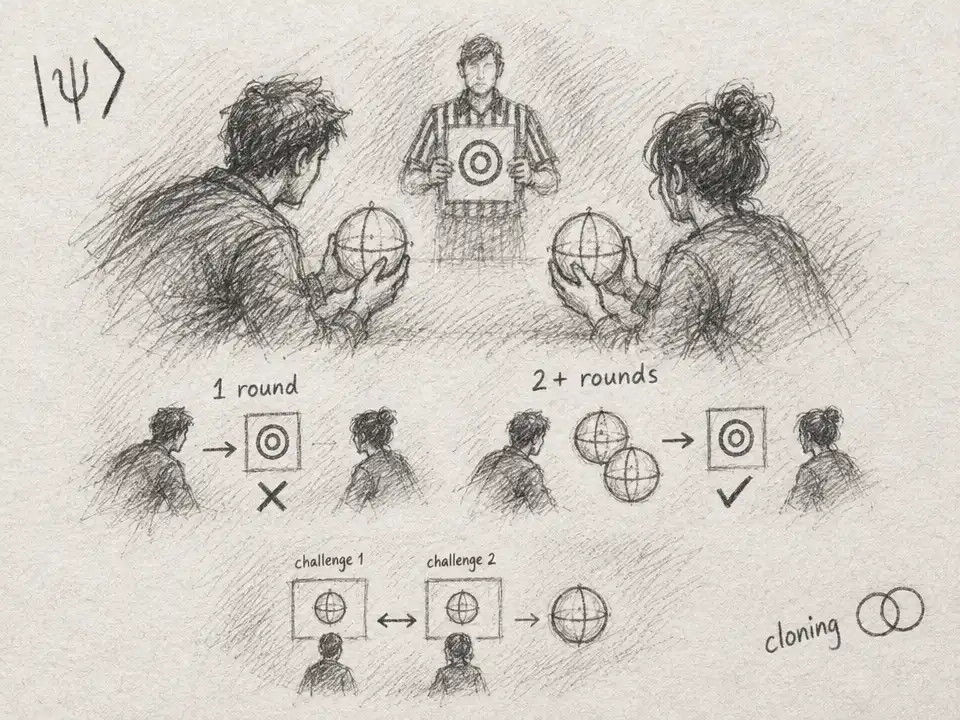
A mathematical surprise shows how repeated quantum tests can turn an impossible one-shot conversion into certain success.
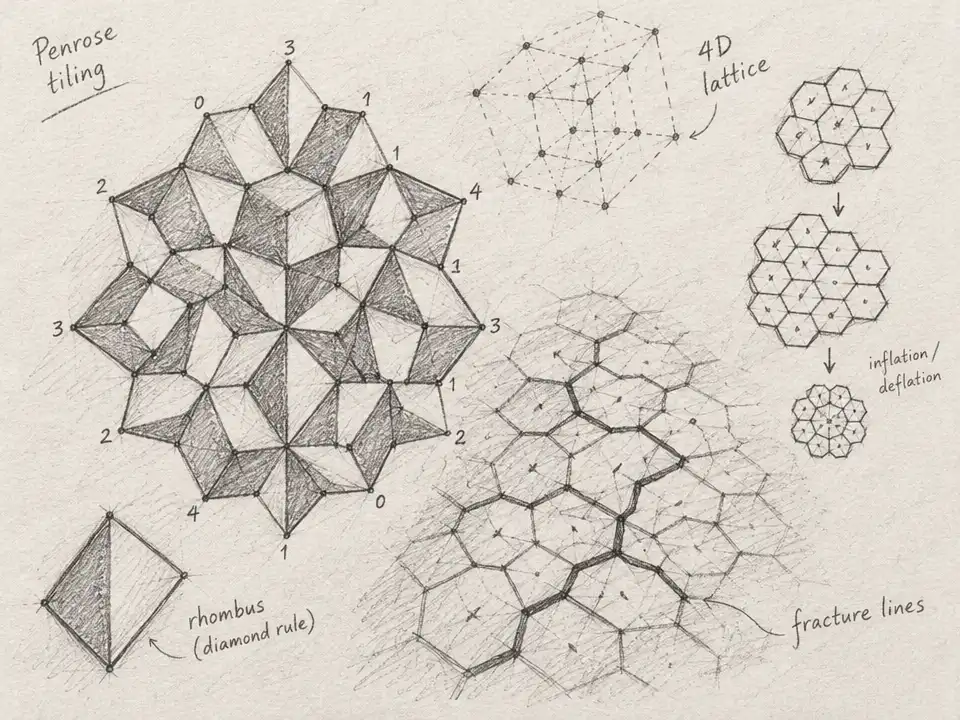
Aperiodic tiles can carry exact arithmetic: hidden lattice addresses and scaling rules reveal order without repetition.
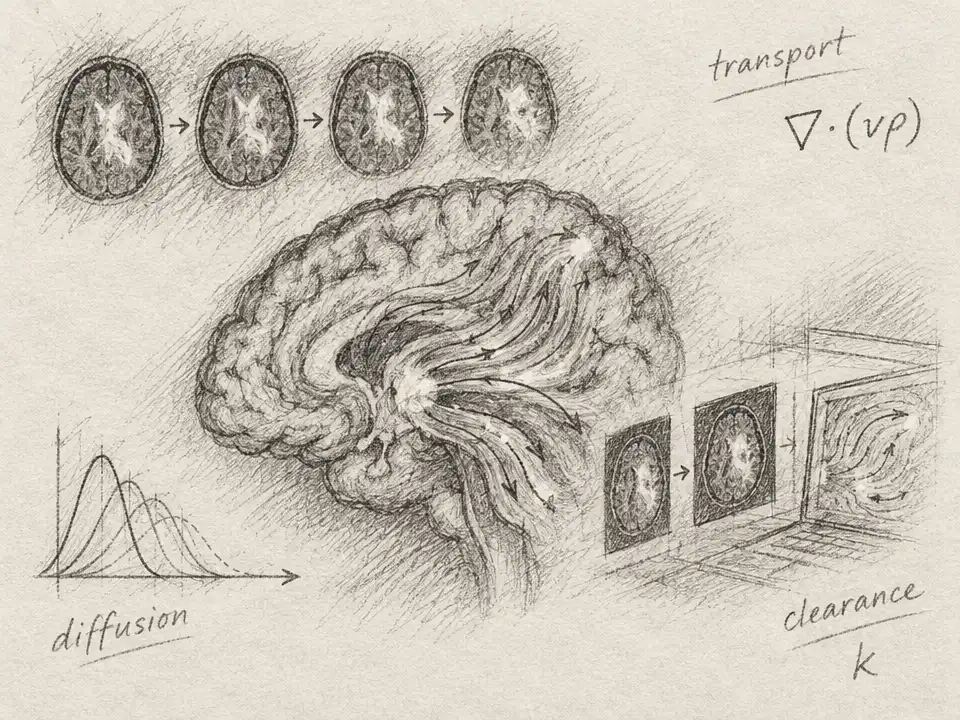
Mathematics and MRI team up to infer how tracer may move through brain tissue, while revealing why hidden flow remains uncertain.
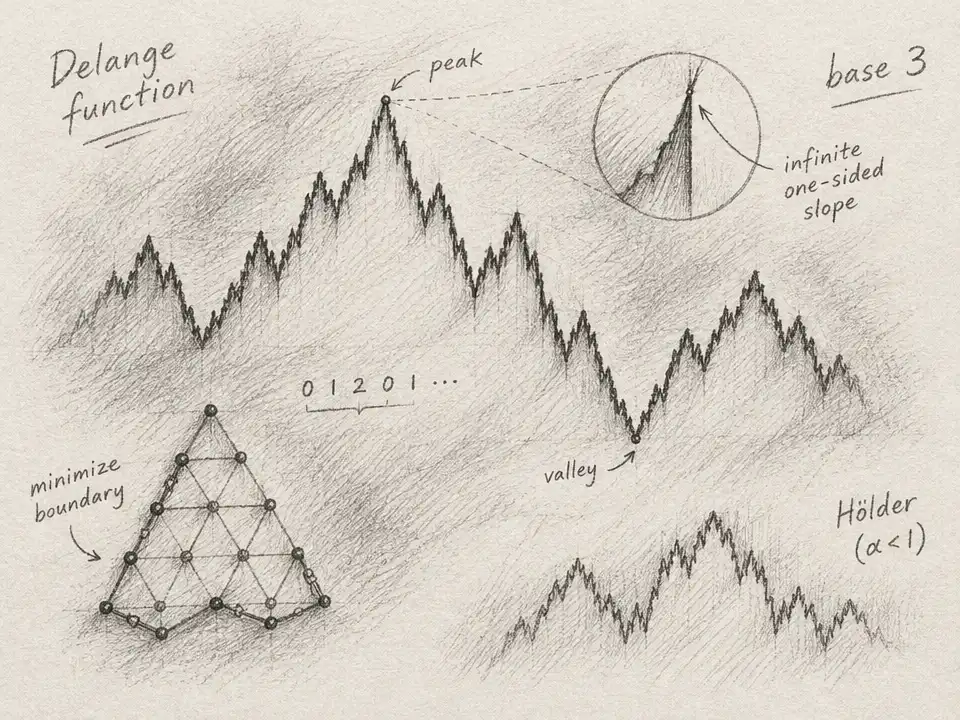
A new analysis of the base-three Delange function reveals how ternary digits encode its dense peaks, valleys and infinite slopes.
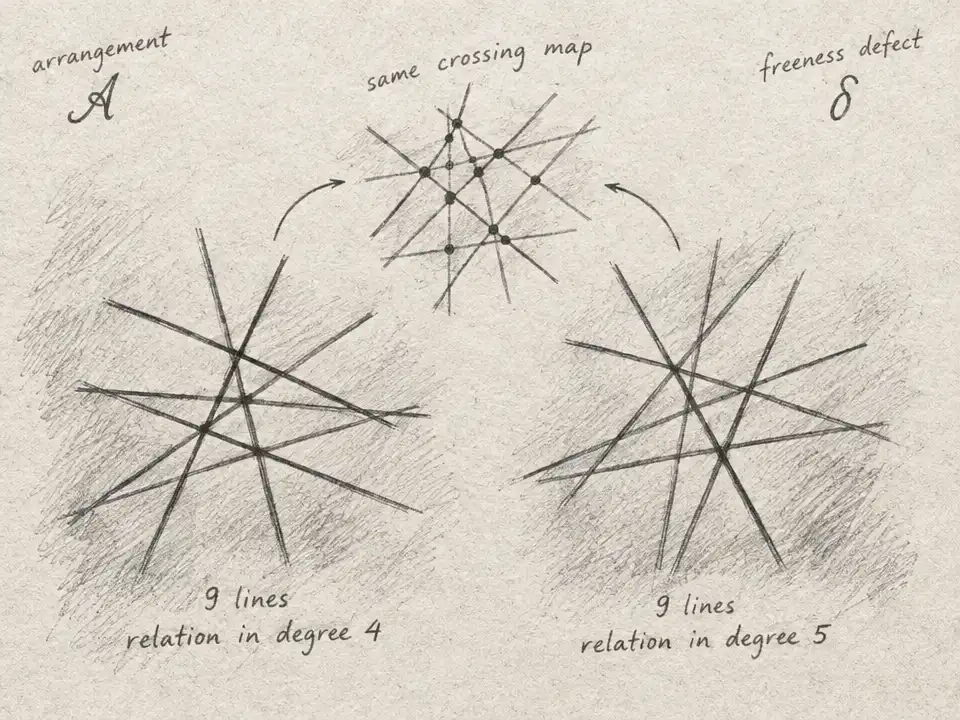
Two nine-line arrangements share every intersection pattern, yet hide different algebraic relations—while a related measure stays predictable.
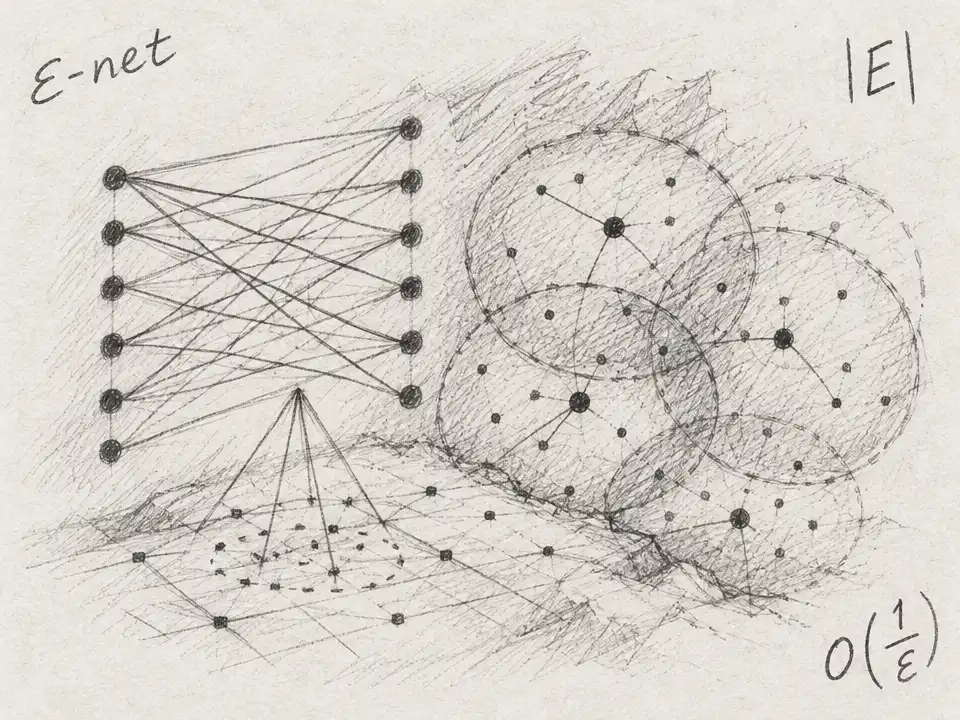
A graph-theory result links sparse shared-neighbor patterns to smaller epsilon-nets, revealing a surprising path around a logarithmic cost.
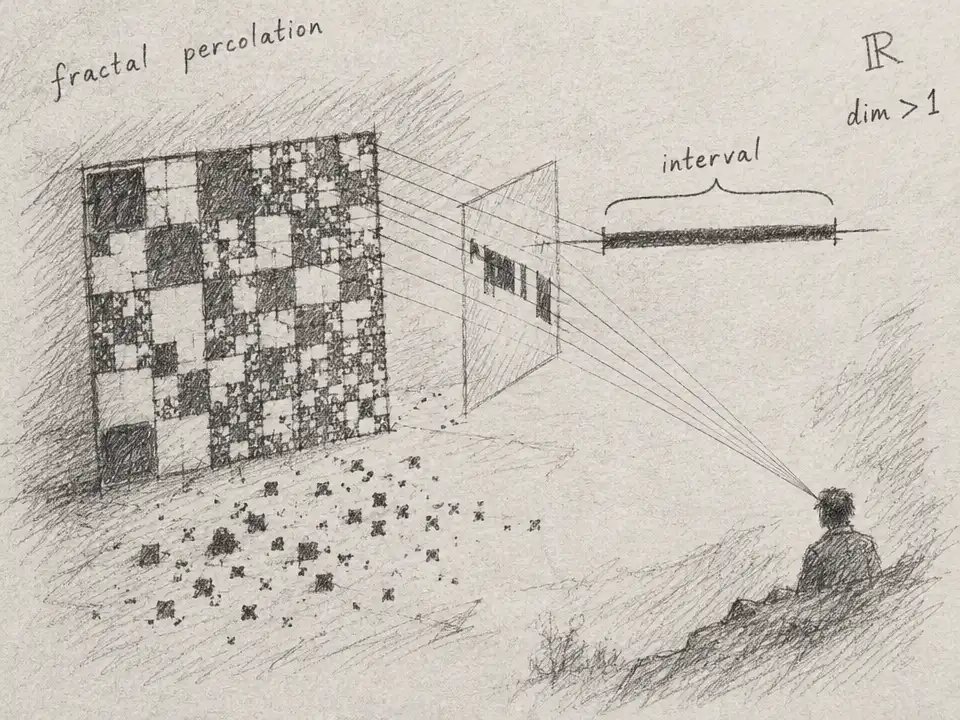
A random fractal can be disconnected yet project to a gap-free interval in every direction, including shadows and distances from any point.
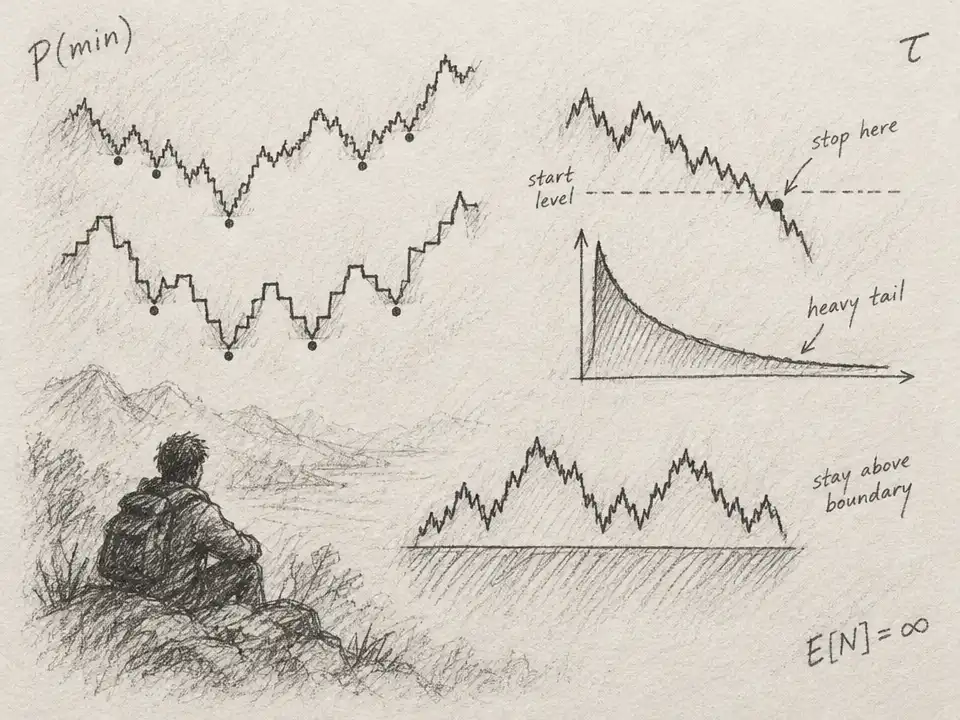
A random walk’s valley count can ignore jump lengths—but its stopping rule can transform the statistics entirely.