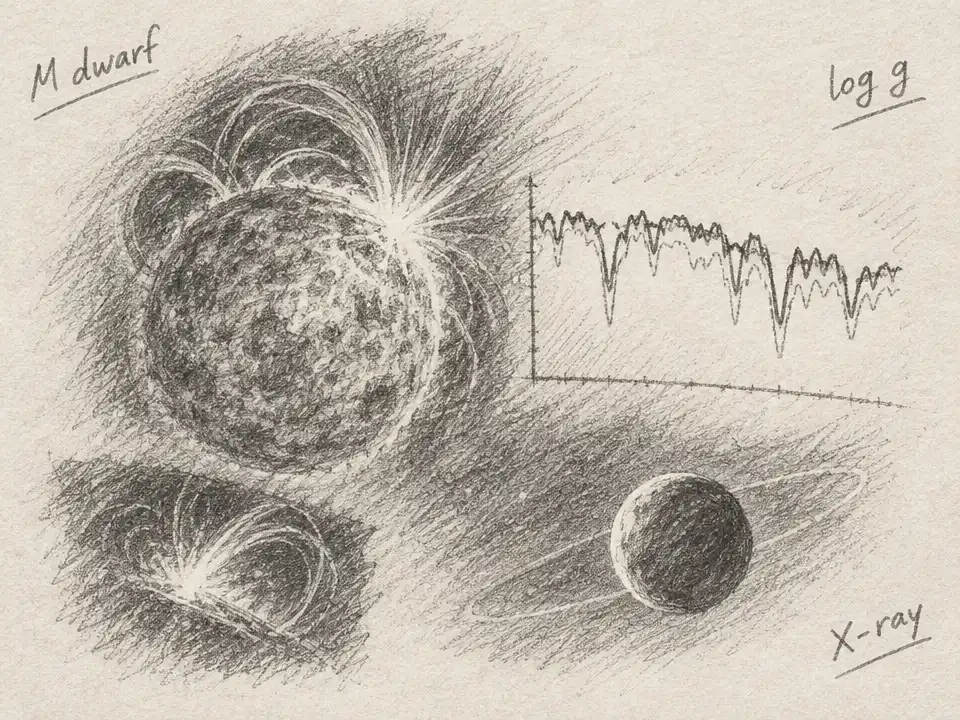
How Stellar Activity Can Make a Star's Spectrum Mimic Low Gravity
A study of 23 late-M dwarfs links stronger magnetic activity to spectra that mimic low gravity, complicating stellar and planet readings.
A study of 23 late-M dwarfs links stronger magnetic activity to spectra that mimic low gravity, complicating stellar and planet readings.
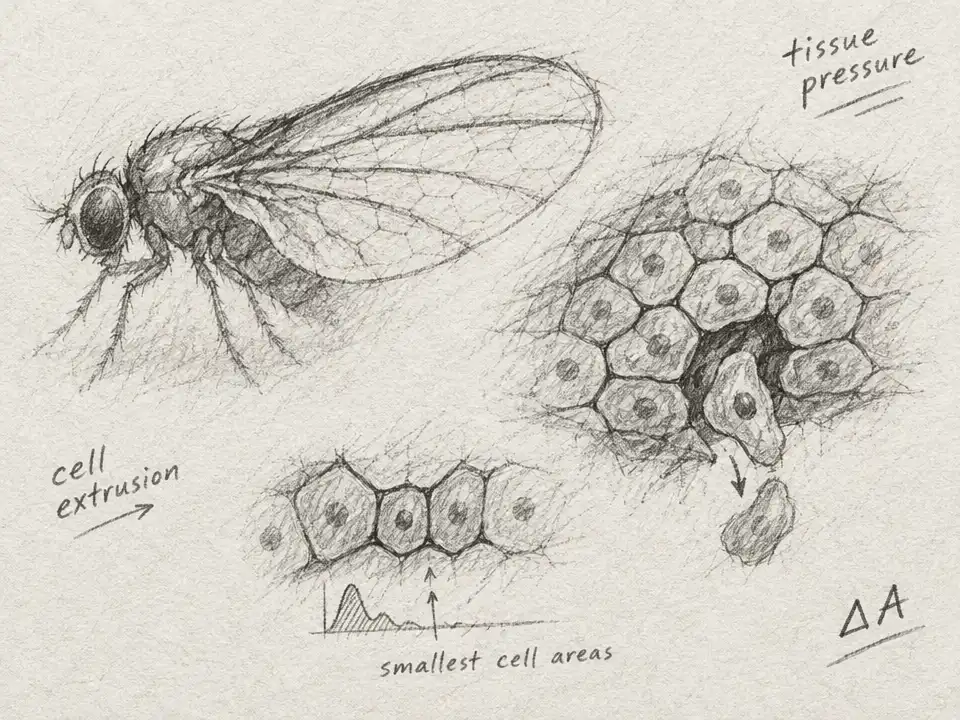
A physics model of yielding solids may explain how pressure squeezes cells from a growing fruit-fly wing—and leaves a measurable pattern.
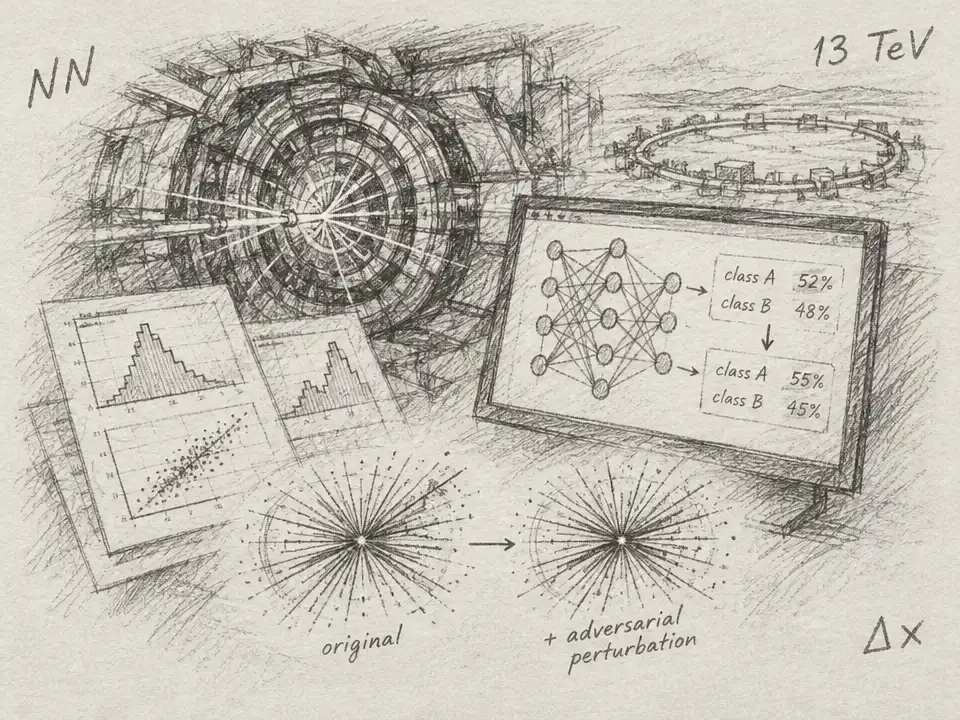
Borrowing adversarial attacks from machine learning, physicists reveal how tiny, plausible input shifts can unsettle collider-event classifiers.

A robot arm passed as trustworthy while its sensor reports were falsified, exposing a gap between cybersecurity checks and physical reality.
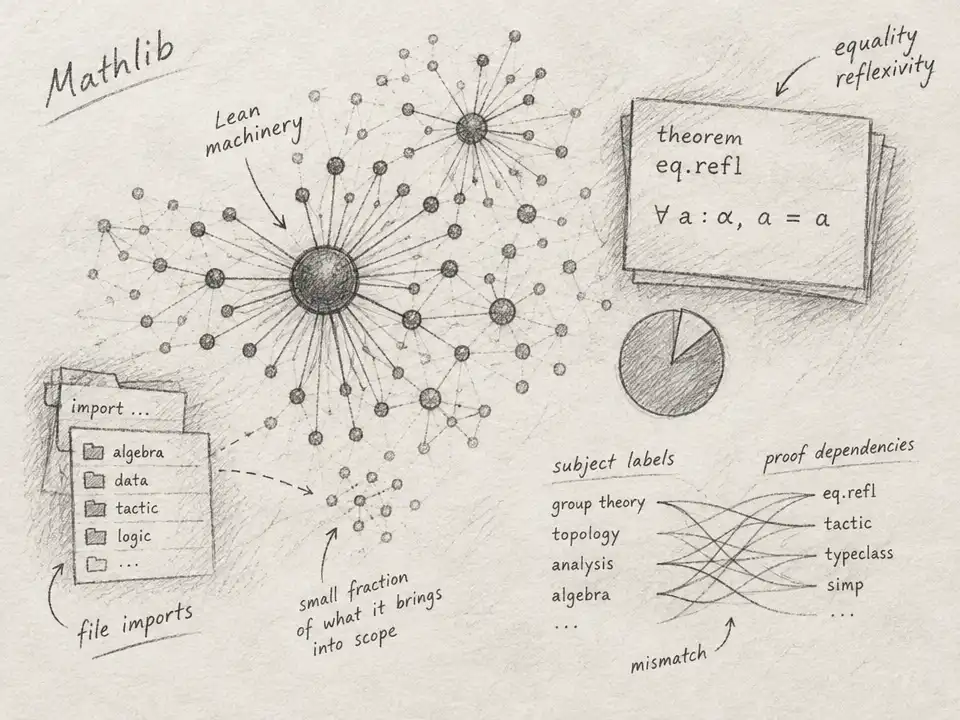
A network-science map of Lean’s Mathlib finds proof dependencies diverge from subject labels—and basic equality rules become giant hubs.
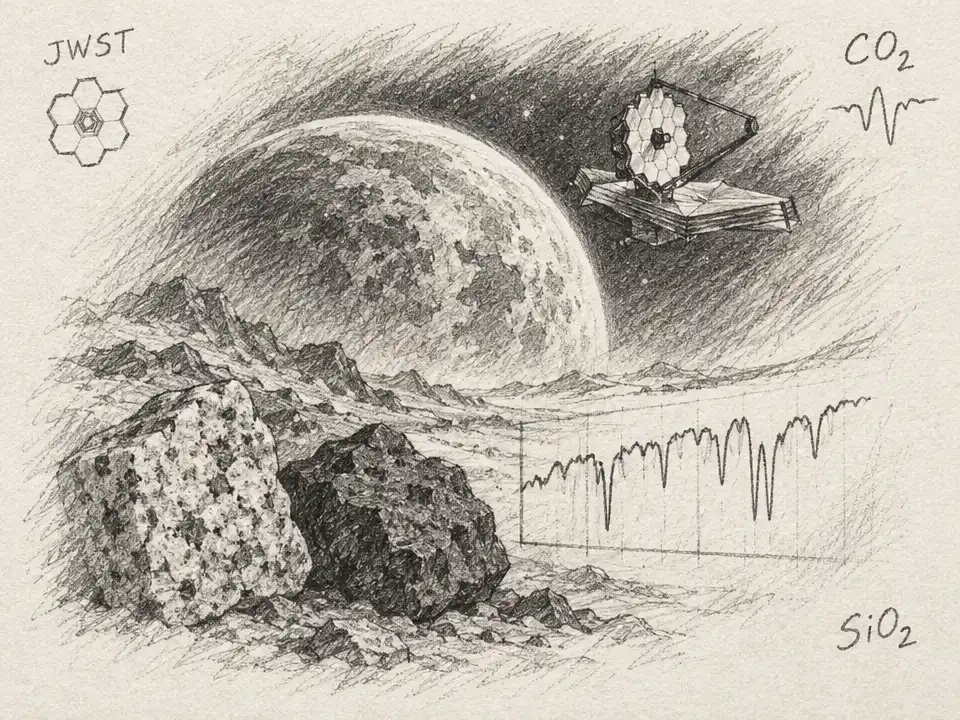
Laboratory rock spectra may help JWST separate alien geology from atmosphere, opening a cautious new route to exoplanet surface science.
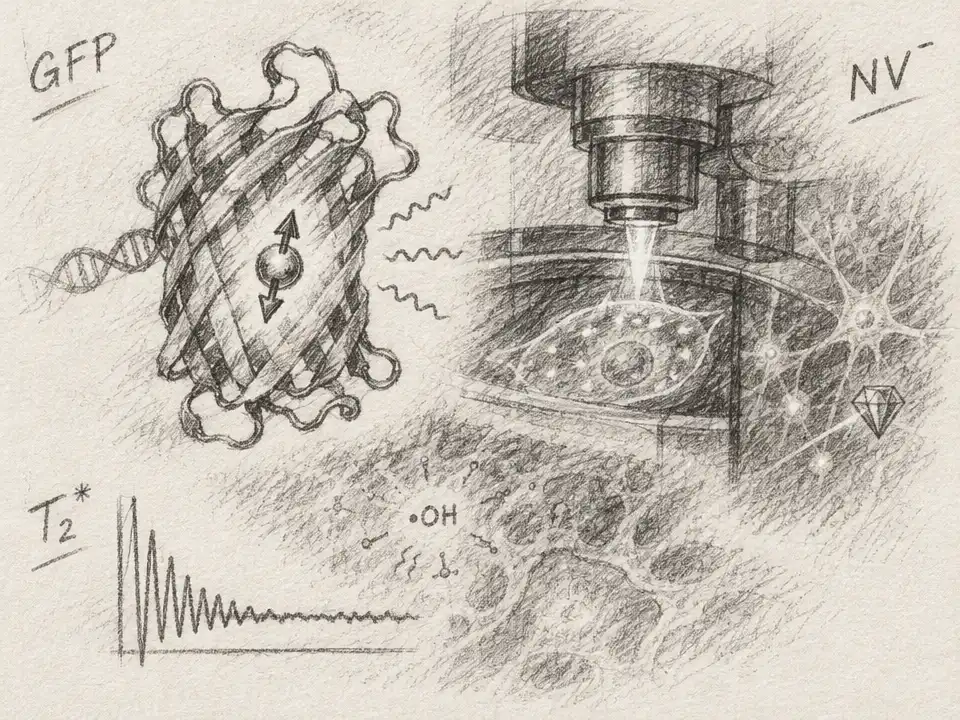
A protein-hosted quantum spin sensor could map neural chemistry, but room-temperature vibrations and photon limits stand in the way.
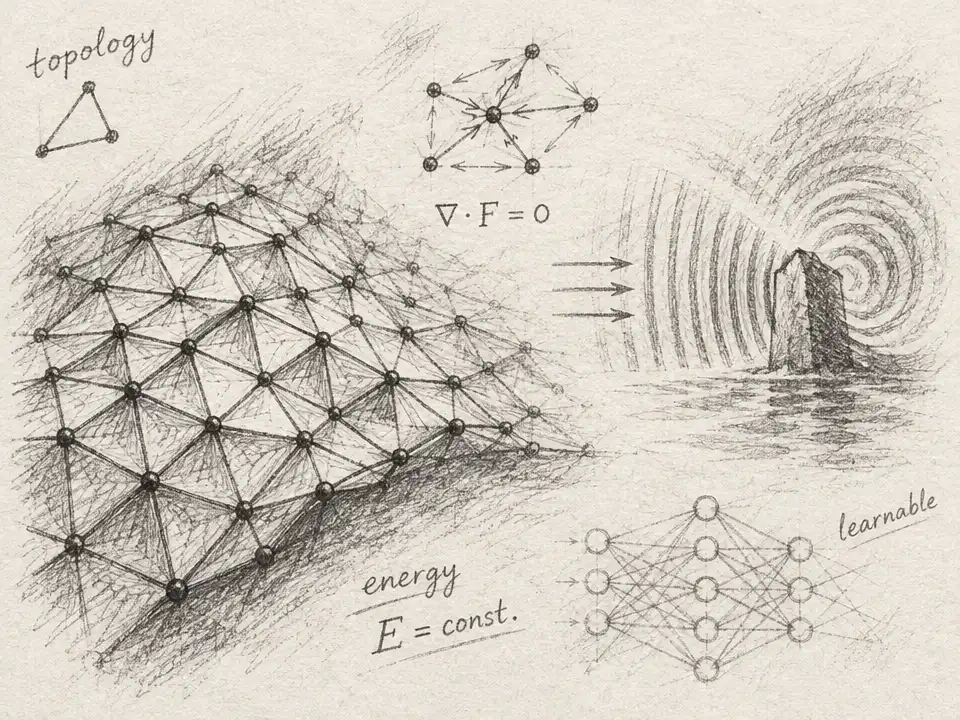
A new theorem connects mesh topology to energy-stable neural physics, helping simulations learn geometry without relearning conservation.
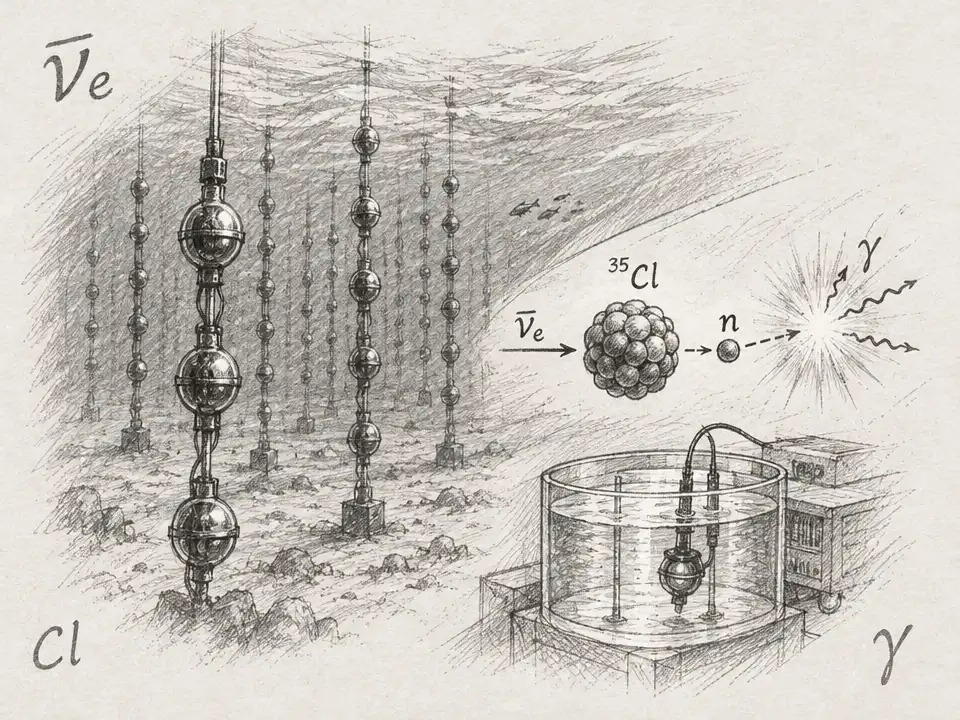
Chlorine dissolved in seawater may help deep-sea neutrino telescopes spot supernova antineutrinos, doubling their modeled discovery reach.
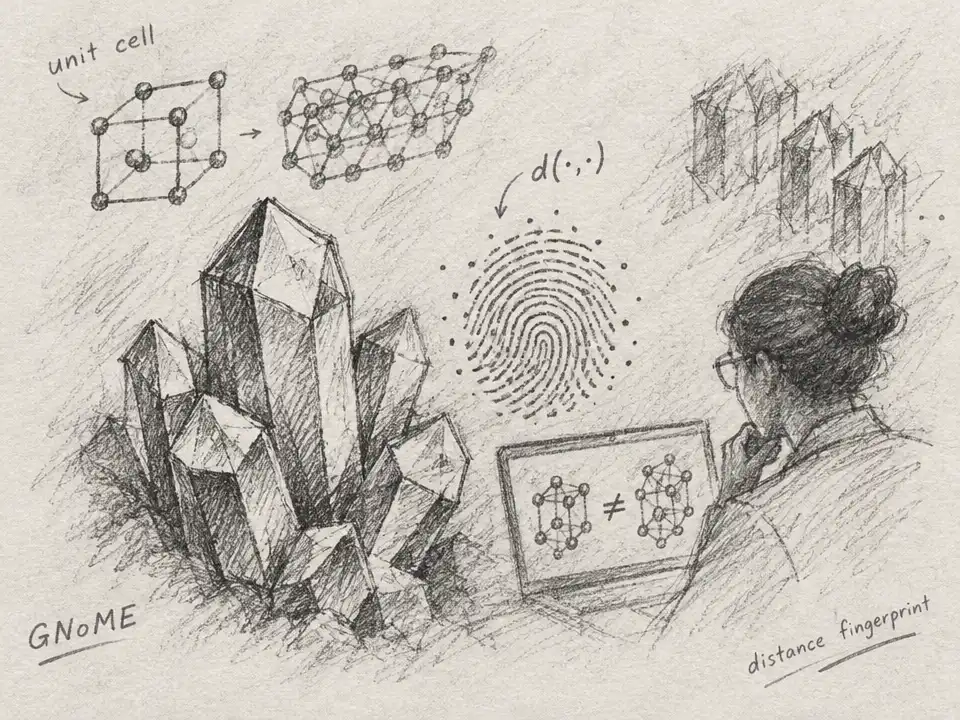
A geometric fingerprint helps scientists audit AI-generated crystal databases—and shows why a different file is not always a different material.
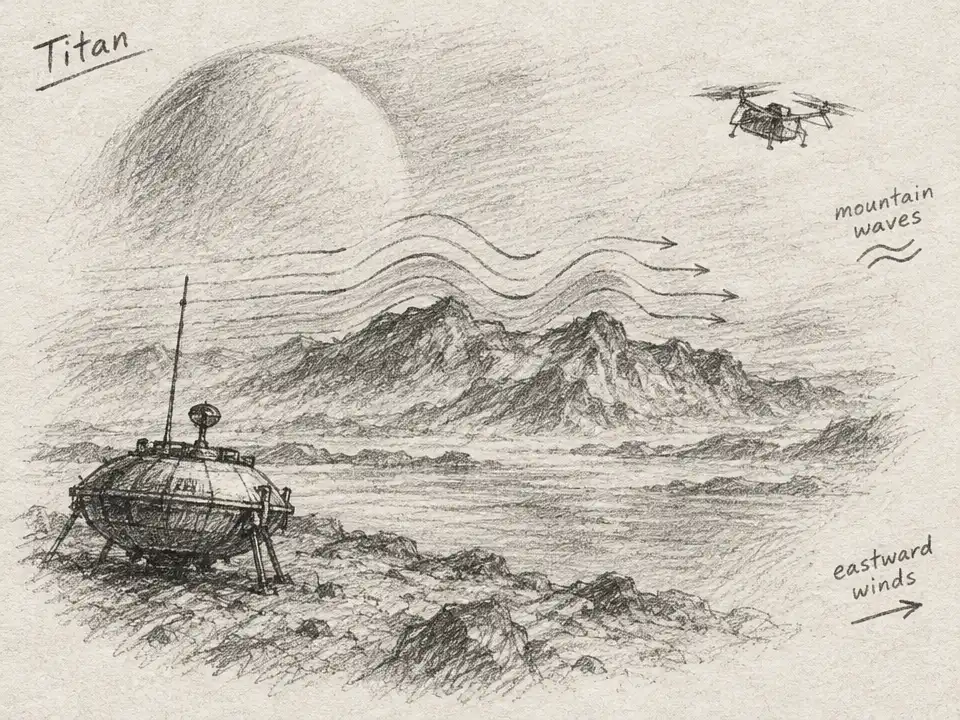
Titan’s terrain may explain why Huygens measured eastward winds near the ground, and offers clues about winds Dragonfly may encounter.
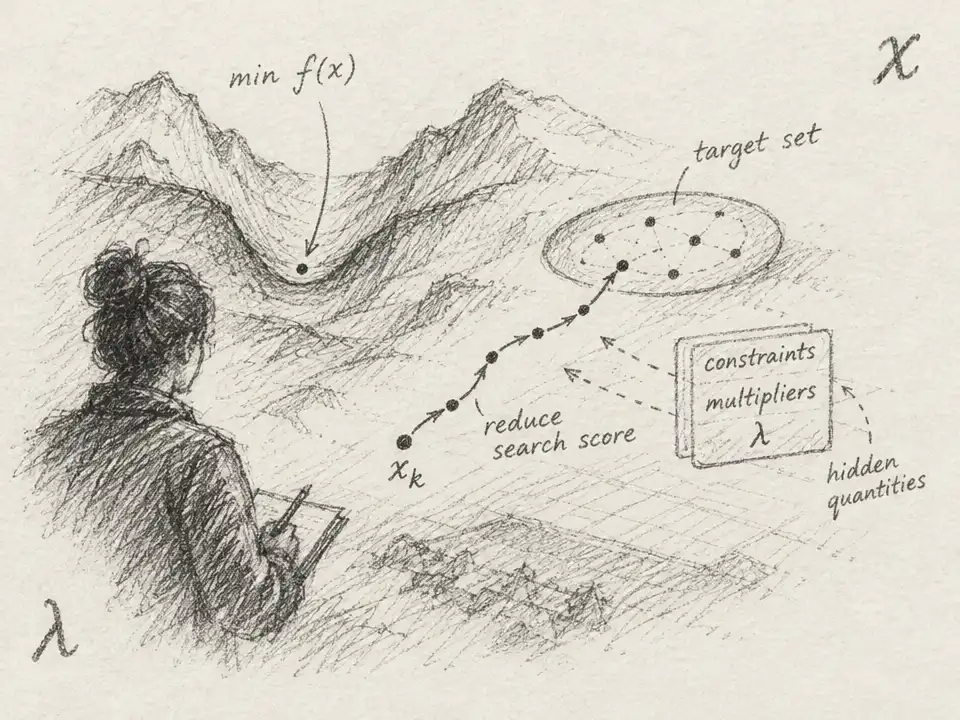
A control-theory framework recasts optimization as guided motion, revealing how hidden states and carefully chosen steps can lead toward candidate solutions.
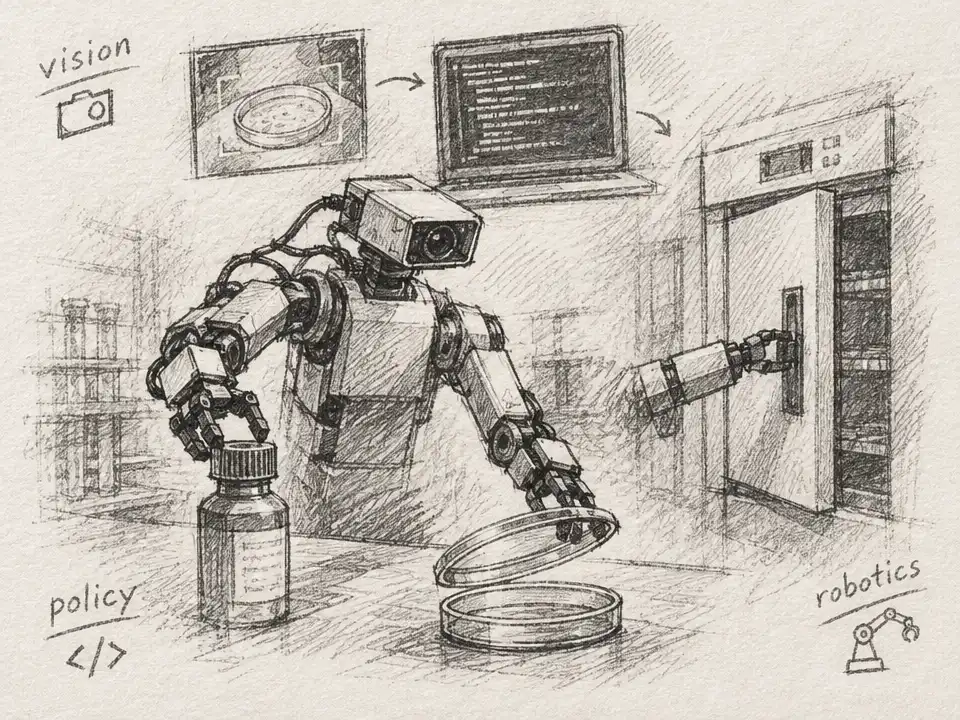
A robot kit and coding agent tackle wet-lab chores, revealing how adaptable software could help robotic skills travel between biology labs.
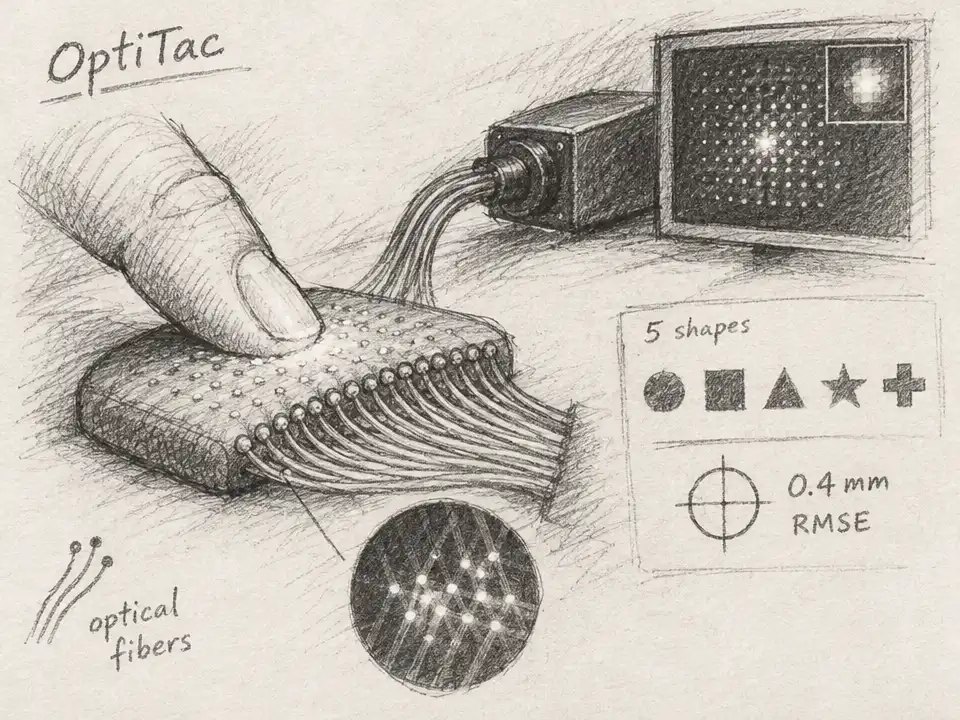
A soft sensor routes touch through 217 optical fibers to a remote camera, where simple image analysis locates and classifies contact.
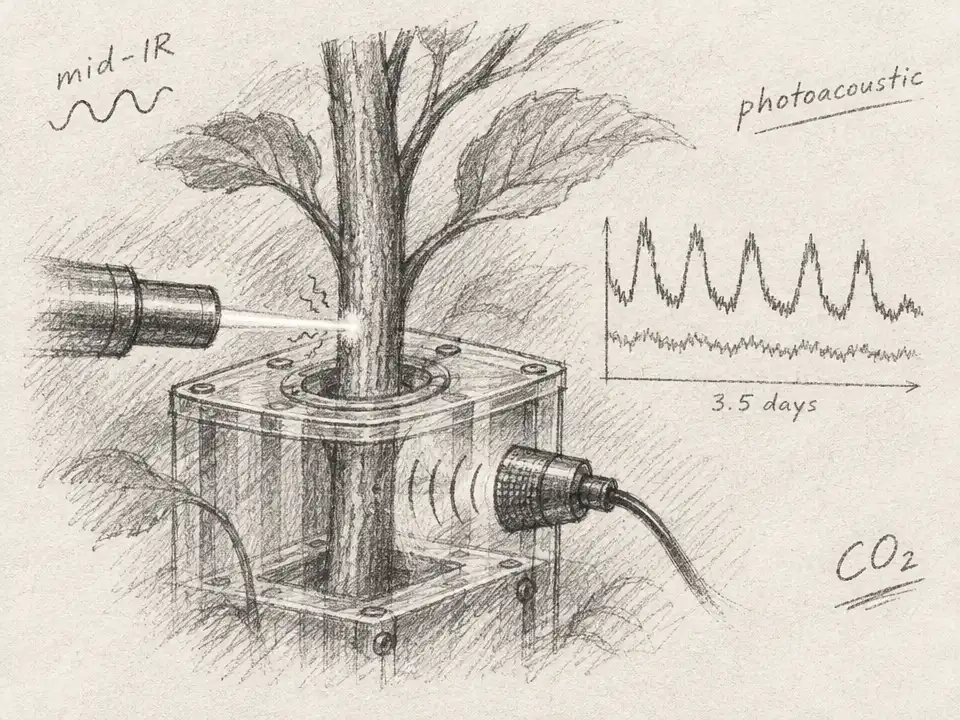
A laser, tiny air cavity, and microphone tracked a living plant for days, revealing a recurring physiological rhythm without identifying its molecular source.
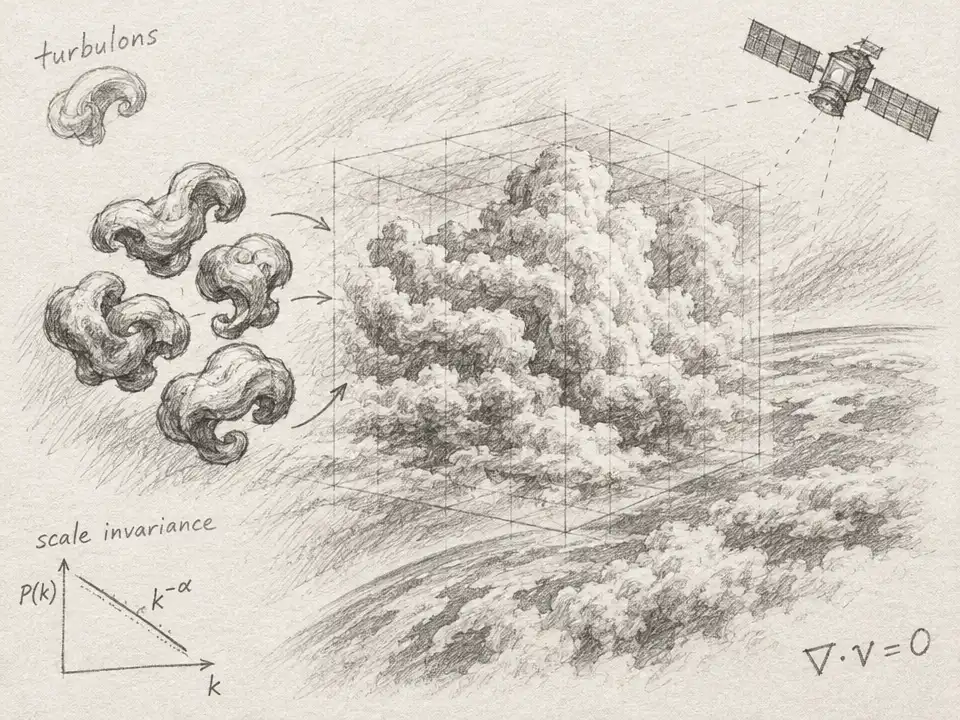
Borrowing ideas from turbulence and emergence, a new model assembles cloud fields from scale-spanning pieces called turbulons.
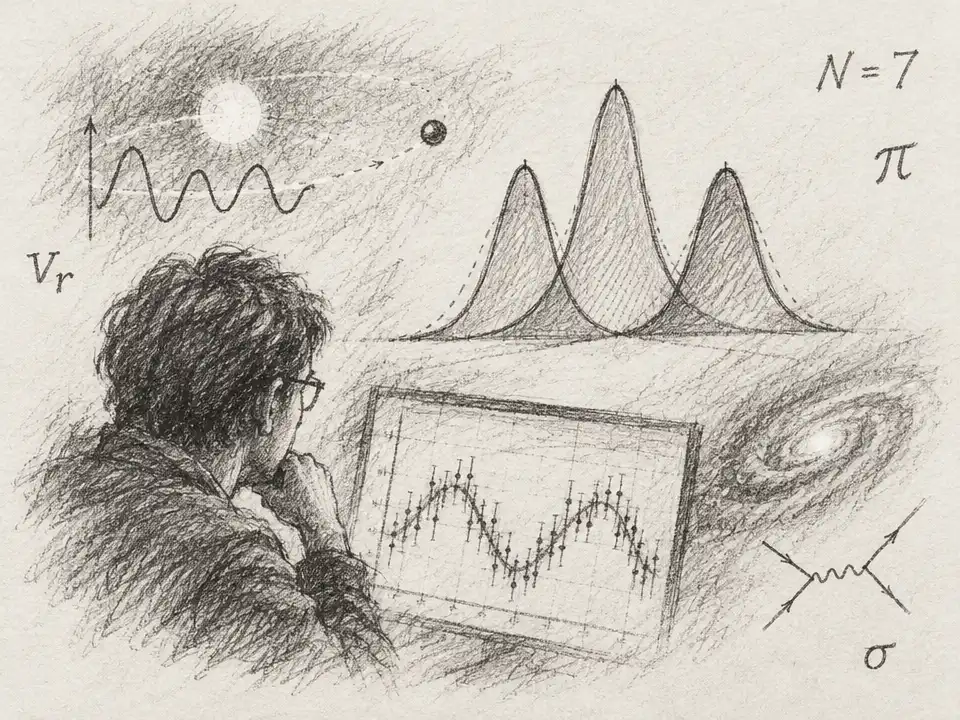
A statistical-physics concept helps map hidden twists in astronomy’s data-fitting problems, from exoplanet wobbles to neutrino signals.
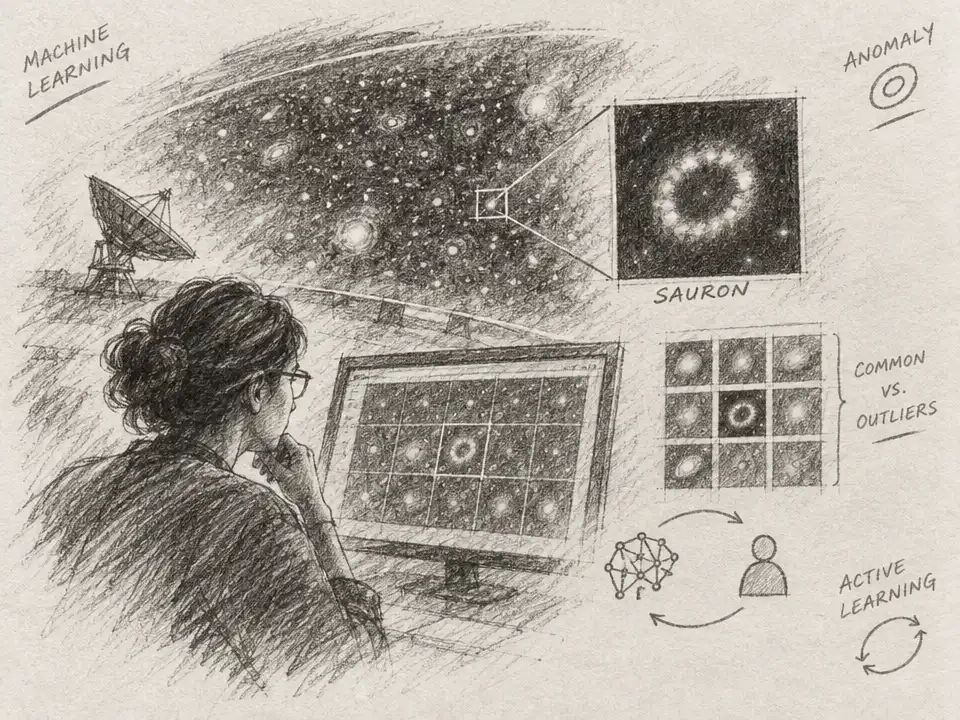
An AI tool helped surface a mysterious ring-shaped radio source, but the search reveals why astronomers—not algorithms alone—define what counts as strange.
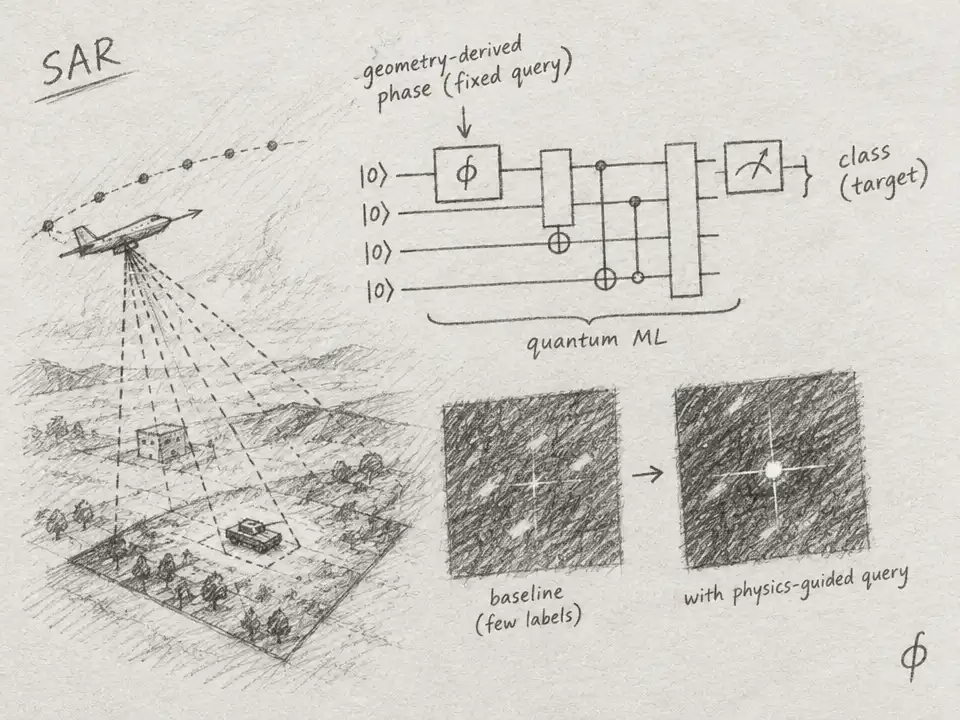
A new quantum-machine-learning study uses radar geometry to guide classification of raw echoes when labeled examples are scarce.
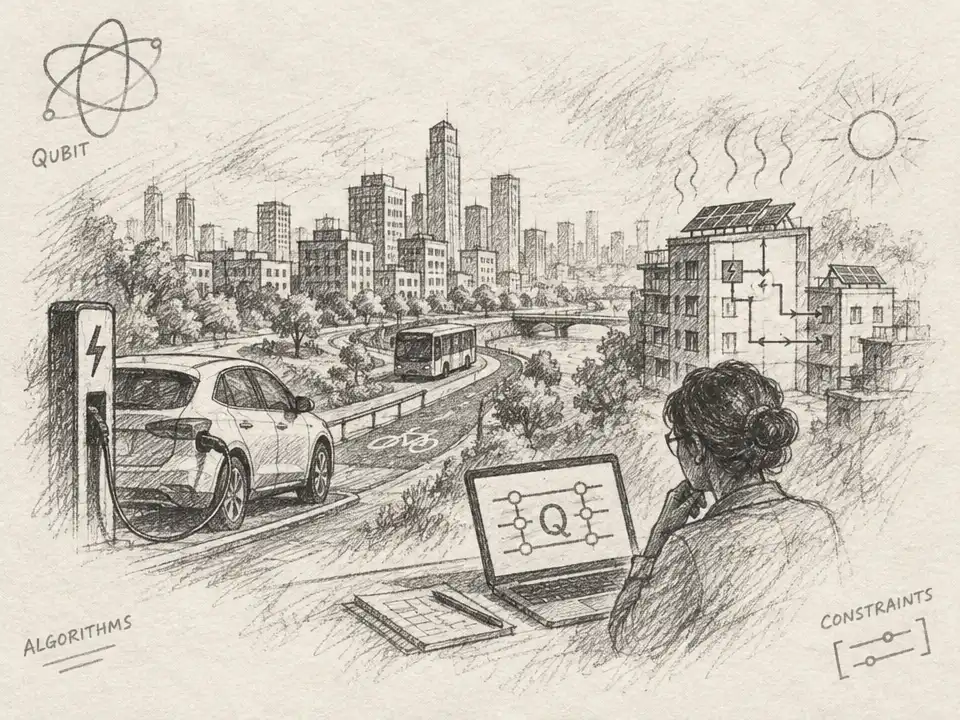
Quantum computing may help cities sift high-stakes choices—from heat response to transport failures—without replacing proven planning tools.