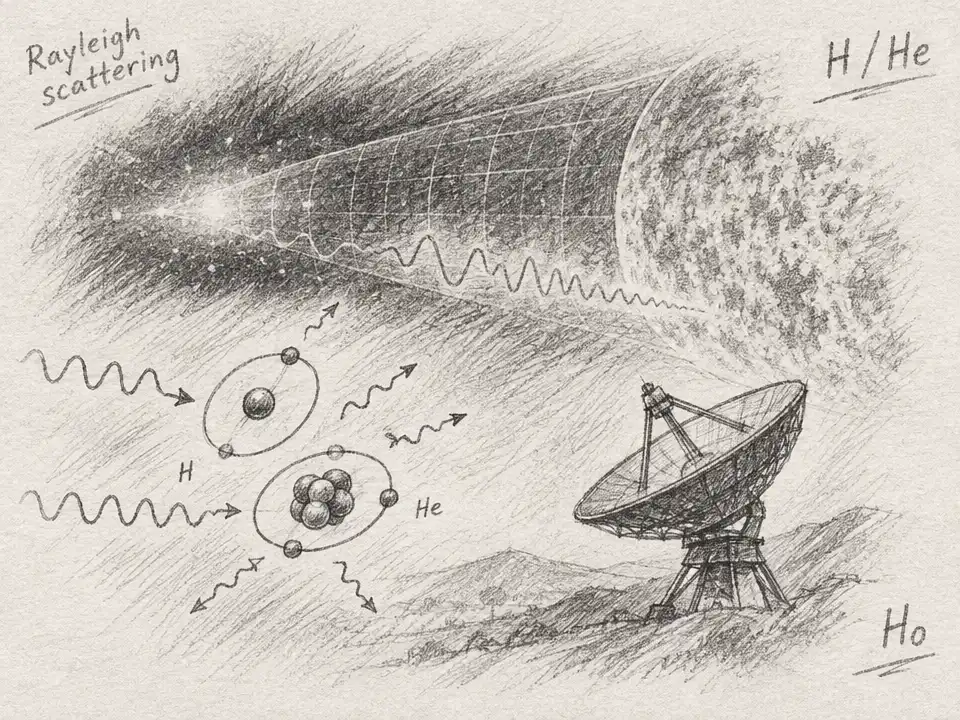
A Faint Atomic Echo Could Help Untangle the Universe’s Expansion
A faint scattering signal from early hydrogen and helium could help future CMB experiments test atomic physics and the Hubble tension.
A faint scattering signal from early hydrogen and helium could help future CMB experiments test atomic physics and the Hubble tension.
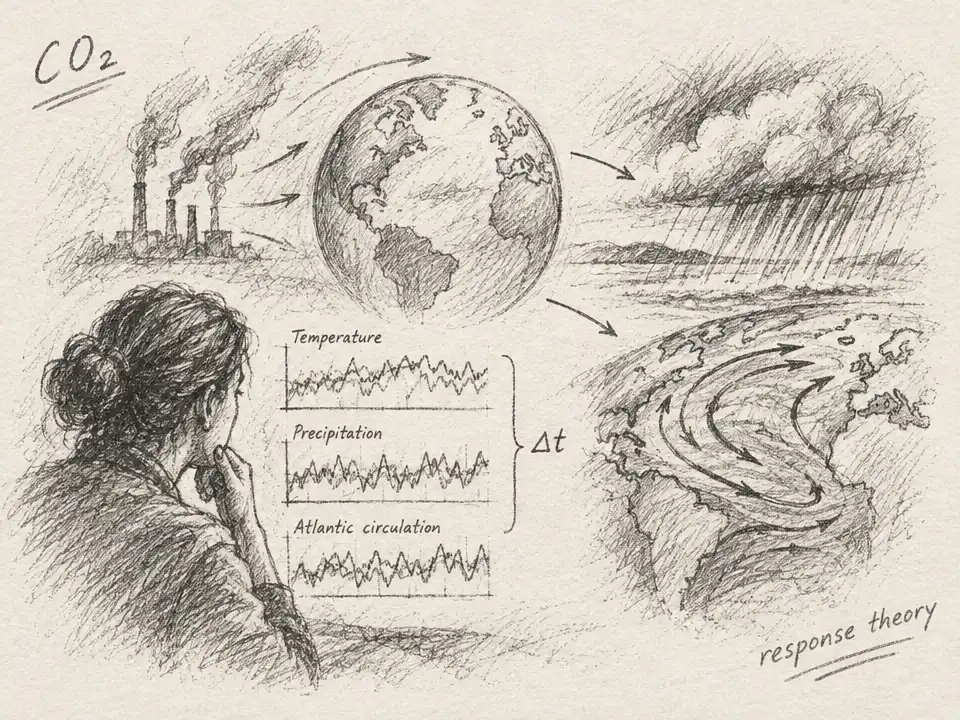
A mathematical bridge from statistical physics shows when climate variables can predict one another—and when a snapshot hides the answer.
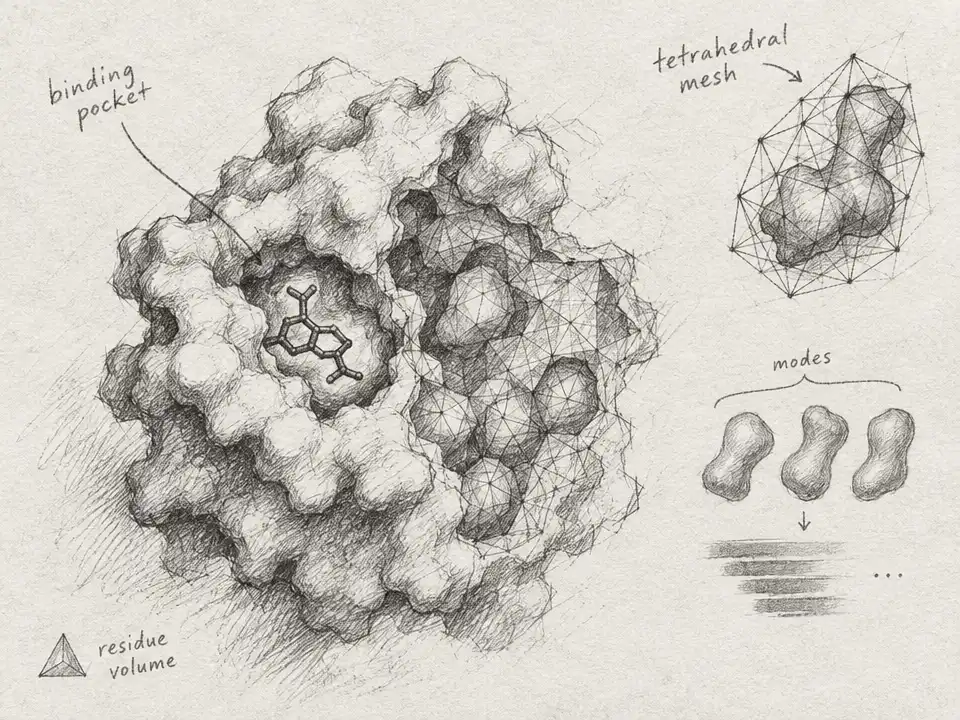
A tetrahedral geometry method maps buried protein volumes, improving computer benchmarks for binding pockets, interfaces, and binder design.
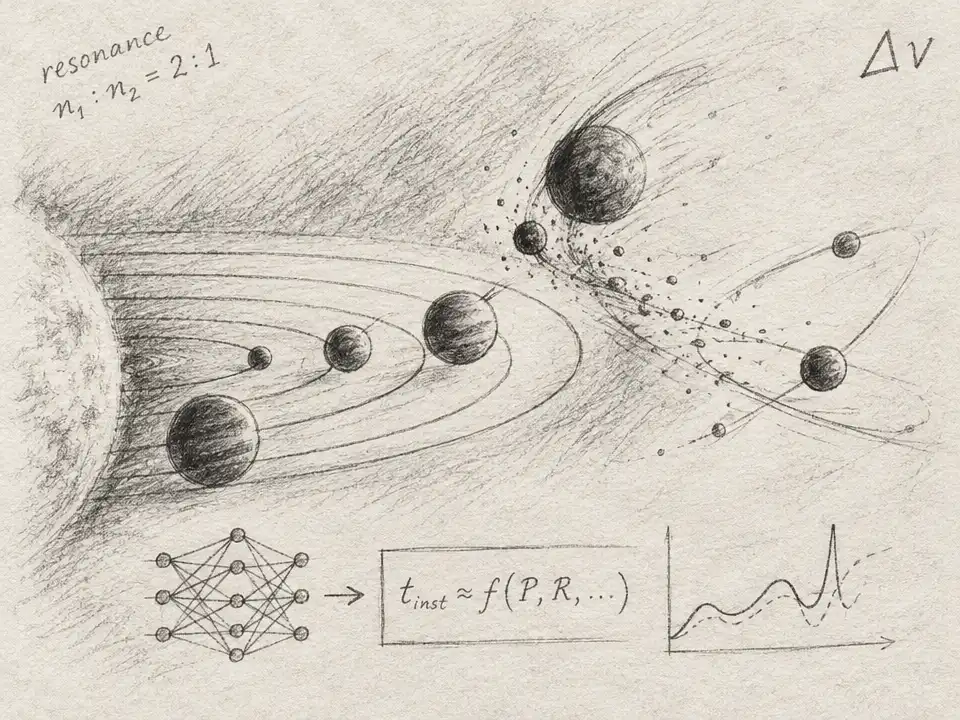
A new study turns neural-network predictions of planetary instability into compact, readable equations—and reveals where the rules break down.
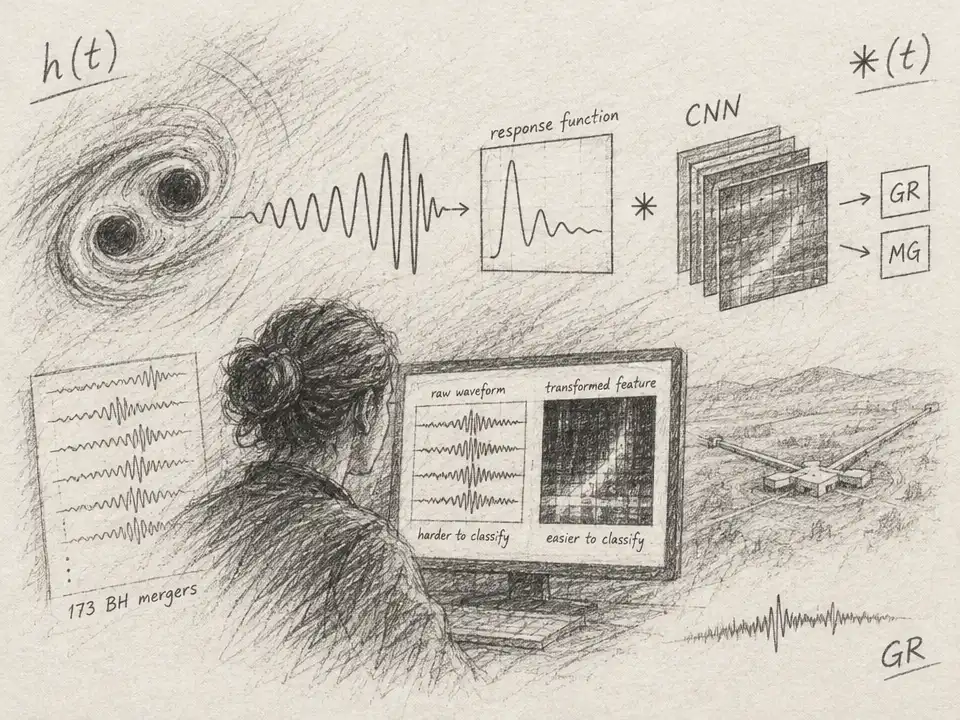
A response-function lens helps a neural network spot faint simulated departures from Einstein’s gravity in gravitational-wave signals.
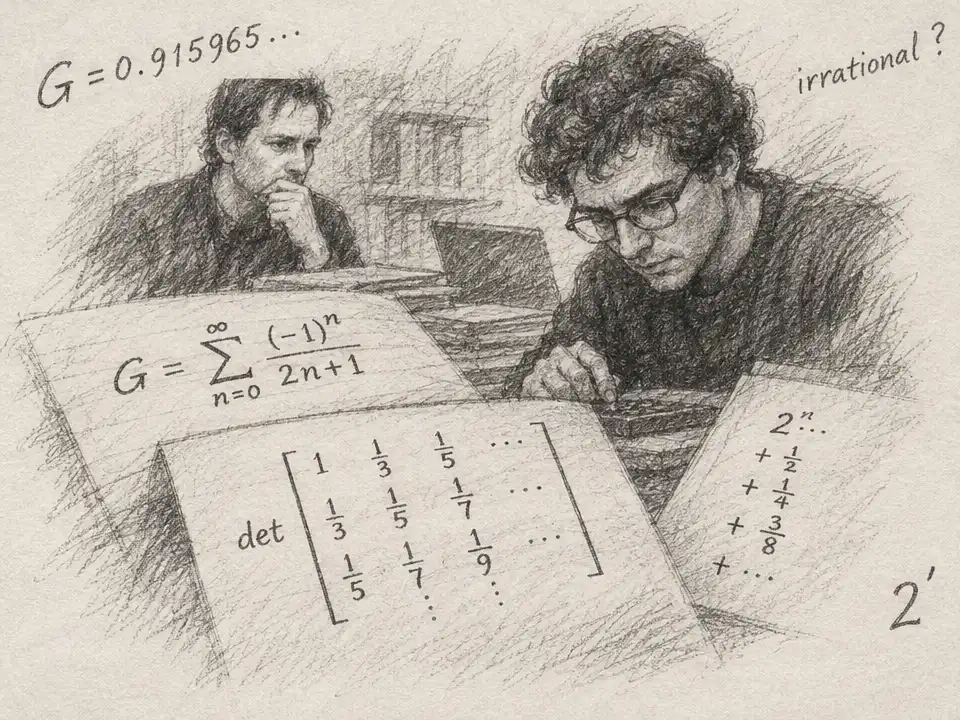
Exact arithmetic exposes a prime-number accounting gap in a claimed proof about Catalan’s constant, while leaving its irrationality open.
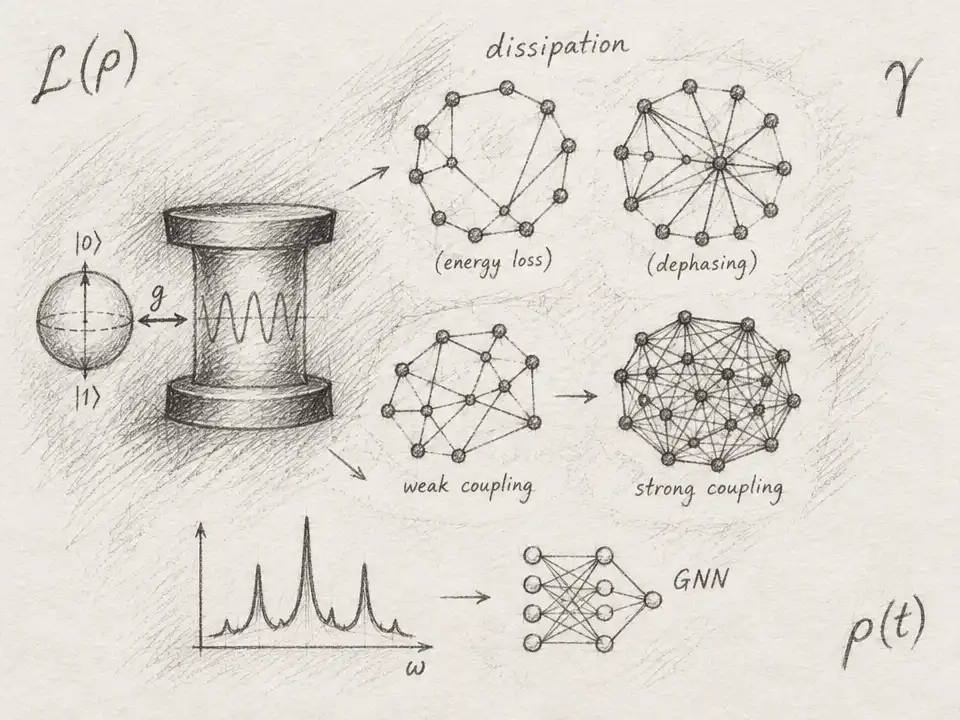
A graph-theory framework maps quantum dissipation, revealing which network links matter and helping predict quantum decay spectra.
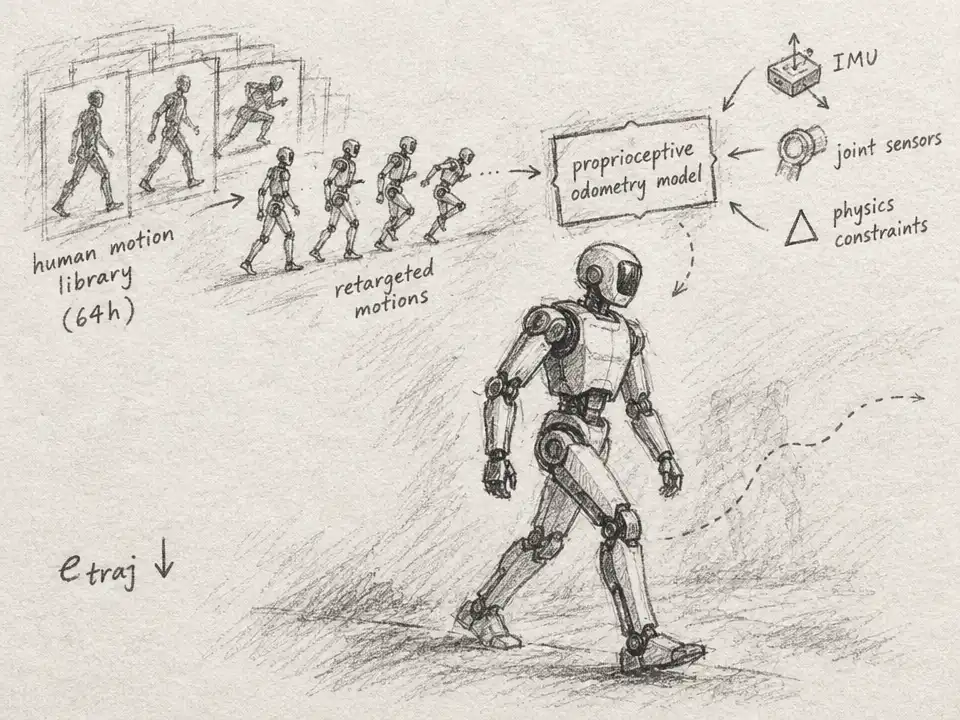
A humanoid robot used a human-motion library to learn how onboard sensors can track its movement through walks and dance routines.
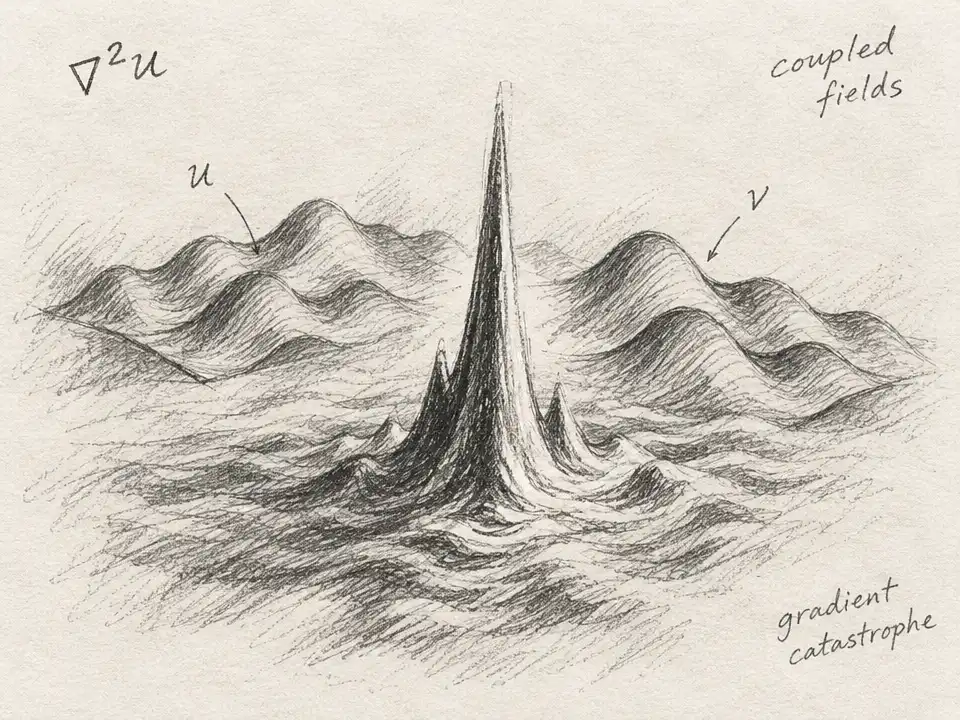
A fluid-dynamics idea predicts when coupled optical waves may form rogue peaks—and why one wave can trigger another.
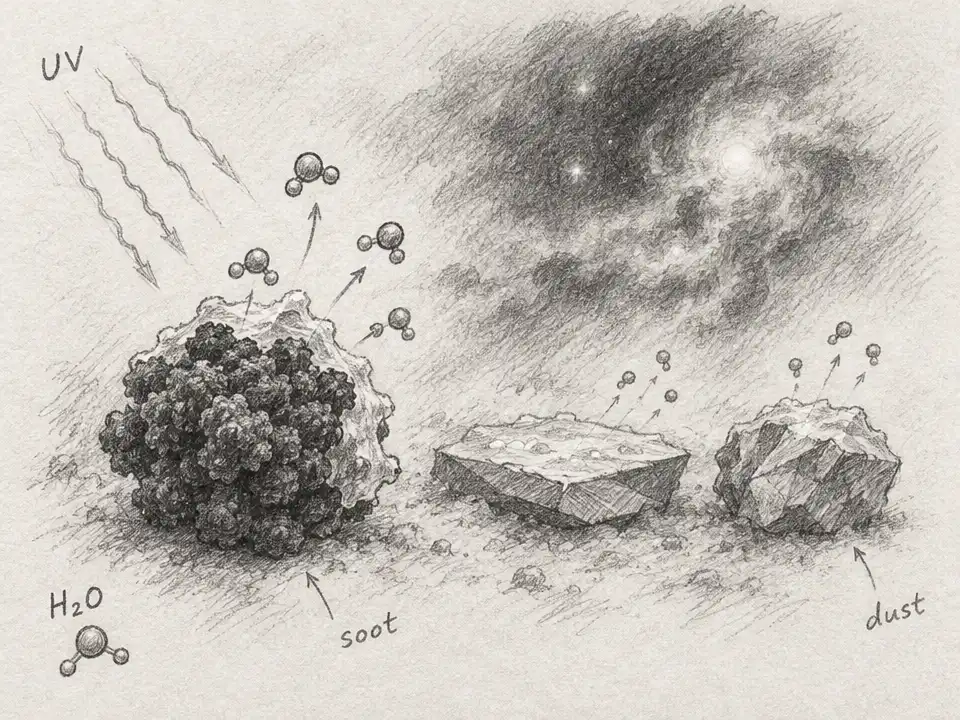
Experiments at 12 K find that rough cosmic-dust analogs can suppress UV-driven water loss, reshaping models of interstellar chemistry.
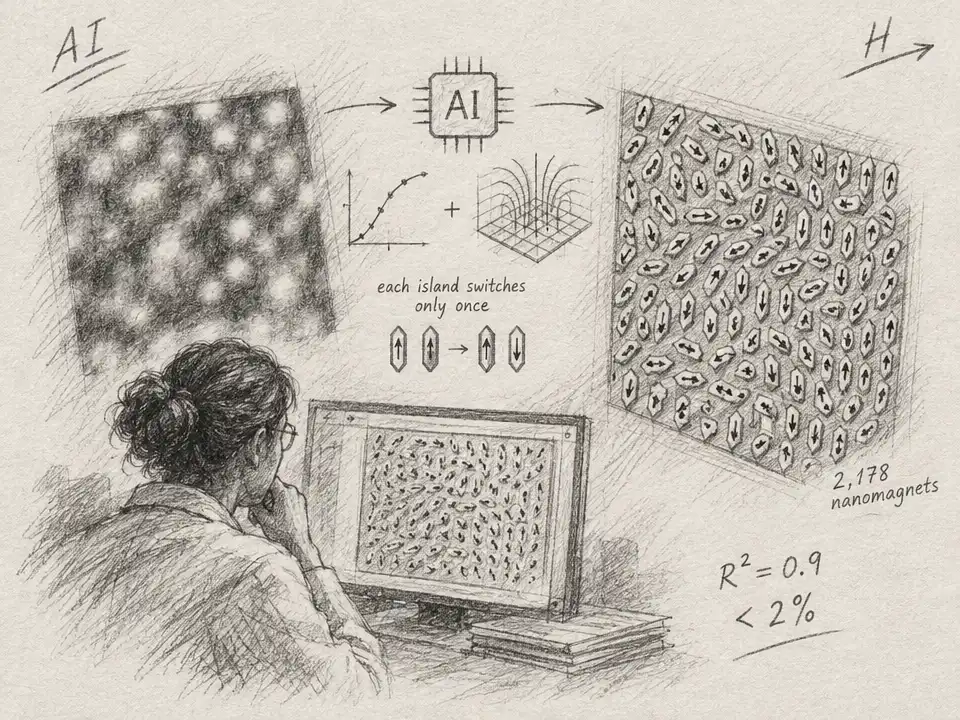
An AI-and-physics team reconstructed 2,178 hidden nanomagnet spins from blurry sensor maps by combining machine learning with physical constraints.
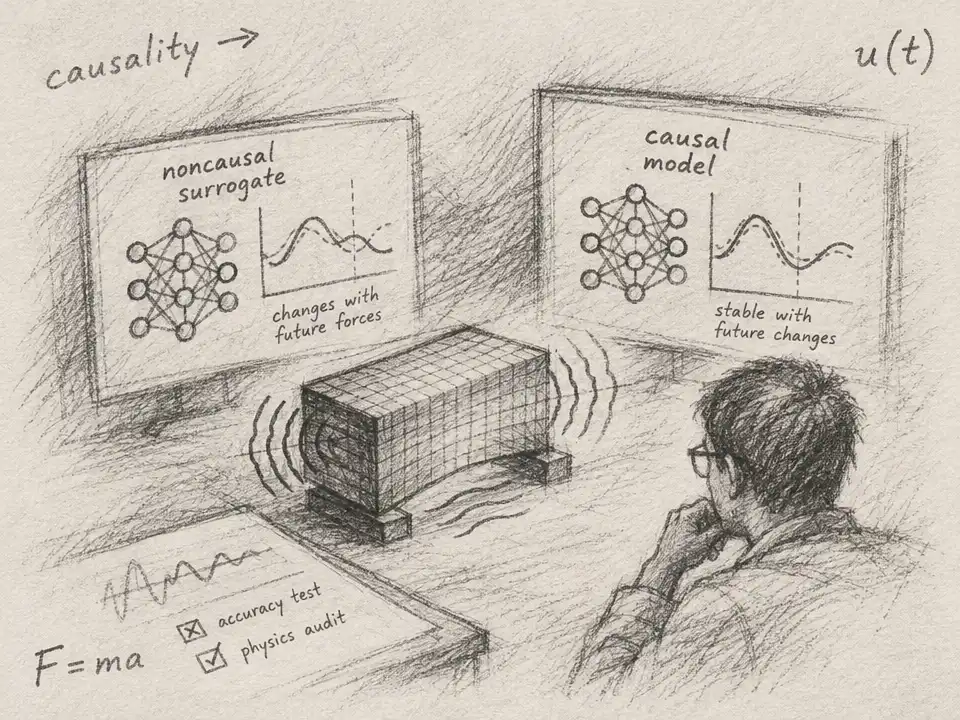
A mechanics-based audit found a machine-learning model whose predictions changed with future forces, despite low error on simulated motion.
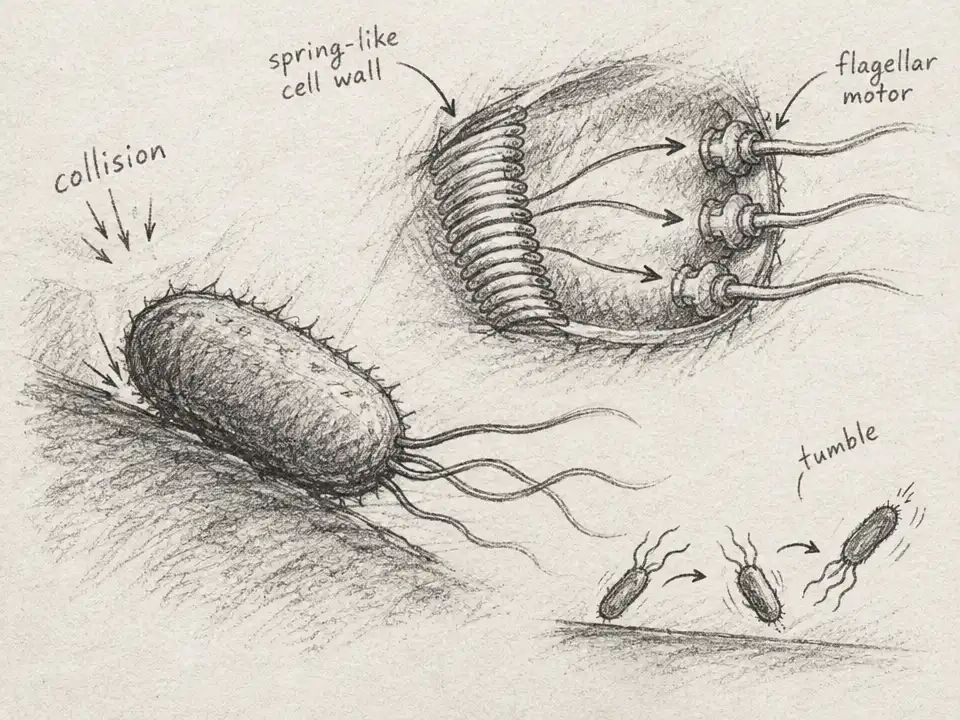
A physics-based model suggests a trained bacterial cell wall could route collision forces to flagellar motors and help steer a swimmer from surfaces.
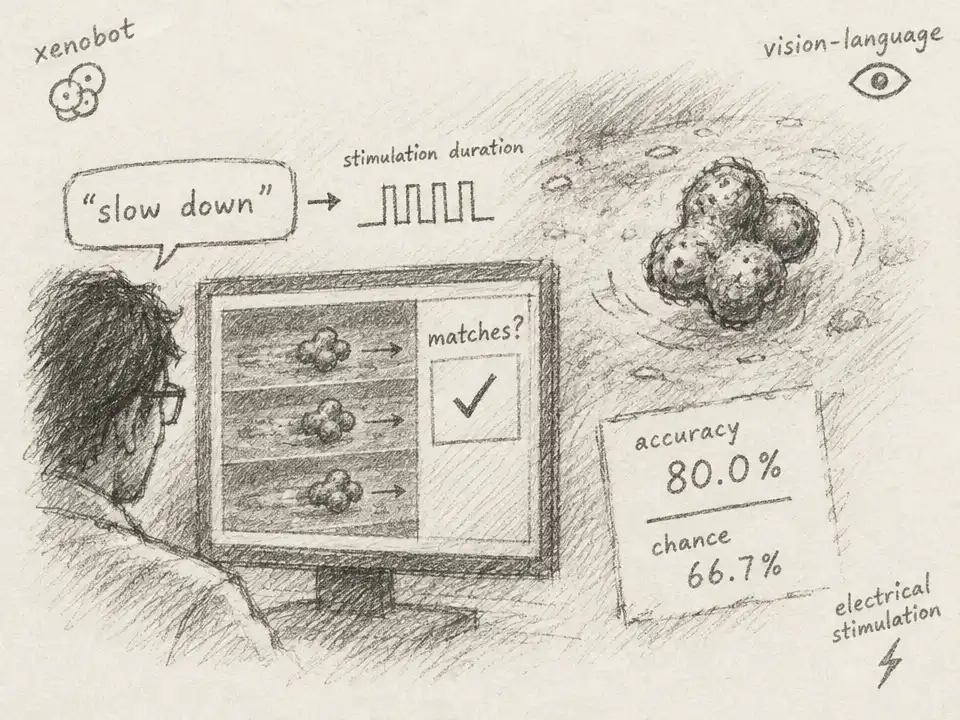
An AI system learned to match plain-language requests to recorded electrical interventions in xenobots—without running new experiments.
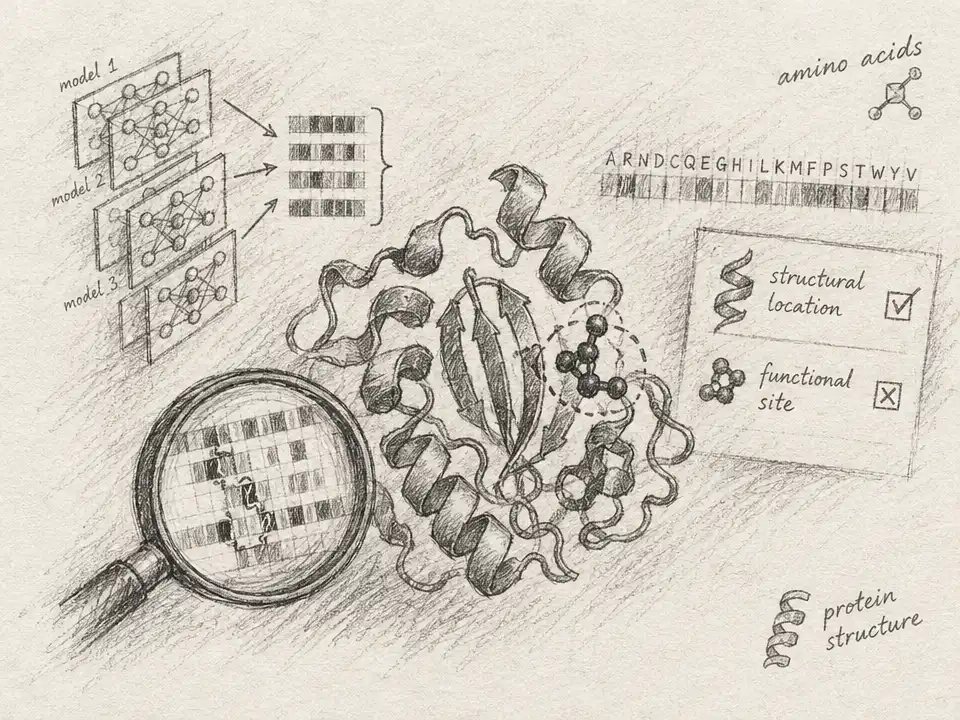
A protein AI’s internal clues show how reproducibility can speed interpretation—and why its filters may miss functional signals.
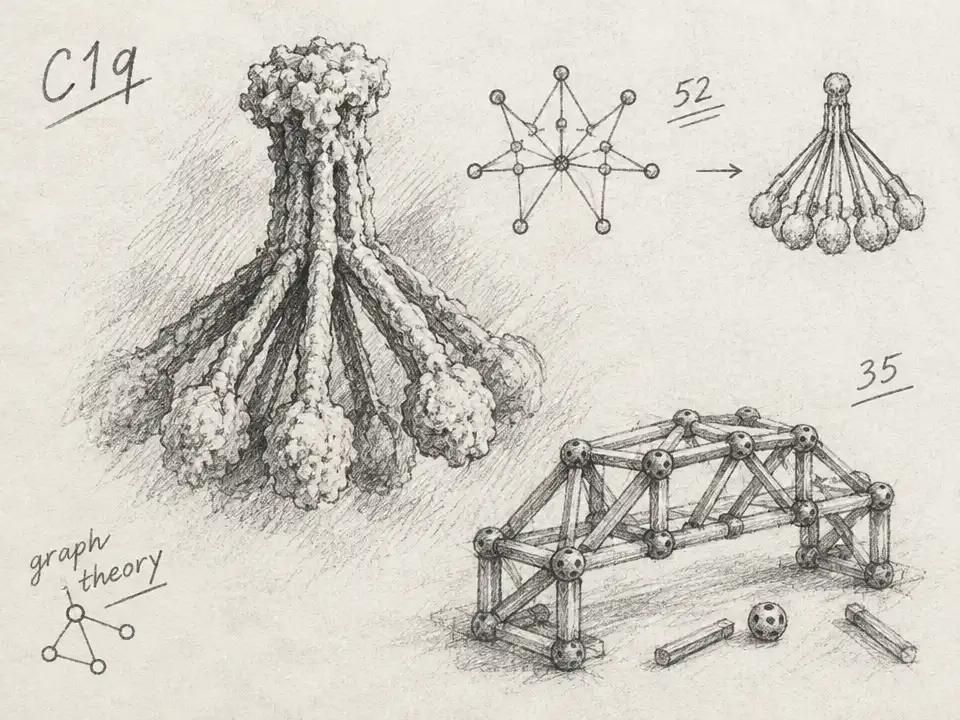
A graph-theory framework explains how local binding rules and assembly order can turn many possible networks into one reliable structure.
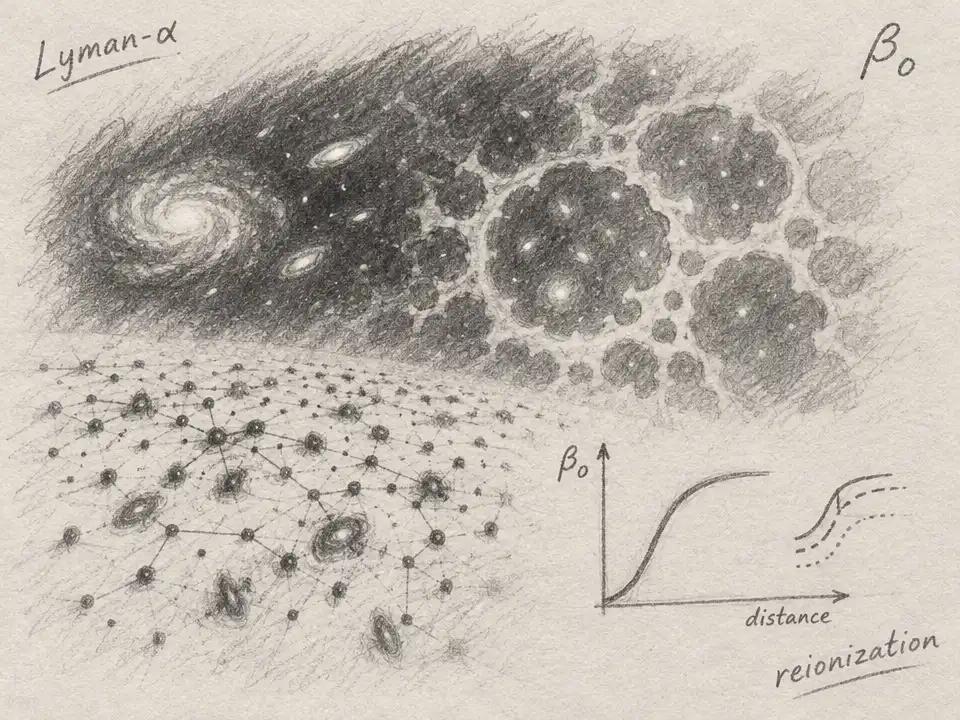
Persistent homology, a tool from topology, may help astronomers read early-universe galaxy patterns and sharpen forecasts of cosmic reionization.
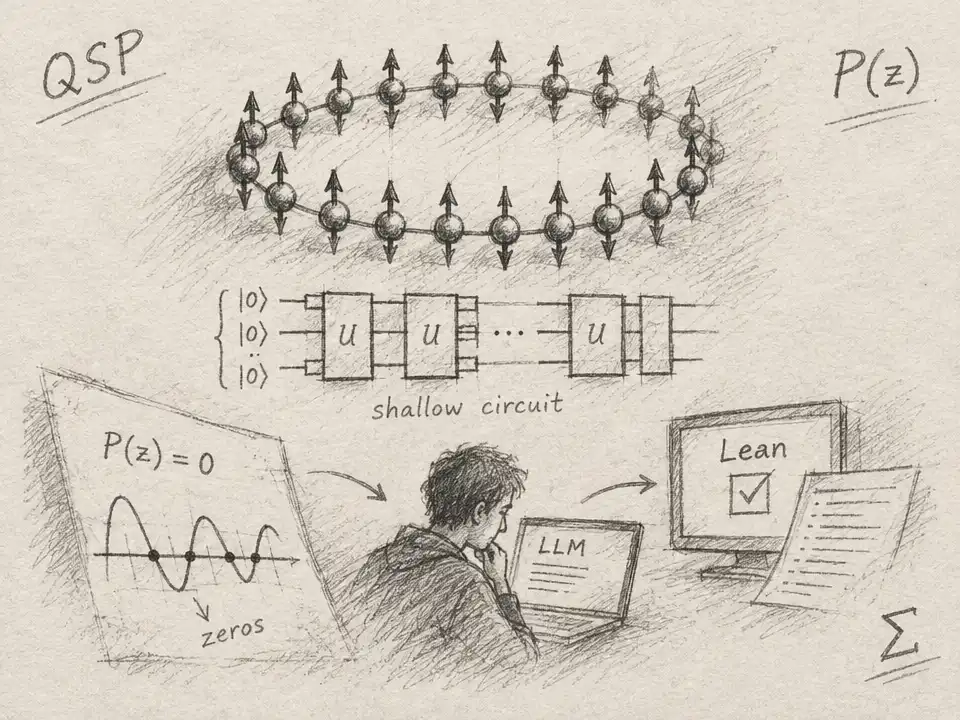
A quantum optimization conjecture fell when researchers turned a spin-ring circuit into a polynomial problem and formally checked the proof.
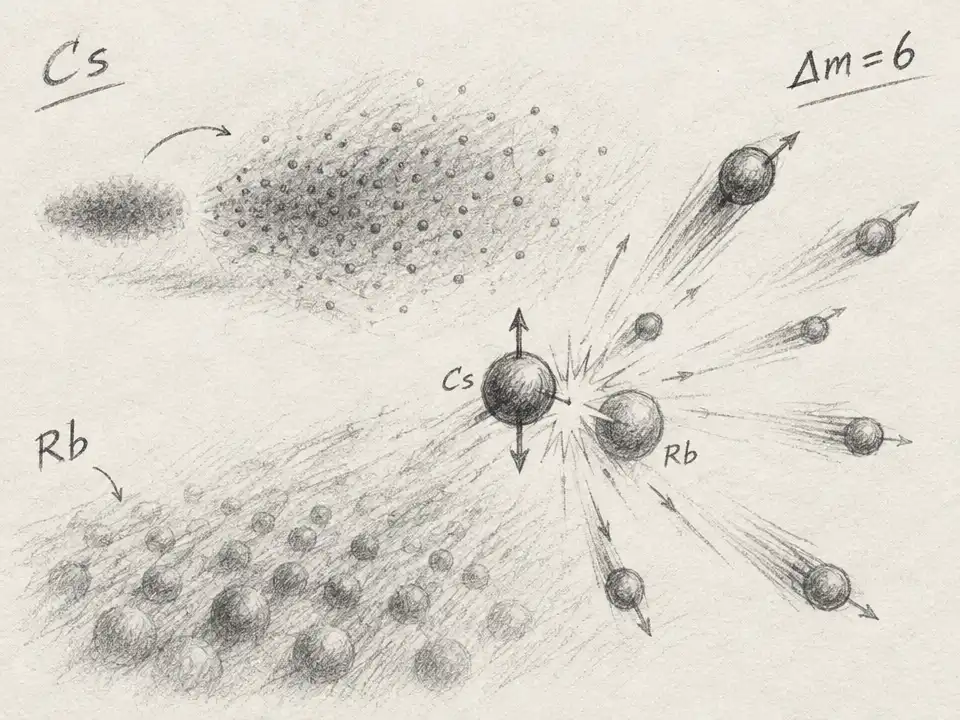
A cold cesium atom gets a temporary burst of motion when quantum spin energy becomes kinetic energy in collisions with rubidium.
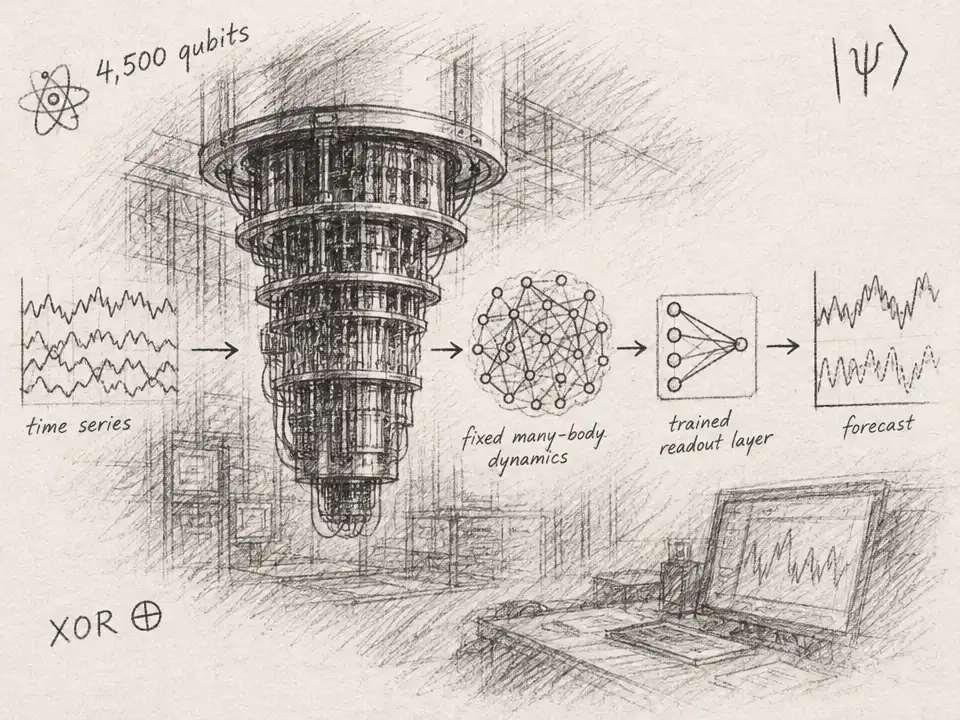
A 4,500-qubit quantum annealer turns its native spin dynamics into a memory system for learning patterns in chaotic time series.