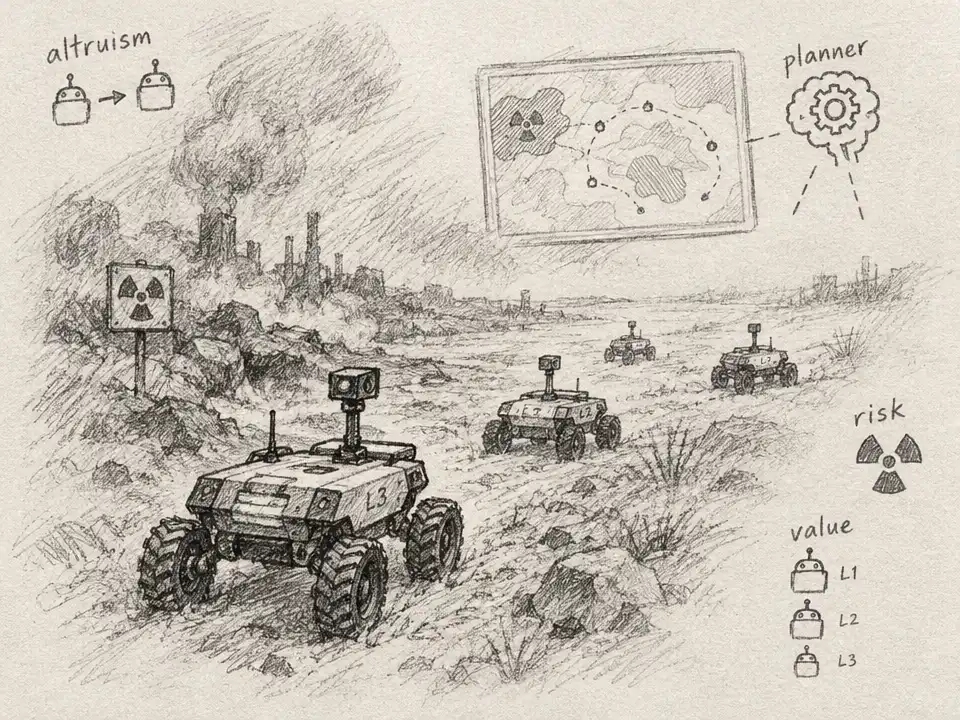
When Robot Teams Borrow Evolution’s Rule for Sharing Risk
An evolutionary idea about altruism helps robot teams balance exploration, duplication and risk—and raises the question of who decides which robot matters most.
An evolutionary idea about altruism helps robot teams balance exploration, duplication and risk—and raises the question of who decides which robot matters most.
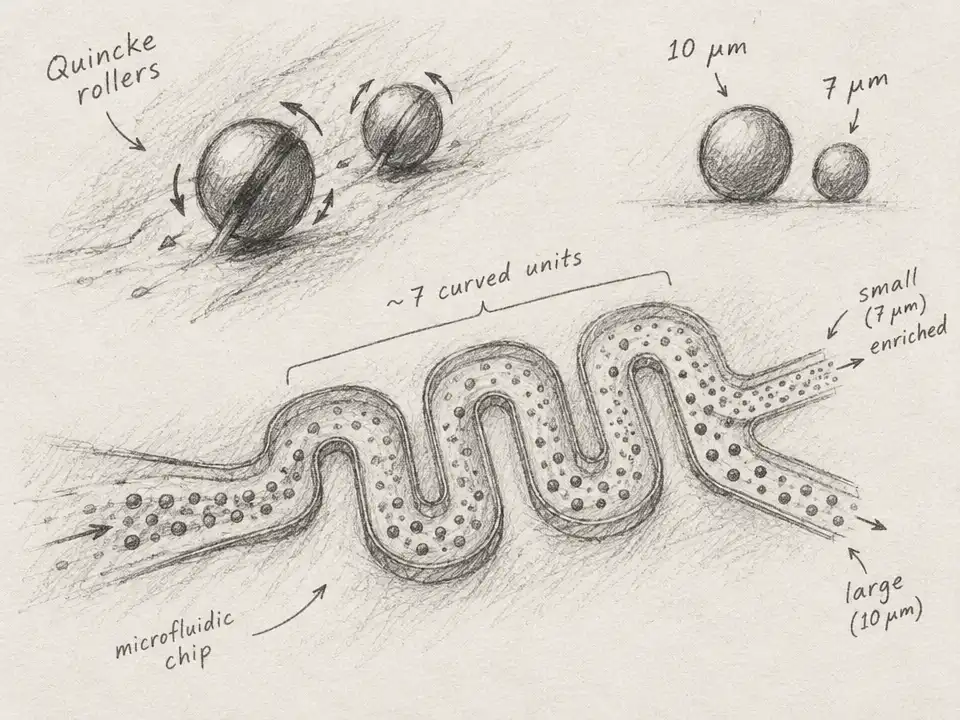
A curved microfluidic chip uses collective motion to separate active particles, turning a physics principle into a continuous-flow sorter.
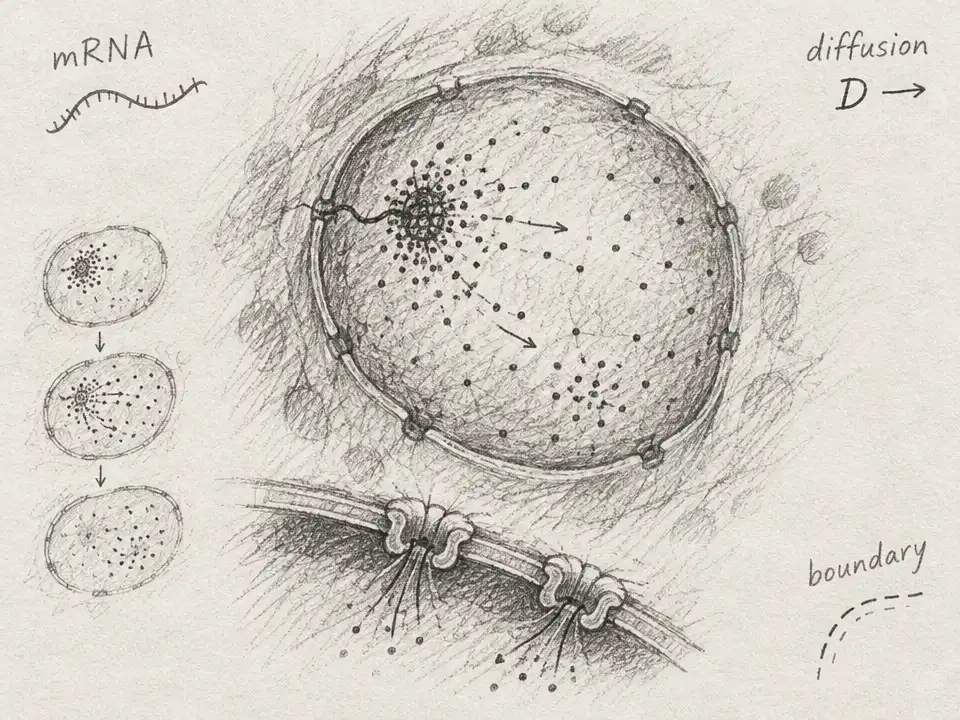
A physics-informed method explores when messenger RNA positions in a fixed cell can reveal nuclear transport—and when one snapshot is not enough.
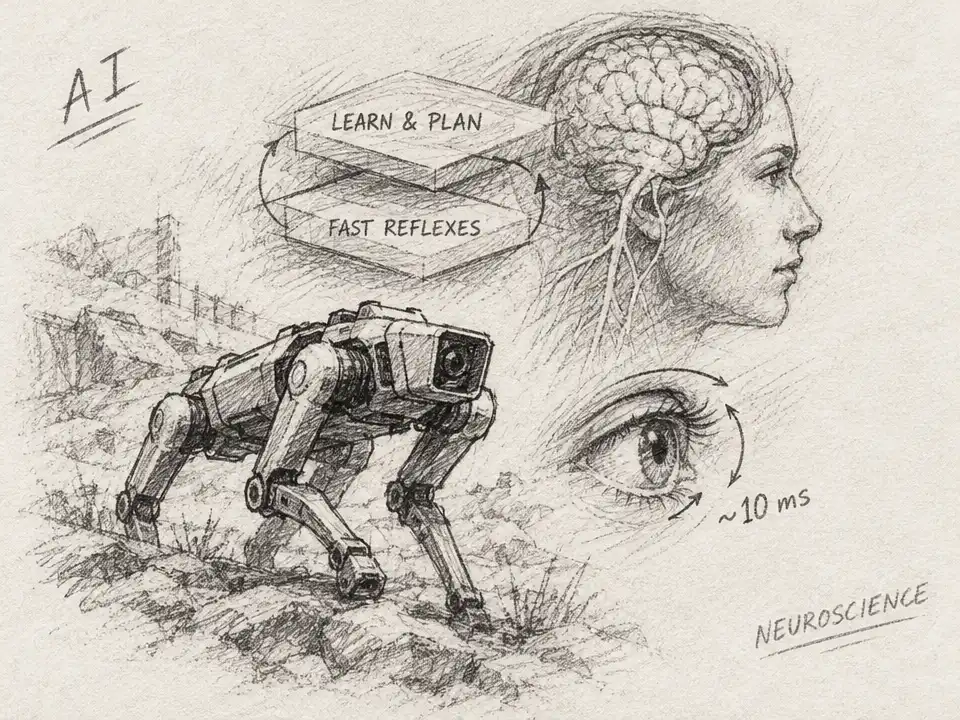
A brain reflex that stabilizes vision in milliseconds suggests how AI could pair rapid safety responses with slower learning.
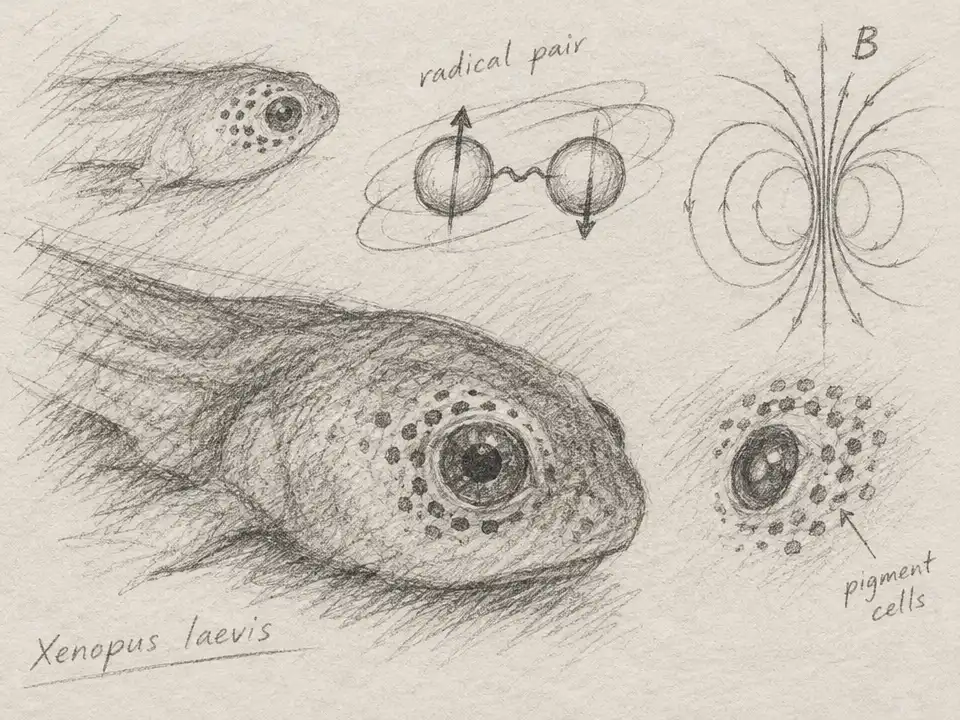
Weak magnetic fields altered pigment-cell counts around tadpole eyes, in a light-dependent effect consistent with quantum spin chemistry.
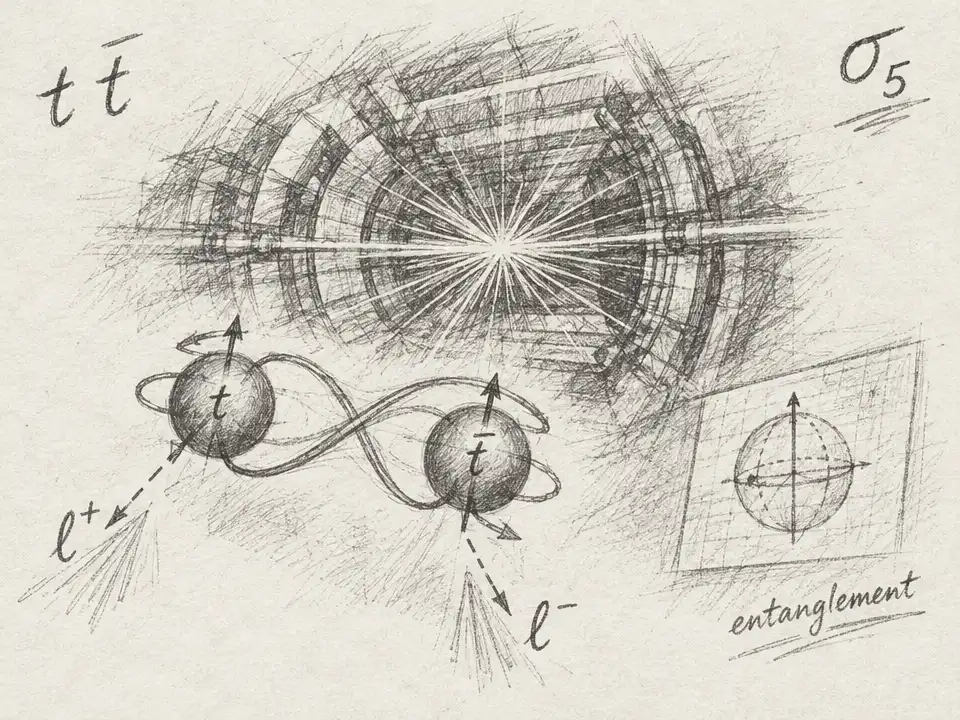
A top quark's fleeting lifetime preserves spin clues, letting collider physicists use quantum-information tools to detect entanglement.
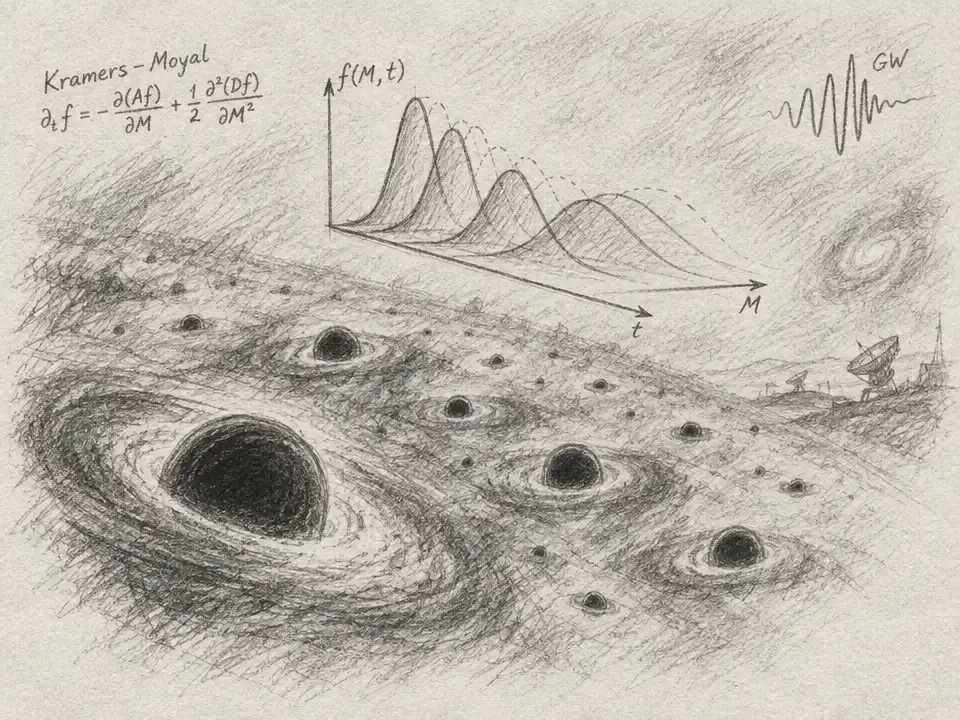
A statistical-physics framework could turn black-hole population snapshots into clues about how these cosmic objects grow across time.
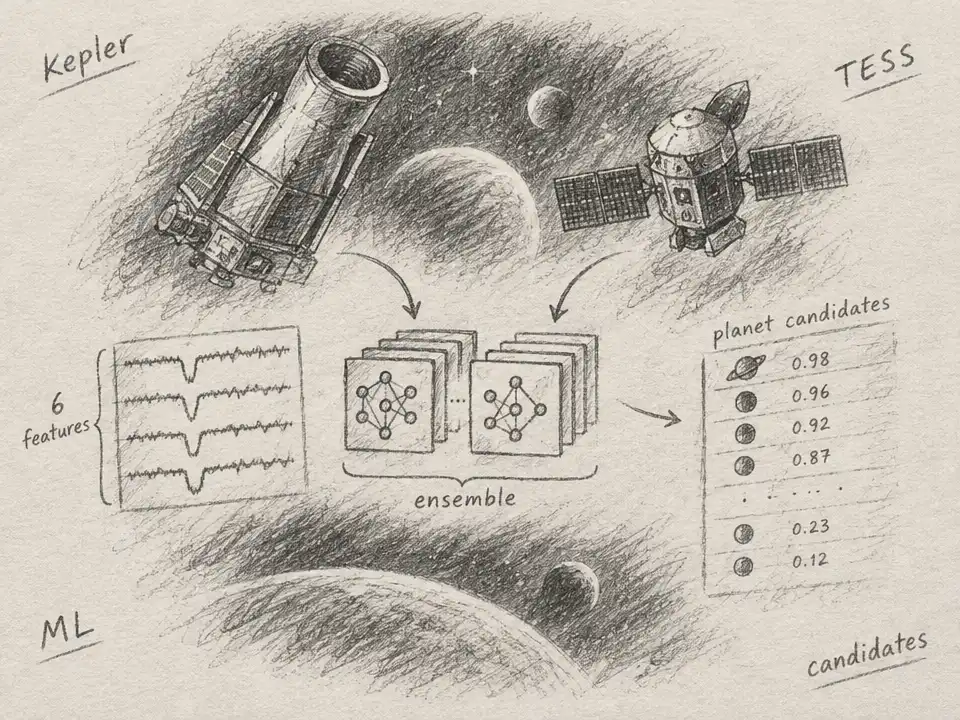
Kepler and TESS see different slices of the sky. Joint machine-learning training turns their mismatch into a better way to rank planet candidates.
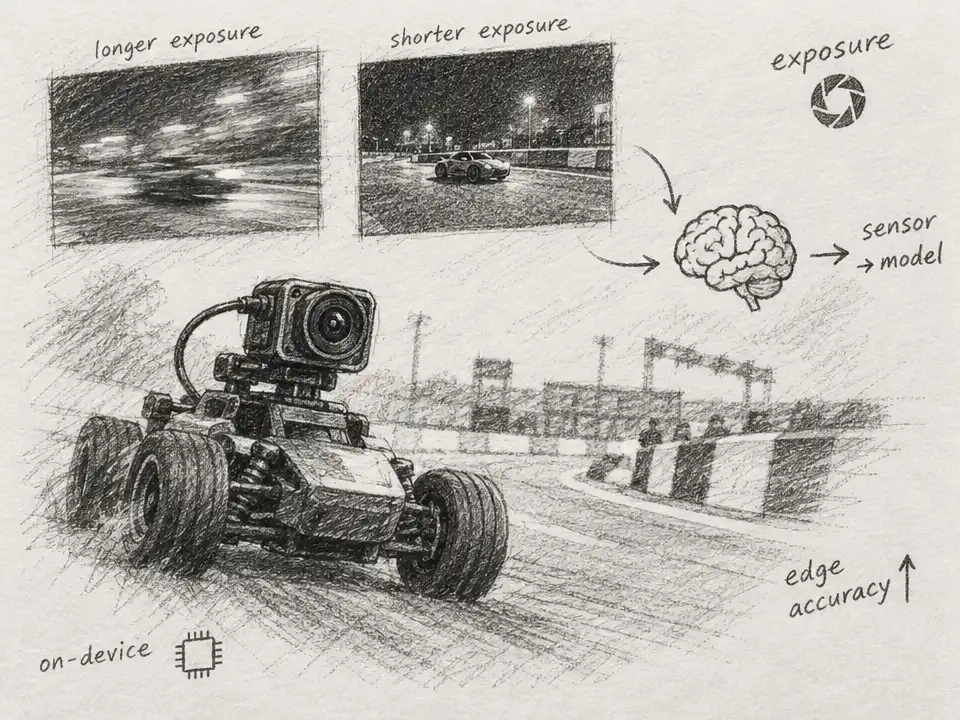
A brain-inspired camera system learned to balance motion blur and low light, boosting object recognition while cutting remote AI calls.
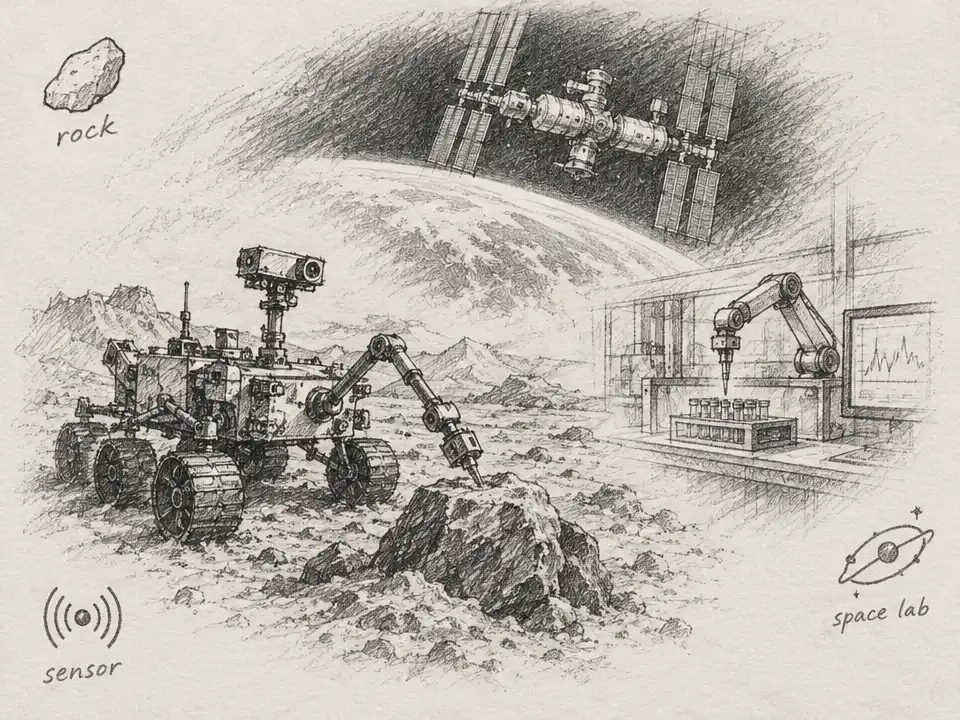
Space science is pushing AI beyond prediction: rovers and orbital labs must act, track samples and know when experiments stop supporting a claim.
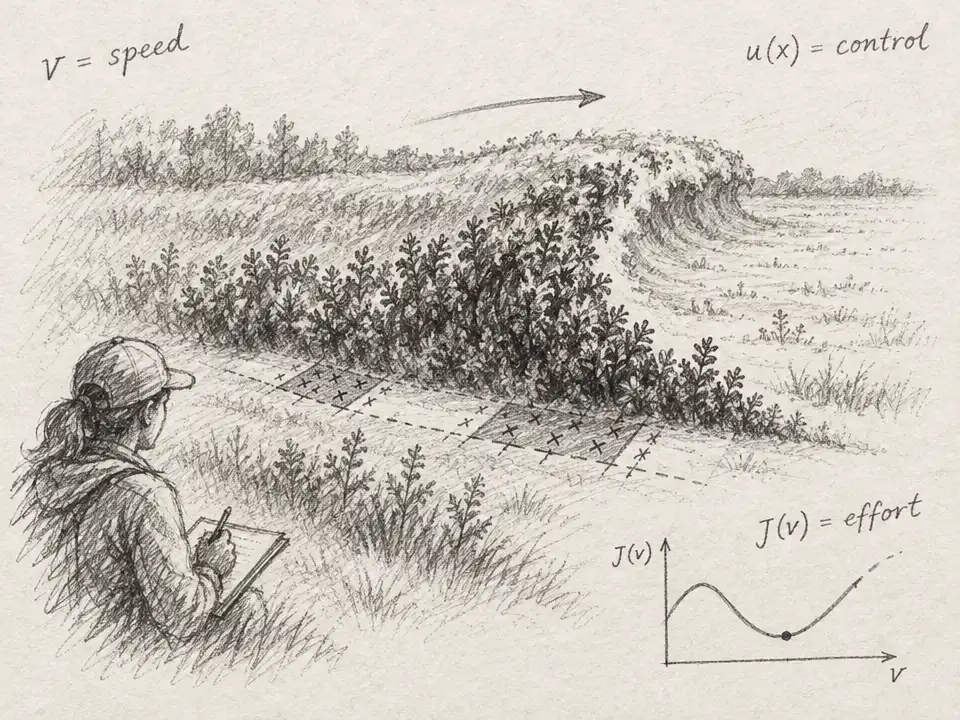
A mathematical model of invasive spread finds a unique control strategy—and shows why faster fronts can carry a surprisingly uneven cost.
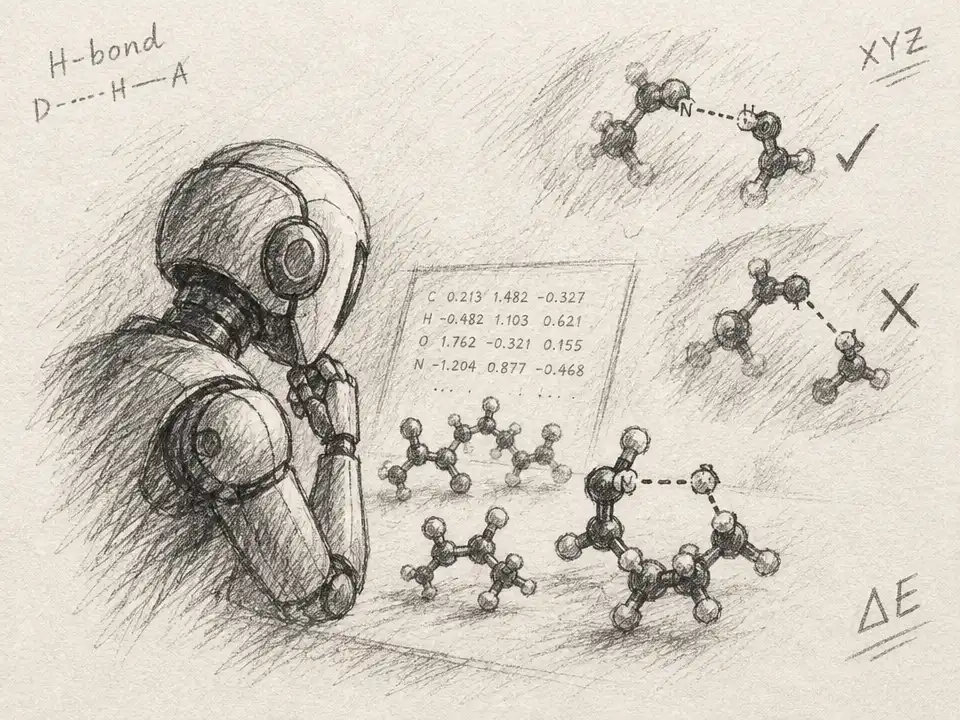
A molecular chemistry test finds that language models can rank 3D shapes, while their reliance on hydrogen bonds exposes a striking blind spot.
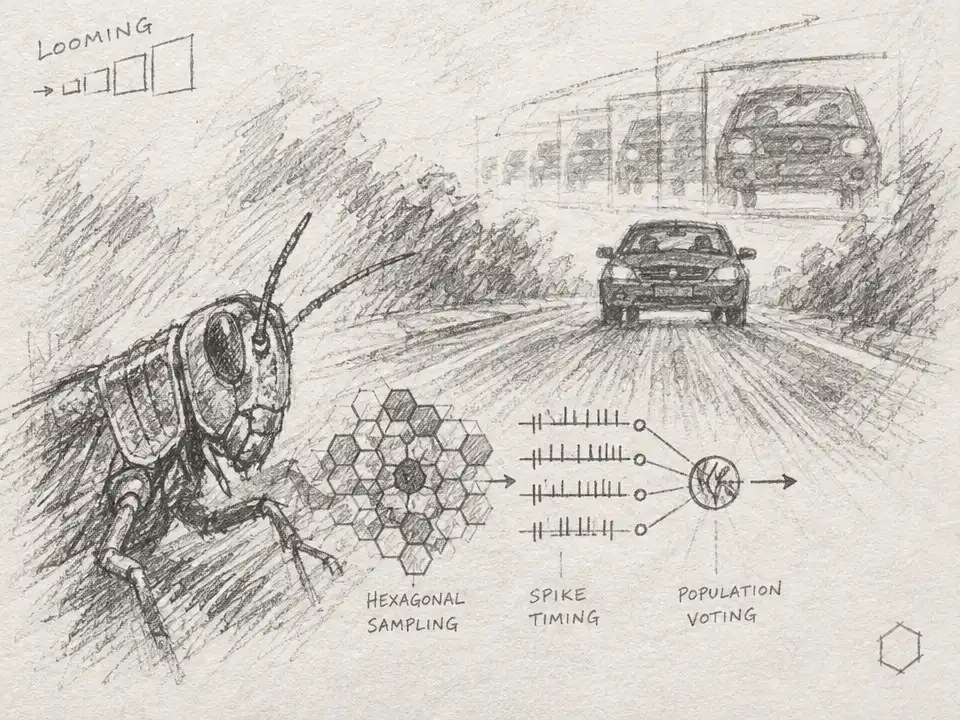
A locust-inspired vision model spots looming motion in dashcam clips, but false alarms show how far it is from road-ready.
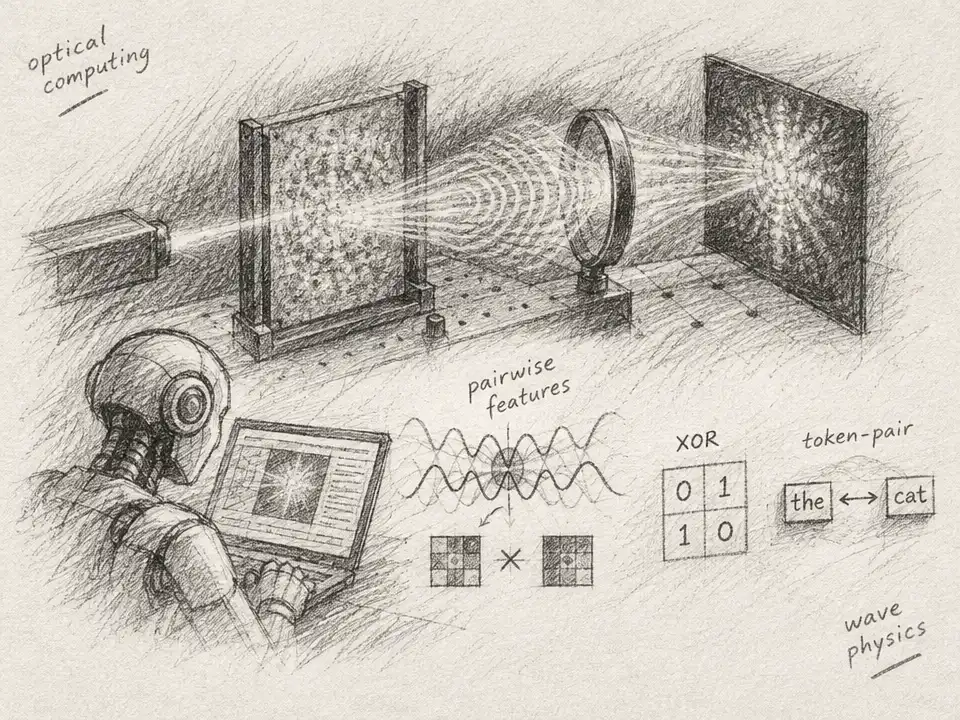
A real optical experiment found a way for scattered light to generate pairwise features resembling a core comparison in AI attention.
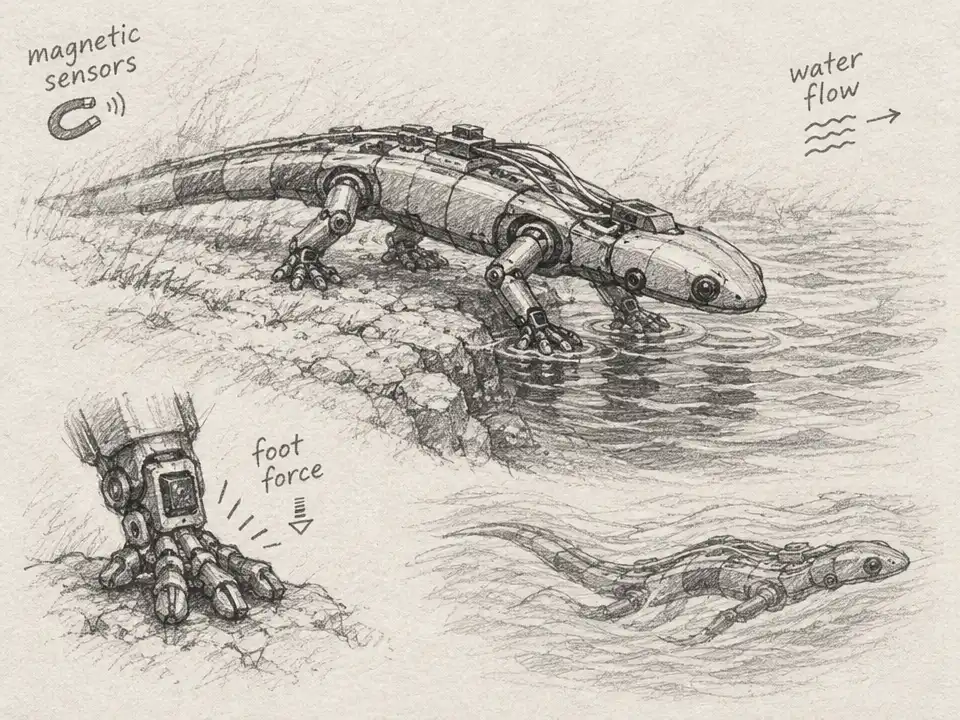
A salamander-inspired robot uses magnetic sensors to detect ground contact and water flow, then switches from walking to swimming.
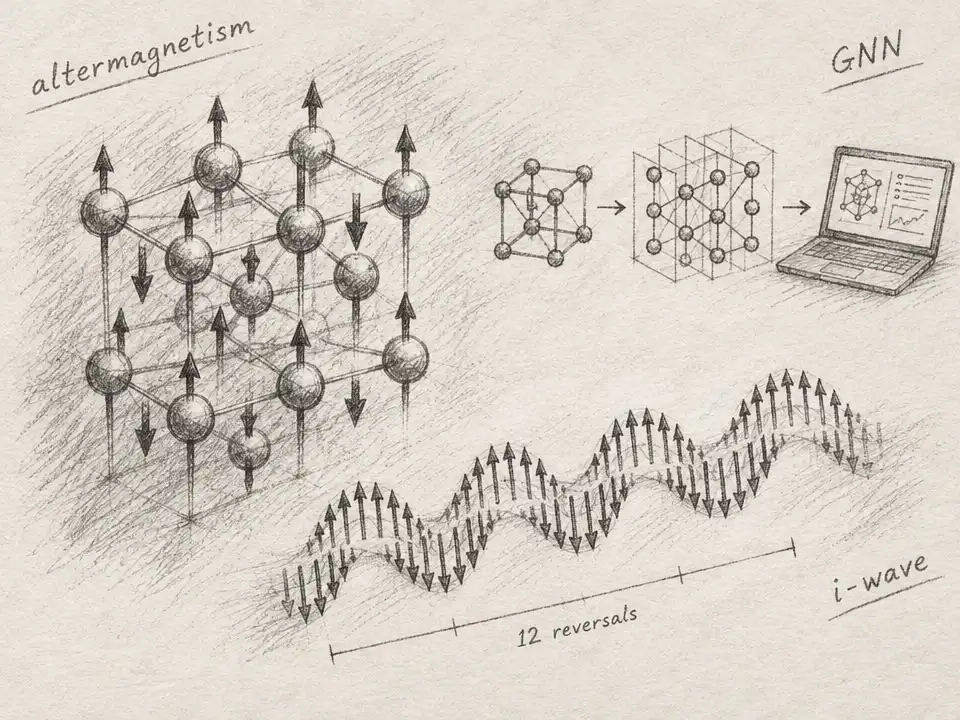
Machine learning helps physicists search crystal symmetries for altermagnets, including a predicted spin pattern that flips 12 times.
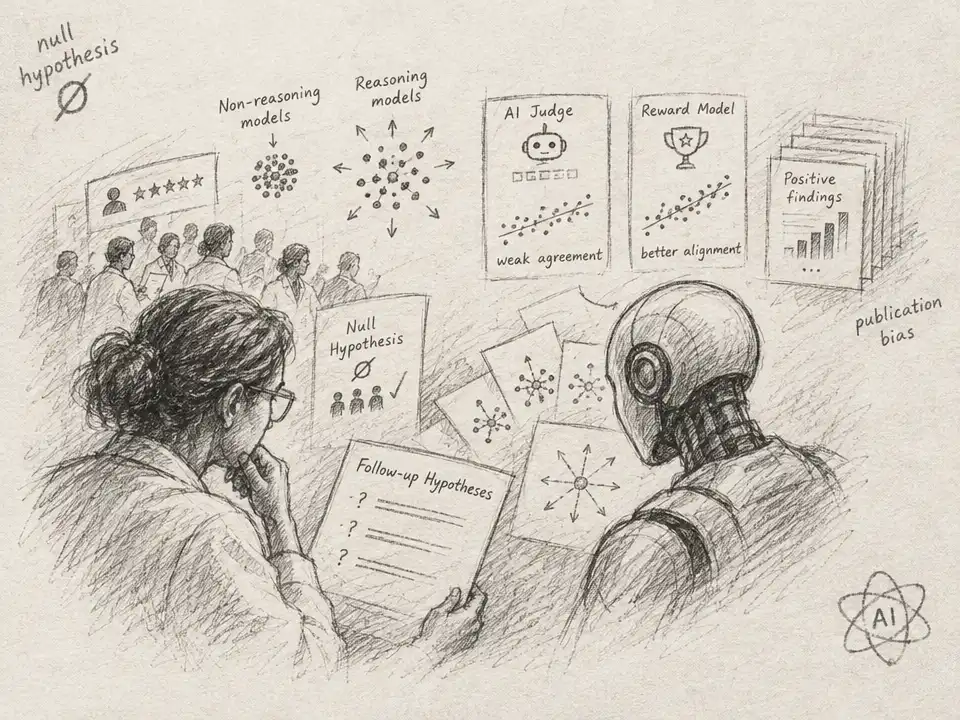
A large scientist-led test found AI research ideas rarely propose null results—and revealed why human judgment still matters.
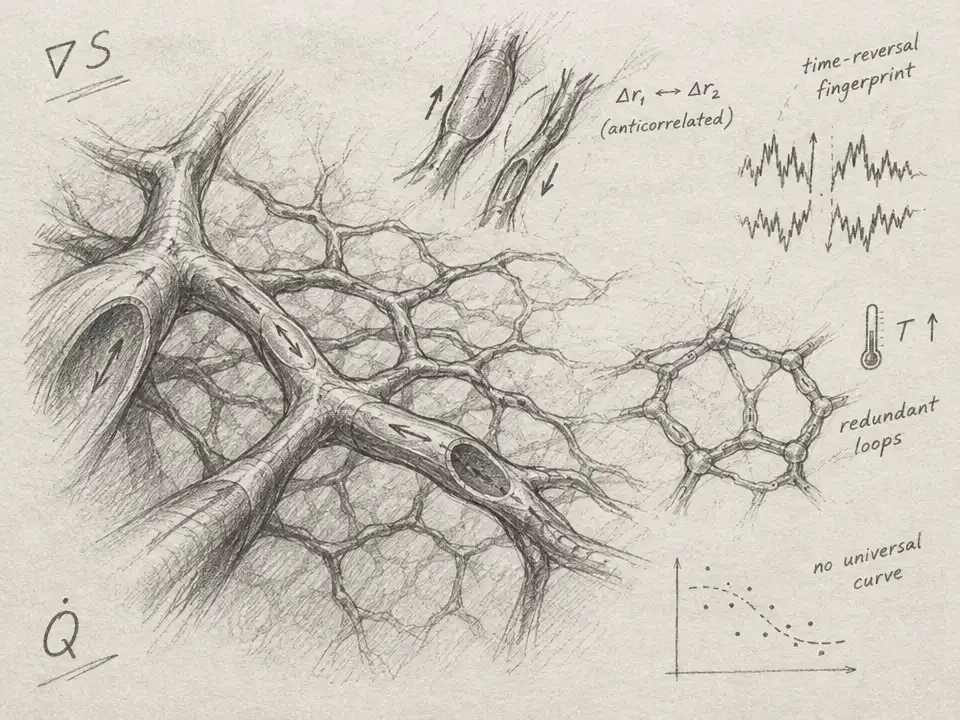
A thermodynamic framework turns local vessel remodeling into testable predictions about flow, metabolic budgets, and hidden network signals.
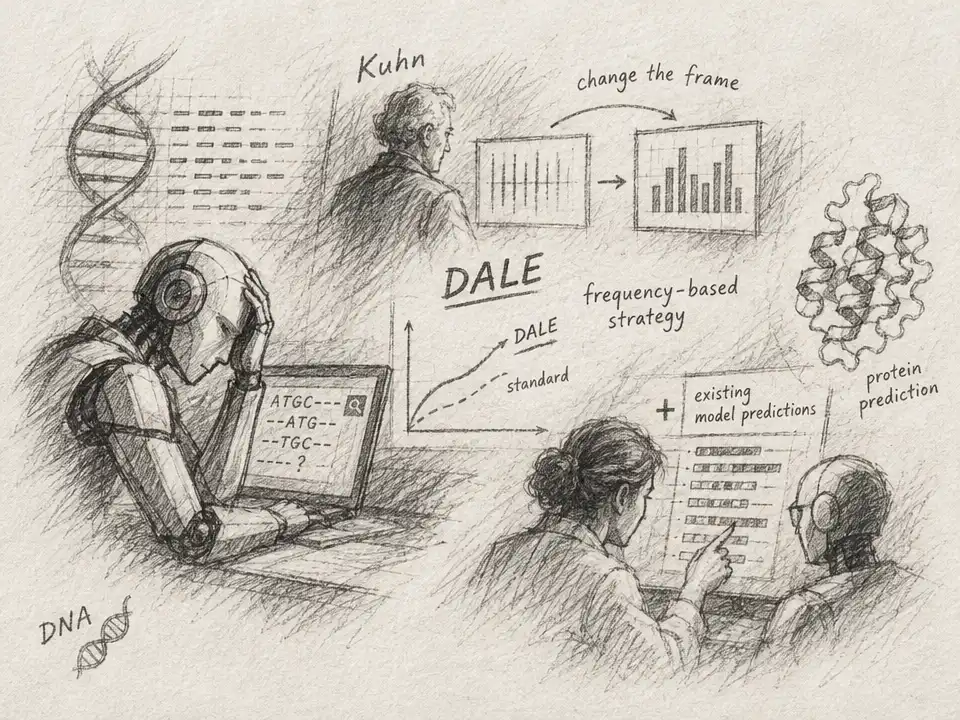
An AI system borrowed Thomas Kuhn’s idea of scientific revolutions to rethink DNA motif search, producing a faster algorithm that still awaits lab validation.
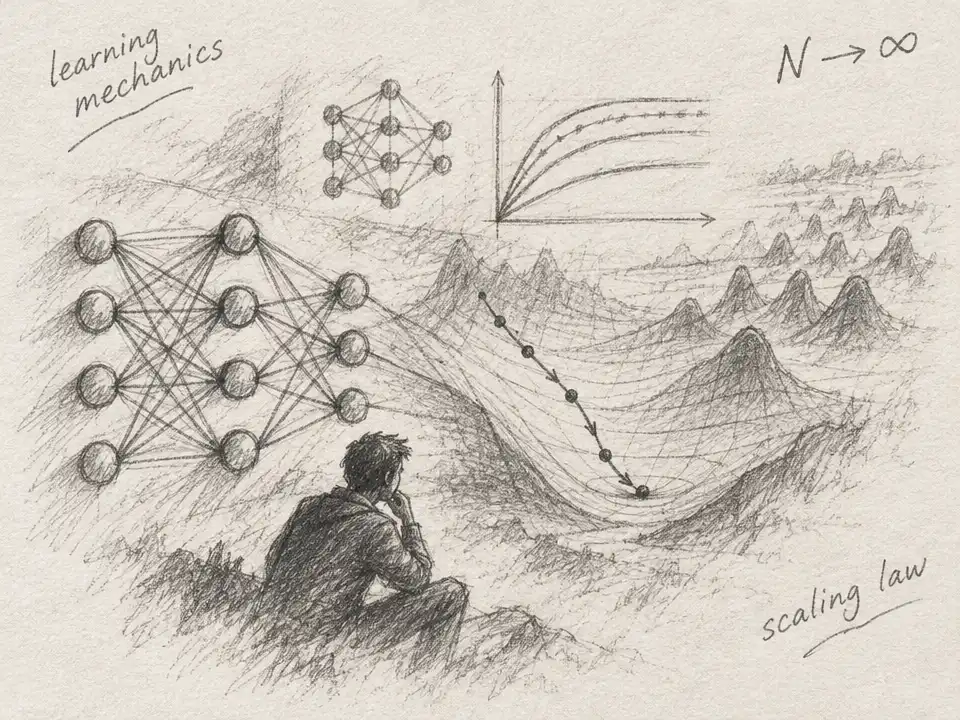
Physics offers a surprising map for neural-network learning: solvable models, scaling laws, and shared patterns point toward a new mathematical science.