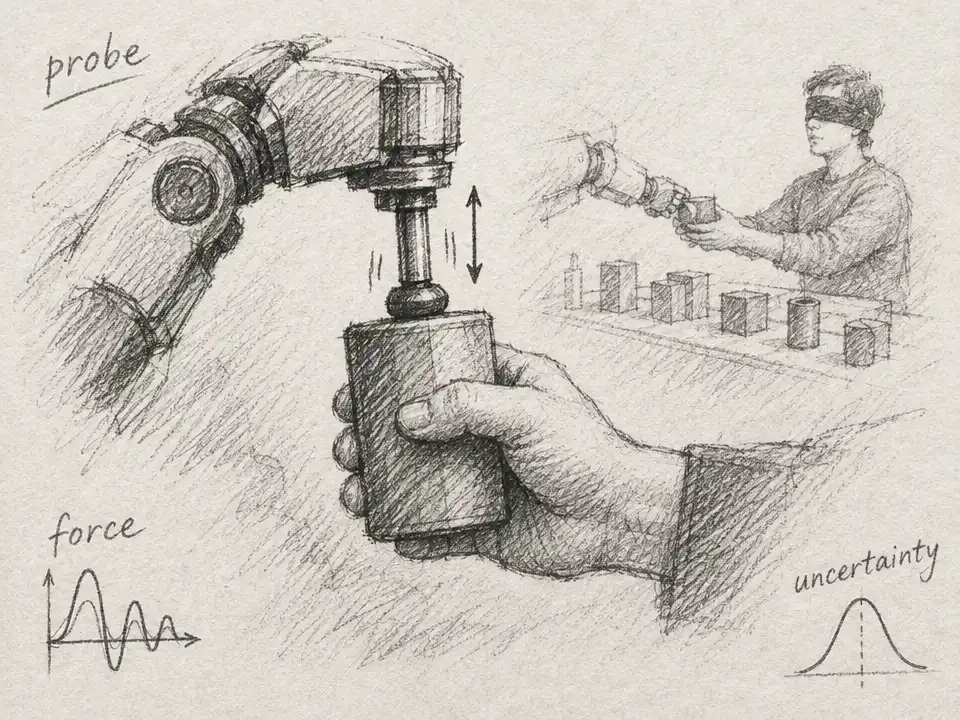
The Robot’s Small Probe Could Tell It When to Let Go Safely
A robot uses tiny, information-seeking motions to distinguish a firm human grasp from a touch, improving handoff reliability in lab tests.
A robot uses tiny, information-seeking motions to distinguish a firm human grasp from a touch, improving handoff reliability in lab tests.
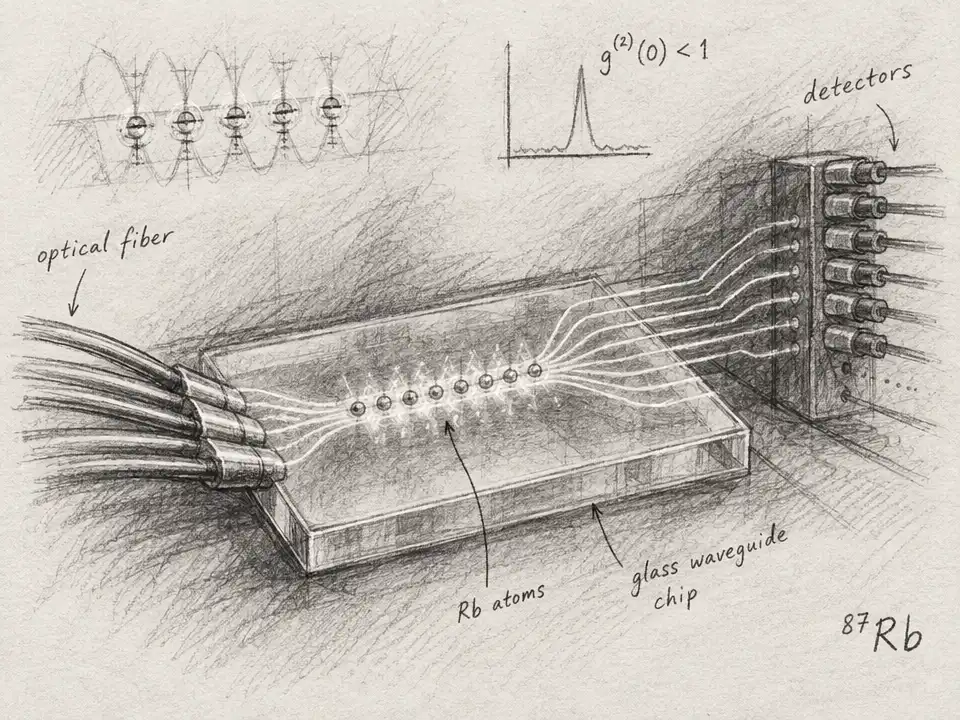
A glass waveguide bridges atomic-scale spacing to standard fibers, routing photons from 50 individually addressed rubidium atoms.
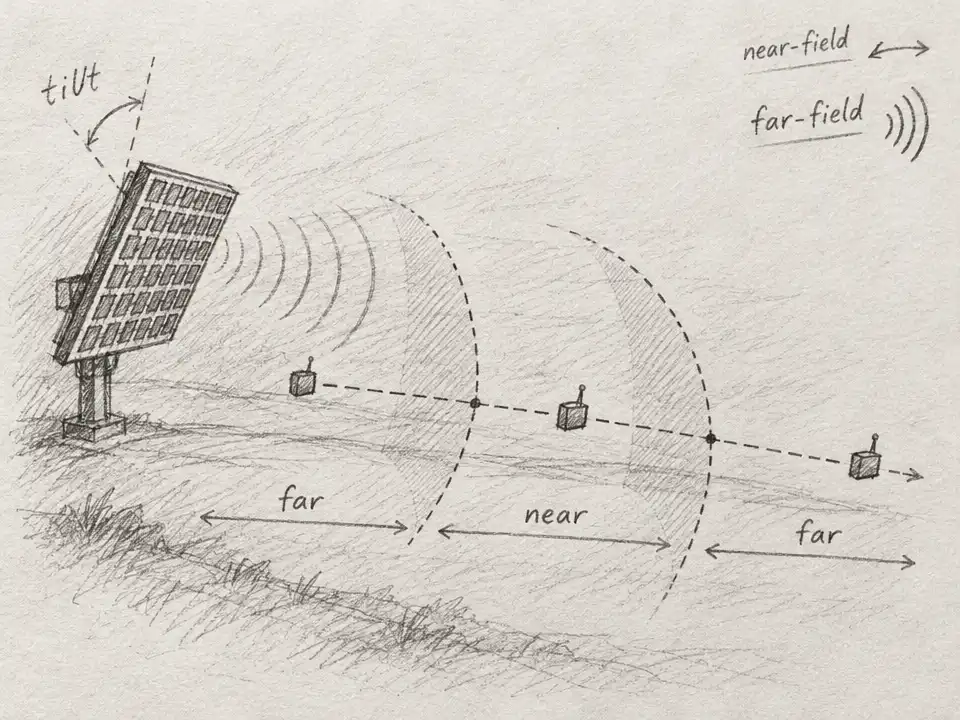
A new analysis finds that a moving receiver can cross the far-field boundary twice, changing how future terahertz links should be modeled.
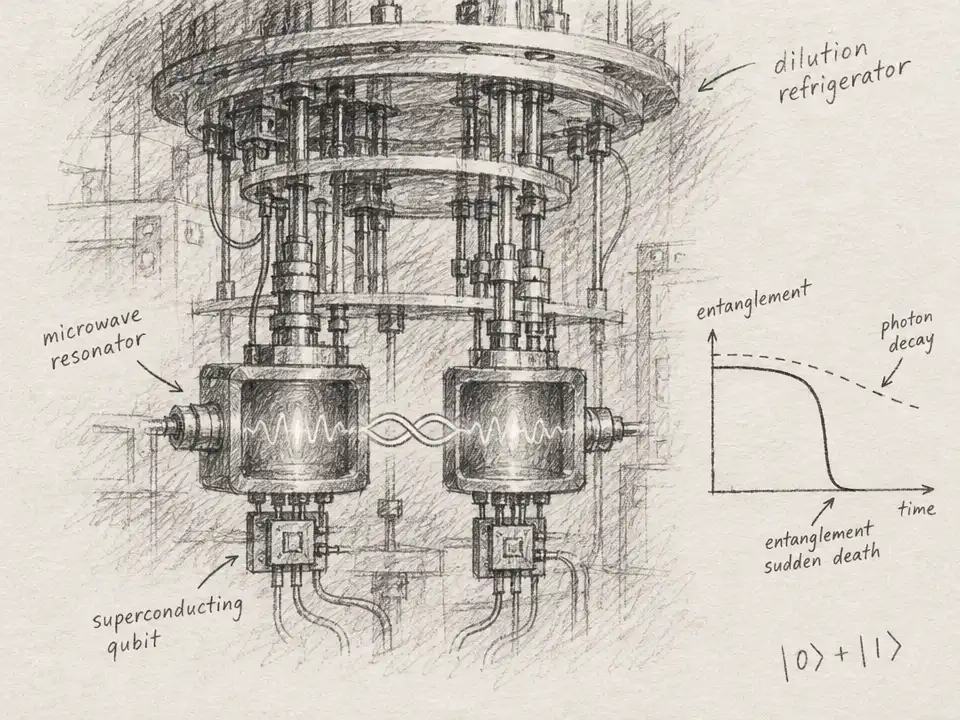
A superconducting-circuit experiment reveals how entanglement between two microwave modes can vanish suddenly even as photon loss continues gradually.
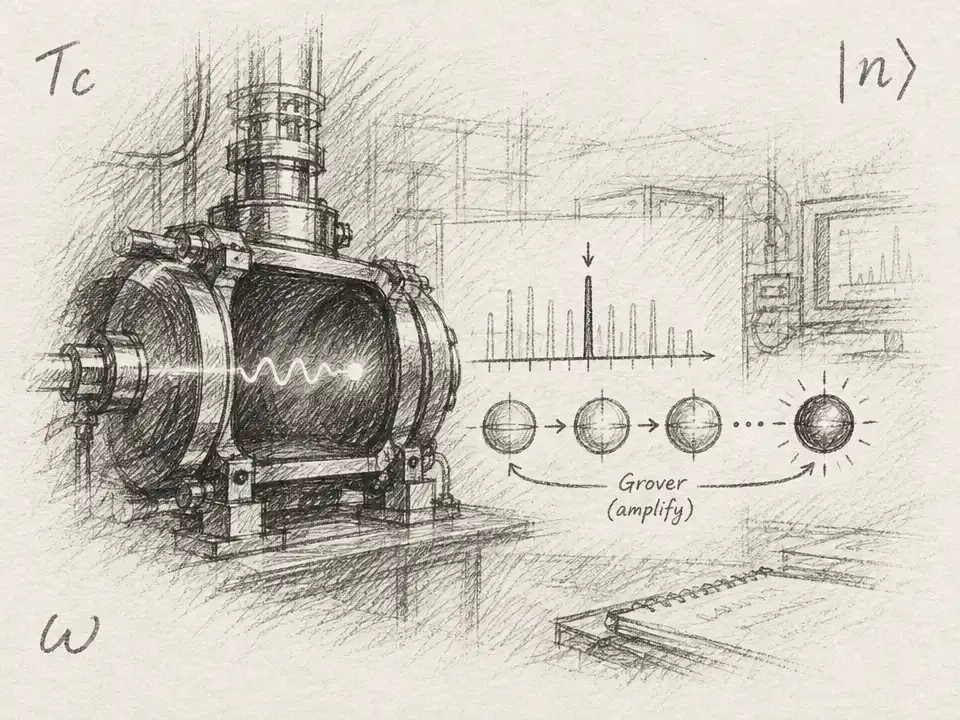
A superconducting cavity uses Grover’s search to identify an unknown signal frequency, but scaling the quantum sensor remains difficult.
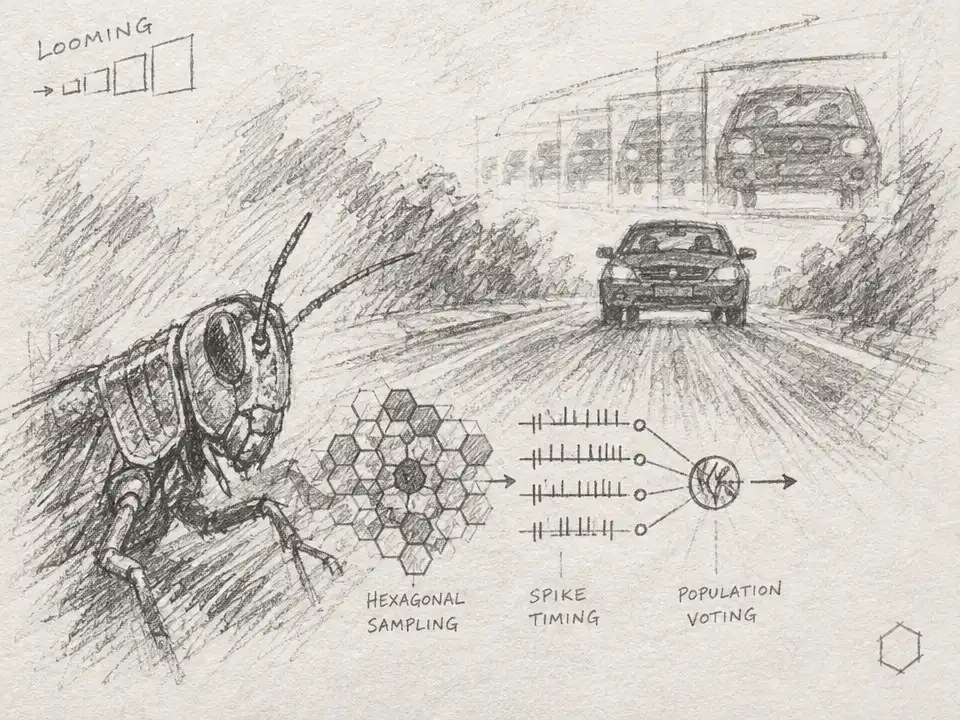
A locust-inspired vision model spots looming motion in dashcam clips, but false alarms show how far it is from road-ready.
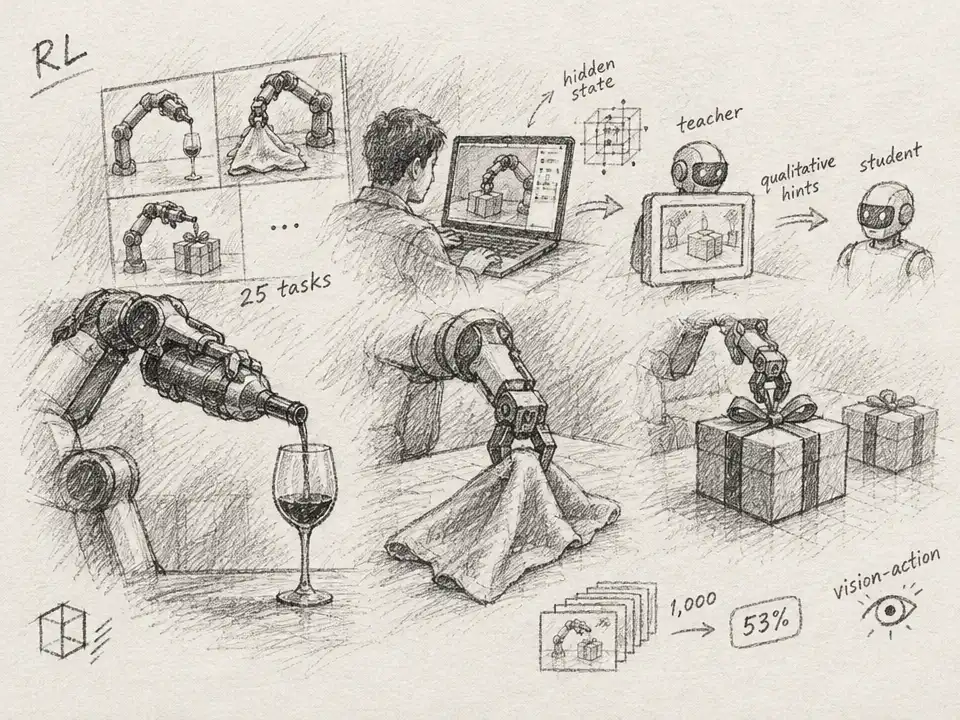
AI-built robot simulations revealed a surprising gap: powerful models failed every test, yet hidden-state coaching sharply improved learning.
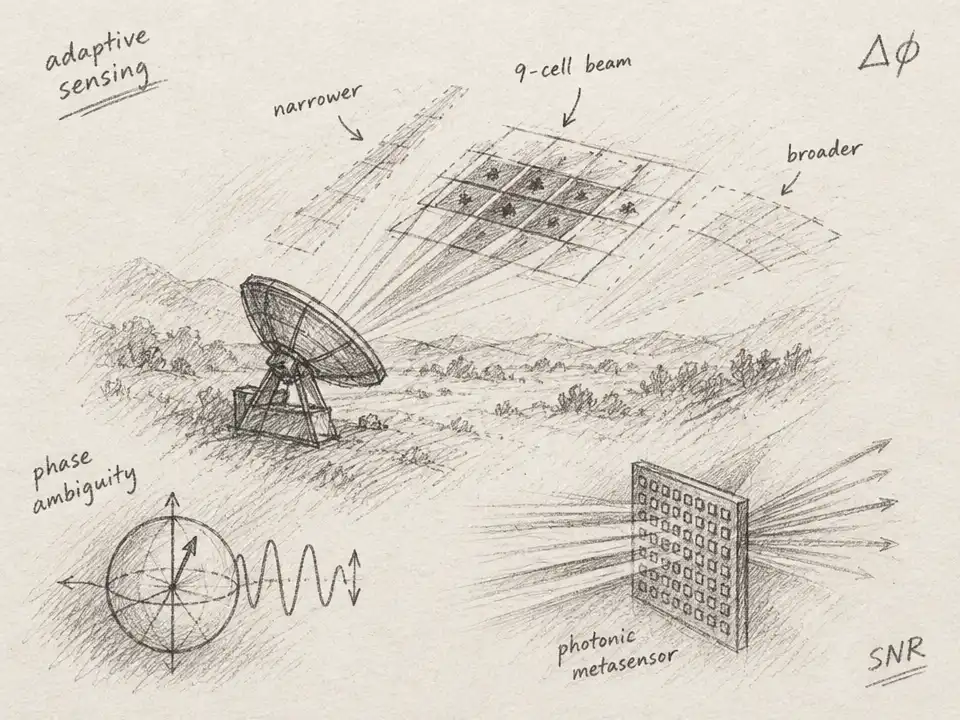
A 16-cell radar puzzle shows why sensor hardware should be designed for the measurements that follow, not just the first signal.
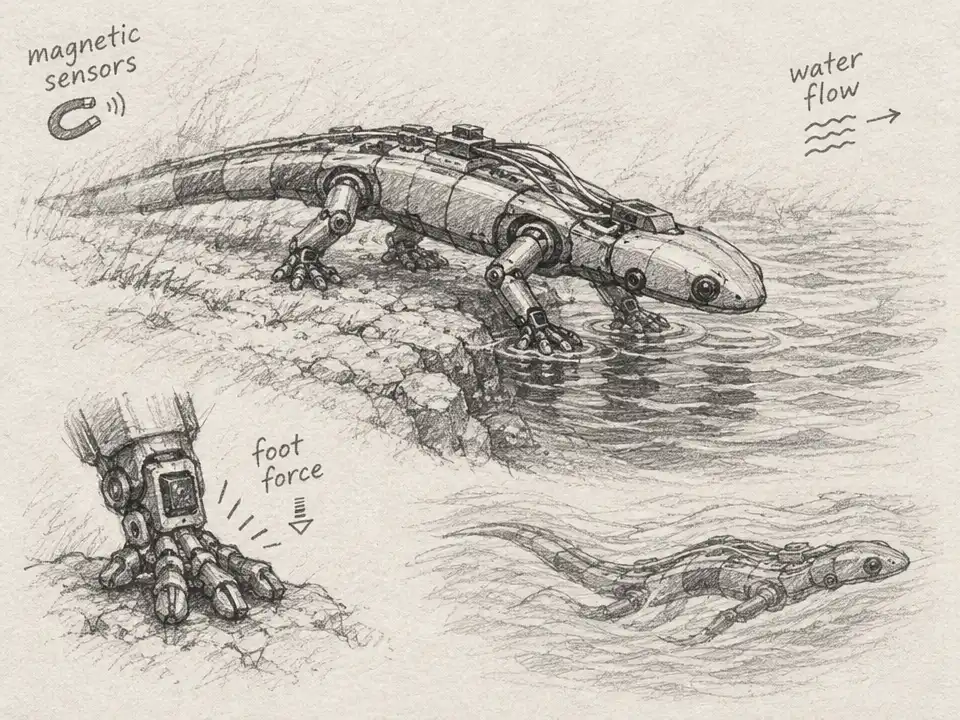
A salamander-inspired robot uses magnetic sensors to detect ground contact and water flow, then switches from walking to swimming.
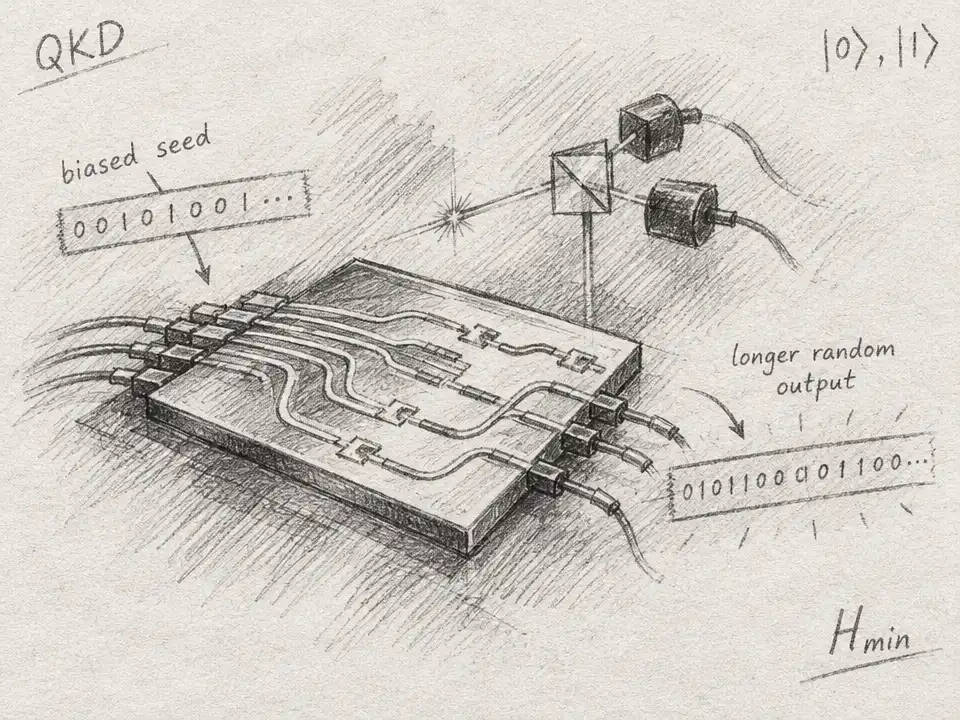
A silicon photonic chip uses quantum measurements to upgrade a biased, partly exposed random seed into a longer certified secret stream.
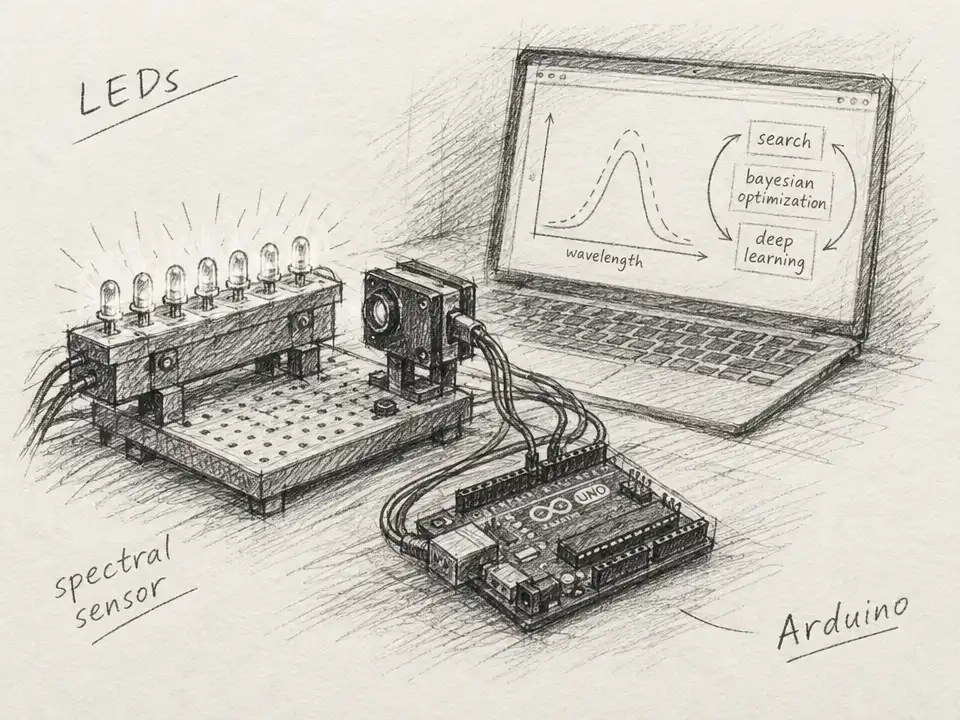
An eight-LED, roughly $60 optical lab lets students watch algorithms measure, learn and correct a physical experiment in a closed loop.
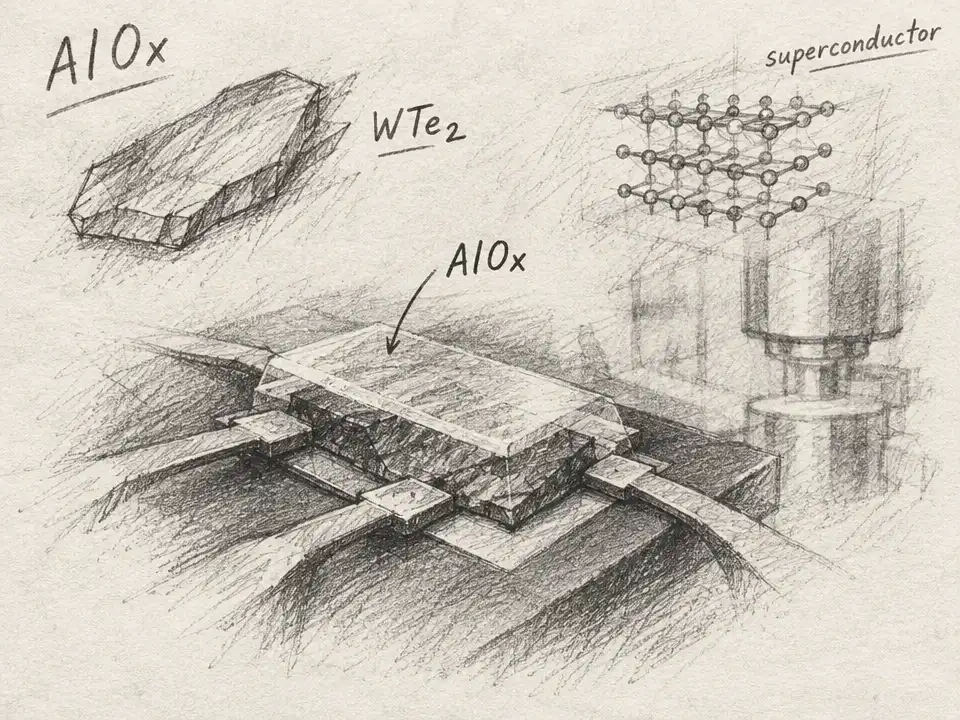
A thin evaporated oxide protects delicate quantum crystals and can double as a contact-patterning mask—but edge sealing and monolayers remain challenges.
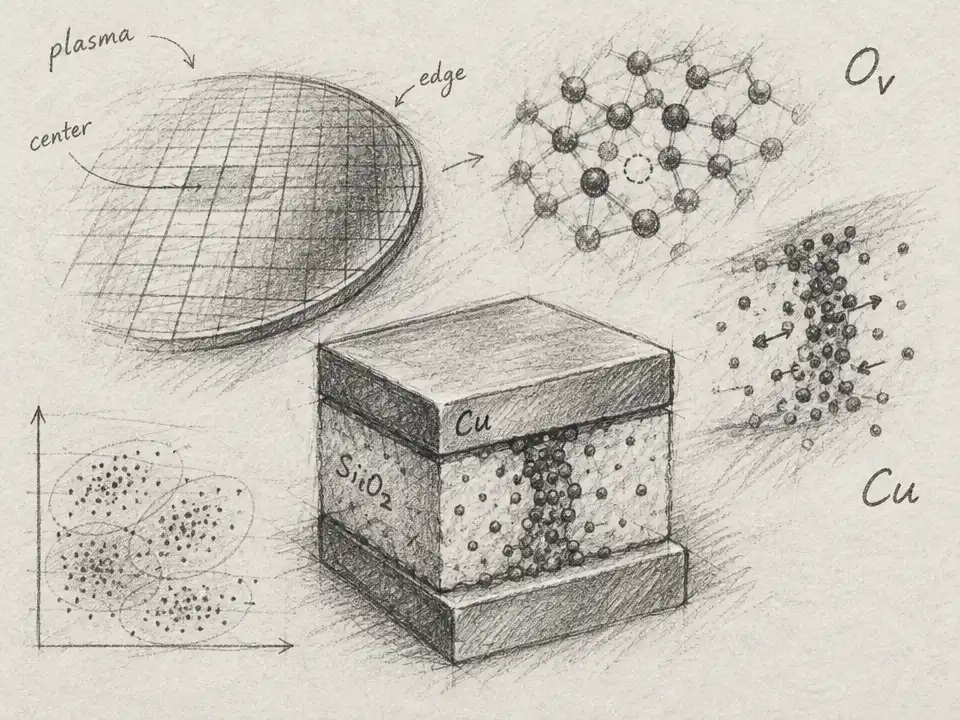
More than 50,000 memristor measurements reveal how plasma gradients and hidden oxide defects steer devices into different electrical behaviors.
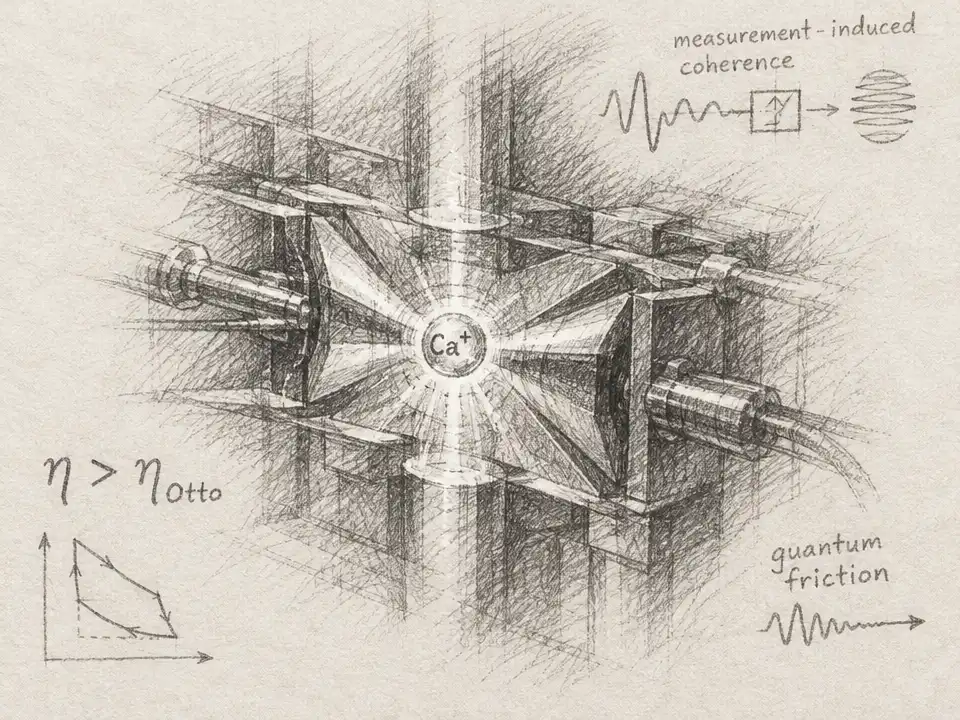
A trapped-ion engine turns measurement, coherence and quantum friction into work—while revealing the control and information costs ahead.
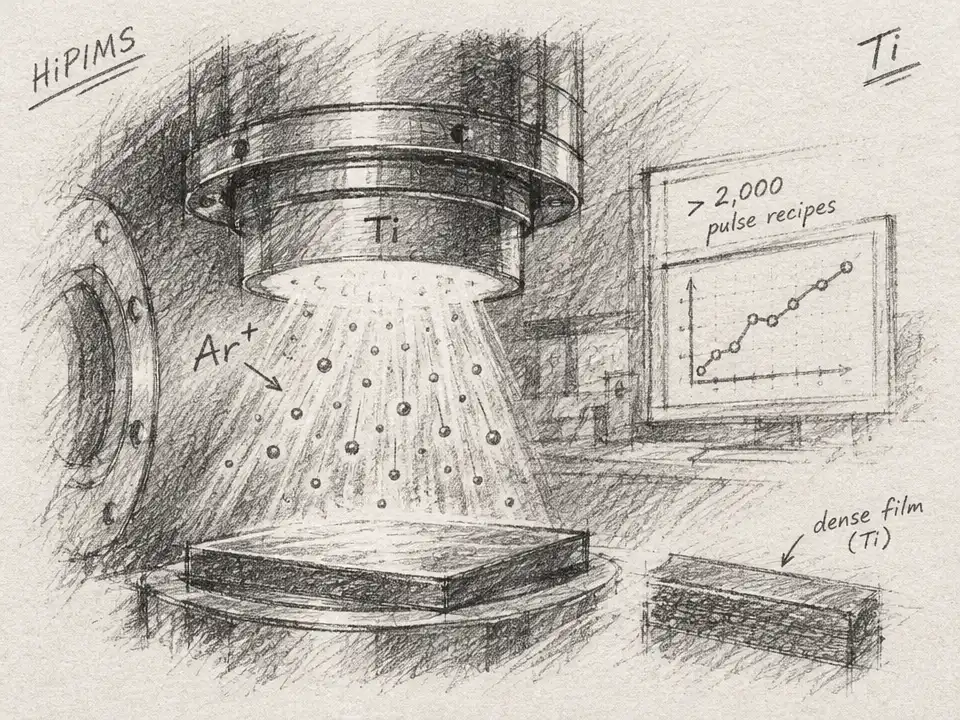
A titanium sputtering study finds some high-power pulses deposit films faster than steady current, with gas rarefaction offering a possible clue.
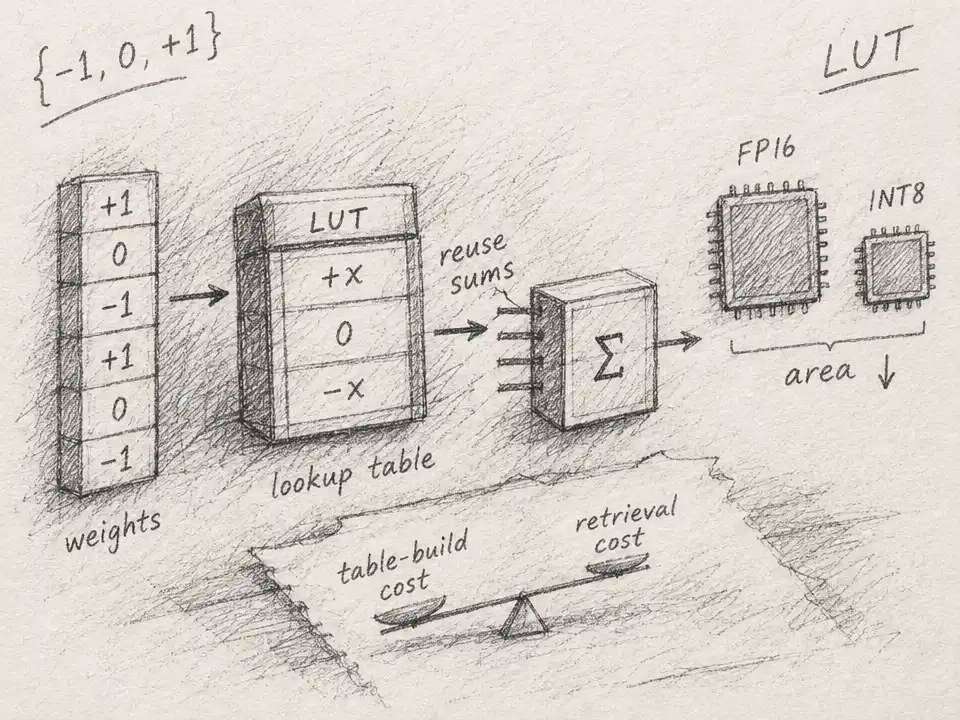
A hardware study shows how three-valued AI weights can replace repeated multiplication with reusable lookup tables—and why the data type matters.
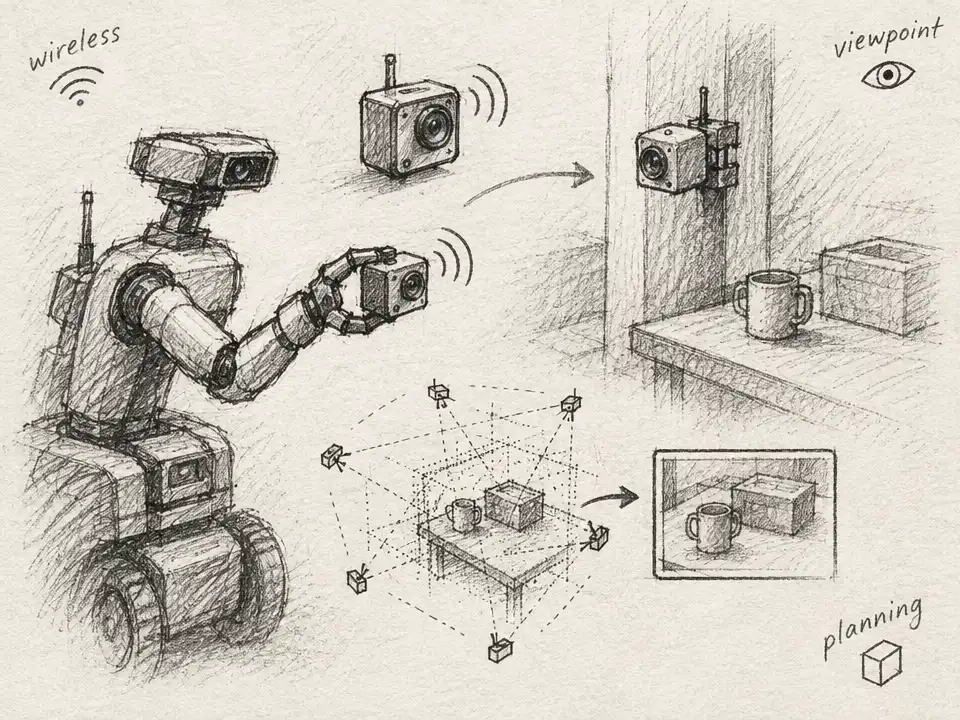
A detachable camera lets a robot build task-specific viewpoints, keep watch after it leaves, and navigate blocked views in lab experiments.
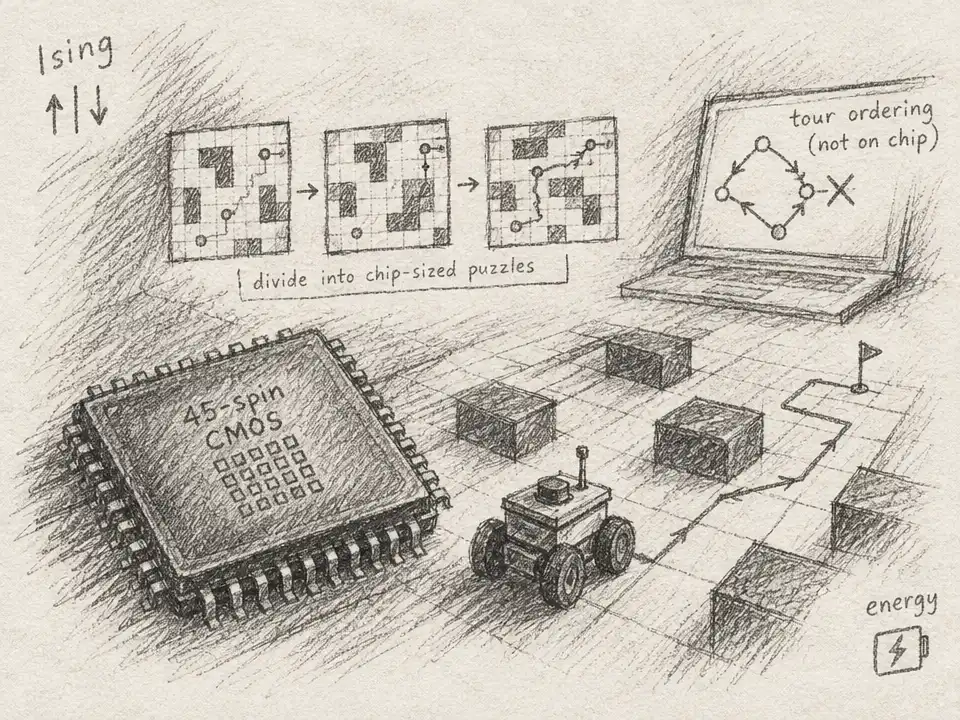
A 45-spin Ising chip found a niche in robot planning—but its biggest route-planning claim comes with a hardware and energy-accounting caveat.
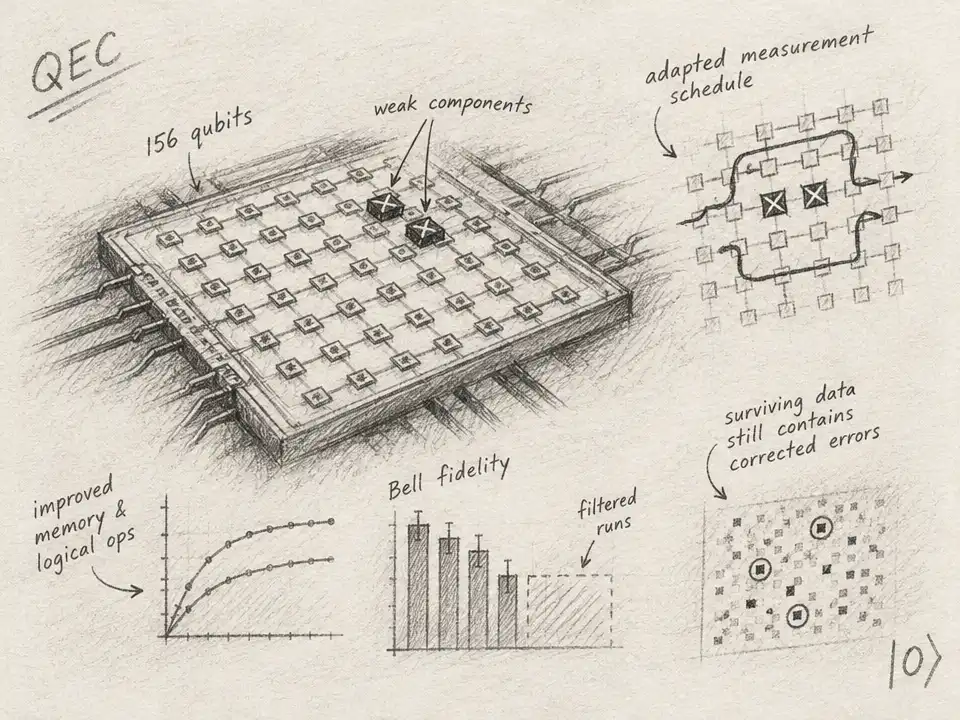
A quantum chip’s weakest qubits resisted better decoding—until researchers redesigned error checks to route around them.
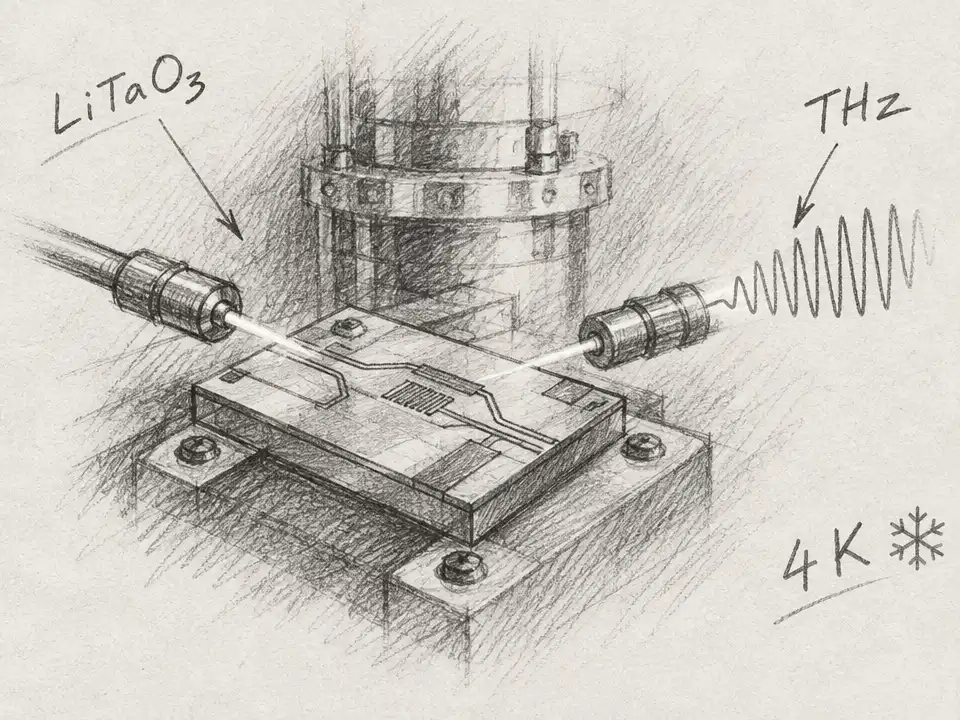
A lithium tantalate chip uses fiber-fed light to generate, route, and detect terahertz signals—even inside a 4-kelvin refrigerator.