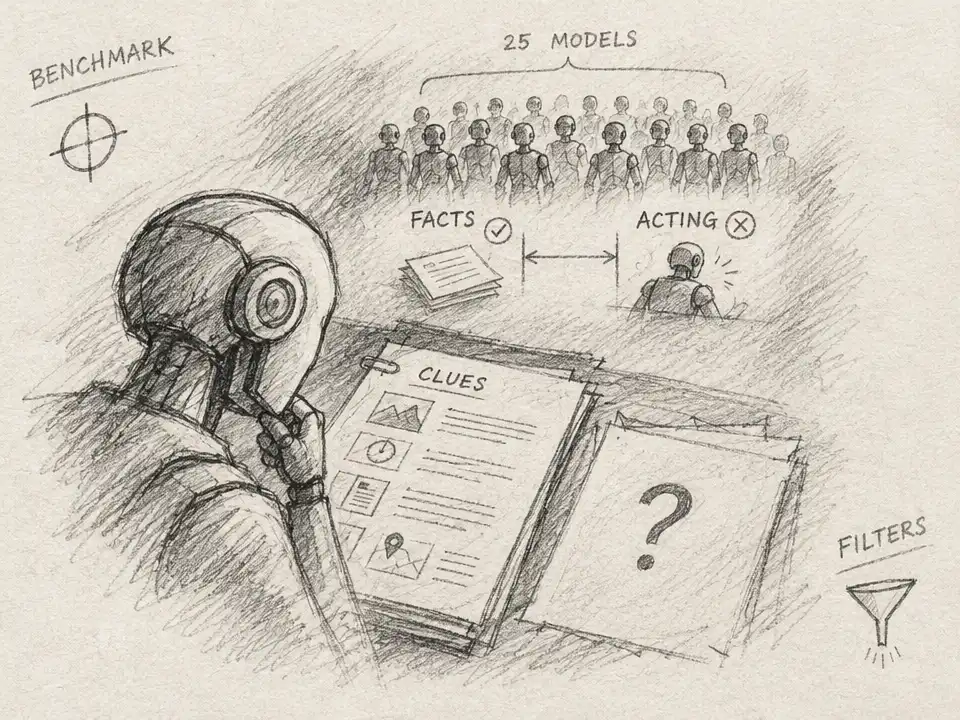
The Hardest Part of This AI Puzzle Was Finding the Question
A new AI benchmark hides the question inside a dossier, separating fact recovery from the ability to spot what needs solving.
A new AI benchmark hides the question inside a dossier, separating fact recovery from the ability to spot what needs solving.
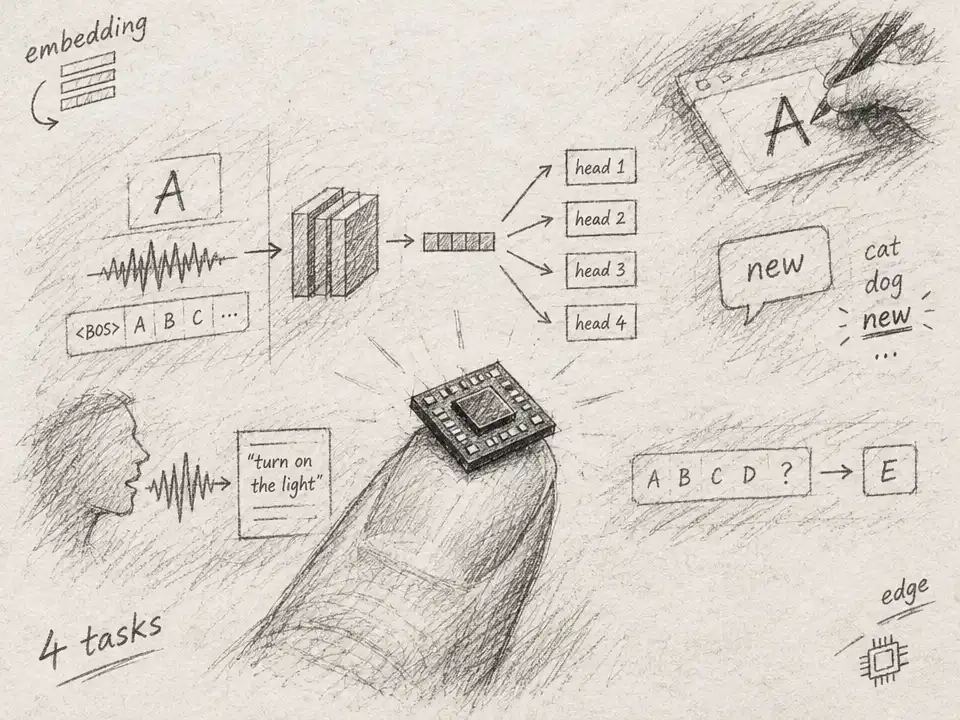
A small chip adapts to new examples, accumulating keywords, learning from descriptions, and predicting sequences with one compact neural pipeline.
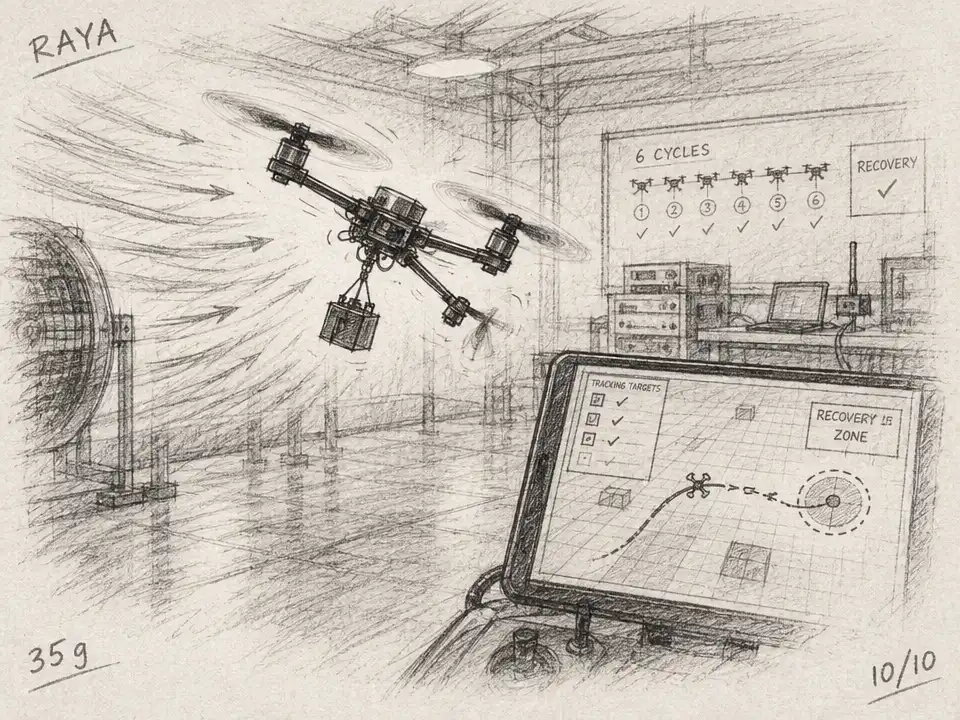
A tiny quadrotor survives wind and motor damage not by spotting danger alone, but by changing its plan while recovery is still possible.
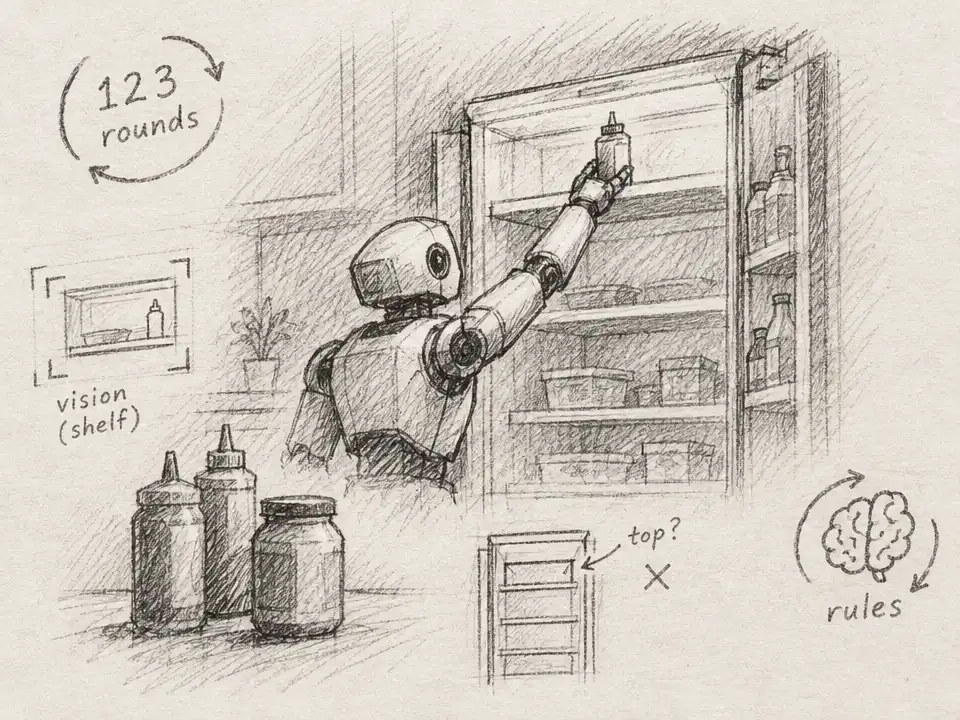
After 123 rounds, a simulated robot still couldn’t find a fridge’s top shelf. The clues reveal why self-improvement stalled.
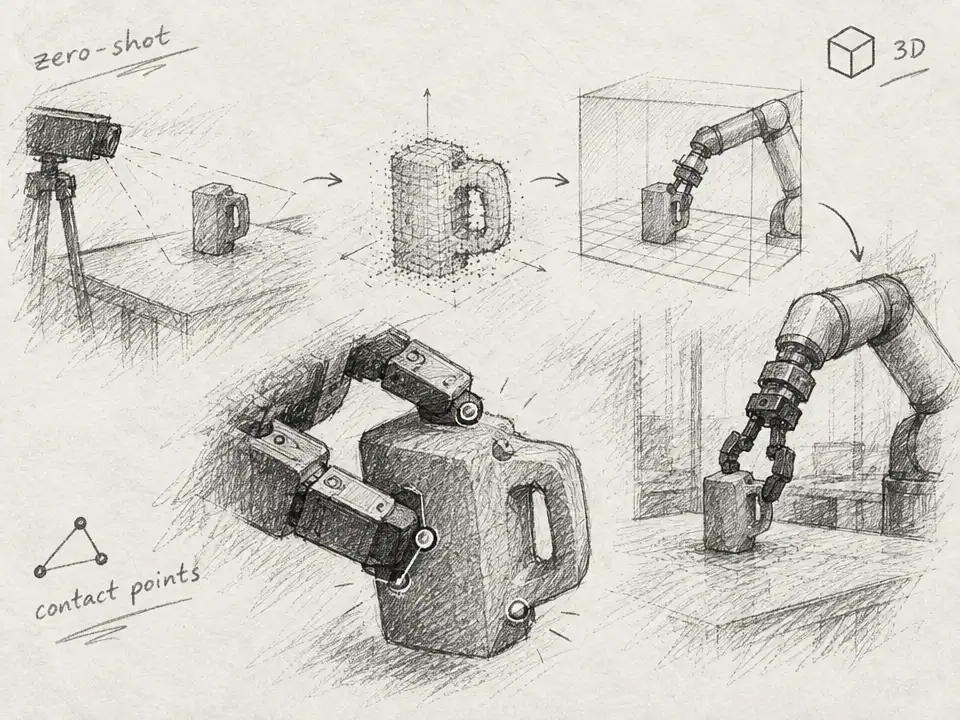
ZeroBot builds a virtual object from one view, then trains a robot to handle it in minutes—while revealing the limits of imagined geometry.
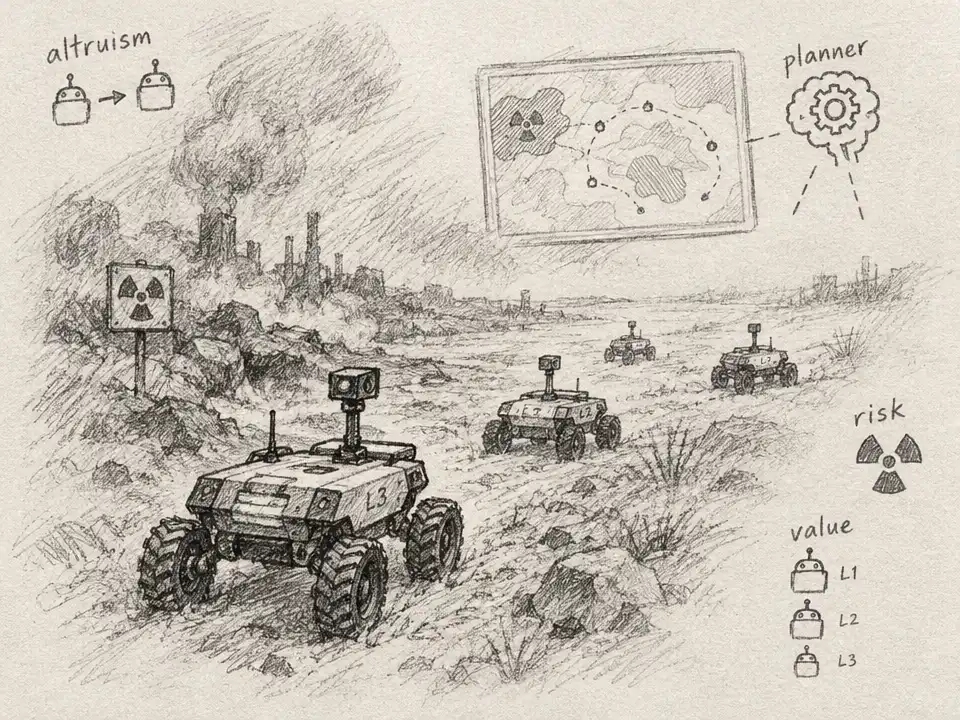
An evolutionary idea about altruism helps robot teams balance exploration, duplication and risk—and raises the question of who decides which robot matters most.
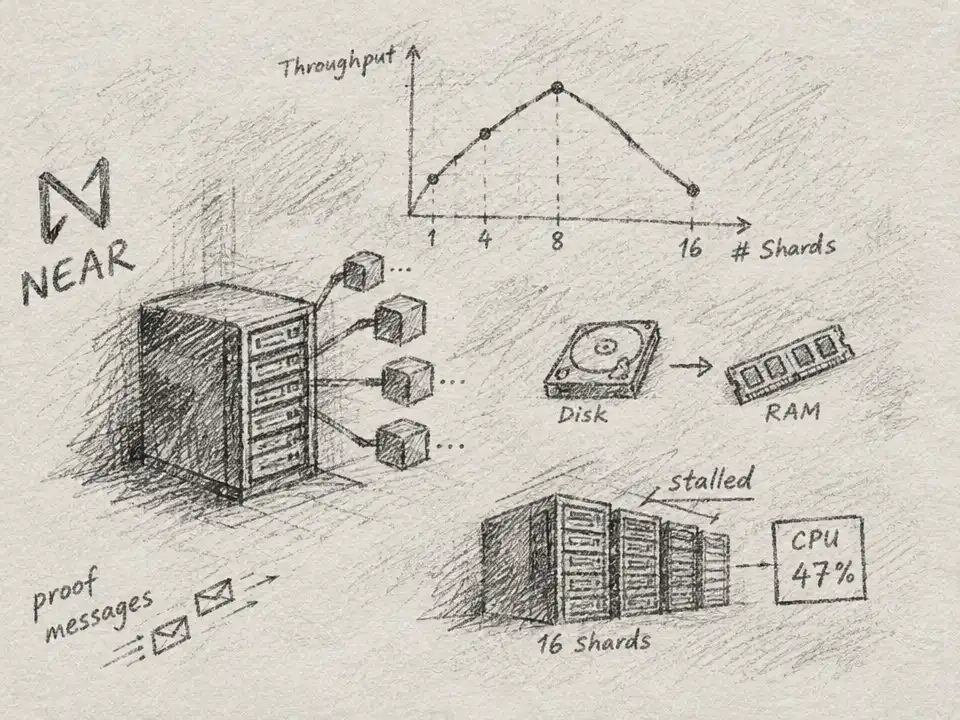
A blockchain test uncovered a strange dependency: removing hard-drive delays stopped the chain instead of speeding it up.
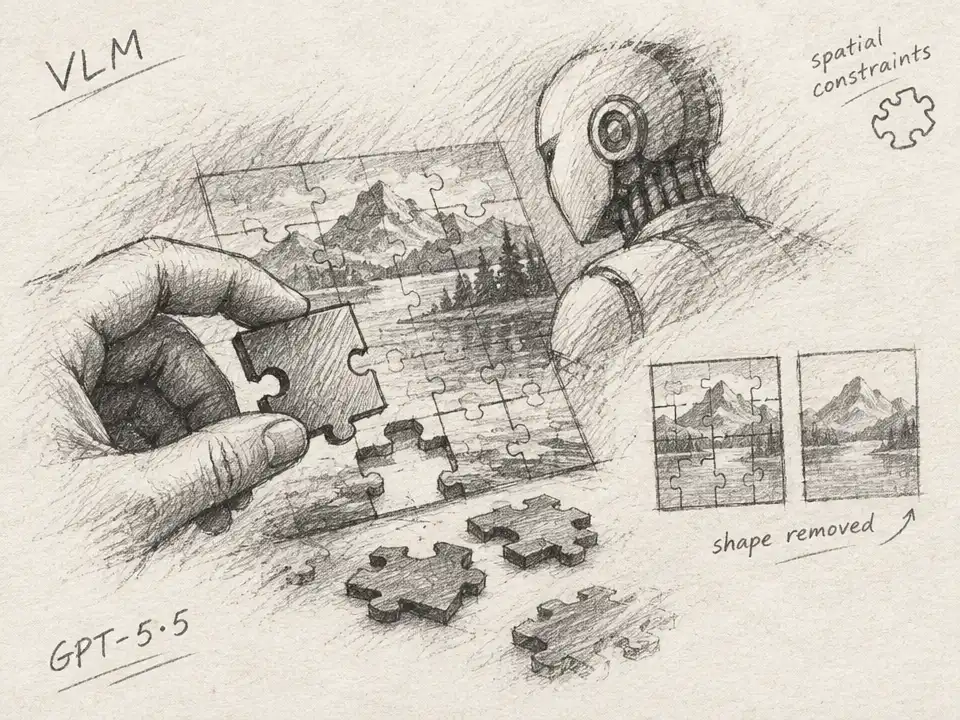
A carefully engineered jigsaw test finds that vision-language models can recognize images yet falter when many geometric constraints must fit together.
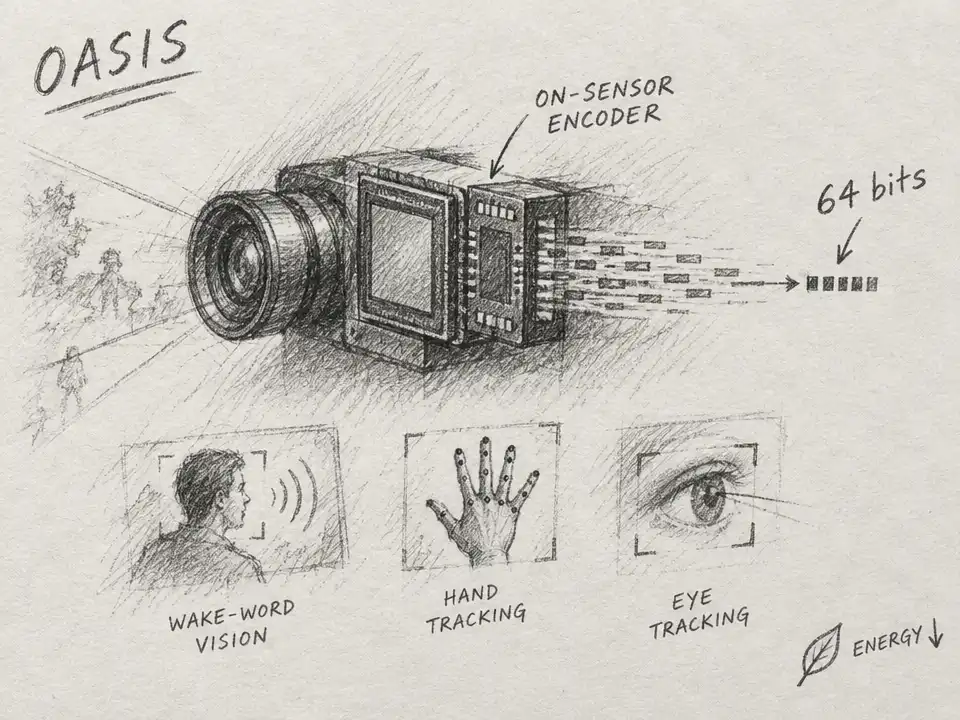
A camera-side encoder turns images into compact machine-readable clues, cutting data traffic and modeled energy without preserving every pixel.
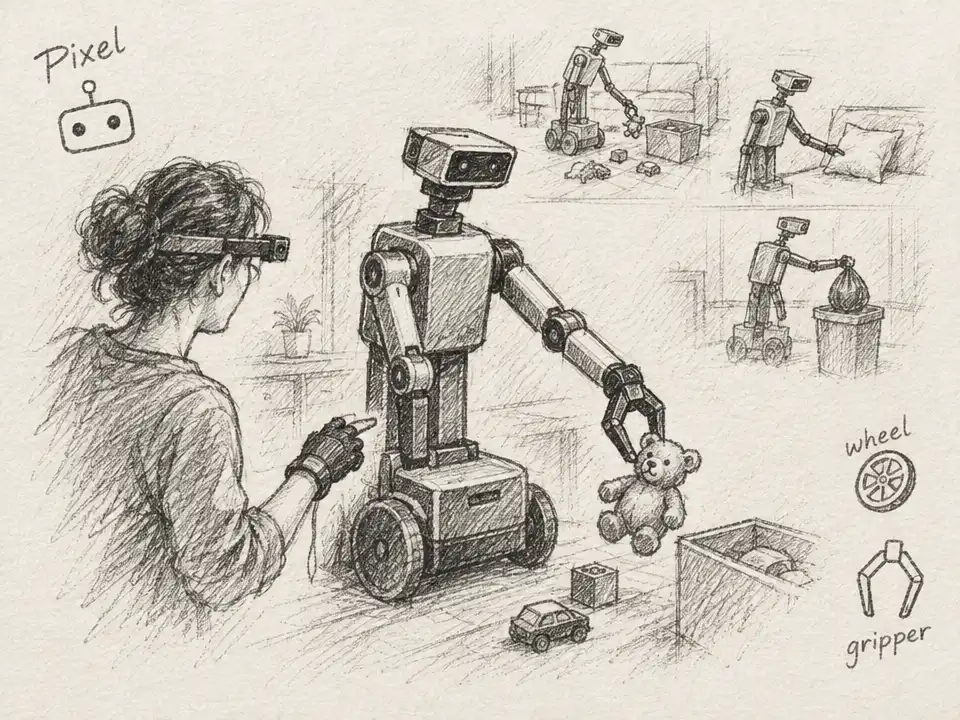
A wheeled robot learns whole-body chores from human-worn sensors—but its limits in dexterity, sensing, and skill generalization reveal the price.
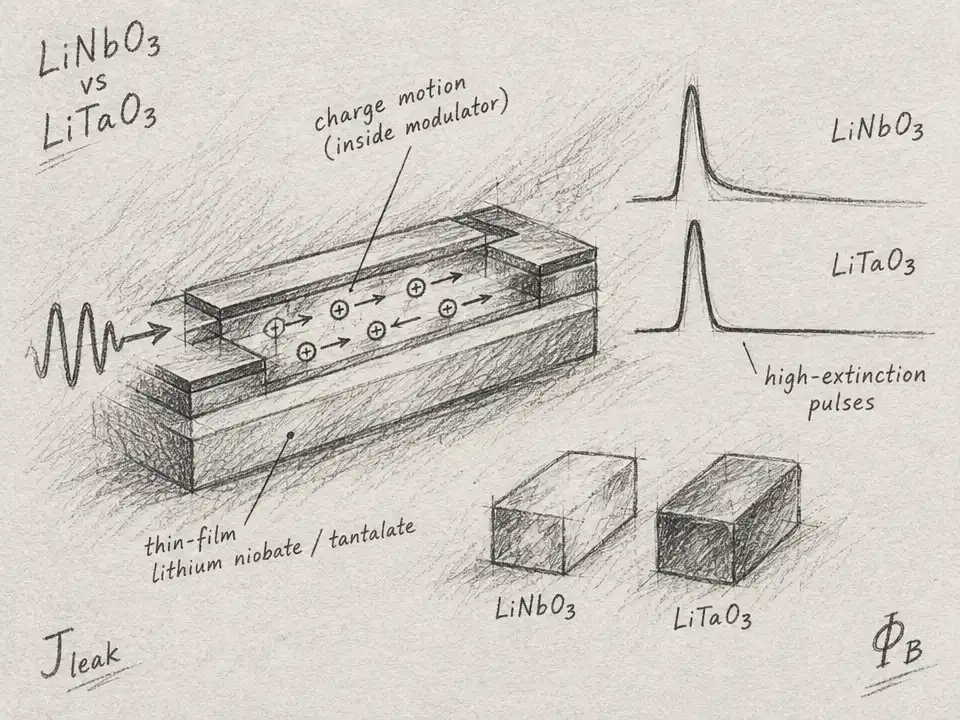
A thin-film crystal suppresses hidden charge motion, helping an optical switch make cleaner pulses with fewer lingering light tails.
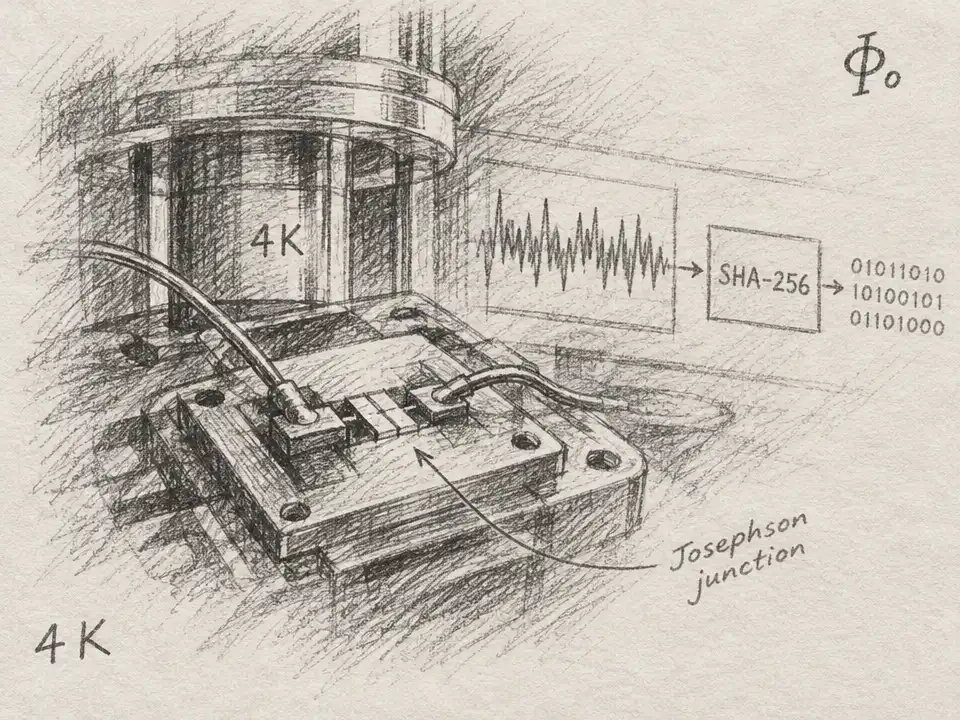
A misfabricated Josephson junction produced high-entropy random bits at cryogenic temperatures, though speed and testing remain key hurdles.
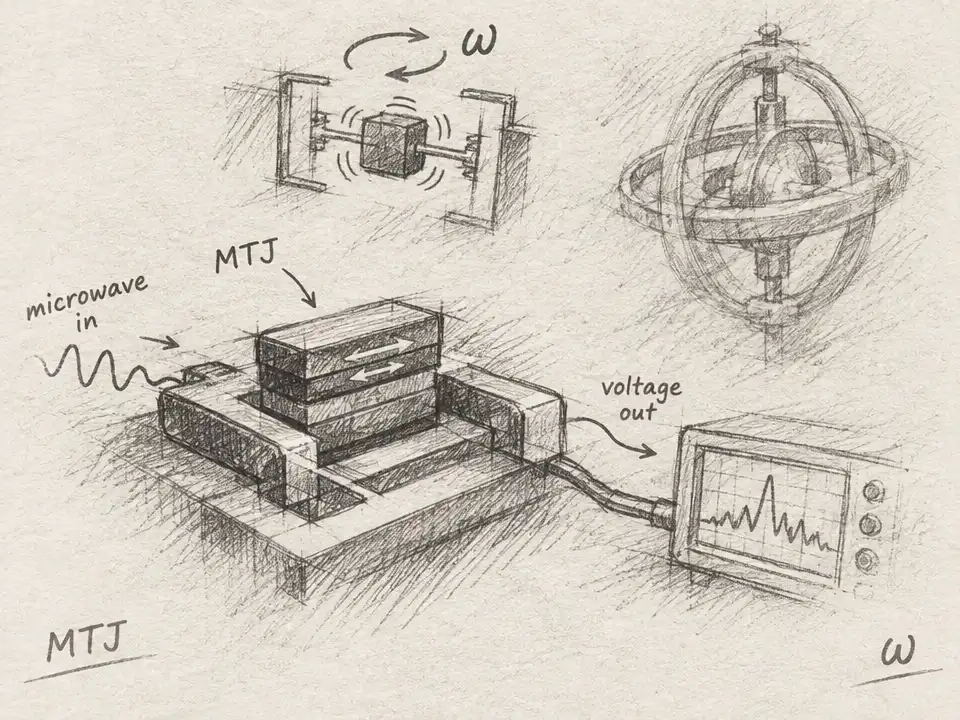
A proposed magnetic gyroscope reads tiny Coriolis motion without capacitive gaps—but its first performance estimates reveal the real puzzle.
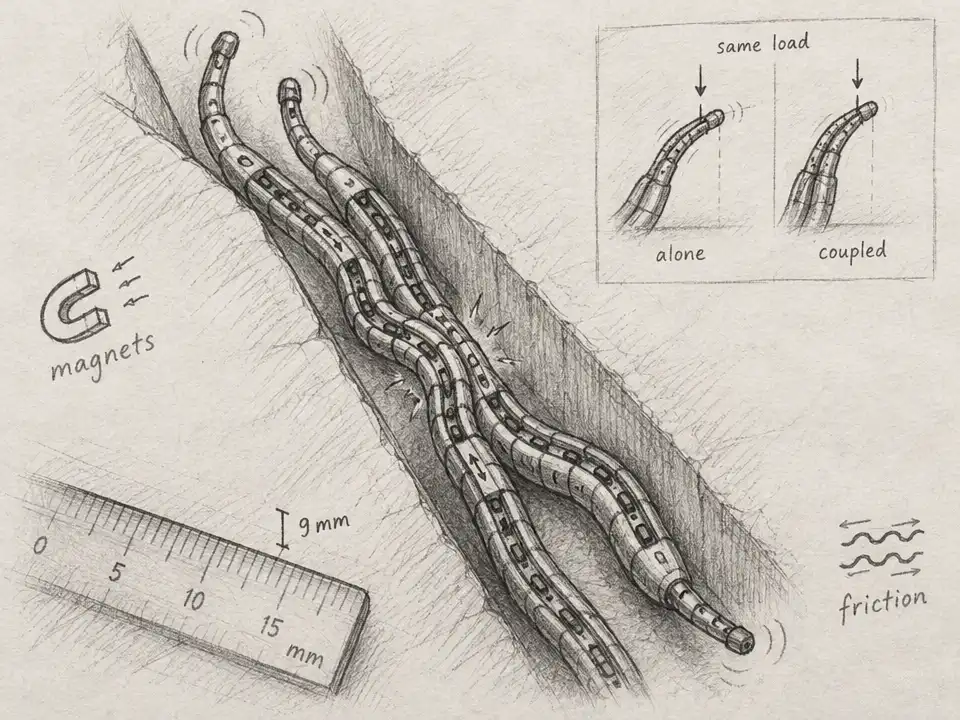
A new 9 mm continuum robot uses a movable conveyor belt to shift magnetic braces between paired robots and adjust their stiffness in place.
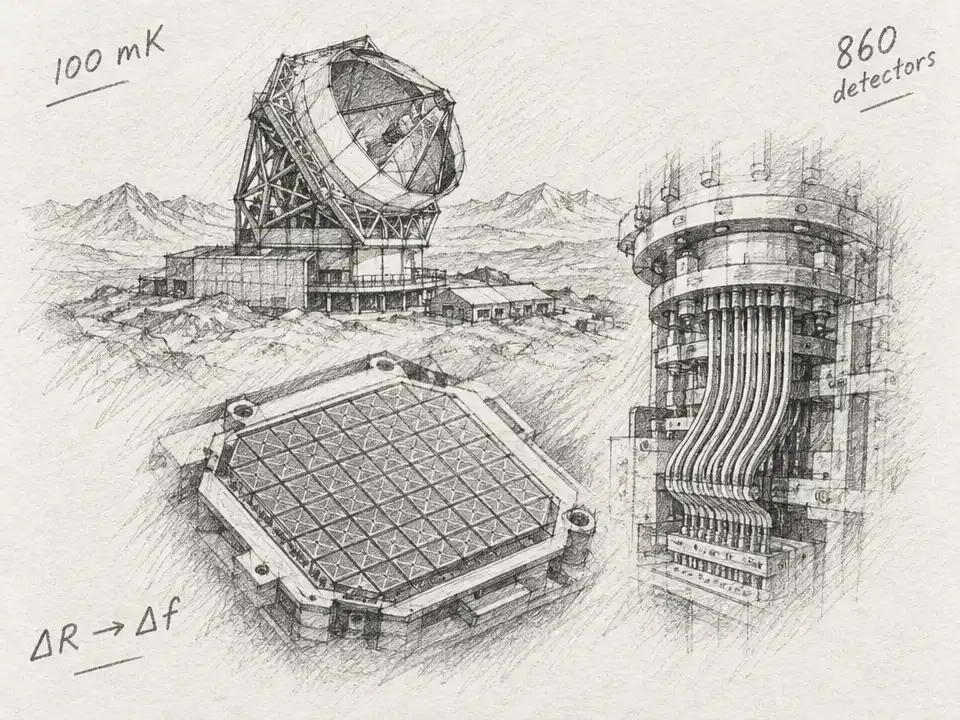
At Chile’s Simons Observatory, superconducting circuits let one microwave line read 860 ultra-cold detectors, turning faint sky signals into data.
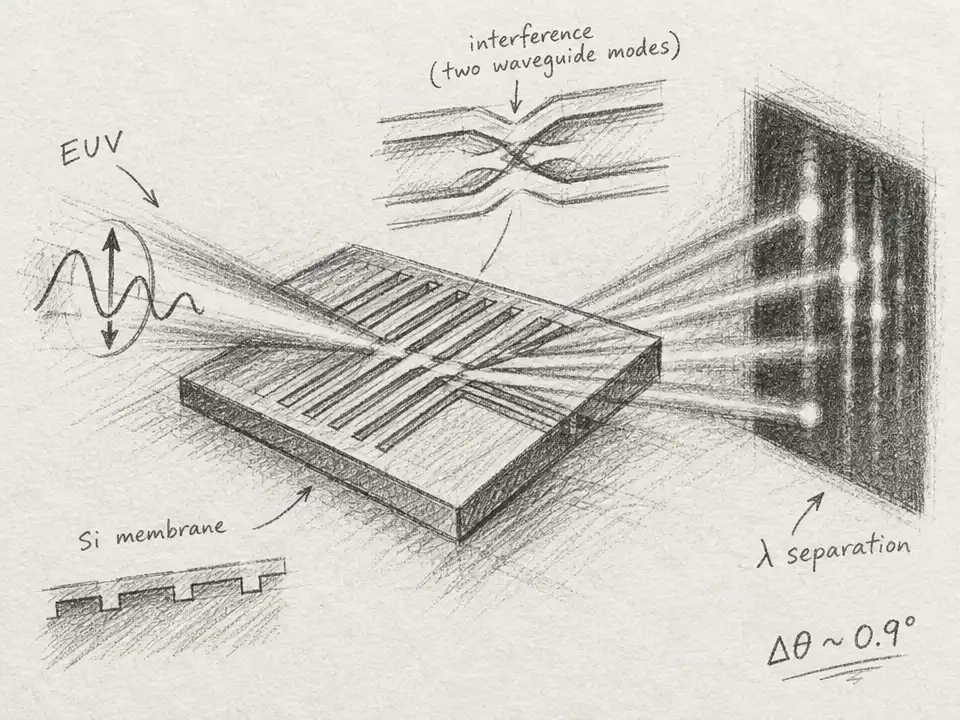
A patterned silicon membrane uses tiny waveguide channels to reveal the polarization and spectrum of extreme-ultraviolet light.
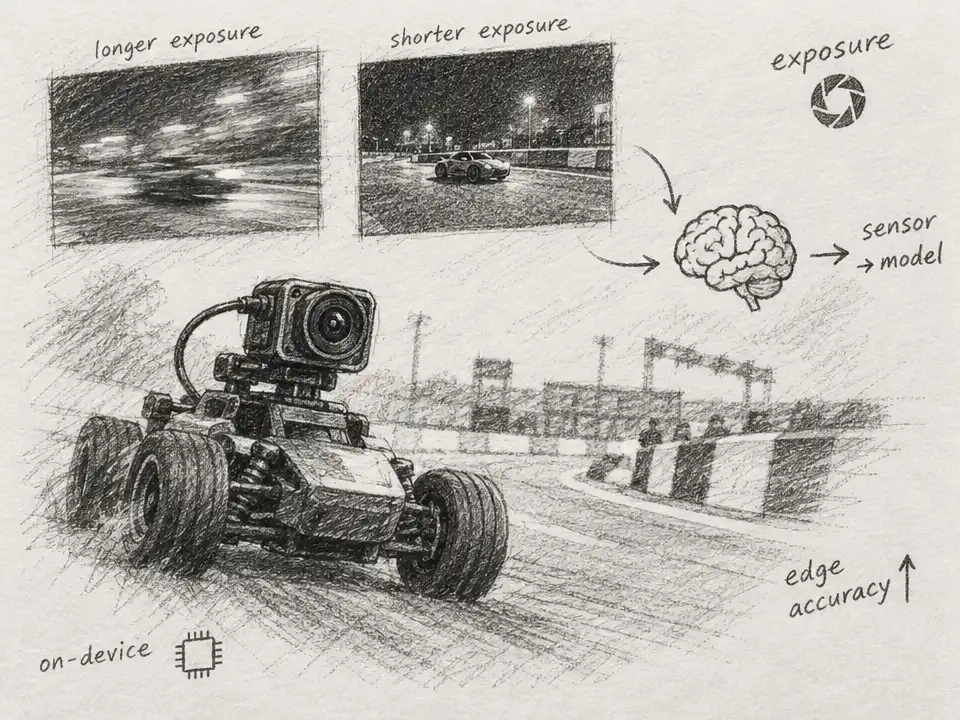
A brain-inspired camera system learned to balance motion blur and low light, boosting object recognition while cutting remote AI calls.
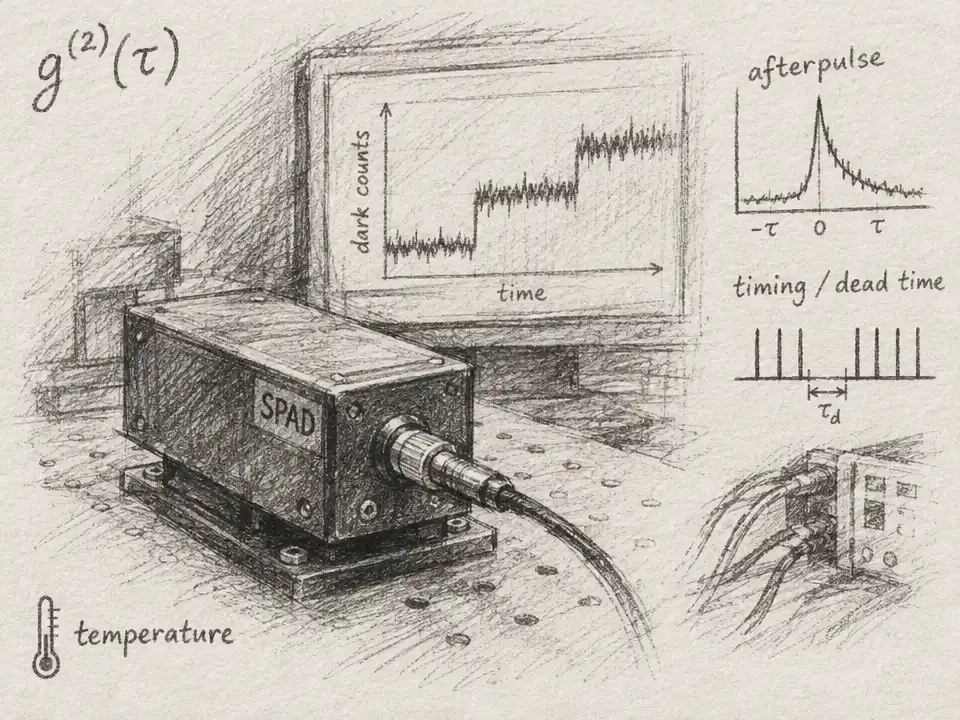
A detector’s dark-count jumps can come from its sensor, stray light, or electronics. Afterpulse timing helps reveal which culprit fits.
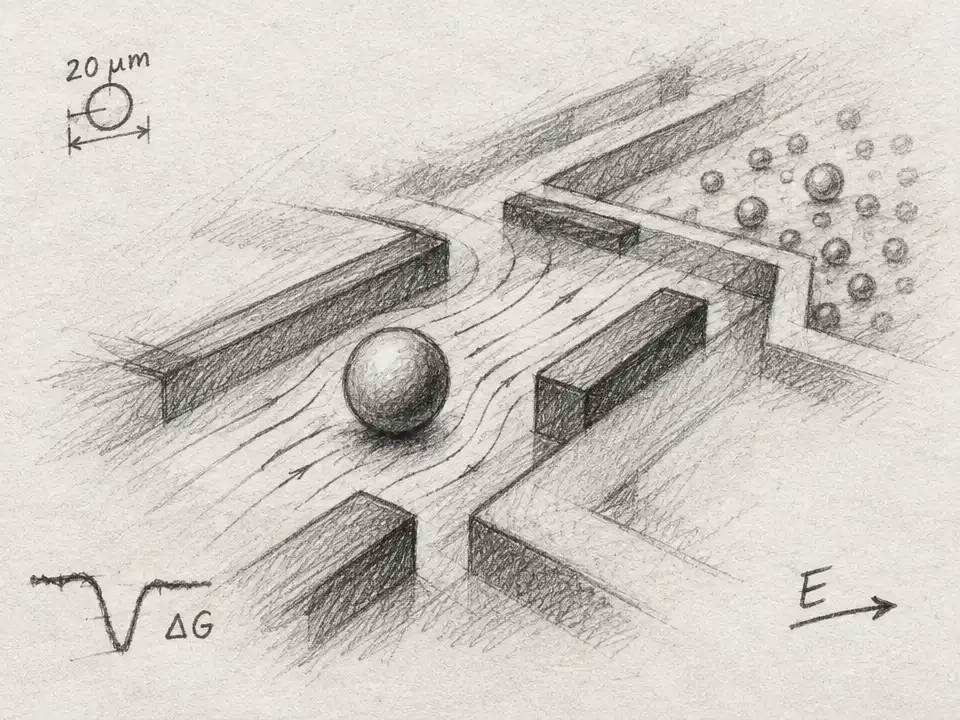
A tiny silica bead steers through a crowded microfluidic maze as electrical losses reveal the hidden forces moving it.
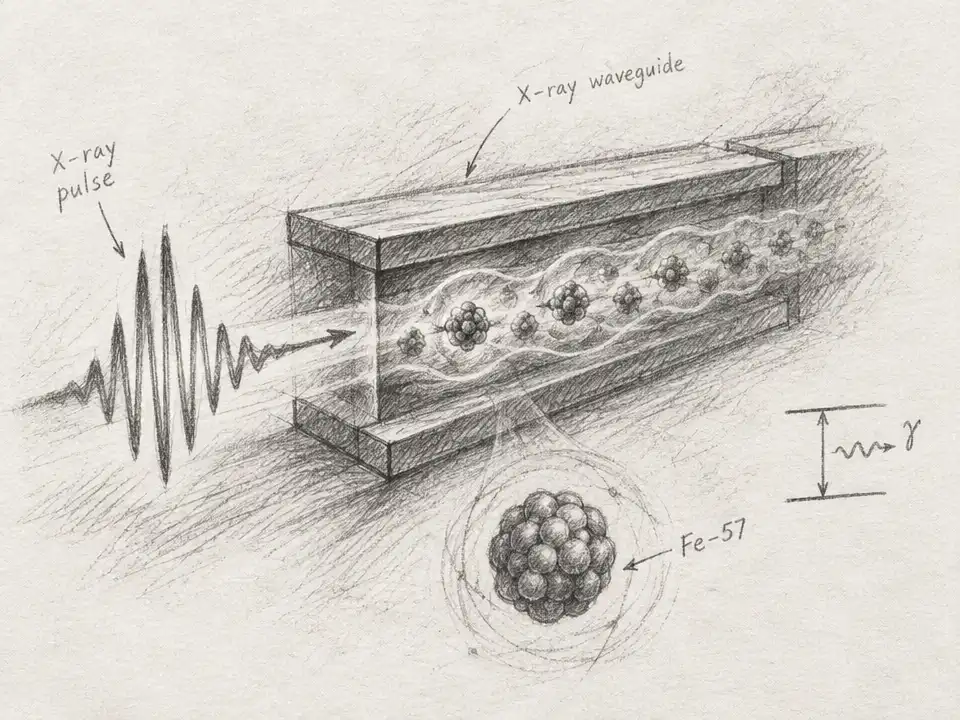
A theoretical hard X-ray design stores energy collectively in iron nuclei, but pulse shaping and energy retrieval remain major hurdles.