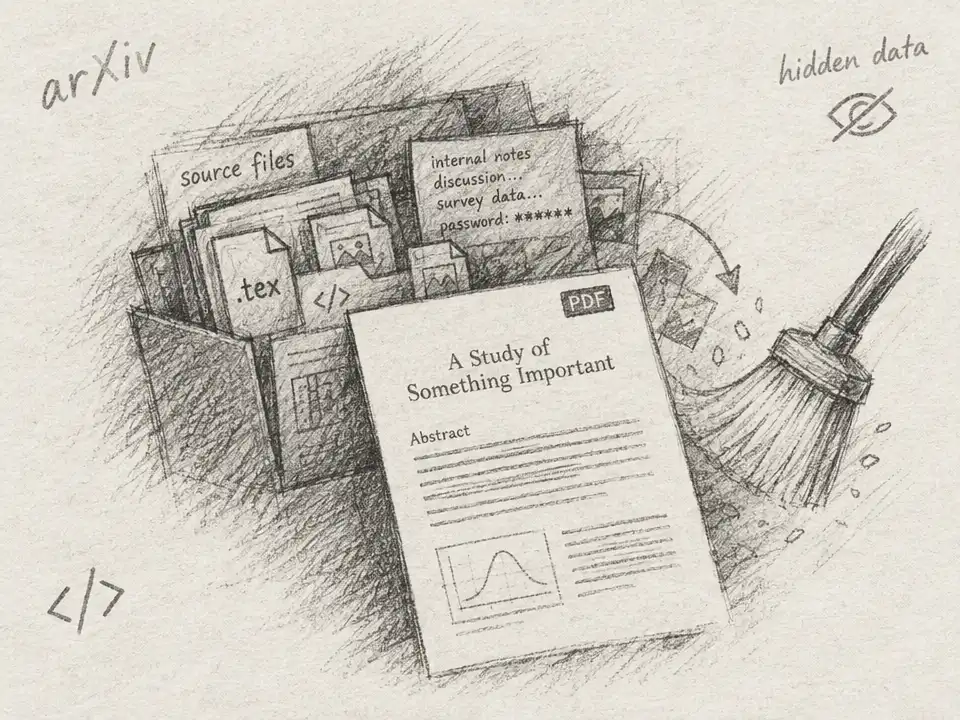
The Hidden Layer Behind a Scientific Paper's Polished PDF
A scan of 2.7 million arXiv submissions reveals how comments, metadata and unused files can expose what polished PDFs conceal.
A scan of 2.7 million arXiv submissions reveals how comments, metadata and unused files can expose what polished PDFs conceal.
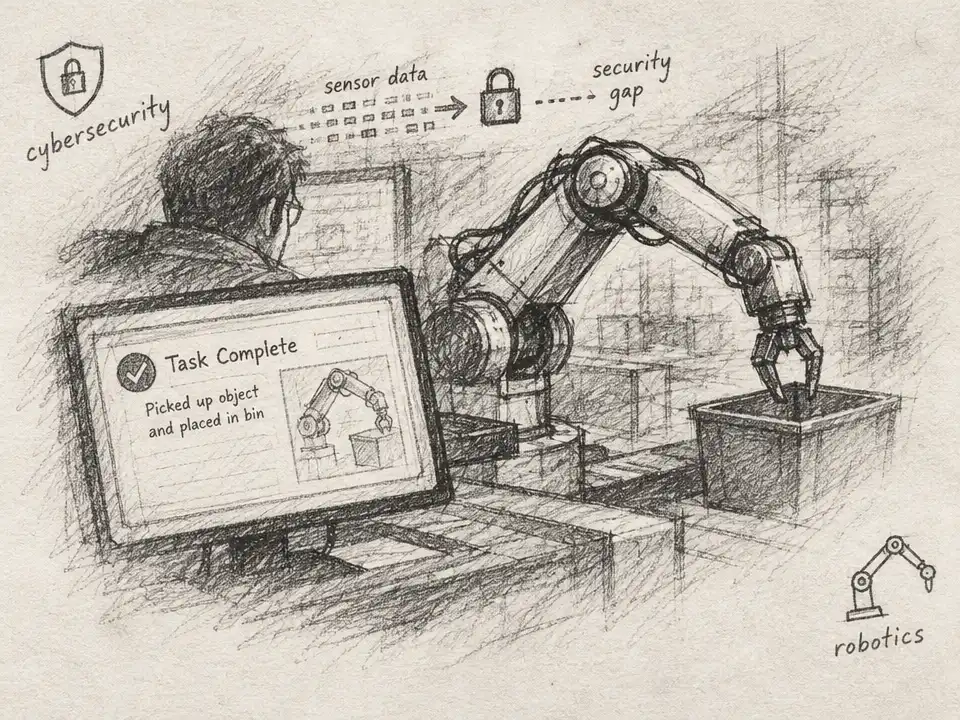
A robot arm passed as trustworthy while its sensor reports were falsified, exposing a gap between cybersecurity checks and physical reality.
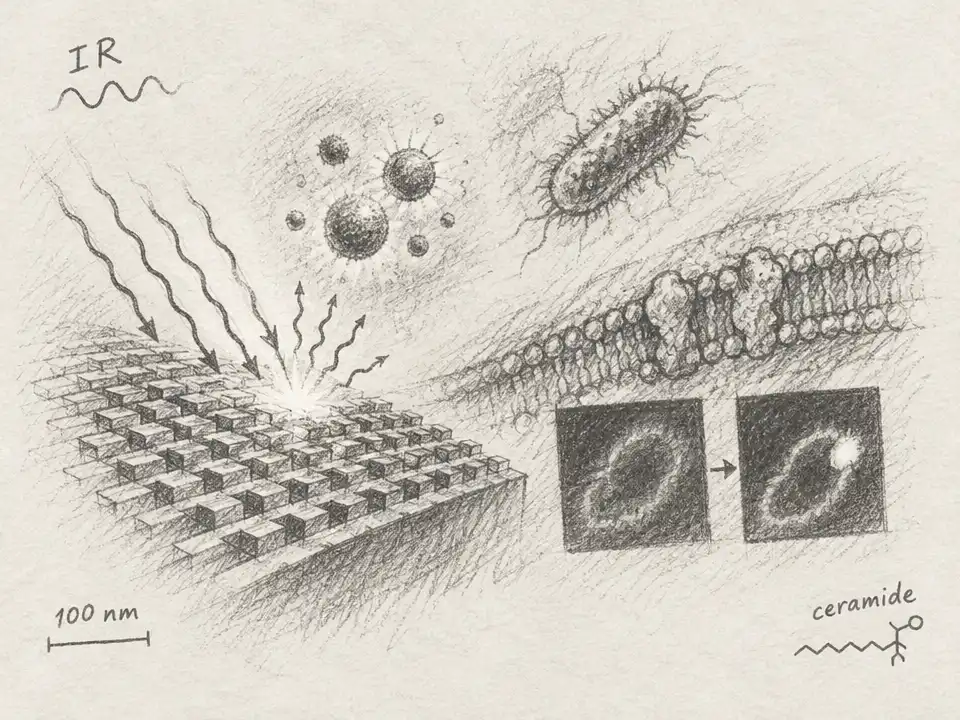
A resonant gold metasurface turns faint molecular vibrations into heat pulses, mapping lipid chemistry as it changes on living cell membranes.
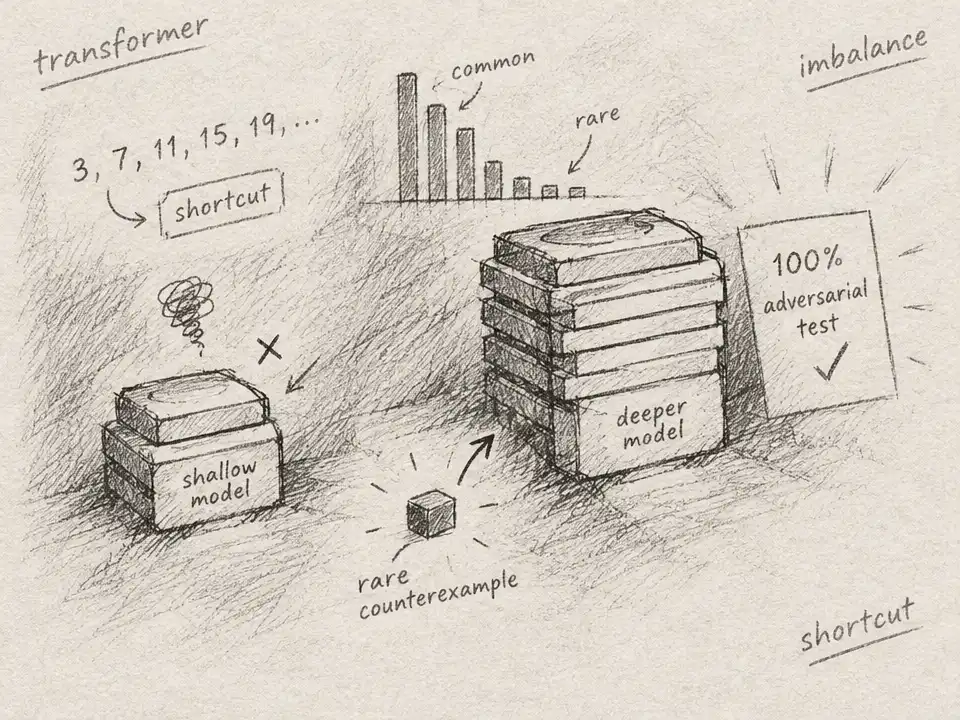
In a toy transformer task, skewed training data sometimes helped deeper models escape shortcuts, while smaller models stayed trapped.
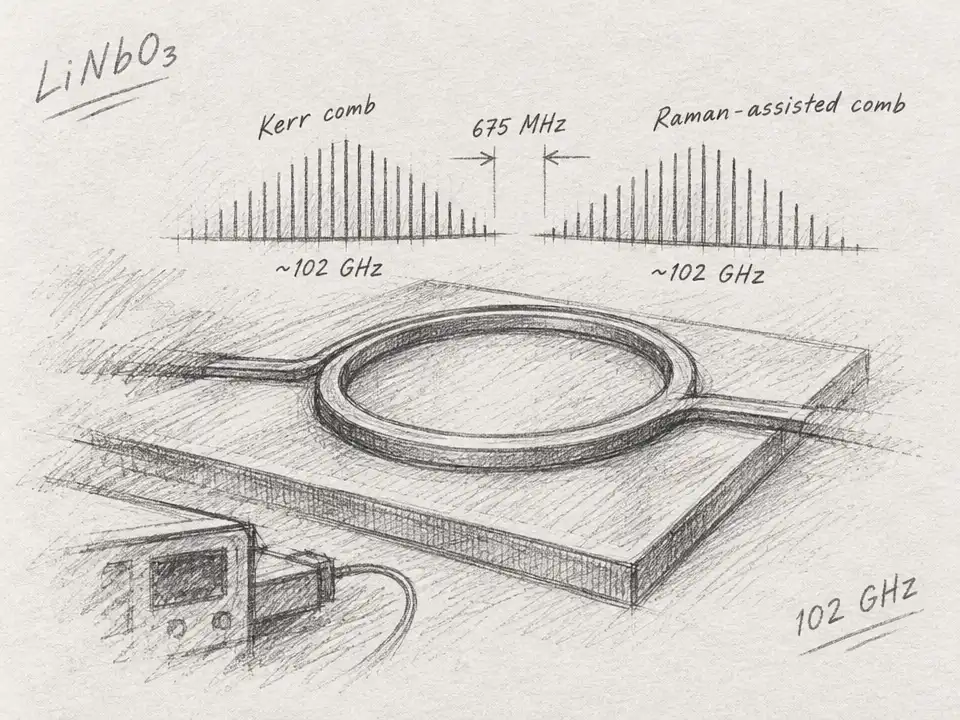
A single lithium niobate microring generates two offset light combs, pointing toward simpler spectroscopy while revealing hurdles to portable sensing.
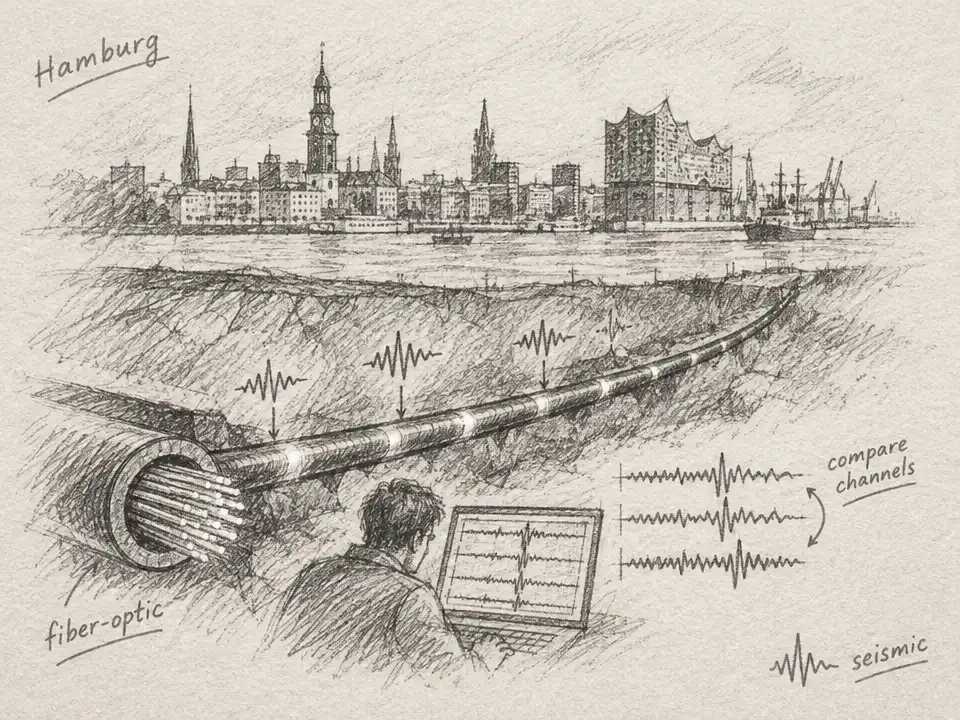
A Hamburg fiber-optic network records earthquakes and seasonal shifts. A new method reveals which buried cable sections listen best.
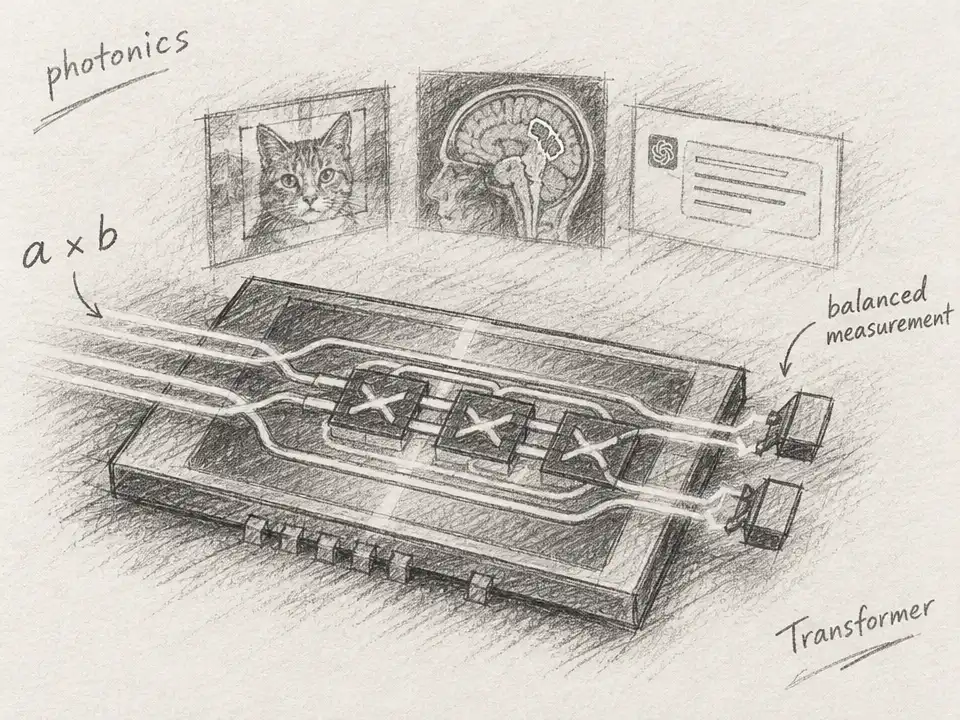
A fabricated photonic chip computes signed AI operations with light, but its slow prototype and power-hungry electronics reveal the hard part ahead.
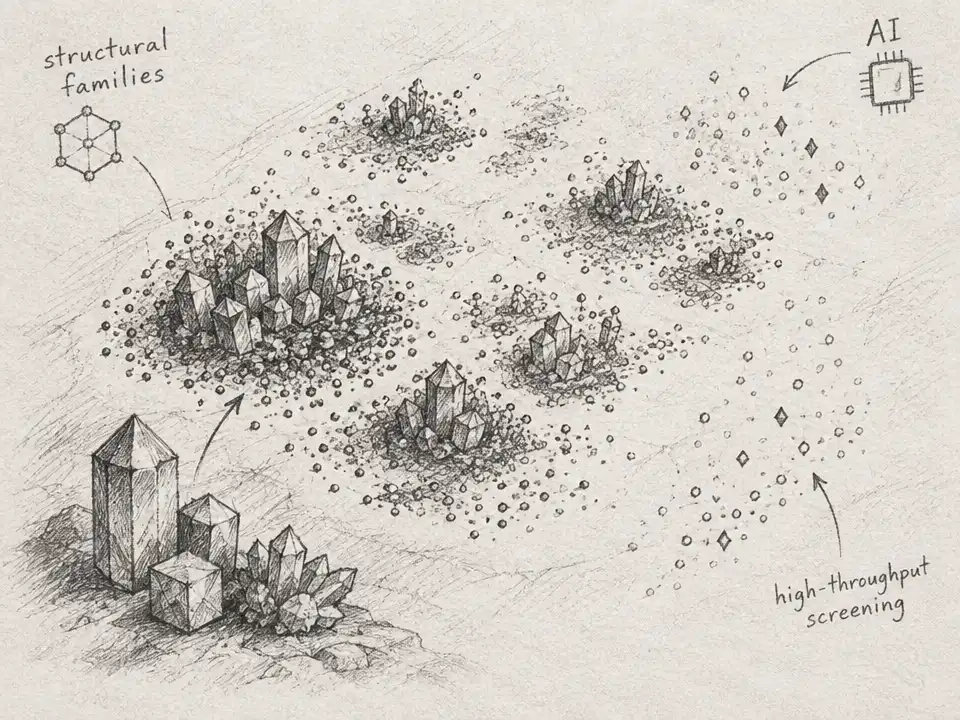
A map of 167,500 real crystals reveals that computed candidates roam beyond familiar structures—and why that may be the point.
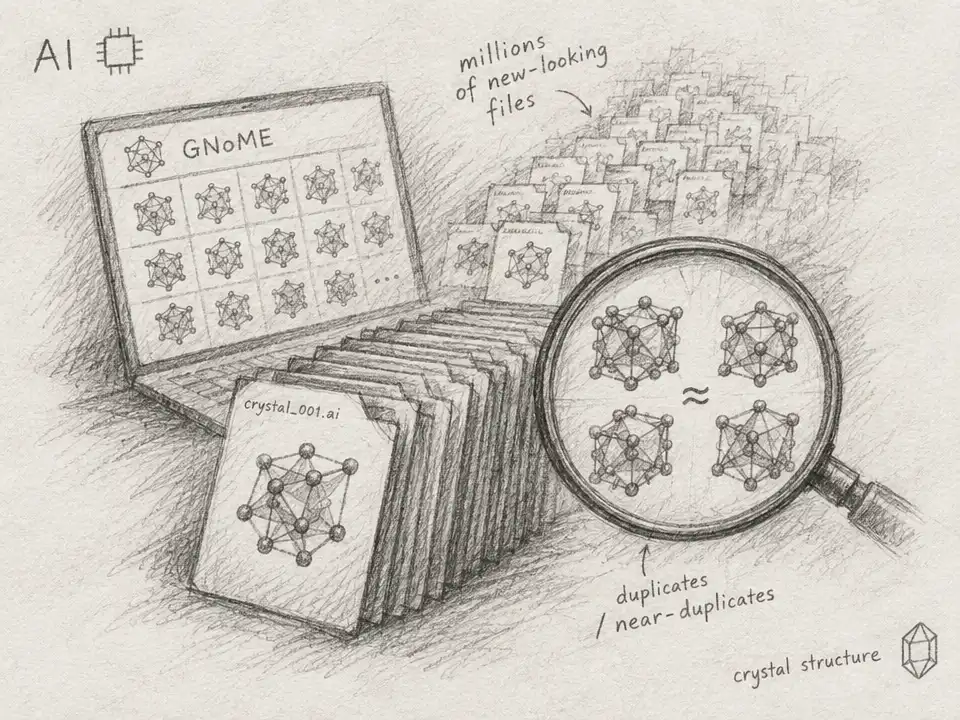
A geometric audit of Google’s GNoME crystal catalogs shows why new-looking files can masquerade as new materials—and how to test novelty.
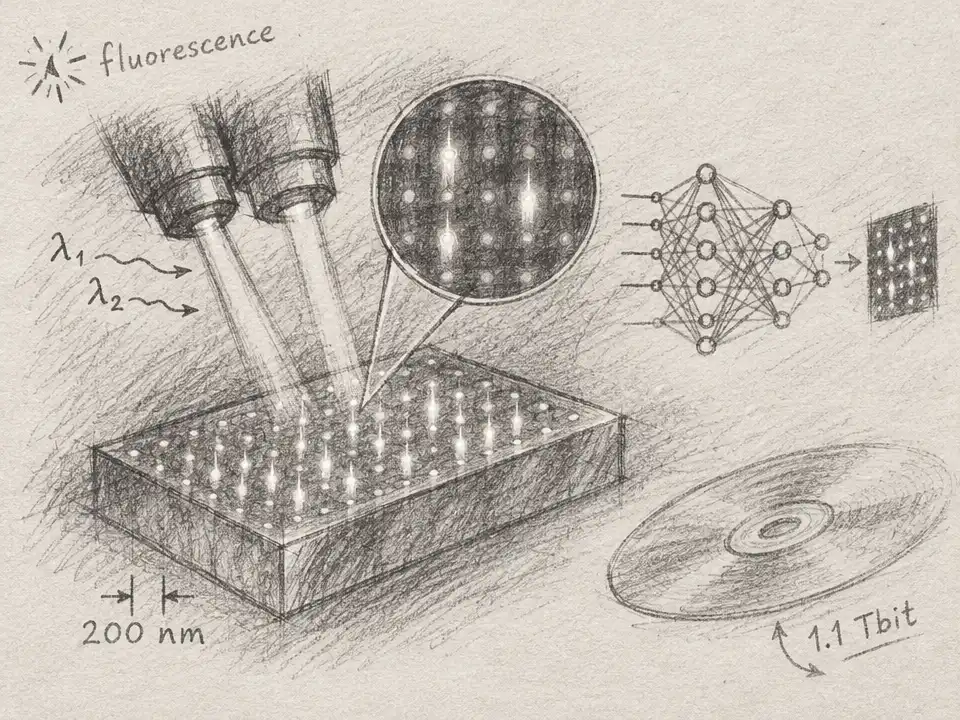
A crystal-based optical memory uses implanted fluorescent ions and machine learning to push archival storage beyond a disc’s usual limits.
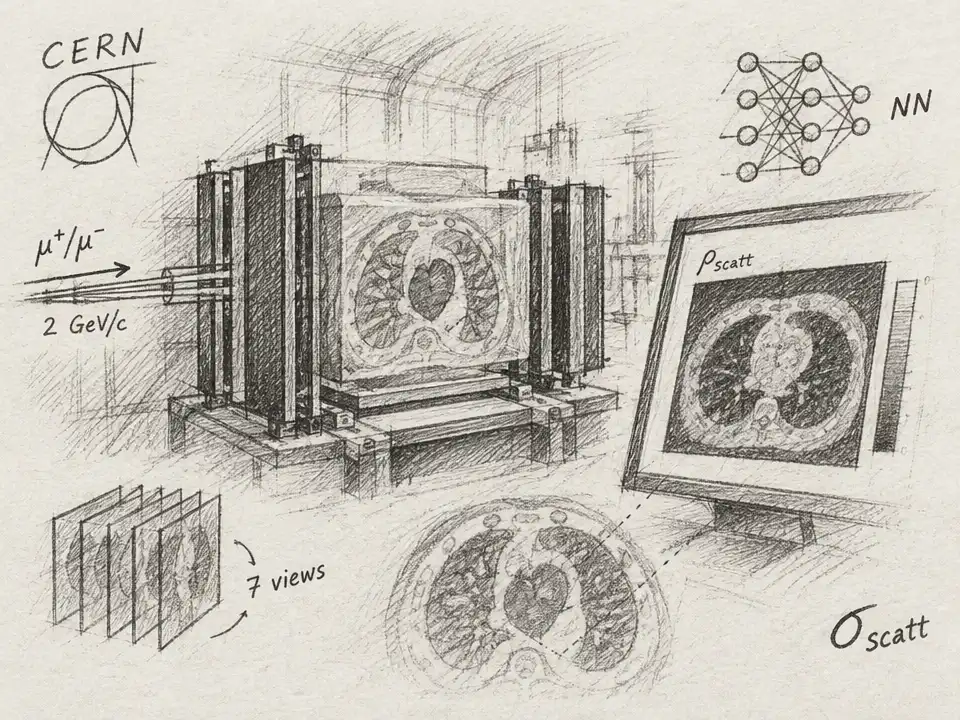
A CERN experiment tests whether muons can map soft tissue, revealing a low-dose imaging possibility and the limits of sparse data.
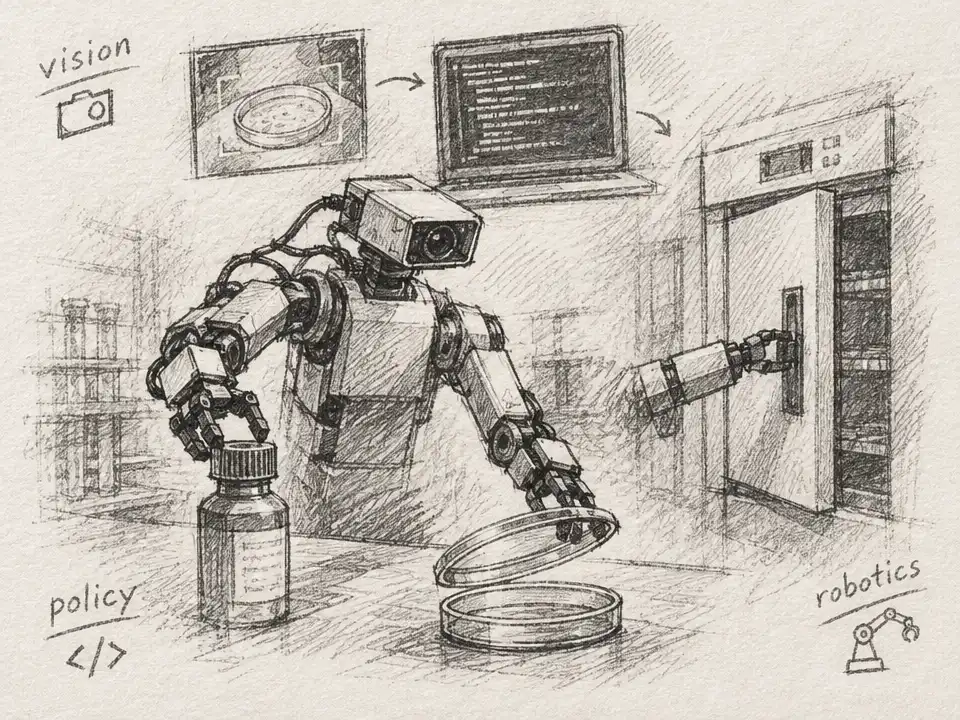
A robot kit and coding agent tackle wet-lab chores, revealing how adaptable software could help robotic skills travel between biology labs.
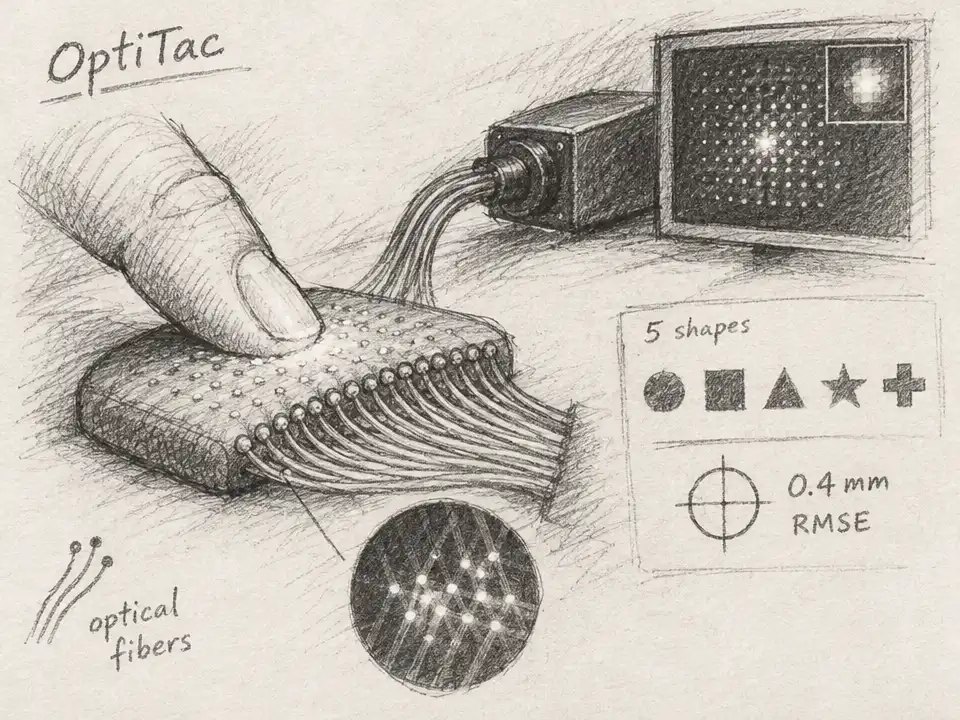
A soft sensor routes touch through 217 optical fibers to a remote camera, where simple image analysis locates and classifies contact.
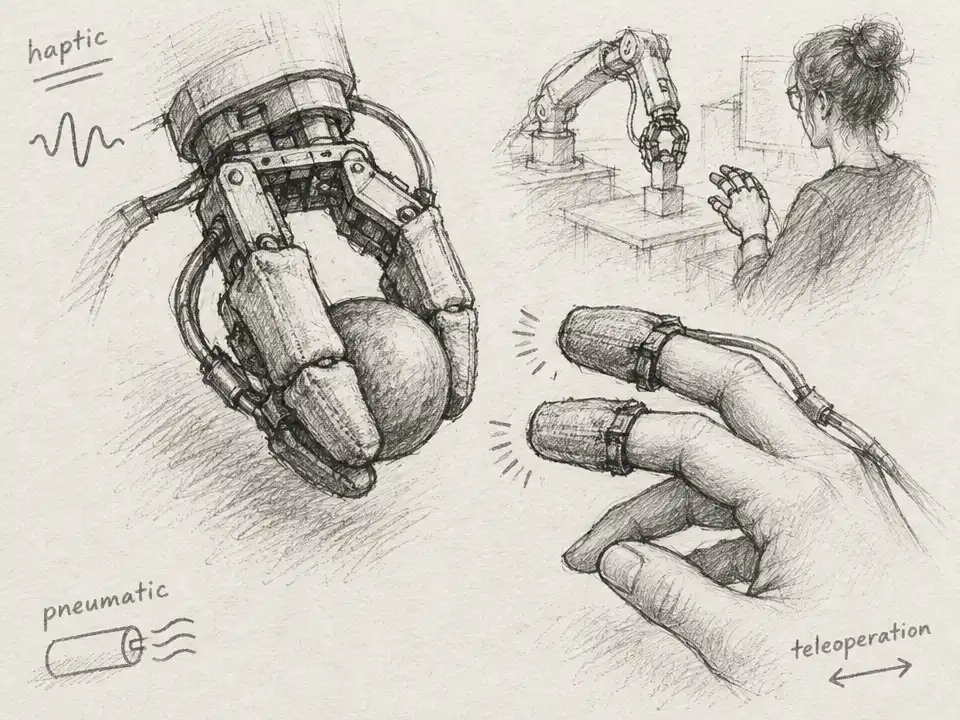
A soft air-filled pouch sends a robot’s contact pressure to a person’s fingertip, helping operators handle objects more gently.
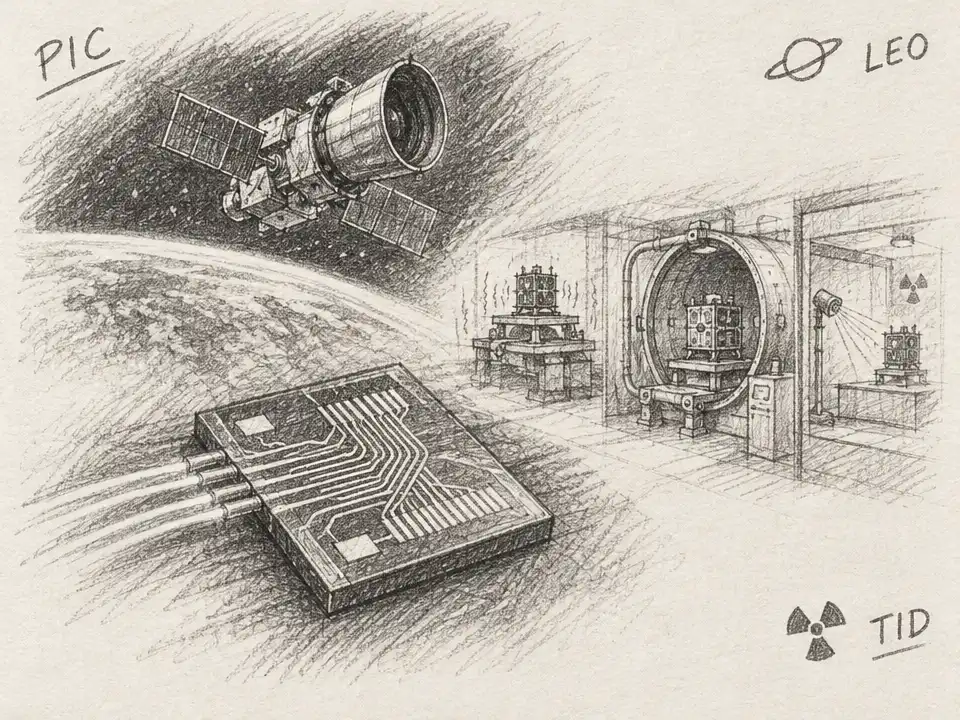
Photonic chips could shrink space-telescope instruments, but vibration, radiation and qualification hurdles still stand between the lab and orbit.
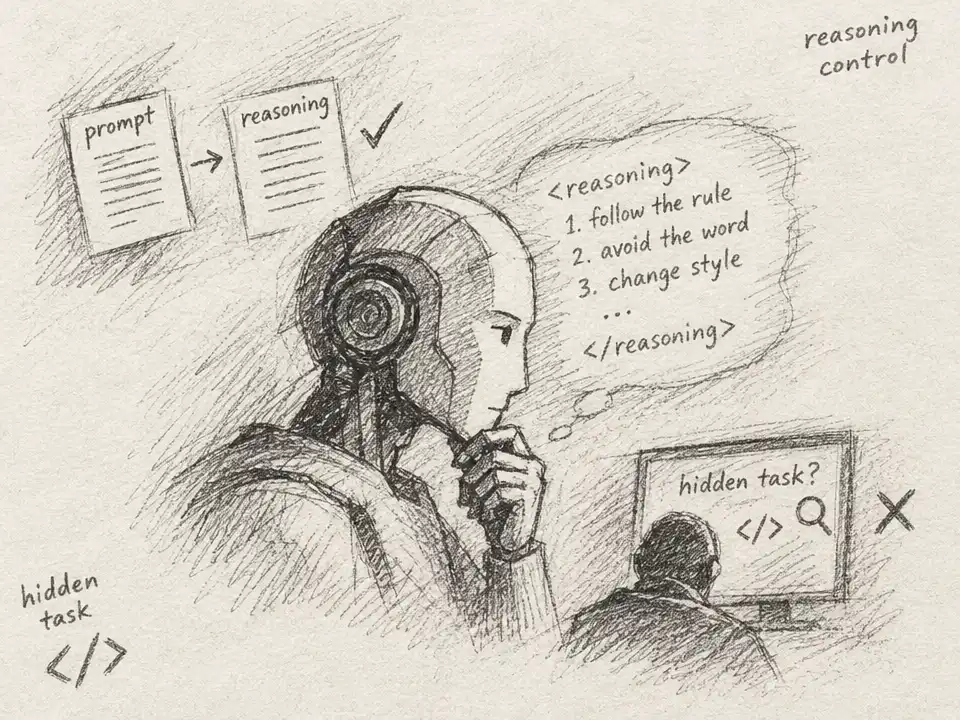
New experiments reveal that AI reasoning traces are easier to steer than earlier tests suggested—and that this control can complicate safety monitoring.
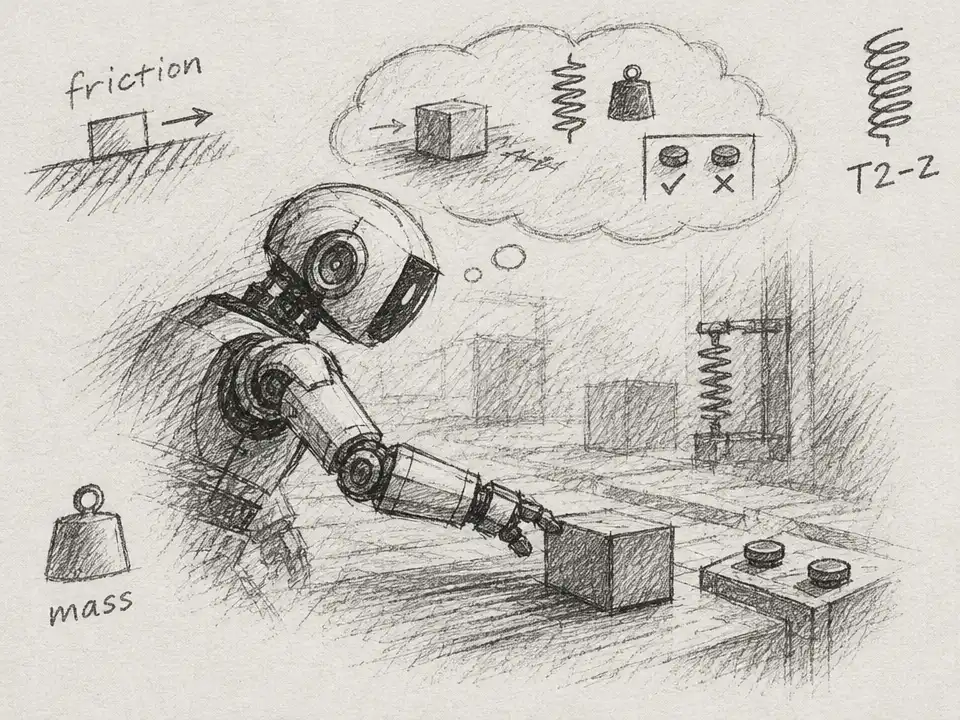
A robot’s world model learns hidden friction, mass and rules from a few interactions, helping it predict what actions will do.
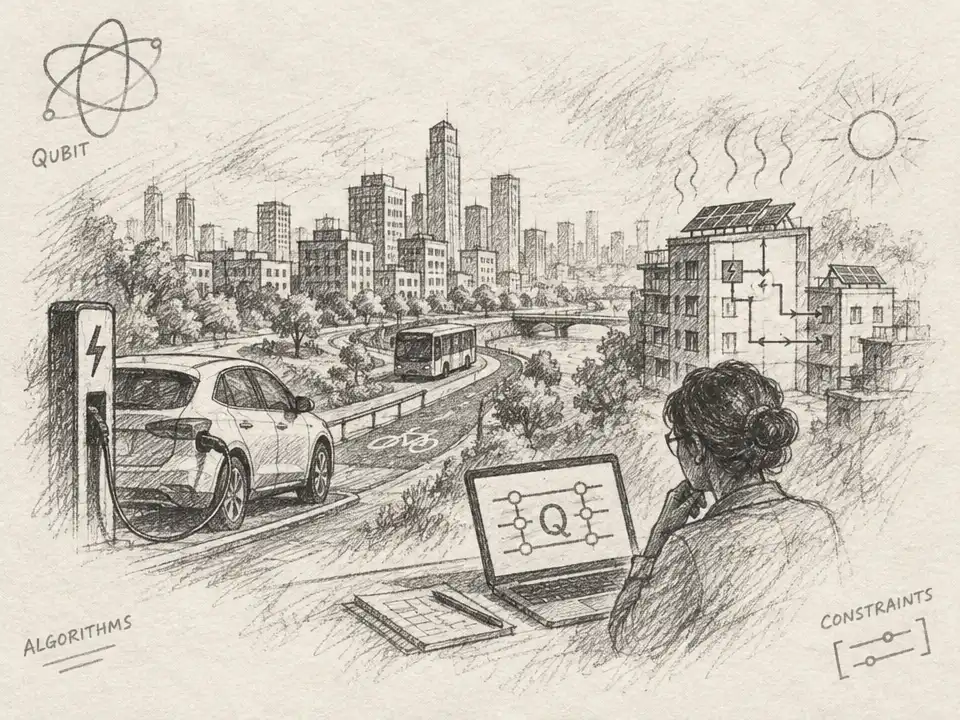
Quantum computing may help cities sift high-stakes choices—from heat response to transport failures—without replacing proven planning tools.
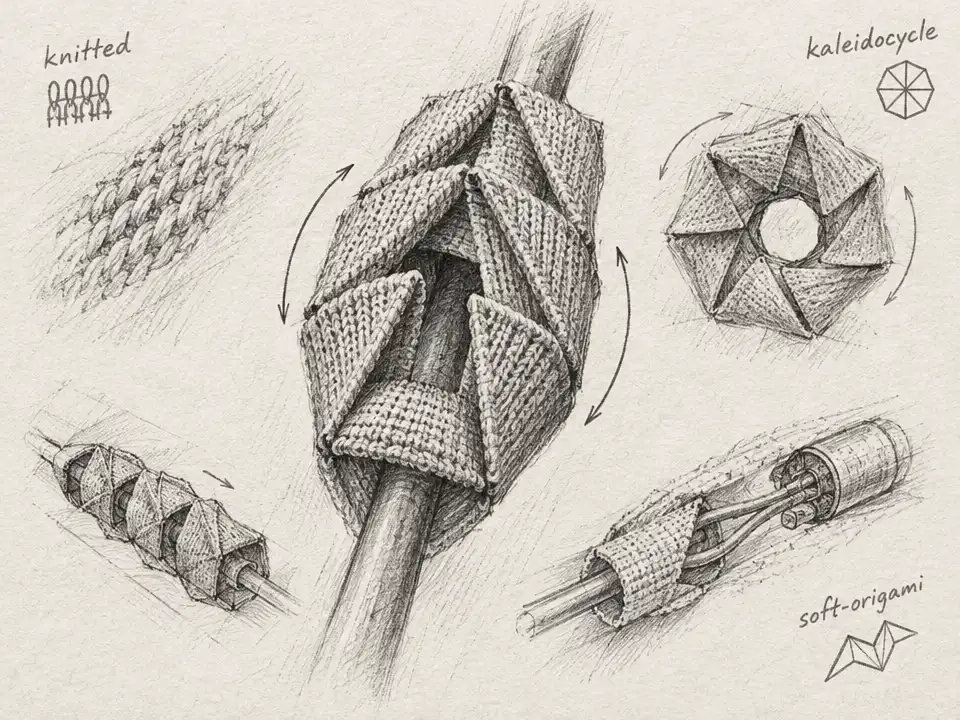
A knitted origami robot uses programmed stitches and heat-fusible yarn to fold, rotate and travel along slender forms.
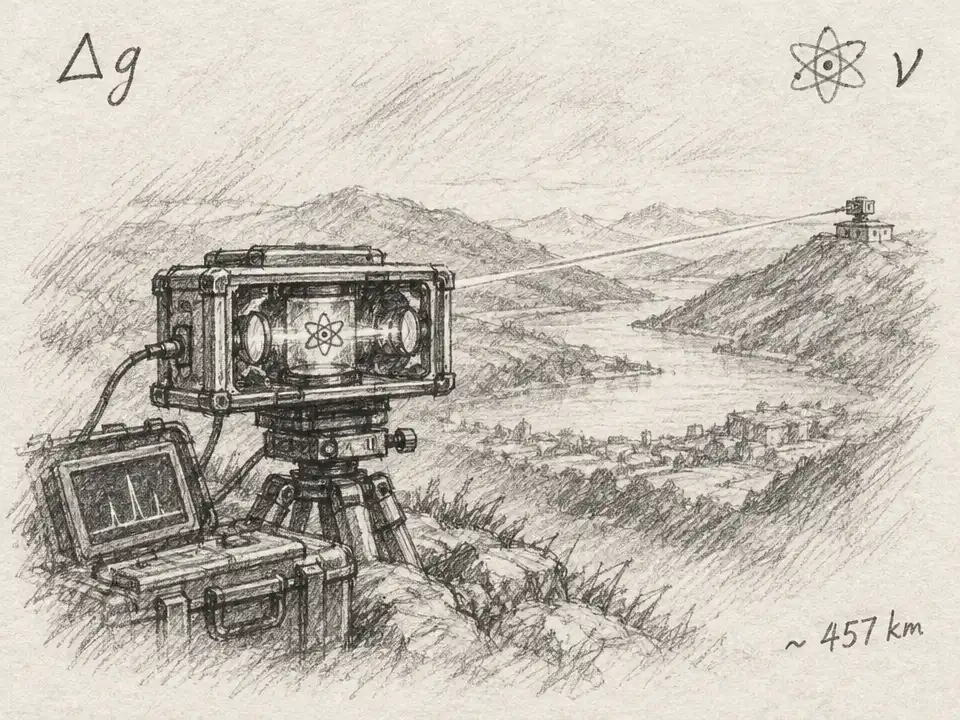
Optical clocks can map Earth’s gravitational landscape by comparing how atoms tick at distant locations—revealing a new route to precision geodesy.