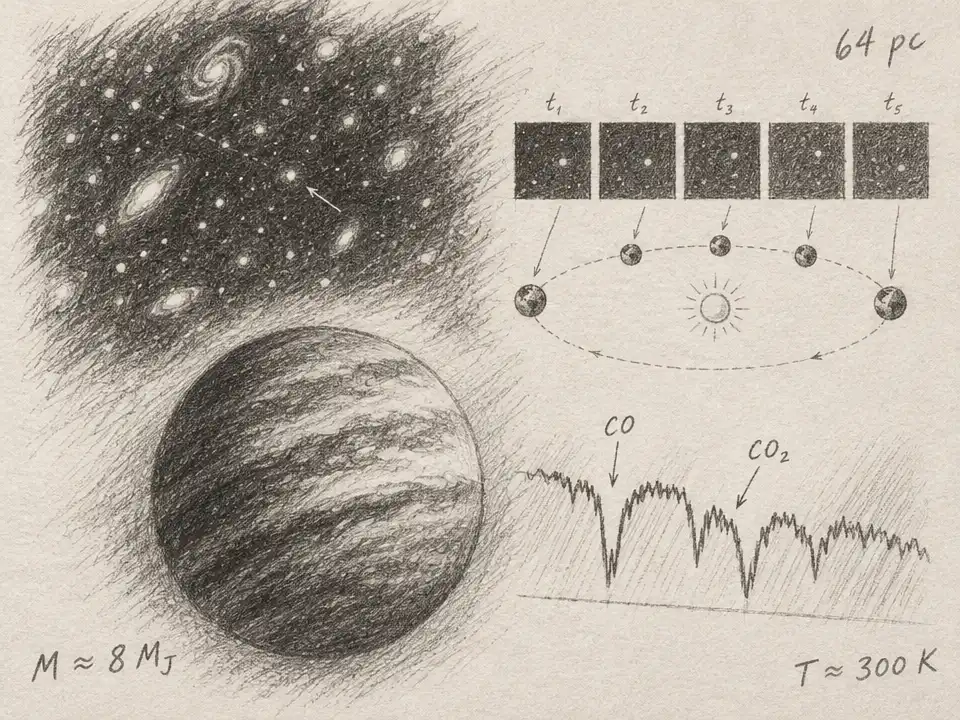
The Galaxy Survey Stranger That Turned Out to Be a Planet-Mass Drifter
A red speck in JWST’s deep galaxy survey proved to be a nearby, planet-mass Y dwarf—with an atmosphere current models struggle to explain.
A red speck in JWST’s deep galaxy survey proved to be a nearby, planet-mass Y dwarf—with an atmosphere current models struggle to explain.
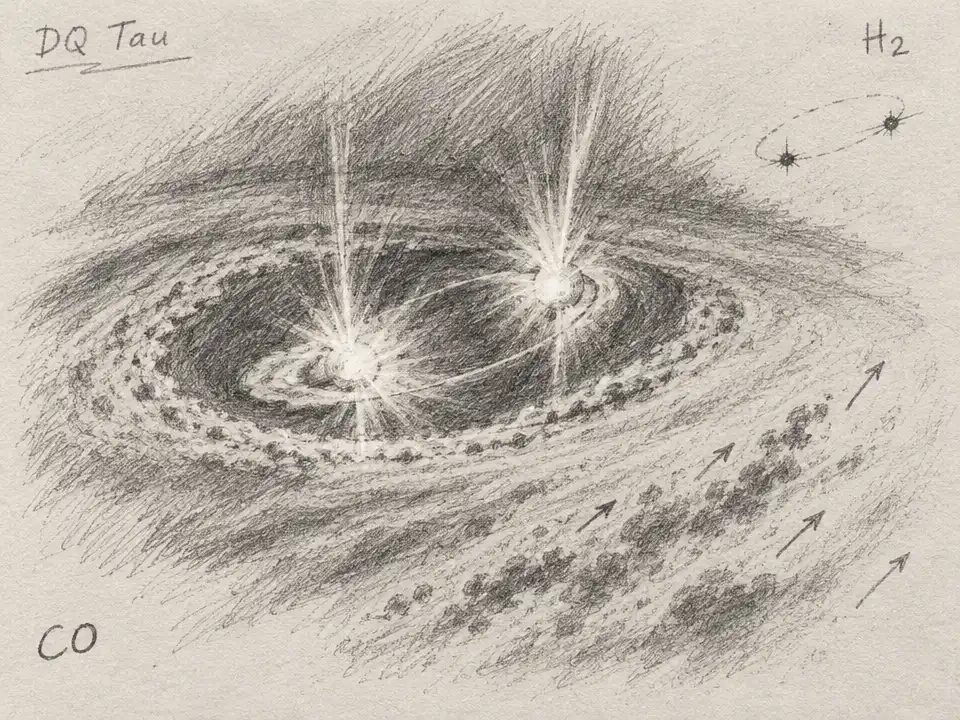
JWST and ground-based spectra reveal why DQ Tau’s hot molecular gas may retreat between stellar feeding bursts—and what remains unexplained.
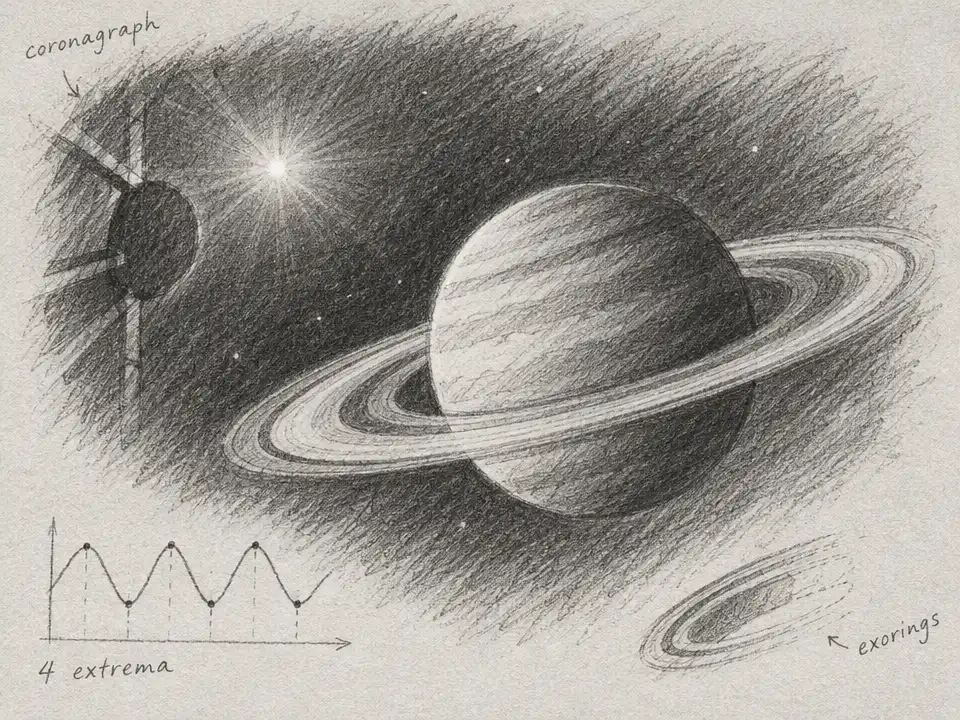
Exoplanet rings may boost a planet’s reflected light enough to reveal it—but also distort estimates of its size, brightness, and atmosphere.
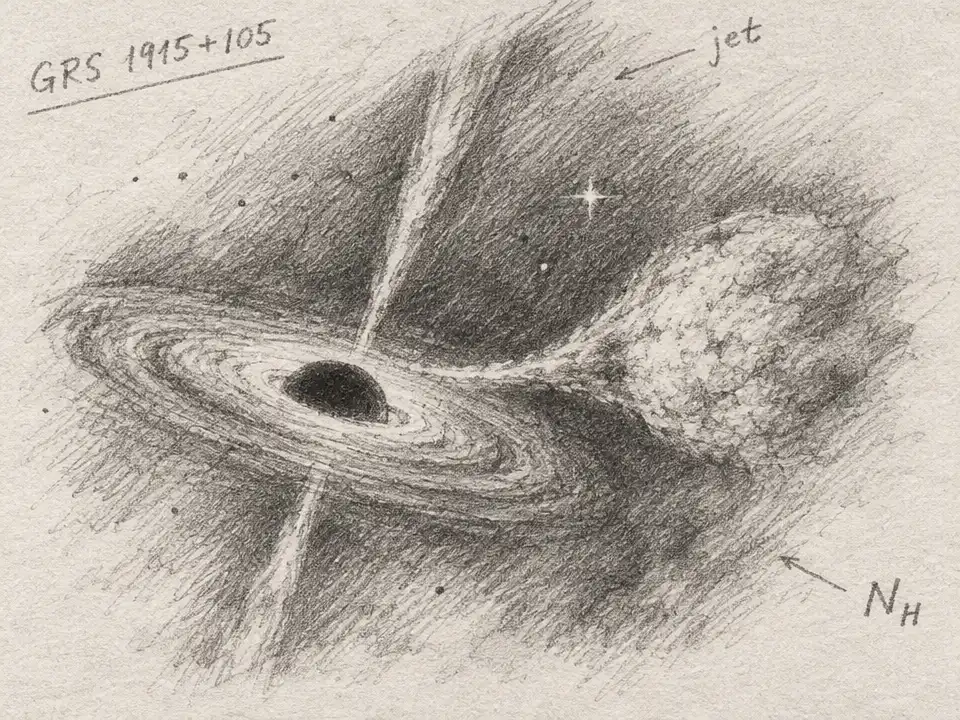
A decades-long black-hole outburst is fading, but thick gas hides its X-rays. Radio clues suggest quiescence—not a settled verdict.
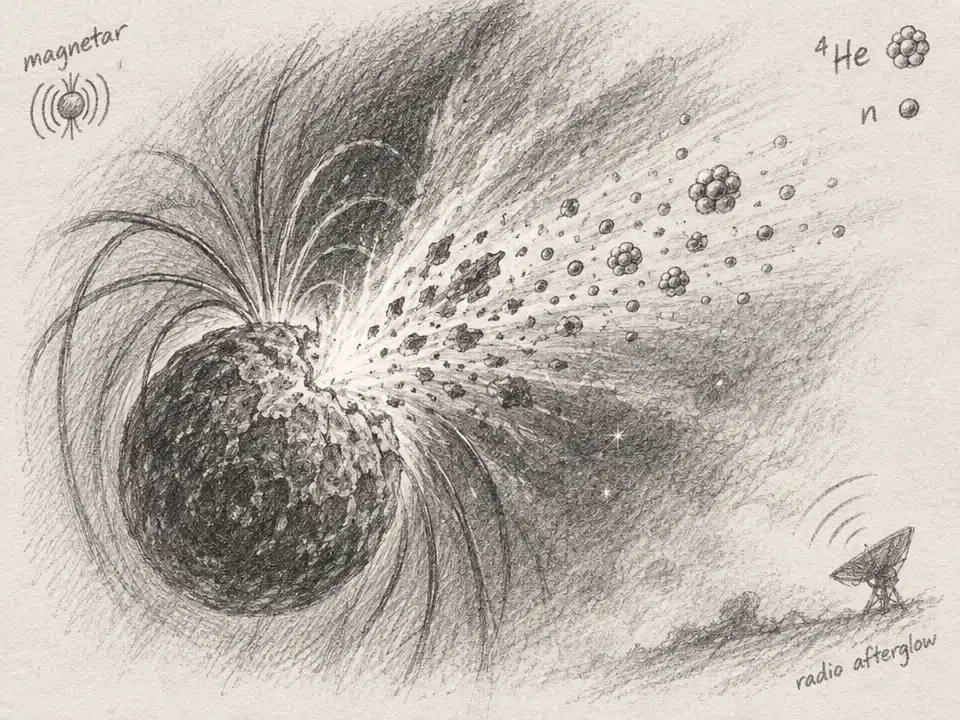
Simulations suggest magnetar flares eject crust that freezes mostly into helium and free neutrons, sharply limiting their heavy-element yield.
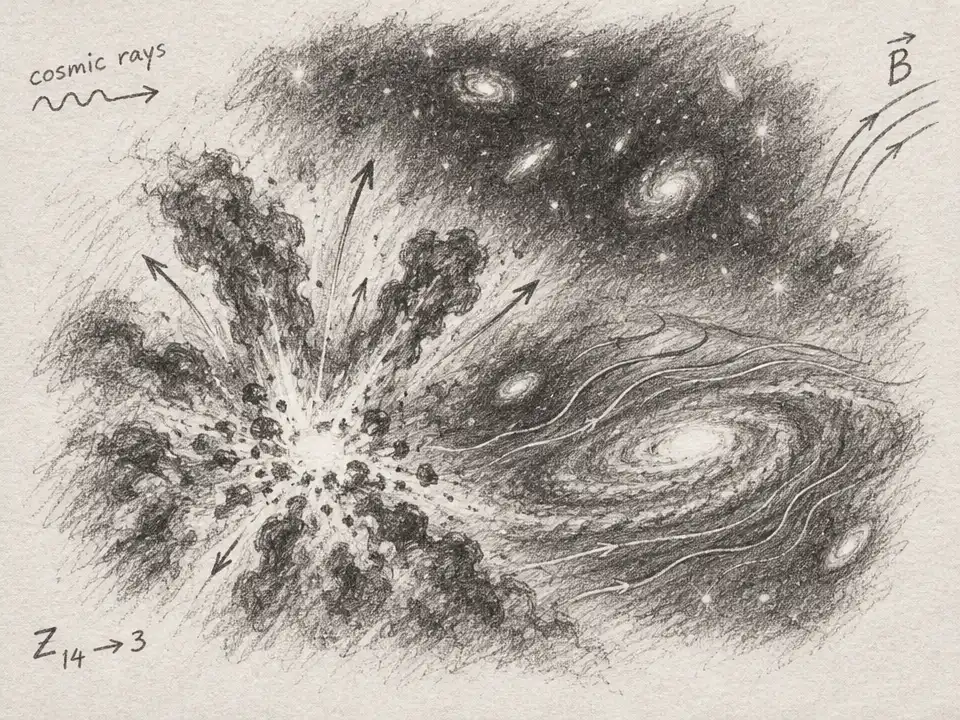
A new galaxy simulation links cosmic rays, bursty star formation and changing winds to explain how early galaxies may have grown.
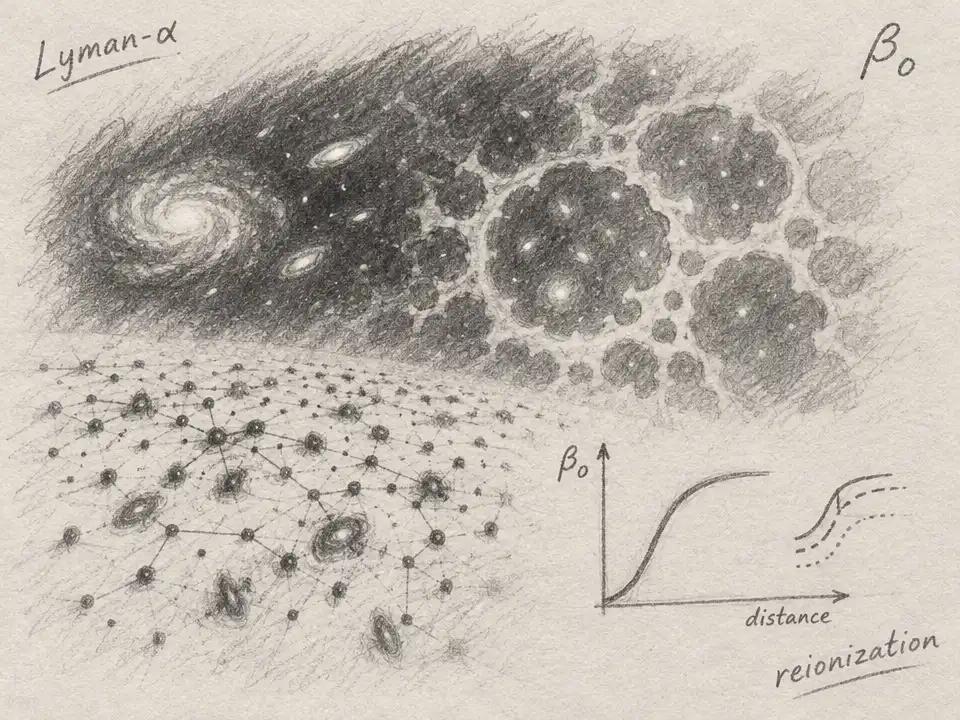
Persistent homology, a tool from topology, may help astronomers read early-universe galaxy patterns and sharpen forecasts of cosmic reionization.
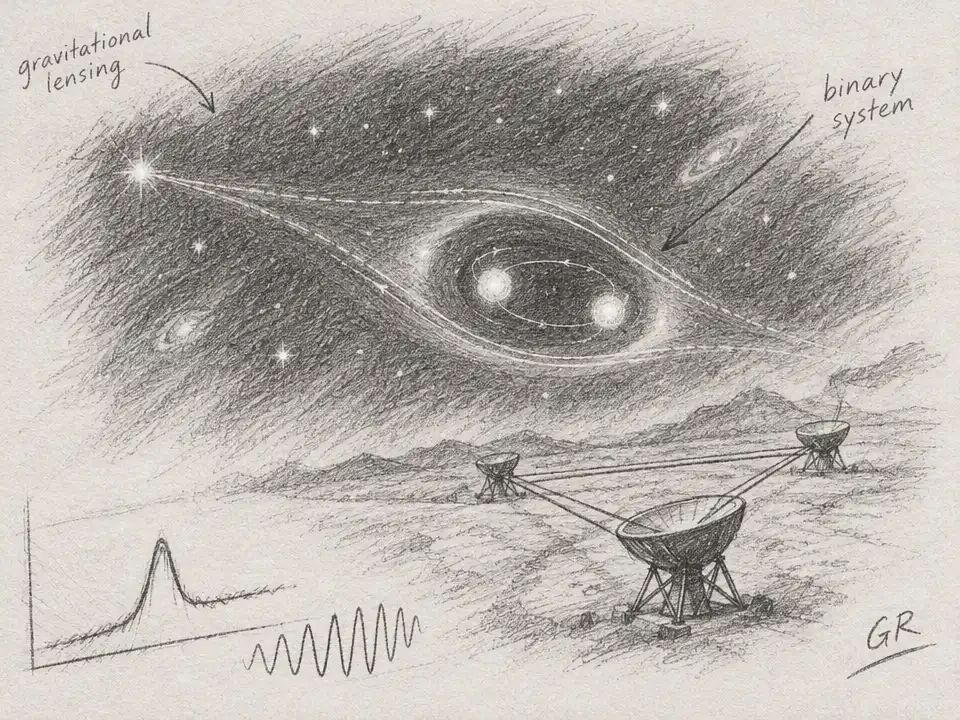
A microlensing-and-orbit method could test Einstein’s gravity in weak fields by weighing the same distant binary stars two different ways.
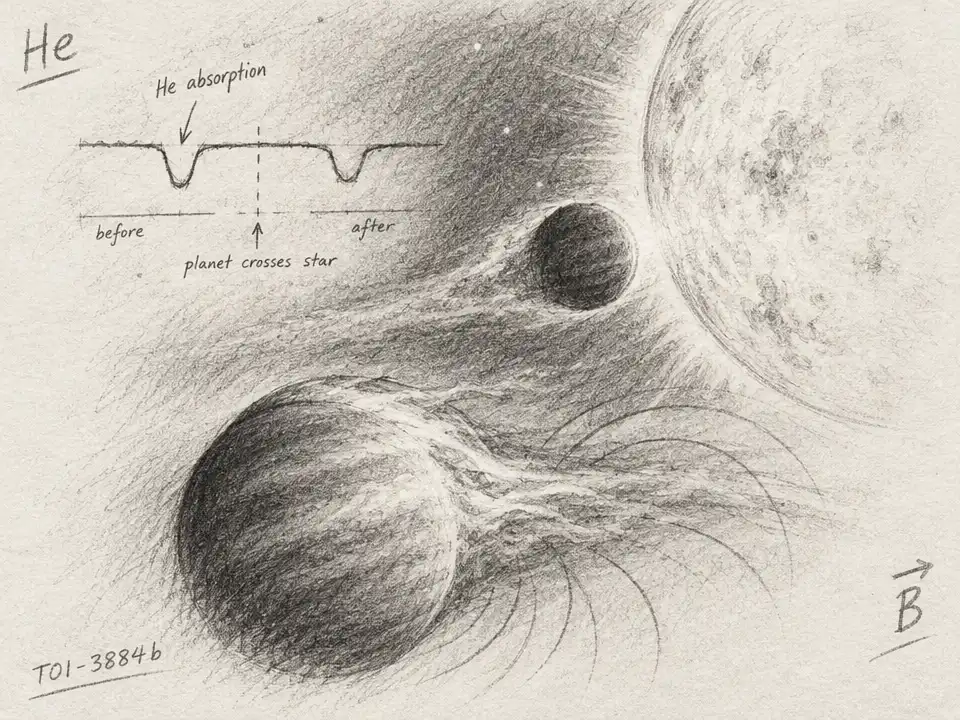
A helium outflow detected around TOI-3884b may reveal how stellar radiation and magnetic fields reshape escaping planetary atmospheres.
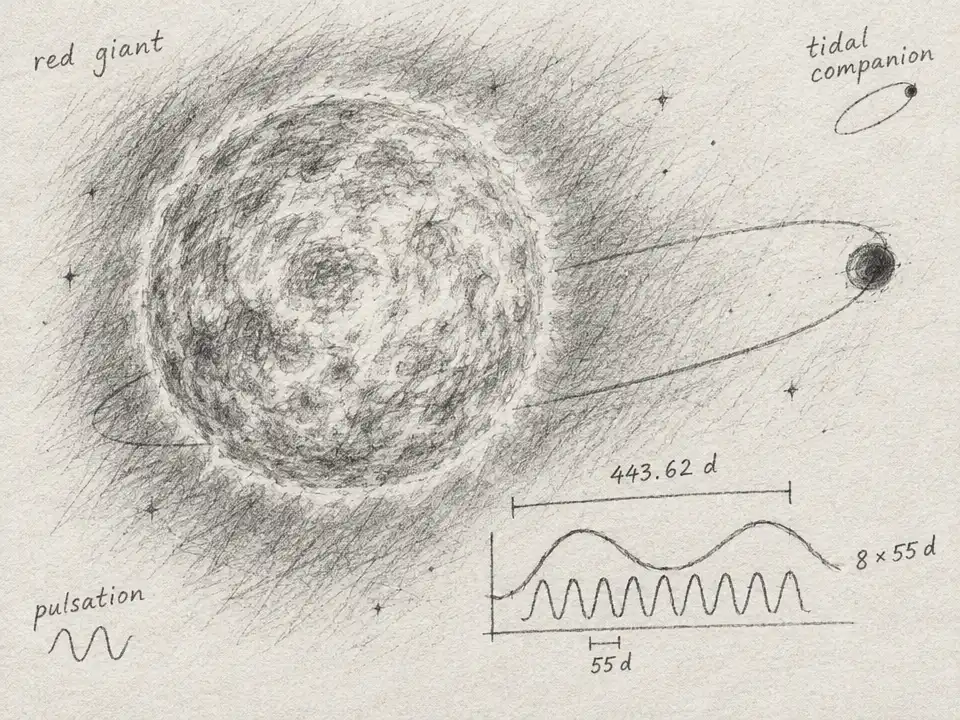
An 80-year light record reveals a red giant’s 55-day pulse in near lockstep with its yearlong cycle, hinting at an unseen companion.
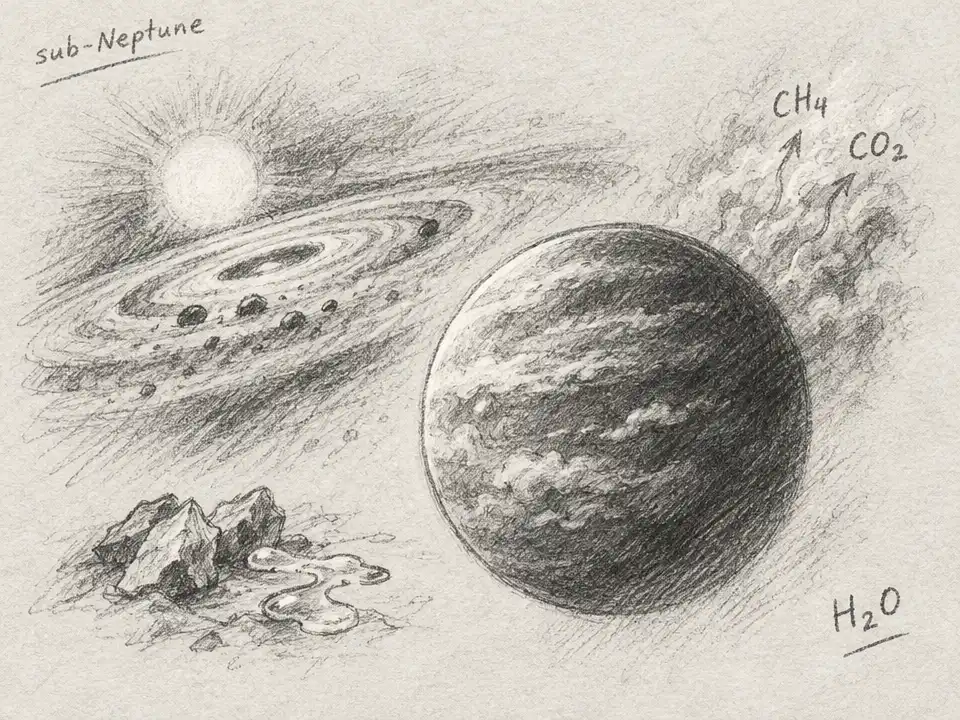
A new atmospheric model asks whether methane-rich sub-Neptunes need carbon-rich interiors—or whether water and planetary chemistry tell a different story.
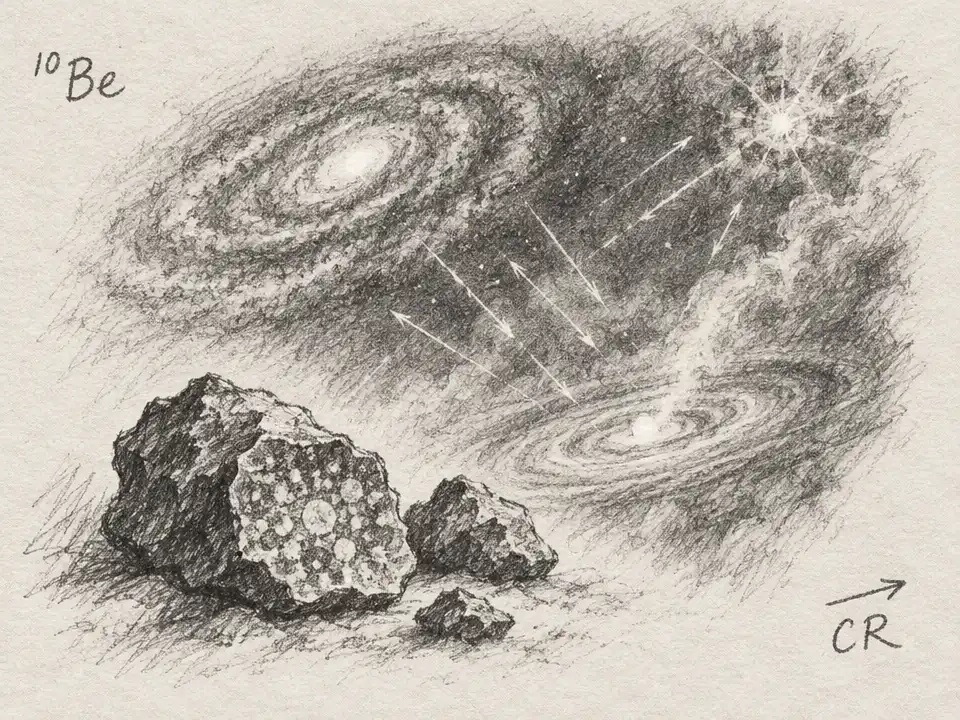
Meteorite beryllium may preserve a cosmic-ray clue to the Sun’s birth, but uncertain particle transport keeps its galactic birthplace unsettled.
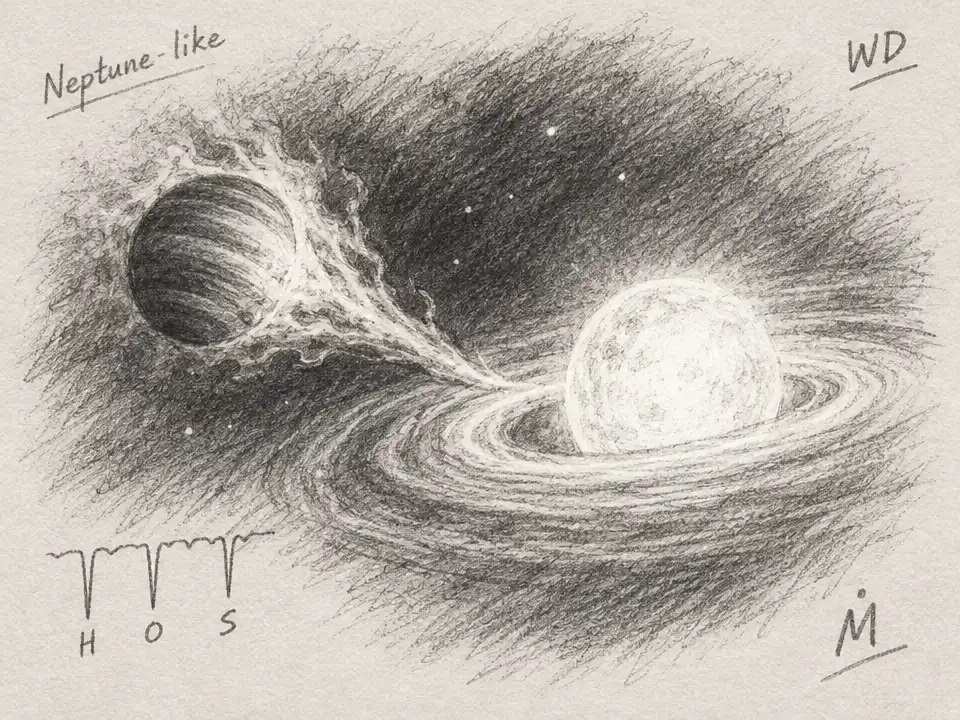
A young white dwarf’s strange gas disk may be fed by a Neptune-like planet losing its atmosphere—but key clues remain unresolved.
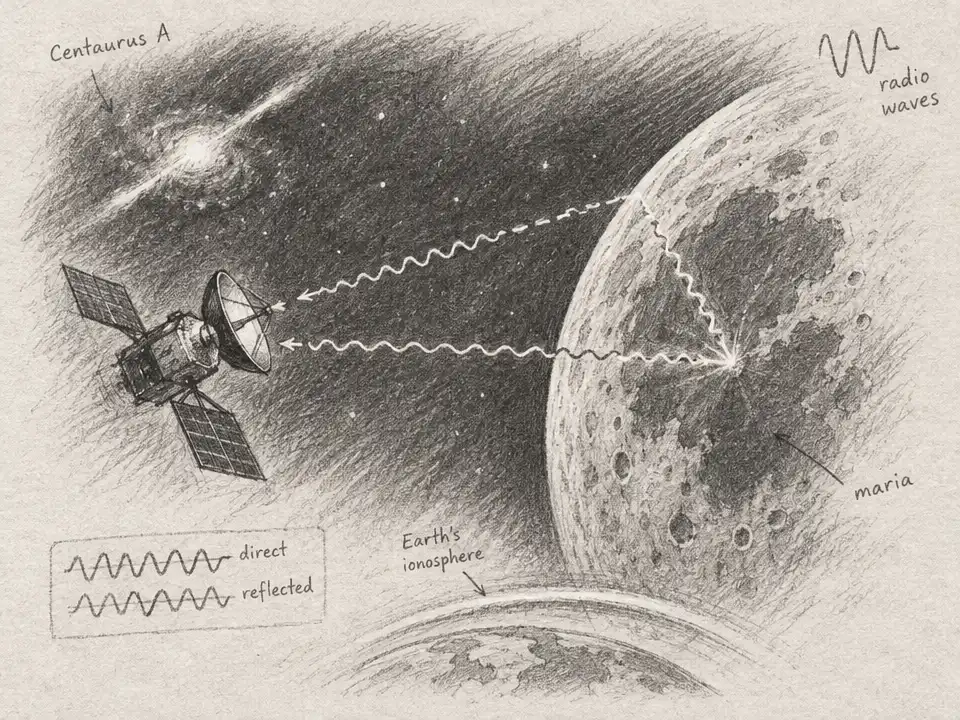
A lunar orbiter could use reflections from the Moon to build a virtual radio telescope and explore the low-frequency sky hidden from Earth.
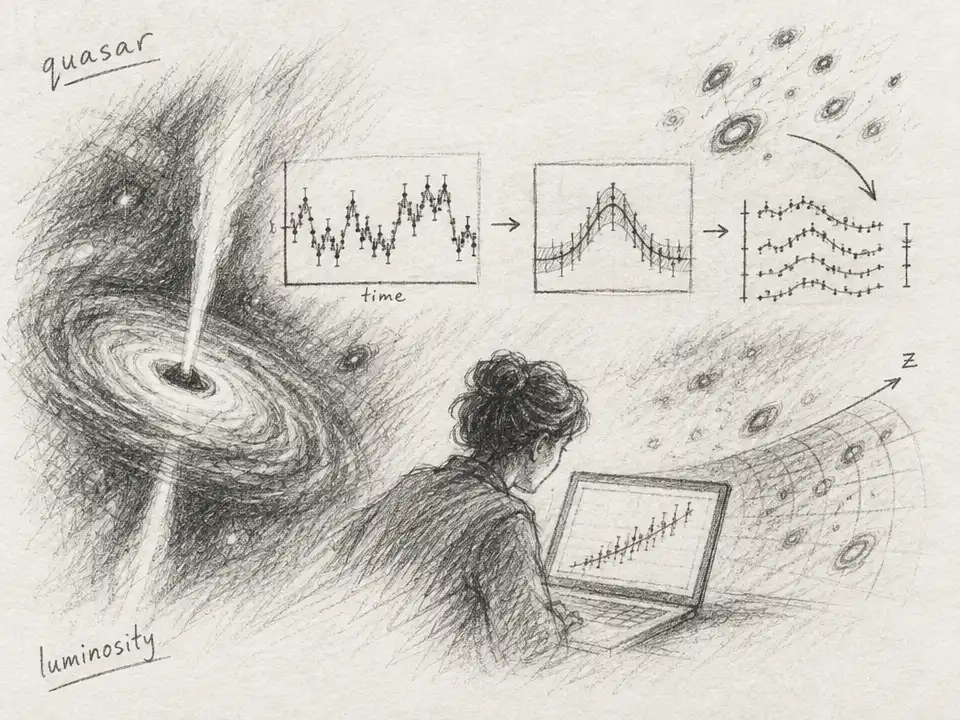
A new method mines quasar flickers for cosmic distances, using Gaia-like simulations while confronting the calibration hurdles still ahead.
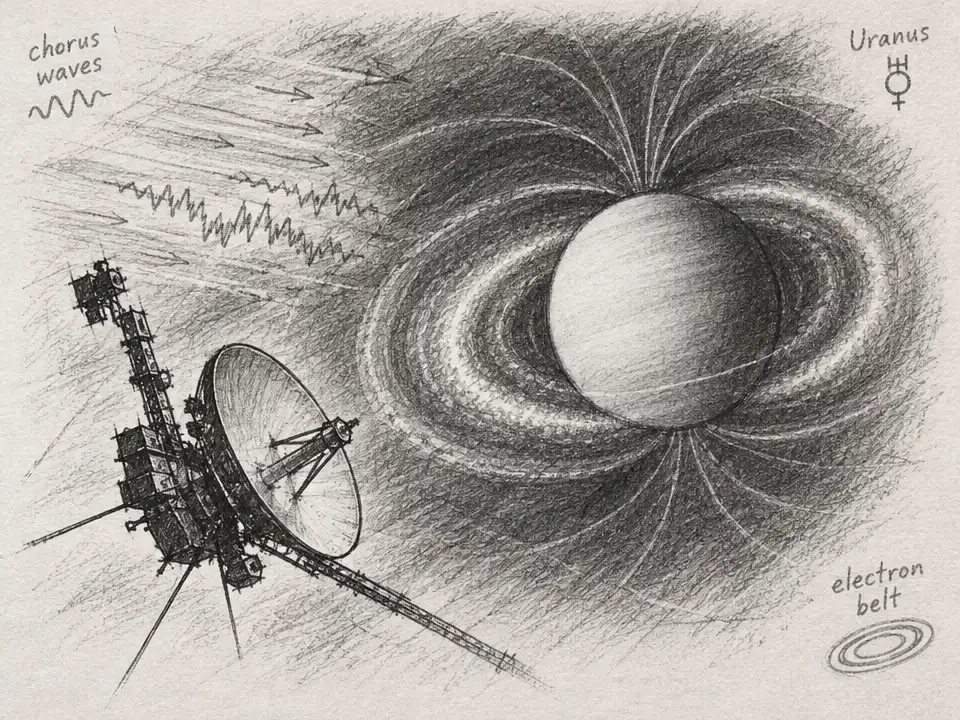
A Uranus flyby captured an oddly powerful electron belt. A comparison with Earth suggests a solar-wind storm may explain why.
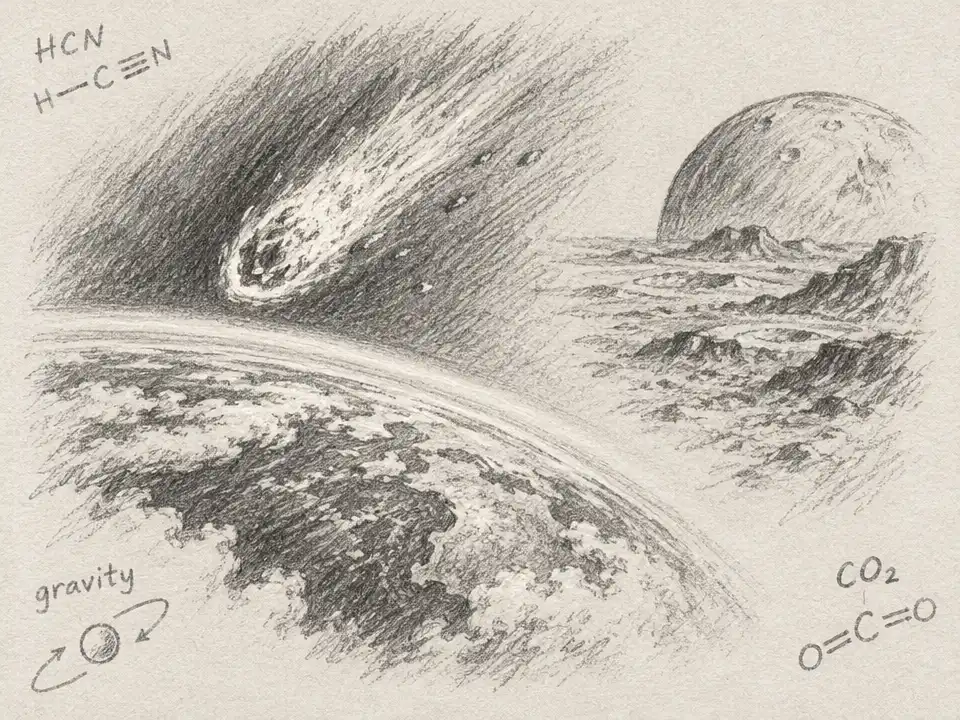
Simulations suggest comets rarely delivered useful hydrogen cyanide to early Earth, while Mars may have offered gentler conditions for chemical cargo.
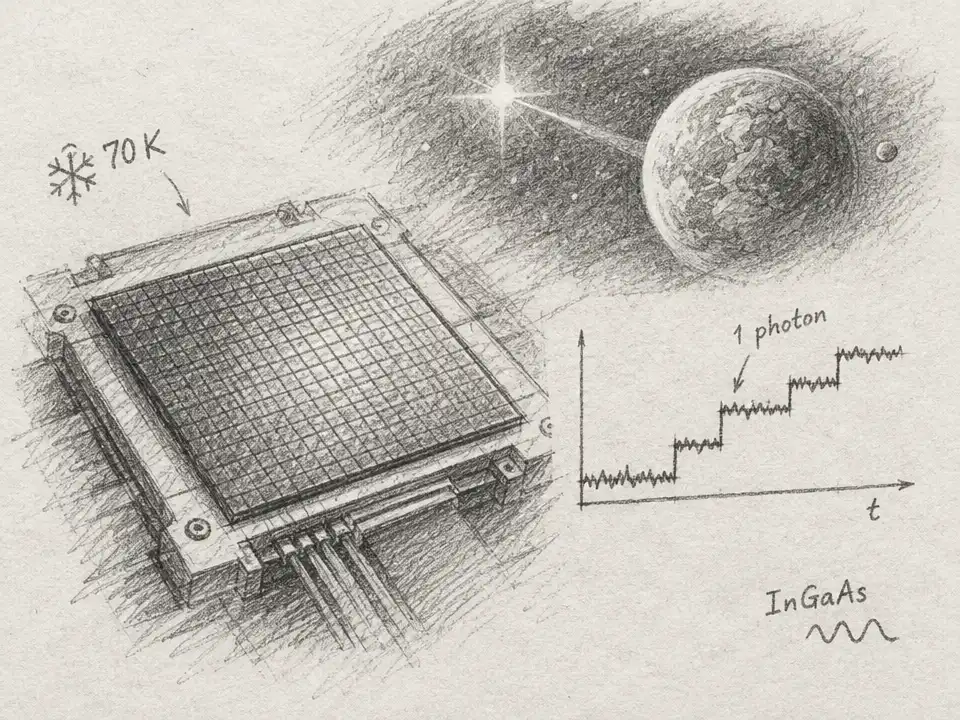
A megapixel HgCdTe sensor resolves infrared photon arrivals at 70 K, offering a new path to low-noise astronomy.
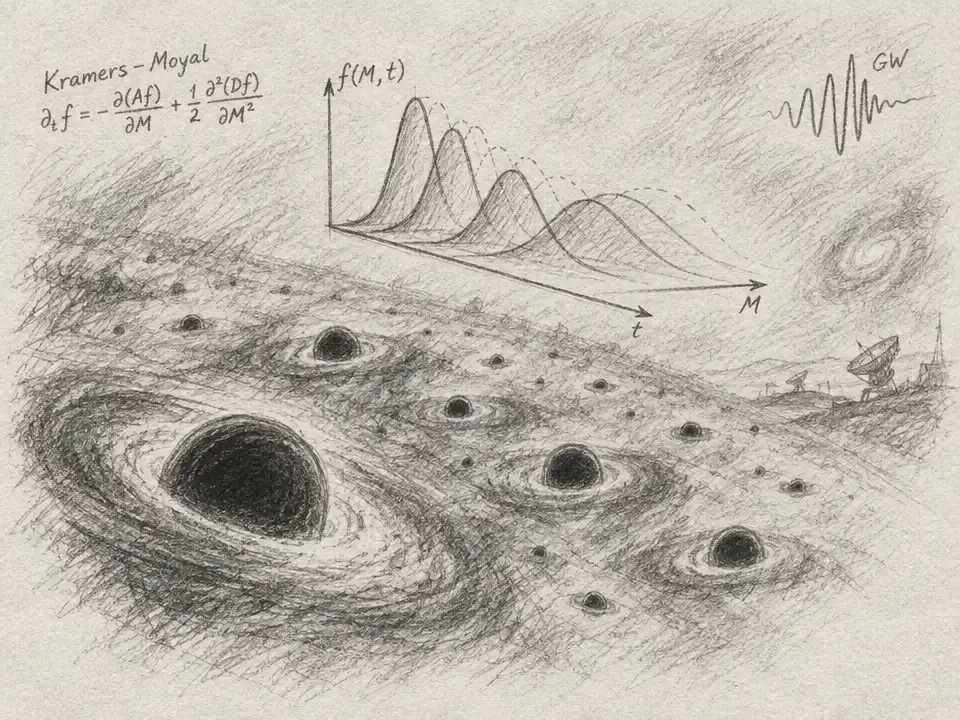
A statistical-physics framework could turn black-hole population snapshots into clues about how these cosmic objects grow across time.
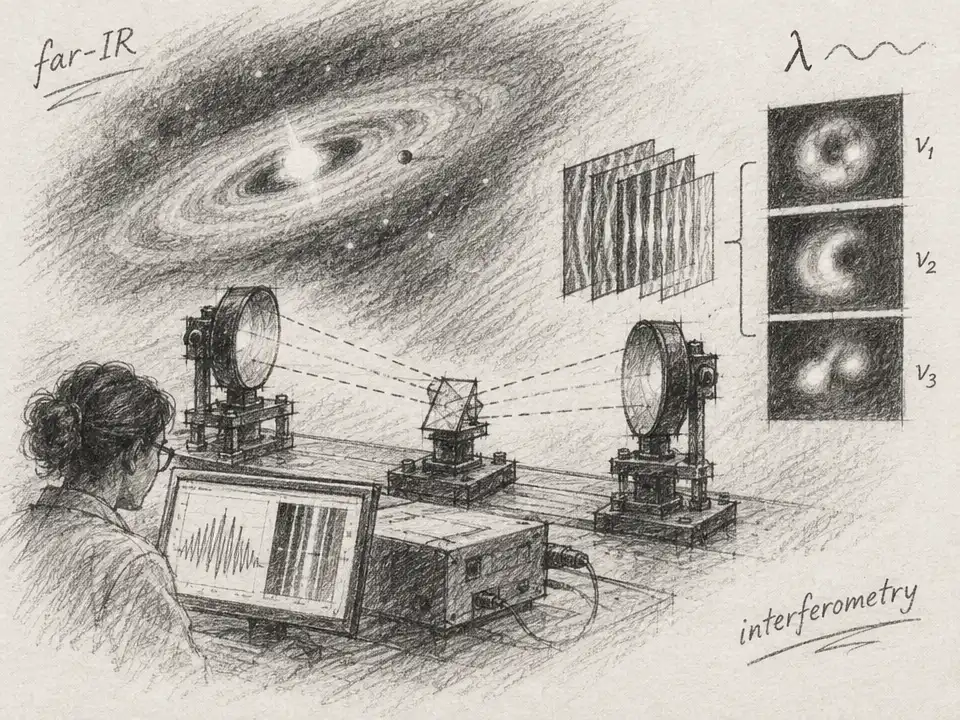
A laboratory interferometer combines two apertures and a scanning spectrometer to test sharper, frequency-resolved far-infrared space imaging.