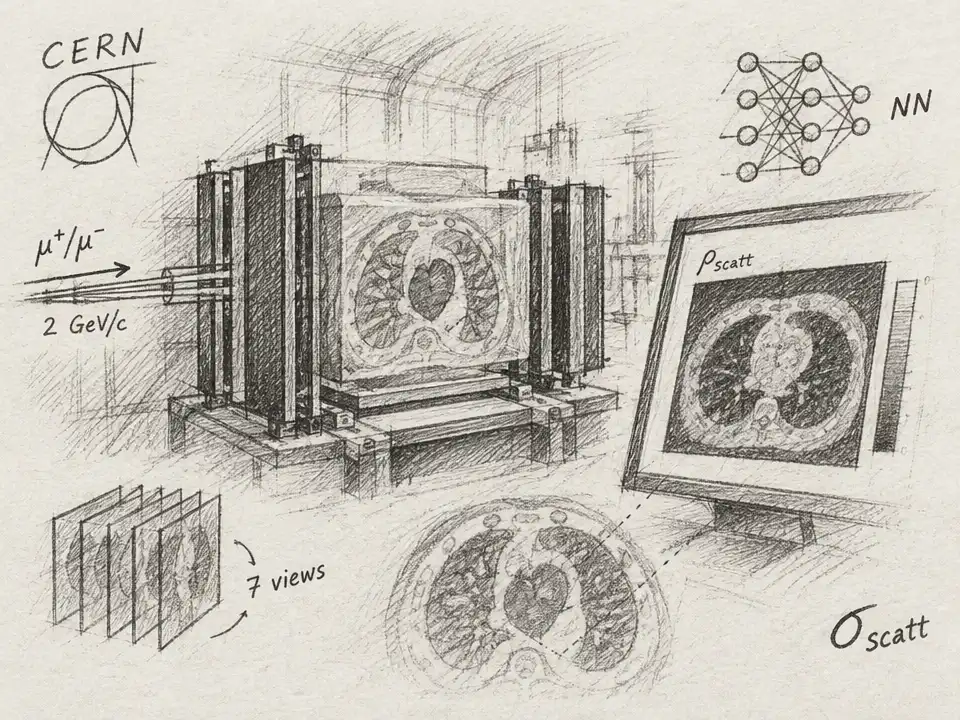
Could Muons See Soft Tissue—or Only the Scanner’s Expectations?
A CERN experiment tests whether muons can map soft tissue, revealing a low-dose imaging possibility and the limits of sparse data.
A CERN experiment tests whether muons can map soft tissue, revealing a low-dose imaging possibility and the limits of sparse data.
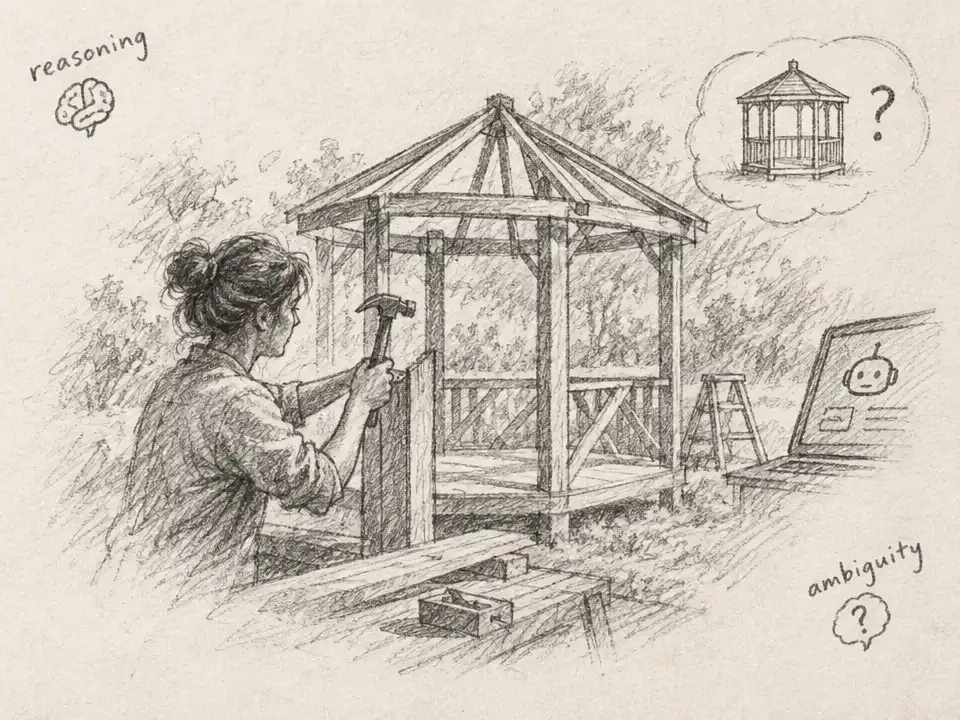
A closer look at an AI language test finds that disputed grammar labels may explain some supposed reasoning failures.
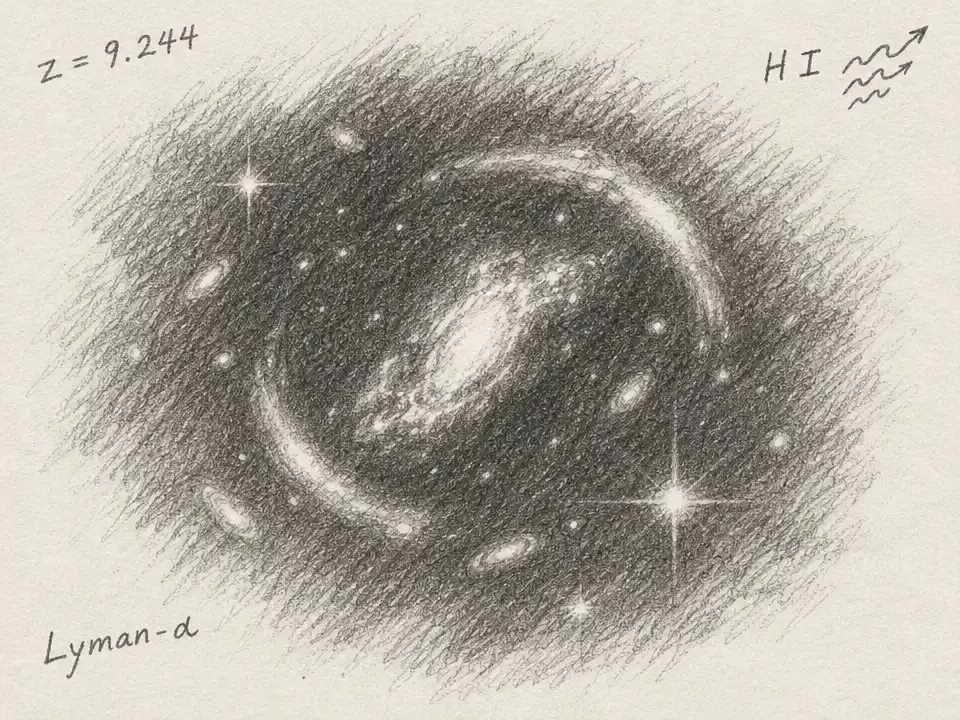
JWST’s spectrum of EBG-1 hints that a bright, blue galaxy at cosmic dawn may have leaked most of its ionizing light.
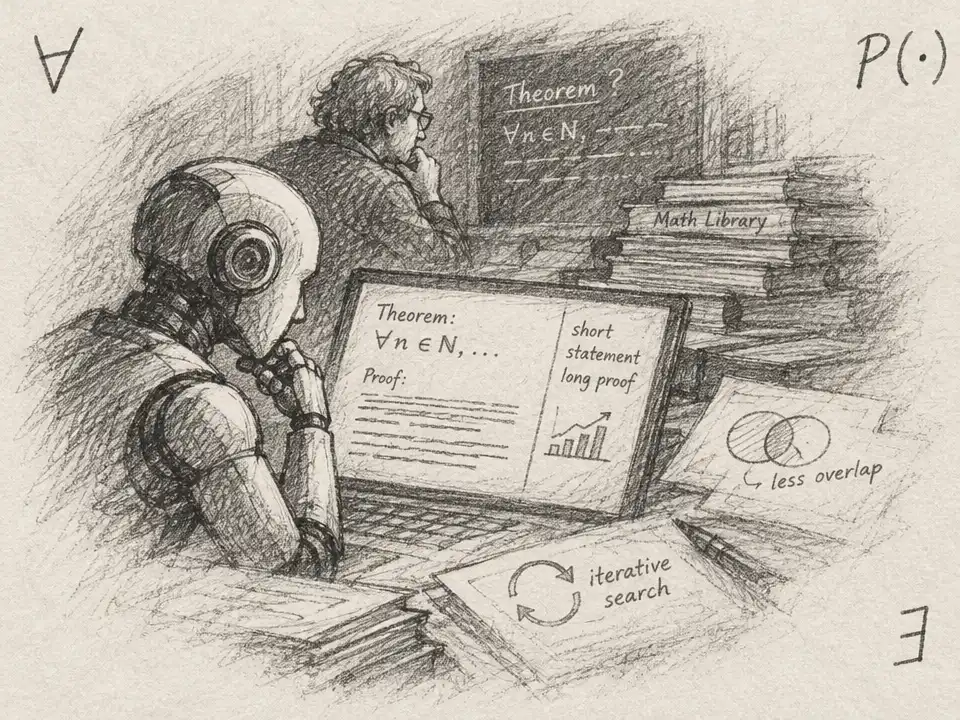
A new math study uses the gap between a theorem’s short statement and long proof to guide machine-generated mathematical discovery.
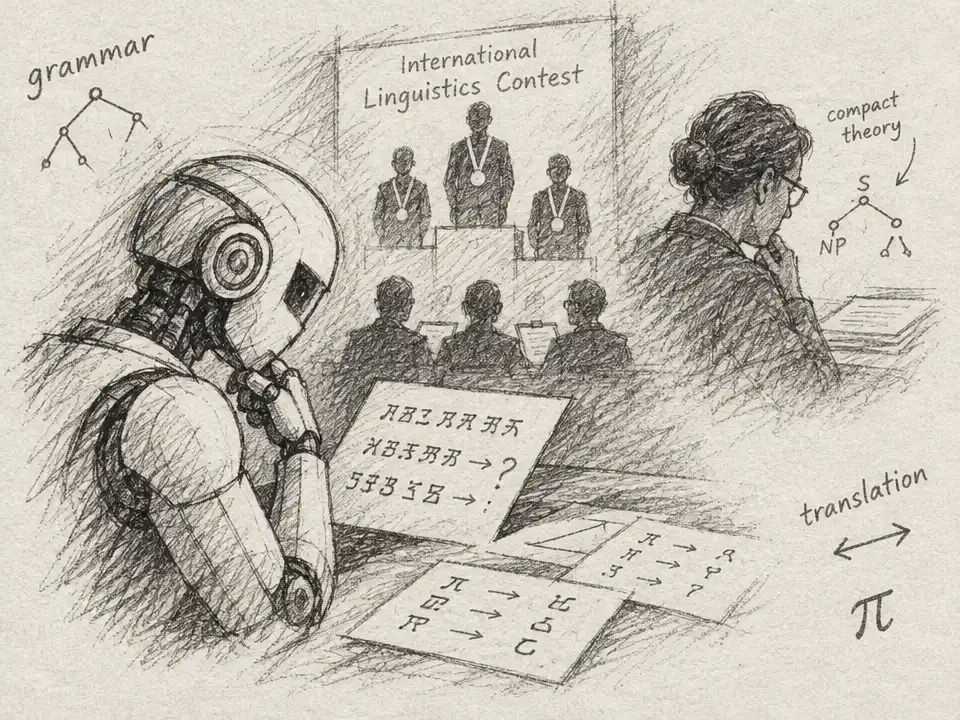
Unreleased linguistics puzzles reveal what AI can infer from examples—and where expert human judgment still exposes gaps.
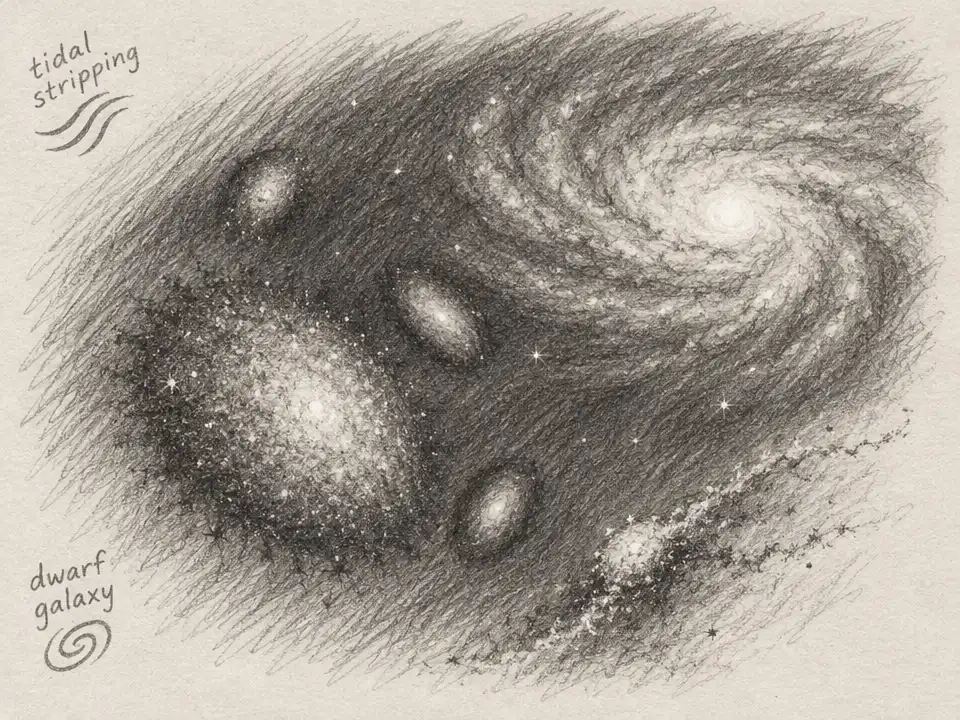
Milky Way dwarf galaxies may be shedding stars unseen—but a new clue leaves open whether the galaxies or the simulations are misleading us.
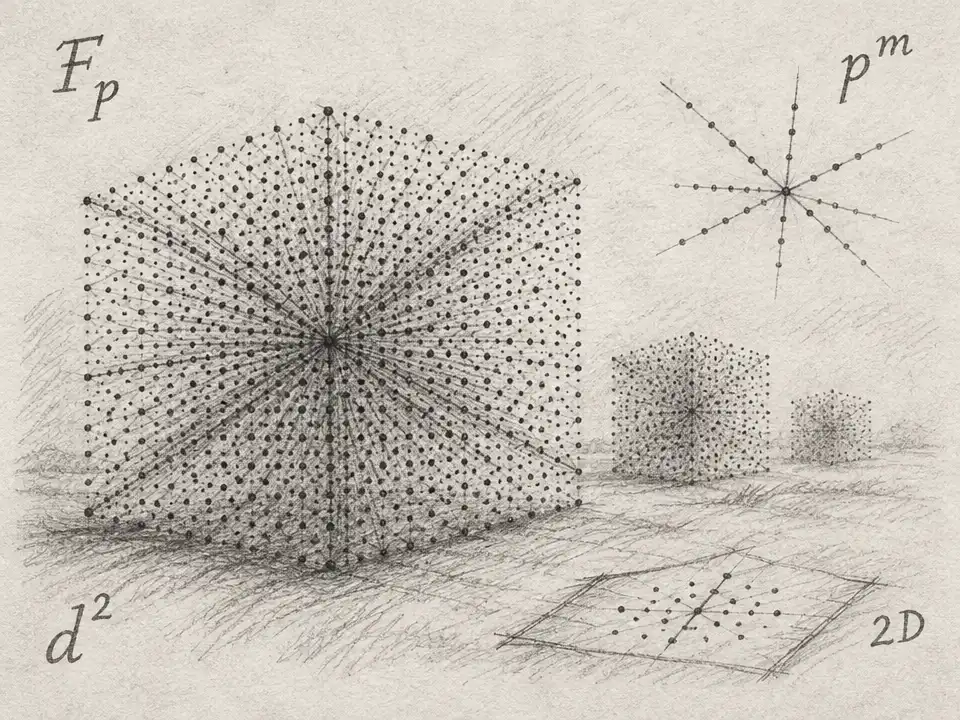
A finite geometry can hide all nonzero distances at a precise size. One point beyond it forces a rich set of distance values.
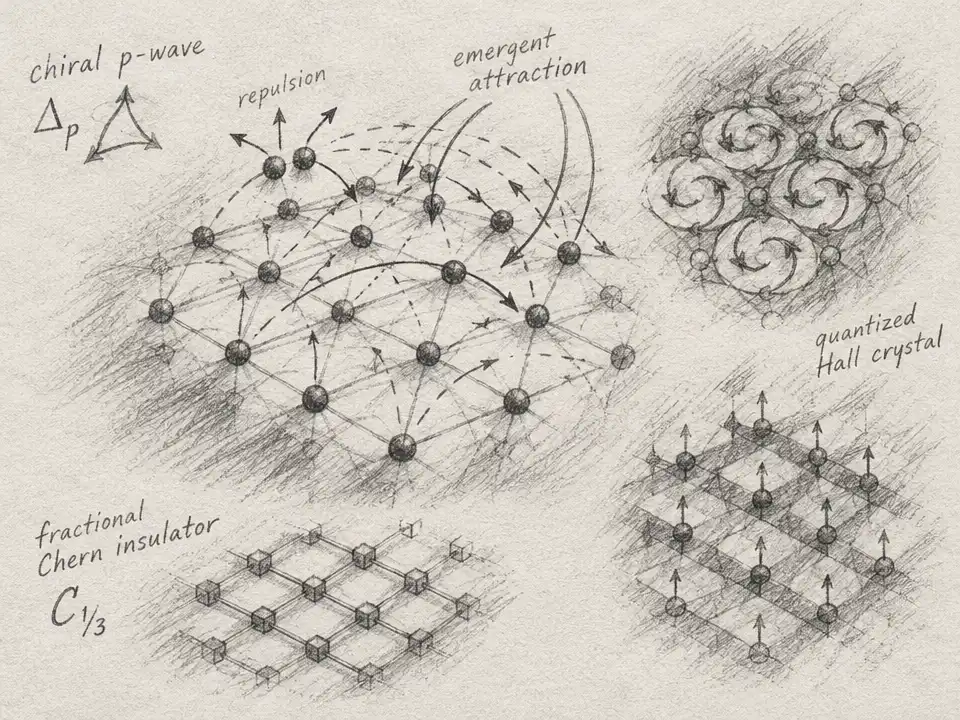
A topological-lattice model turns electron repulsion into longer-range attraction, linking chiral superconductivity to a quantized Hall crystal.
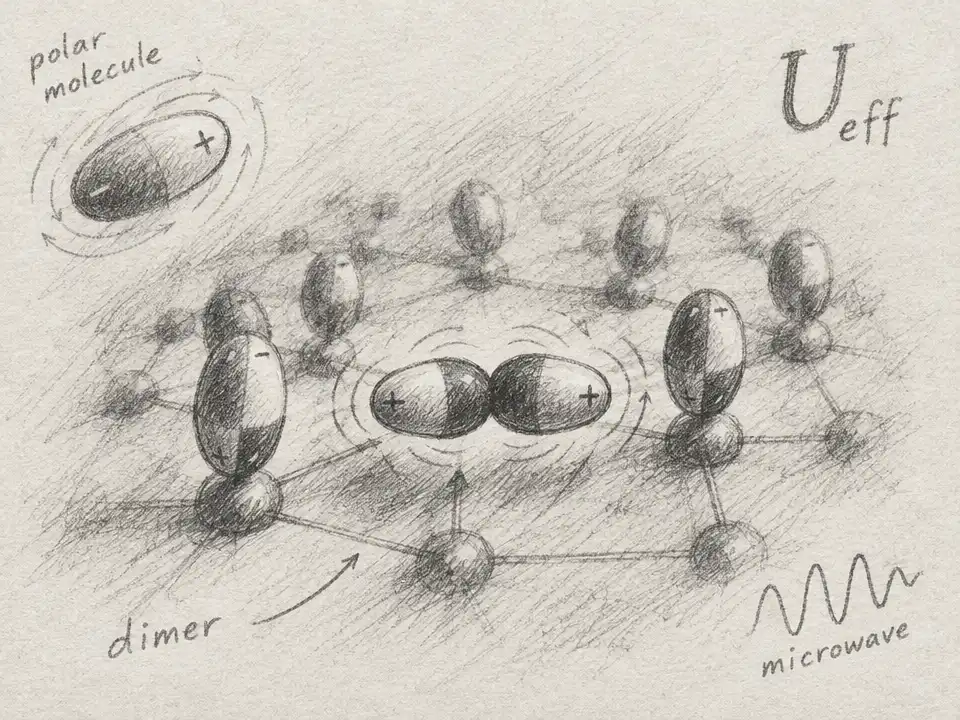
A proposed molecular dimer could restore tunable on-site interactions in polar-molecule lattices—if it lives long enough.
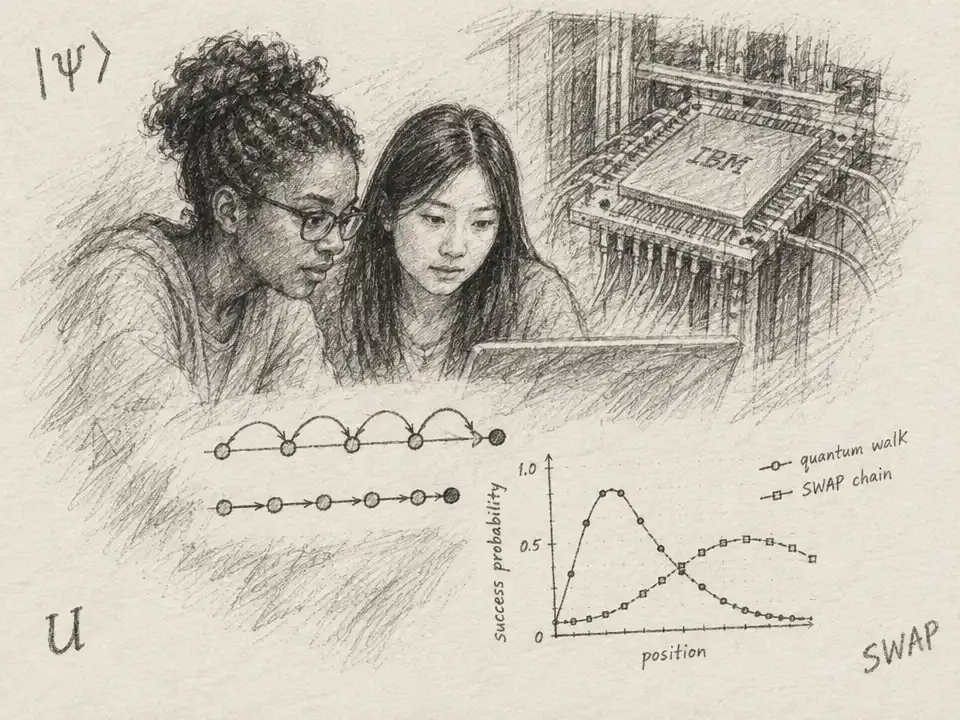
A quantum walk promised perfect state transfer, but IBM hardware often favored a simple SWAP chain. The experiment reveals why.
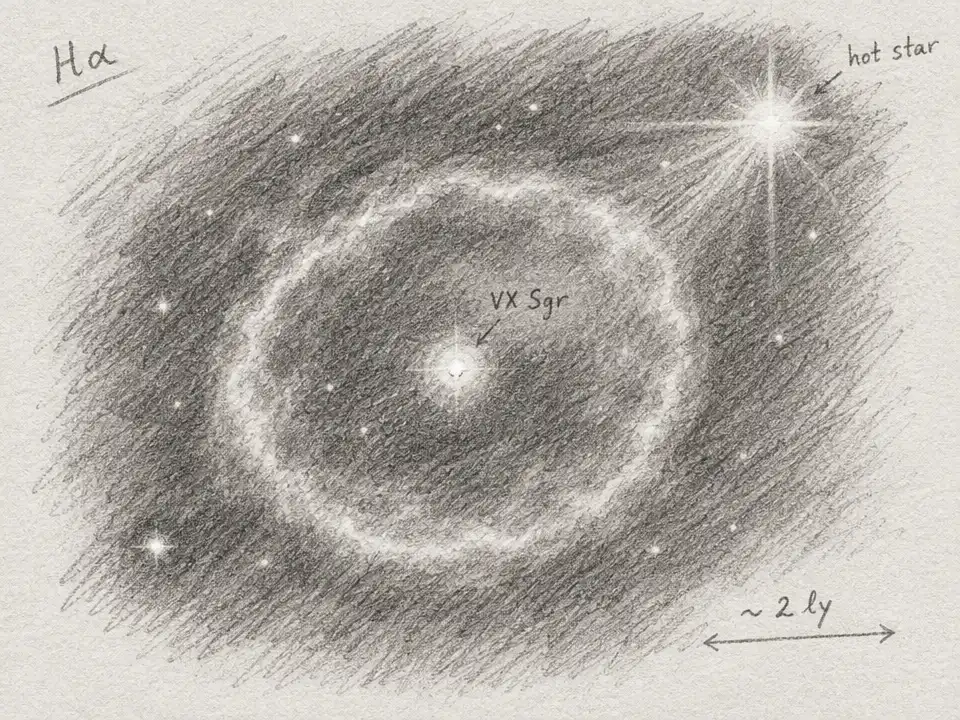
A vast hydrogen arc around VX Sagittarii may record the star’s mass loss—and offer a new test of its disputed identity.
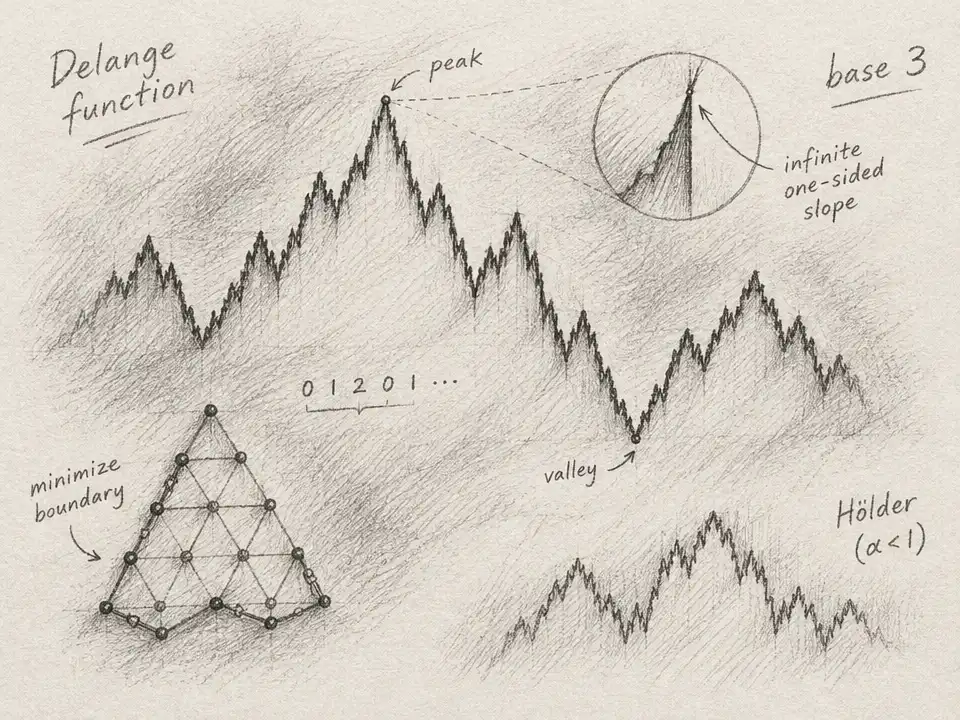
A new analysis of the base-three Delange function reveals how ternary digits encode its dense peaks, valleys and infinite slopes.
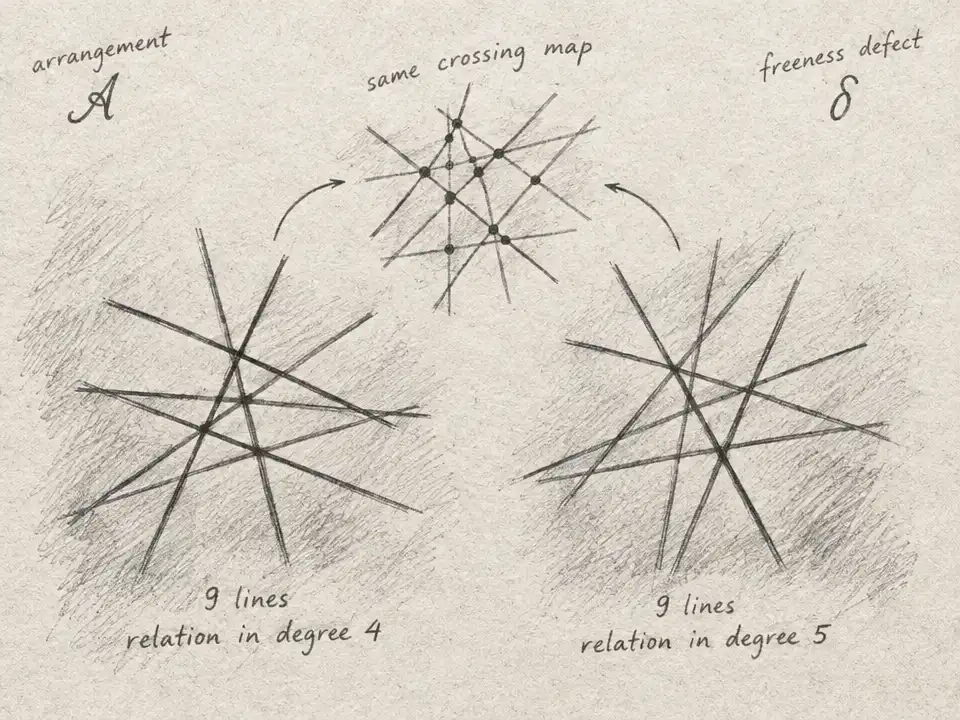
Two nine-line arrangements share every intersection pattern, yet hide different algebraic relations—while a related measure stays predictable.
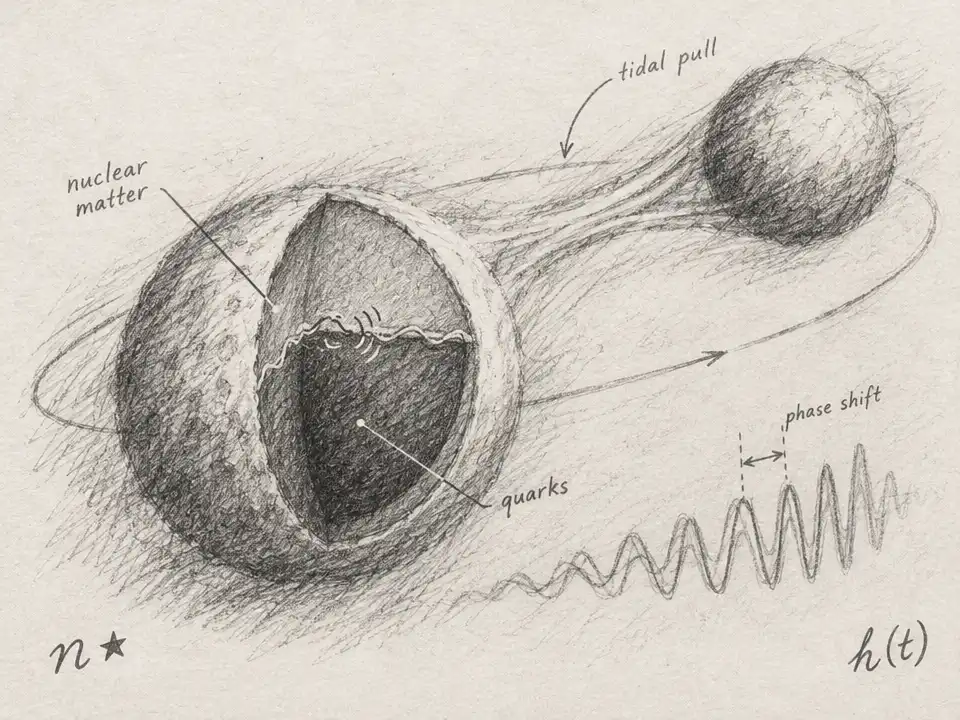
A neutron star’s hidden core may reveal itself through a vibration that nudges its orbit and leaves a subtle gravitational-wave clue.
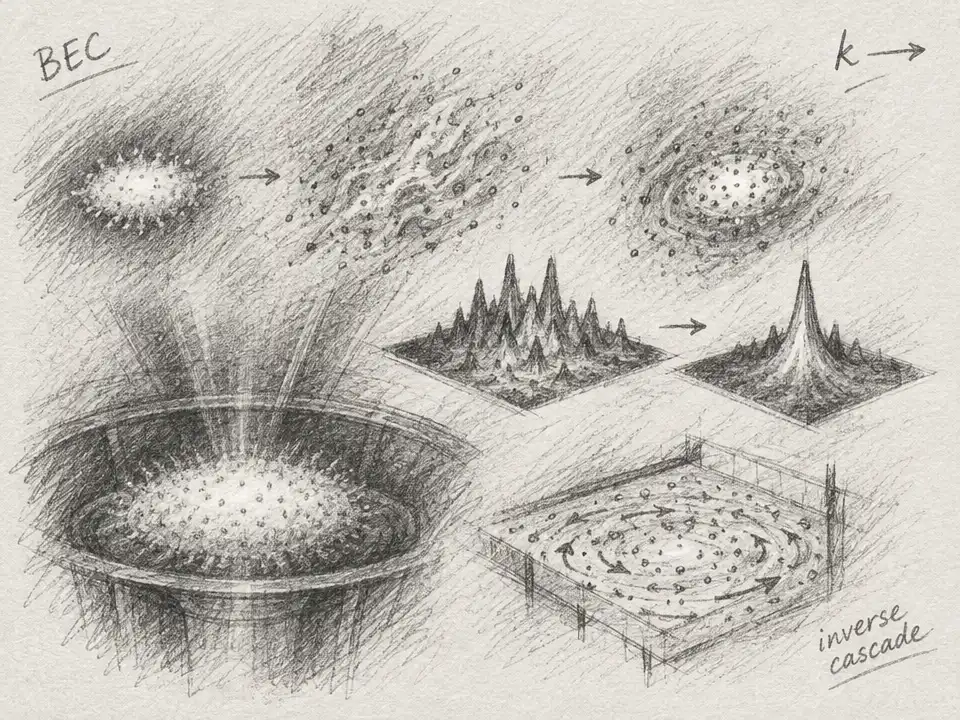
After turbulence depleted a rubidium condensate, researchers watched low-momentum modes refill—and found a related inverse cascade in another quantum gas.
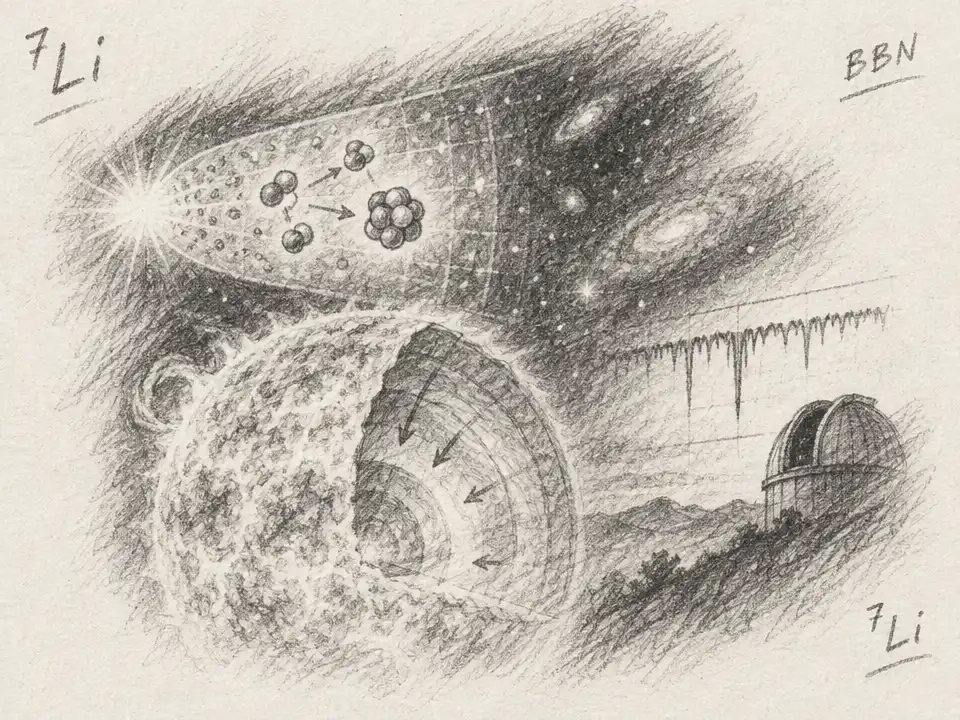
Ancient stars contain less lithium than the Big Bang predicts. Stellar mixing, nuclear reactions and new cosmologies offer competing clues.
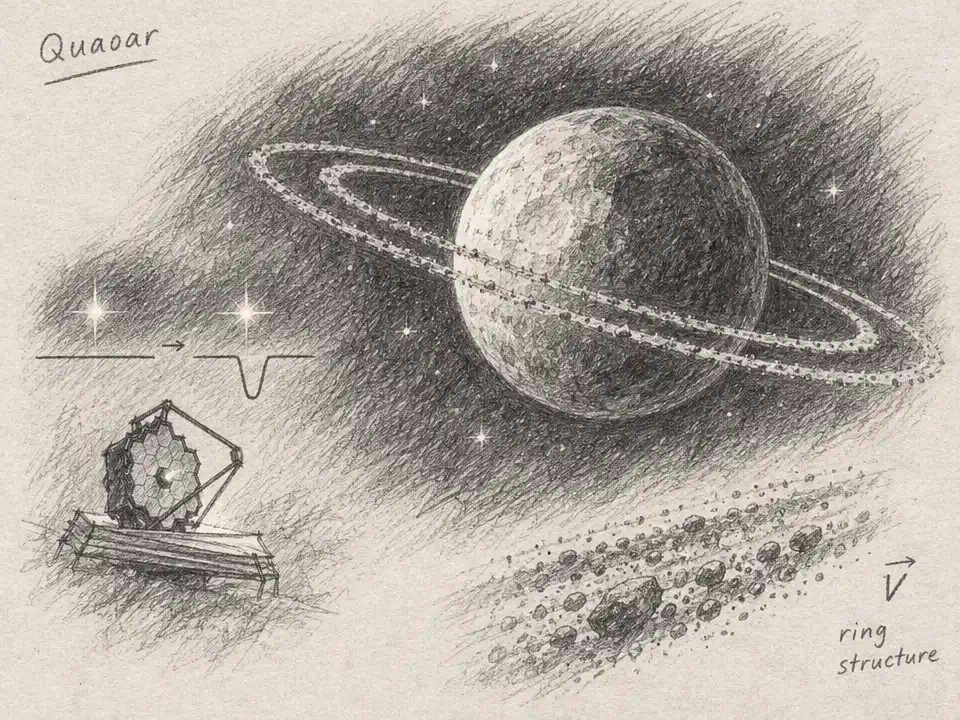
Quaoar’s two rings orbit where they should become moons. Occultations and a new model offer clues to how they resist clumping.
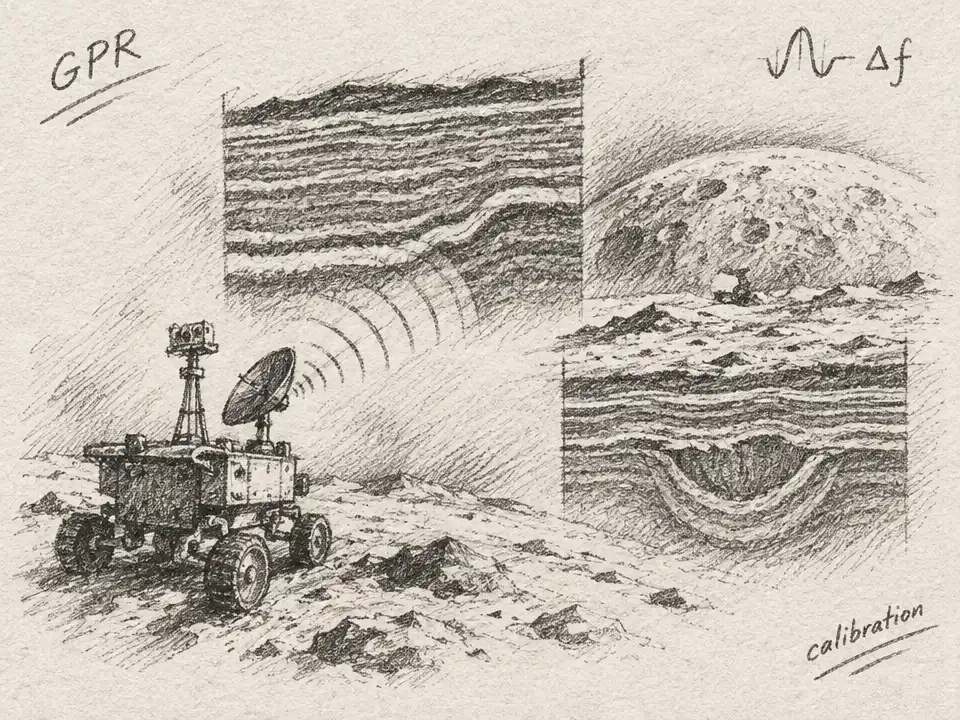
A rover radar’s apparent lunar layers also appeared in Earth tests. A later Moon mission shows how calibration can separate signal from geology.
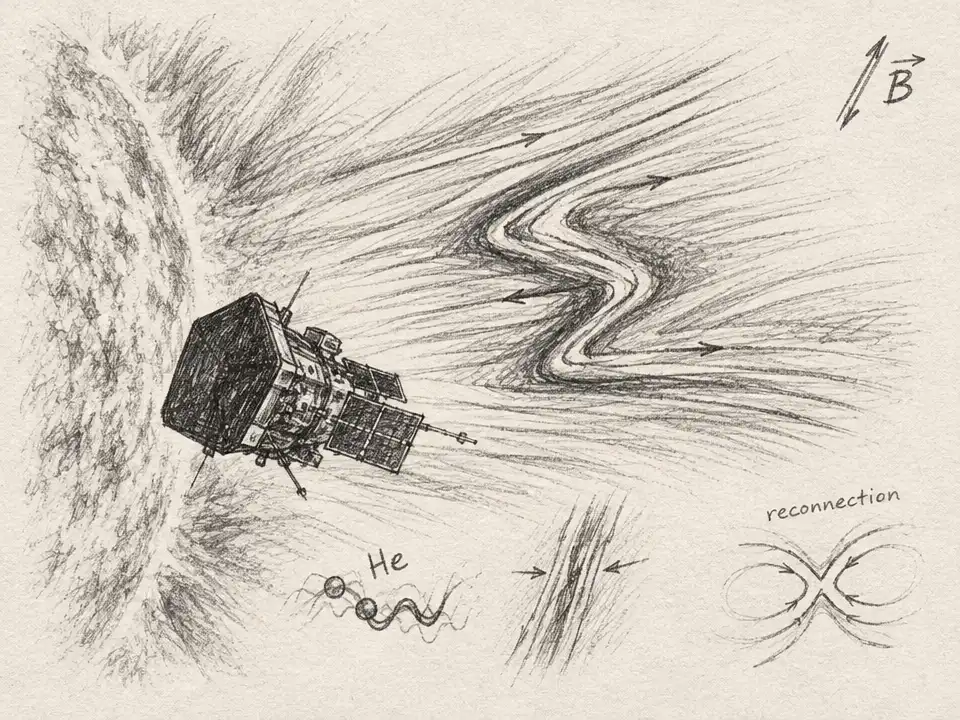
Parker Solar Probe found magnetic reversals in the solar wind. Researchers are tracing whether they form near the Sun or farther out.
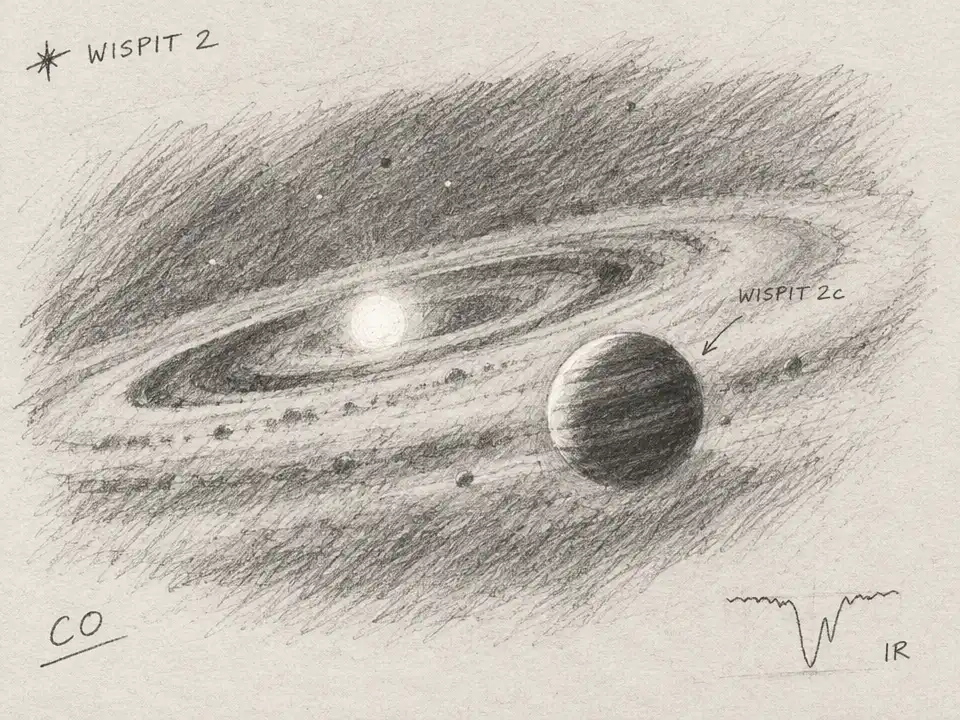
A once-ambiguous red spot near WISPIT 2 now appears to be a second giant planet, revealing how astronomers test worlds in their birth disks.