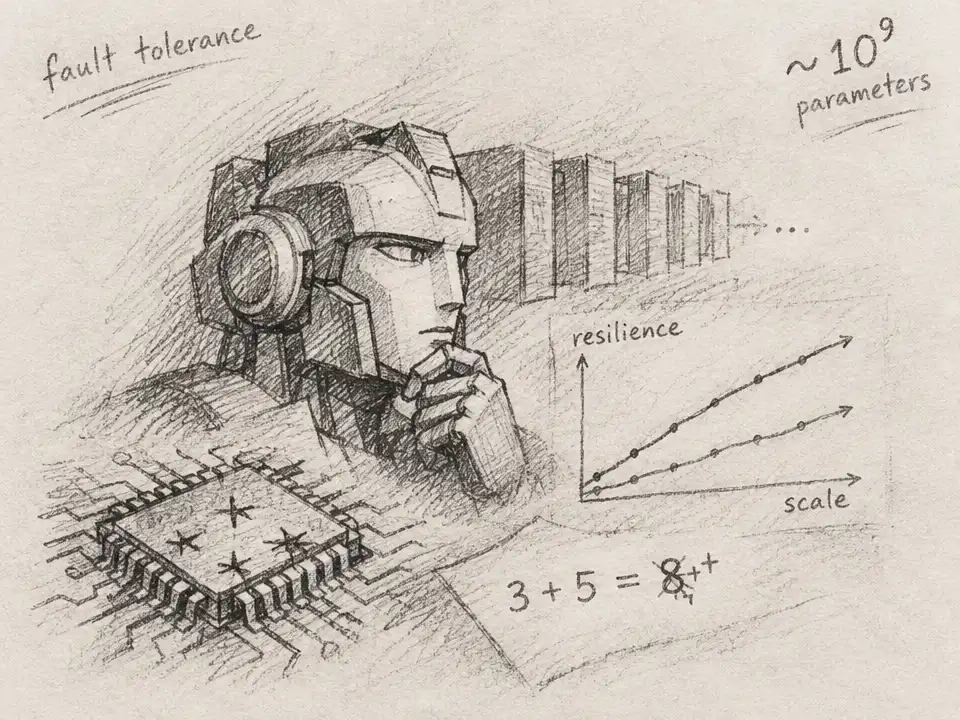
Why Did a Larger AI Get Better at Surviving Broken Arithmetic?
Researchers found that language models trained amid simulated arithmetic faults grew more resilient, but proof on real chips is still missing.
Researchers found that language models trained amid simulated arithmetic faults grew more resilient, but proof on real chips is still missing.
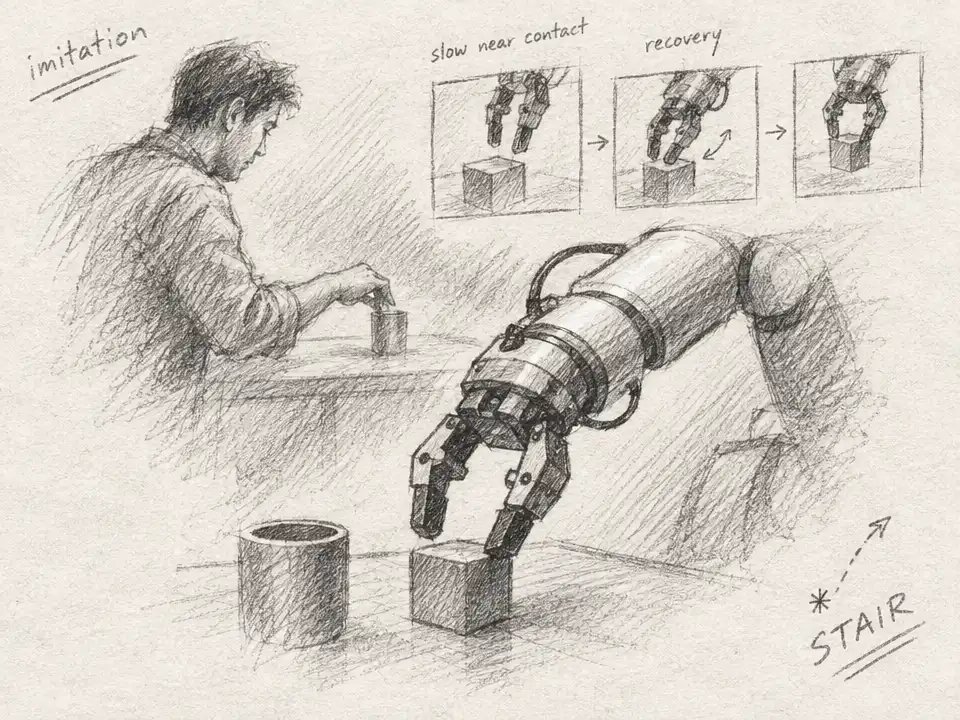
A smooth robot demonstration can hide the crucial correction. New research finds why showing recovery may teach machines to align better.
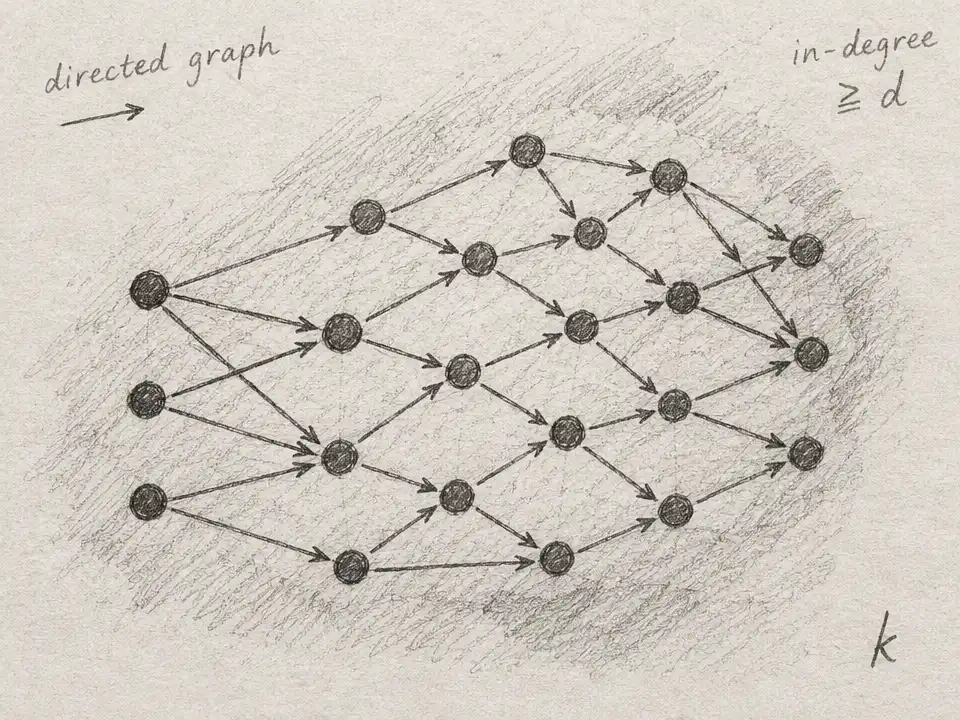
A directed-graph puzzle reveals why one more step can make a tiny set reach every node—and why the two-step version remains open.
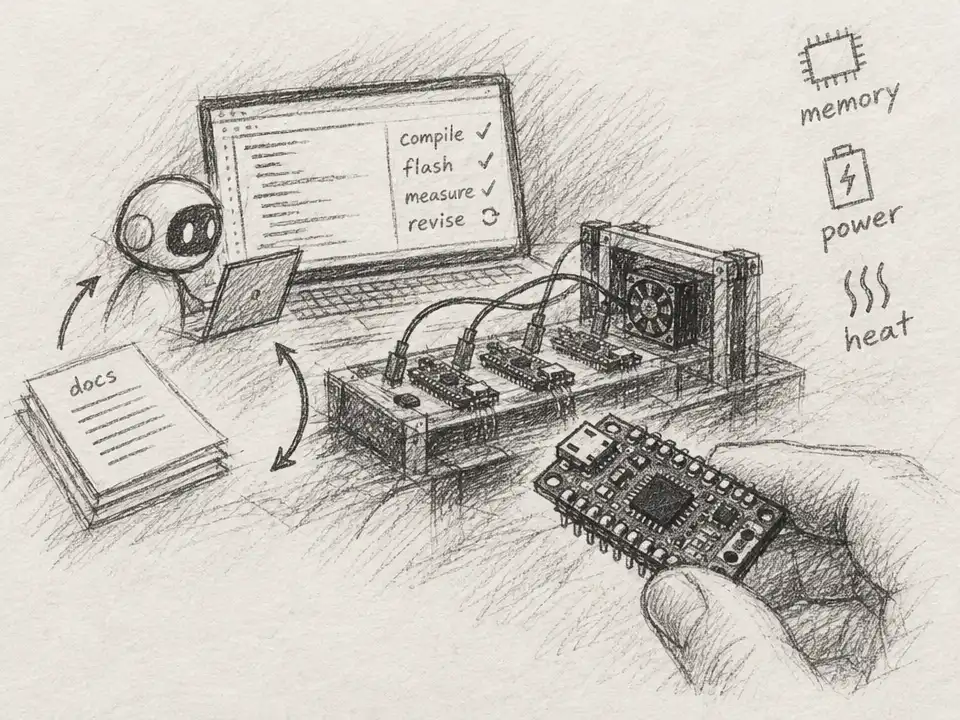
On tiny microcontrollers, compiling code is not proof it will work. Real measurements gave optimization agents clues static instructions could not.
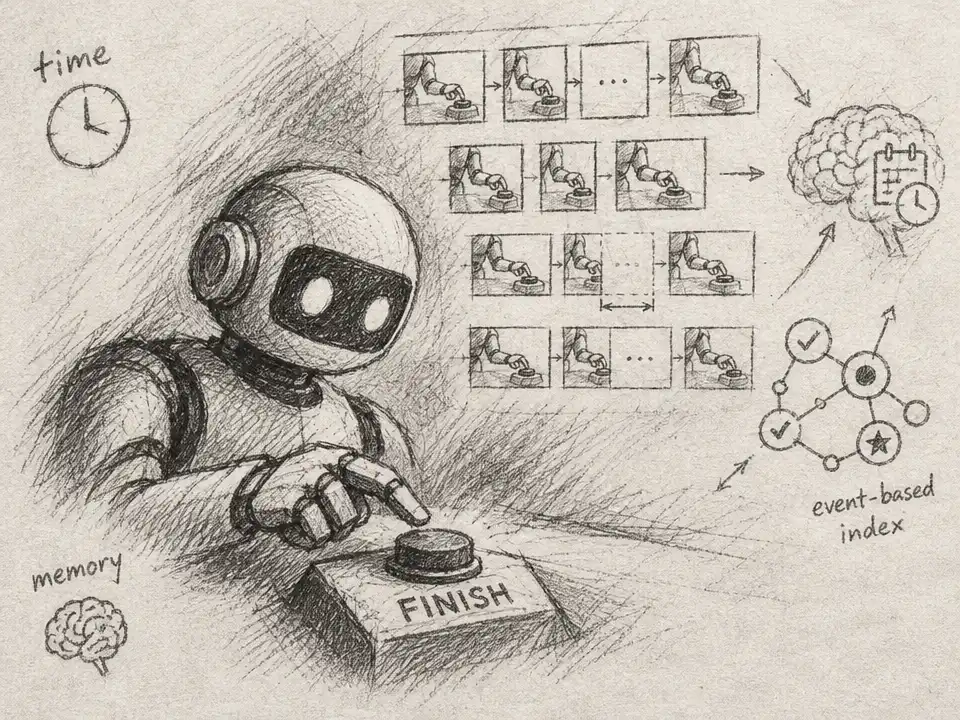
Harmless pauses made a robot stop counting early, exposing a memory shortcut that confused elapsed time with real progress.
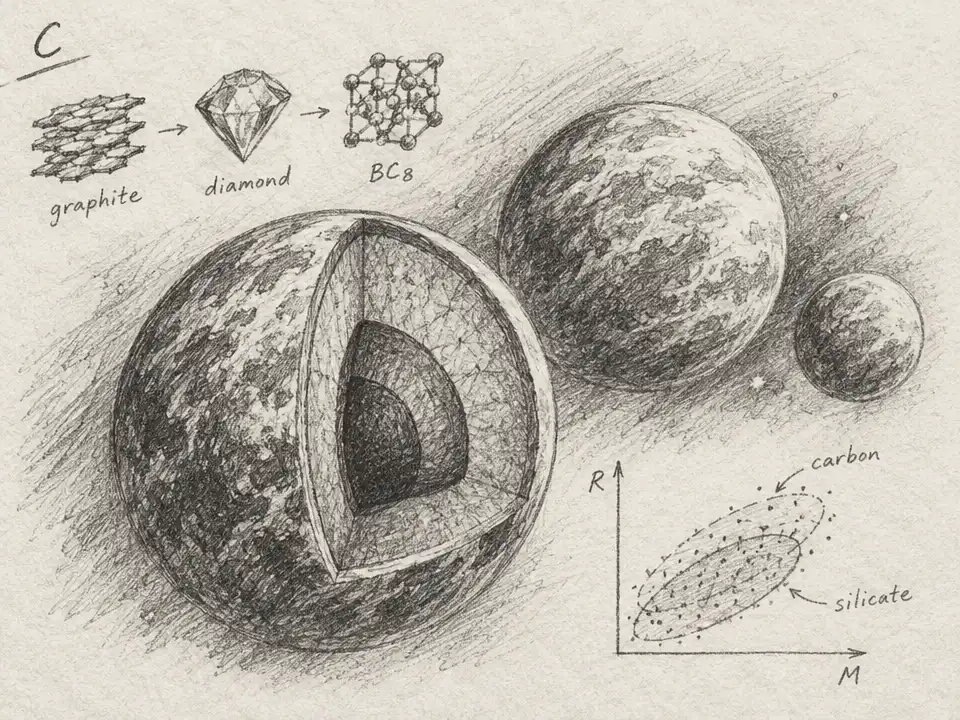
New models trace carbon planets from graphite to diamond—and reveal why their size may still be hard to distinguish from ordinary rocky worlds.
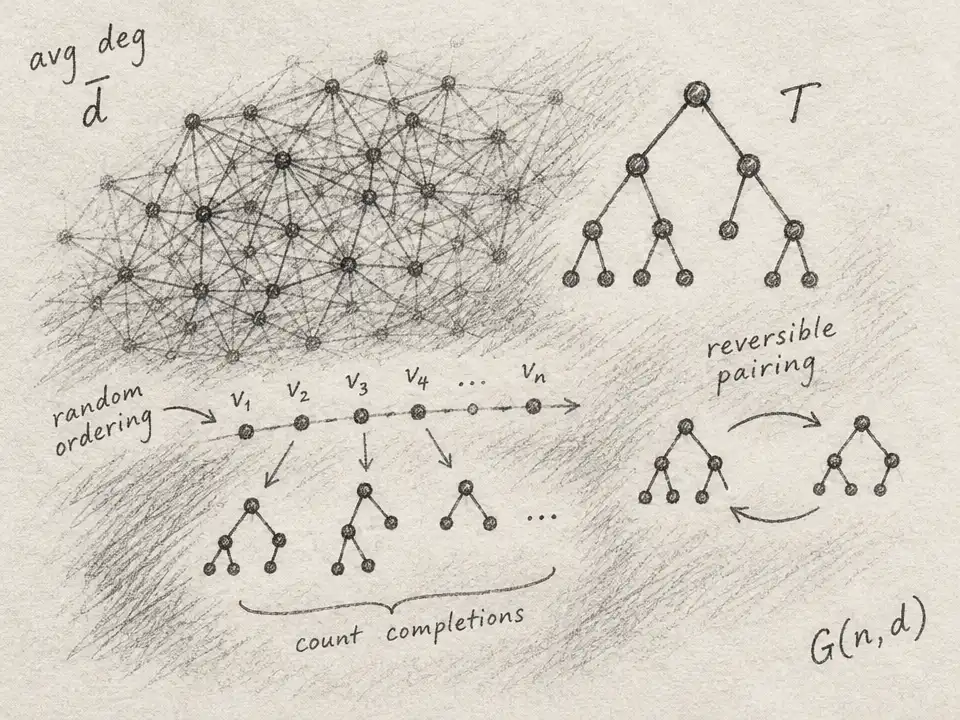
A six-decade graph theory puzzle gets an elegant answer: random vertex orderings show when average density must contain every tree.
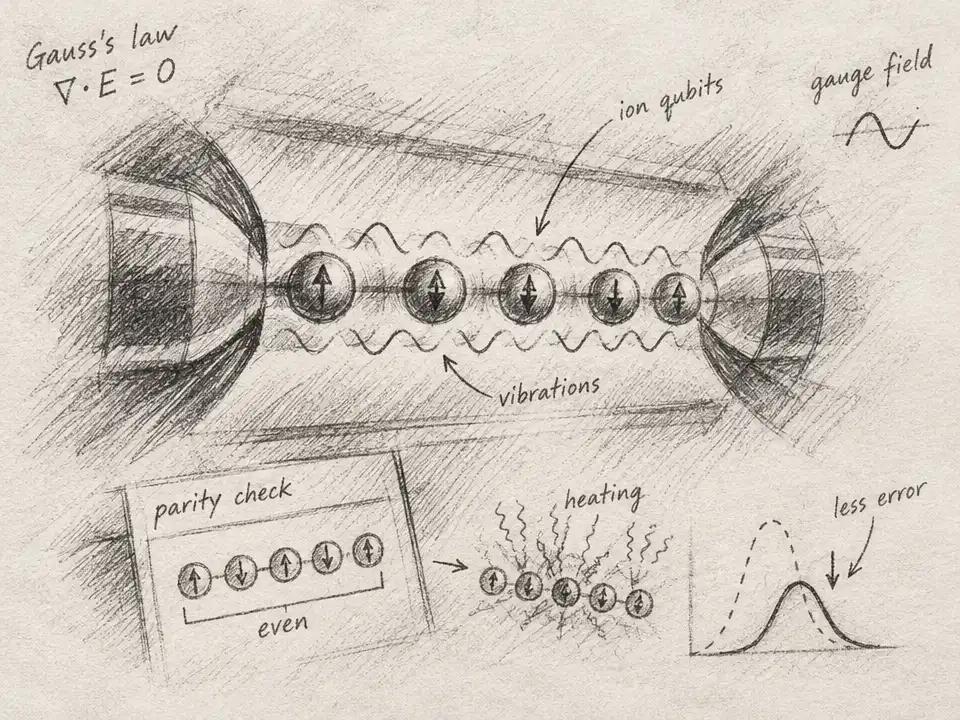
A trapped-ion simulation may use Gauss’s law to spot heating-damaged runs, but missed event pairs and unequal rates leave a residue.
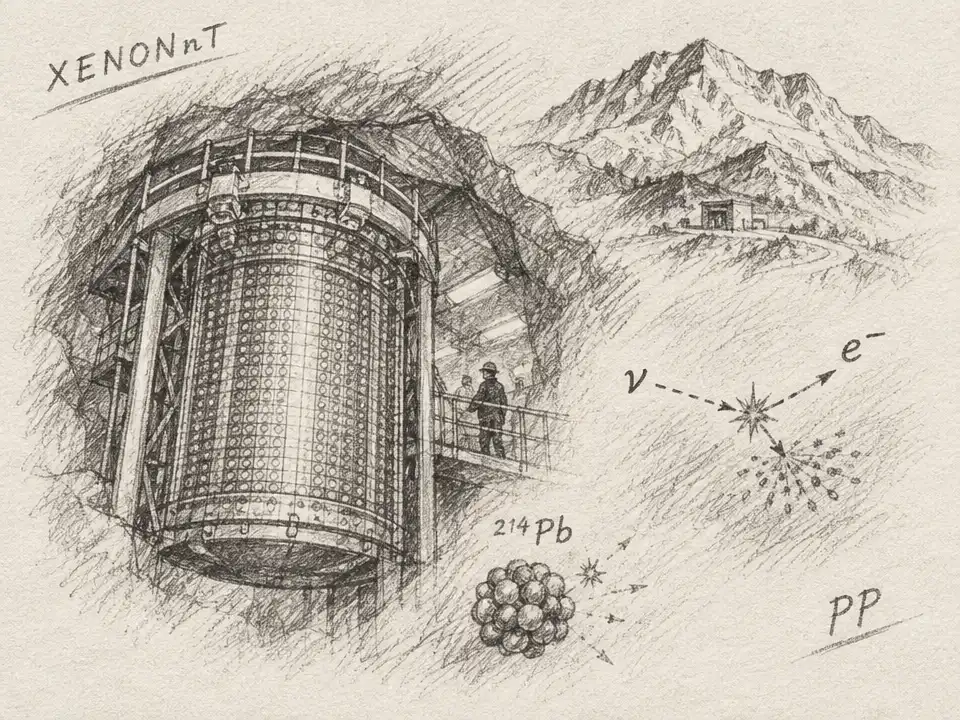
A dark-matter detector separates solar neutrinos from radioactive noise, opening a new low-energy window while exposing the limits of the signal.
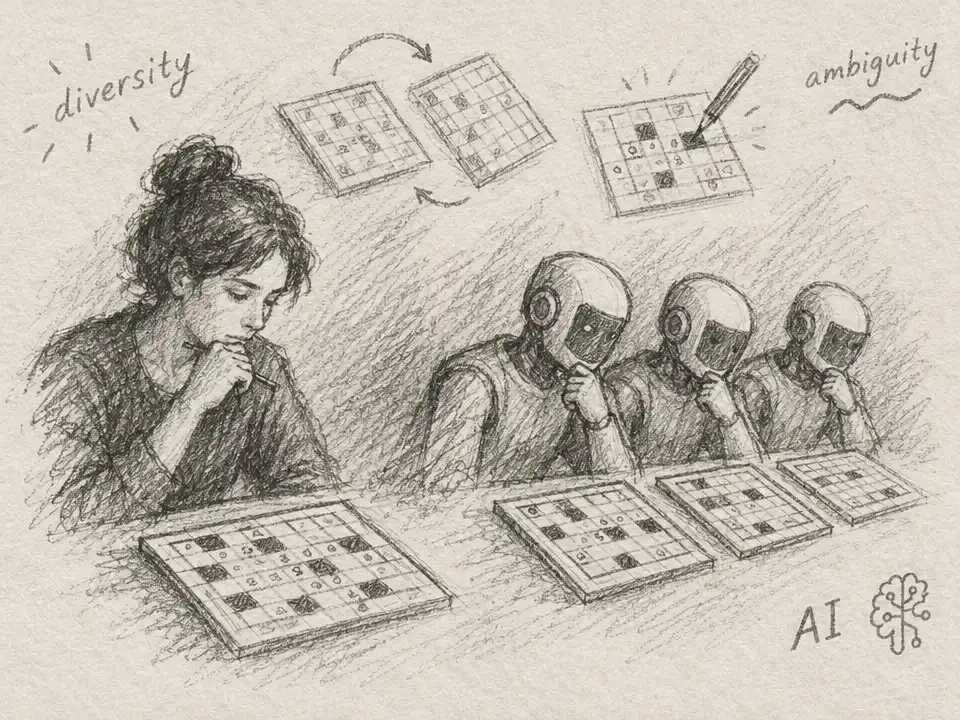
In 270 multi-answer puzzles, humans spread choices more widely than AI models, revealing what accuracy scores miss—and what they can’t explain.
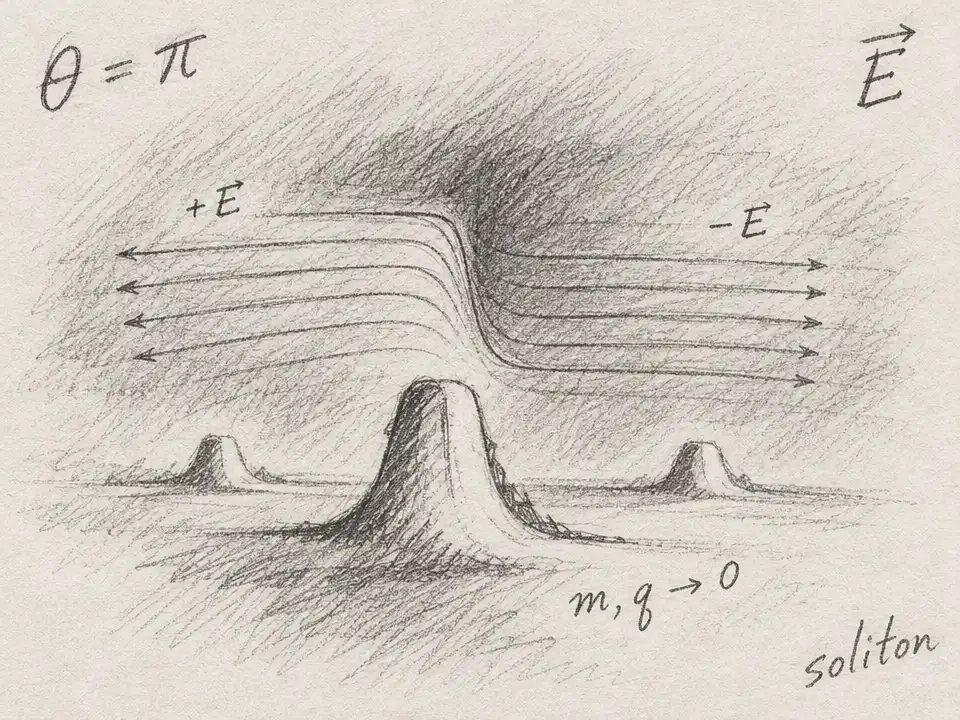
A 50-year-old puzzle in a one-dimensional quantum world reveals why a charge can fade toward zero without triggering confinement.
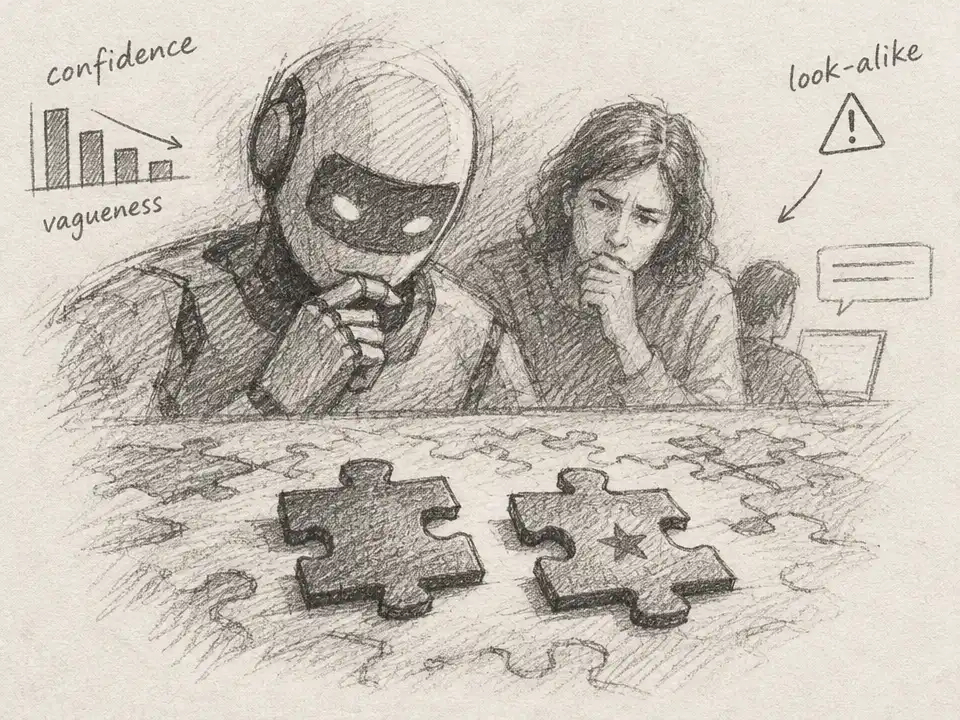
A collaborative puzzle reveals why AI confidence can miss look-alike objects—and why a poorly targeted warning may mislead its human partner.
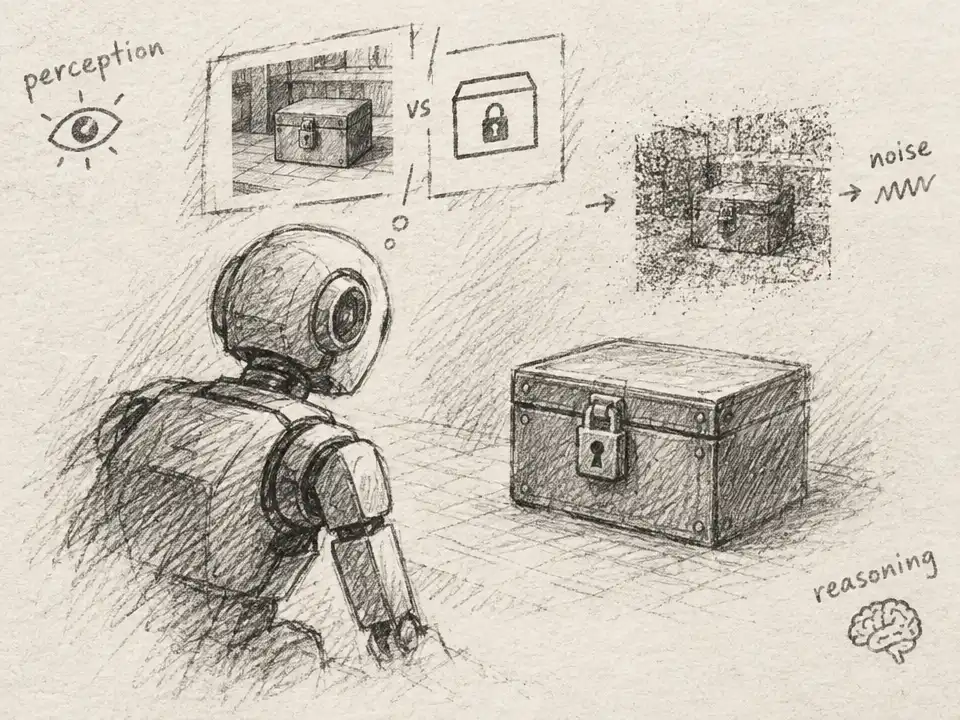
A robot solved a mechanical puzzle more efficiently with ordinary images than perfect state data, exposing a surprising link between noise and reasoning.
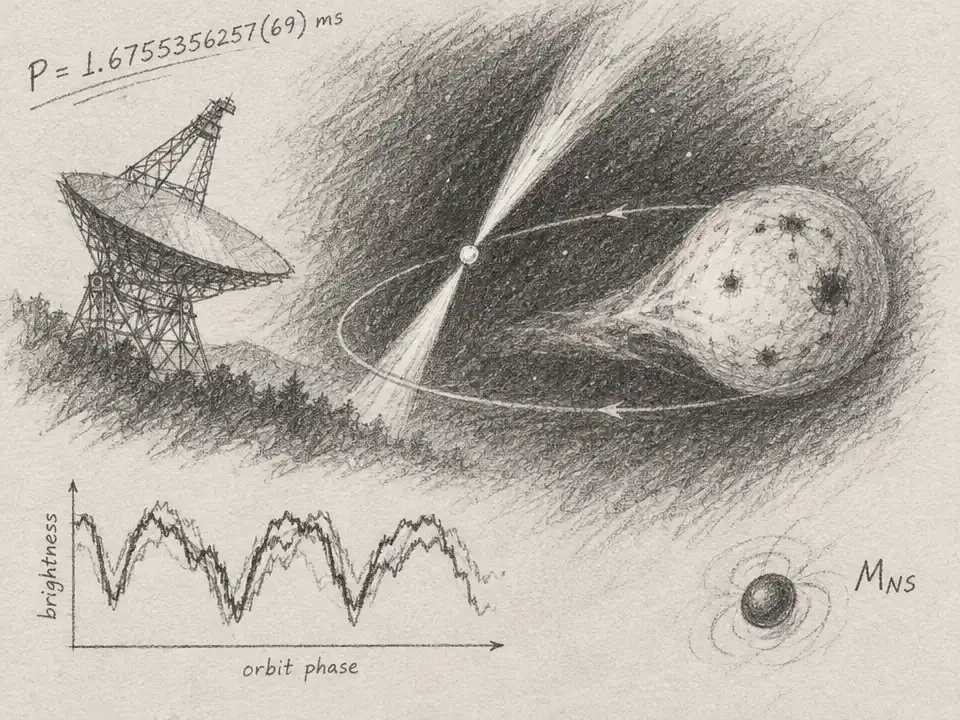
A confirmed millisecond pulsar has a companion whose changing light curve resists simple explanations and complicates its neutron-star mass estimate.
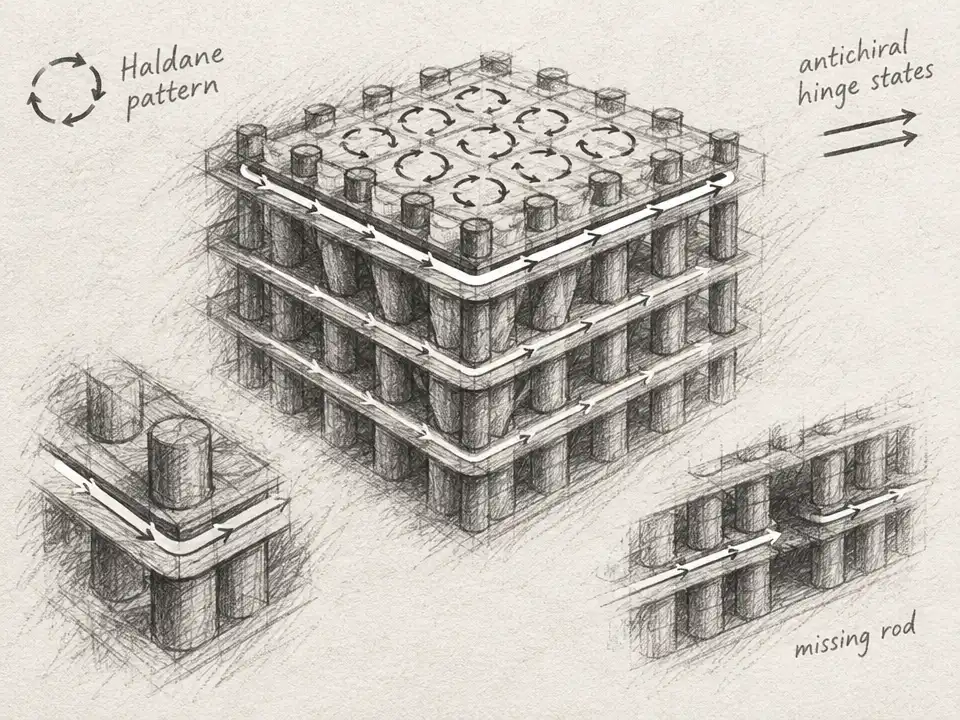
A 3D microwave crystal sends topological waves the same way along parallel hinges, surviving tests with a corner and missing rod.
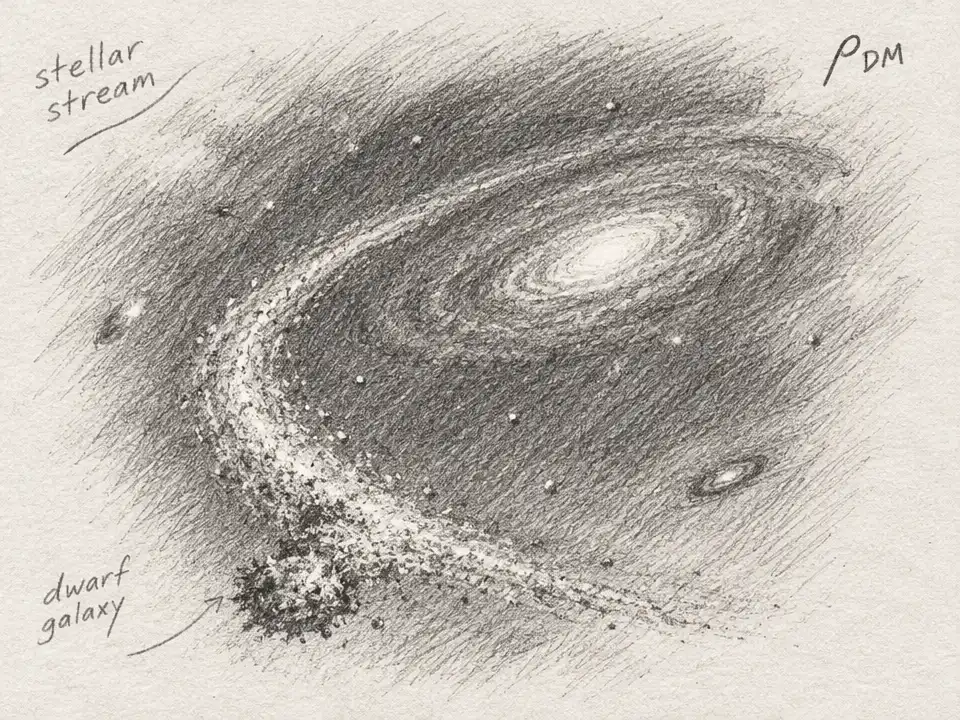
A new geometric test could use the curves of shredded star streams to tell whether dark matter halos are round or triaxial.
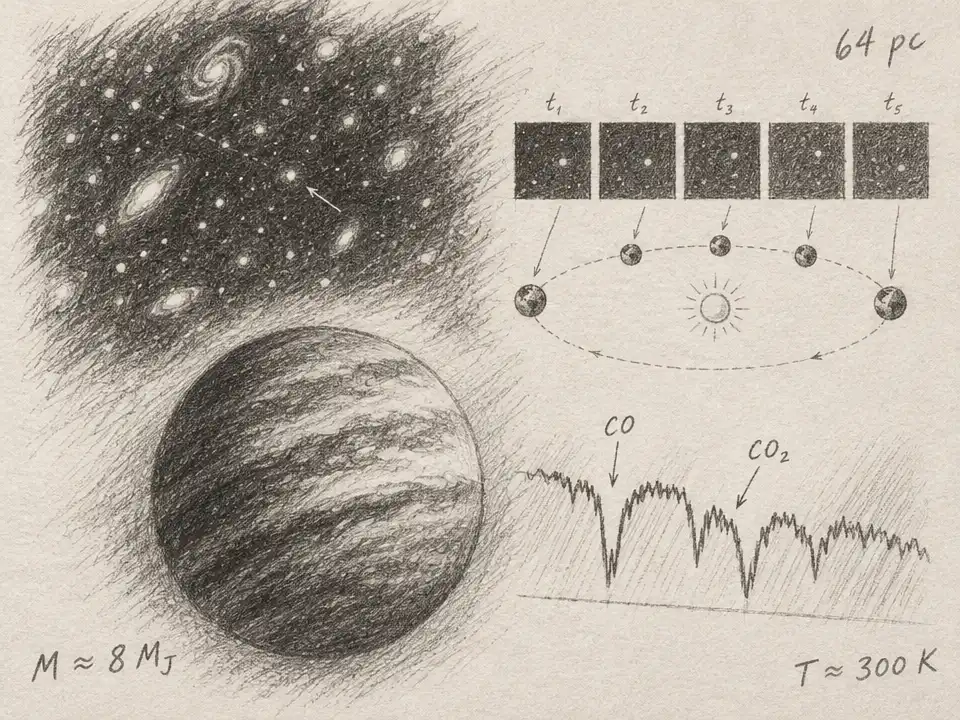
A red speck in JWST’s deep galaxy survey proved to be a nearby, planet-mass Y dwarf—with an atmosphere current models struggle to explain.
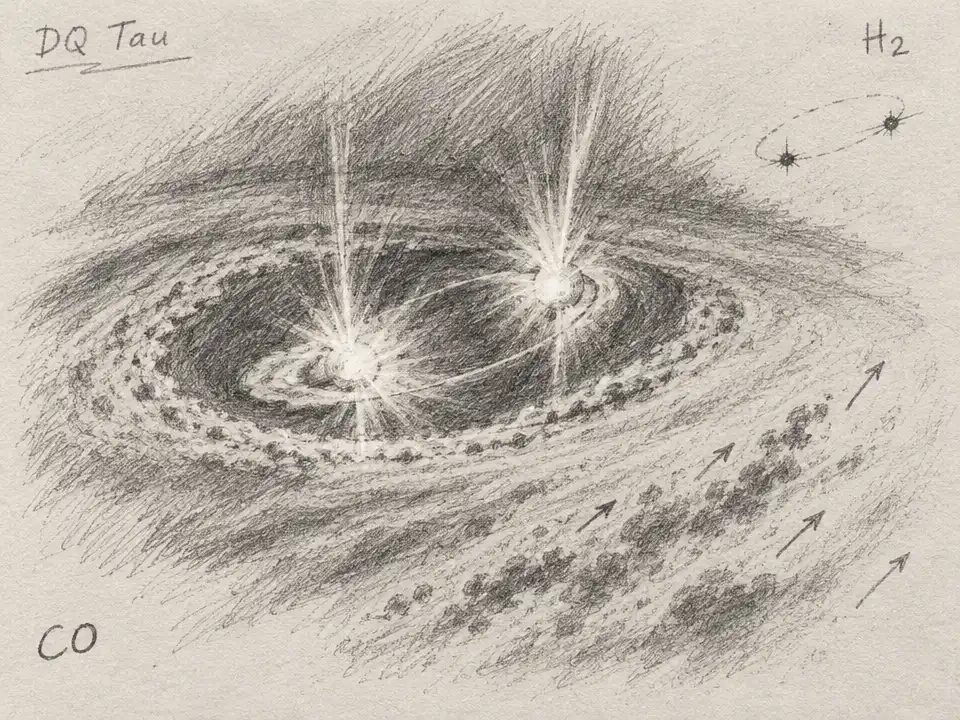
JWST and ground-based spectra reveal why DQ Tau’s hot molecular gas may retreat between stellar feeding bursts—and what remains unexplained.
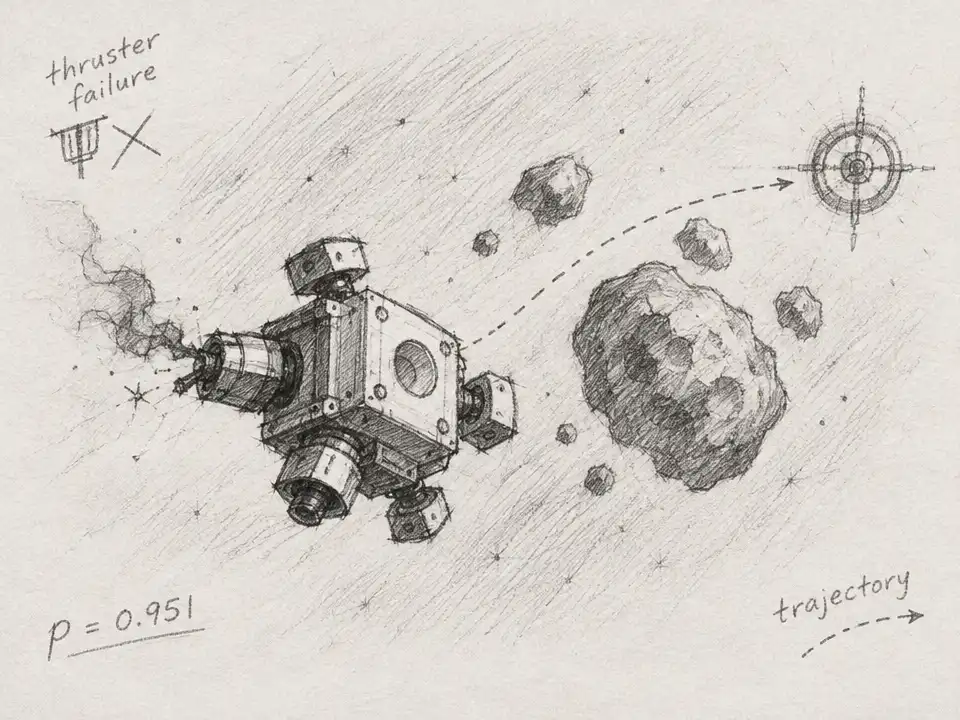
A space robot might reach its target even after losing every thruster—if its route is planned around the right moment to coast.
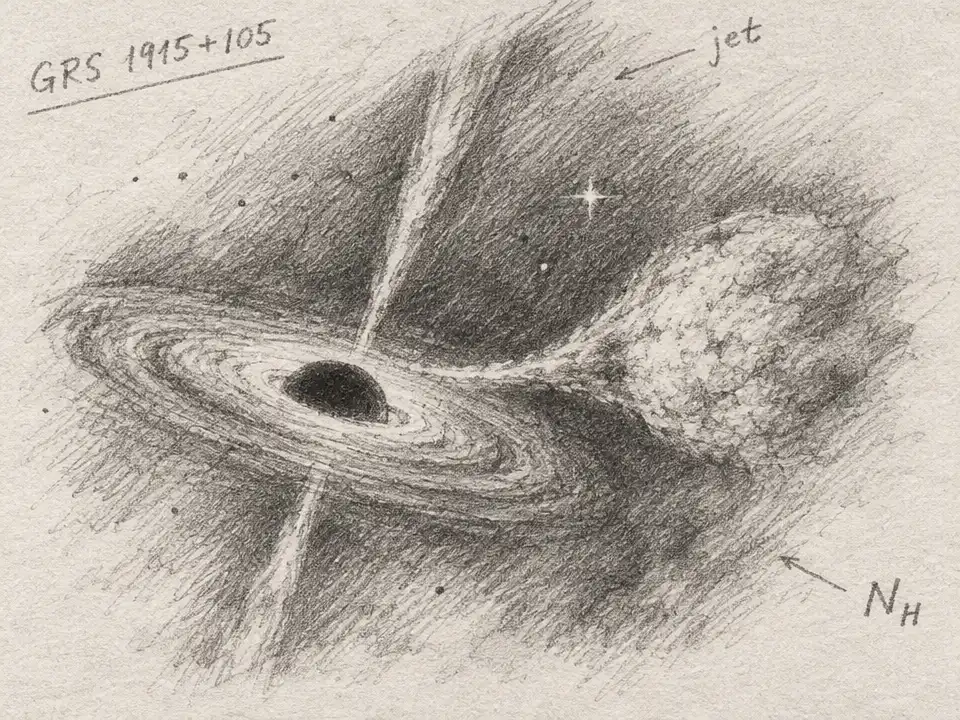
A decades-long black-hole outburst is fading, but thick gas hides its X-rays. Radio clues suggest quiescence—not a settled verdict.