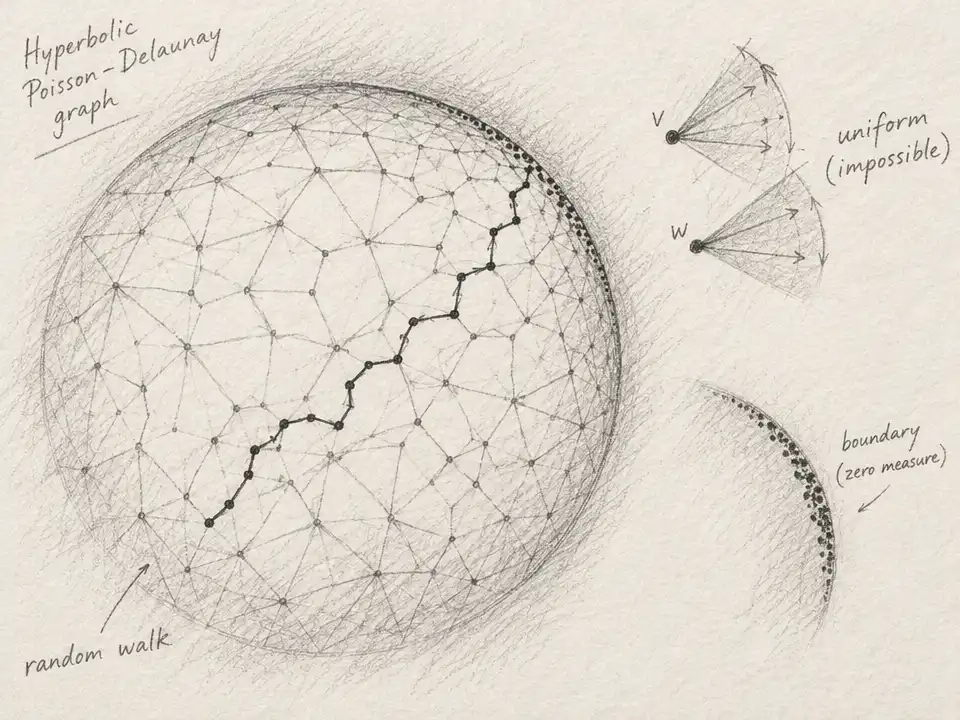
A Random Walk’s Endpoint Hides on a Measure-Zero Boundary
On a random hyperbolic tessellation, each walk’s endpoint law hides on a zero-measure set—even though averaging landscapes gives a uniform boundary.
On a random hyperbolic tessellation, each walk’s endpoint law hides on a zero-measure set—even though averaging landscapes gives a uniform boundary.
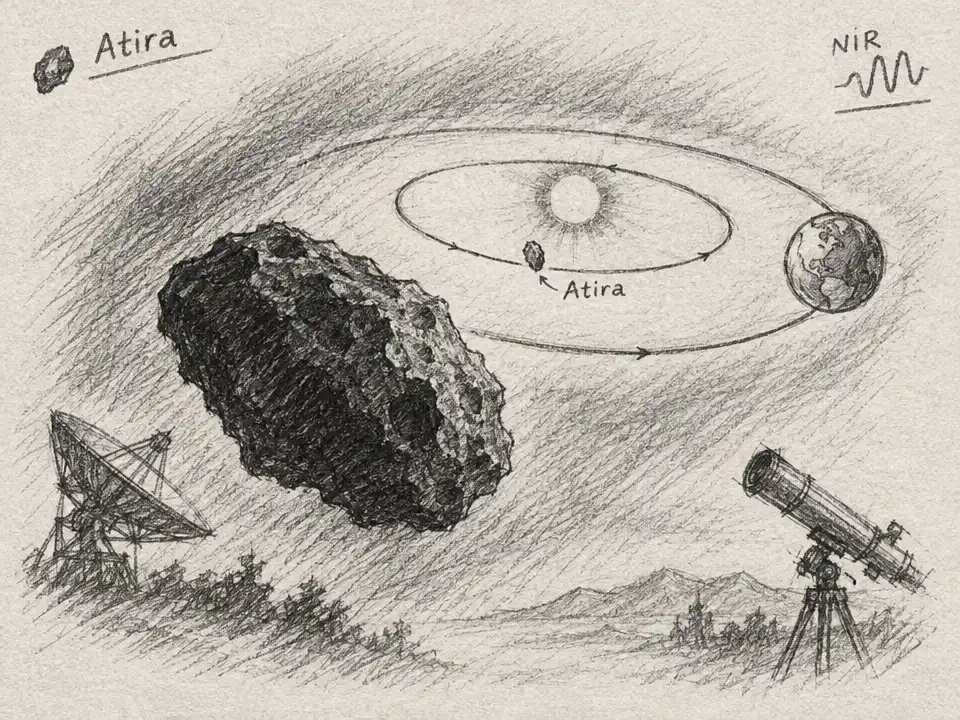
A nearly 5-kilometer asteroid orbiting inside Earth reflects only about 2% of visible light, leaving its birthplace an open question.
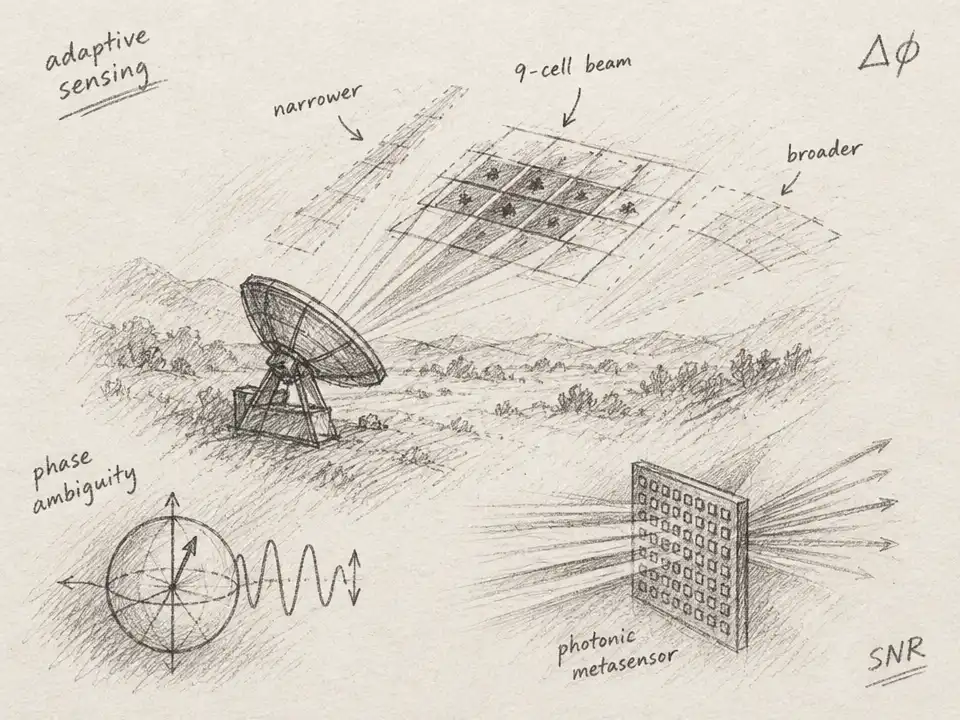
A 16-cell radar puzzle shows why sensor hardware should be designed for the measurements that follow, not just the first signal.
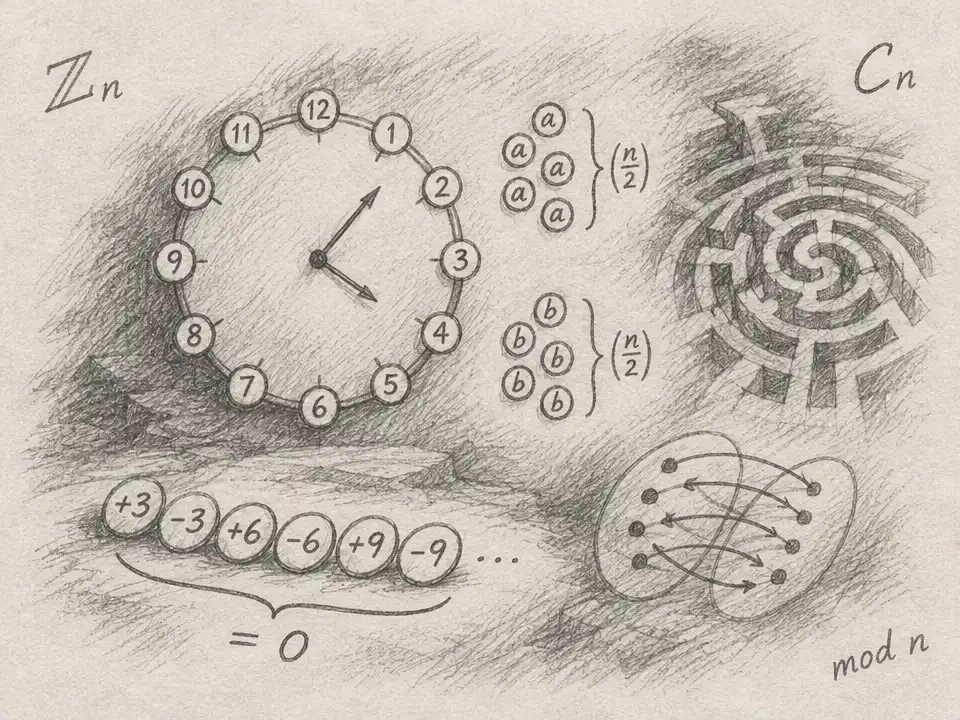
A 1992 conjecture asks how few zero-sum groups can hide in a sequence. A new proof shows two piles are the hardest arrangement to beat.
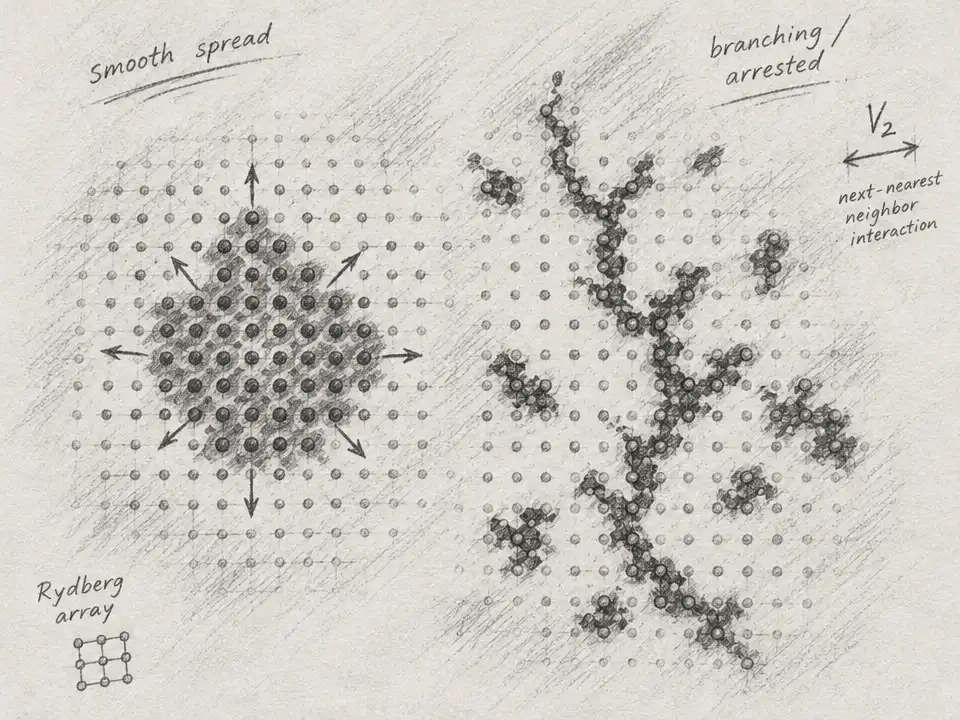
A simulated Rydberg array reveals how a faint next-neighbor interaction can turn smooth quantum excitation into branching, glass-like slush.
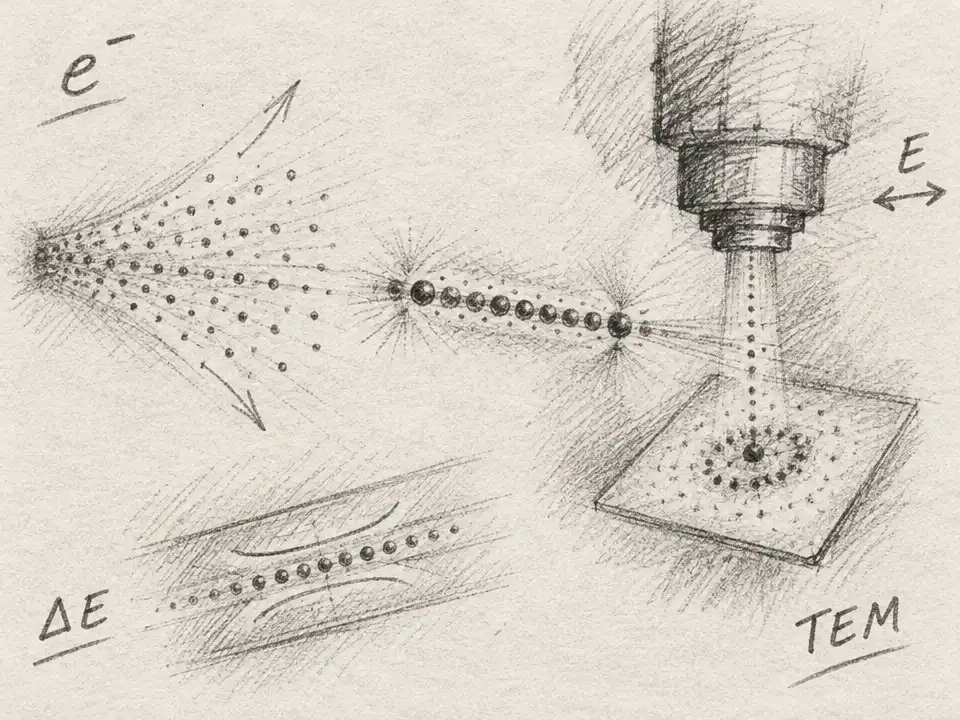
A microscope’s electron pulses seem too fleeting and unconfined to crystallize. New evidence points to a cage made by the electrons themselves.
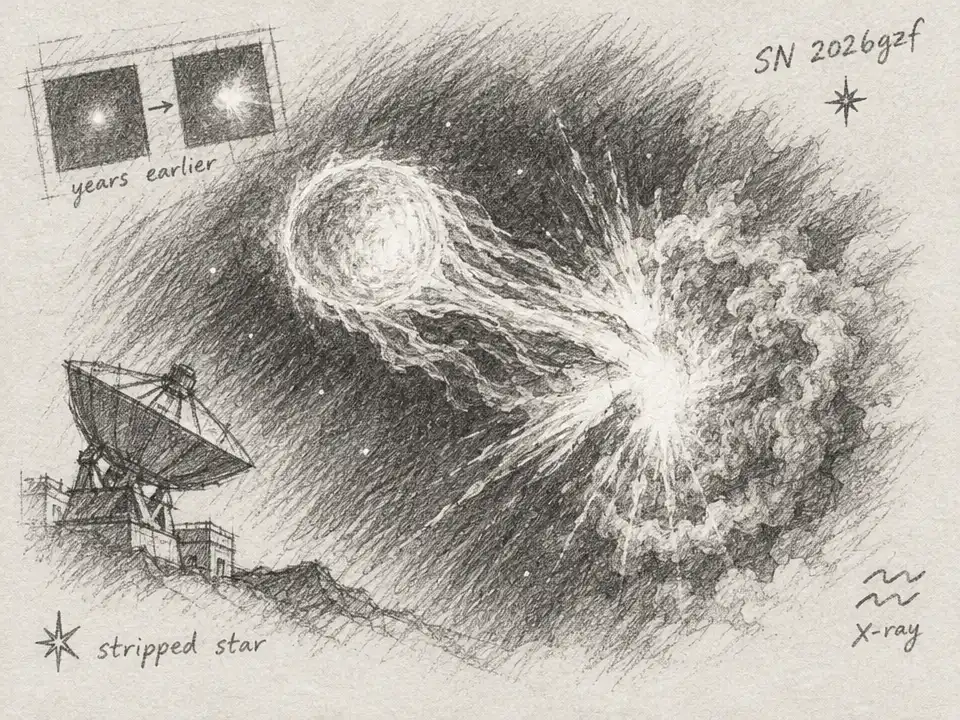
A supernova’s early X-ray flash and years of precursor flares suggest its stripped star shed dense gas before collapse.
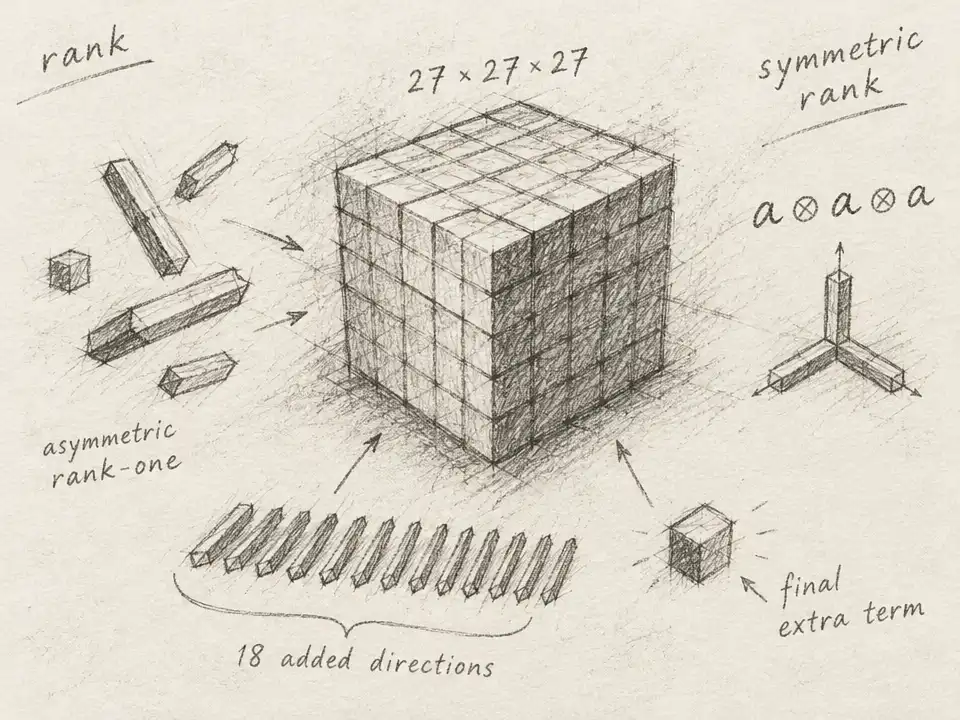
A 27-dimensional tensor exposes a one-term gap between ordinary and symmetric rank, settling a long-running question in multilinear algebra.
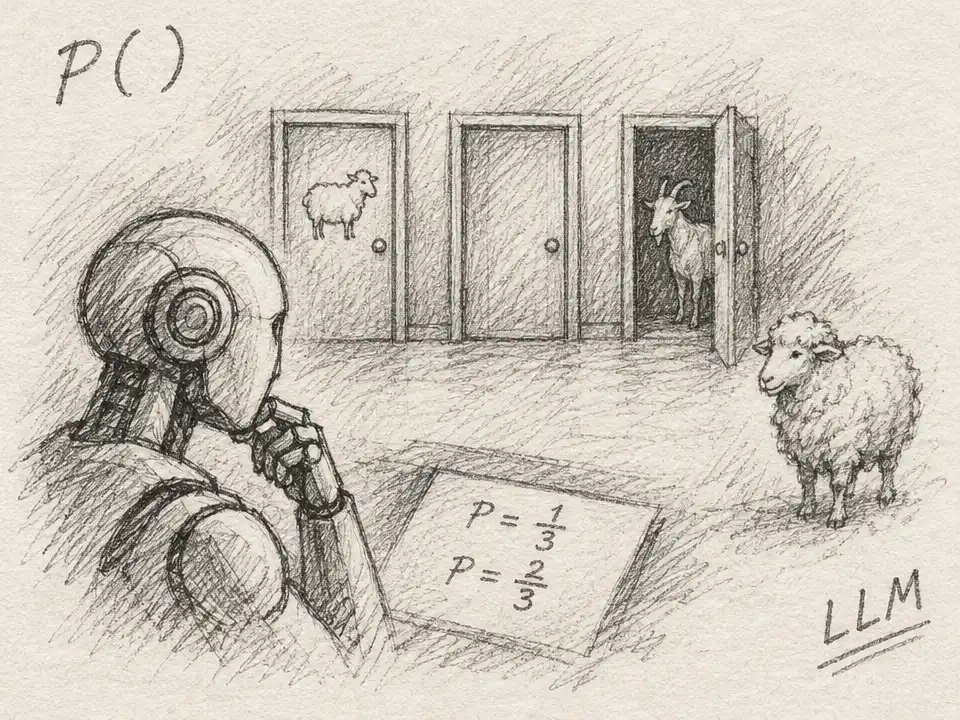
A three-door probability puzzle reveals why language models can ace routine math yet stumble when intuition, wording, or a wrong hint intervenes.
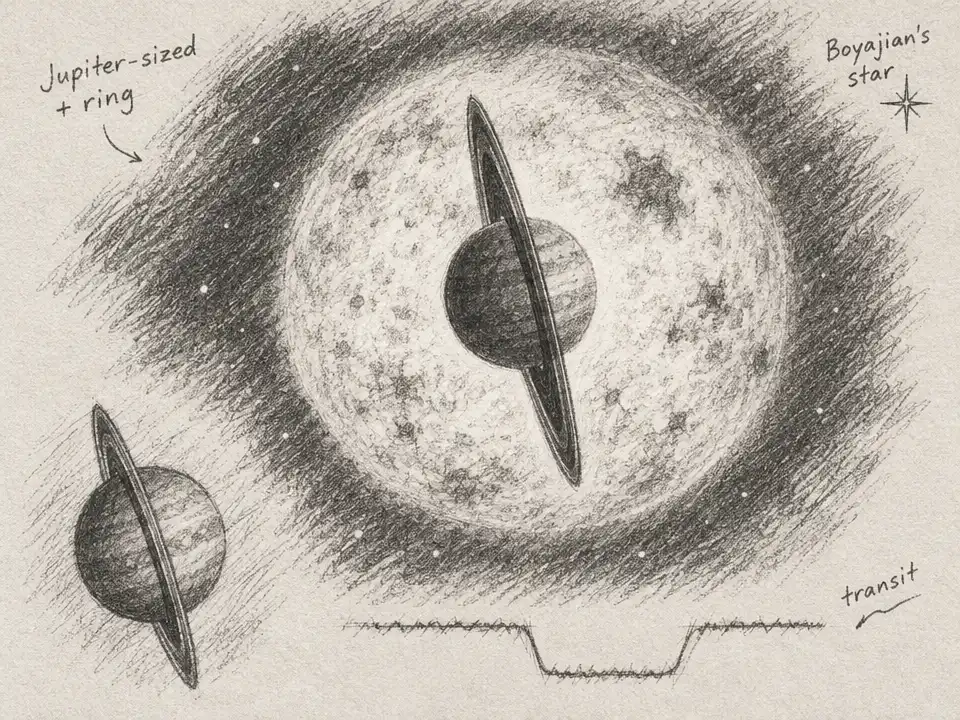
A Jupiter-sized planet may look oversized because a nearly polar ring blocks extra starlight—but one transit leaves the mystery unresolved.
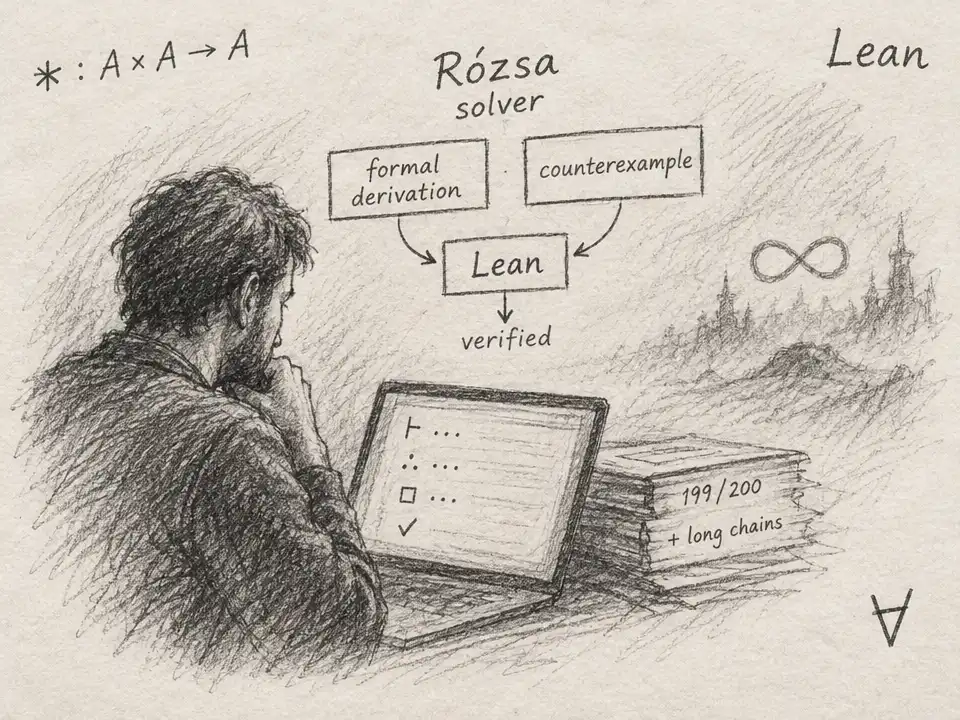
An equation may hide consequences—or admit a counterexample. Meet a proof-search system that checks both paths and reveals where its search stalls.
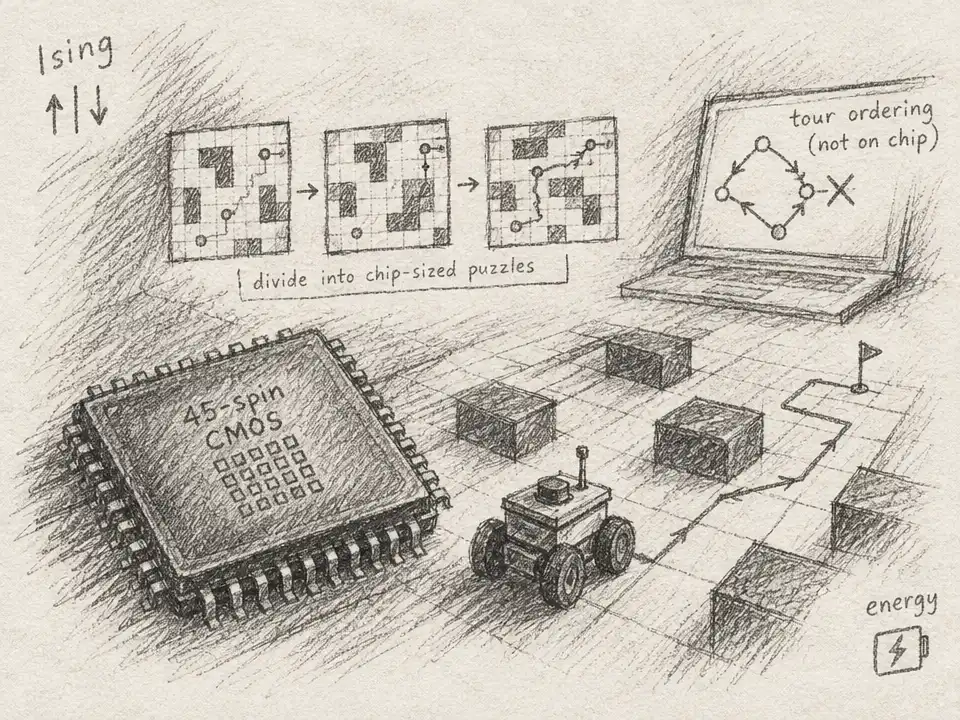
A 45-spin Ising chip found a niche in robot planning—but its biggest route-planning claim comes with a hardware and energy-accounting caveat.
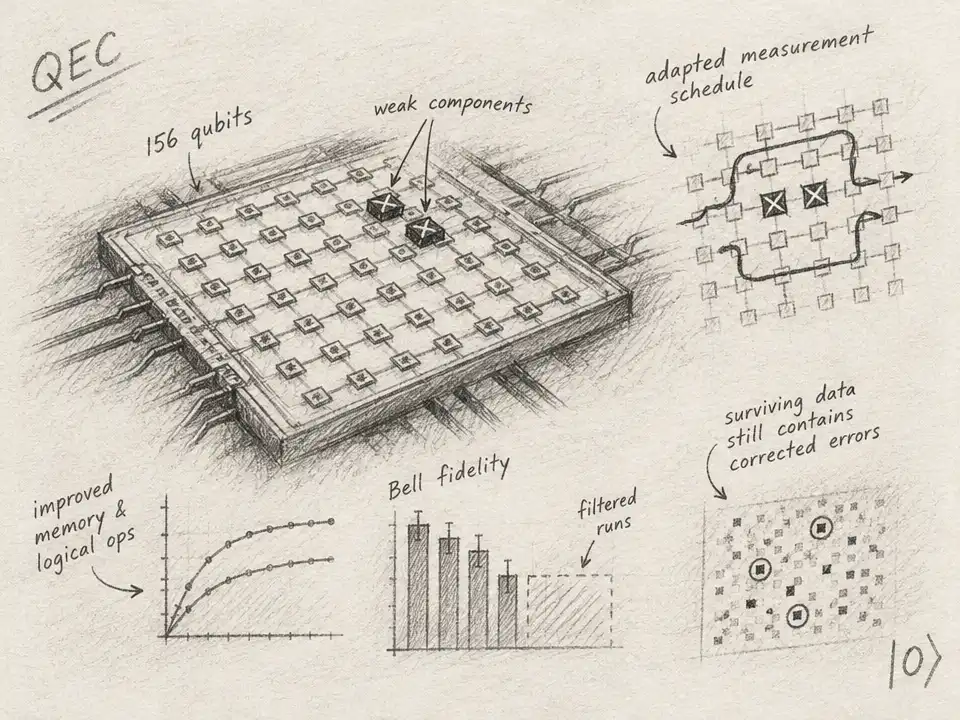
A quantum chip’s weakest qubits resisted better decoding—until researchers redesigned error checks to route around them.
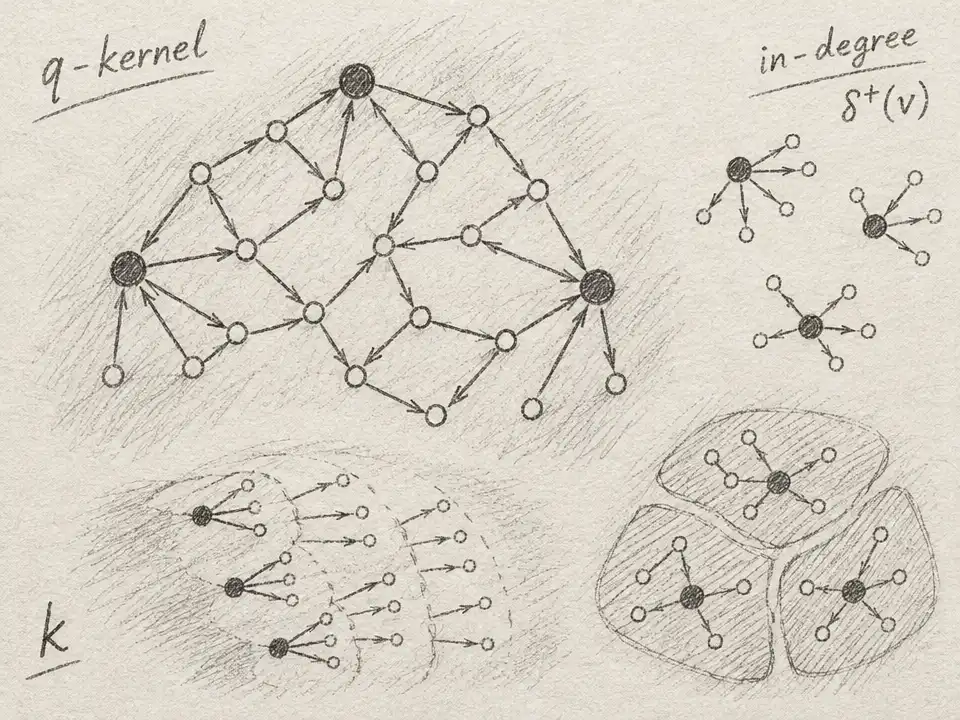
A graph-theory result shows how one extra step can shrink the independent set needed to reach every vertex in a directed network.
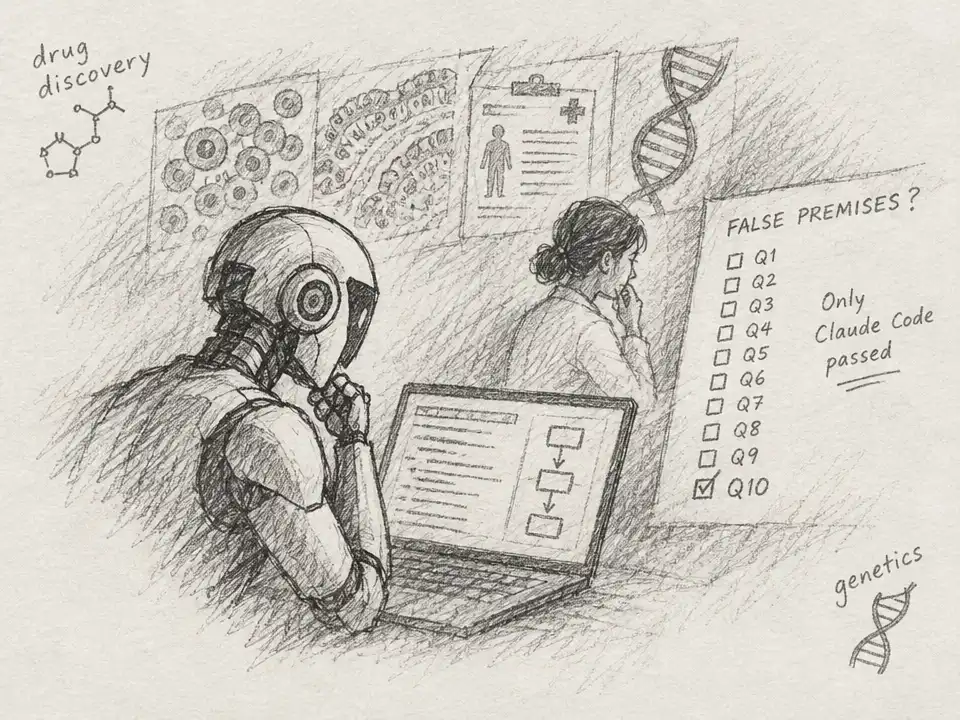
A 200-task benchmark reveals where AI agents excel in science—and why running valid code is not the same as sound scientific judgment.
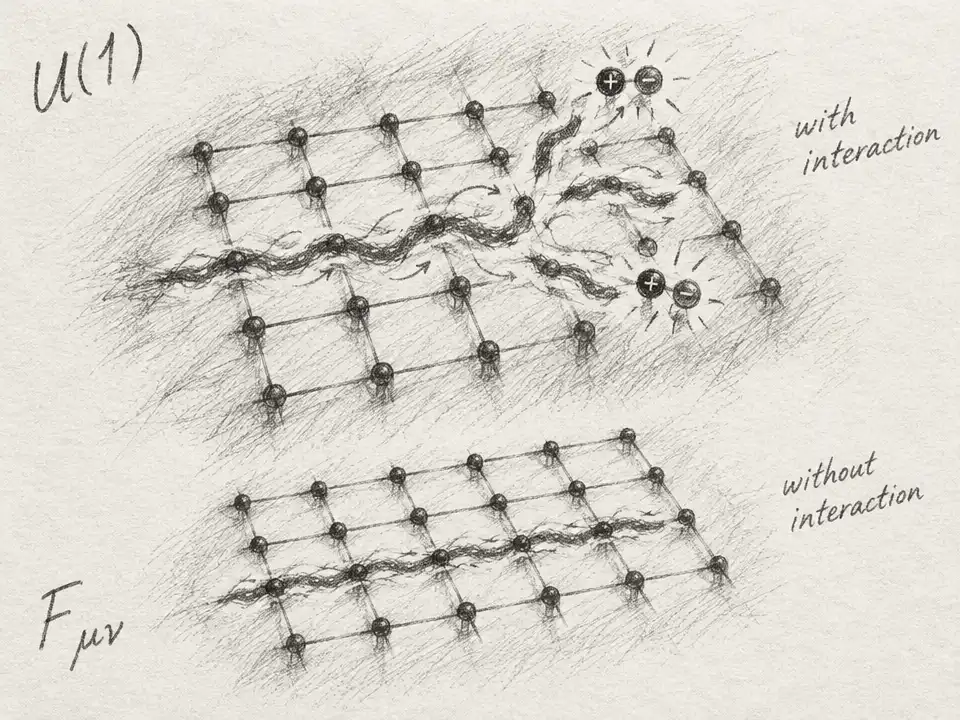
A trapped-ion quantum simulation reveals why a square lattice can behave like a line—and how one interaction lets electric strings break and spread.
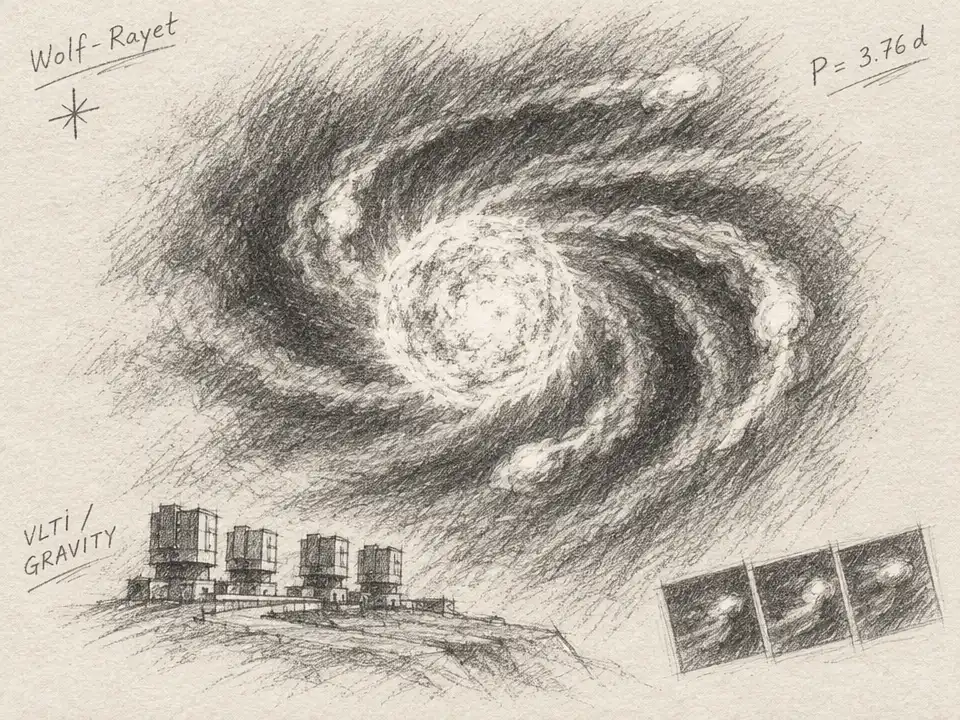
A star’s 3.76-day flicker may come not from a companion, but from shifting structures traced in its powerful, fast-moving wind.
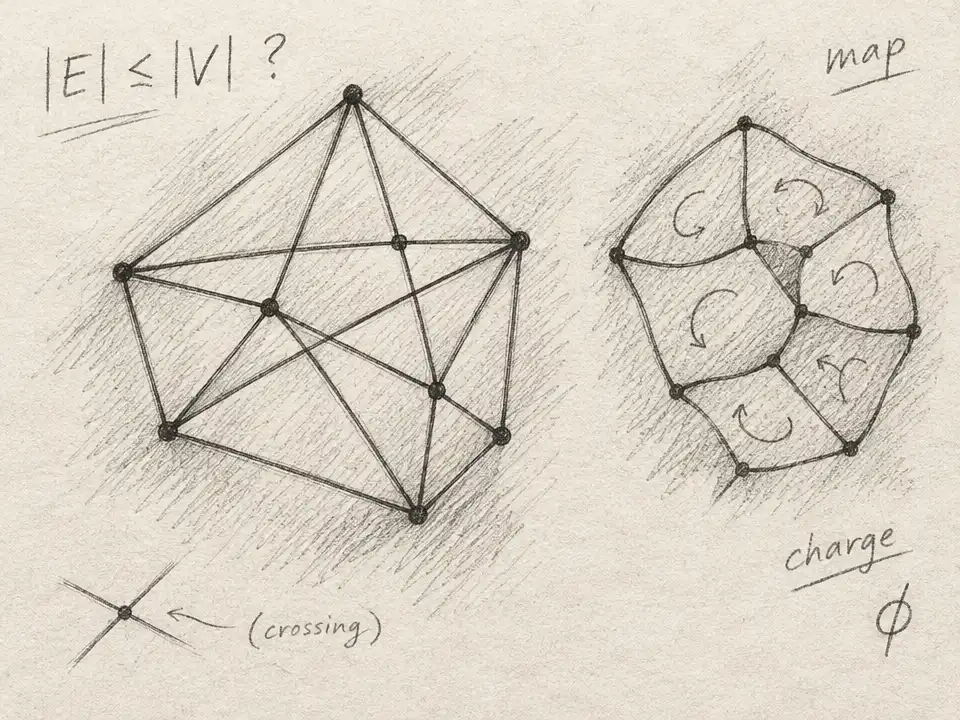
A long-standing graph-drawing puzzle gets a sharper edge limit through topology, short-cycle clues, and a clever face-by-face charge transfer.
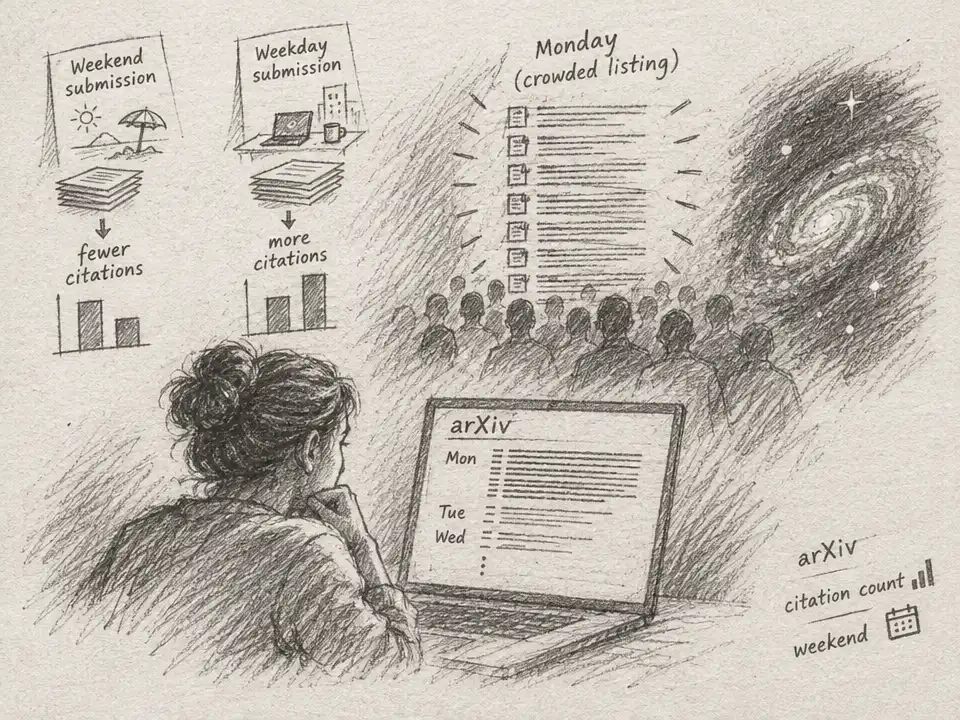
A study of 37,173 astronomy papers finds weekend submissions draw fewer citations, but crowded listings and author differences remain competing clues.
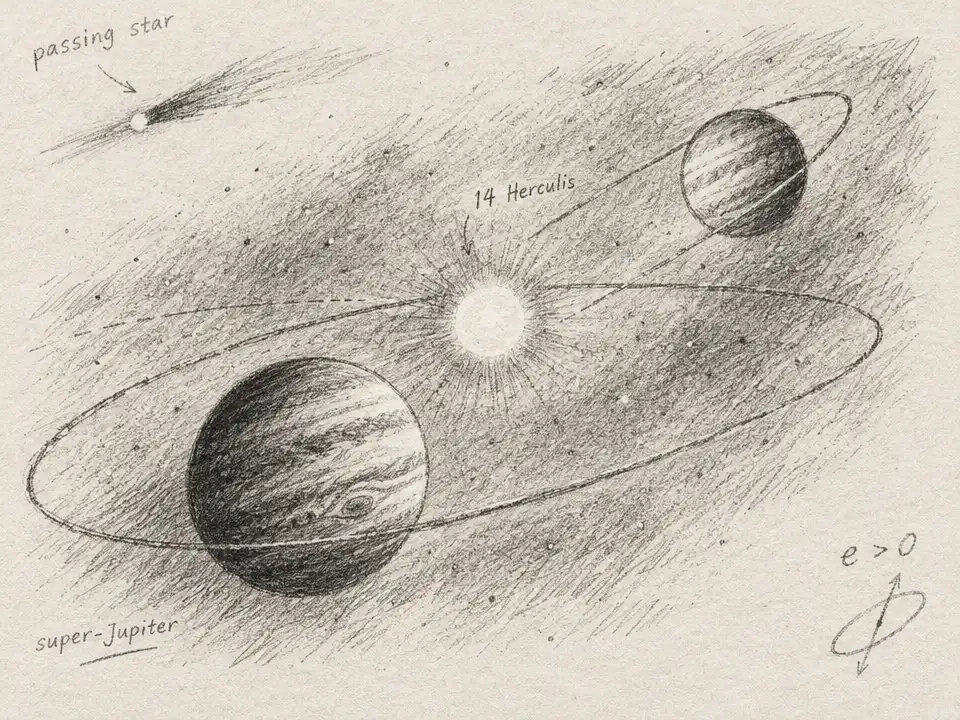
Two tilted giant planets orbit 14 Herculis strangely. Simulations suggest a third, massive world may have been flung into interstellar space.