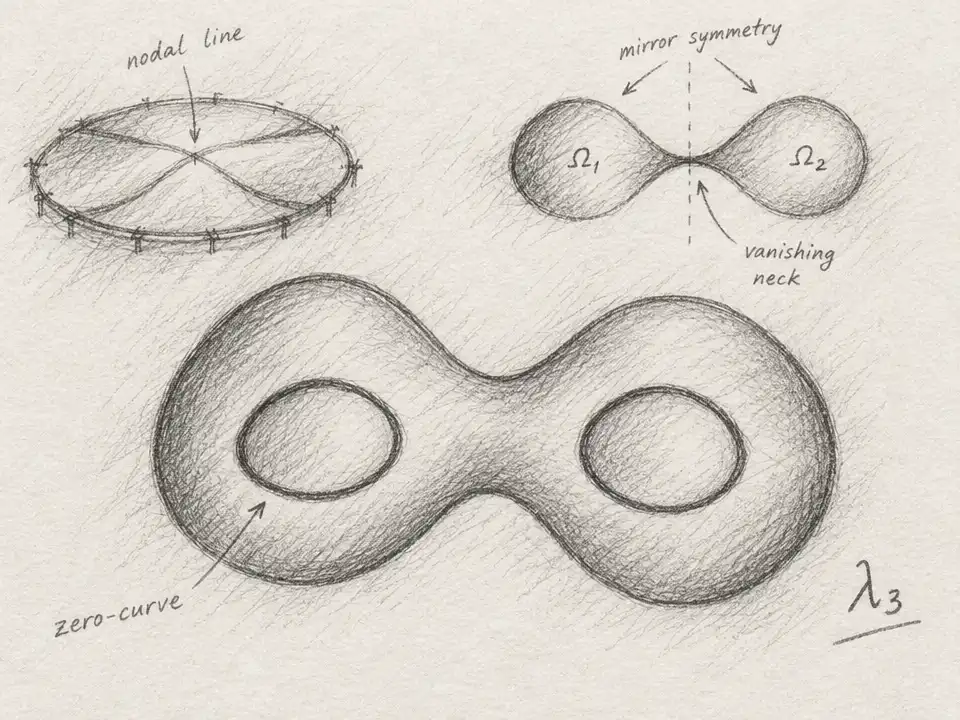
Can a Third Vibration Mode Hide Two Closed Loops Inside a Drum?
A clever thin-neck construction creates a smooth drum whose simple third vibration mode has two closed nodal loops inside.
A clever thin-neck construction creates a smooth drum whose simple third vibration mode has two closed nodal loops inside.
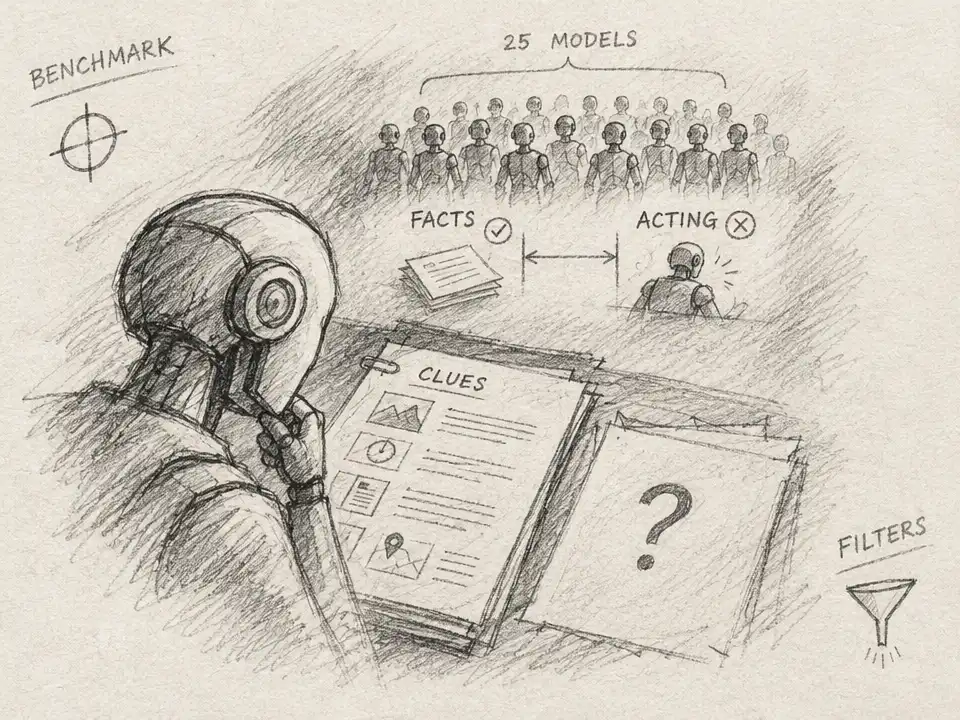
A new AI benchmark hides the question inside a dossier, separating fact recovery from the ability to spot what needs solving.
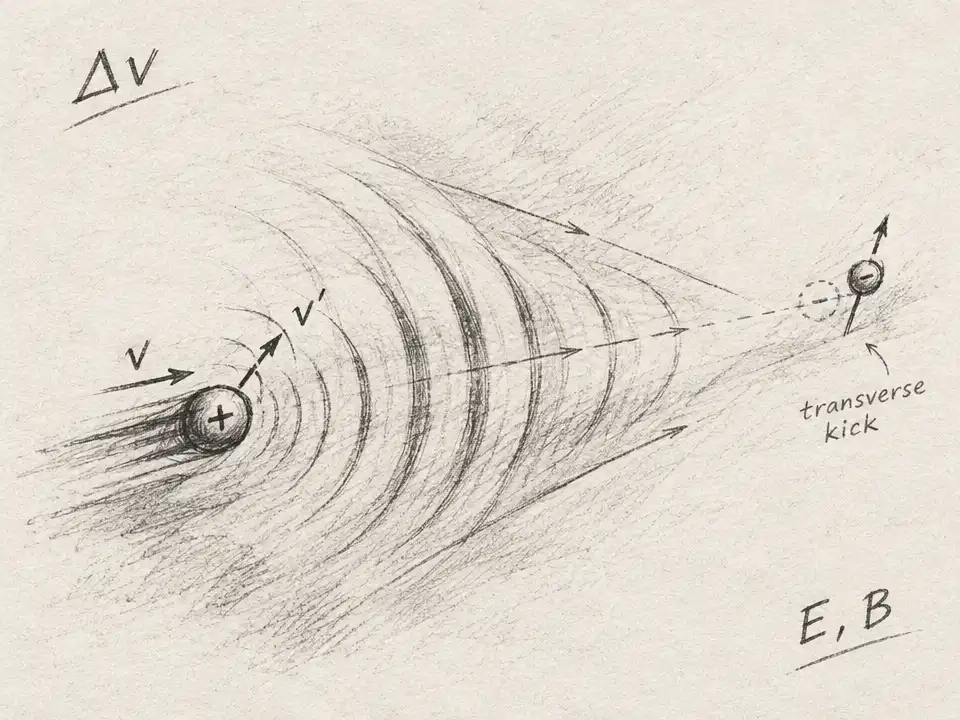
A passing electromagnetic pulse may leave a lasting velocity kick. Explore the field-memory puzzle and why no one has measured it yet.
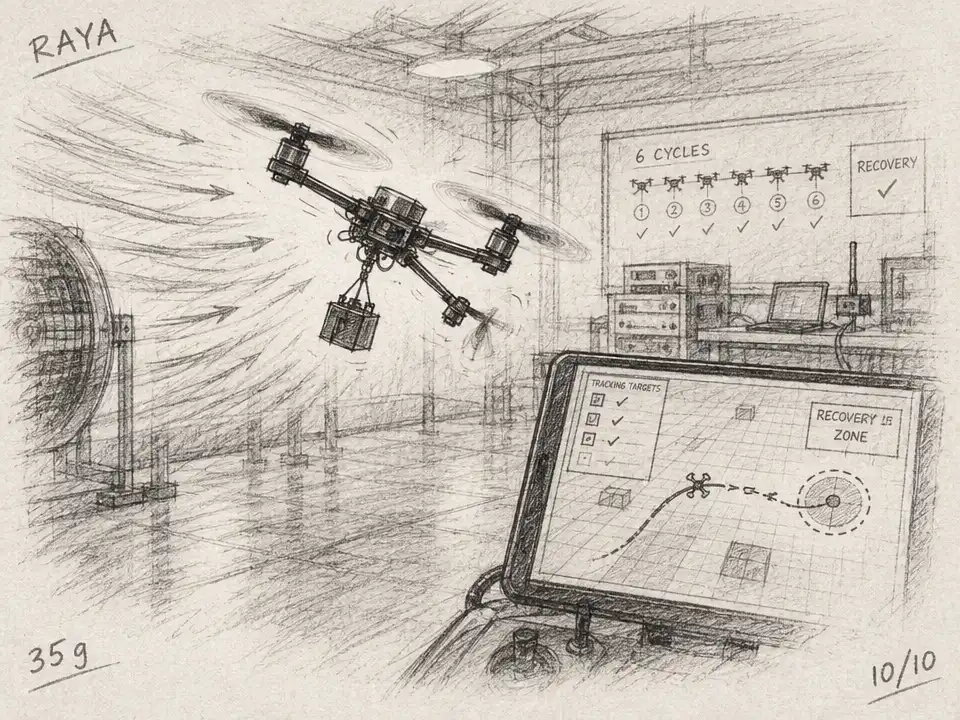
A tiny quadrotor survives wind and motor damage not by spotting danger alone, but by changing its plan while recovery is still possible.
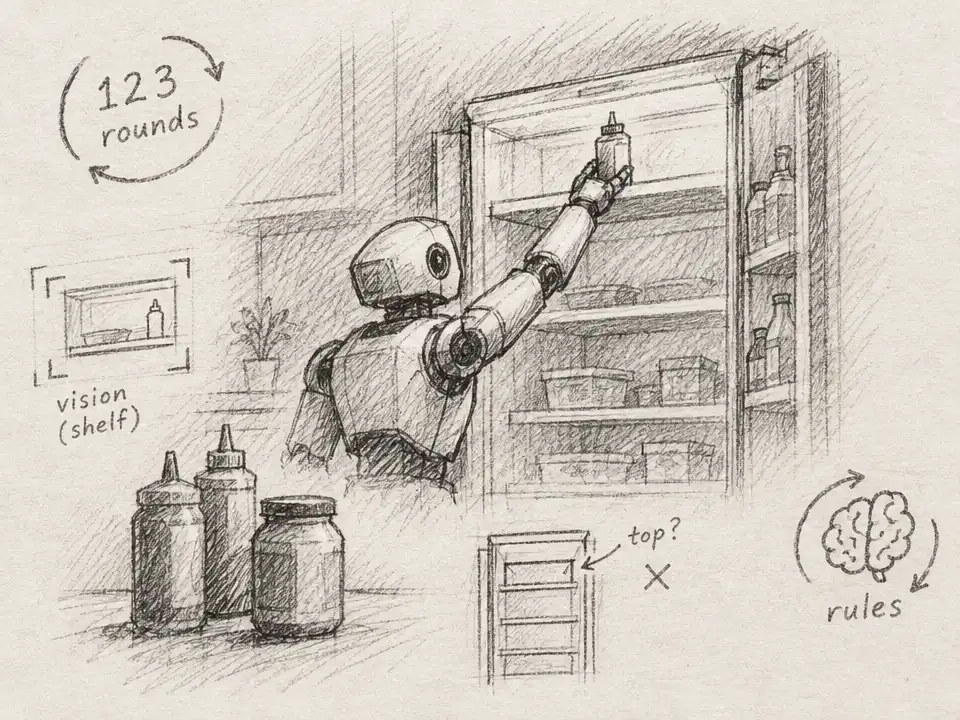
After 123 rounds, a simulated robot still couldn’t find a fridge’s top shelf. The clues reveal why self-improvement stalled.
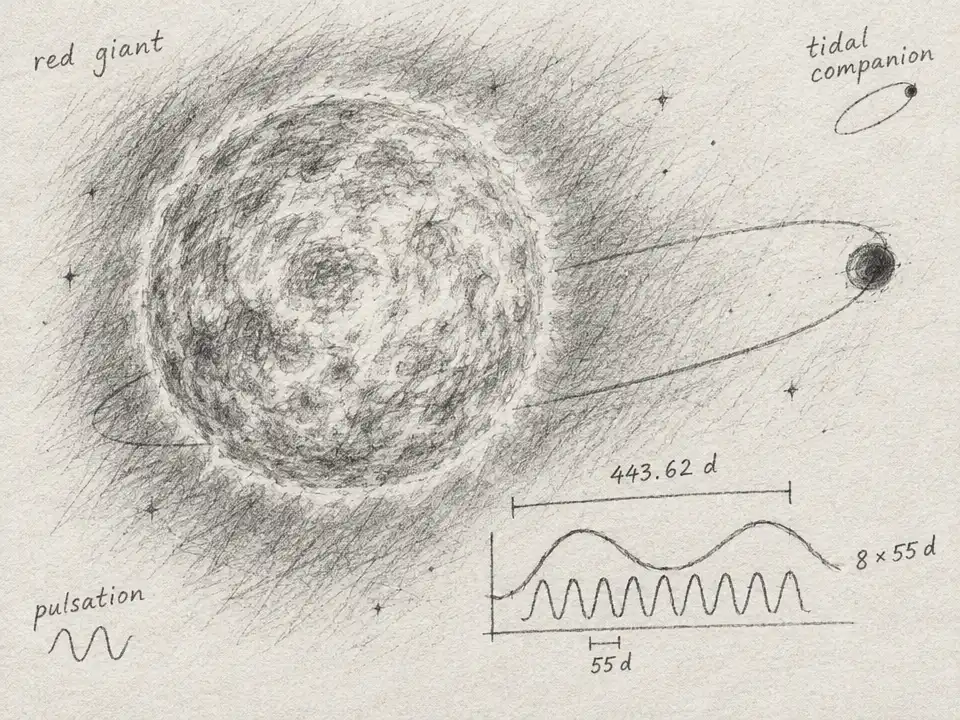
An 80-year light record reveals a red giant’s 55-day pulse in near lockstep with its yearlong cycle, hinting at an unseen companion.
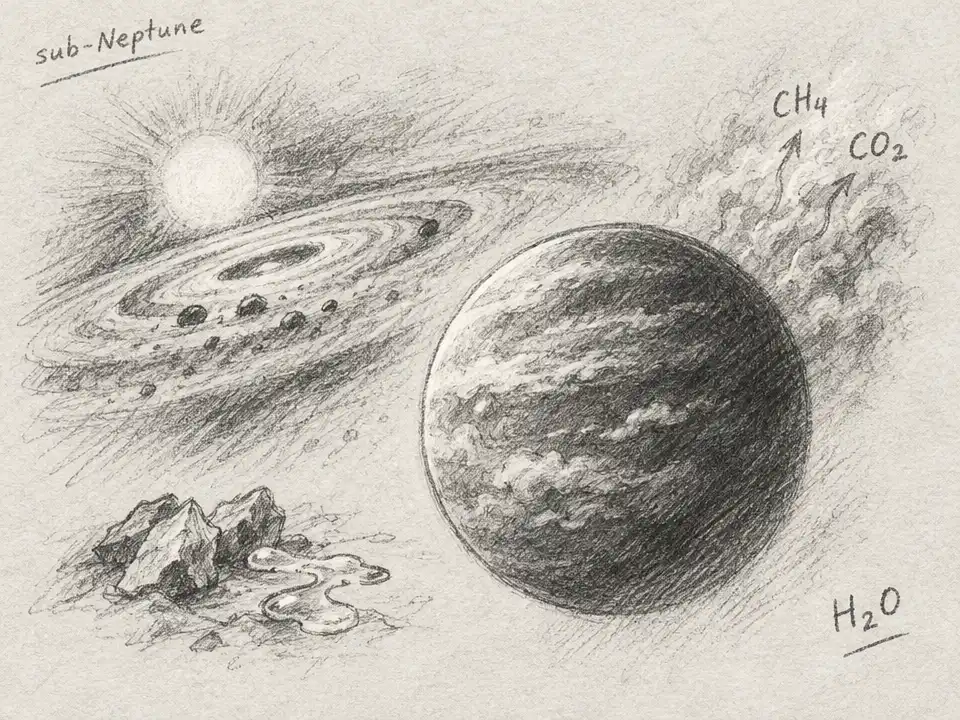
A new atmospheric model asks whether methane-rich sub-Neptunes need carbon-rich interiors—or whether water and planetary chemistry tell a different story.
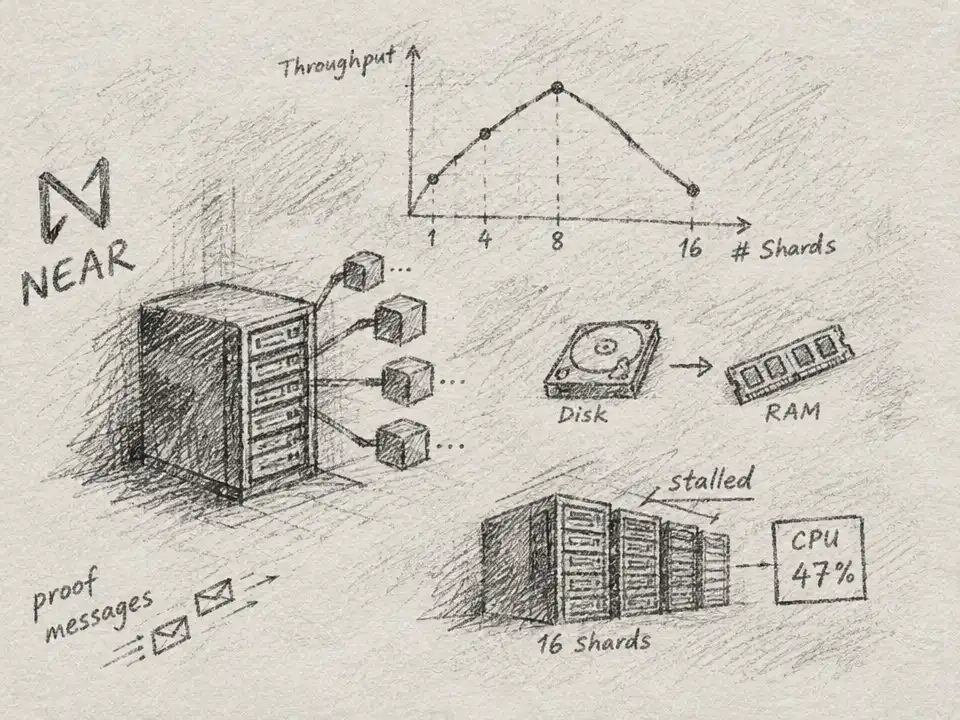
A blockchain test uncovered a strange dependency: removing hard-drive delays stopped the chain instead of speeding it up.
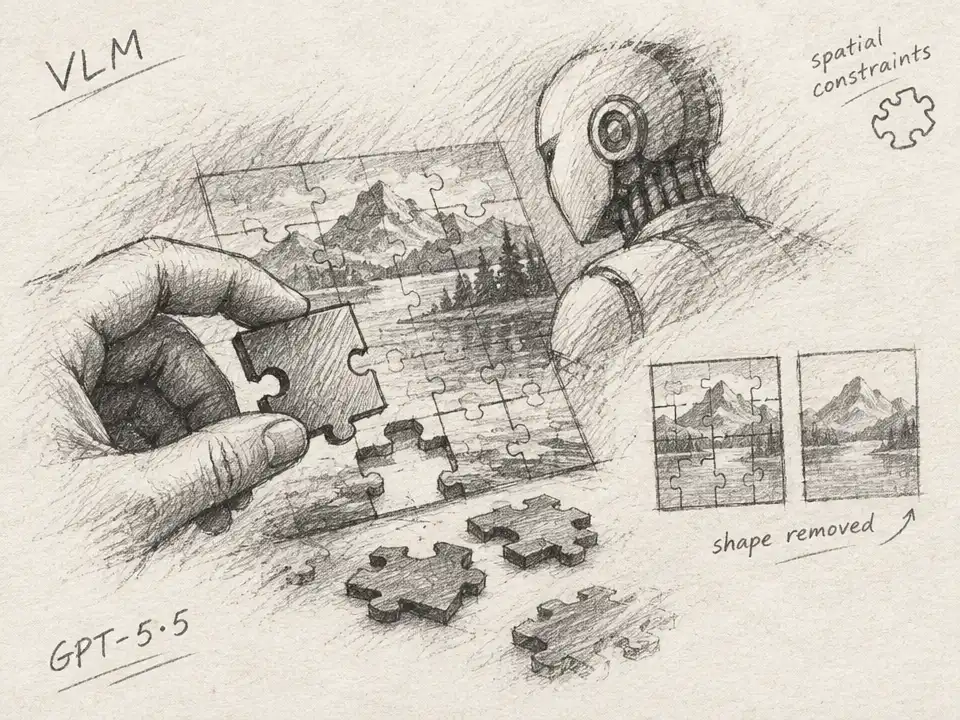
A carefully engineered jigsaw test finds that vision-language models can recognize images yet falter when many geometric constraints must fit together.
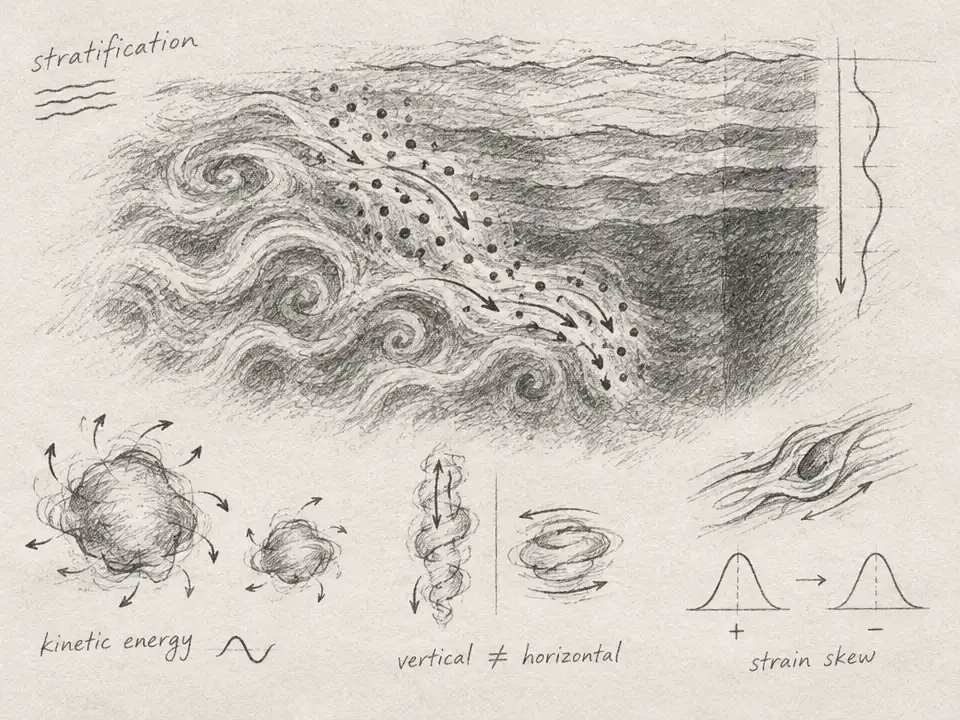
A turbulence simulation finds weaker energy swings but sharper losses as stratification rises, with pressure and flow structure offering clues.
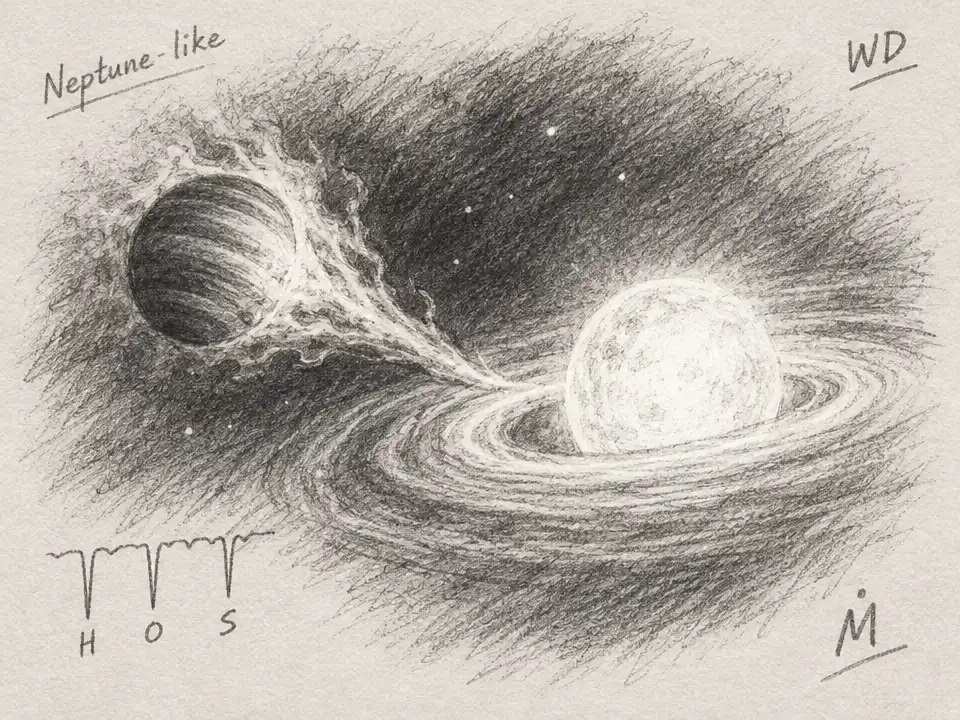
A young white dwarf’s strange gas disk may be fed by a Neptune-like planet losing its atmosphere—but key clues remain unresolved.
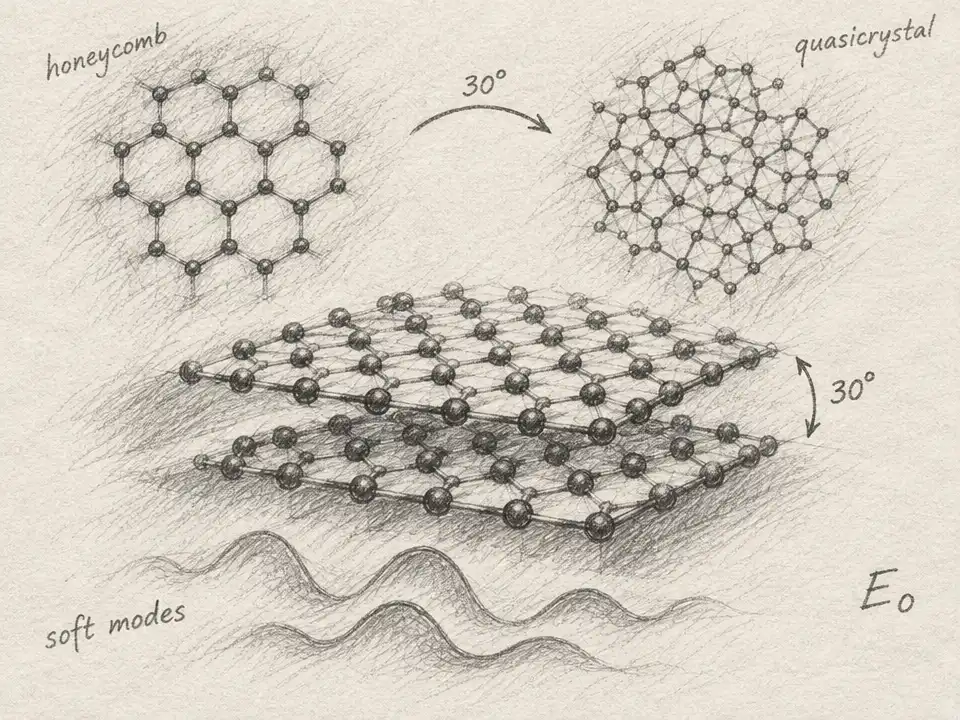
A bilayer of electrons may favor a 30-degree quasicrystal when quantum zero-point motion overturns the classical energy ranking.
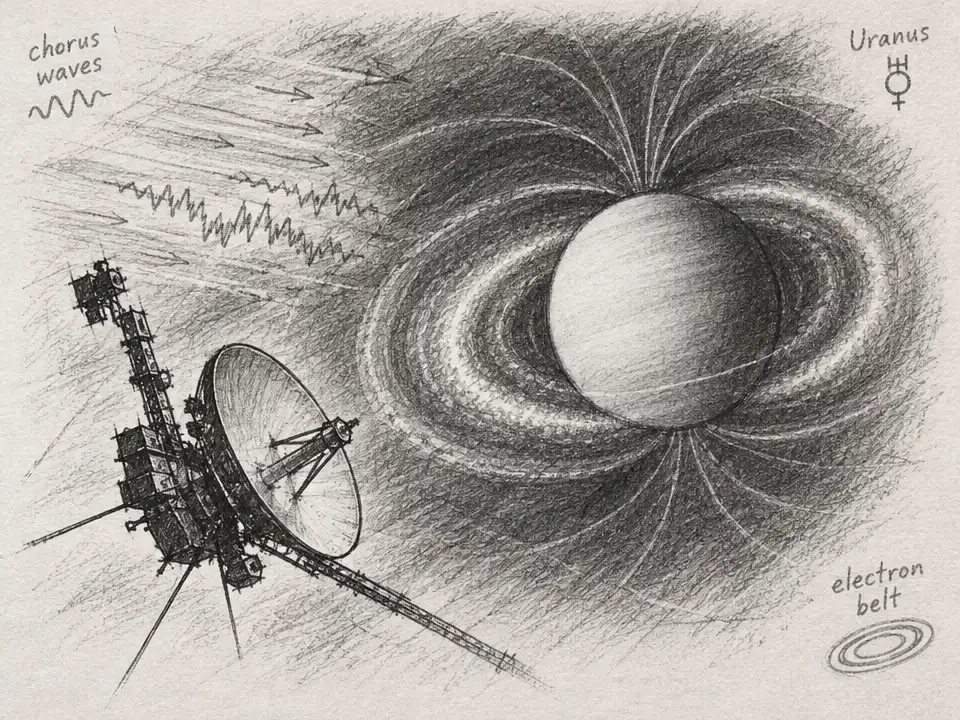
A Uranus flyby captured an oddly powerful electron belt. A comparison with Earth suggests a solar-wind storm may explain why.
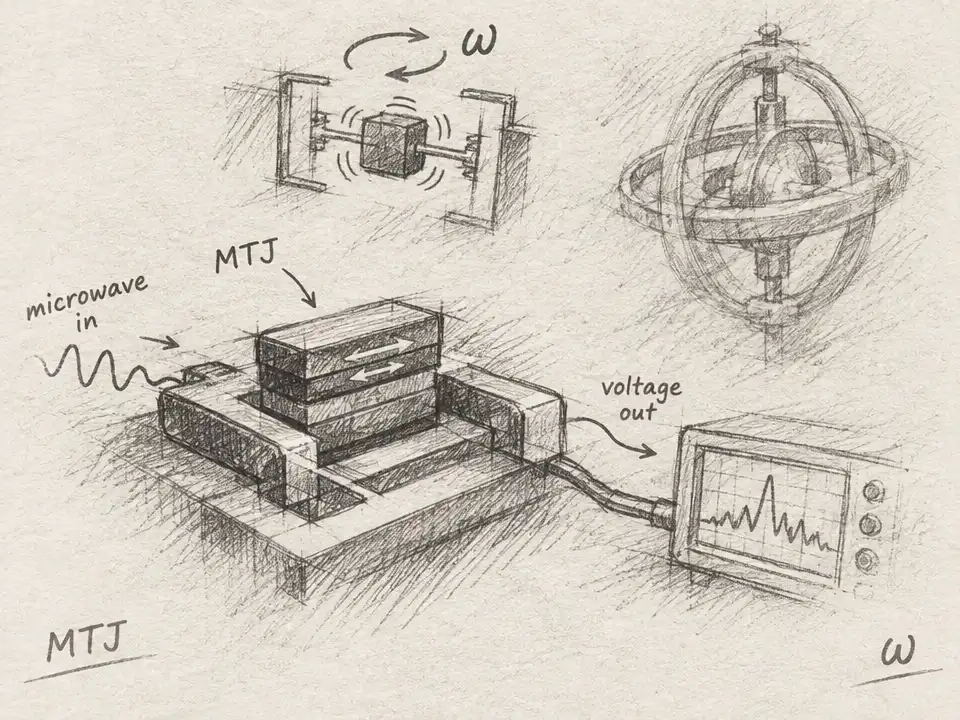
A proposed magnetic gyroscope reads tiny Coriolis motion without capacitive gaps—but its first performance estimates reveal the real puzzle.
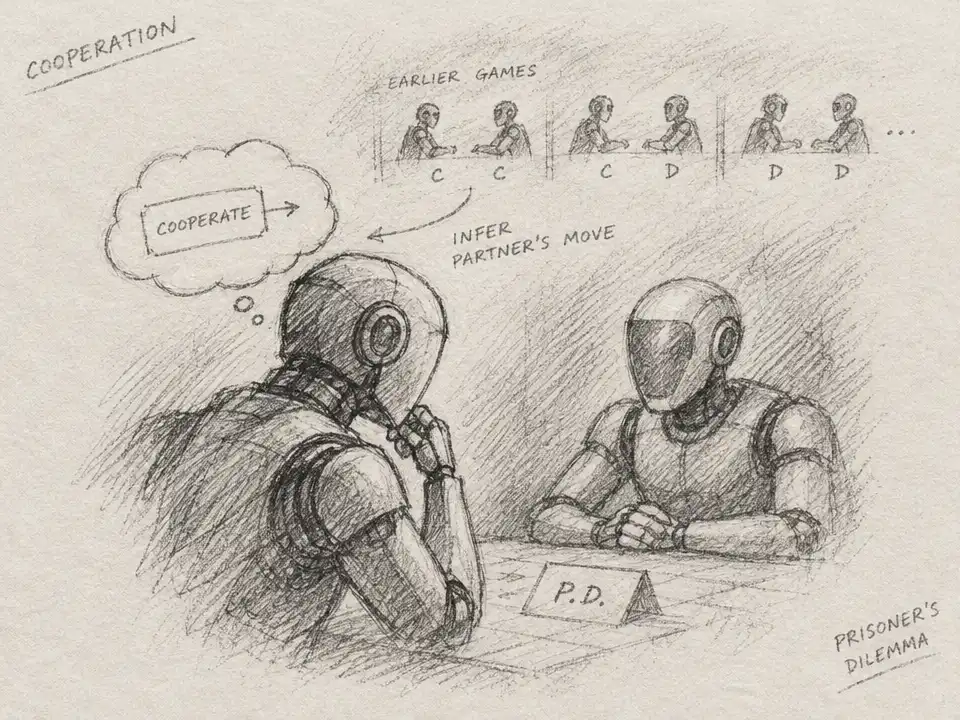
In a final one-shot Prisoner’s Dilemma, AI agents cooperated after spotting behavioral similarity—a clue that challenges classical game theory.
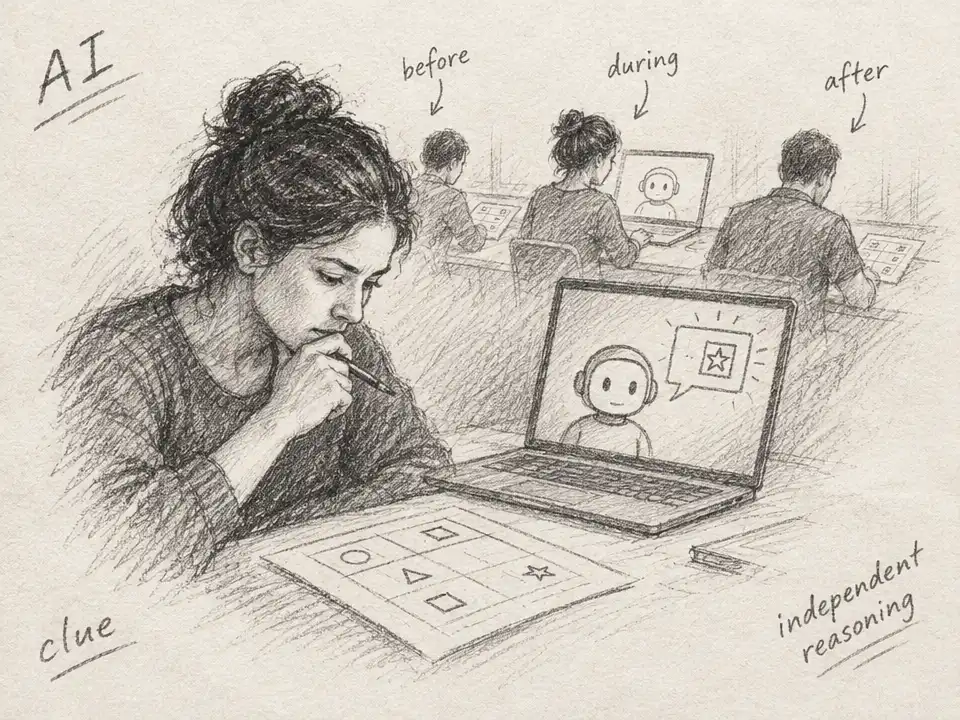
A logic-puzzle study finds that learning tracked time spent thinking independently—not simply how often participants asked AI for help.
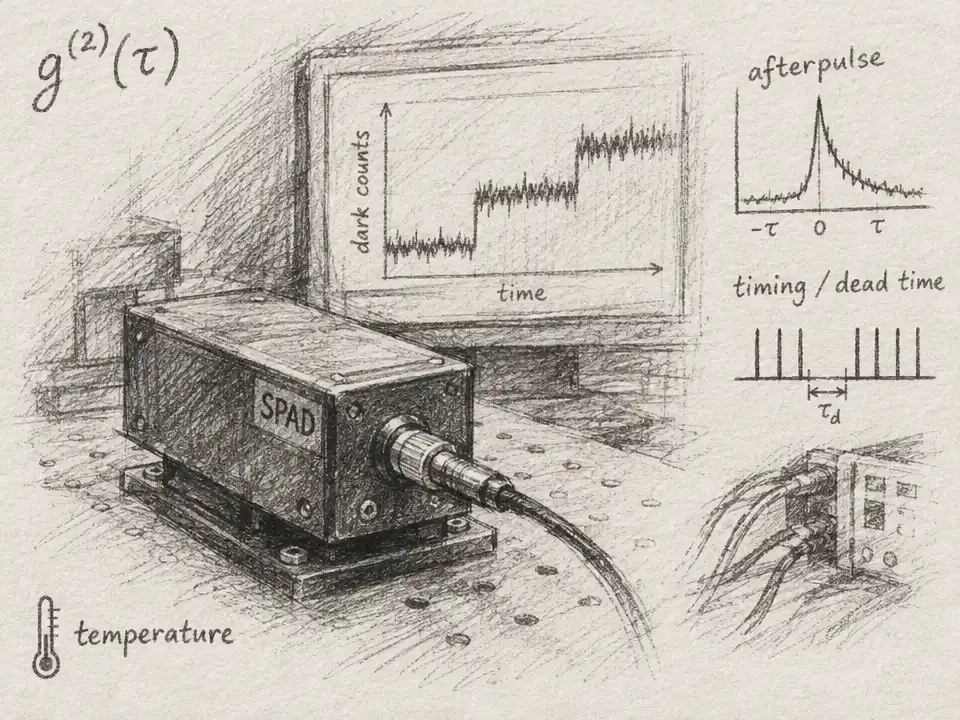
A detector’s dark-count jumps can come from its sensor, stray light, or electronics. Afterpulse timing helps reveal which culprit fits.
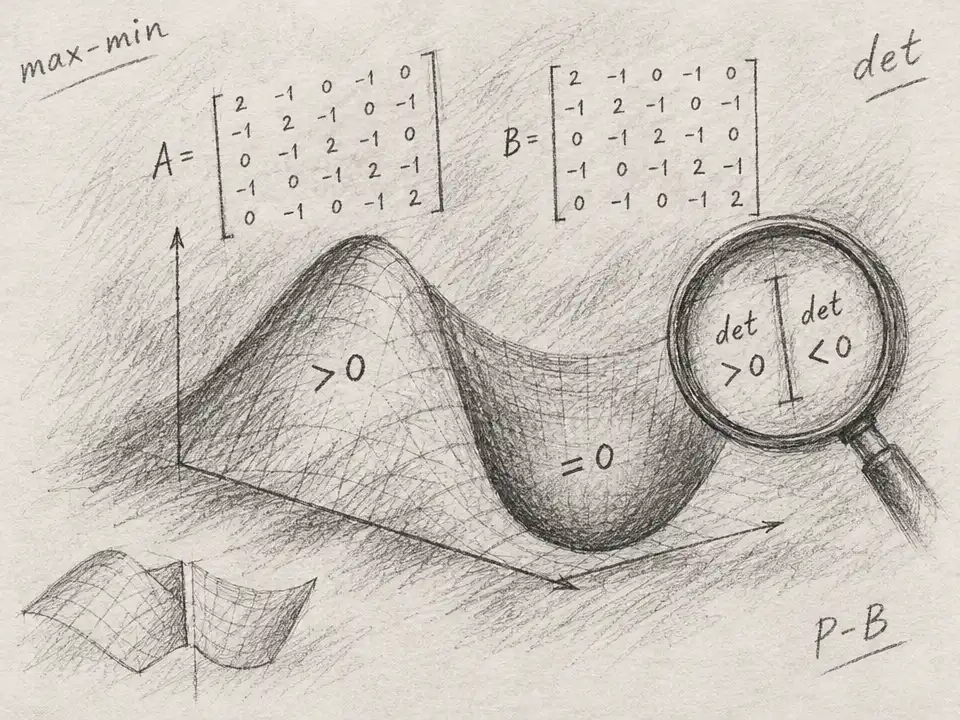
A pair of five-by-five matrices hides a determinant sign that defeats every finite polynomial recipe for a continuous piecewise-quadratic function.
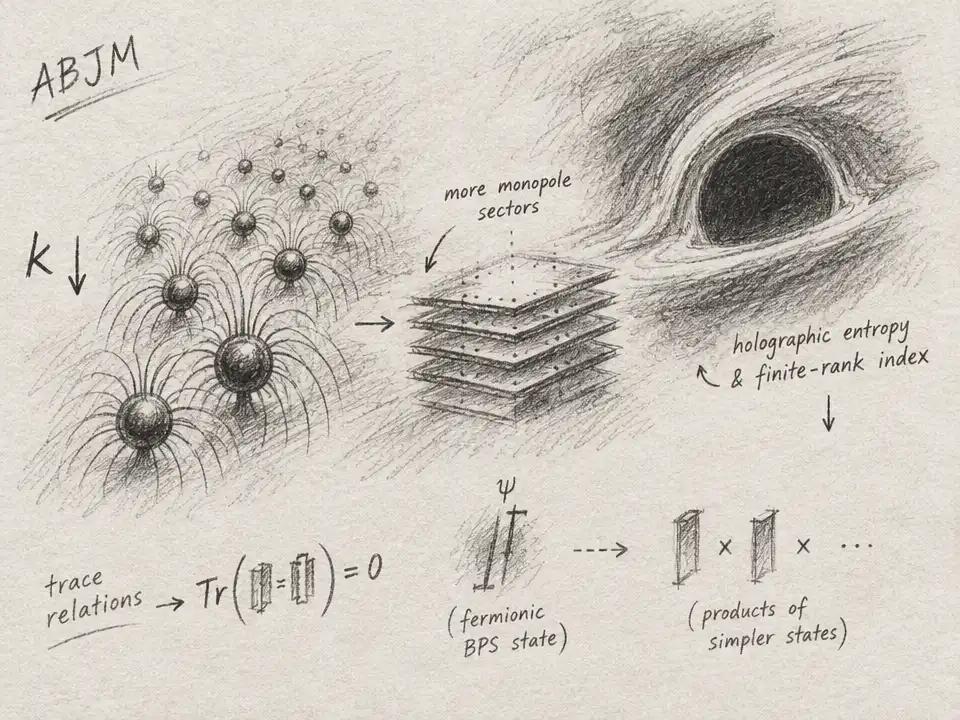
In ABJM theory, smaller k unlocks more monopole operators yet may leave fewer black-hole states, as trace relations erase seemingly new possibilities.
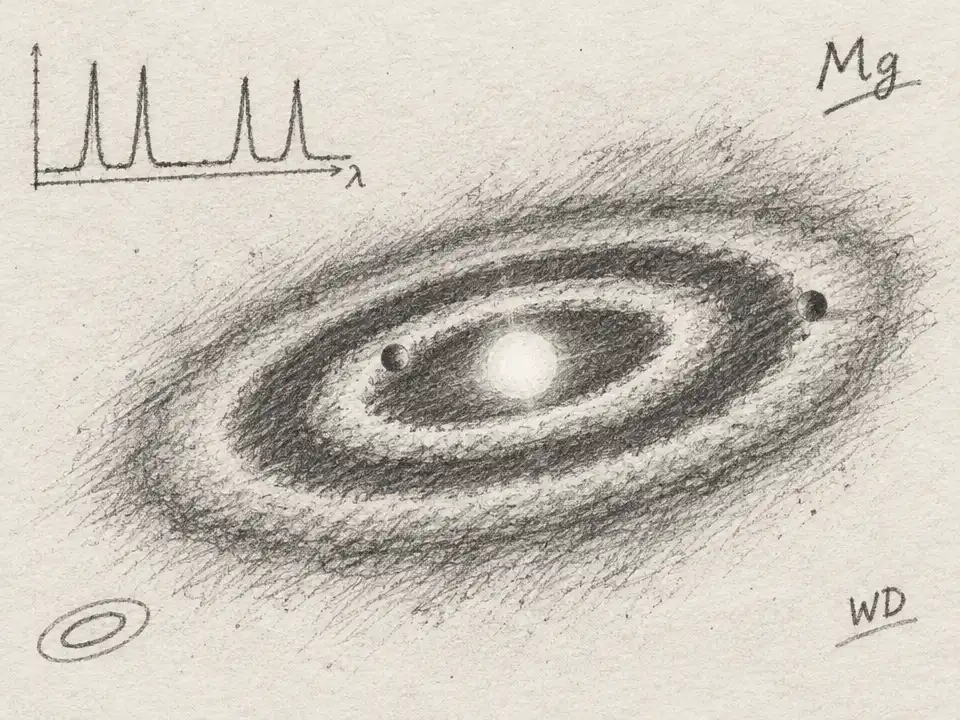
A white dwarf’s four-peaked spectral lines may reveal two gas rings—and perhaps surviving planetary bodies—circling the star’s remains.