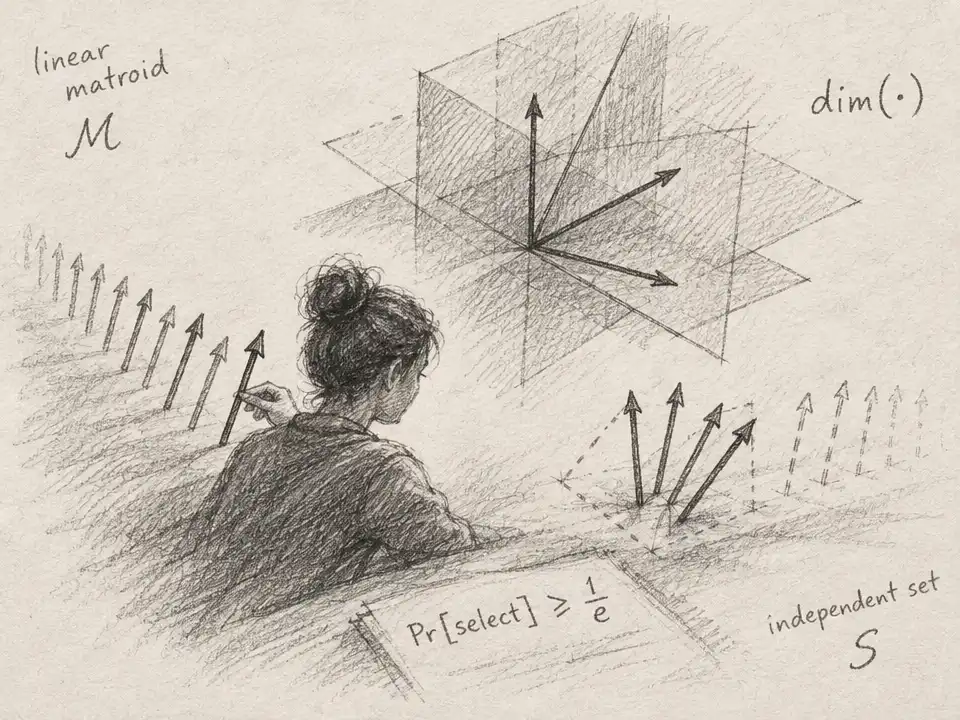
How Invisible Geometry Gives Online Choices a Fair Chance
A new online-selection theorem reveals how tracking every hidden subspace can protect the odds of choosing valuable, independent items.
A new online-selection theorem reveals how tracking every hidden subspace can protect the odds of choosing valuable, independent items.
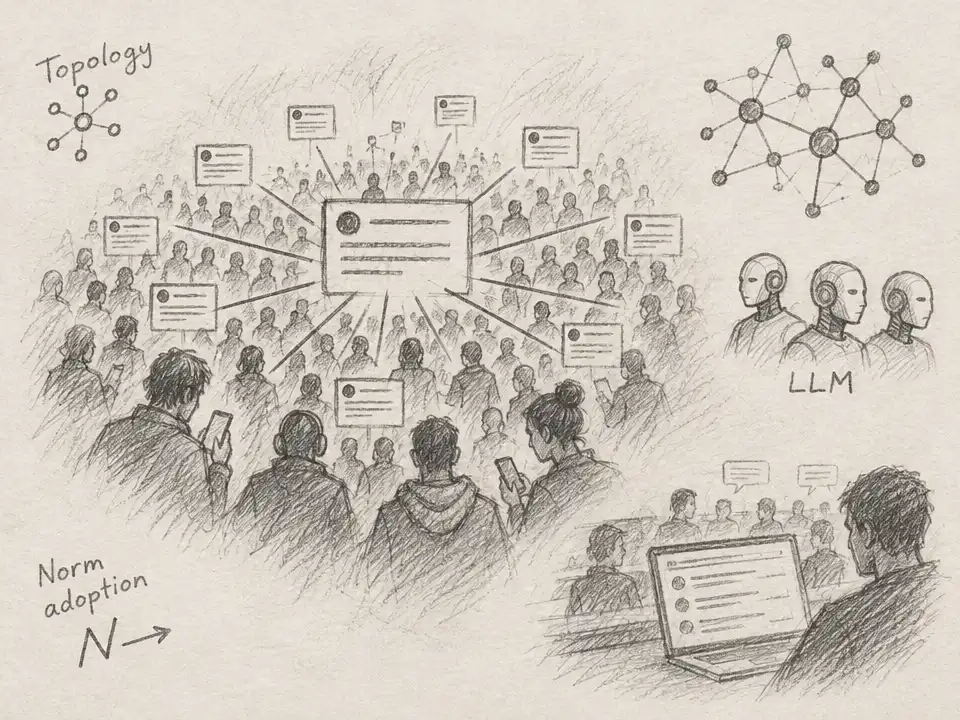
A study of AI social networks finds that group structure—not just model capability—may determine whether shared norms spread.
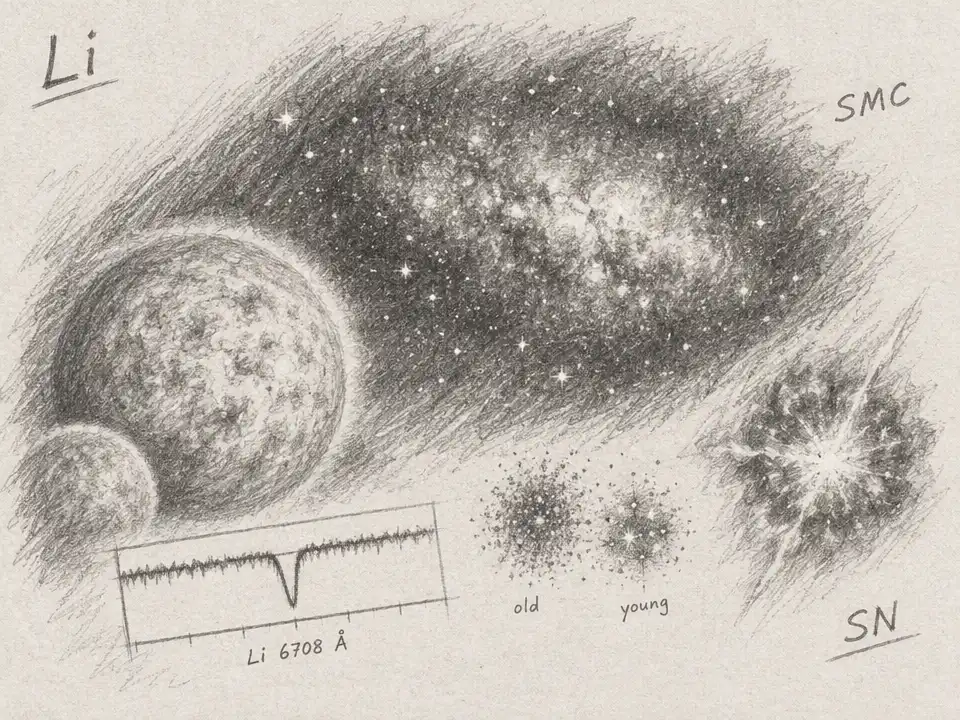
A lithium survey of 209 Small Magellanic Cloud giants traces how stellar mixing and novae may shape a neighboring galaxy’s chemical history.
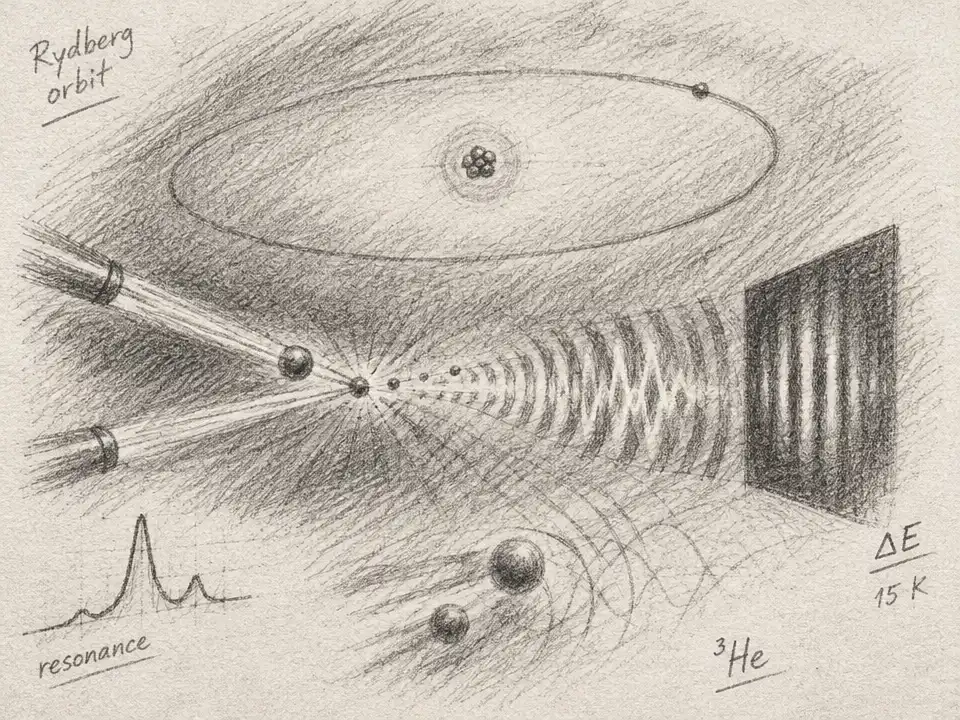
Inside a giant helium atom, scientists made quantum ion–atom collisions visible, revealing resonances, particle interference, and isotope effects.
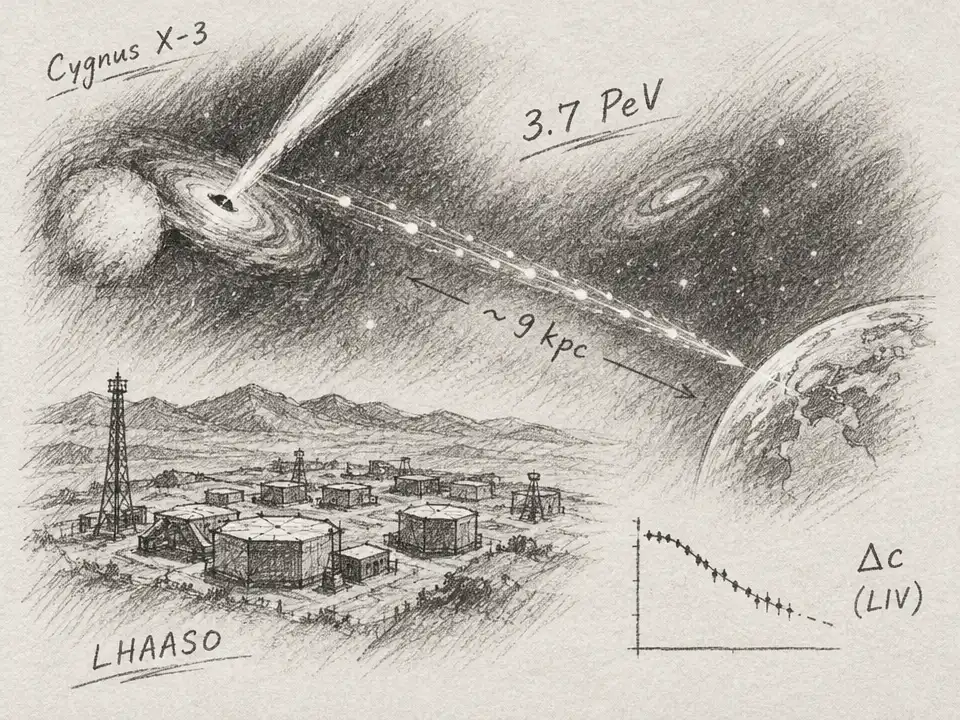
A gamma-ray flare from Cygnus X-3 sent PeV photons across the Galaxy, turning their survival into a test of relativity’s hidden limits.
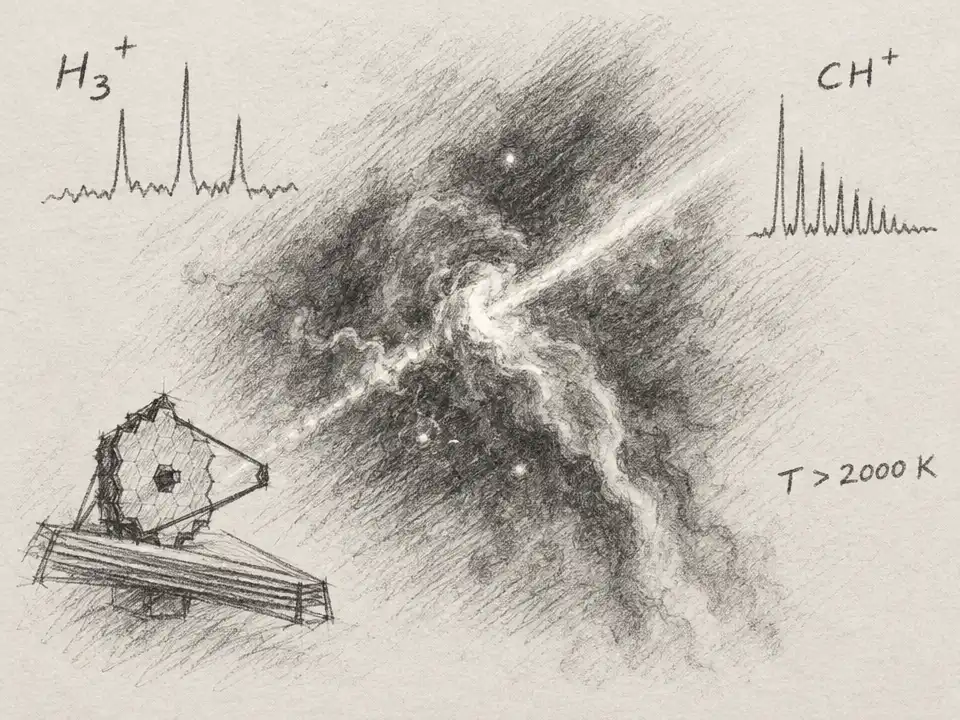
JWST reveals forbidden H₃⁺ light and a CH⁺ chemical cascade in a young-star shock, exposing hot molecular gas and its unresolved physics.
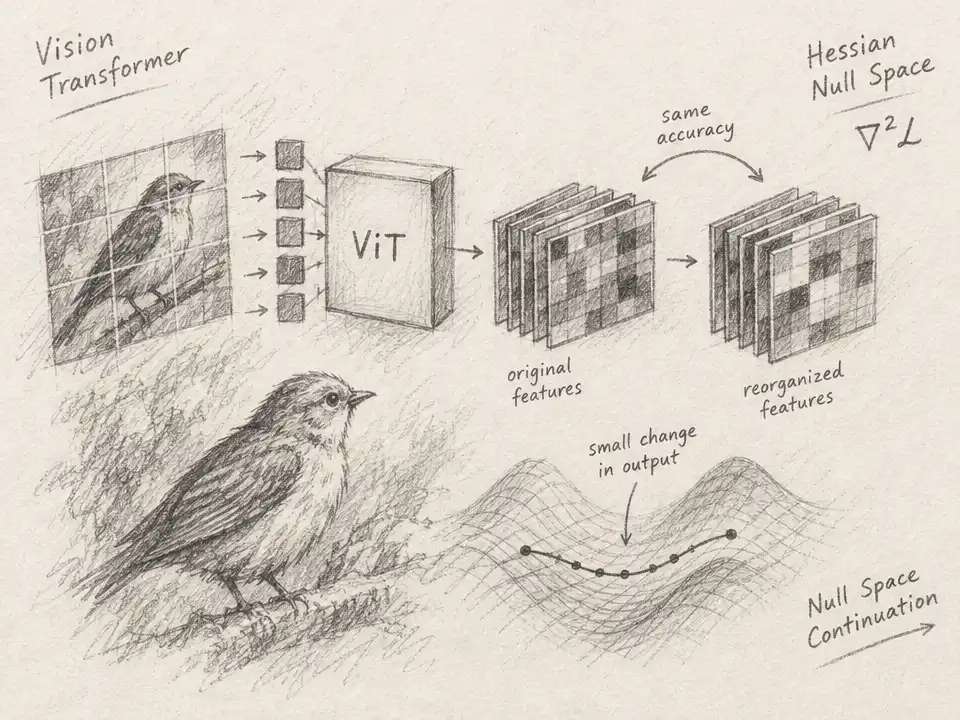
A vision transformer’s hidden representations shifted sharply after small weight changes, while its image-classification performance stayed nearly intact.
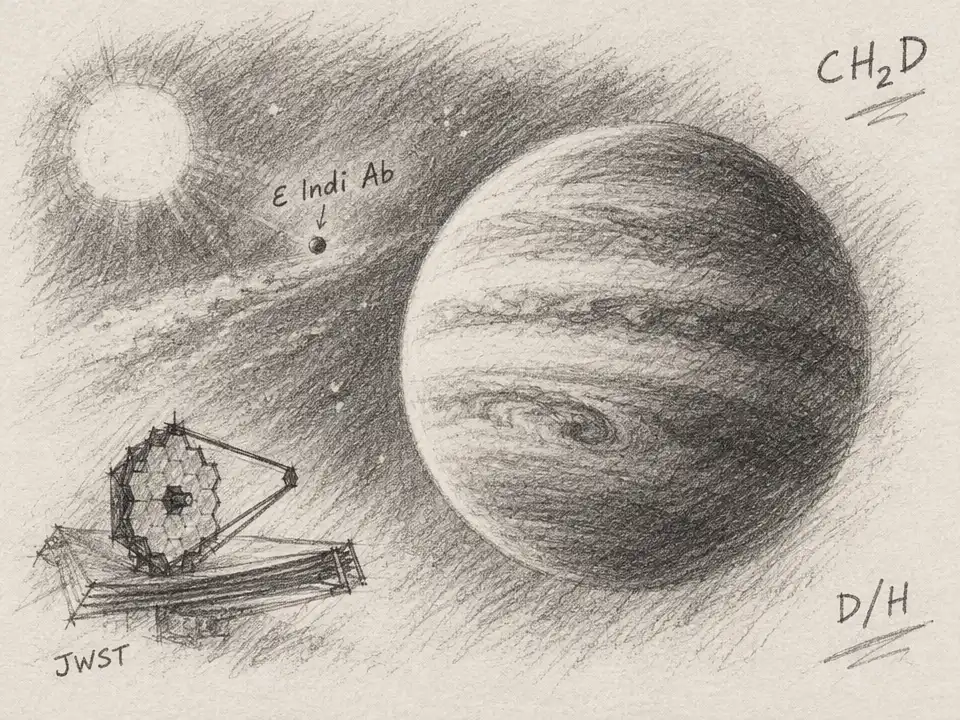
JWST finds deuterated methane in a cold super-Jupiter, revealing how a rare isotope may preserve clues to the icy material that built it.
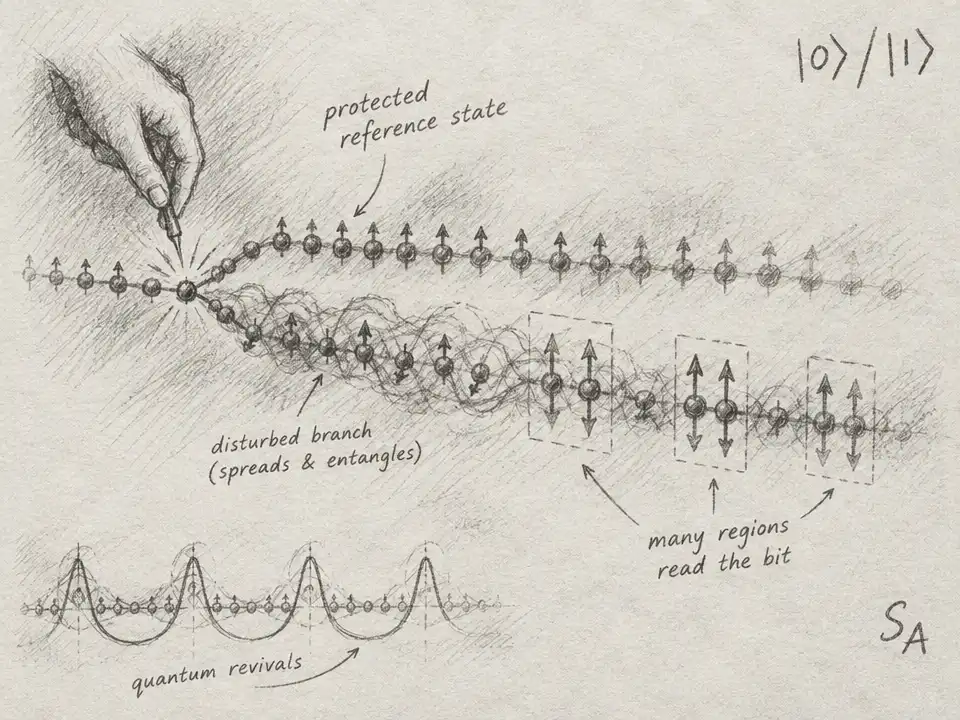
A local quantum disturbance may leave readable clues across a chain as protected states and entanglement turn one bit into many records.
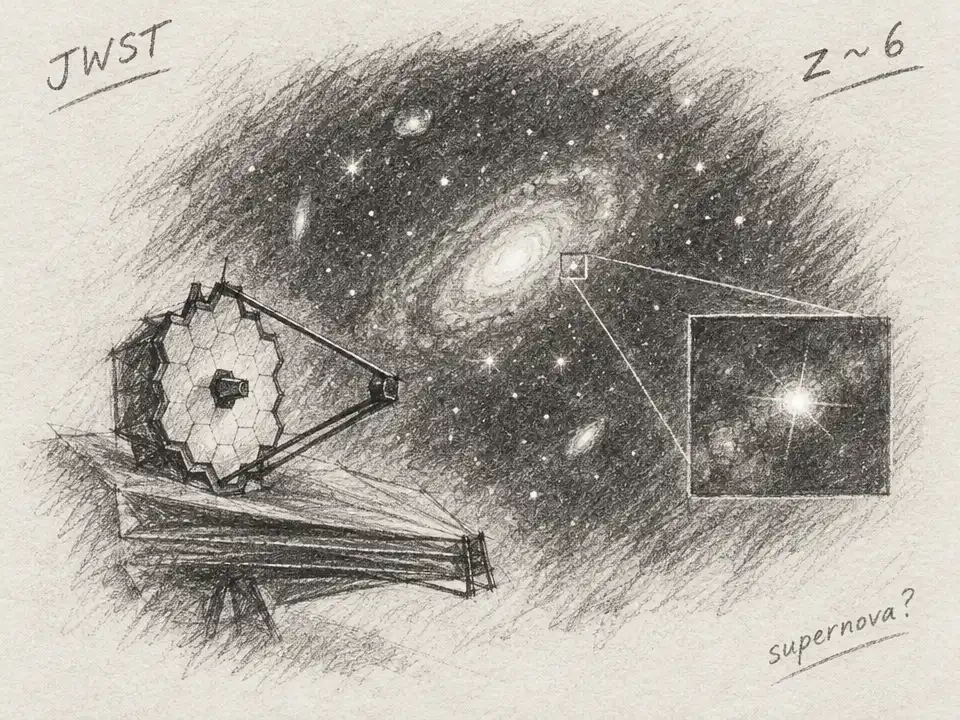
JWST spotted a hot, rapidly brightening transient in a galaxy at redshift 5, with cosmic expansion stretching its brief flare across 71 days.
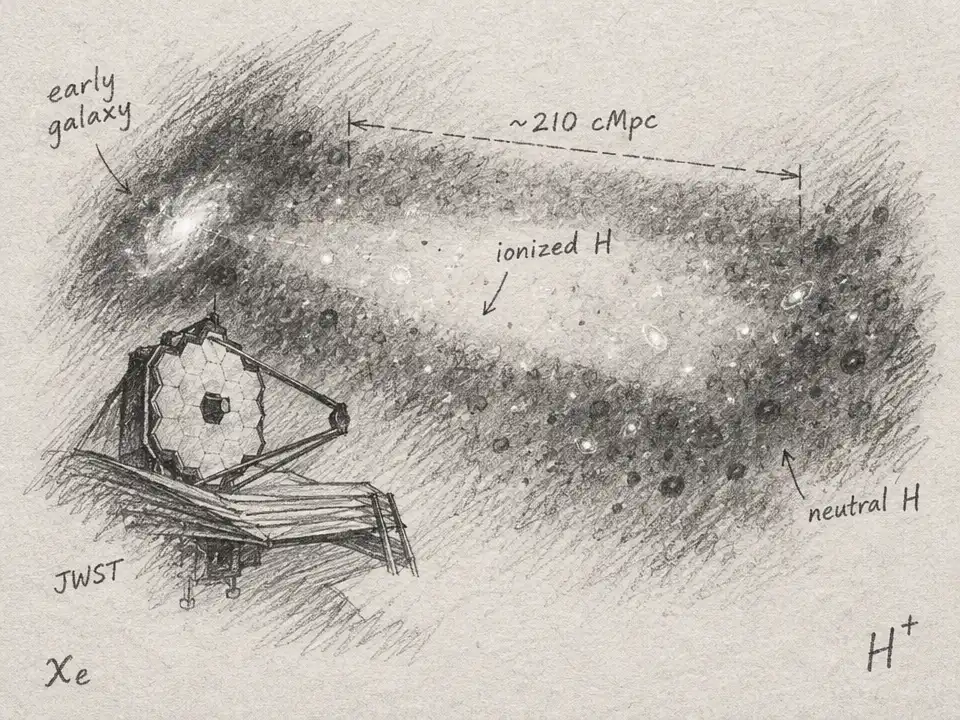
JWST light from one early galaxy hints at a 210-megaparsec ionized region in a universe that was still largely neutral.
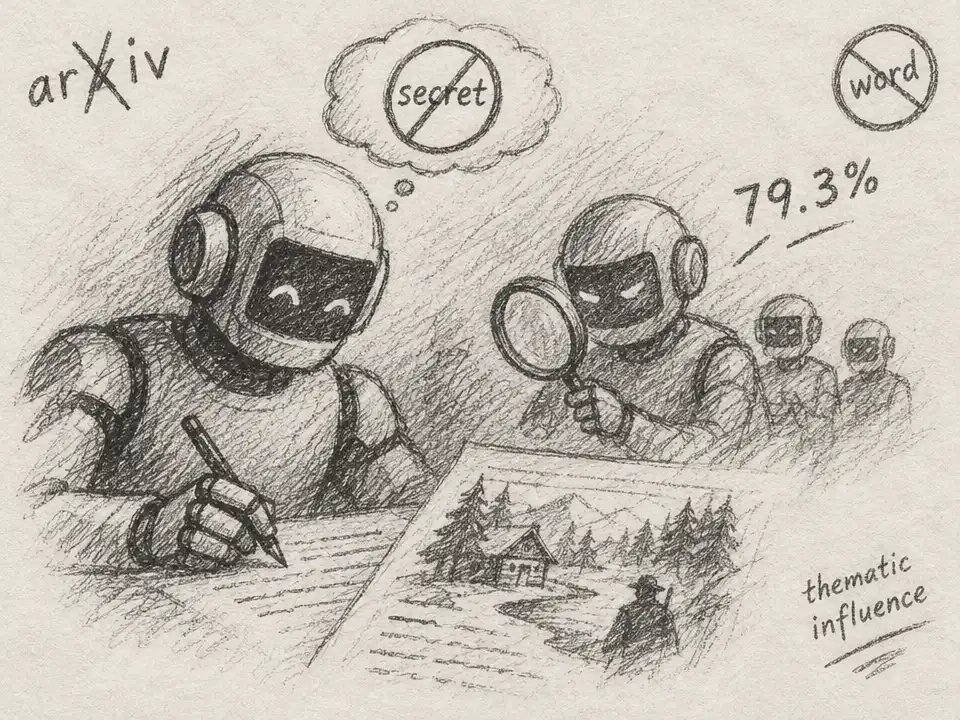
A hidden word never appears in a story, yet models can detect its thematic shadow—and stronger secrecy instructions may make it easier to spot.
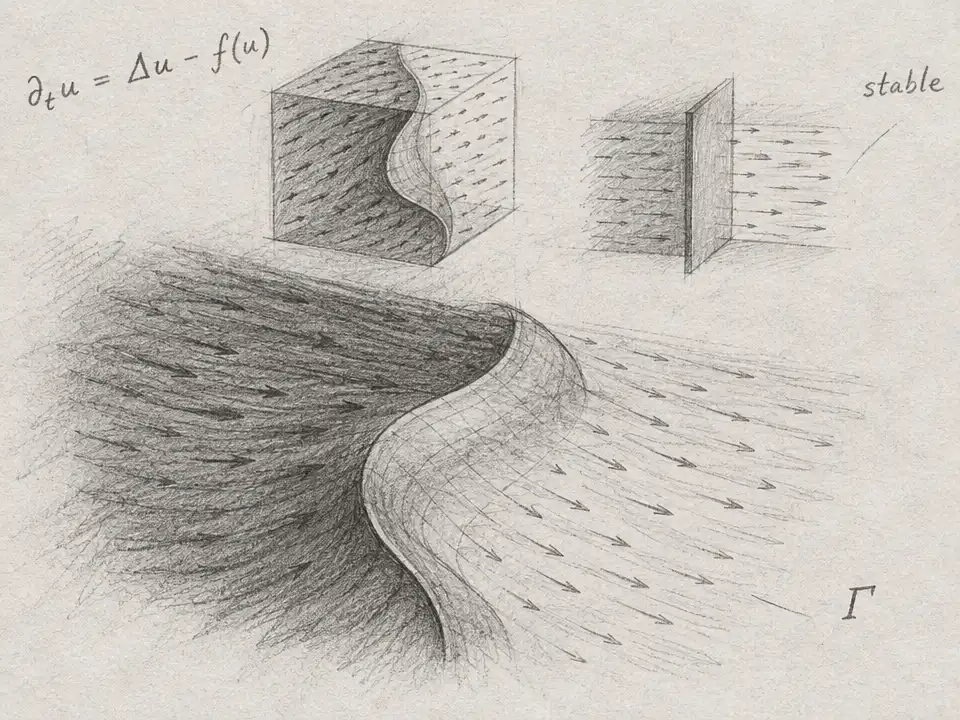
A proof turns the Allen–Cahn equation’s hidden interface into a geometric trap, ruling out curved stable fronts in three dimensions.
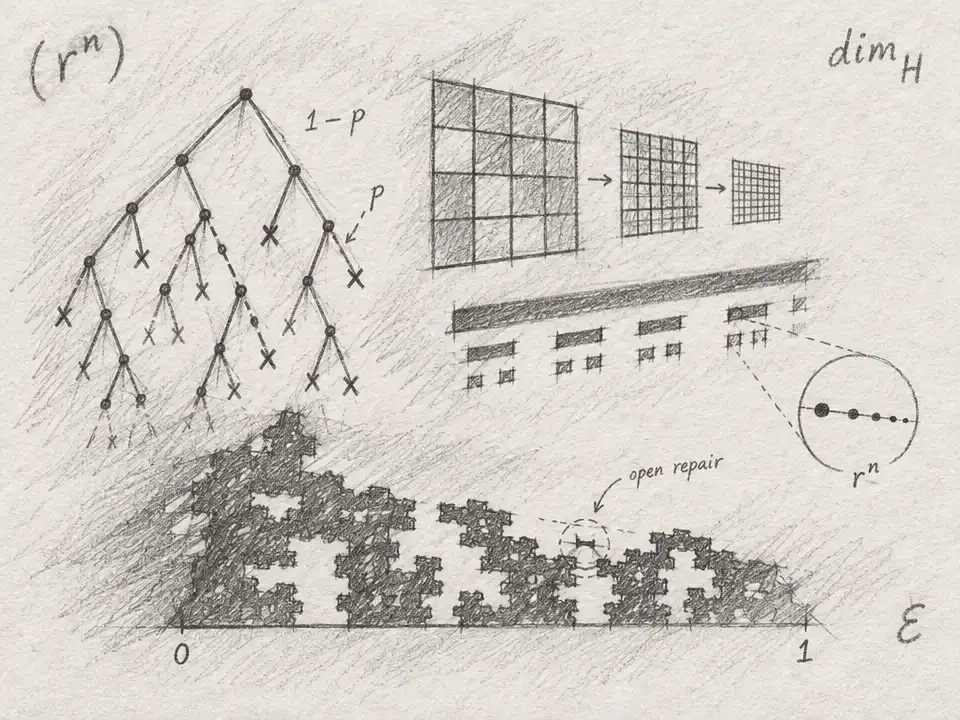
A probabilistic tree routes points through nested grids to build a tiny barrier against every copy of an infinite geometric pattern.
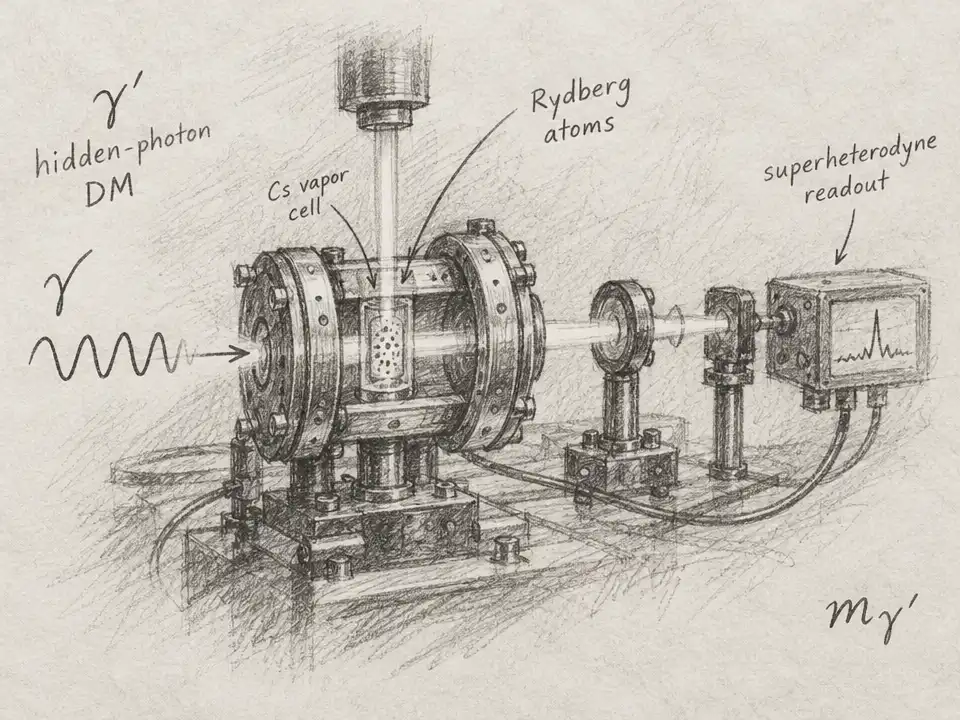
A proposed chip-scale atomic sensor could turn a hidden-photon dark-matter signal into a faint, readable flicker of laser light.
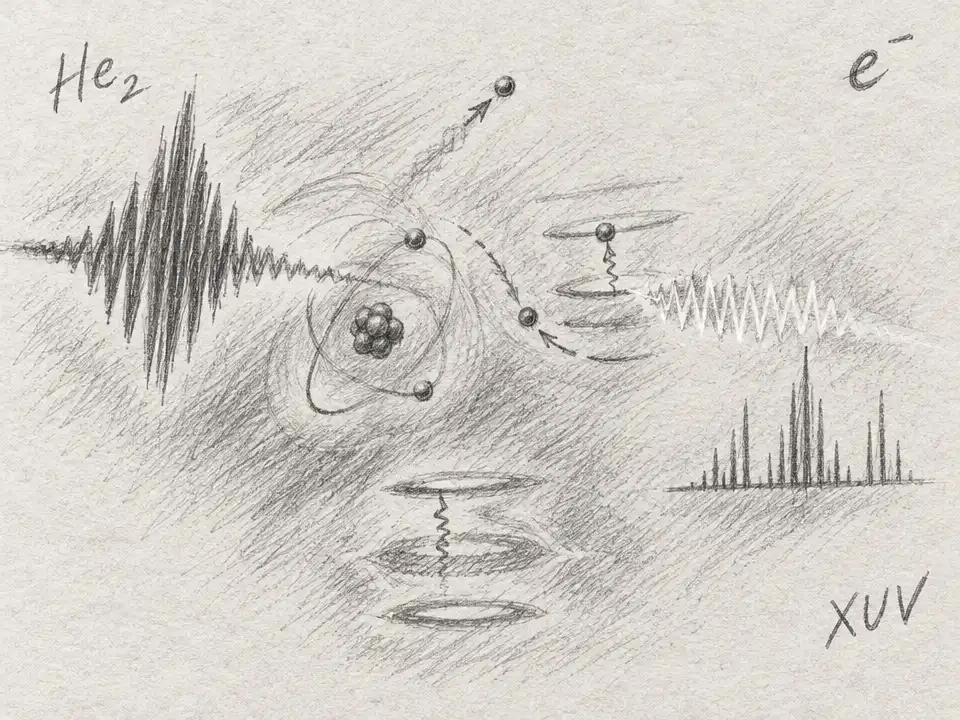
A helium experiment links extreme-ultraviolet sidebands to laser-dressed dark states populated when tunneling electrons are recaptured.
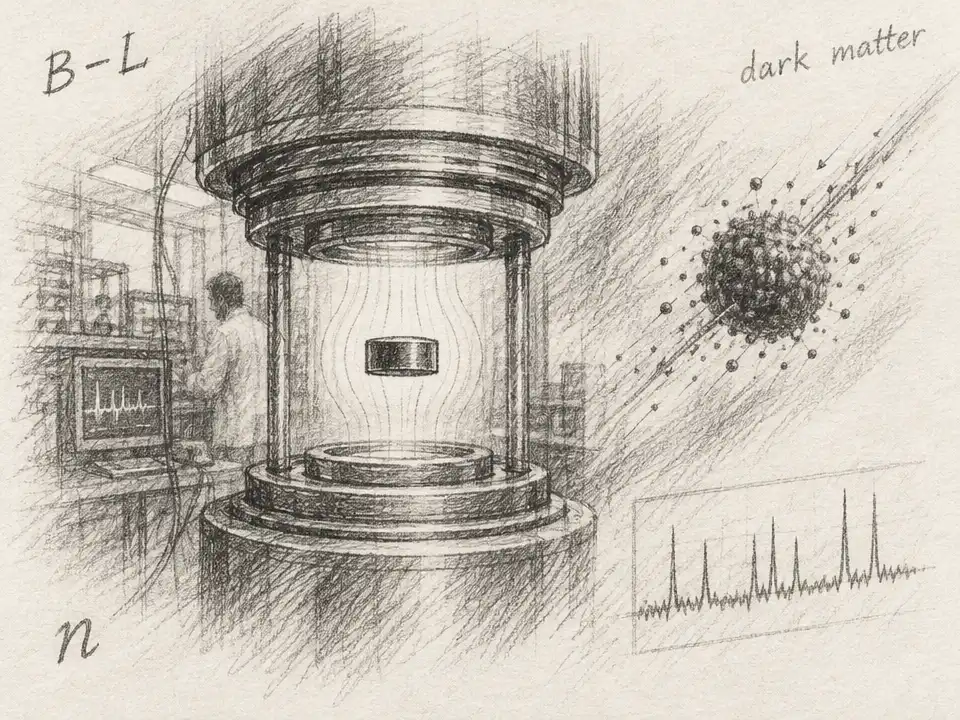
A levitated milligram magnet searched for ultraheavy dark matter through passing particles’ impulses, turning eight ambiguous kicks into conservative limits.
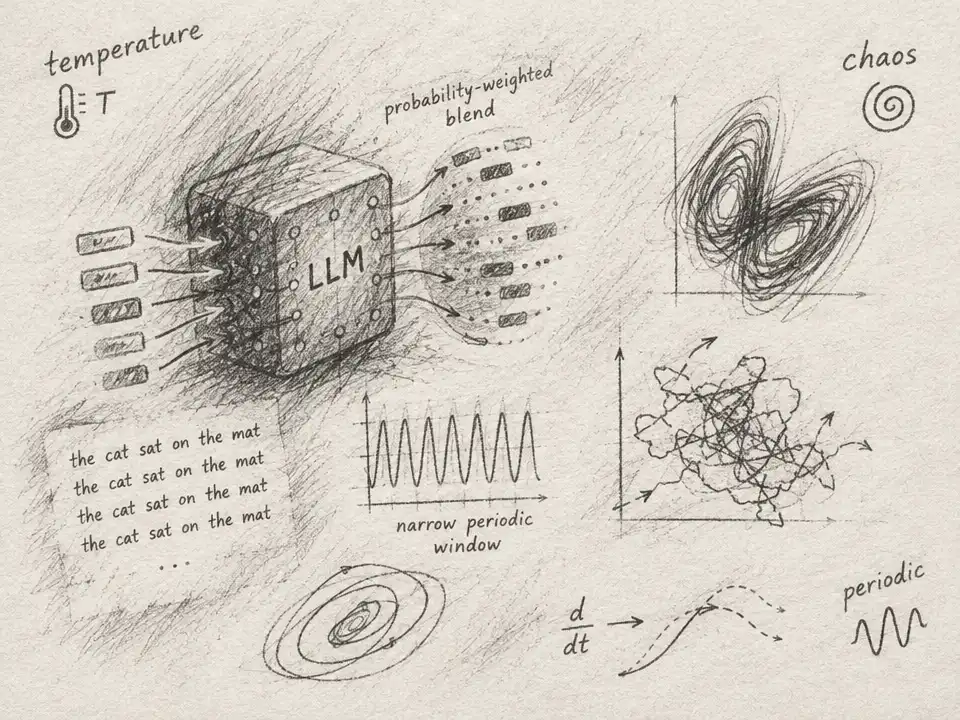
A fixed-loop experiment reveals how a language model’s continuous feedback can shift from repeating phrases to chaos—and why tiny numerical changes matter.
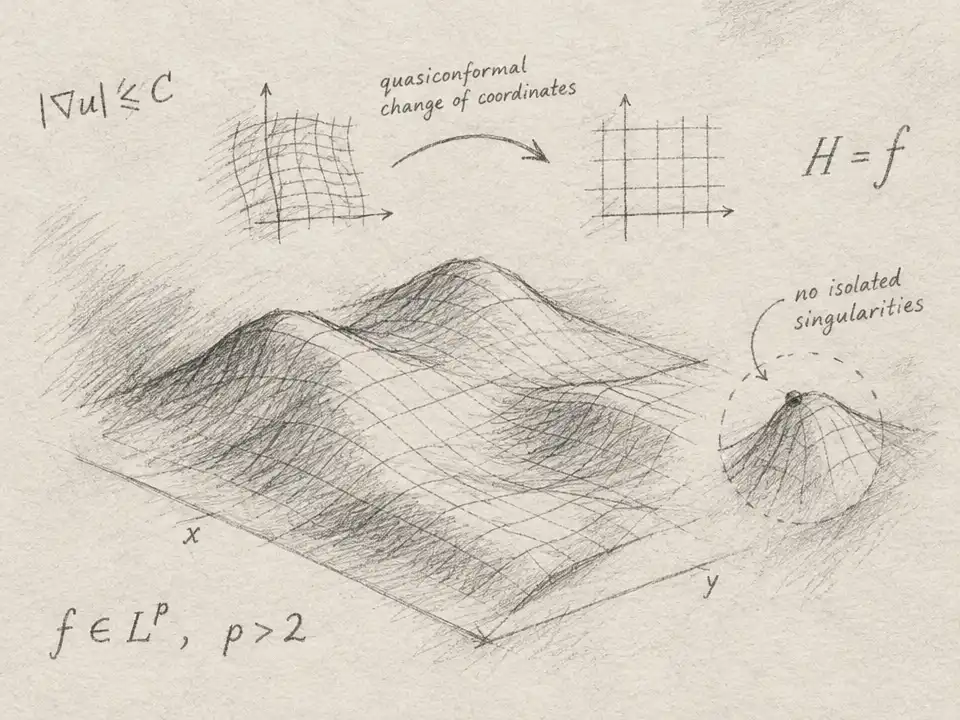
A new theorem shows how a hidden two-dimensional coordinate change can reveal smoothness in rough geometric graphs, even in high codimension.
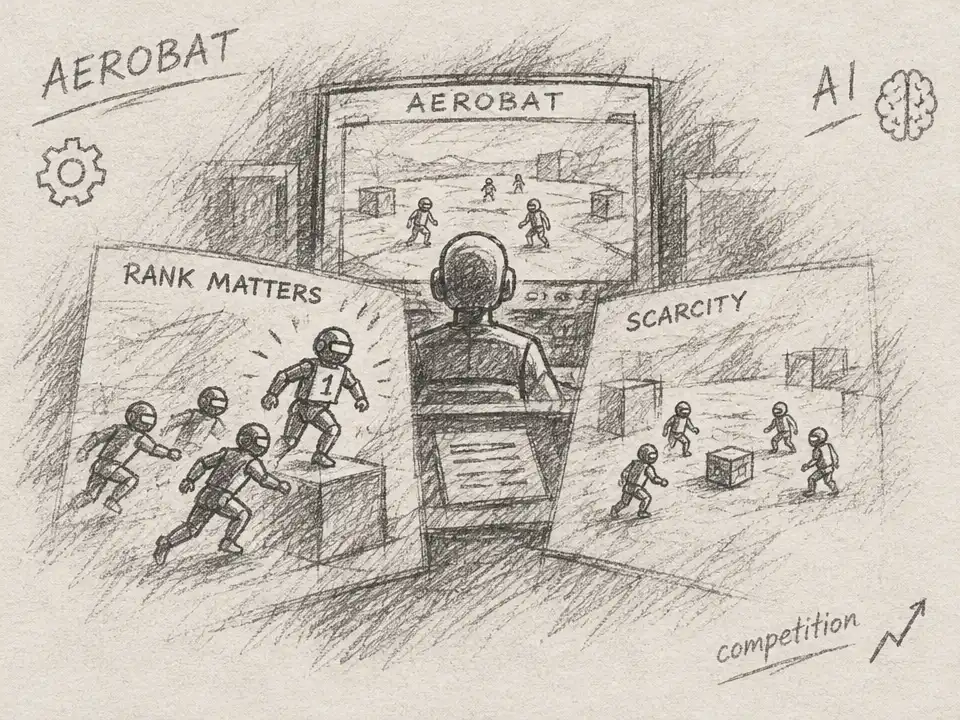
A controlled study finds that AI-agent competition tracks rank incentives more than scarcity, revealing how simulated settings shape behavior.