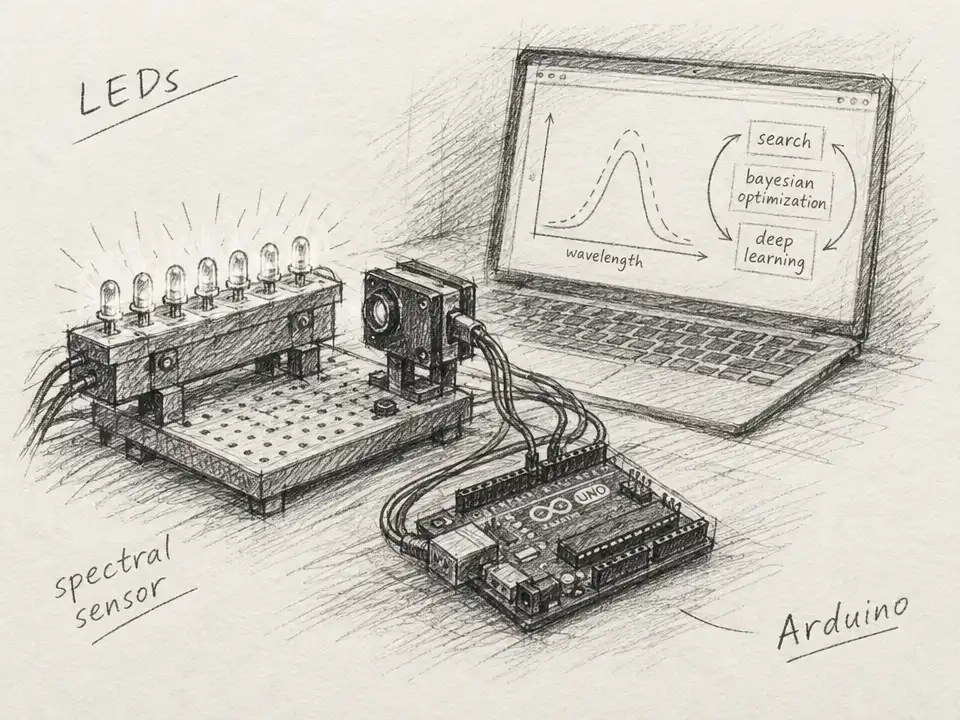
How a Self-Driving Lab Shrunk to Eight LEDs and a Sensor
An eight-LED, roughly $60 optical lab lets students watch algorithms measure, learn and correct a physical experiment in a closed loop.
An eight-LED, roughly $60 optical lab lets students watch algorithms measure, learn and correct a physical experiment in a closed loop.
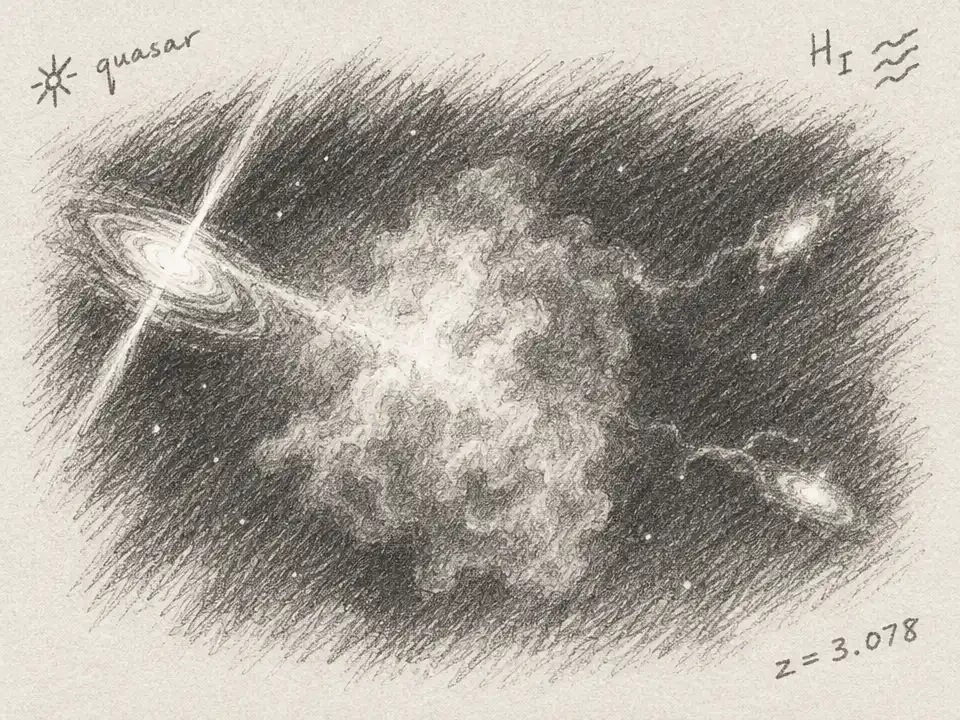
Keck observations reveal two faint galaxies near an exceptionally metal-poor hydrogen cloud, offering a cautious new route to ancient star formation.
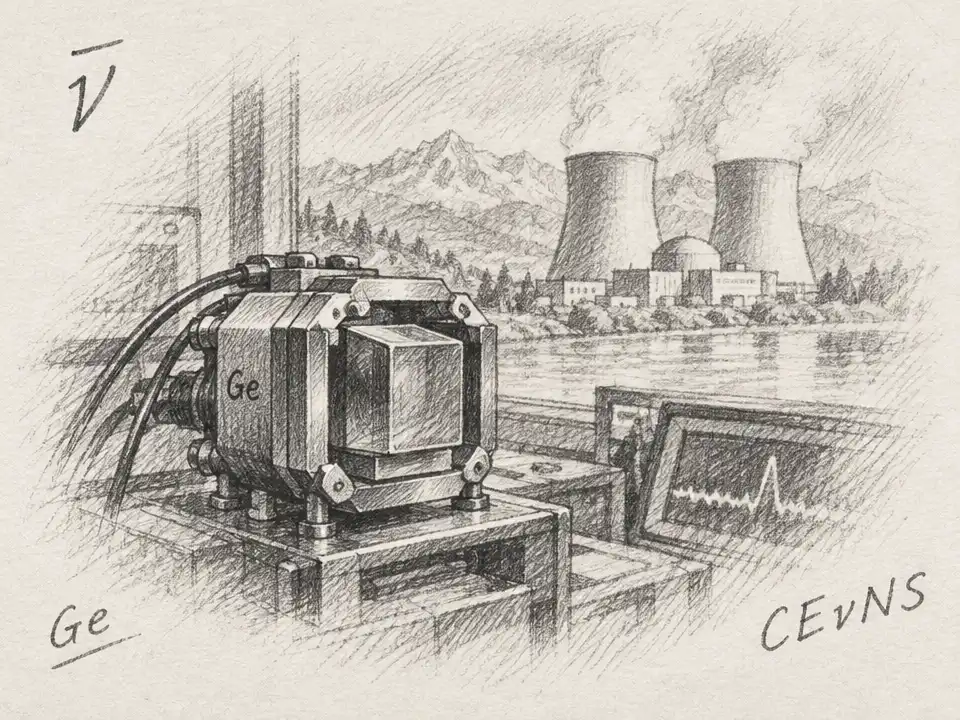
A reactor-near germanium detector senses antineutrinos through tiny whole-nucleus recoils, opening a low-energy test of particle physics.
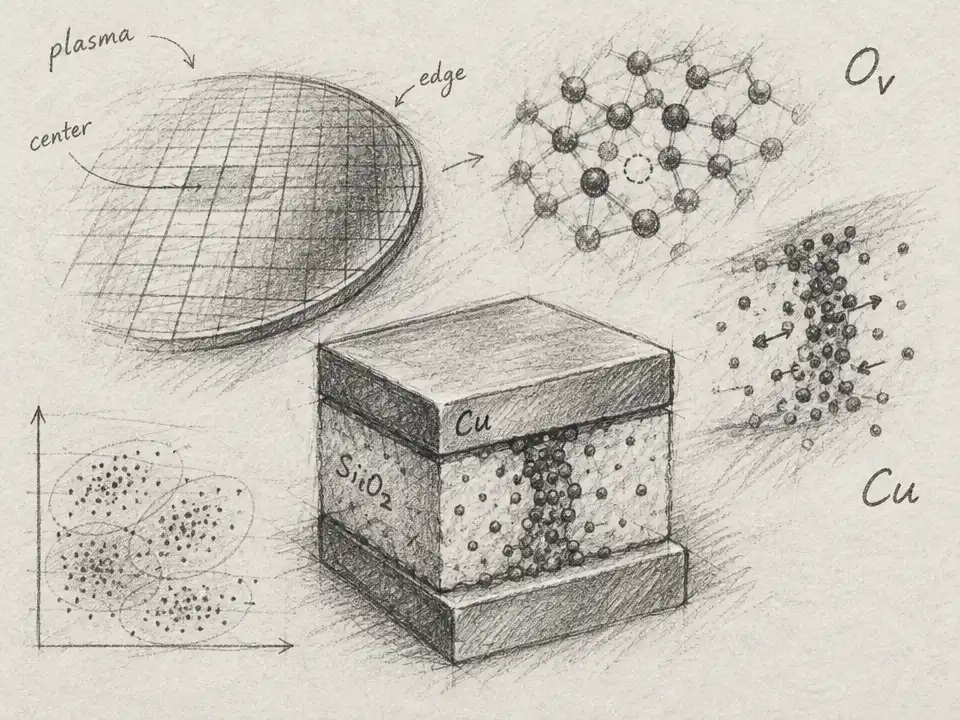
More than 50,000 memristor measurements reveal how plasma gradients and hidden oxide defects steer devices into different electrical behaviors.
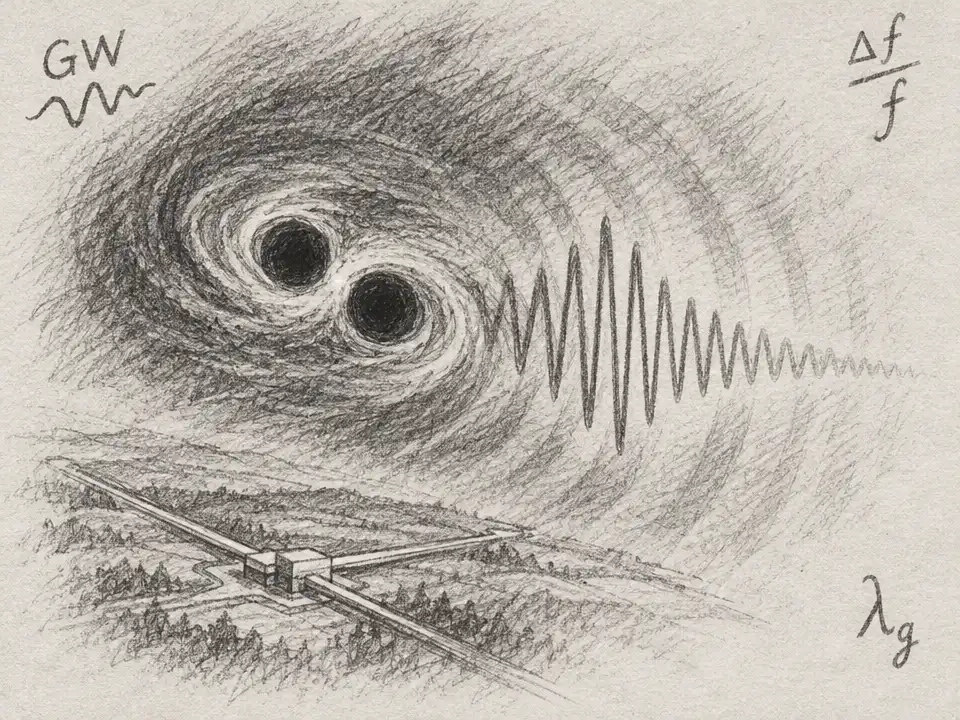
After black hole mergers, paired ringdown modes may split. A gravitational-wave analysis finds no split and tightens tests of gravity.
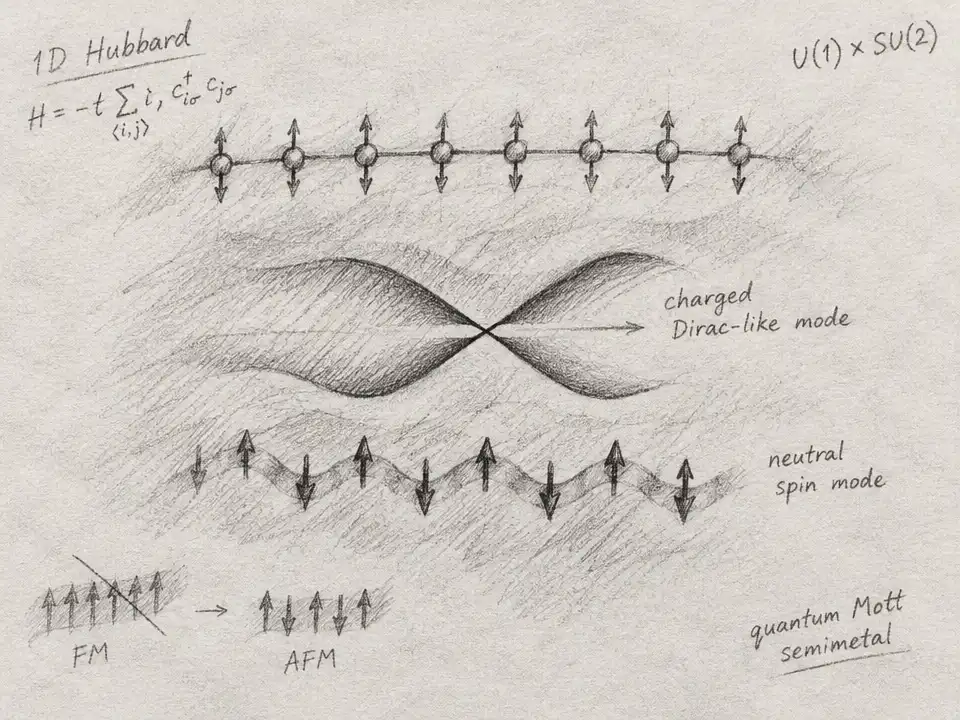
A one-dimensional quantum model hides a charged Dirac mode beside neutral local moments, revealing how interactions split one electronic world in two.
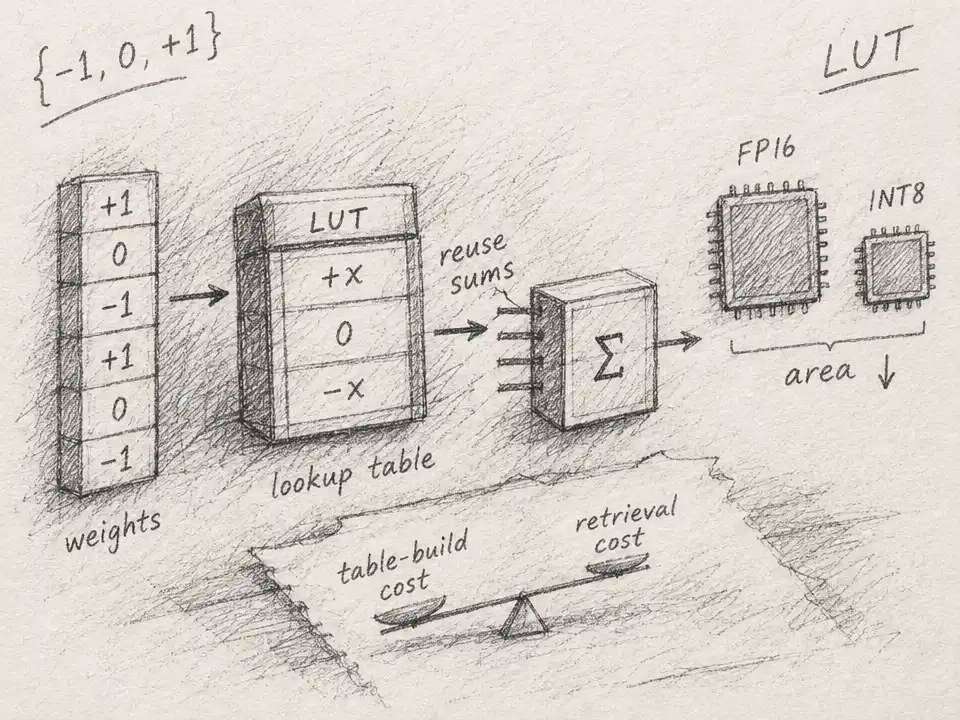
A hardware study shows how three-valued AI weights can replace repeated multiplication with reusable lookup tables—and why the data type matters.
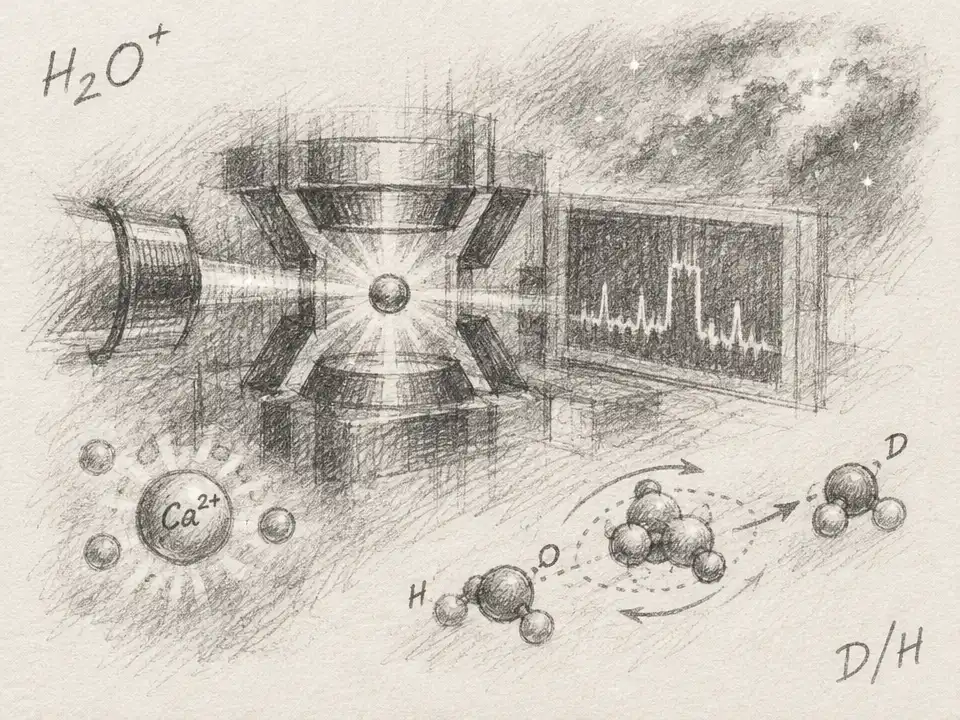
A cryogenic ion-trap experiment tracks 441 water-ion reactions at 7 K, revealing a preference for hydrogen transfer in cold chemistry.
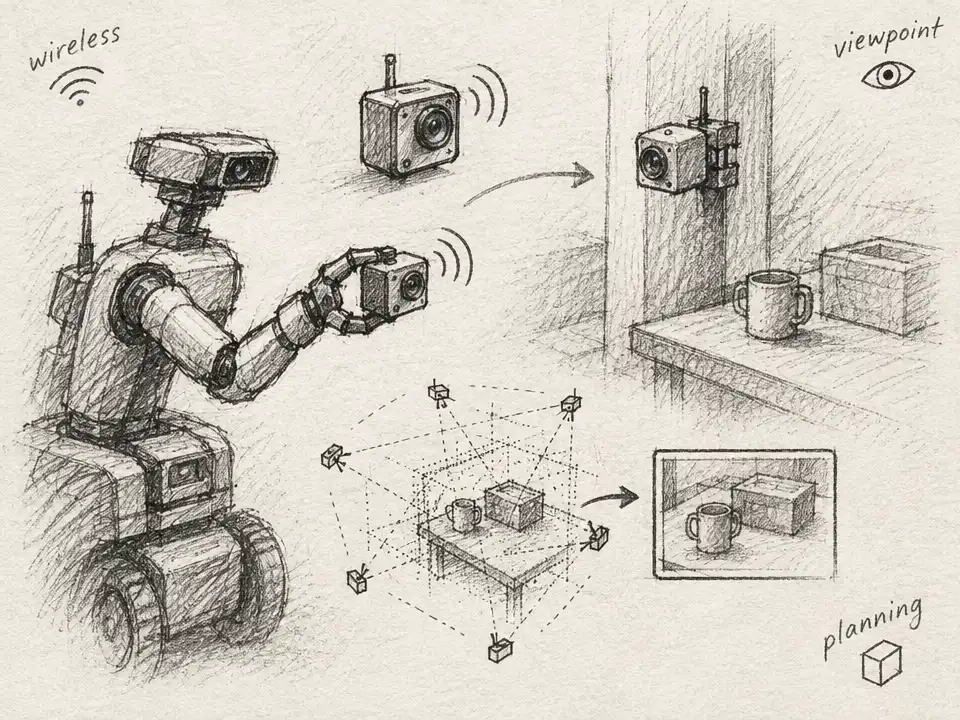
A detachable camera lets a robot build task-specific viewpoints, keep watch after it leaves, and navigate blocked views in lab experiments.
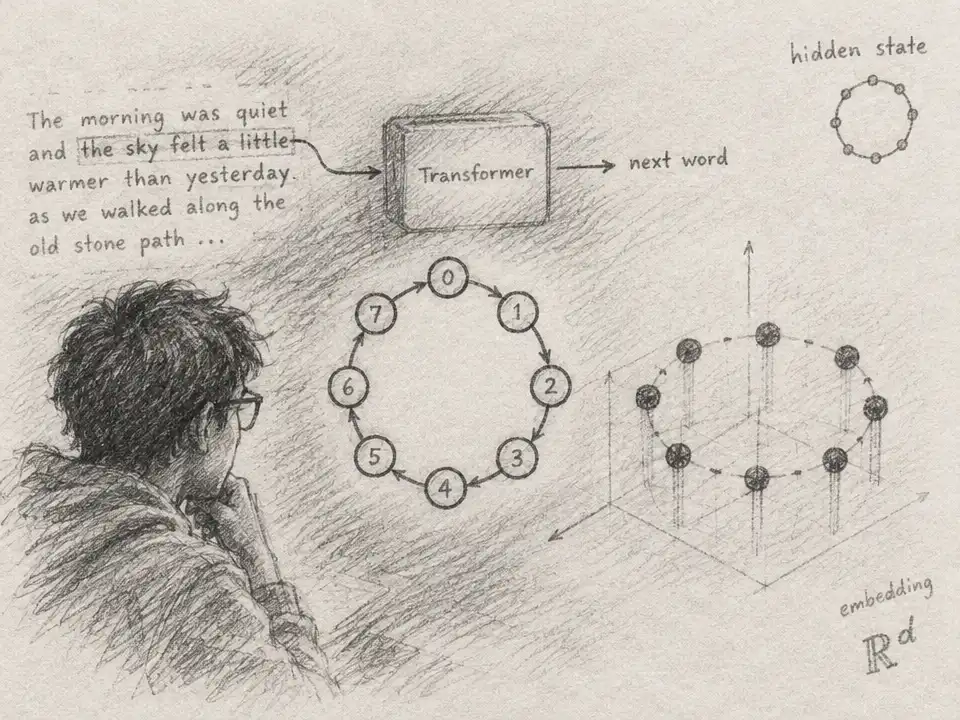
A language model learned a hidden eight-state pattern in natural-looking text—and its internal representations traced the pattern’s ring.
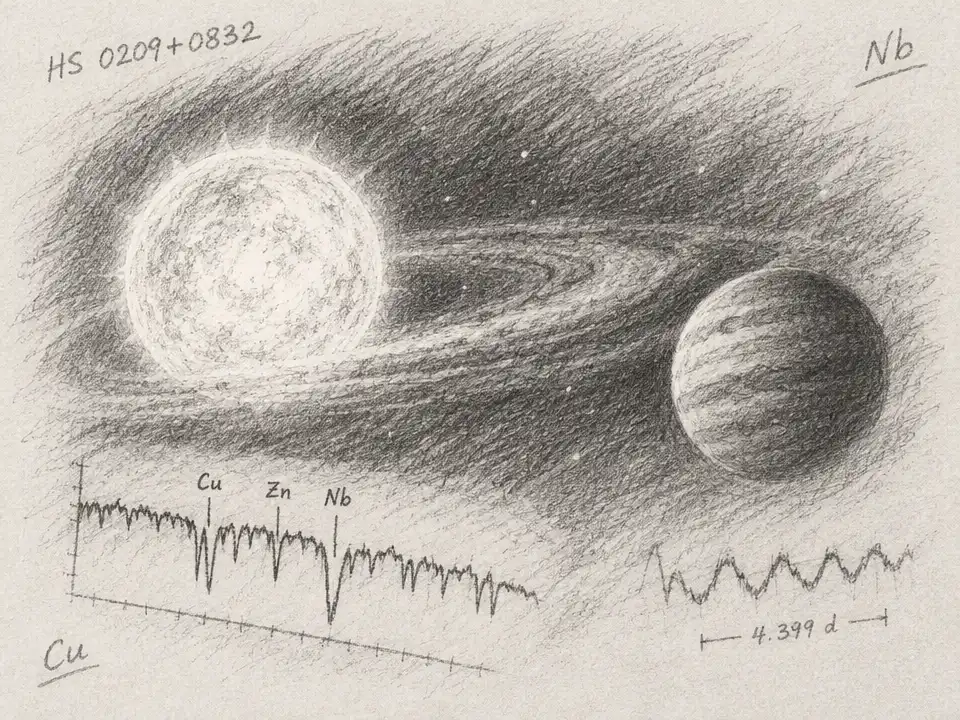
A white dwarf’s unusual metals may trace gas from a giant planet formed from material its star shed before becoming a stellar remnant.
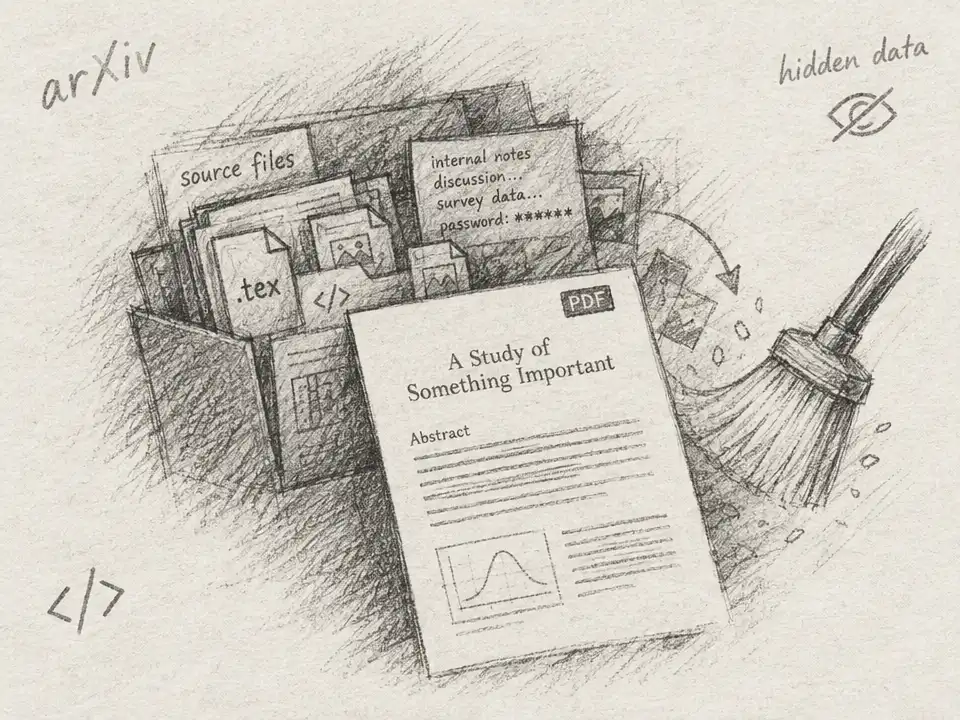
A scan of 2.7 million arXiv submissions reveals how comments, metadata and unused files can expose what polished PDFs conceal.
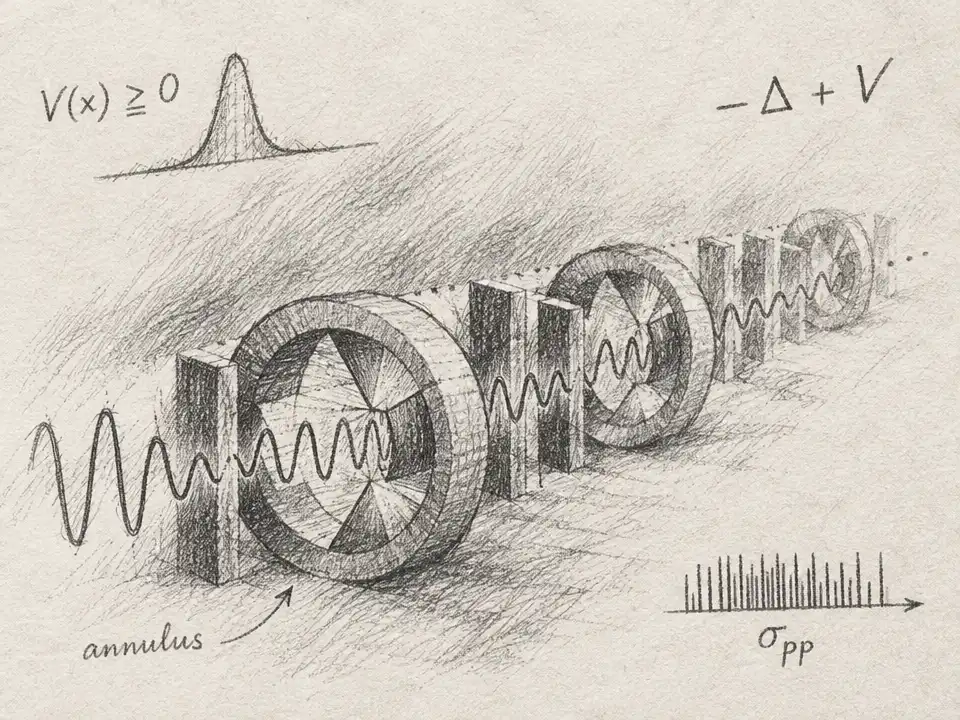
A faint landscape of distant rings overturns expectations about quantum waves, replacing a traveling-state continuum with dense bound states.
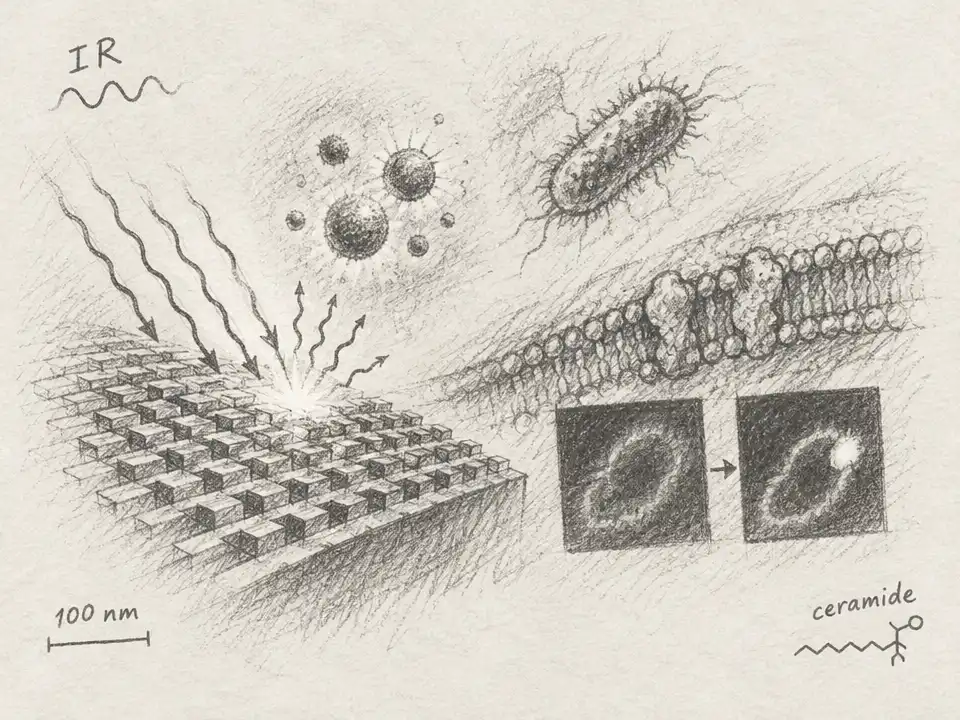
A resonant gold metasurface turns faint molecular vibrations into heat pulses, mapping lipid chemistry as it changes on living cell membranes.
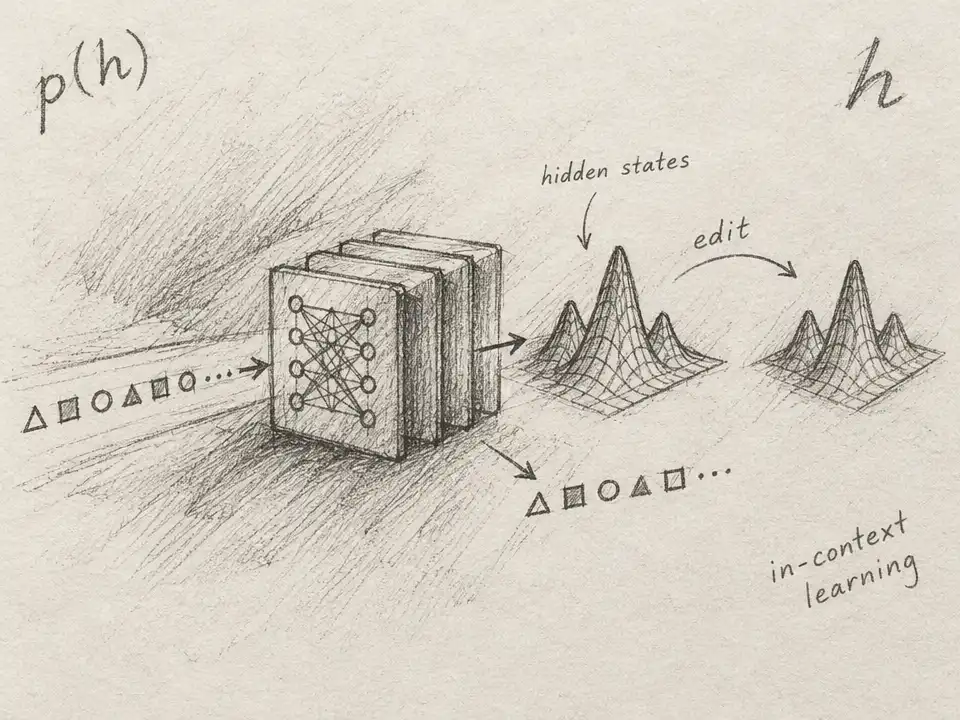
Researchers reveal how language models track hidden states in unfamiliar symbol streams—and show that editing the map changes predictions.
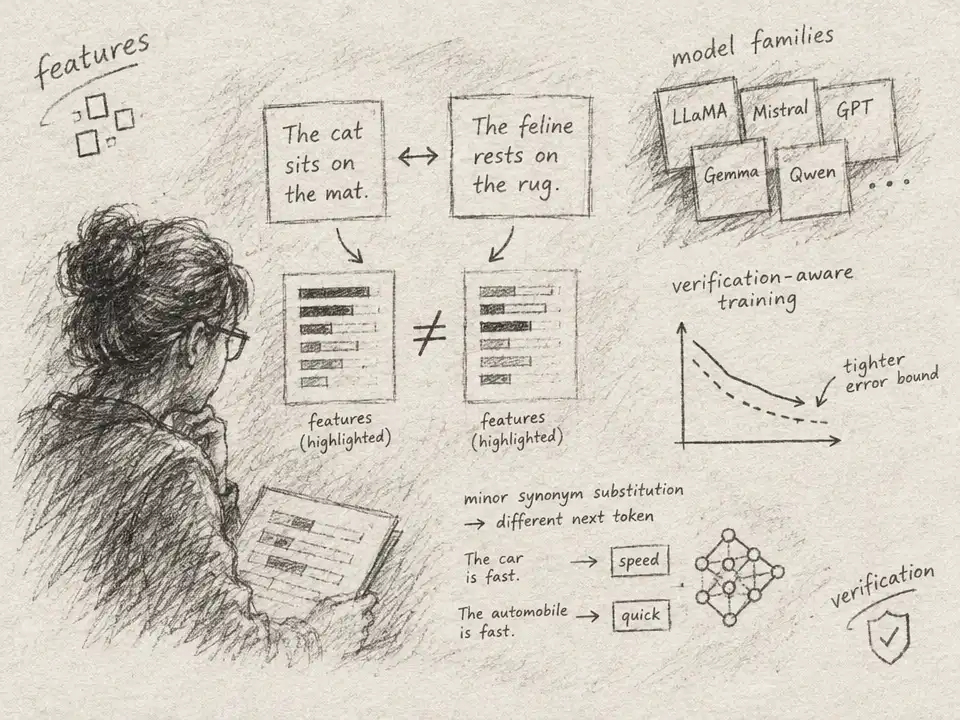
A close look inside language models reveals how synonym shifts can scramble interpretable features—and why formal checks still stop short.
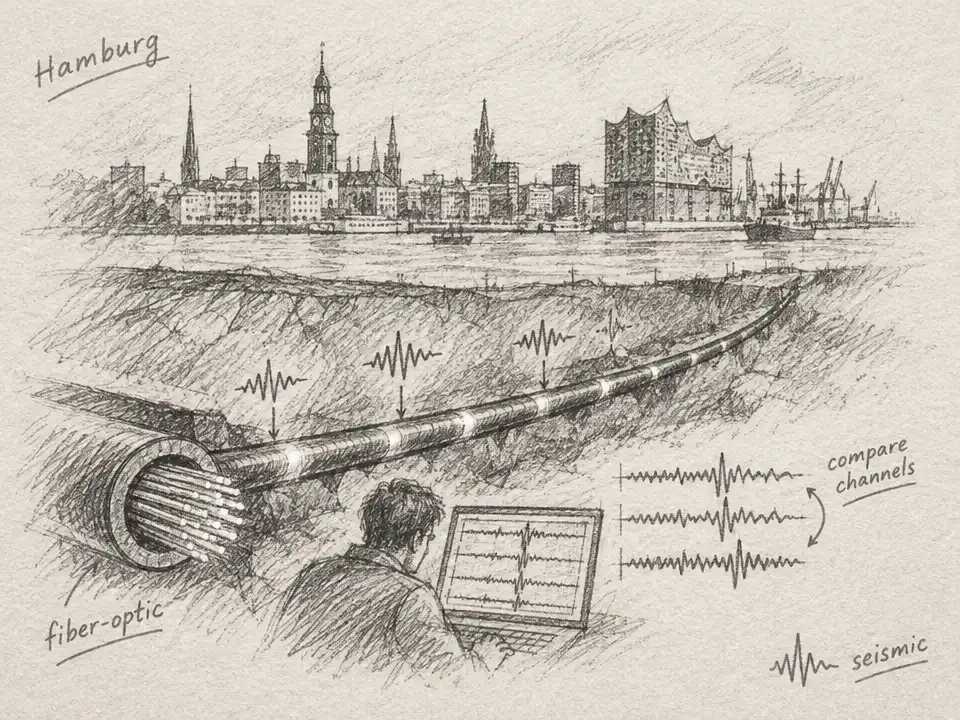
A Hamburg fiber-optic network records earthquakes and seasonal shifts. A new method reveals which buried cable sections listen best.
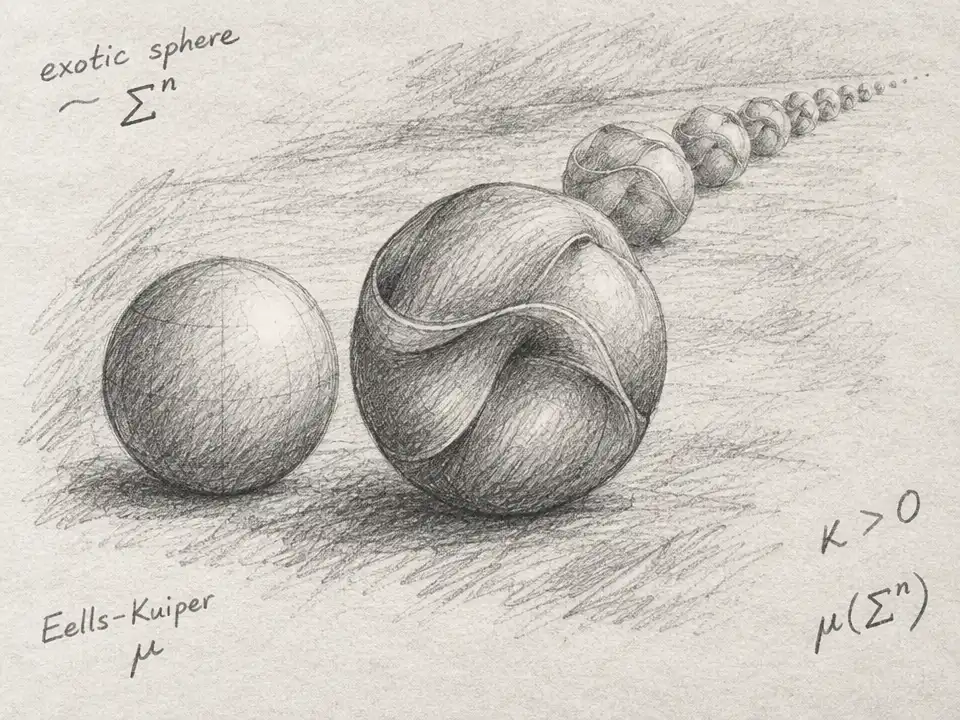
Exotic spheres may hide distinct smooth structures beneath positive curvature, expanding the geometric possibilities in infinitely many dimensions.
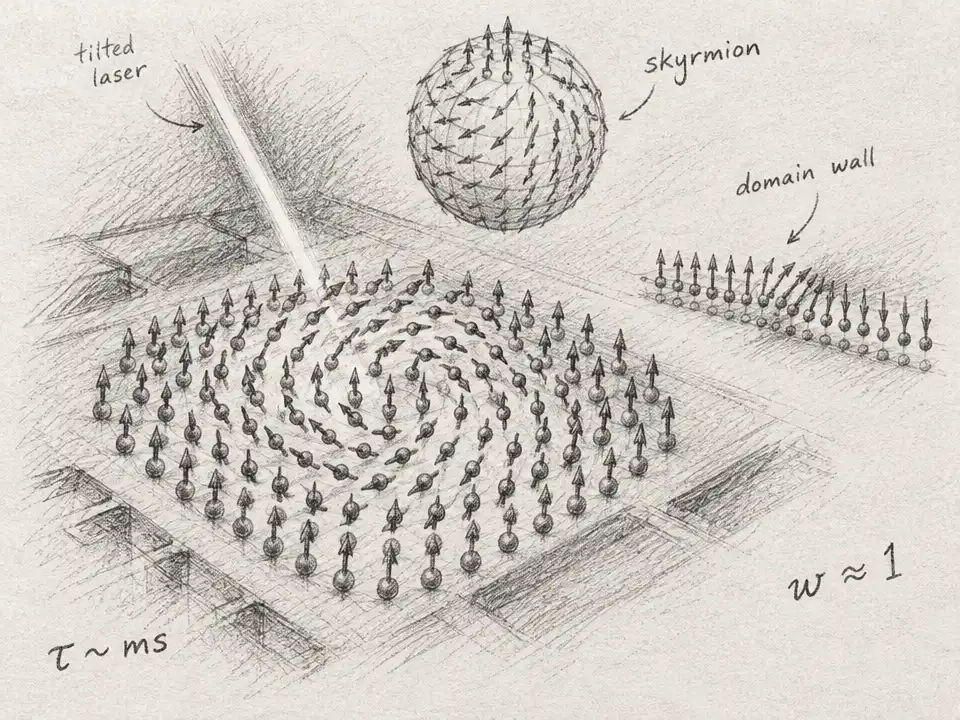
A laser tilted by 0.04 degrees helps arrange more than 150 trapped ions into a measurable skyrmion spin pattern.
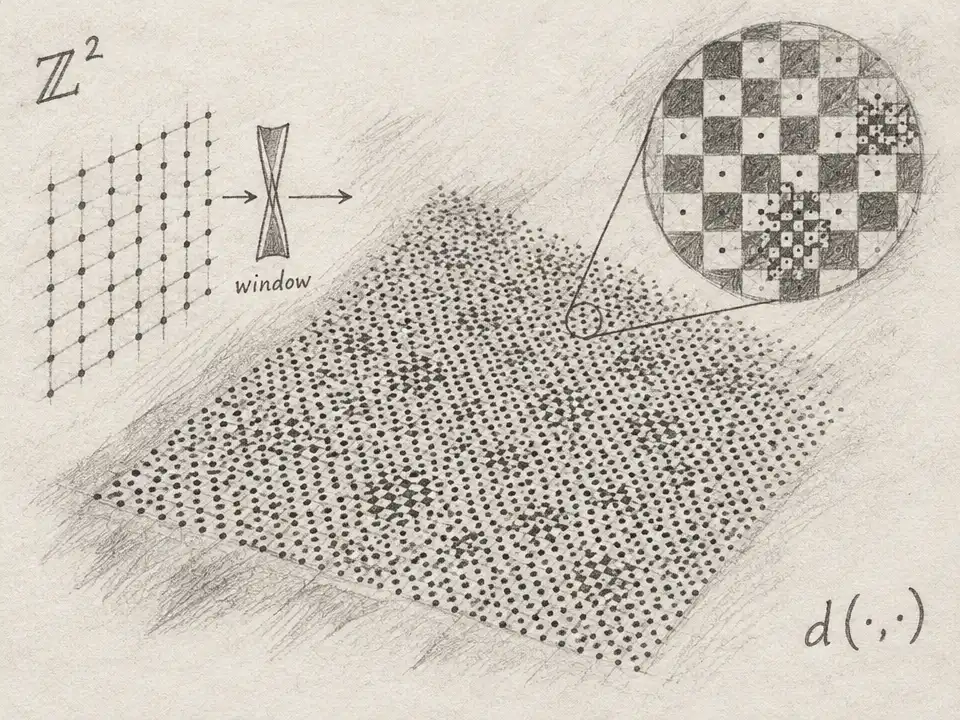
A point pattern can have uniform density and still resist every bounded-distortion match to a regular lattice.