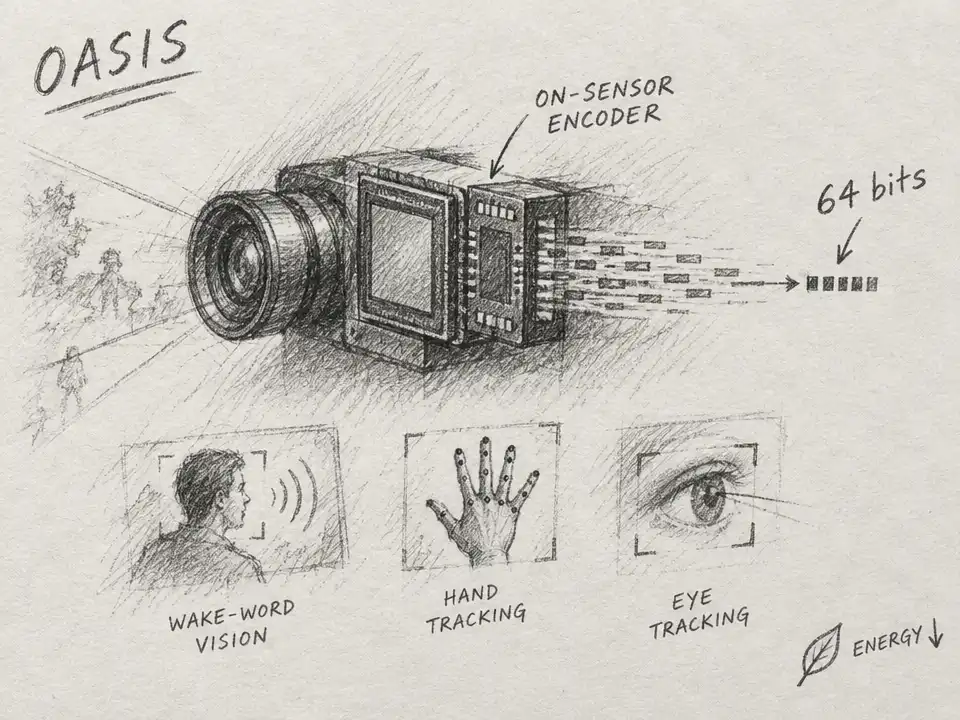
How a Tiny Camera Learns to Send a Hint Instead of an Image
A camera-side encoder turns images into compact machine-readable clues, cutting data traffic and modeled energy without preserving every pixel.
A camera-side encoder turns images into compact machine-readable clues, cutting data traffic and modeled energy without preserving every pixel.
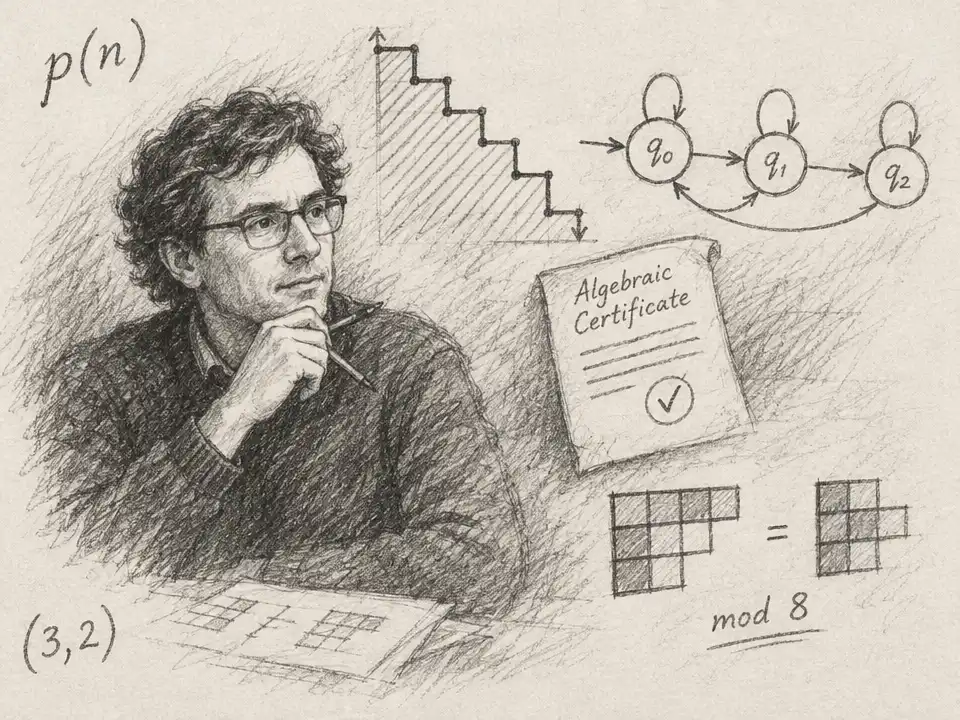
A staircase-shaped path turns colored partitions into finite-state machines, helping an exact certificate prove a new residue-class identity.
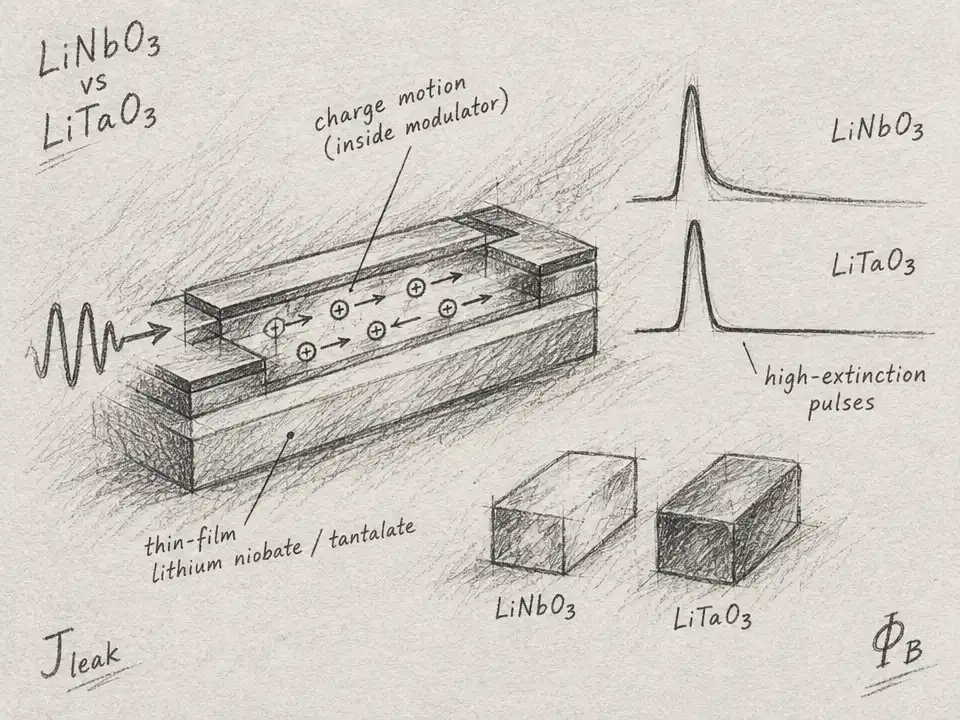
A thin-film crystal suppresses hidden charge motion, helping an optical switch make cleaner pulses with fewer lingering light tails.
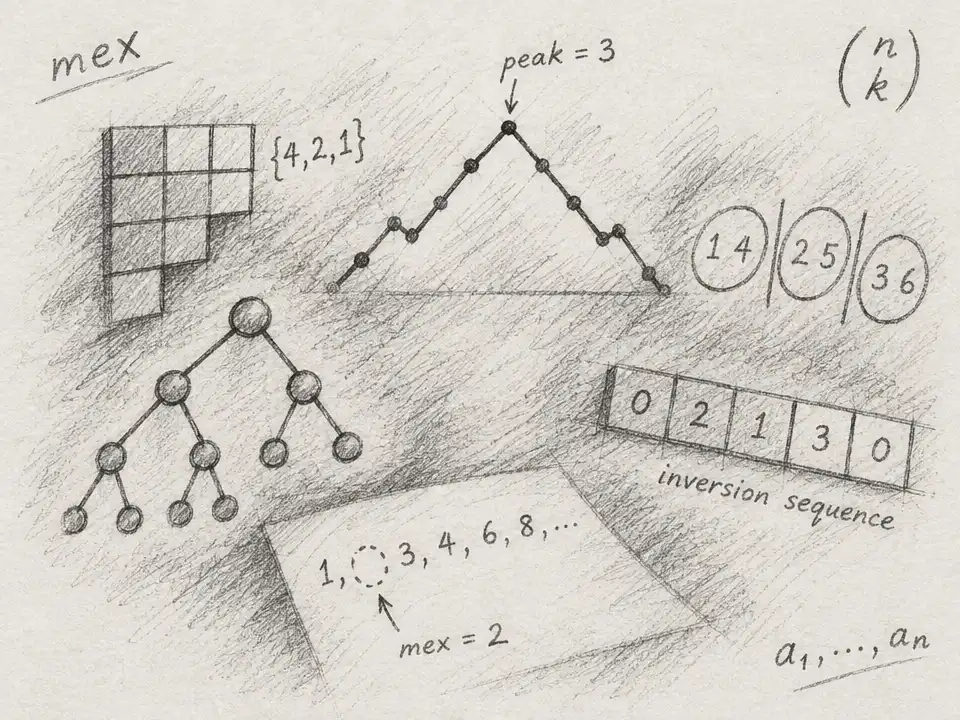
A simple missing-value rule connects partitions, paths, and trees—and hints at an unexplained mirror in inversion sequences.
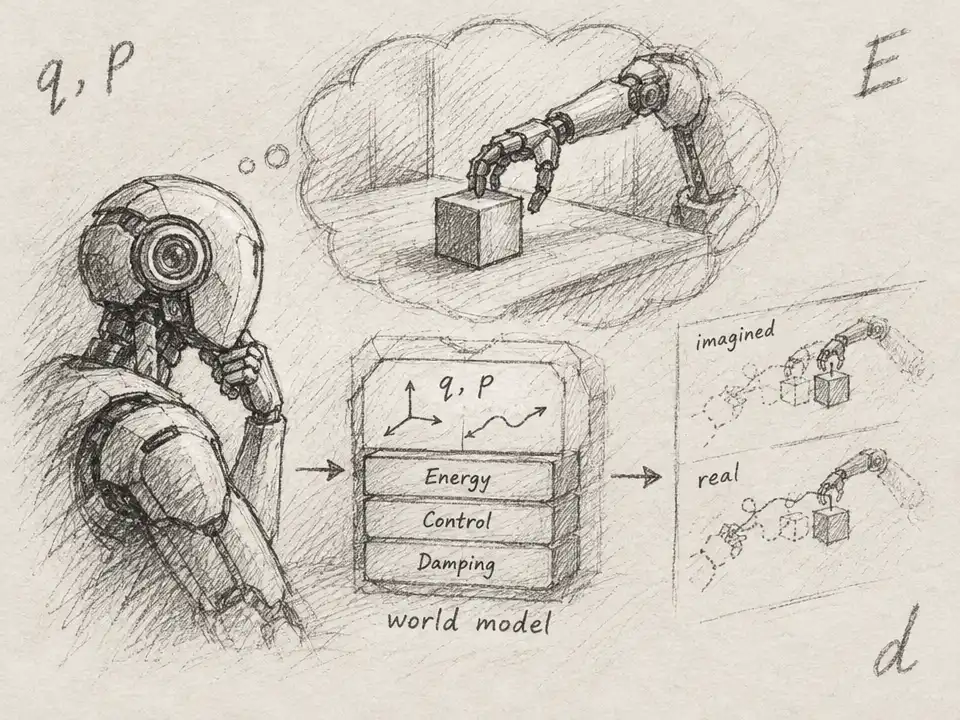
A world-model design gives AI’s imagined robot actions hidden motion variables, helping predictions stay physically coherent over longer sequences.
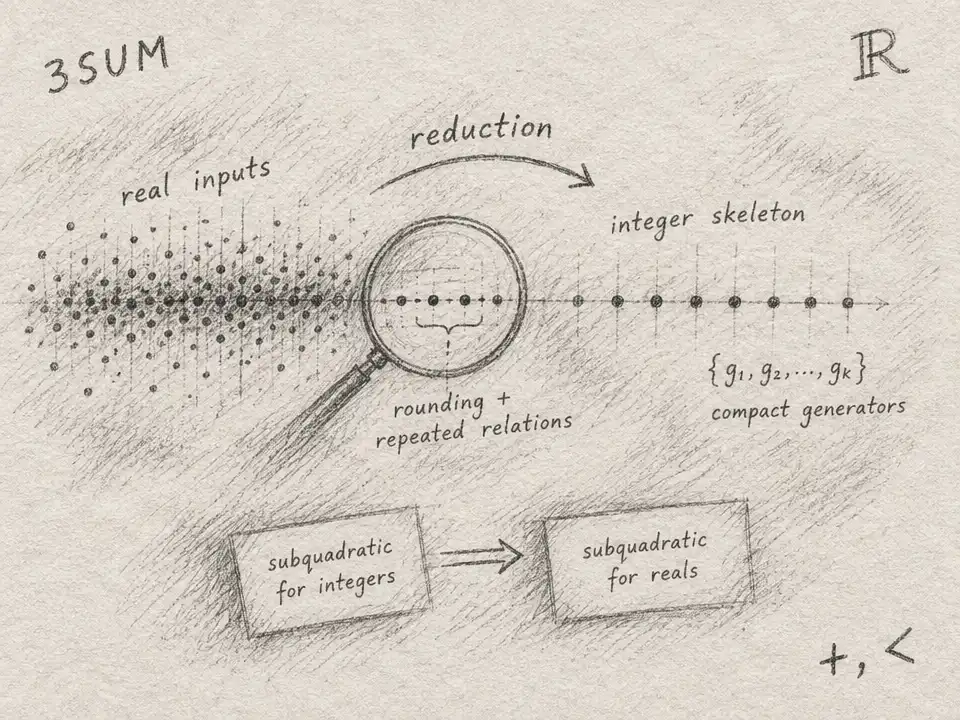
A new mathematical reduction finds a discrete integer skeleton beneath real-number 3SUM, linking two seemingly different hard problems.
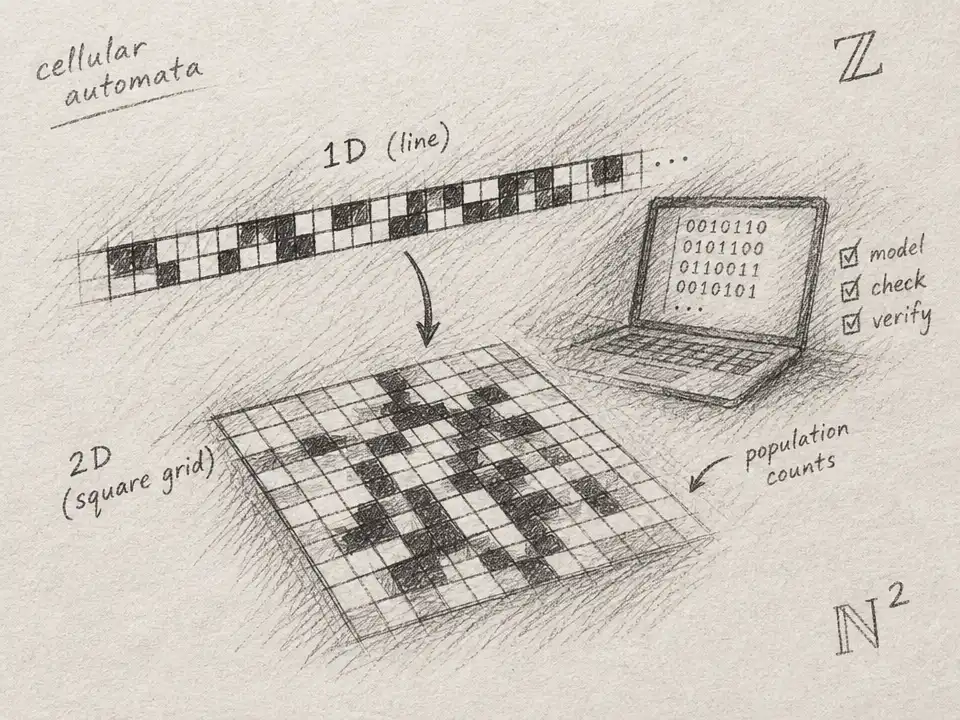
A search across 50 million sequence pairs uncovers a precise bridge between cellular automata growing on a line and a square grid.
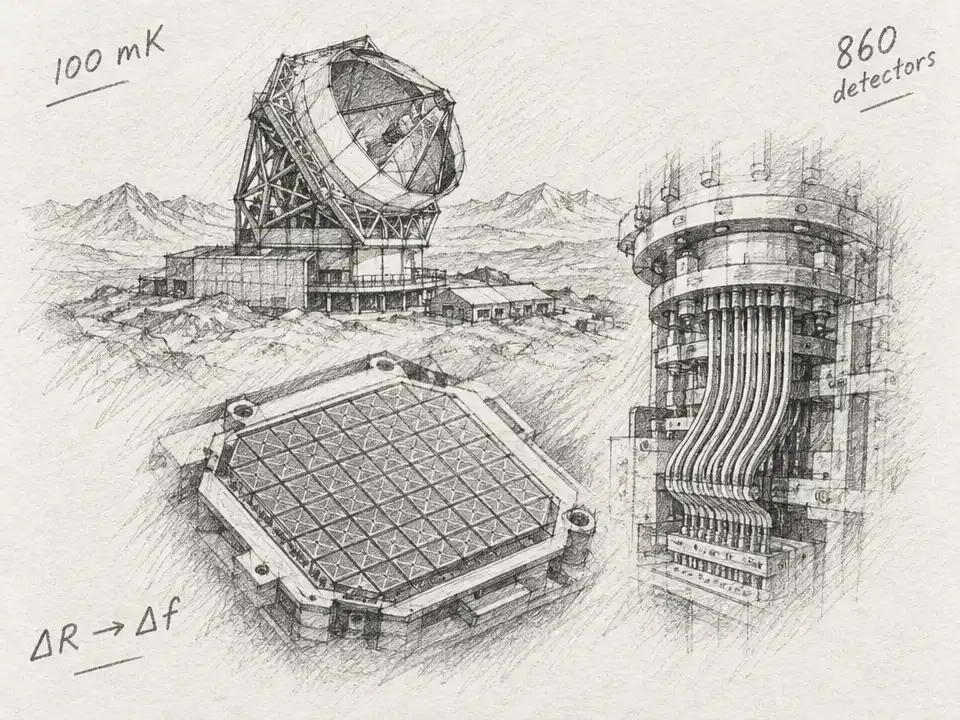
At Chile’s Simons Observatory, superconducting circuits let one microwave line read 860 ultra-cold detectors, turning faint sky signals into data.
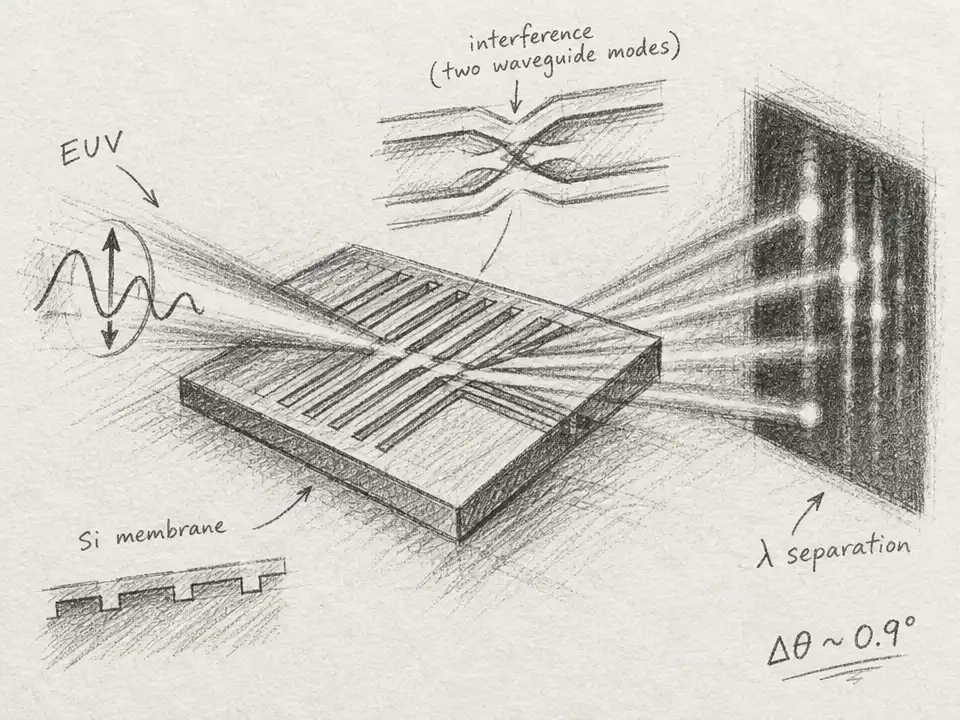
A patterned silicon membrane uses tiny waveguide channels to reveal the polarization and spectrum of extreme-ultraviolet light.
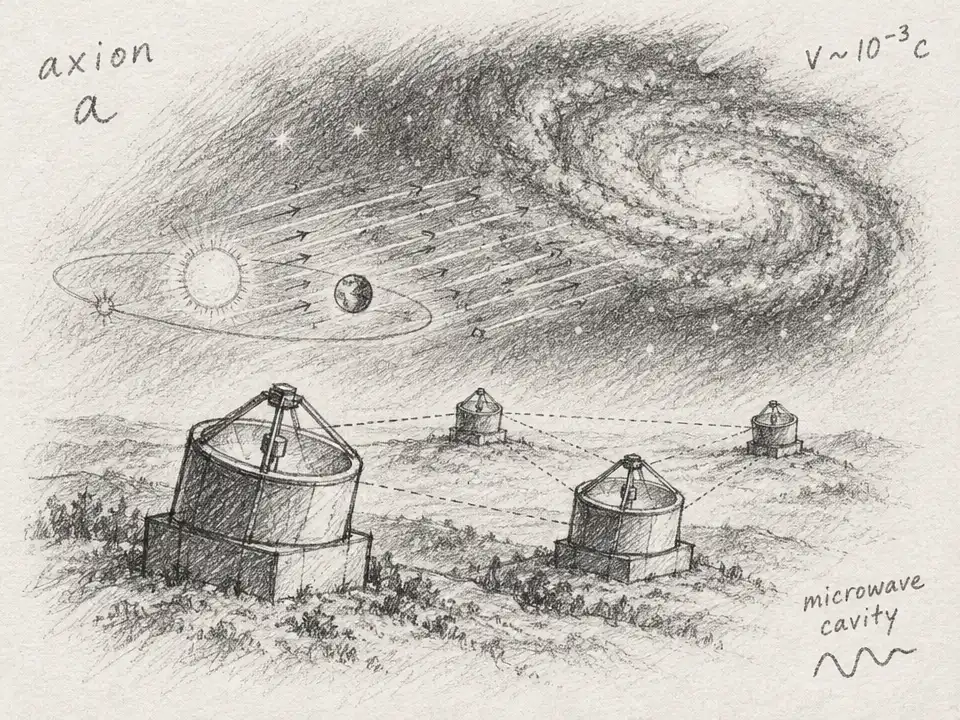
A proposed network of axion detectors could use signal timing and coherence to map the hidden motion of dark matter near Earth.

A frozen AI model gains robot skills by changing the tools around it, turning failures into better control, observation, and diagnosis.
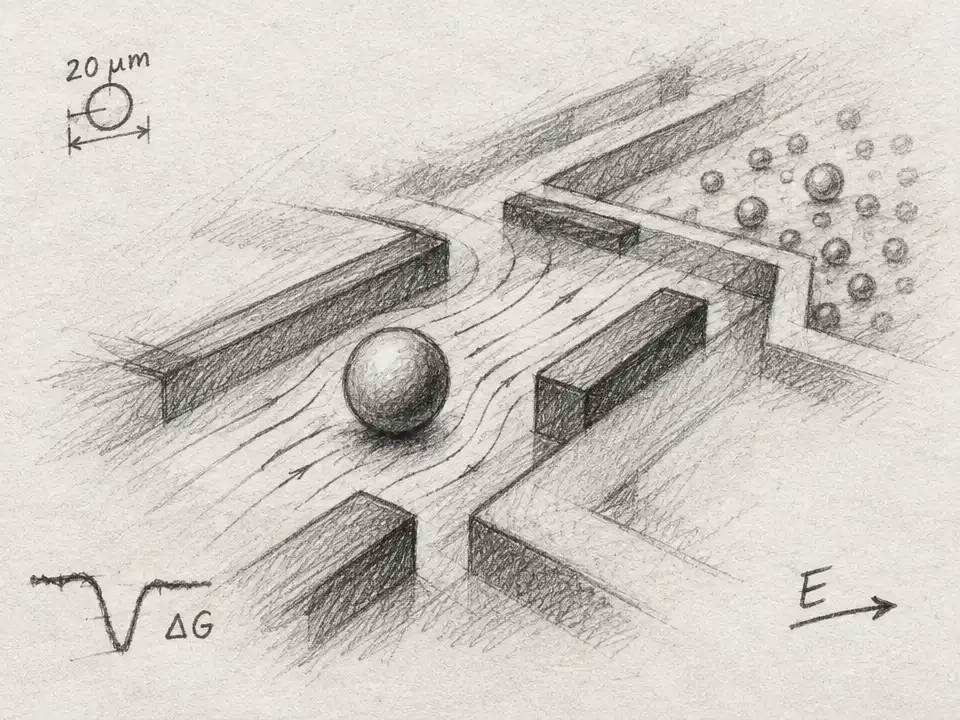
A tiny silica bead steers through a crowded microfluidic maze as electrical losses reveal the hidden forces moving it.
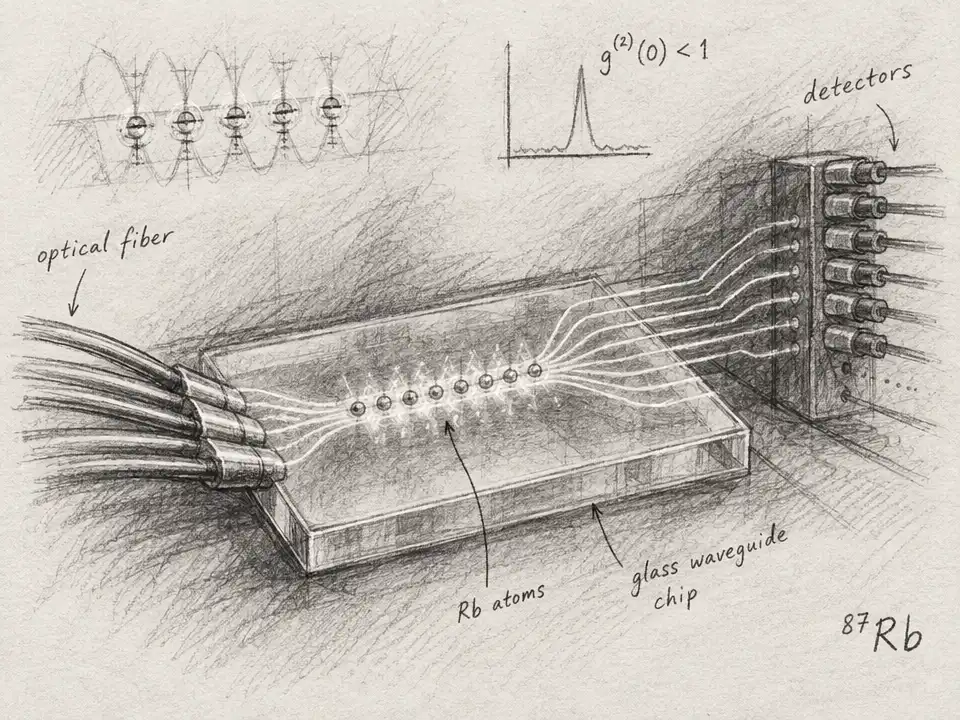
A glass waveguide bridges atomic-scale spacing to standard fibers, routing photons from 50 individually addressed rubidium atoms.
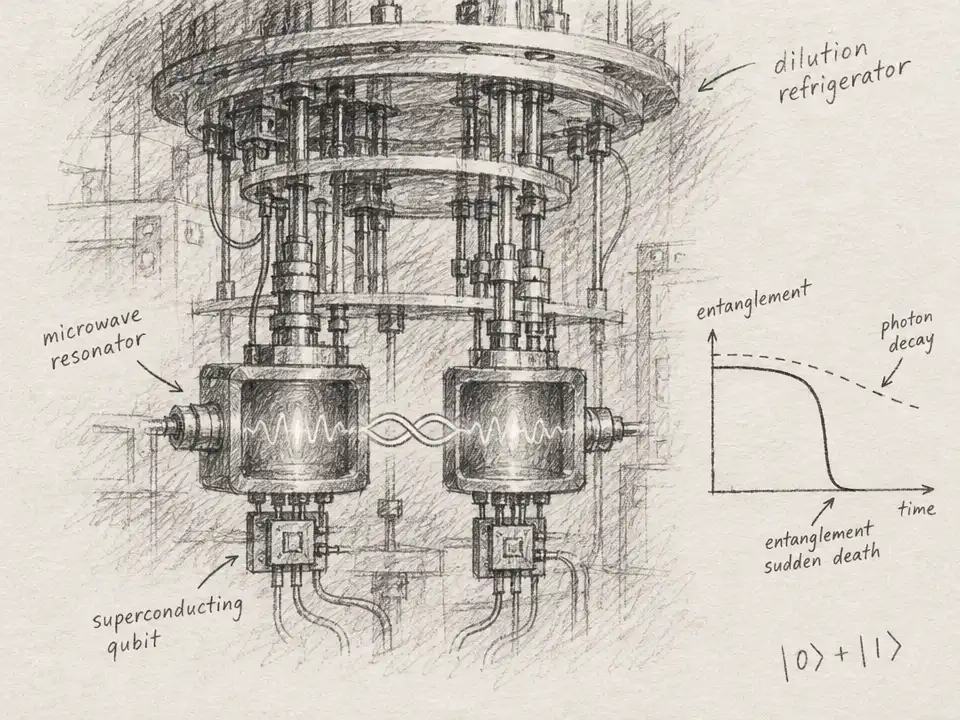
A superconducting-circuit experiment reveals how entanglement between two microwave modes can vanish suddenly even as photon loss continues gradually.
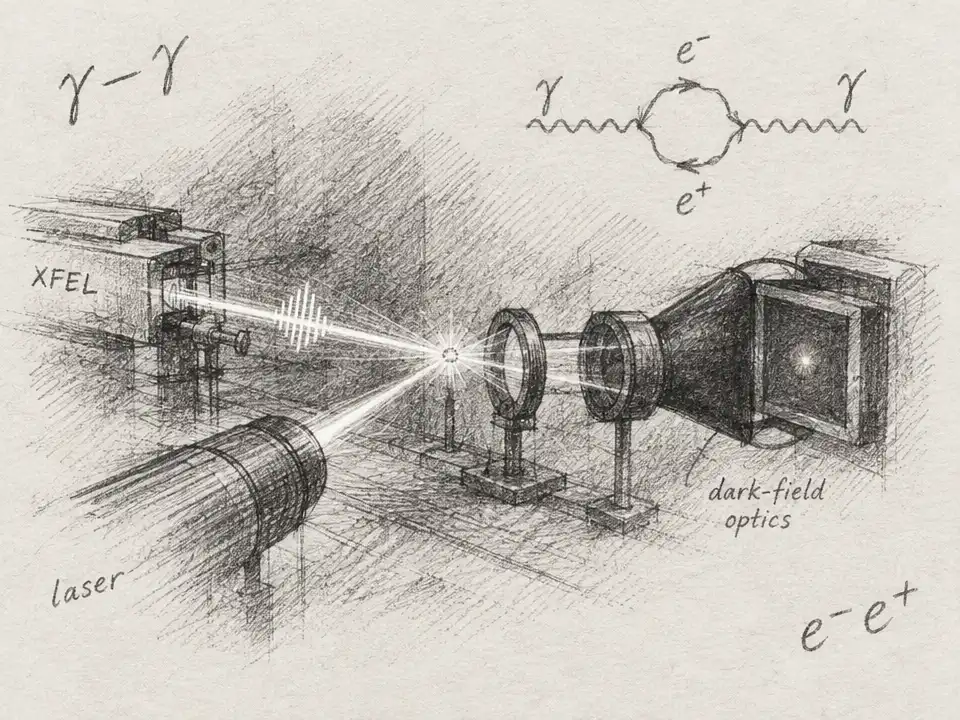
A dark-field experiment used colliding X-rays and a powerful laser to probe photon scattering in vacuum, setting a much tighter low-energy limit.
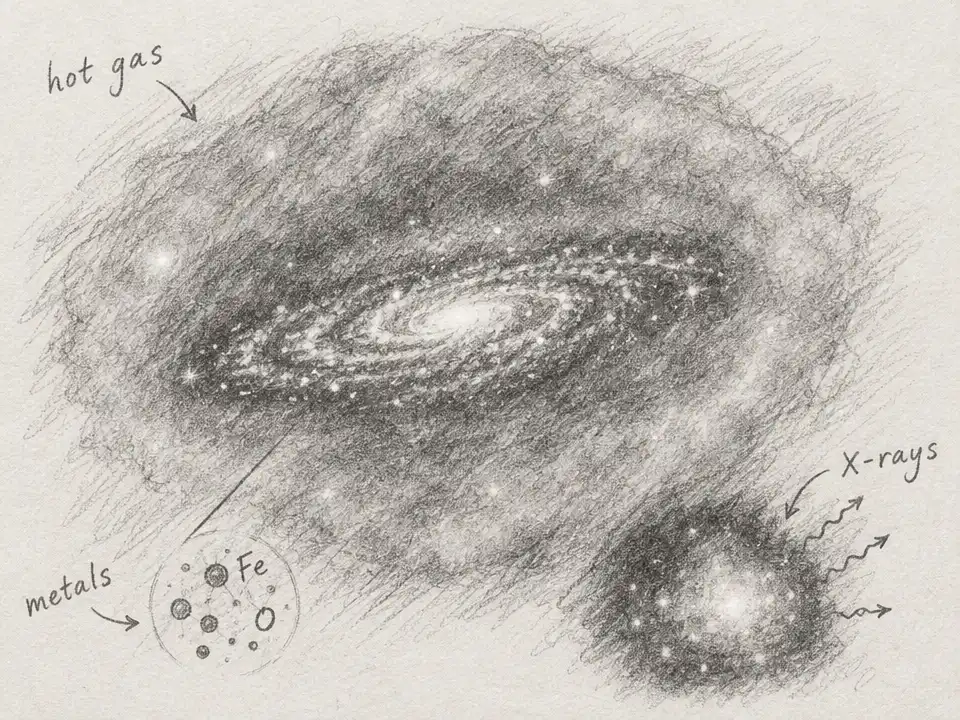
Simulations suggest a galaxy’s hot halo can shine differently depending on its temperature and heavy-element content, not just its gas mass.
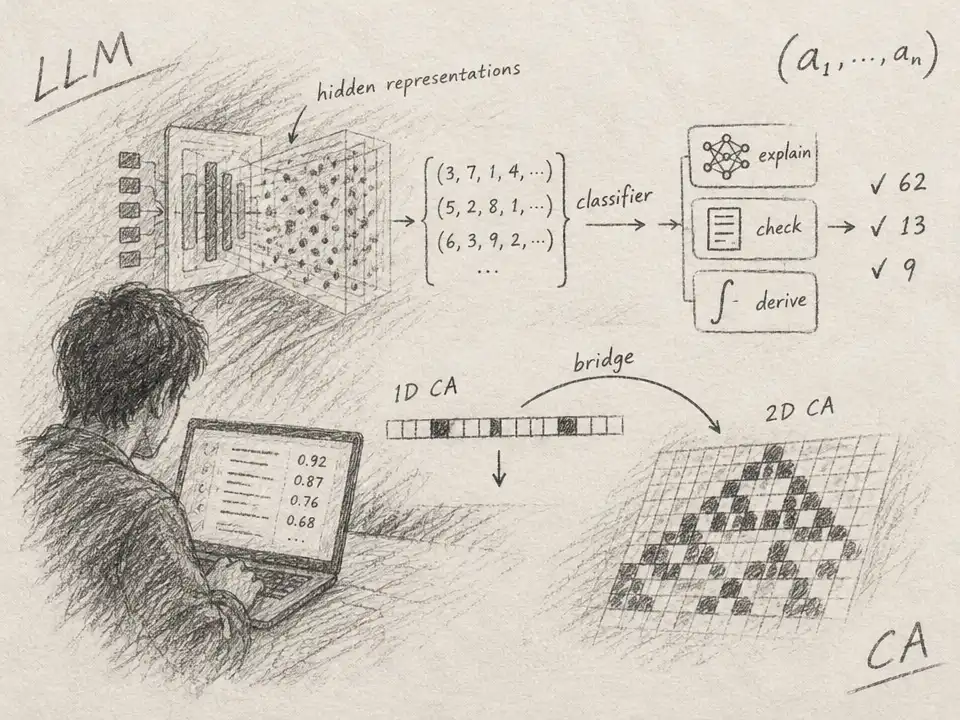
A language model’s hidden representations helped surface a surprising bridge between one-dimensional and two-dimensional cellular automata.
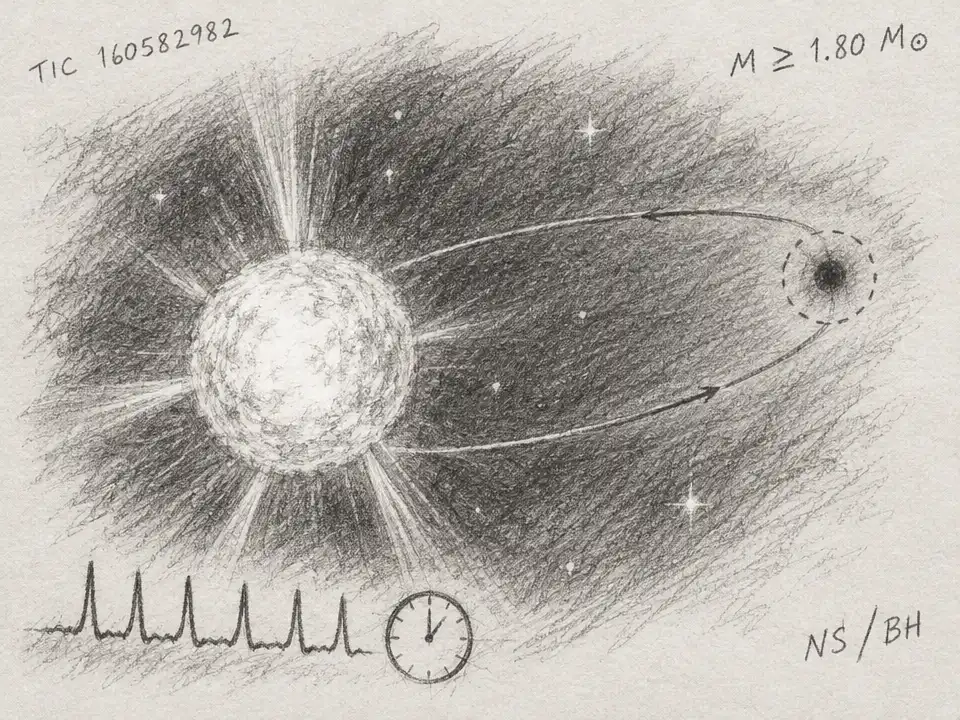
A star’s rhythmic pulses reveal an unseen companion’s mass, while clues leave open whether it is a compact remnant or a hidden pair.
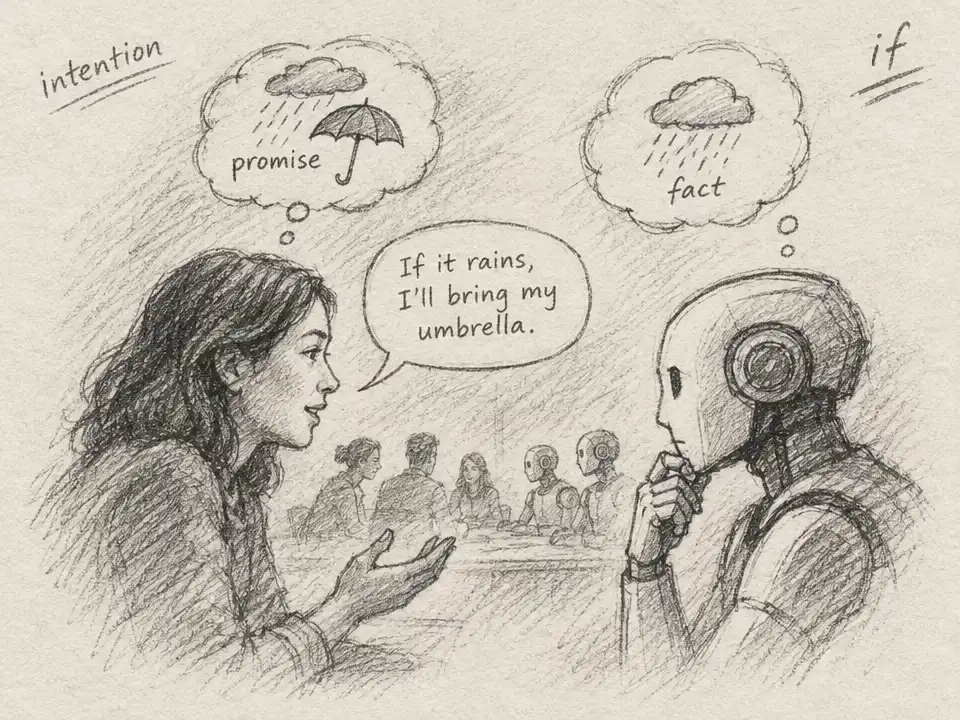
A tiny word exposes a hidden challenge for language models: using context and speaker intent, not just a sentence’s literal logic.
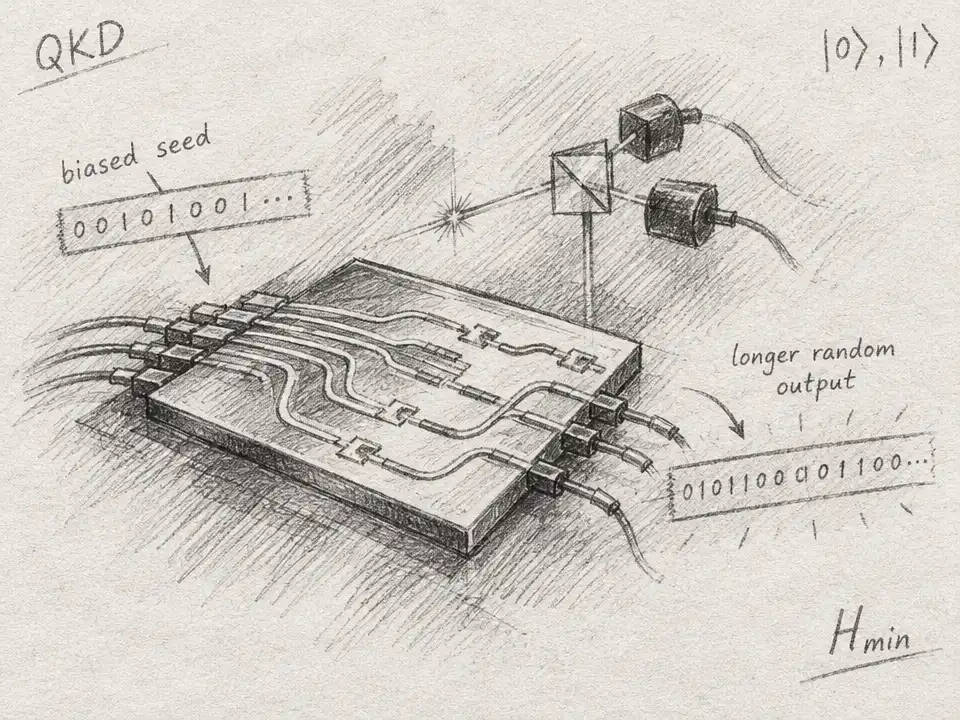
A silicon photonic chip uses quantum measurements to upgrade a biased, partly exposed random seed into a longer certified secret stream.