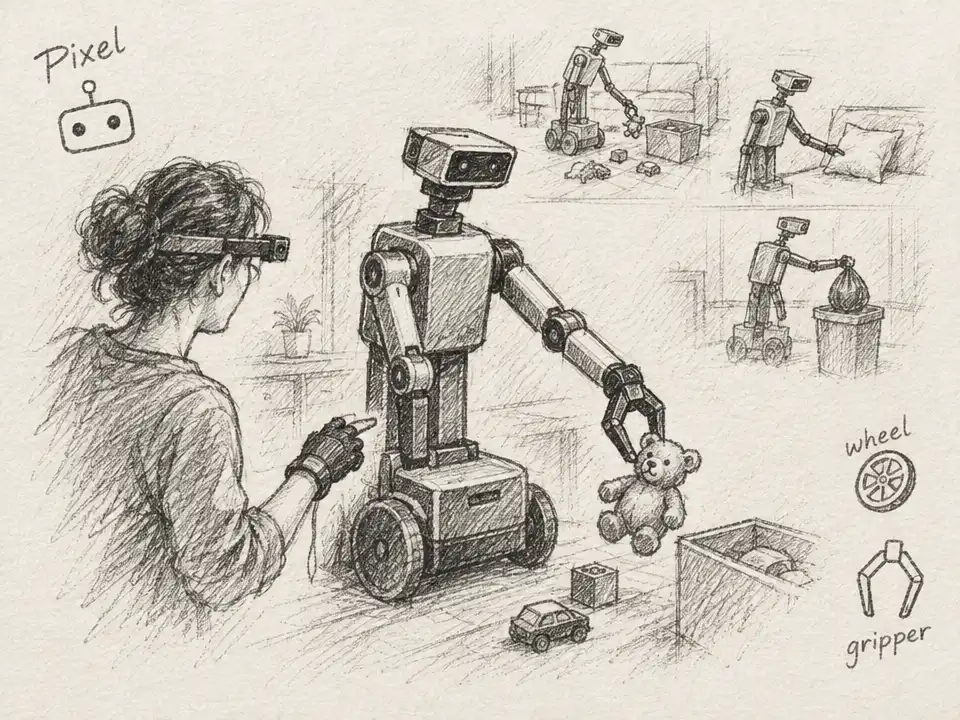
A Robot Learns Housework by Borrowing a Human’s Point of View
A wheeled robot learns whole-body chores from human-worn sensors—but its limits in dexterity, sensing, and skill generalization reveal the price.
A wheeled robot learns whole-body chores from human-worn sensors—but its limits in dexterity, sensing, and skill generalization reveal the price.
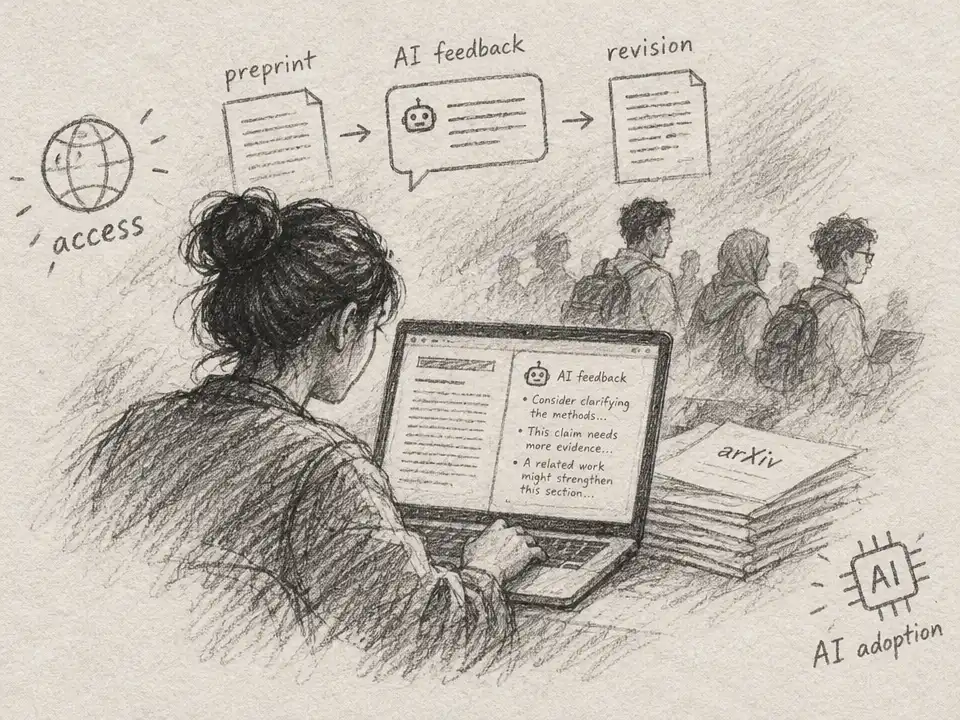
A global randomized study finds AI feedback nudged scientists to revise papers, with the biggest effects among researchers often short of critique.
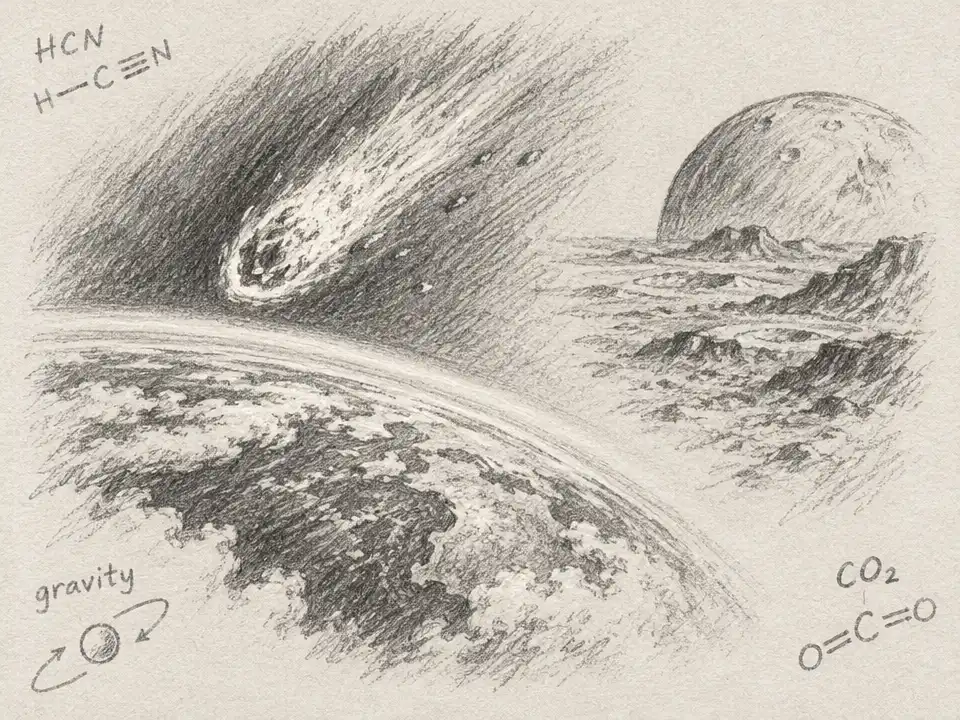
Simulations suggest comets rarely delivered useful hydrogen cyanide to early Earth, while Mars may have offered gentler conditions for chemical cargo.
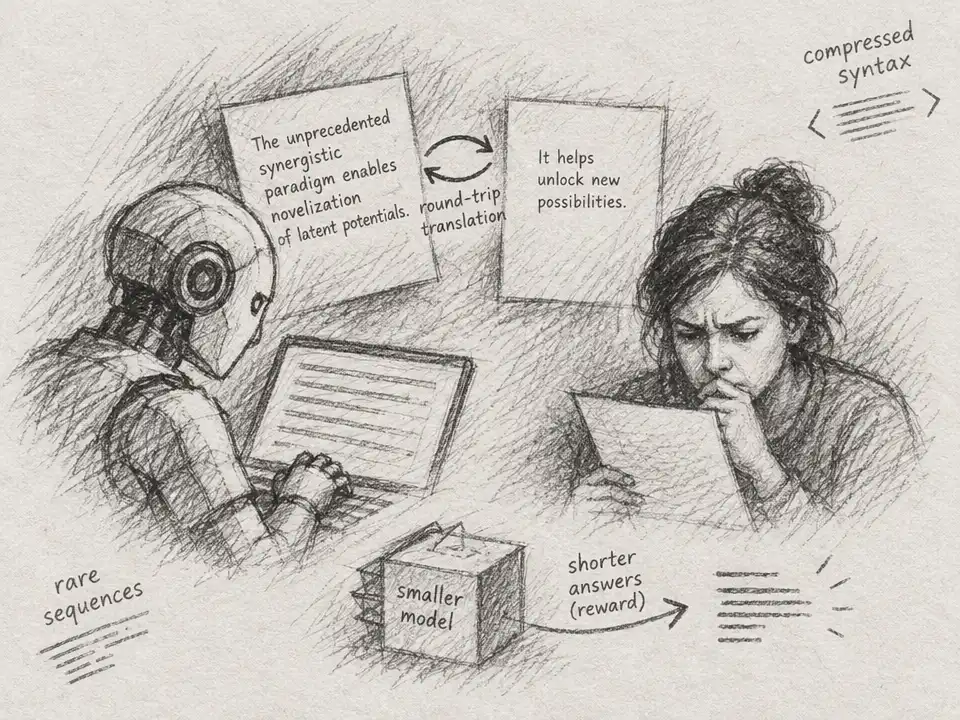
A study finds AI favors language linked to human reading difficulty, and shows how rewarding brevity can push that shift further.
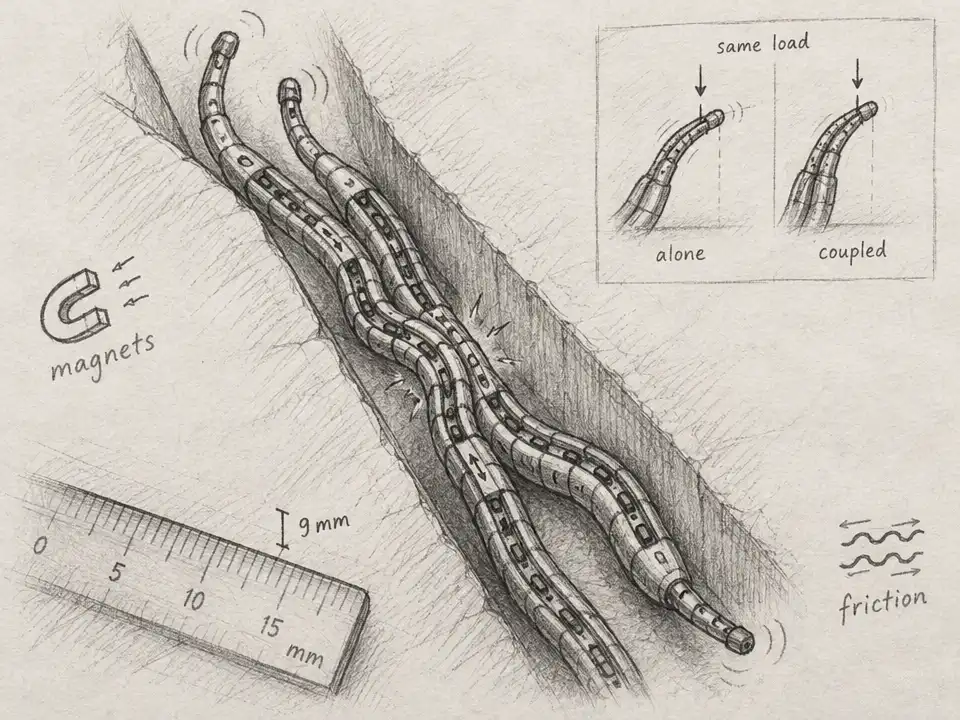
A new 9 mm continuum robot uses a movable conveyor belt to shift magnetic braces between paired robots and adjust their stiffness in place.
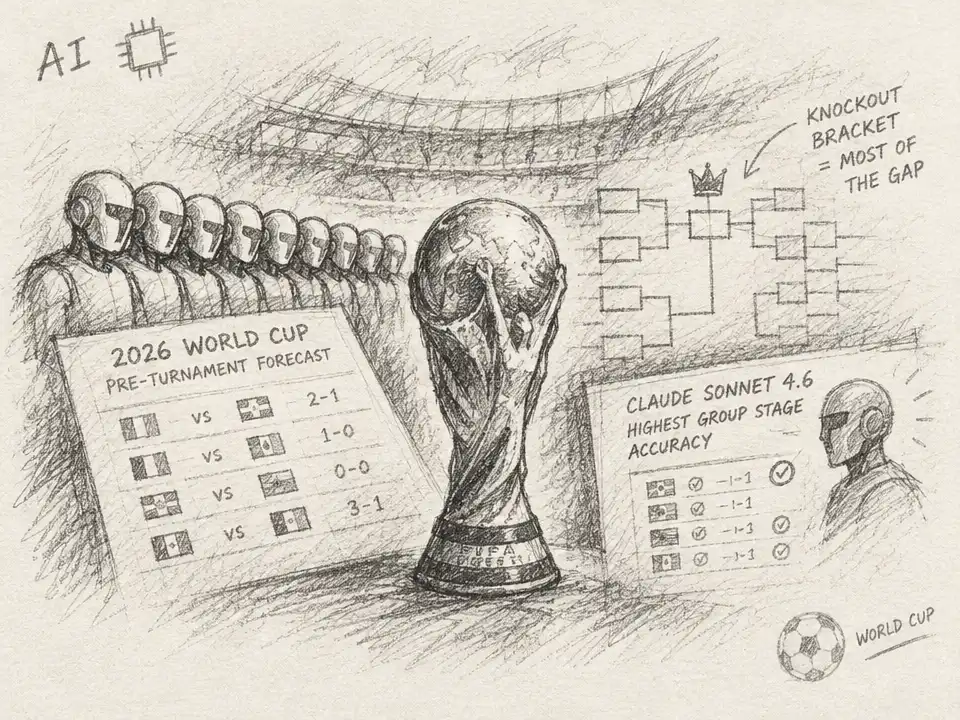
A World Cup AI benchmark crowned a tournament winner who wasn’t the best match predictor, showing how scoring rules shape AI rankings.
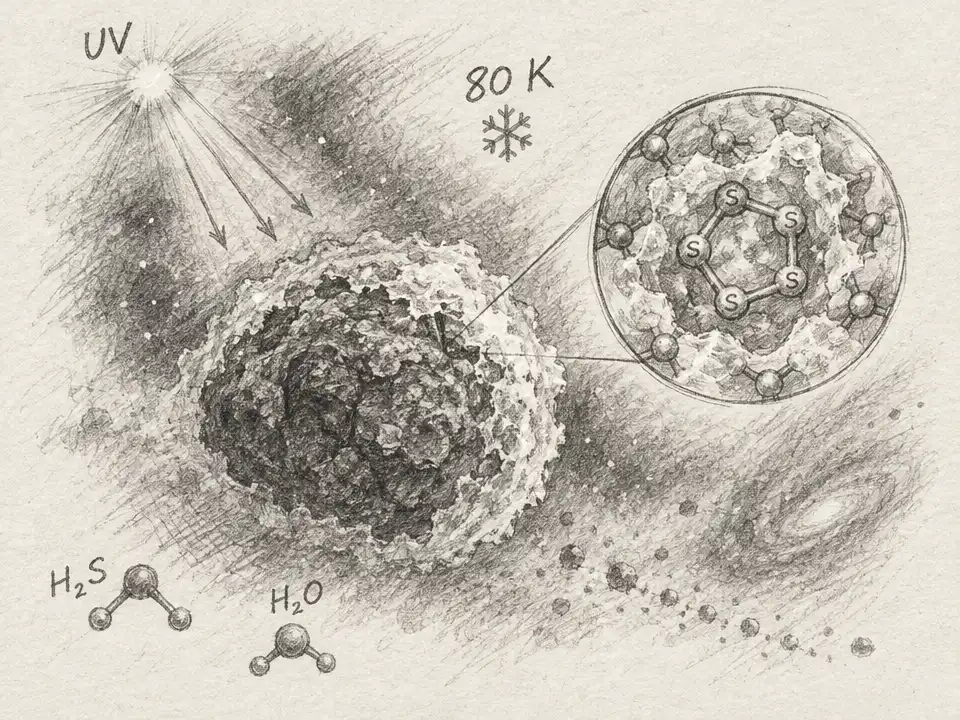
A frozen lab experiment suggests water-rich interstellar ice can turn elusive sulfur into durable rings—and hint at where missing sulfur went.
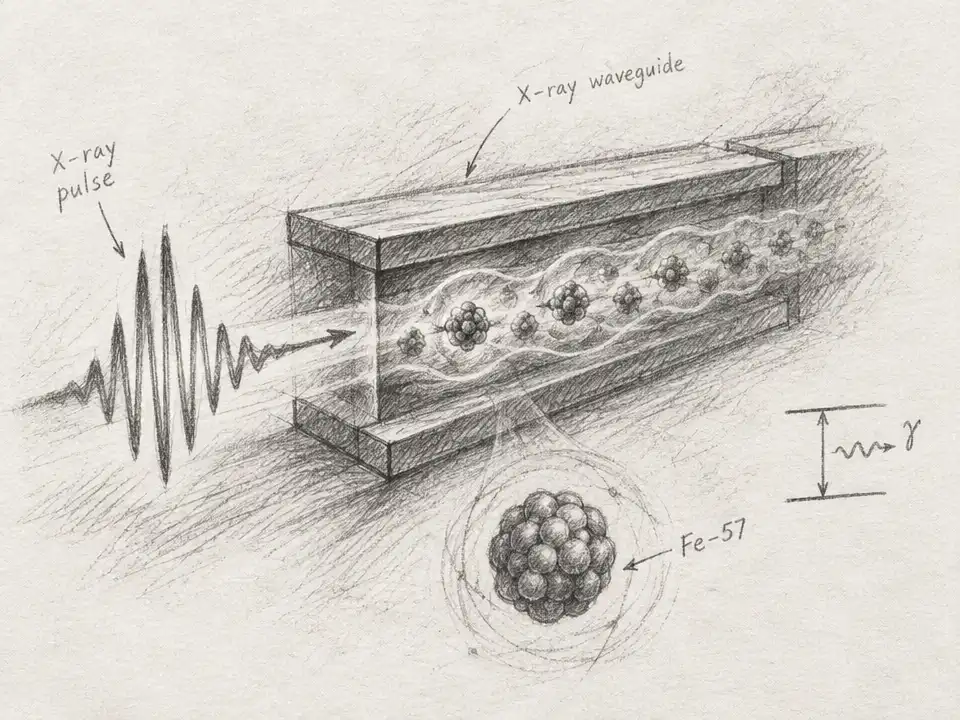
A theoretical hard X-ray design stores energy collectively in iron nuclei, but pulse shaping and energy retrieval remain major hurdles.
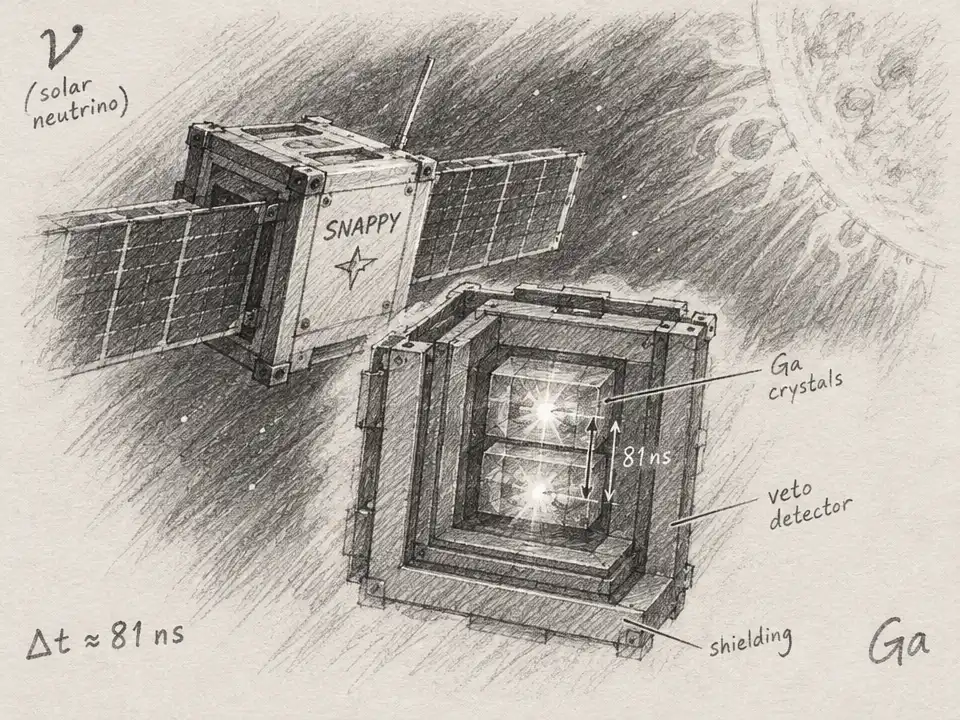
A small CubeSat is testing whether a timed pair of light flashes can separate solar neutrinos from cosmic-ray noise in space.
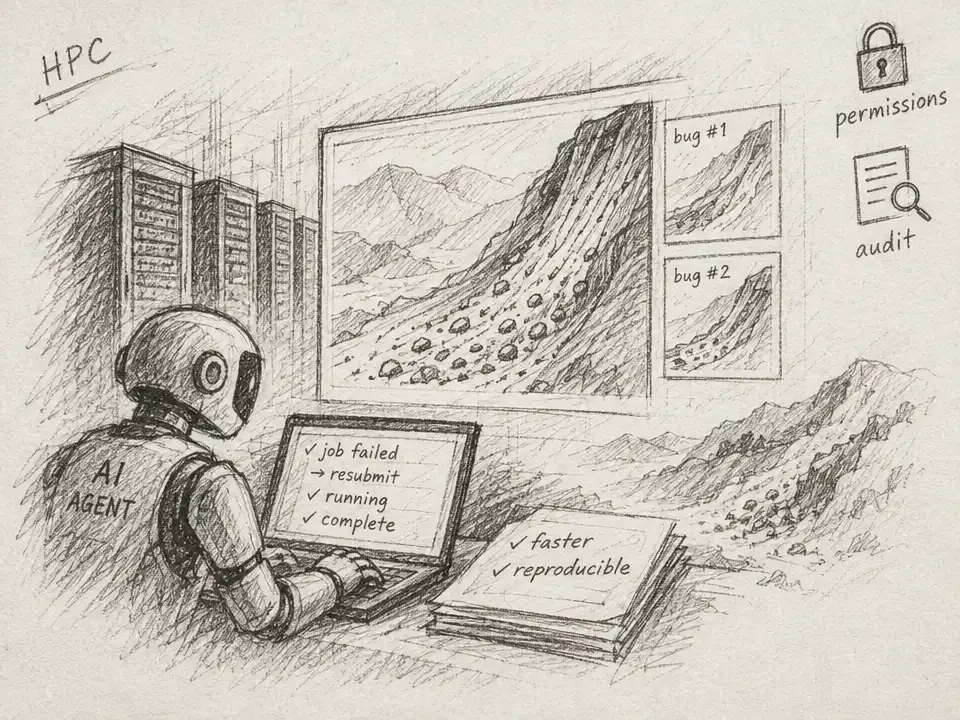
A supervised AI agent sped up a mass-flow simulation and exposed two code defects—while raising hard questions about trust, verification, and access.
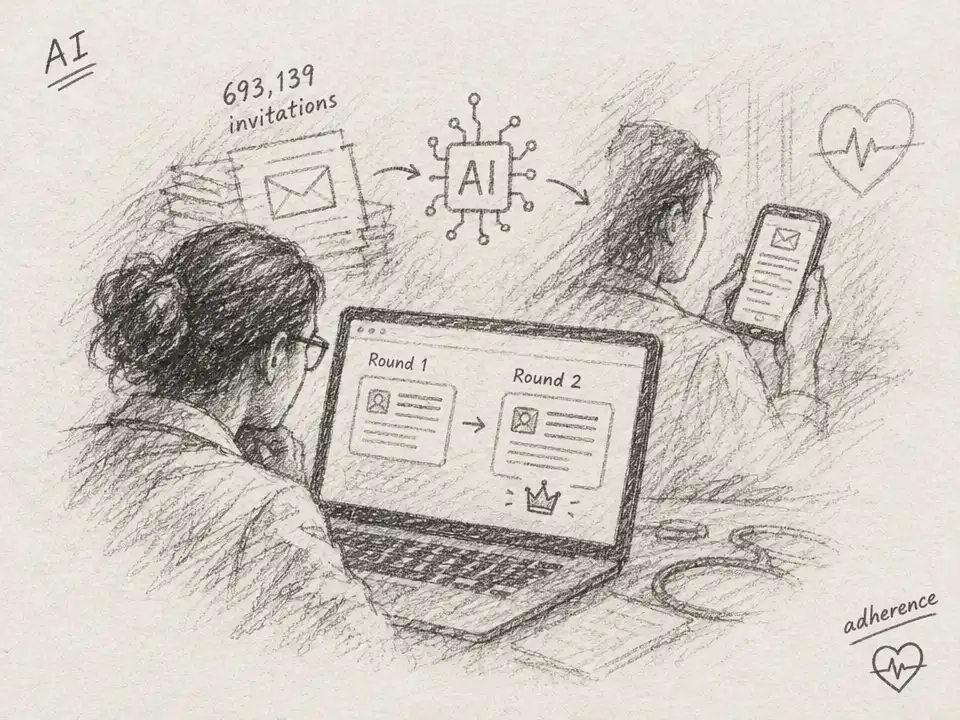
A two-stage healthcare field experiment suggests AI can turn A/B-test results into better message designs, while exposing limits beyond clicks.
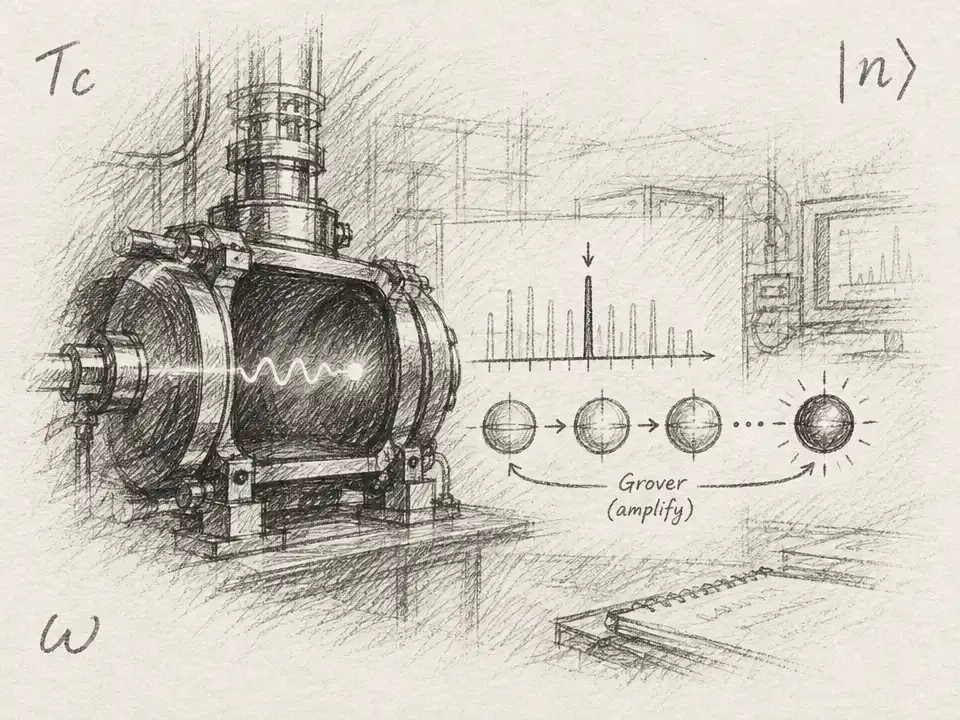
A superconducting cavity uses Grover’s search to identify an unknown signal frequency, but scaling the quantum sensor remains difficult.
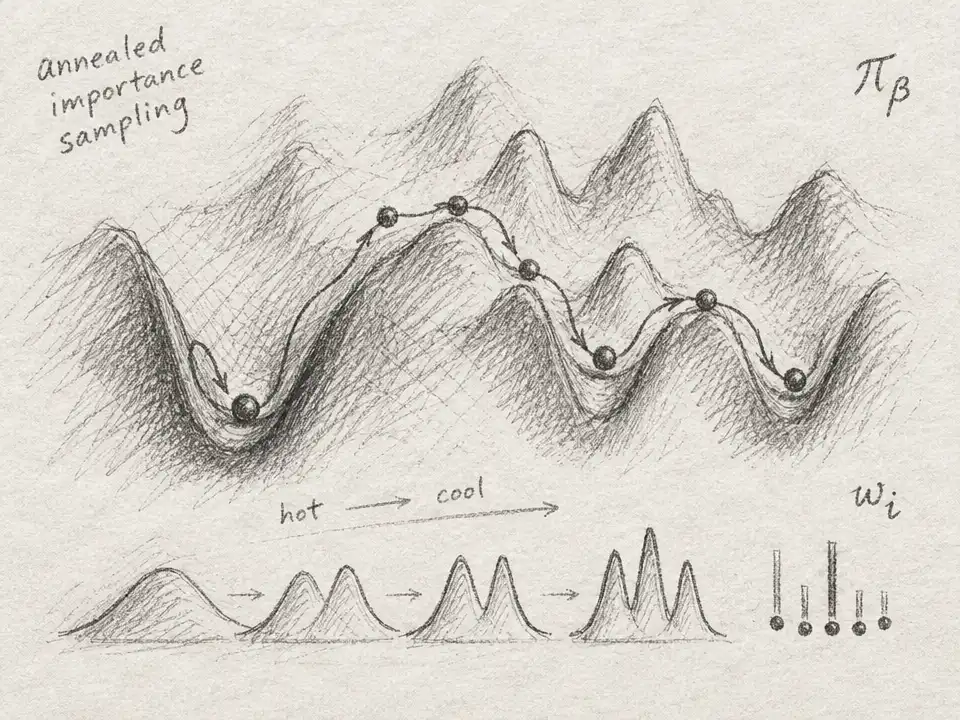
A mathematical proof shows how annealing may help sampling cross energy barriers, while strict assumptions reveal what still stands in the way.
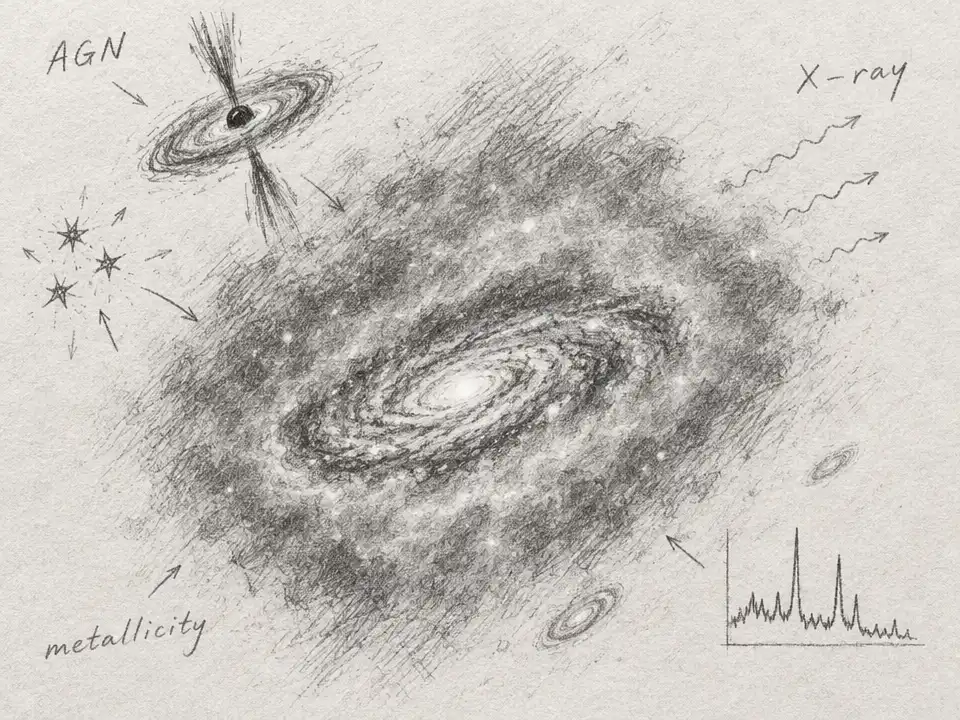
A galaxy’s hot halo can glow brighter because it is metal-rich, not simply because it holds more gas—a clue and a challenge for tracing cosmic feedback.
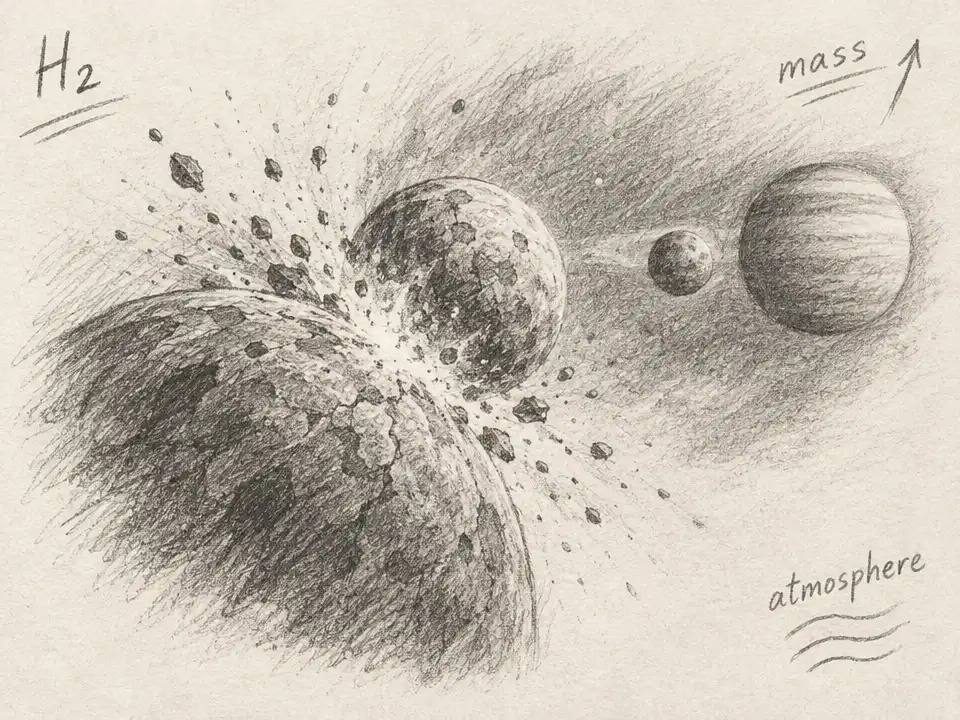
A new model suggests giant impacts may help growing rocky planets retain hydrogen-rich atmospheres, reshaping the story of planet formation.
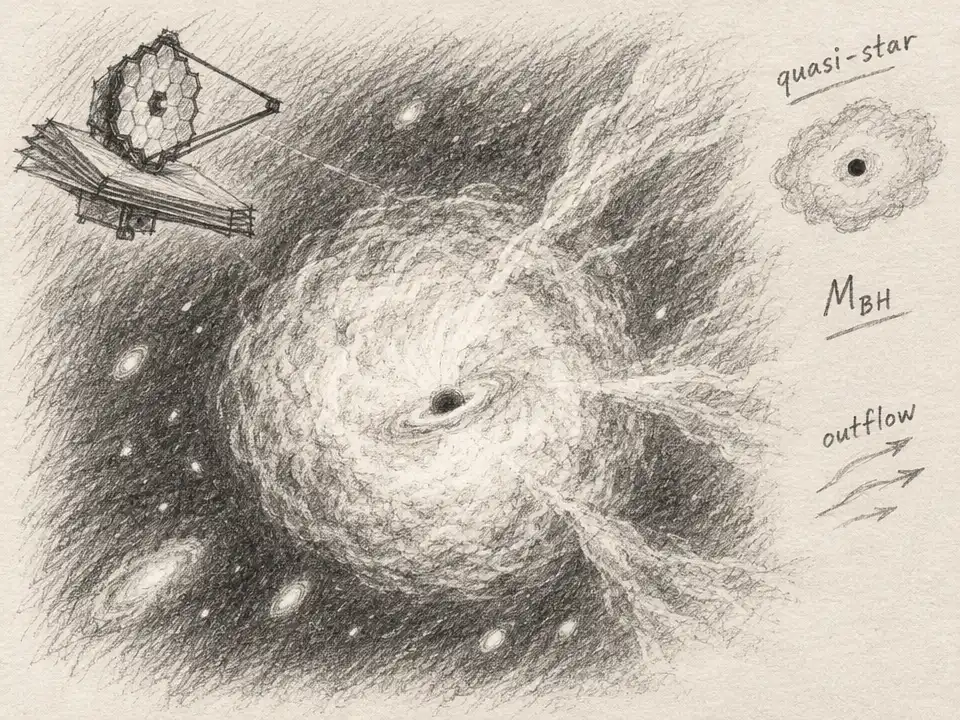
Could Little Red Dots hide black holes inside giant gas envelopes? New models suggest a fast-growth path—and winds that may end it.
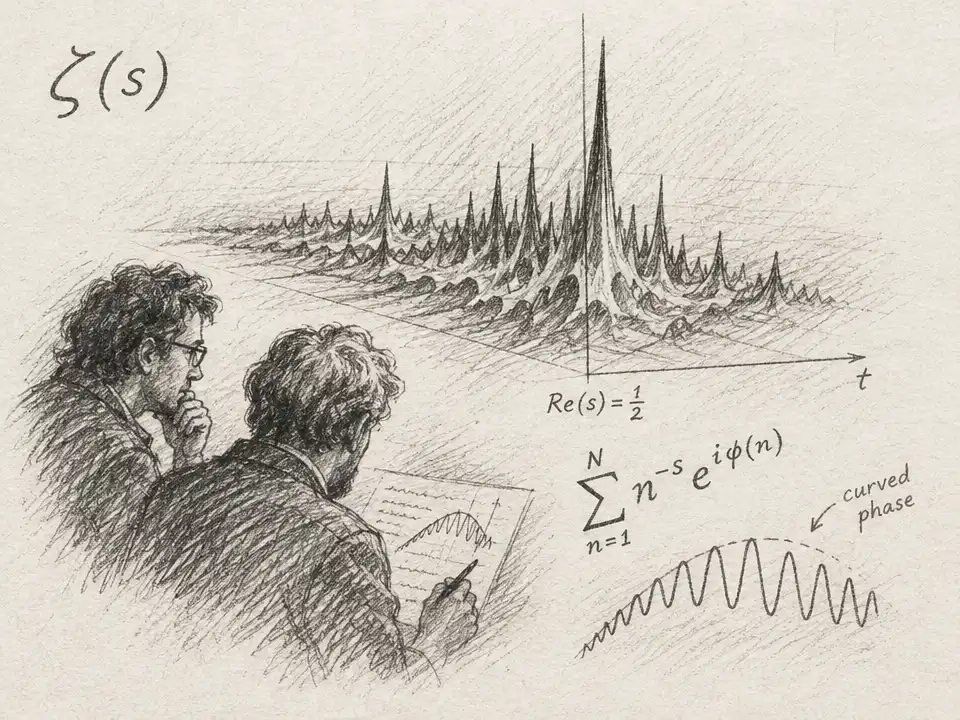
A new method counts unusually large values of the Riemann zeta function, nudging a long-standing sixth-moment bound in a better direction.
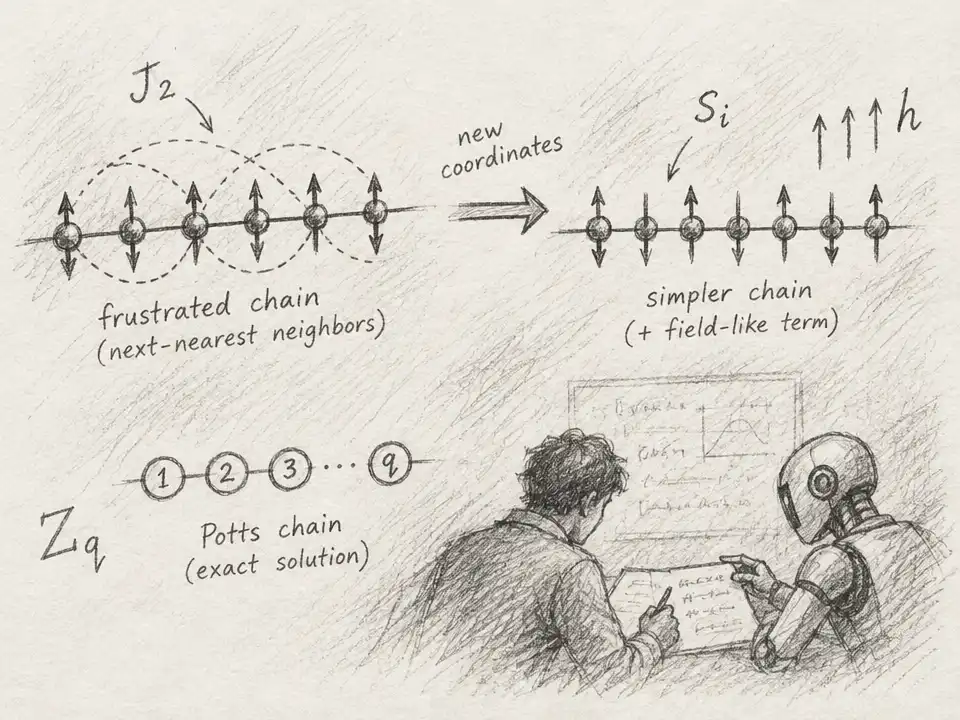
A geometric change of coordinates recasts frustrated spin chains, revealing an exact mapping—and the limits of one AI-assisted discovery.
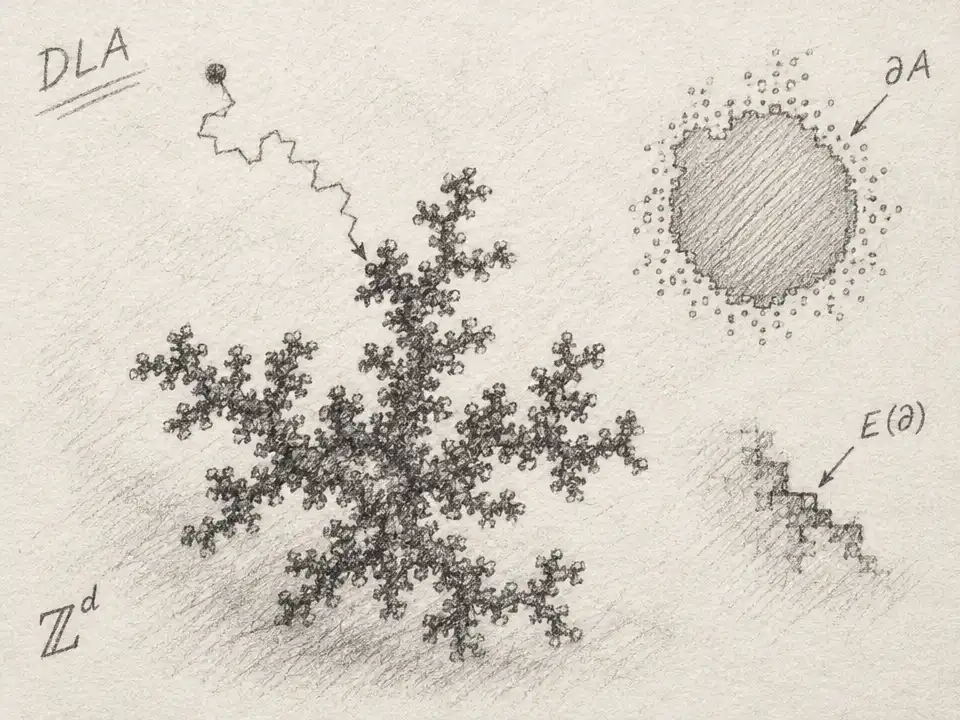
A new DLA theorem rules out smooth bulk shapes and shows why random particle growth must preserve a sprawling, exposed boundary.
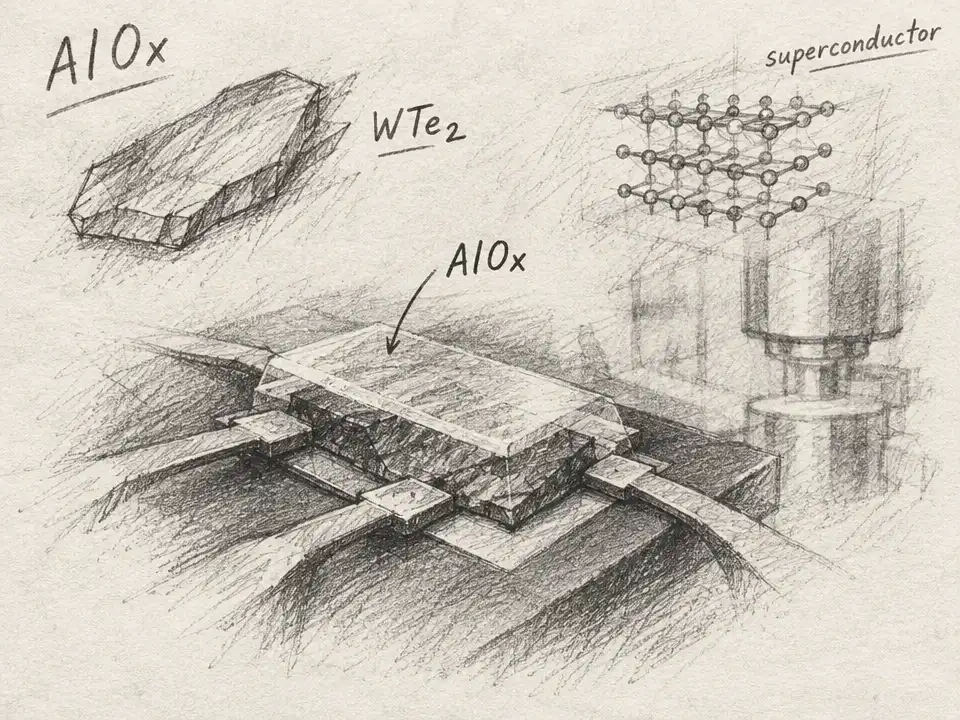
A thin evaporated oxide protects delicate quantum crystals and can double as a contact-patterning mask—but edge sealing and monolayers remain challenges.