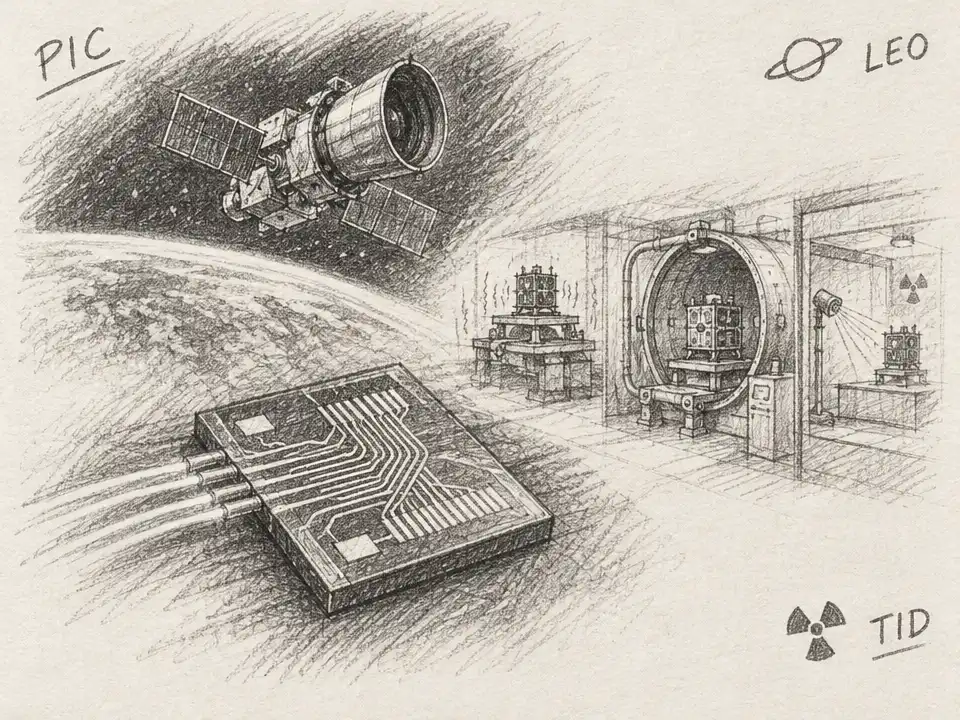
The chip-sized telescope instrument—and the tests it must survive
Photonic chips could shrink space-telescope instruments, but vibration, radiation and qualification hurdles still stand between the lab and orbit.
Photonic chips could shrink space-telescope instruments, but vibration, radiation and qualification hurdles still stand between the lab and orbit.
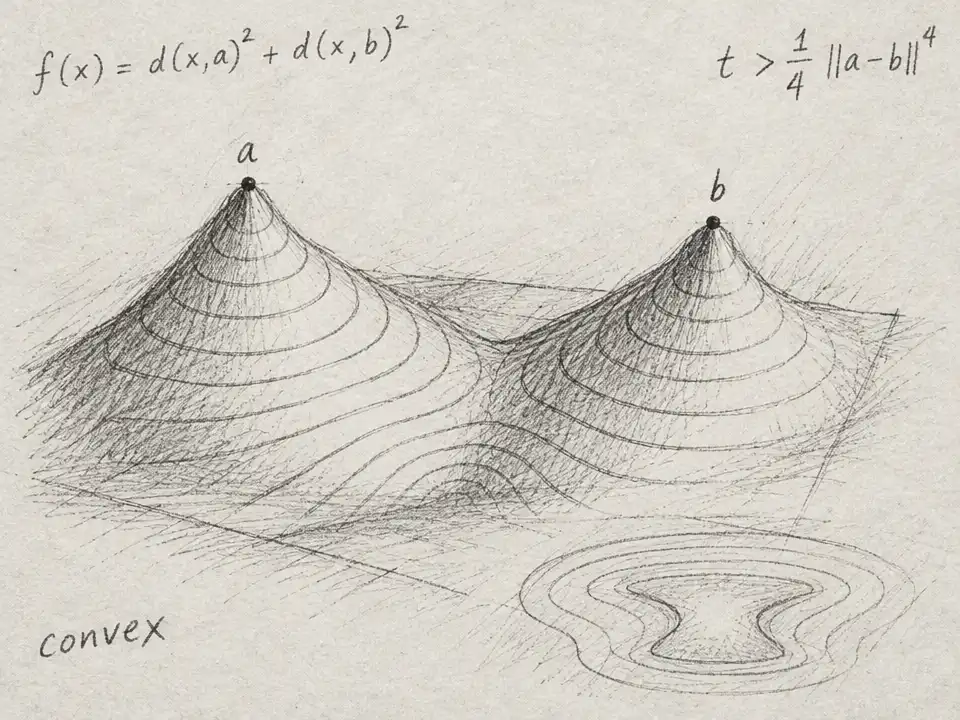
A new theorem finds the sharp convexity threshold for a distance product built from two points—and shows why more anchors complicate the frontier.
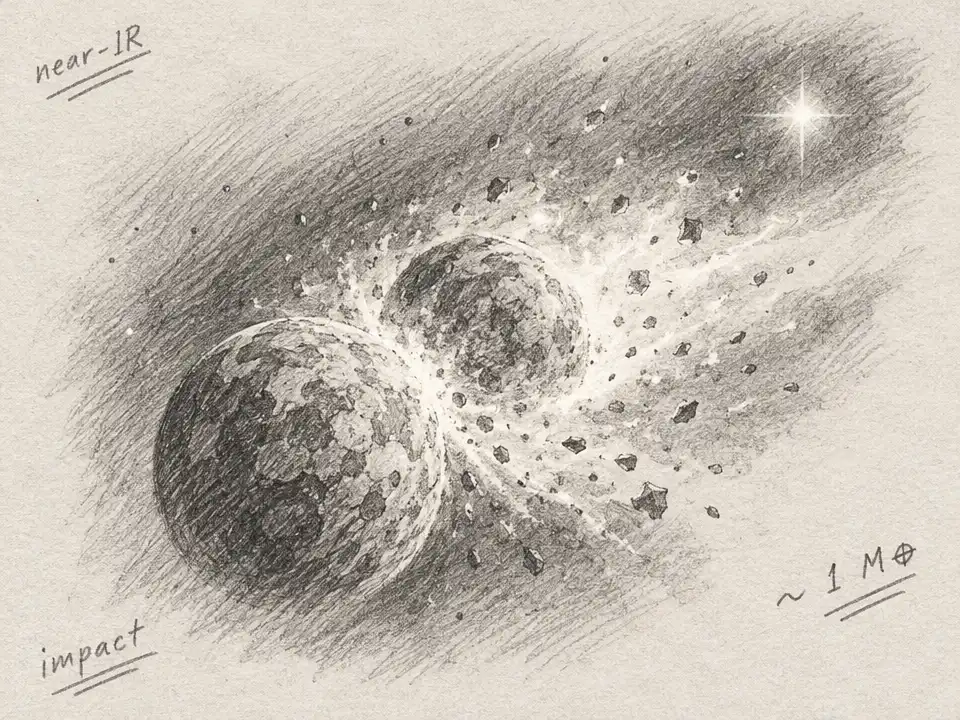
Simulations suggest a rocky-planet collision could glow like a small star, but its near-infrared afterglow may fade before surveys catch it.

A new theorem shows when constrained swapping is possible, how long routes may be, and why some high-connection networks still hide traps.
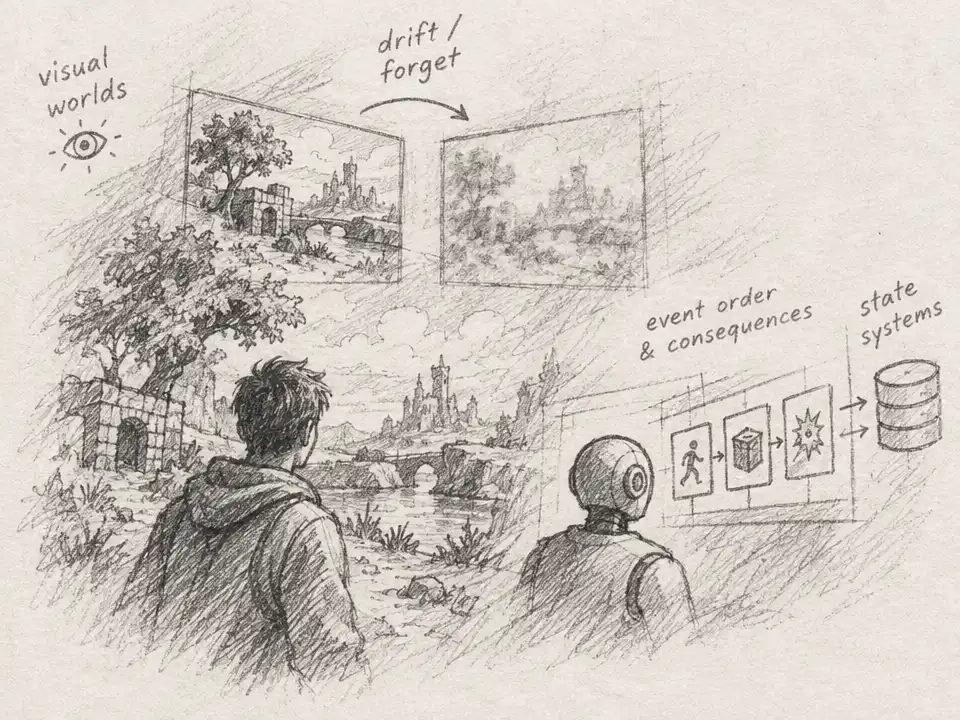
Two new benchmarks reveal why interactive AI worlds can look convincing yet lose memory, causal order, and physical consistency over time.
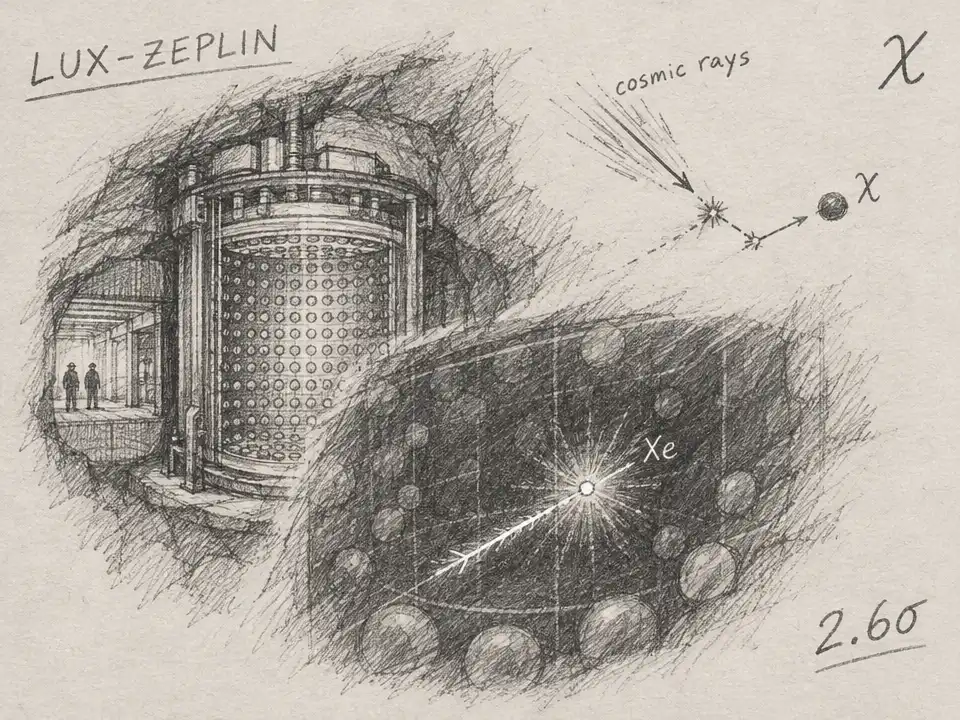
A 248-keV xenon recoil inspires a cosmic-ray-boosted dark matter idea, but one event is far from proof and follow-up spectra are essential.
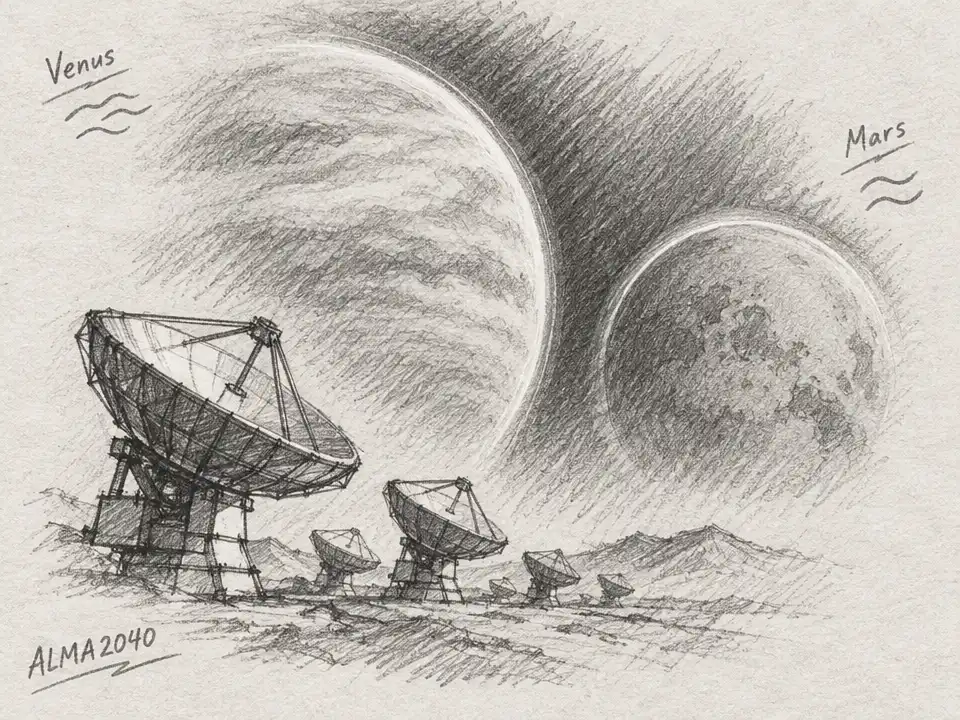
A proposed ALMA upgrade could map winds and chemistry in Venus and Mars’ upper atmospheres, if astronomers solve a difficult imaging trade-off.
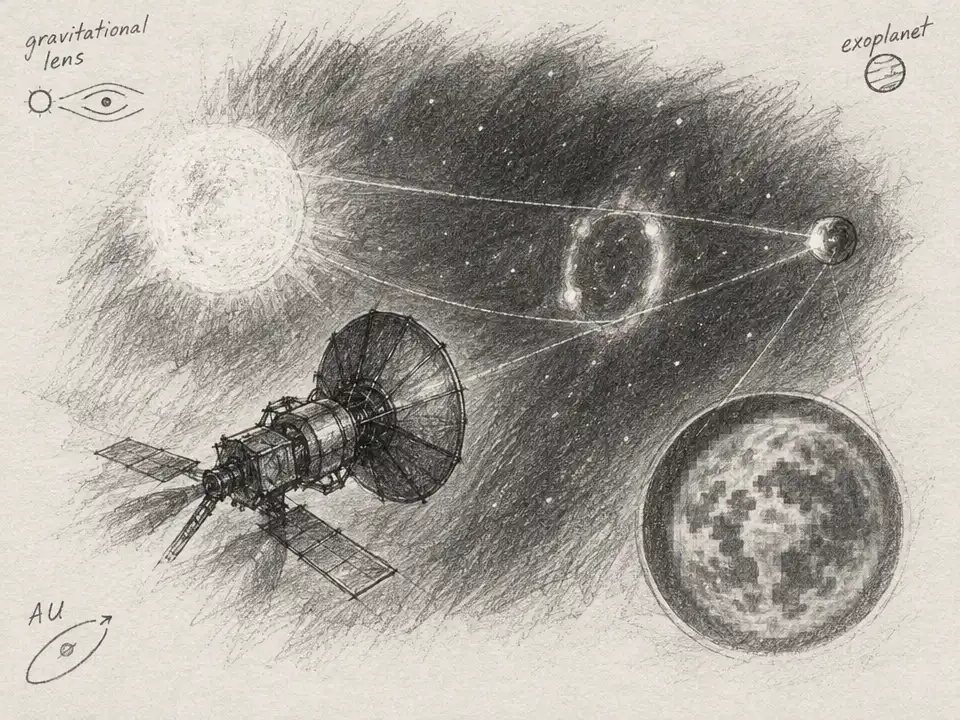
A spacecraft could use the Sun’s gravity to map an exoplanet, but reaching the lens and reconstructing its blurred signal are formidable hurdles.