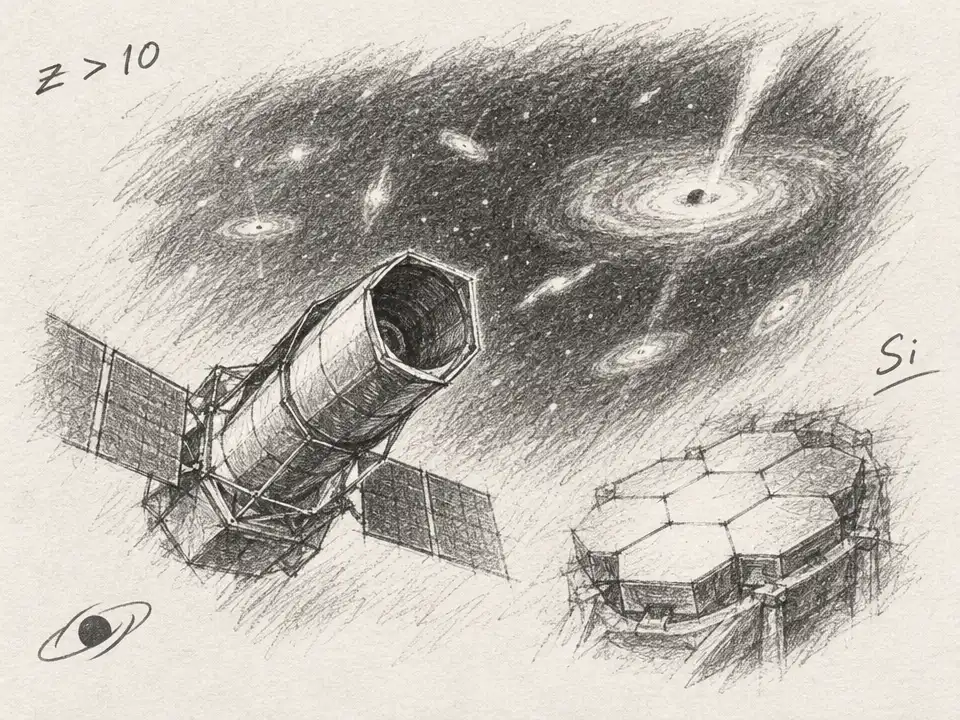
Could a New X-Ray Telescope Reveal How the First Black Holes Began?
A proposed X-ray observatory could test how the first supermassive black holes formed—if its precision mirrors can be built.
A proposed X-ray observatory could test how the first supermassive black holes formed—if its precision mirrors can be built.
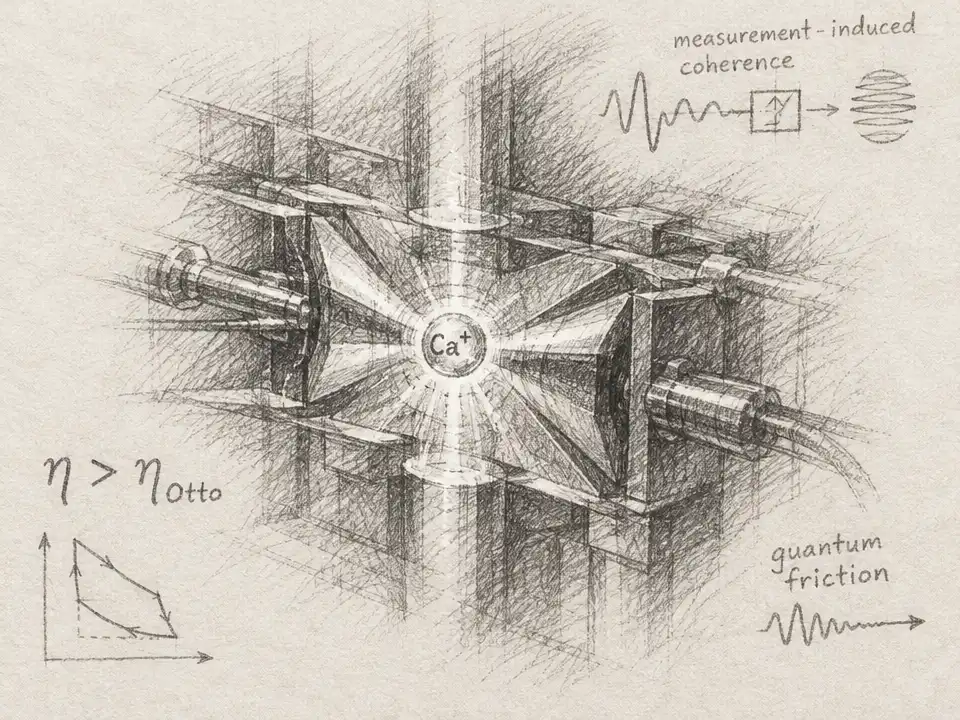
A trapped-ion engine turns measurement, coherence and quantum friction into work—while revealing the control and information costs ahead.
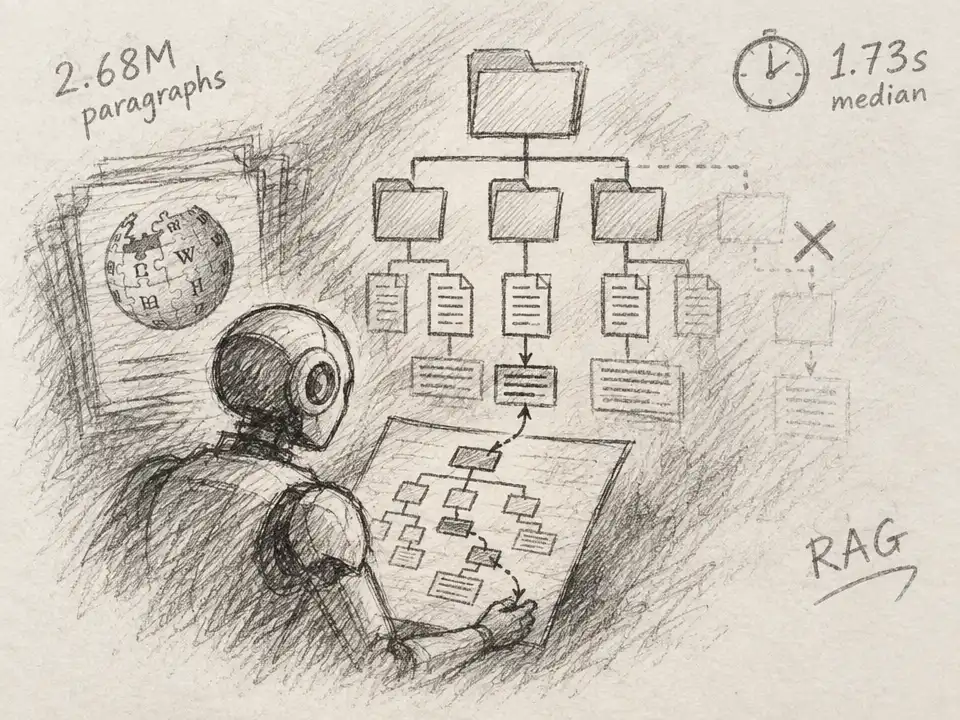
A new AI search method navigates document hierarchies, finding evidence quickly while risking the loss of answers in pruned branches.
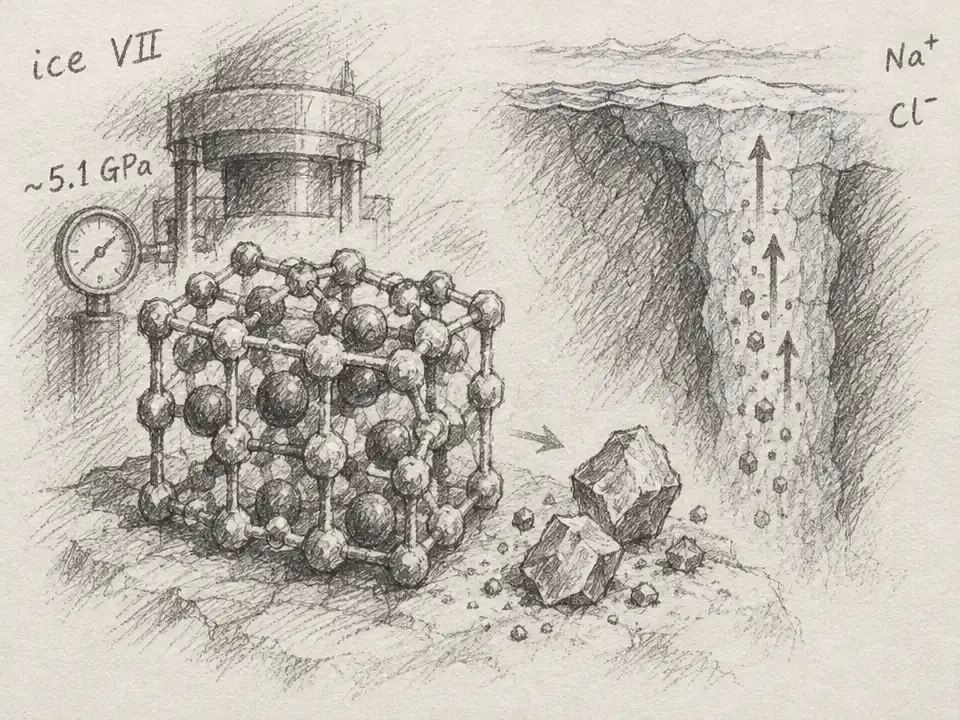
A lab-made form of salty ice VII may carry salt through ocean-world mantles, then shed it near a hidden pressure boundary.
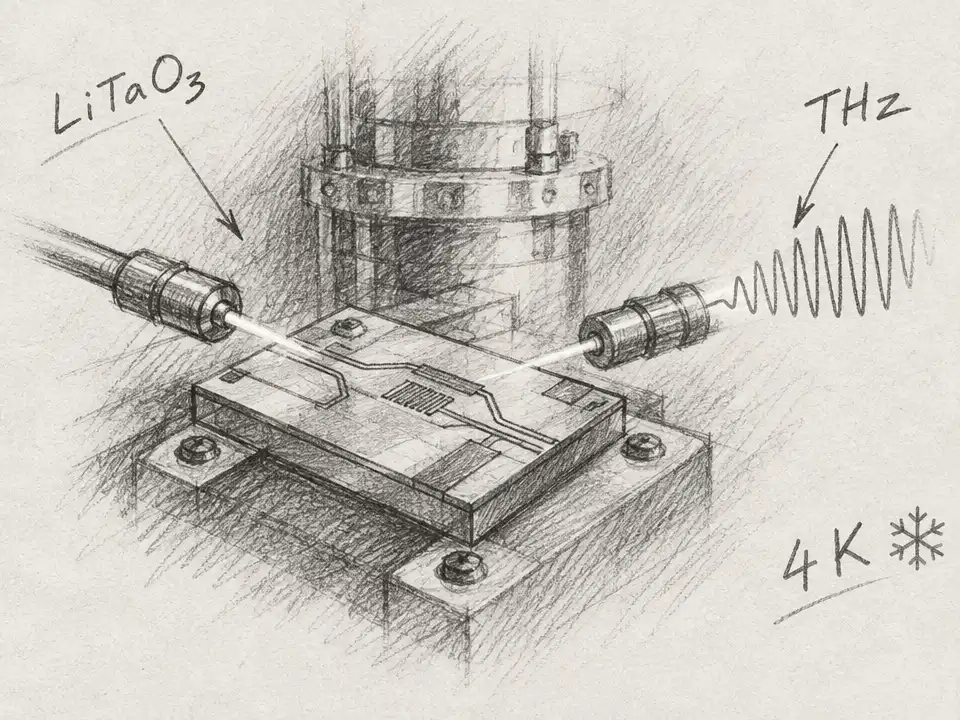
A lithium tantalate chip uses fiber-fed light to generate, route, and detect terahertz signals—even inside a 4-kelvin refrigerator.
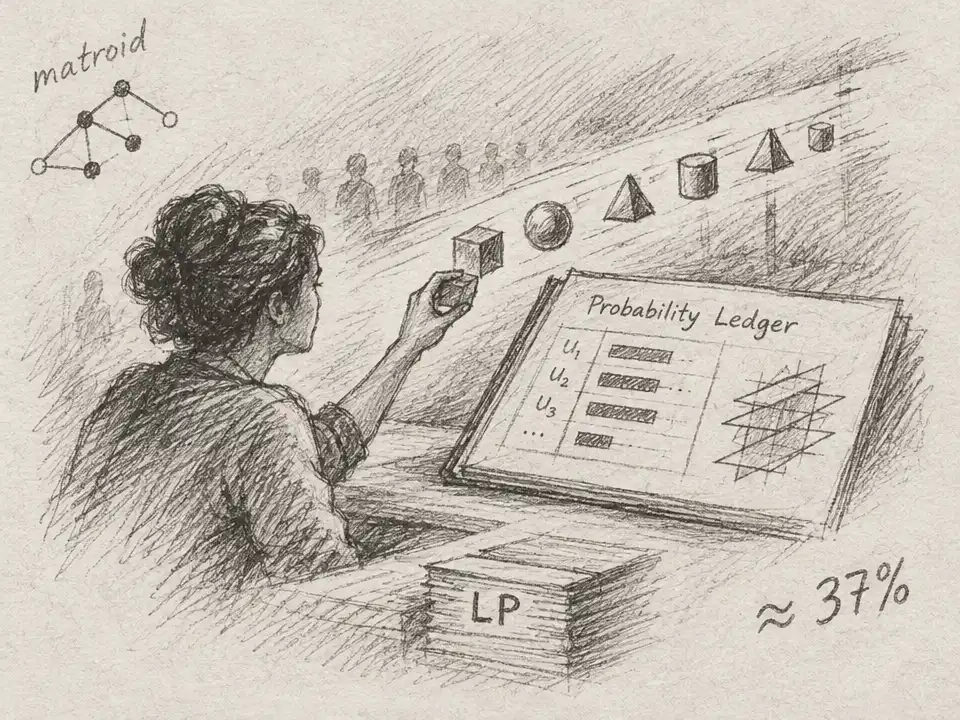
A new matroid secretary result secures a classic selection guarantee despite hidden dependencies, but leaves efficient computation as the next hurdle.
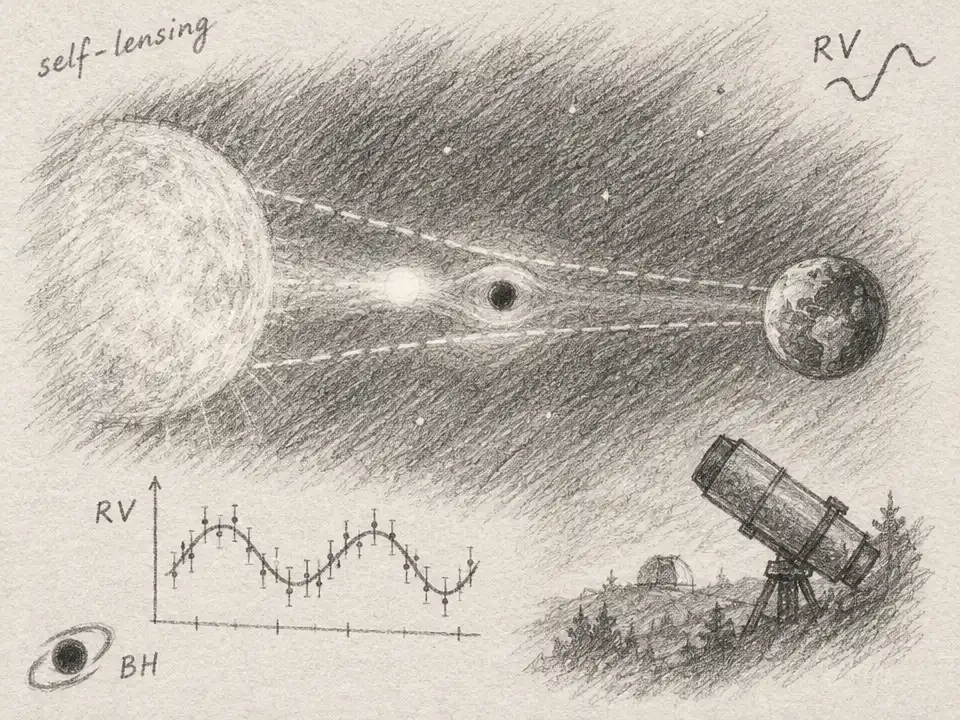
A brief gravitational brightening could expose a quiet stellar remnant, but confirming it may take years of targeted observations.
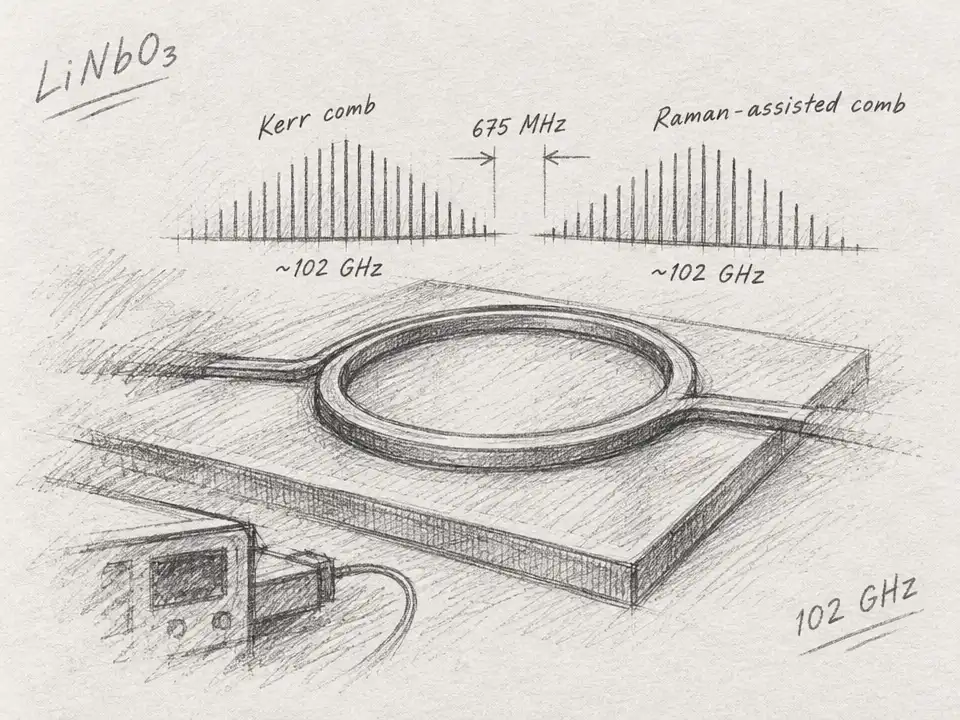
A single lithium niobate microring generates two offset light combs, pointing toward simpler spectroscopy while revealing hurdles to portable sensing.
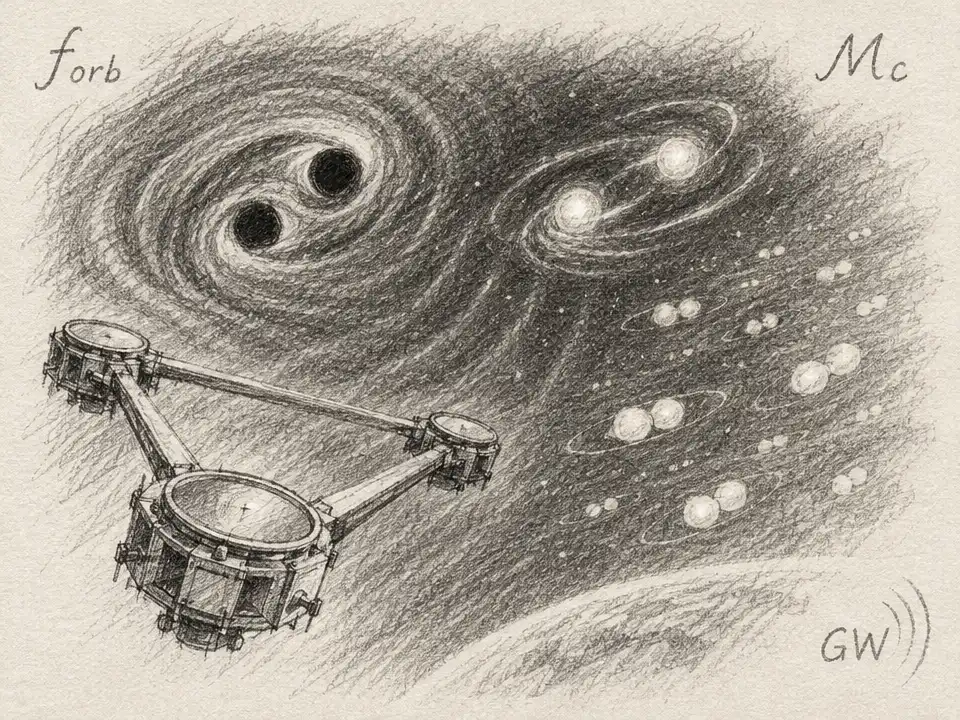
A future space detector could separate hidden black-hole binaries from a white-dwarf chorus by combining orbital frequency and chirp clues.
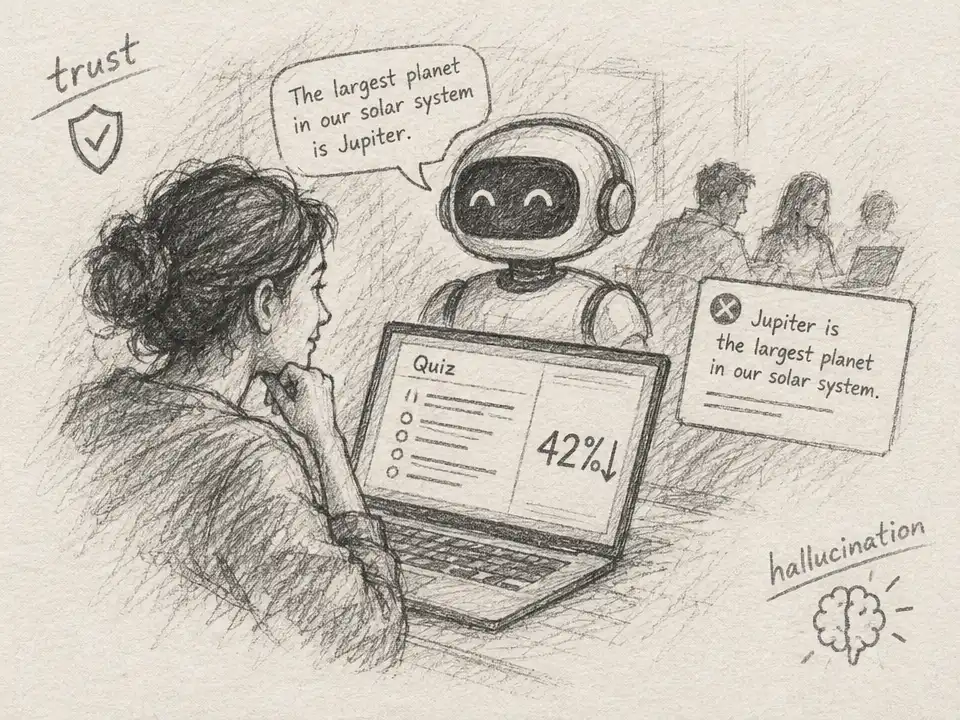
A small study finds confident AI tutors can teach falsehoods that learners remember, raising a hard question for the future of AI education.
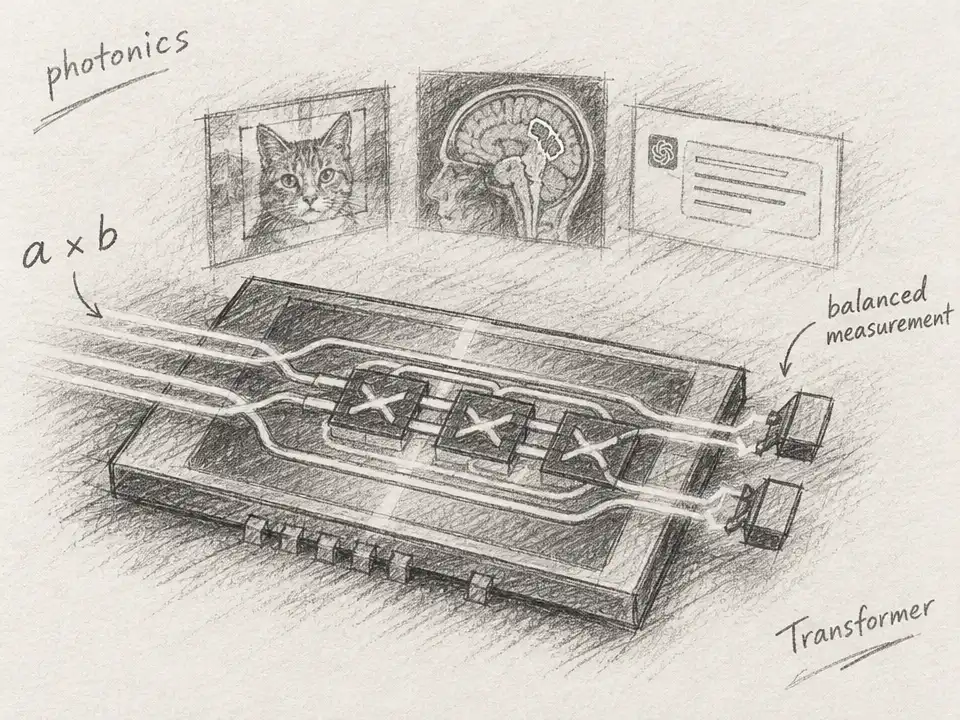
A fabricated photonic chip computes signed AI operations with light, but its slow prototype and power-hungry electronics reveal the hard part ahead.
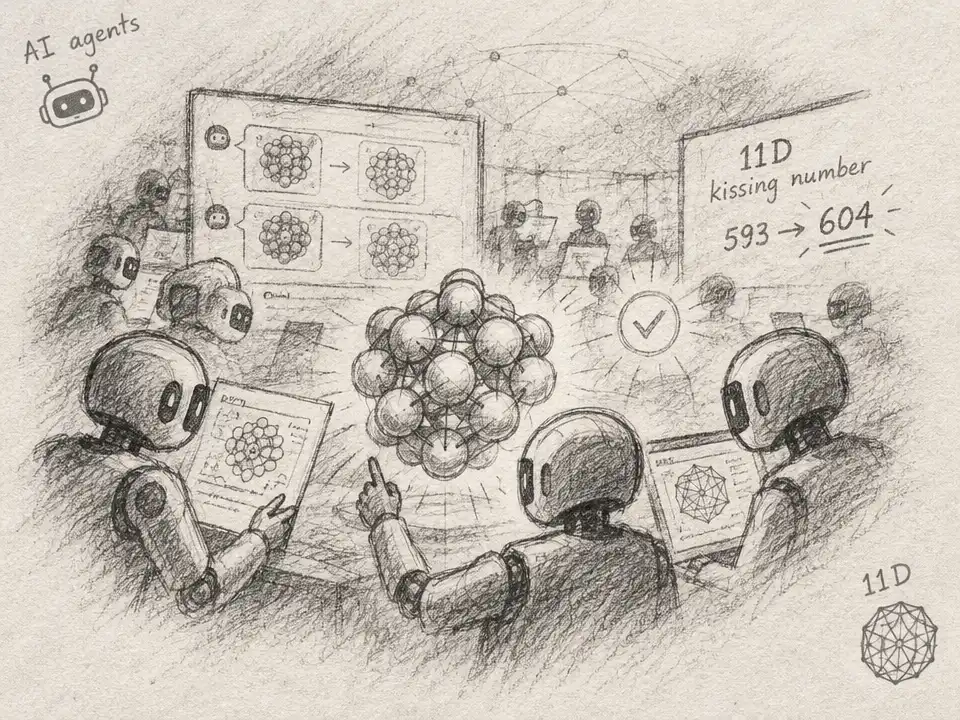
AI agents shared partial work in a math arena, helping raise the known 11-dimensional kissing-number bound from 593 to 604.
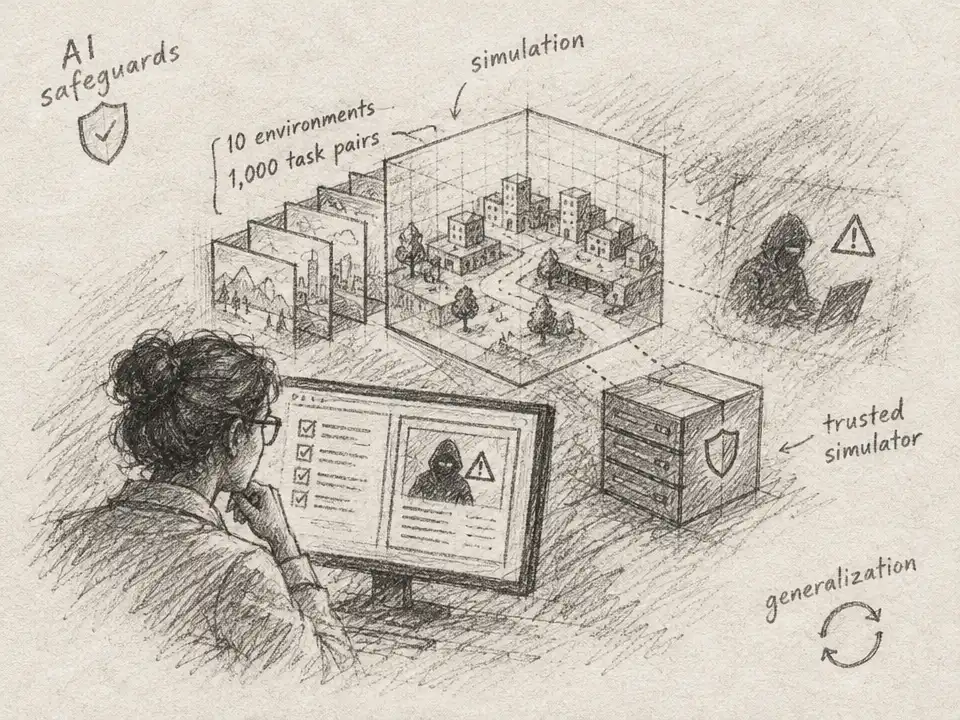
Researchers tested a way for AI to rehearse covert actions in simulated software, improving safety estimates while revealing the limits of virtual tests.
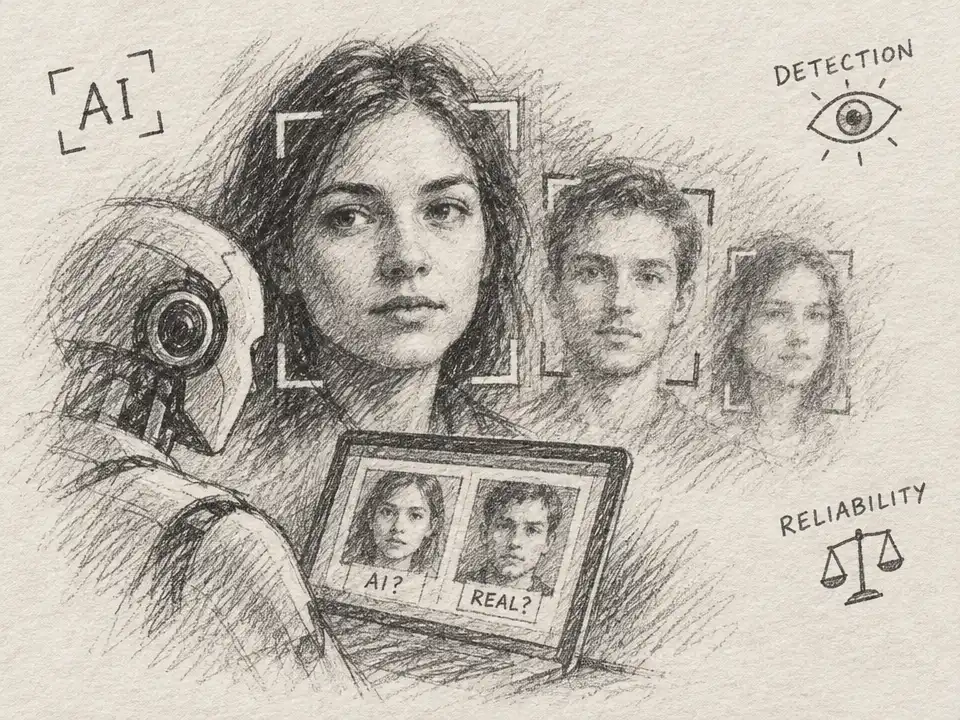
AI models beat young adults at spotting fake portraits, but shifting examples and biased judgments reveal why detection is not yet dependable.
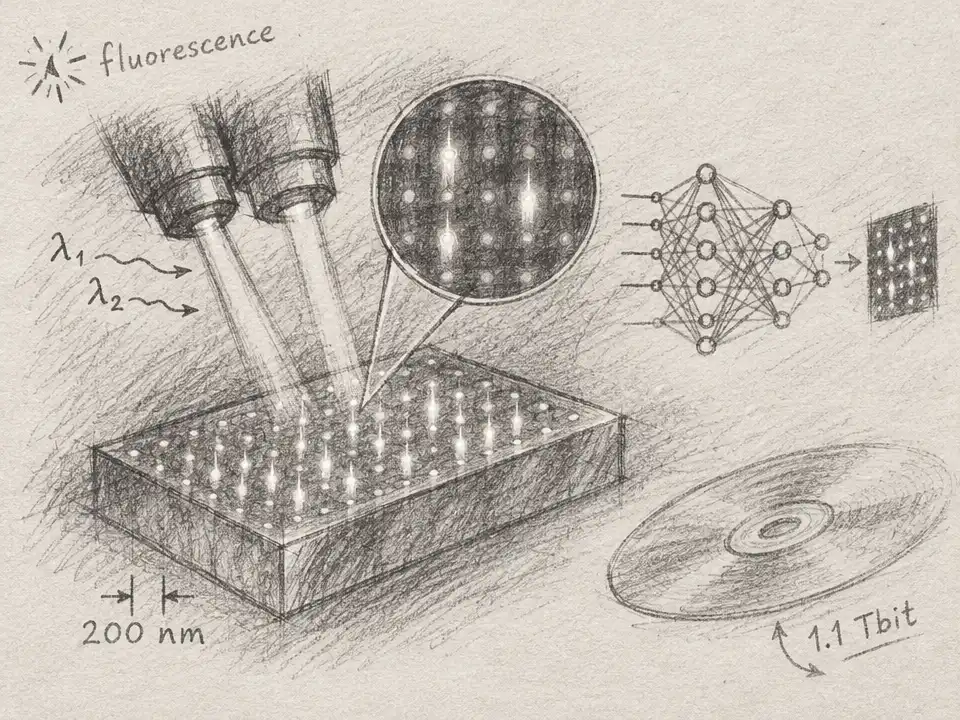
A crystal-based optical memory uses implanted fluorescent ions and machine learning to push archival storage beyond a disc’s usual limits.
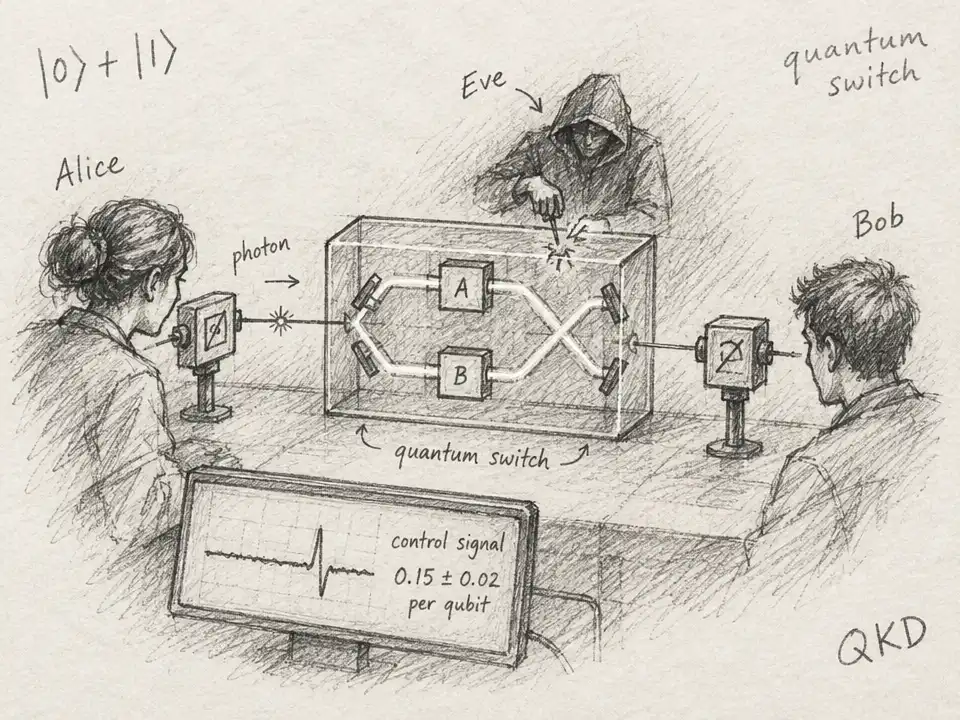
A photonic quantum switch flags eavesdropping through interference, hinting at key distribution that preserves key bits—if major security gaps can be closed.
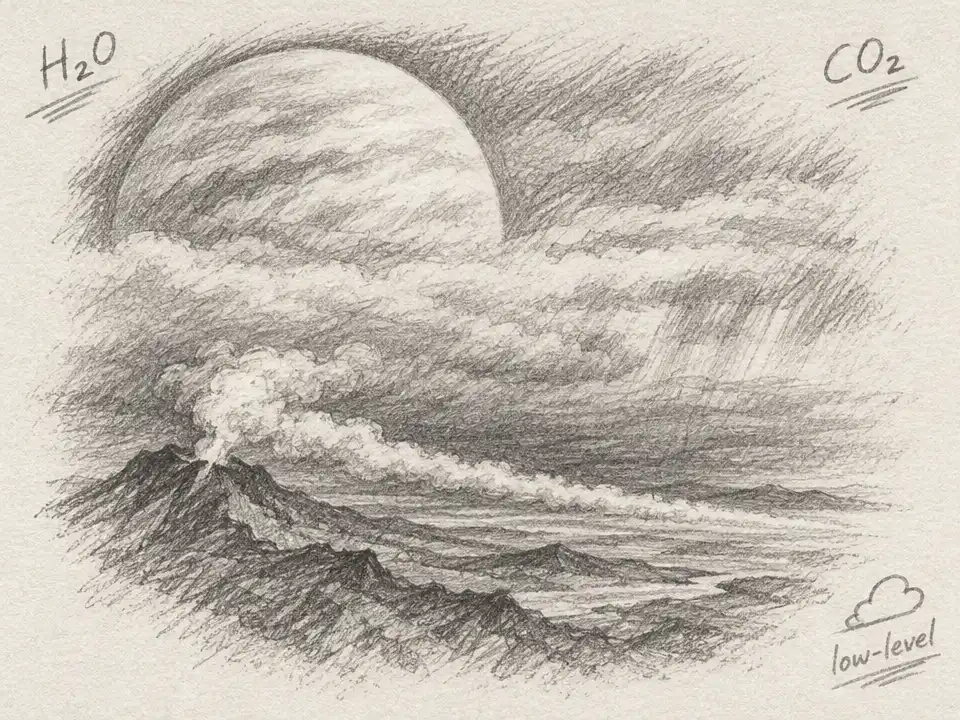
Venus’s lower atmosphere may preserve volcanic clues longer than higher layers, guiding future searches for elusive eruptions.
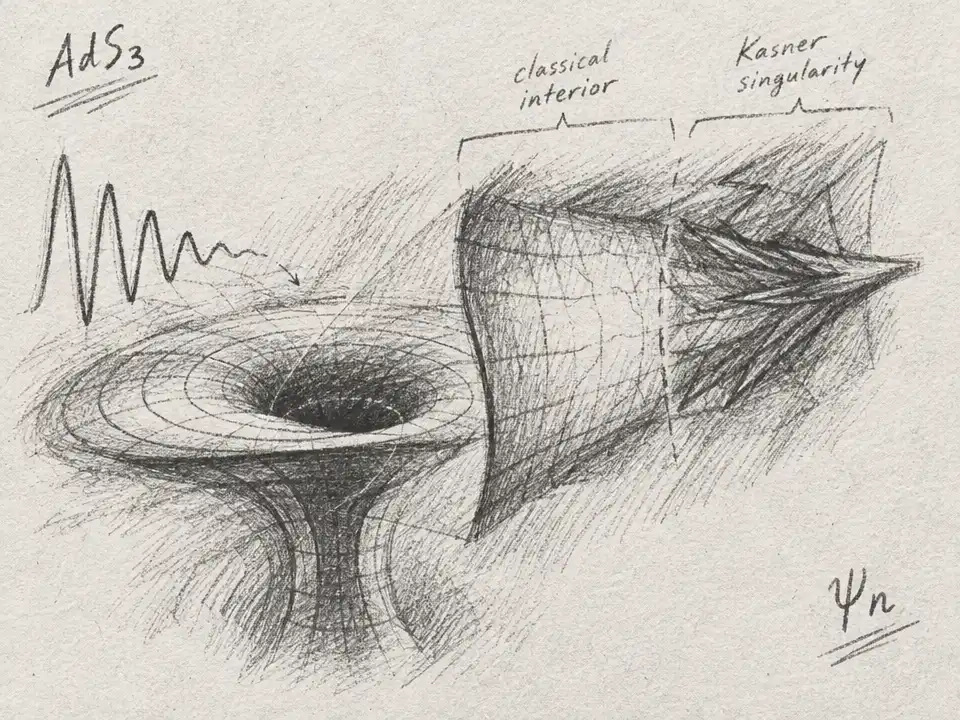
A theoretical method reads a black hole’s most strongly damped waves for clues to how quantum effects reshape its hidden interior.
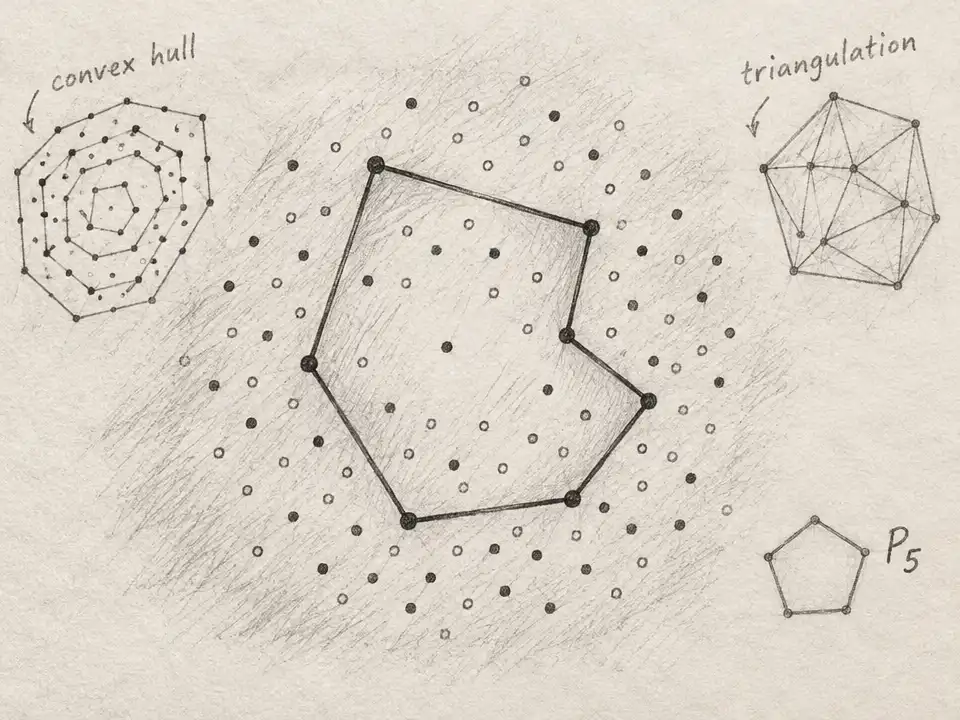
A geometry theorem forces a nearly empty monochromatic hexagon in every sufficiently large two-color point set, with a guarantee at 306,447 points.
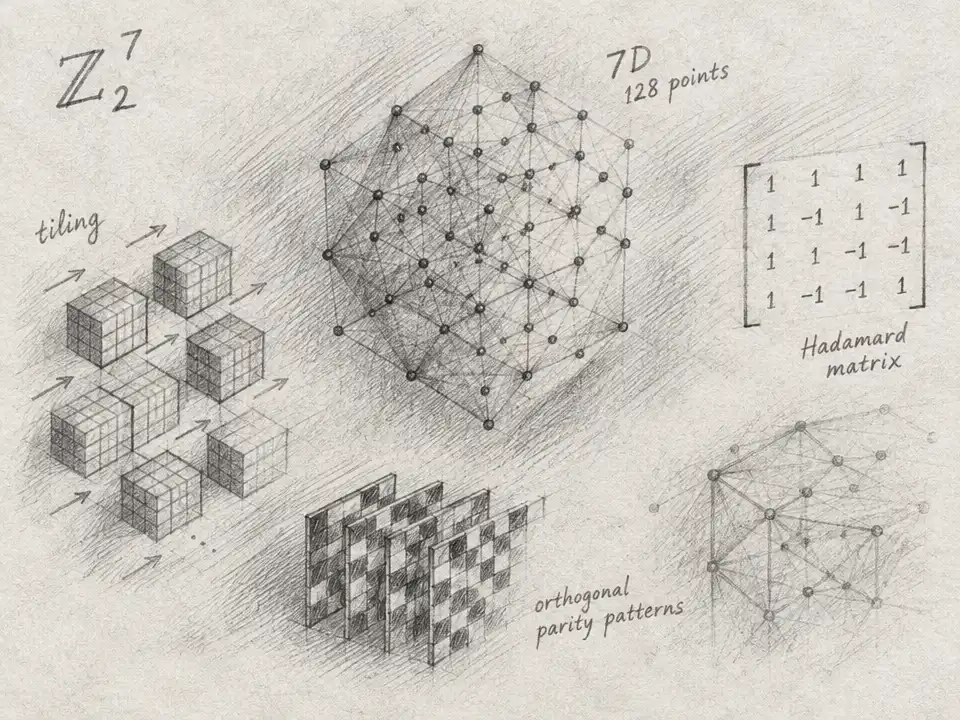
A new theorem links exact tilings and orthogonal Fourier patterns in a seven-bit space, while exposing the hard next cases.