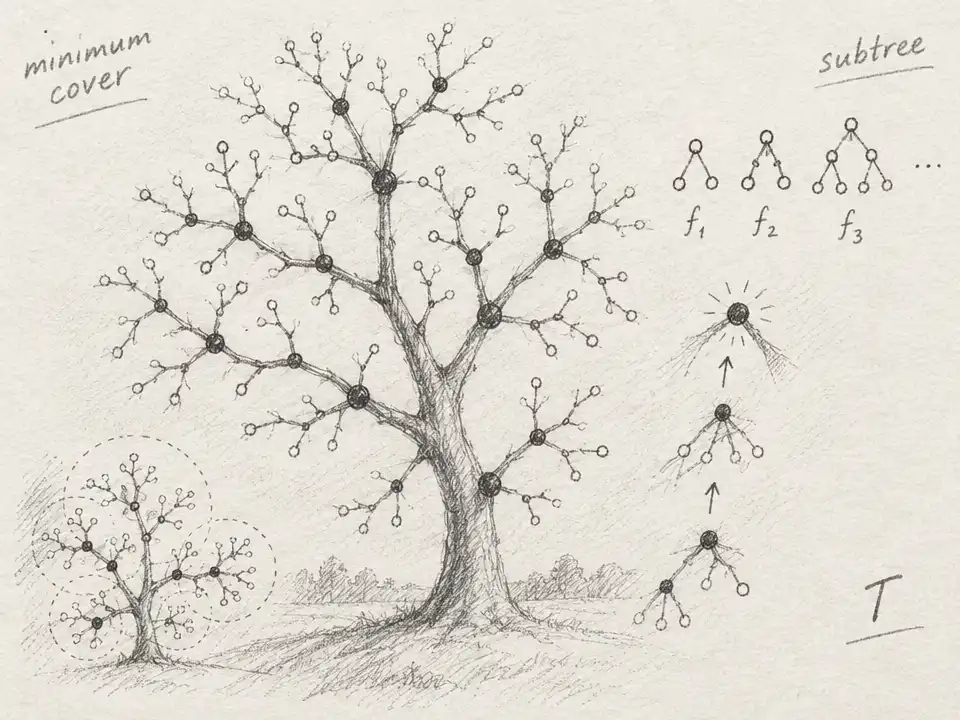
A Local Rule Reveals the Covering Density of Enormous Random Trees
A canonical covering rule turns local subtree patterns into large-scale packing and covering densities across diverse random-tree models.
A canonical covering rule turns local subtree patterns into large-scale packing and covering densities across diverse random-tree models.
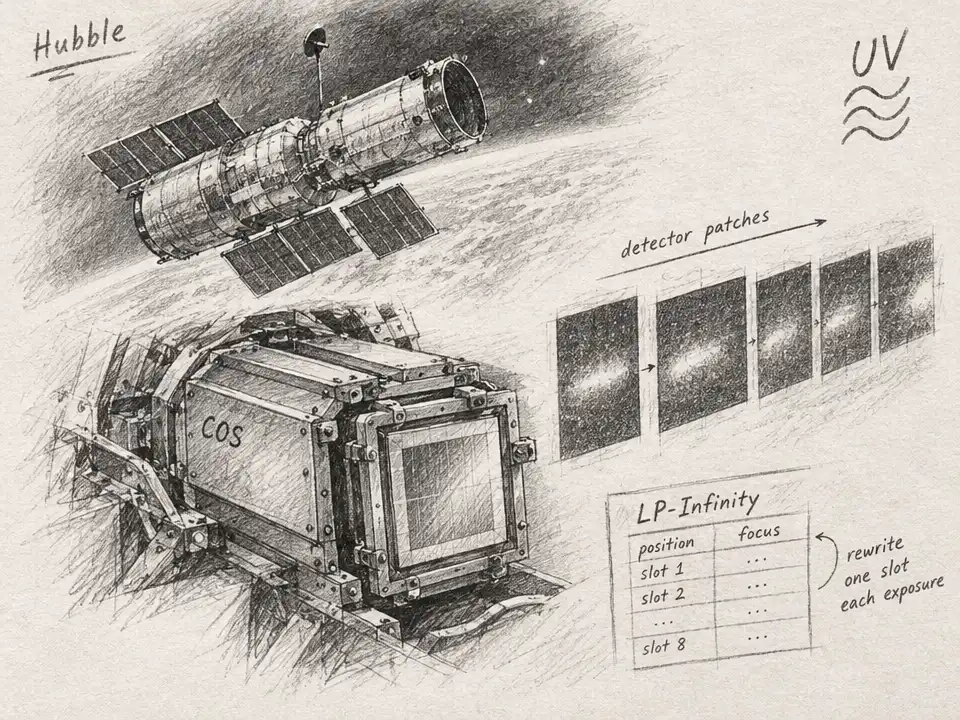
Hubble’s aging ultraviolet detector has a software-table limit. LP-Infinity sidesteps it to extend the spectrograph’s working life.
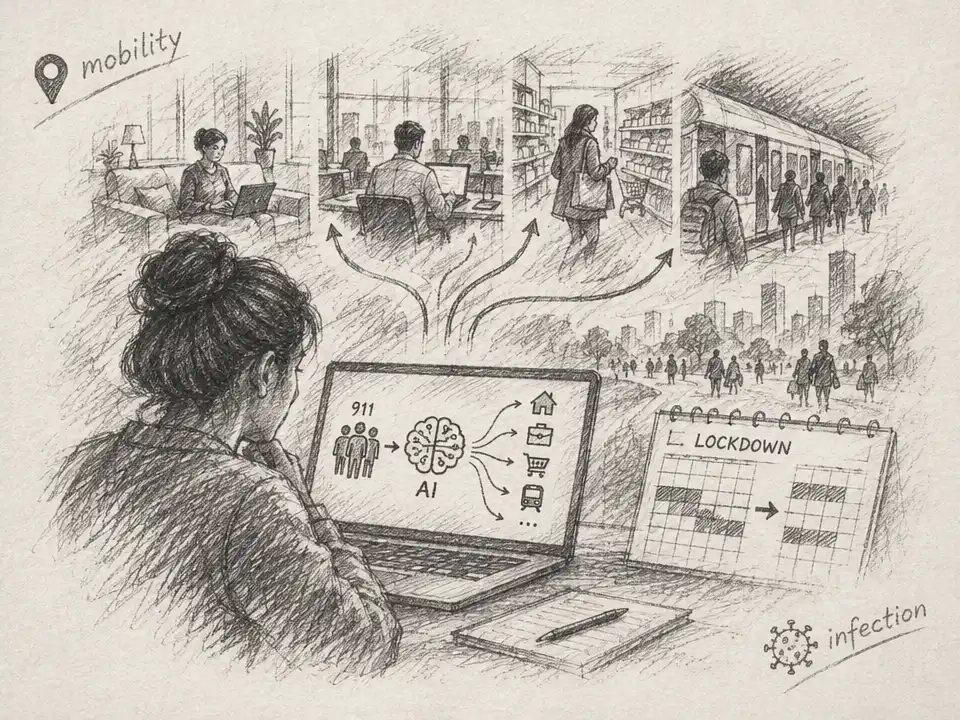
A new AI framework models daily activity choices under shifted lockdown timelines, then compares simulated infection and urban-activity trade-offs.
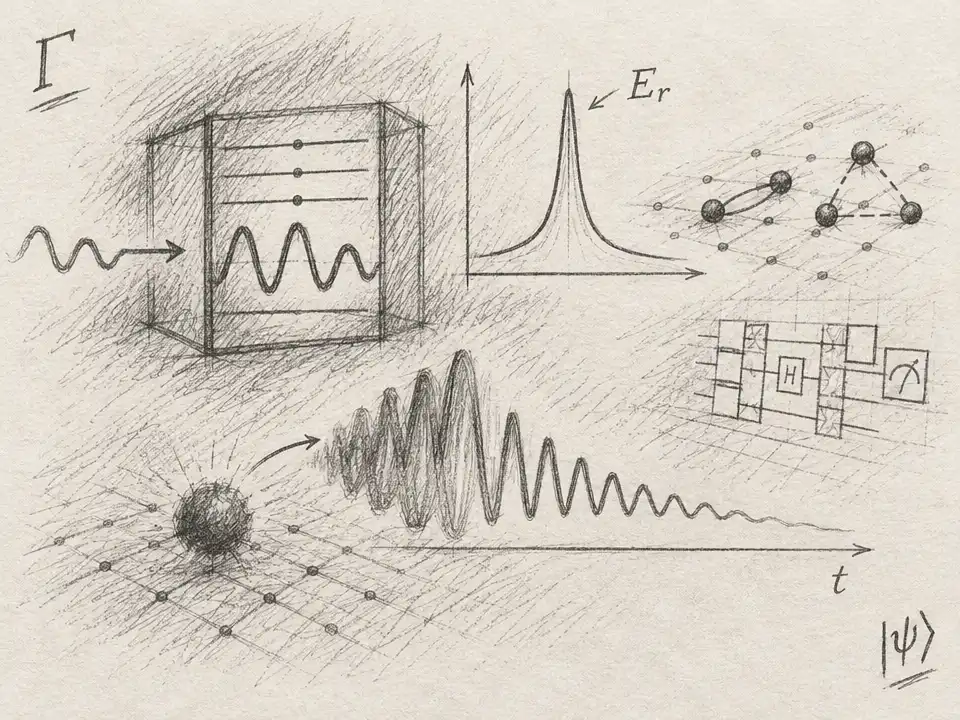
A new method finds unstable quantum resonances by shaping the starting state, not changing the physics that drives it.
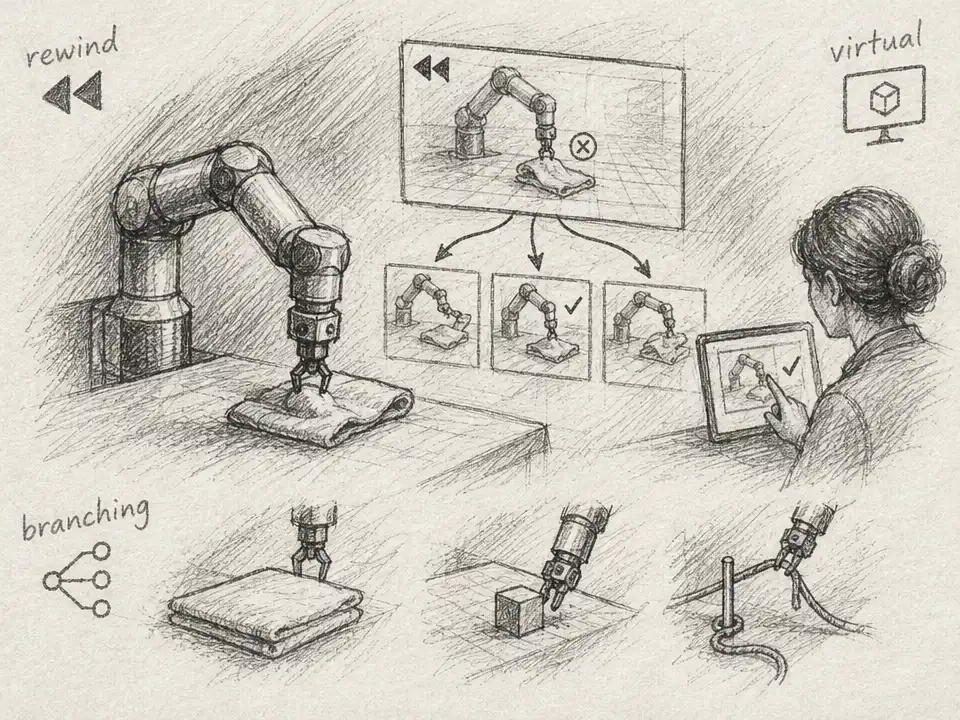
A rewindable robot world lets people correct failures in simulation, then tests whether those lessons transfer to real machines.
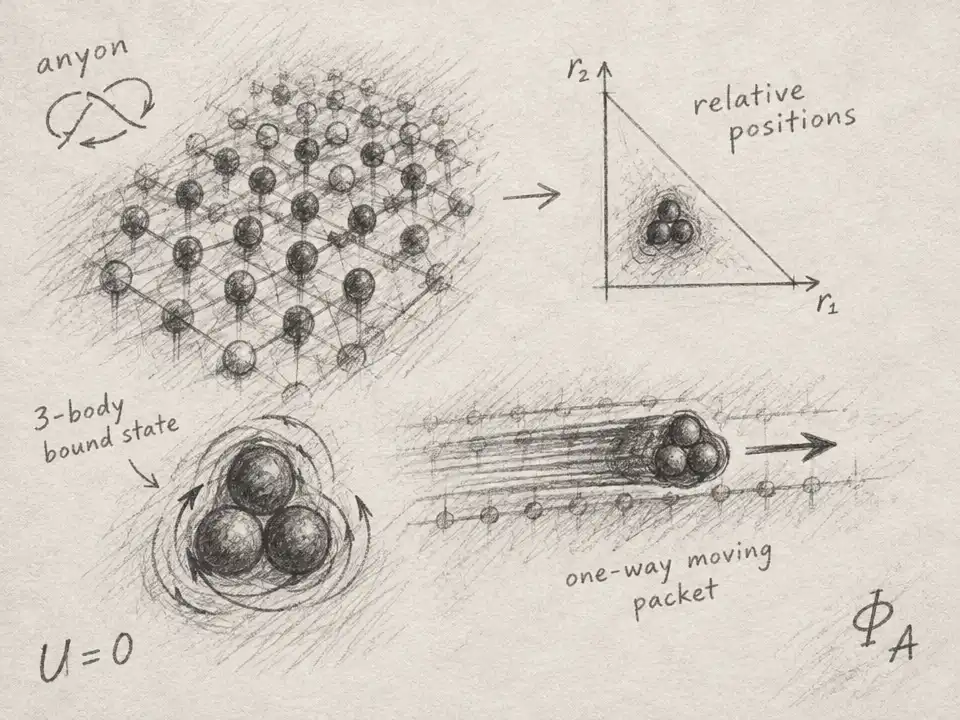
A new mapping predicts three anyon-like particles can bind without on-site interactions, then race across a lattice at single-particle speed.
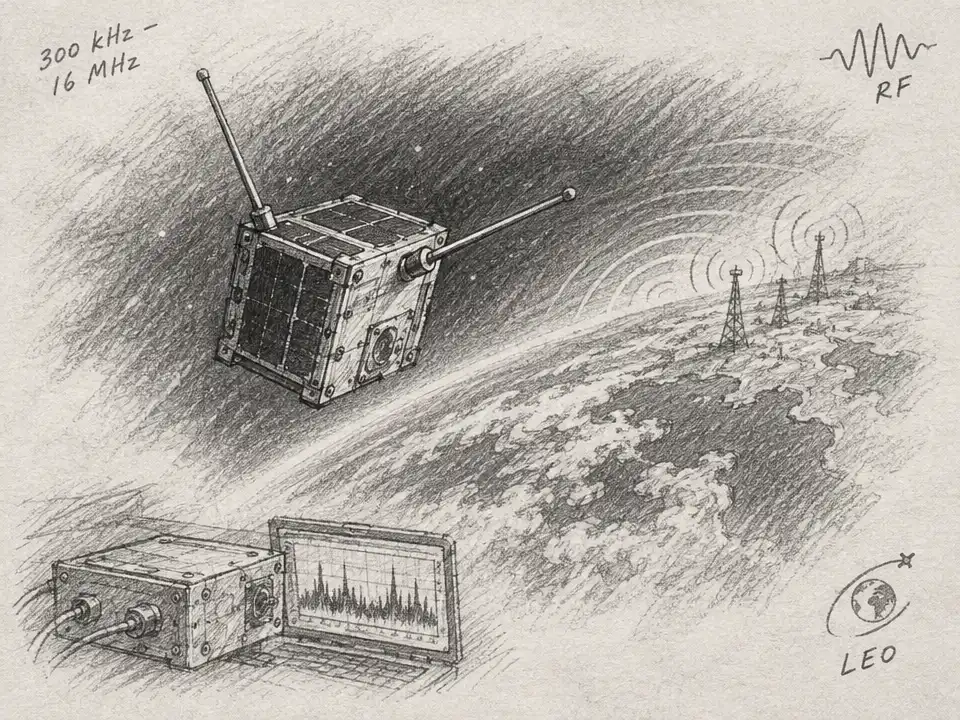
A small satellite payload aims to map Earth’s radio leakage from orbit, clearing a path toward astronomy below the ionosphere’s cutoff.
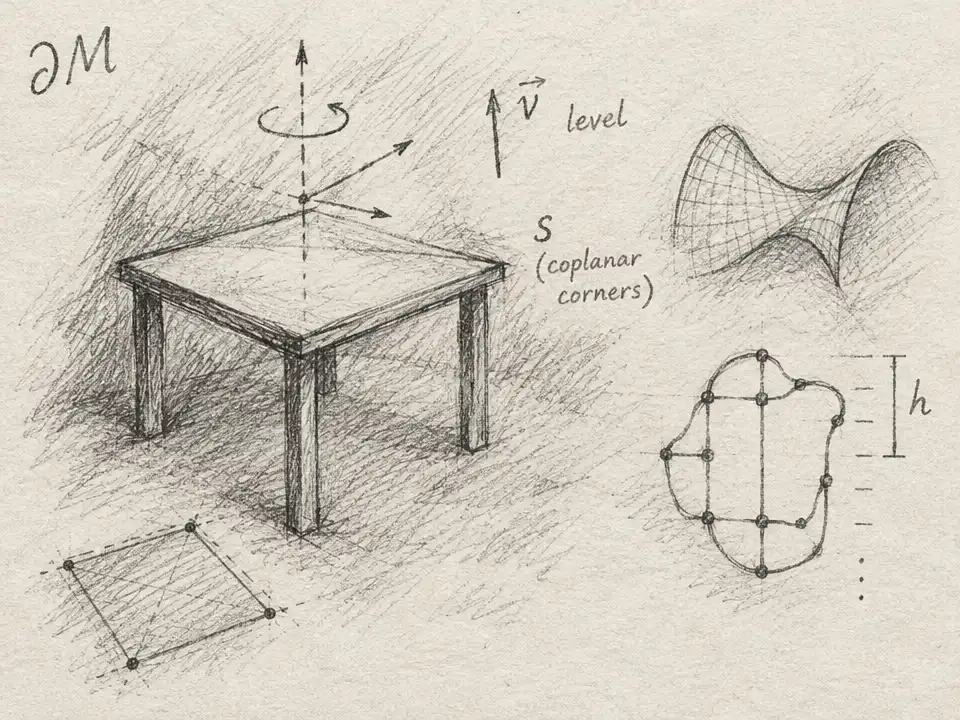
A topological reframe turns table balancing into a parity argument, proving when a square can sit level on an uneven graph and what else follows.
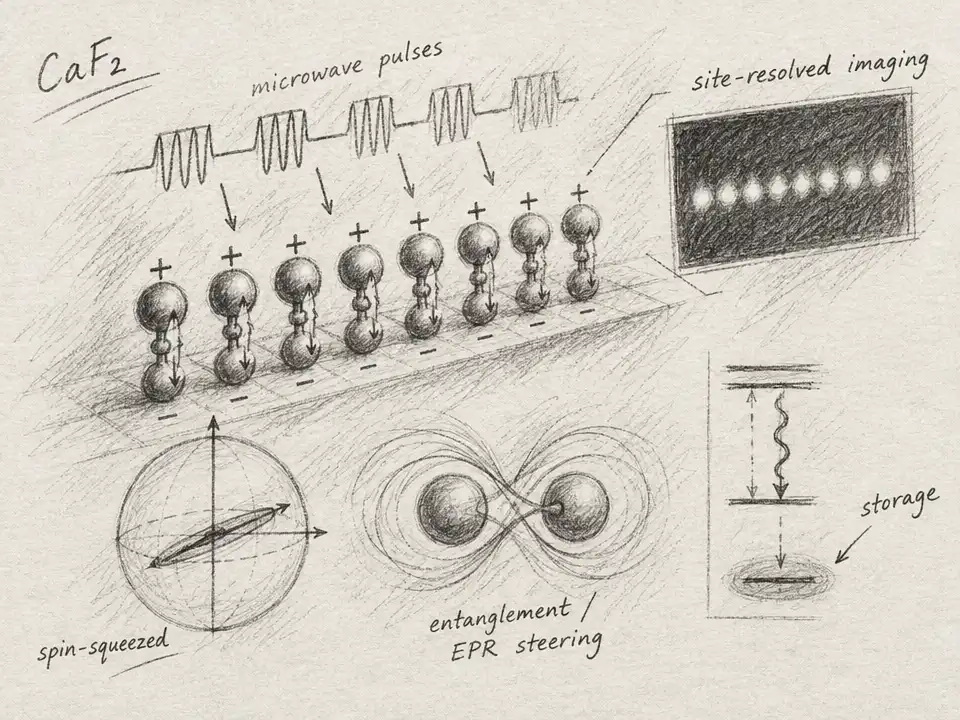
Eight trapped CaF molecules form a spin-squeezed state, revealing a new route to quantum-enhanced sensing and long-lived storage.
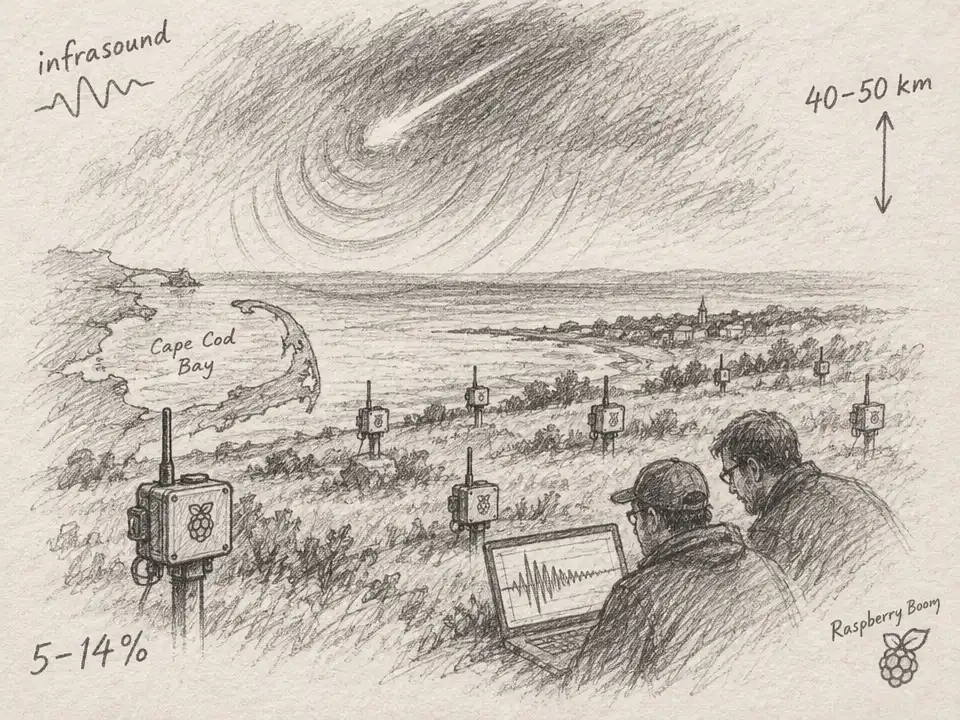
Seven hobbyist and university sensors caught a meteor’s inaudible shock wave, revealing a new way to investigate fireballs after they vanish.
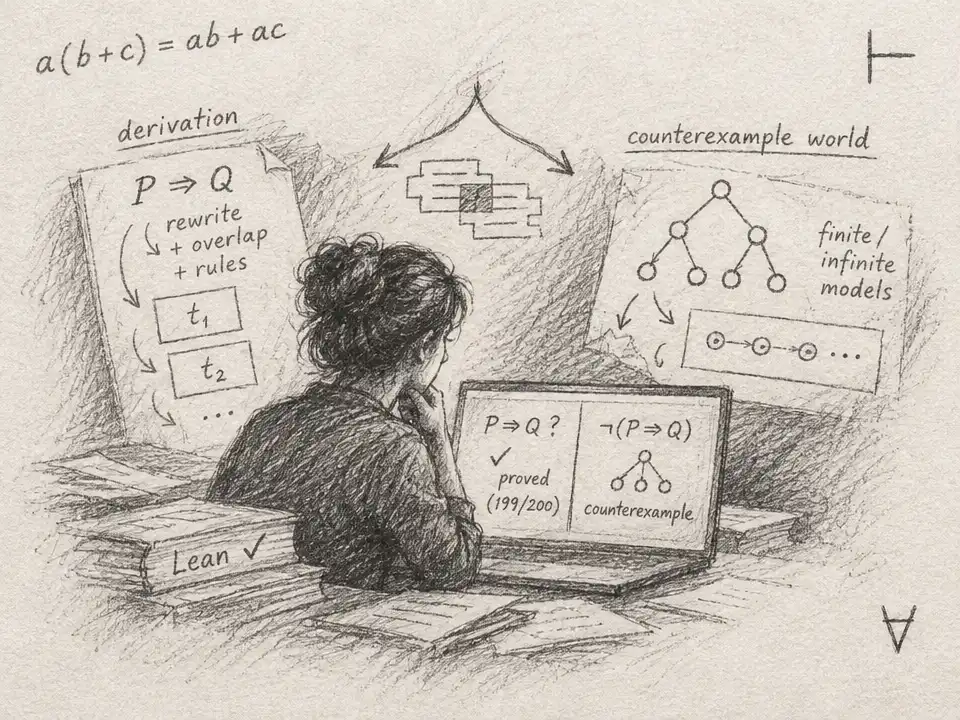
A new solver tackles abstract algebra from both sides: deriving consequences or constructing counterexamples, then asking Lean to verify every answer.
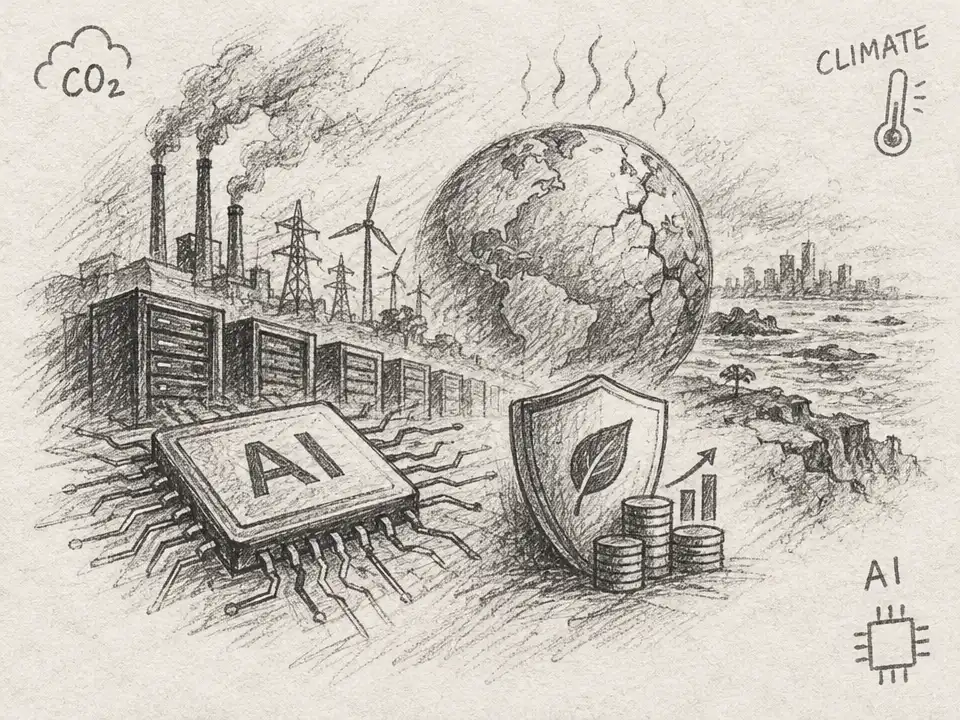
A new climate-economy model finds AI’s indirect growth effects may rival data-center emissions—and reshape the case for climate policy.
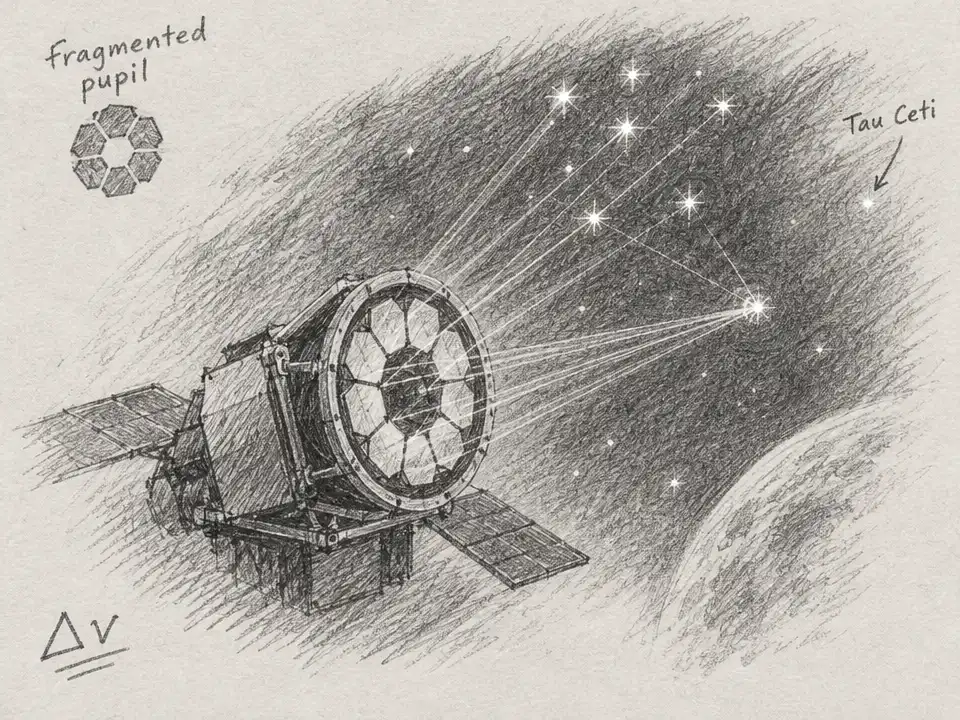
A custom mirror could bring distant reference stars beside Tau Ceti, helping small spacecraft measure the faint wobbles planets cause.
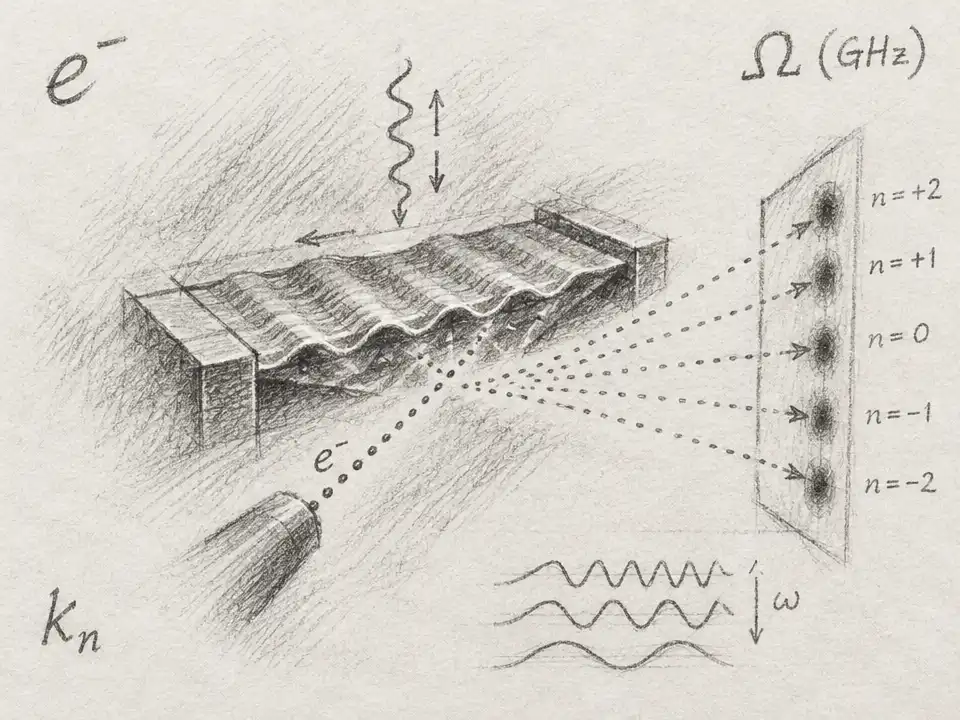
A theoretical design uses a vibrating membrane to steer electron recoil and probe mechanical modes that ordinary optical measurements can miss.
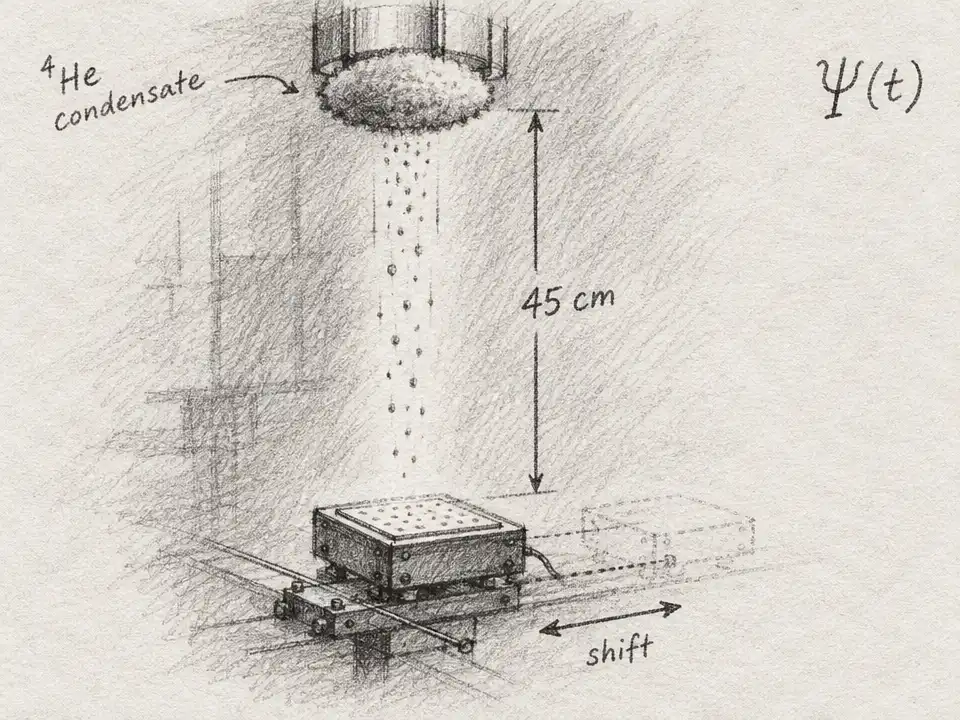
A proposed falling-atom experiment uses a movable detector to distinguish competing quantum predictions for particle arrival times.
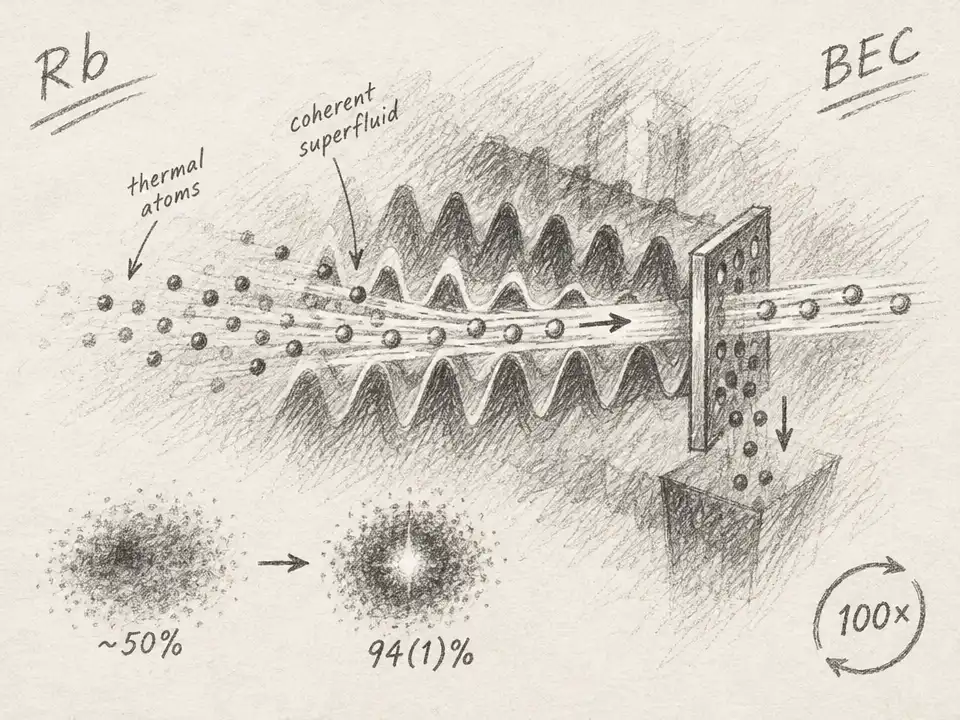
An optical superlattice separates superfluid from thermal atoms by speed, then uses repeated filtering to purify and sustain coherent flow.
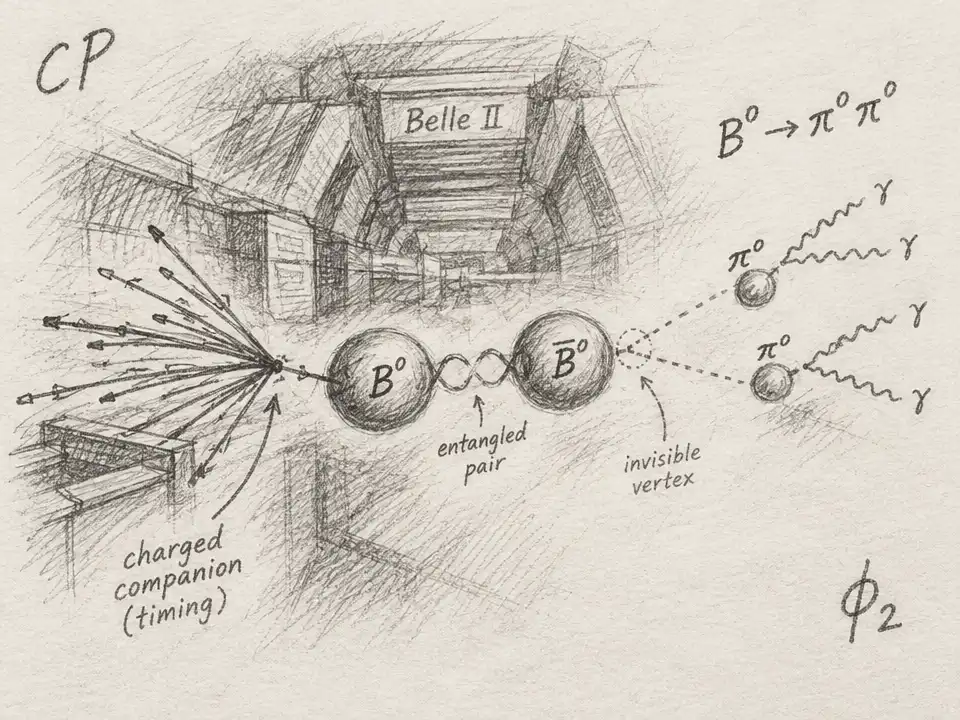
Belle II used entangled B mesons to measure CP violation in a photon-only decay without reconstructing the signal’s missing vertex.
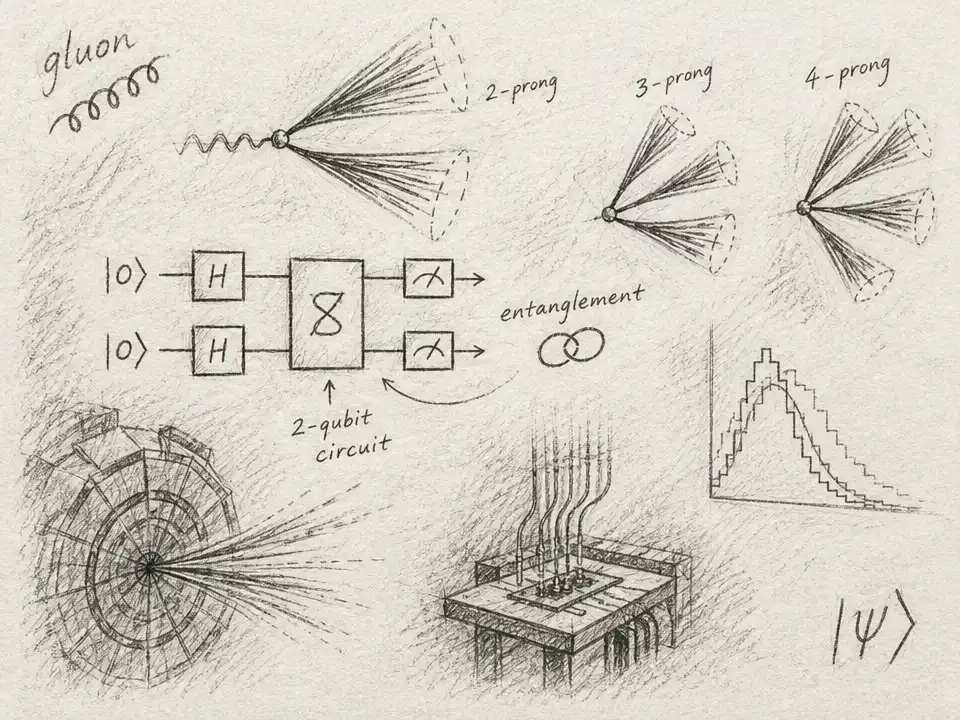
A two-qubit circuit encodes gluon momentum sharing and entanglement, testing a quantum building block against real jet data.
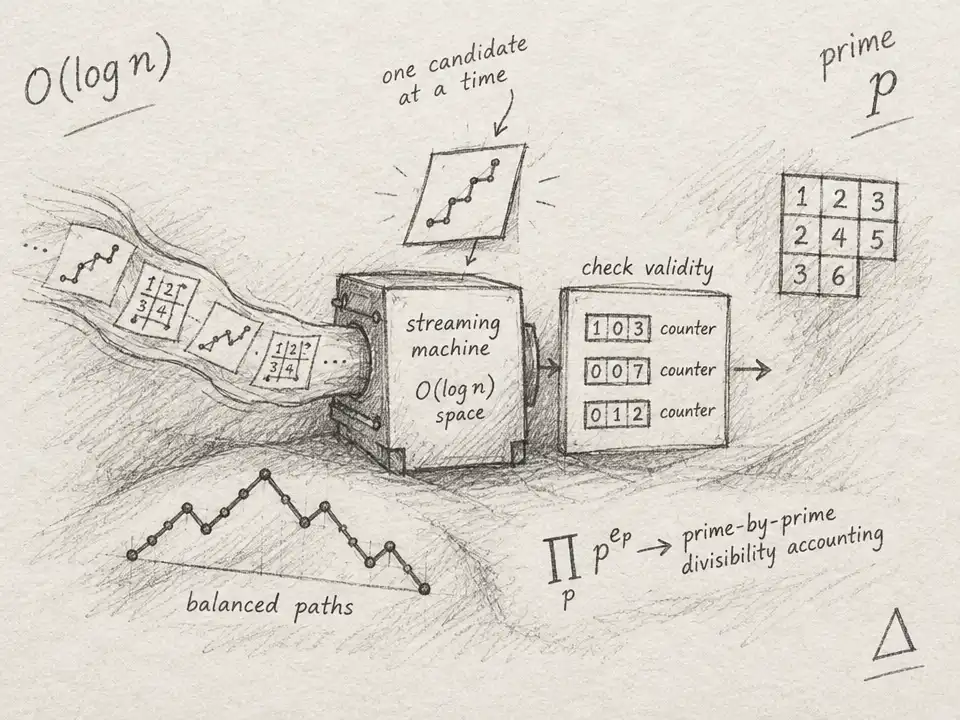
A new complexity-theory toolkit shows how tiny-memory verifiers can count Dyck paths, tableaux and more by checking candidates one at a time.
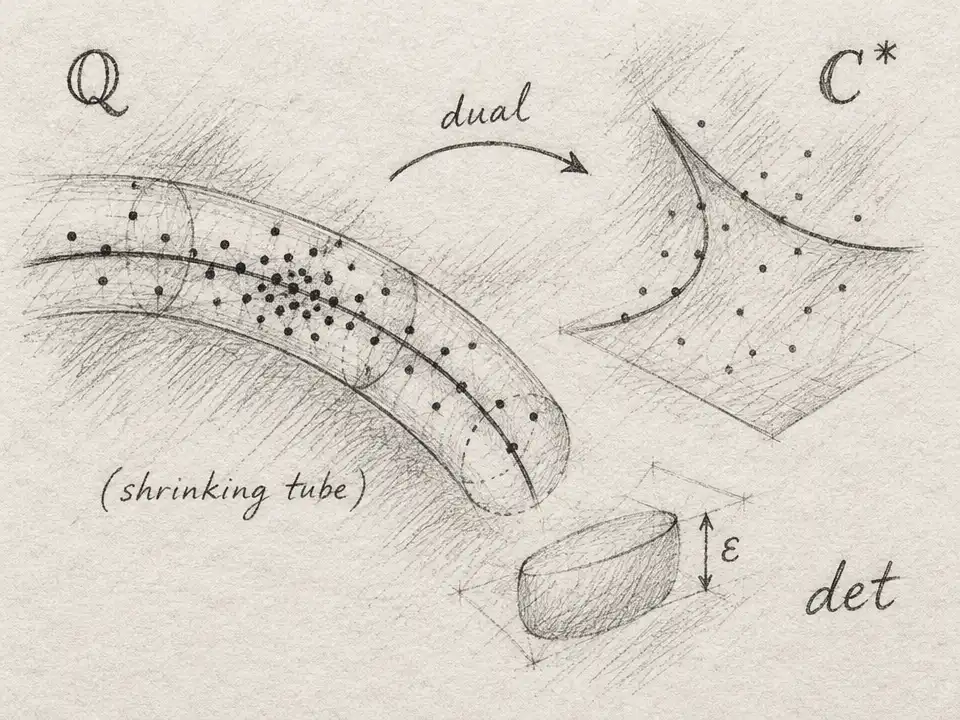
A geometric duality trick turns crowded rational points near curves into a sparse counting problem, yielding sharp bounds in 3D.