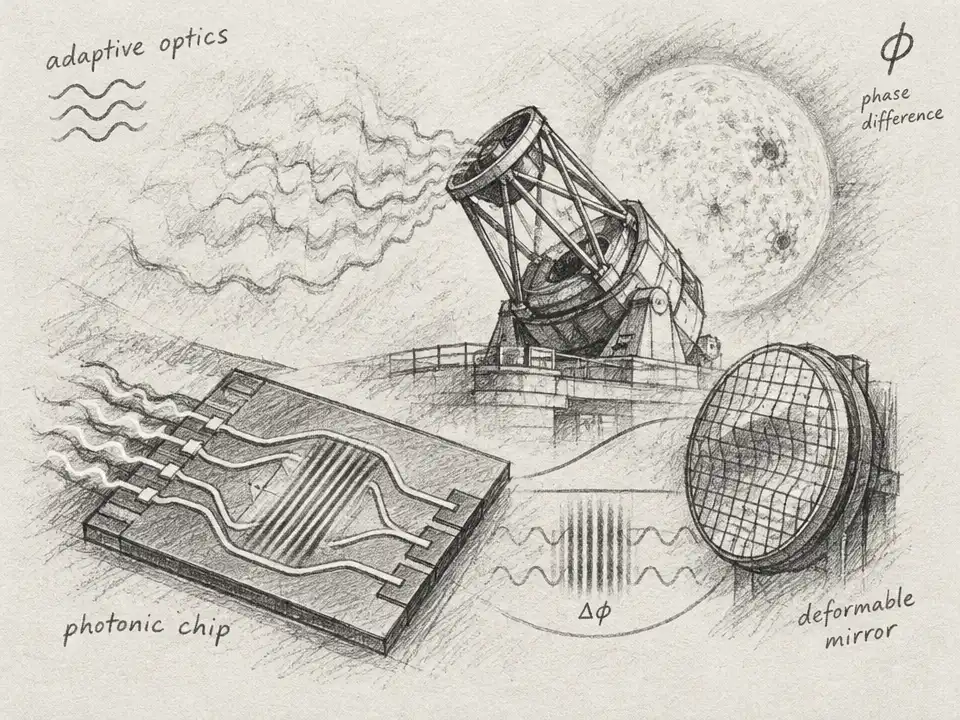
A Photonic Chip Could Sense Solar Turbulence Without an Image
A proposed photonic chip could measure atmospheric distortion by comparing light waves directly, offering a new route to sharper solar images.
A proposed photonic chip could measure atmospheric distortion by comparing light waves directly, offering a new route to sharper solar images.
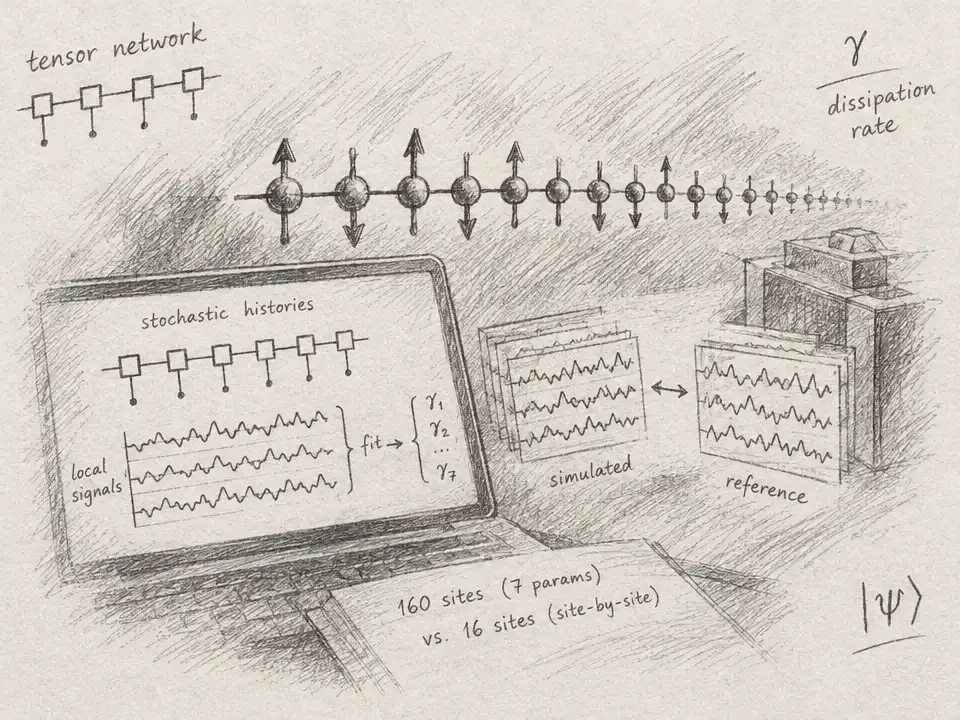
A tensor-network strategy learns quantum noise from local signals, scaling simulated Ising-chain diagnosis to 160 sites without full-state reconstruction.
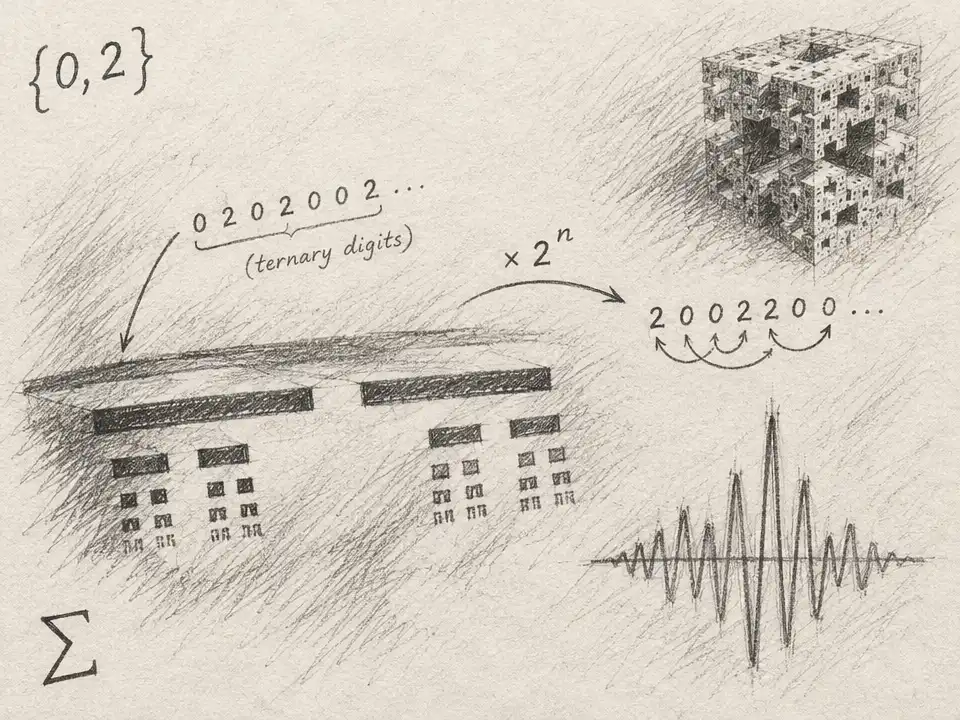
A new digit-tracking method proves when powers of two bring typical points in the middle-third Cantor set close to integers.
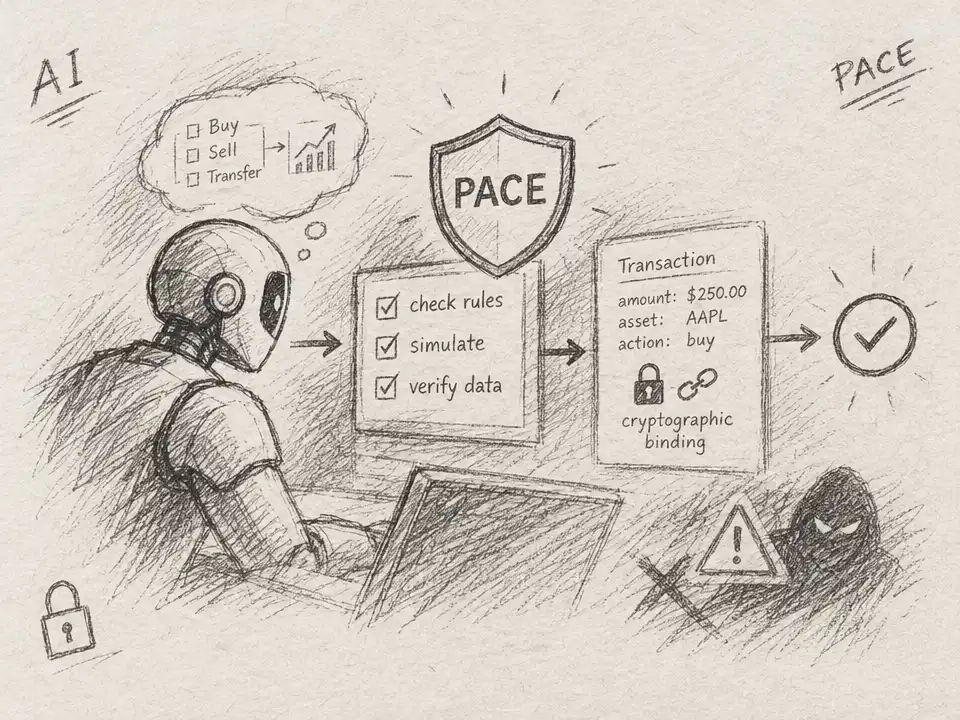
PACE separates AI-generated trade plans from approval, binding each allowed transaction to rules and exact execution data.
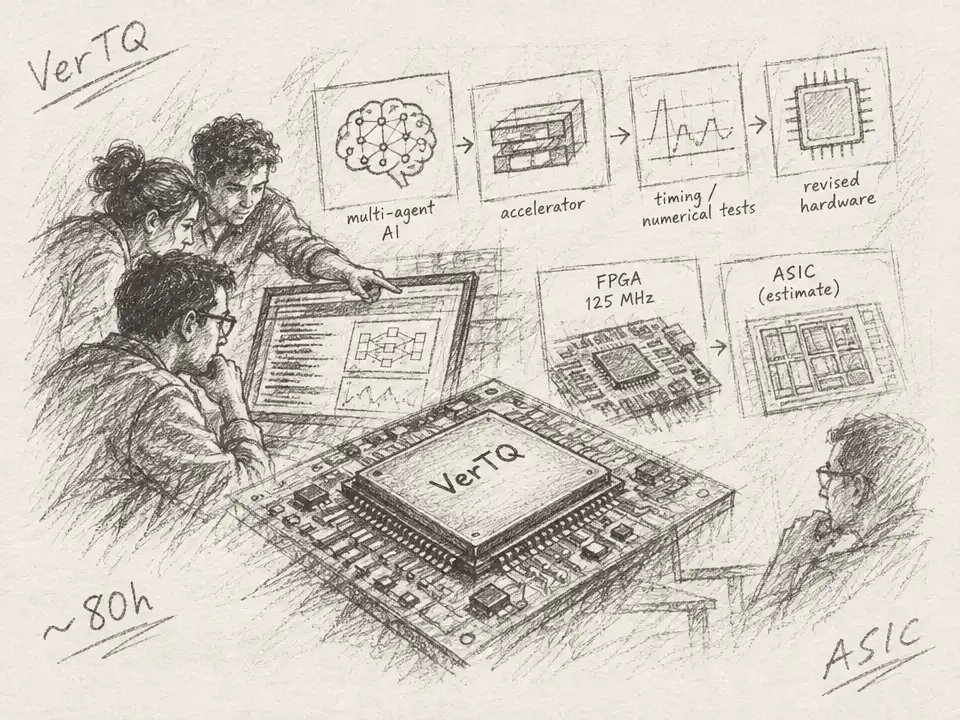
An AI system designed an FPGA-mapped language-model accelerator, then debugged timing and numerical errors—while human review stayed essential.
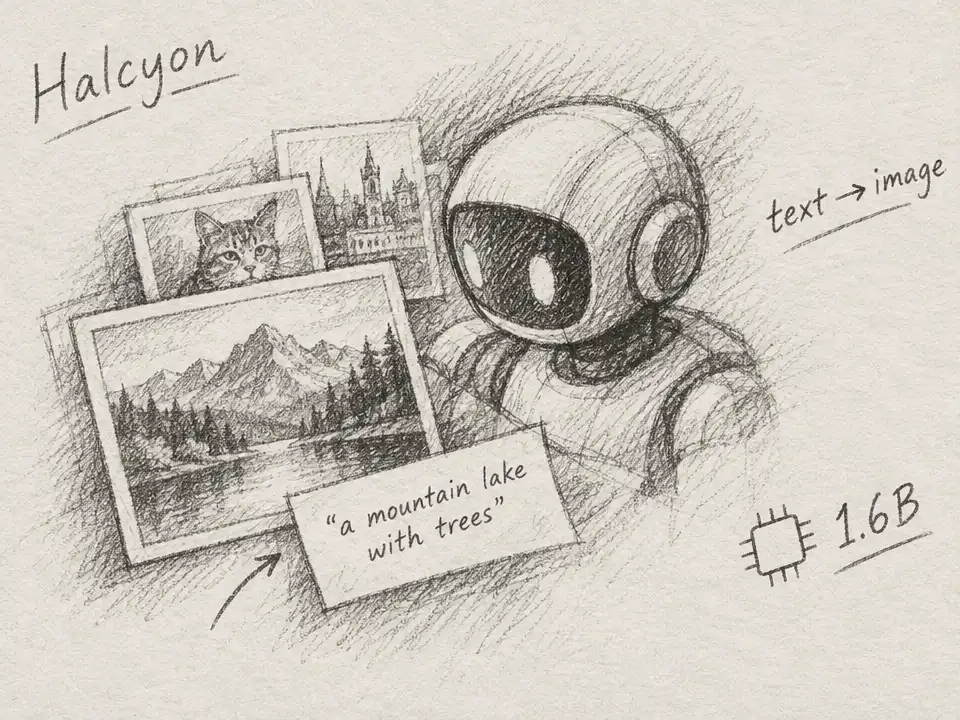
A from-scratch image generator matched or beat selected rivals without a pretrained language model, challenging a costly assumption in AI.
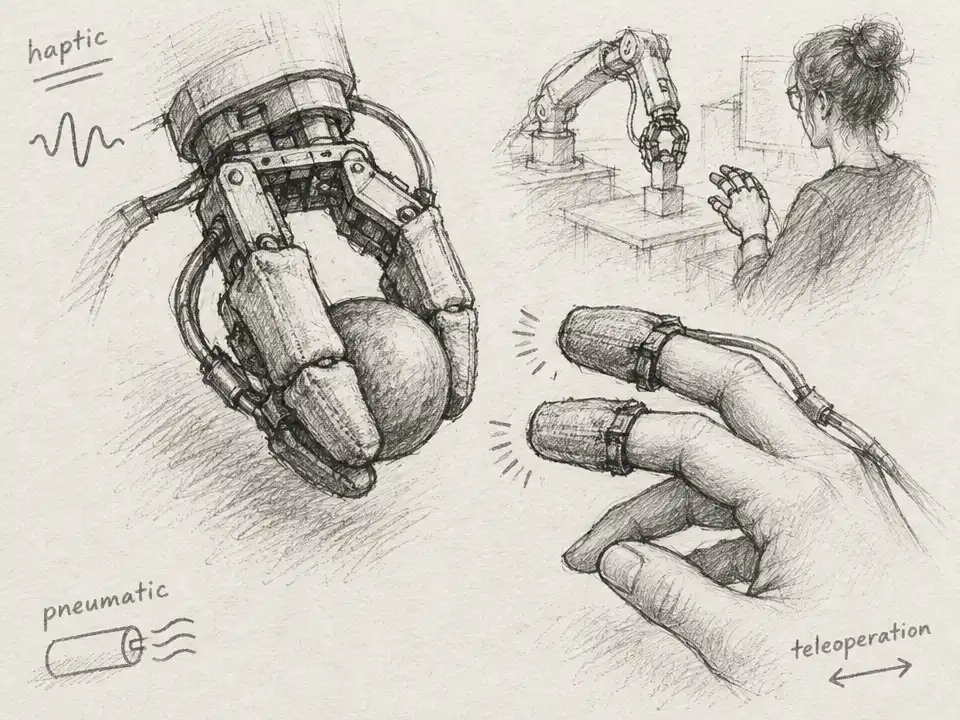
A soft air-filled pouch sends a robot’s contact pressure to a person’s fingertip, helping operators handle objects more gently.
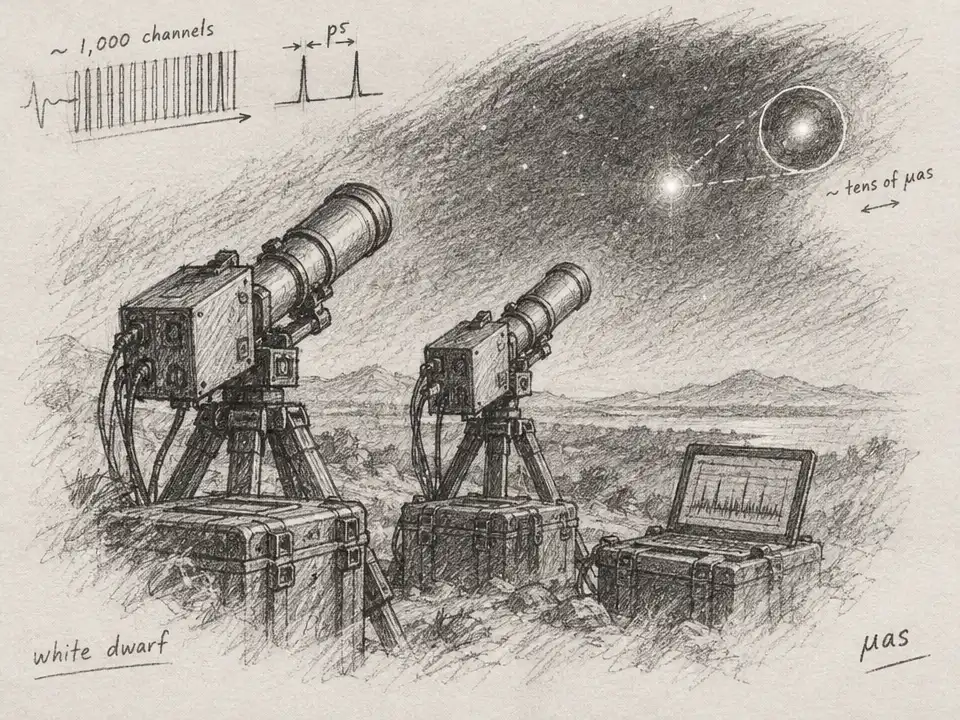
A proposed two-telescope interferometer would use photon timing, not conventional images, to measure white dwarfs only microarcseconds wide.
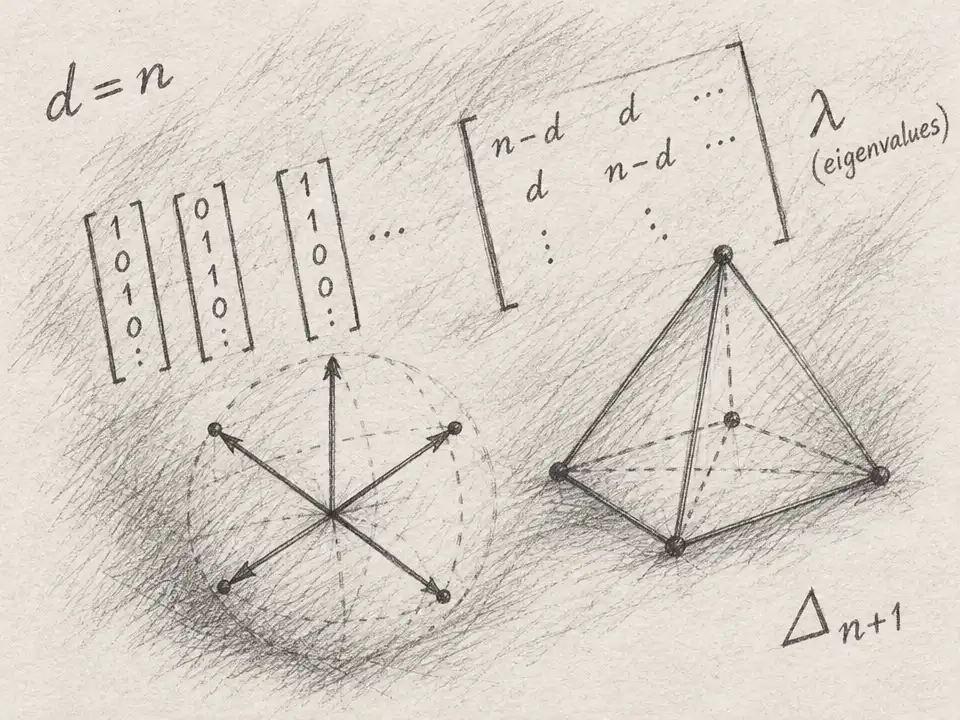
A new eigenvalue-based proof turns equal-distance messages into geometry, exposing a sharp limit and the lone distance where it bends.
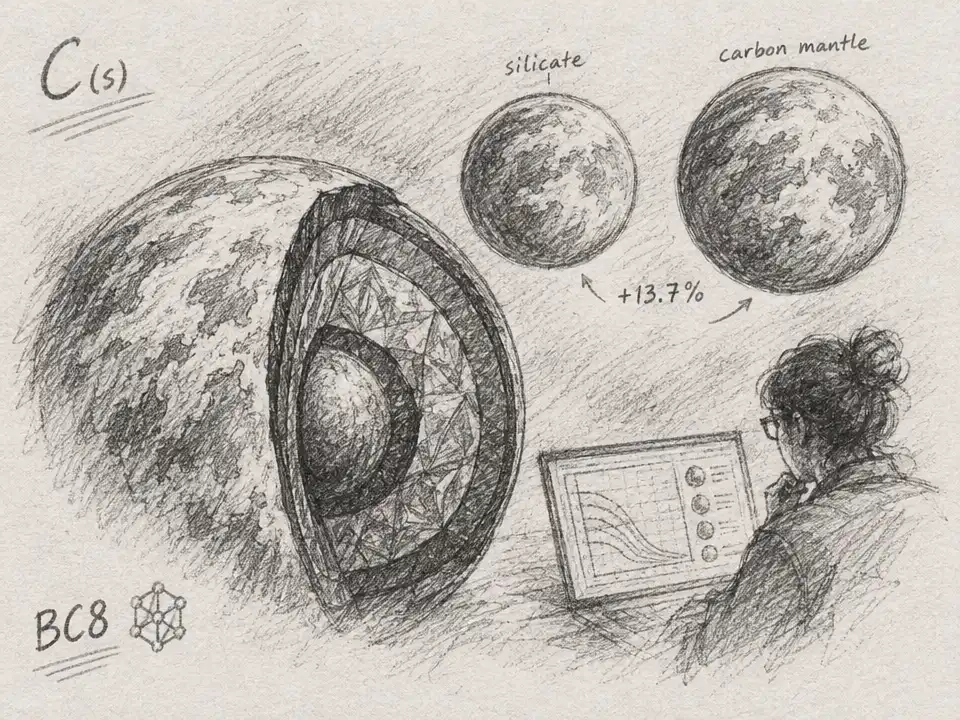
A new version of MAGRATHEA models graphite, diamond, and BC8 interiors, revealing why a planet’s size may not disclose its true composition.
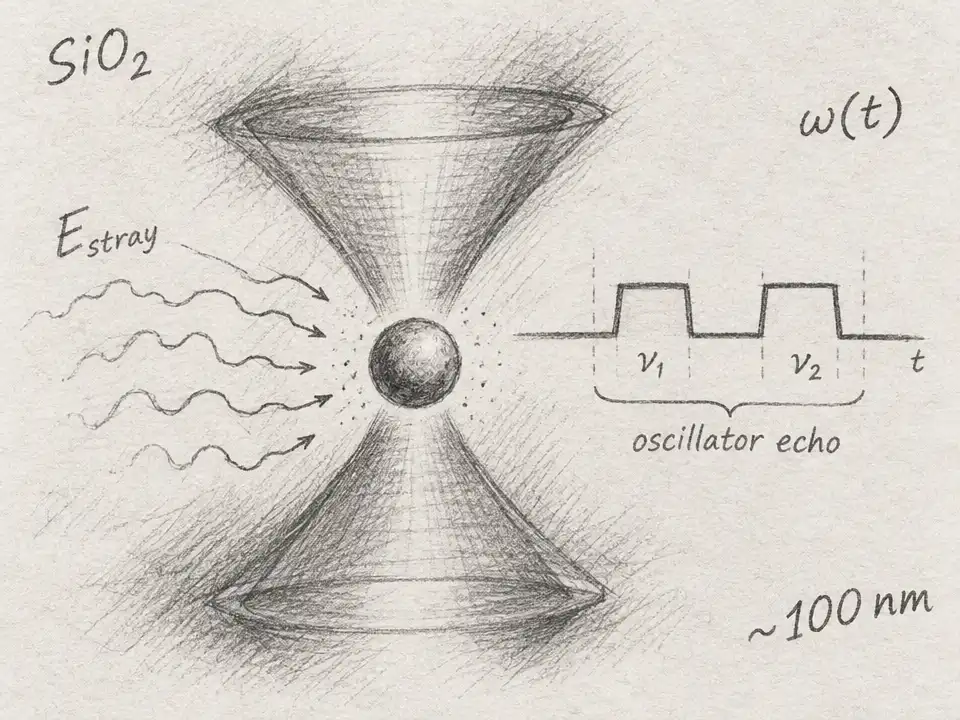
A three-step oscillator echo cancels stray-force noise in a levitated nanoparticle, bringing its motion to the measurement-backaction limit.
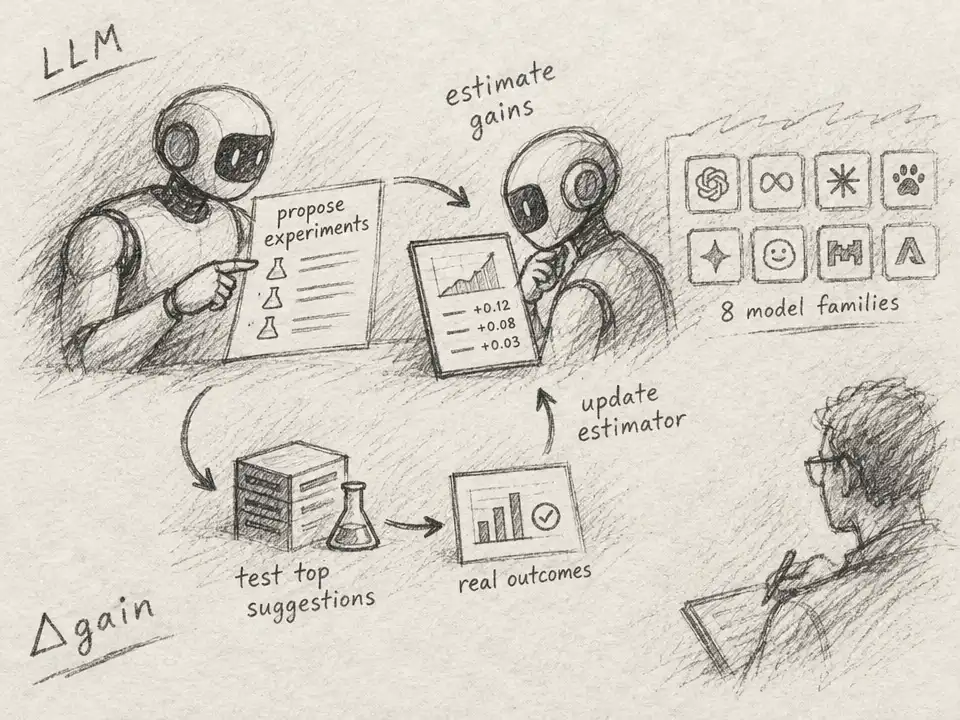
A new training loop teaches AI to propose language-model experiments, using predictions for speed and real runs to keep them honest.
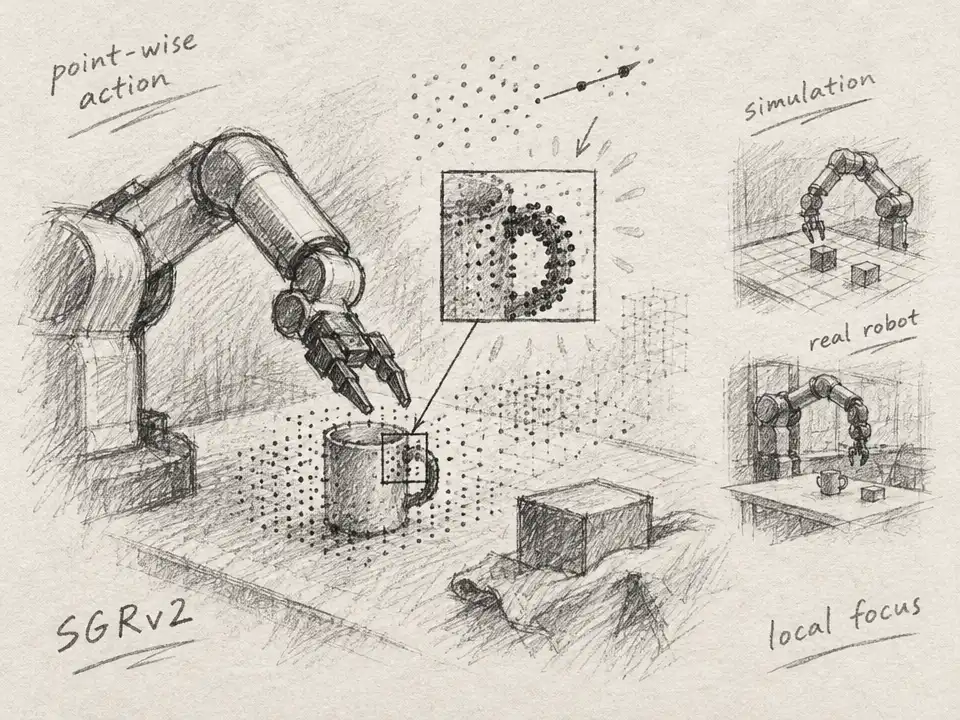
A robot-learning method uses local 3D cues to cut demonstration needs, while real-world trials reveal both promise and limits.
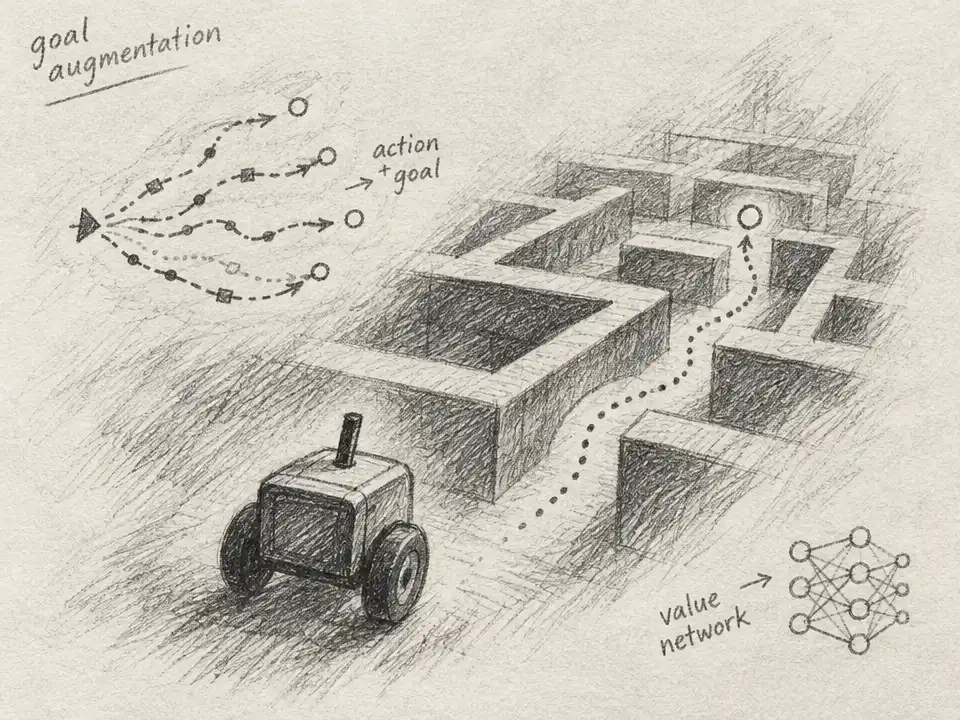
A small change to training data helps AI agents combine familiar movements into unseen routes, revealing what sequential learning really requires.
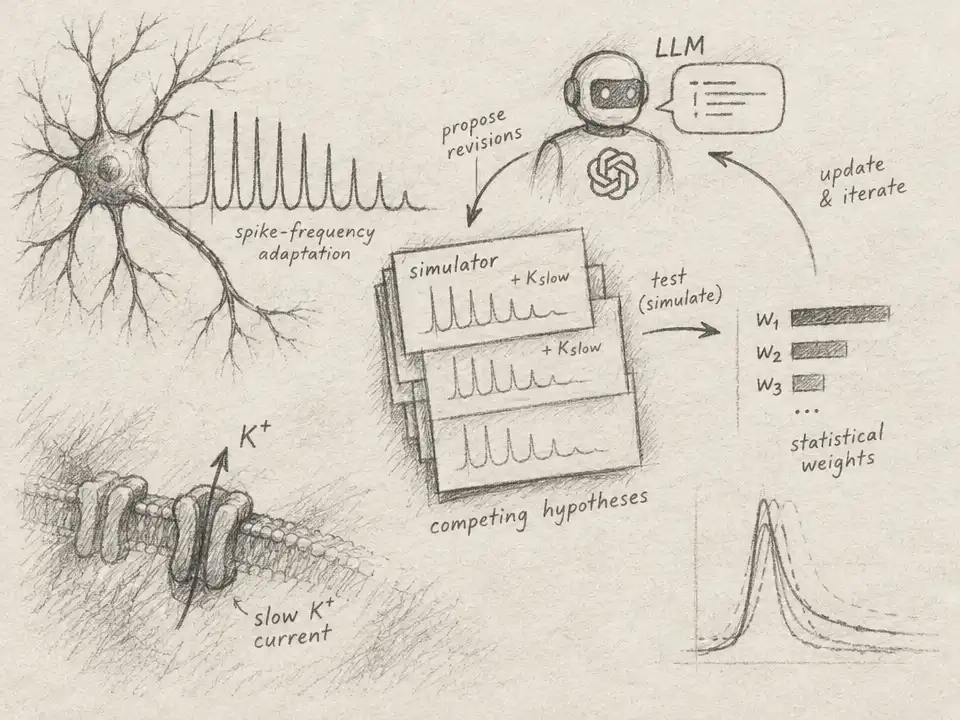
An AI system tested competing neuron models against real voltage recordings, revealing stronger fits and the uncertainty that remains.
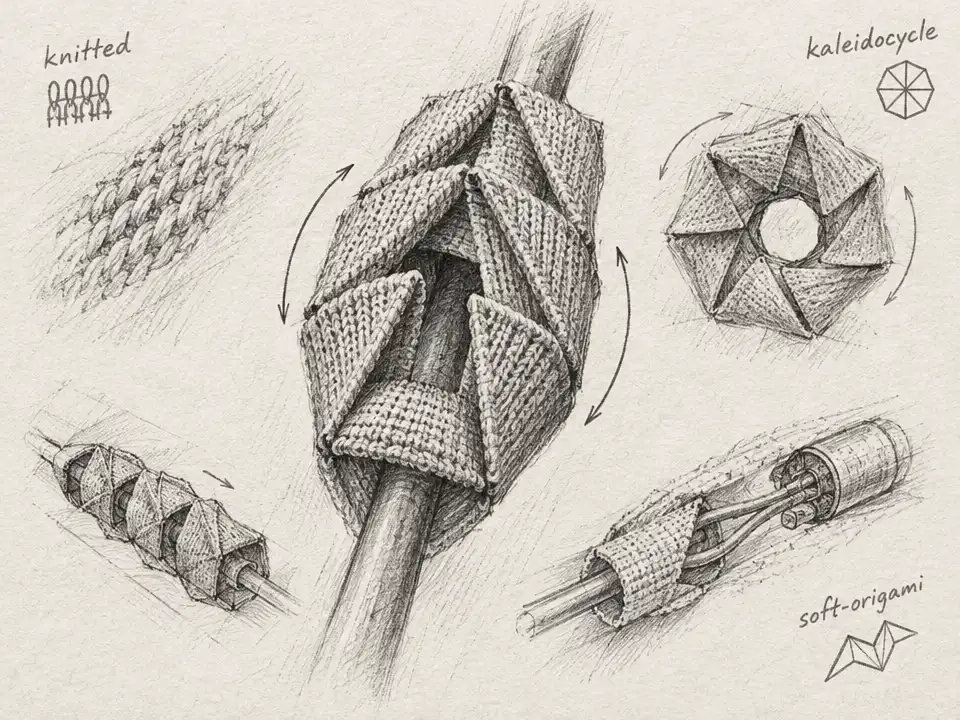
A knitted origami robot uses programmed stitches and heat-fusible yarn to fold, rotate and travel along slender forms.
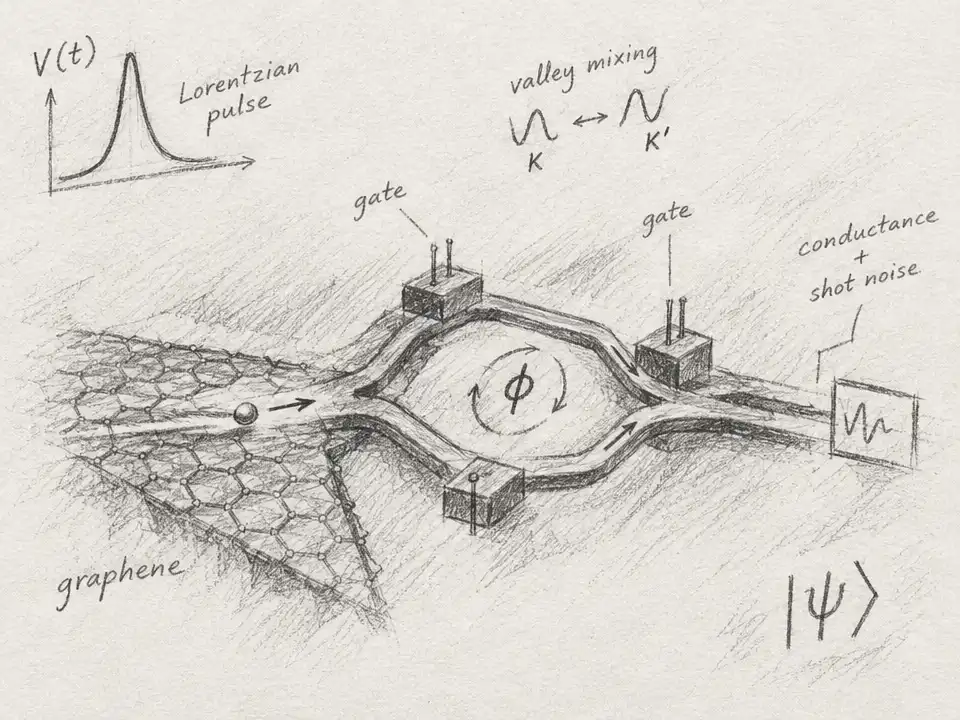
A carefully shaped voltage pulse launches a clean electron through graphene, where gates and magnetic flux steer its quantum state.
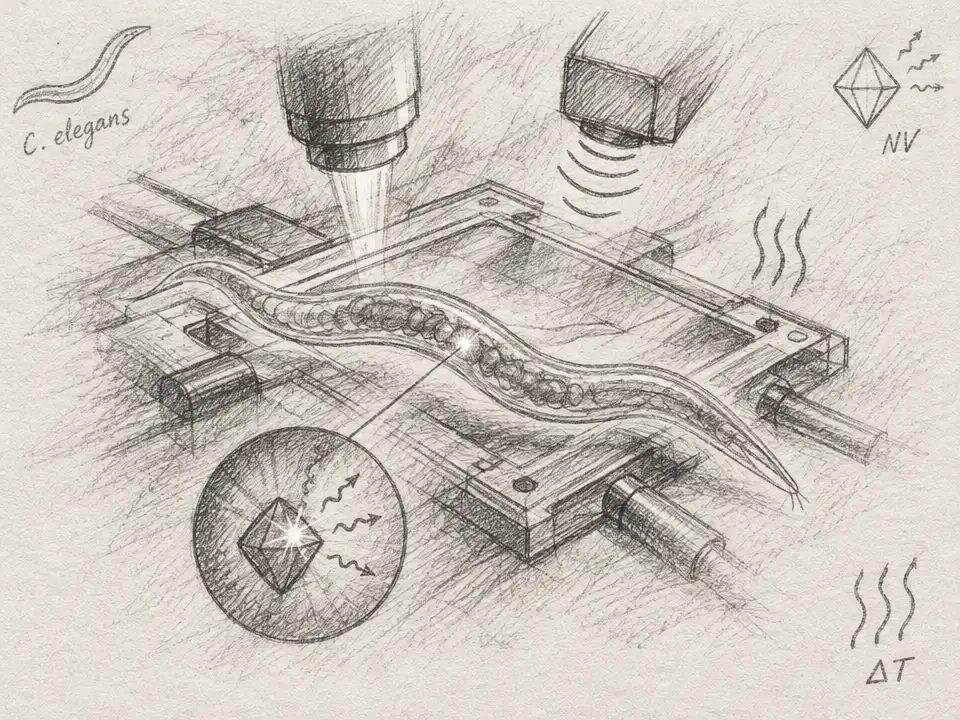
A quantum biosensing chip records a nanodiamond’s signal inside a living worm while researchers test how to limit microwave stress.
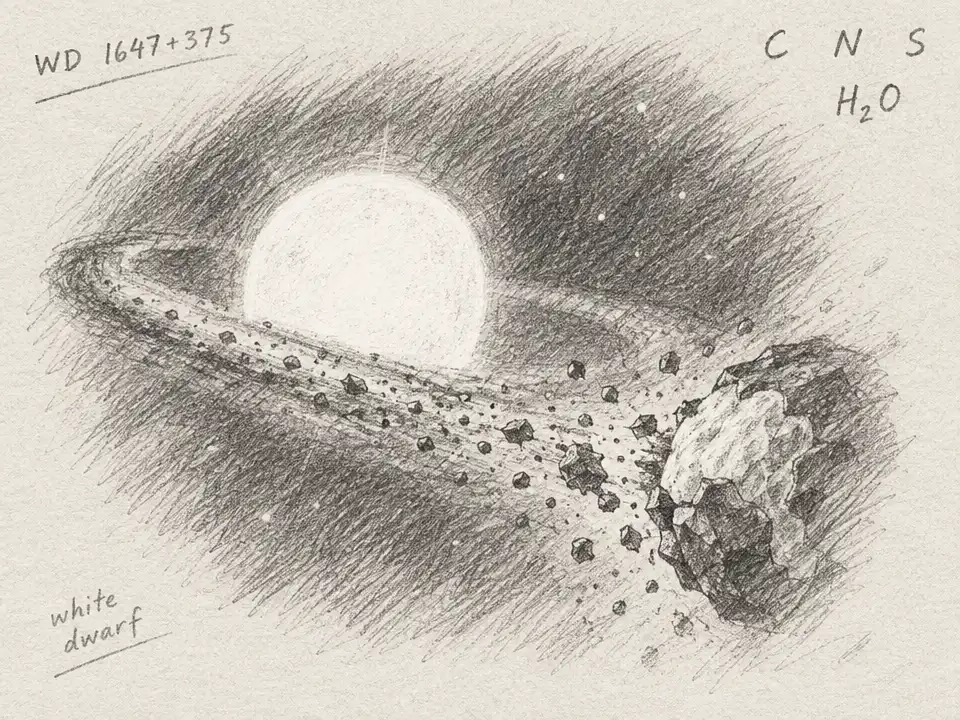
Ultraviolet fingerprints in a white dwarf reveal a water-rich, nitrogen-bearing planetary fragment—and leave its origin an open mystery.
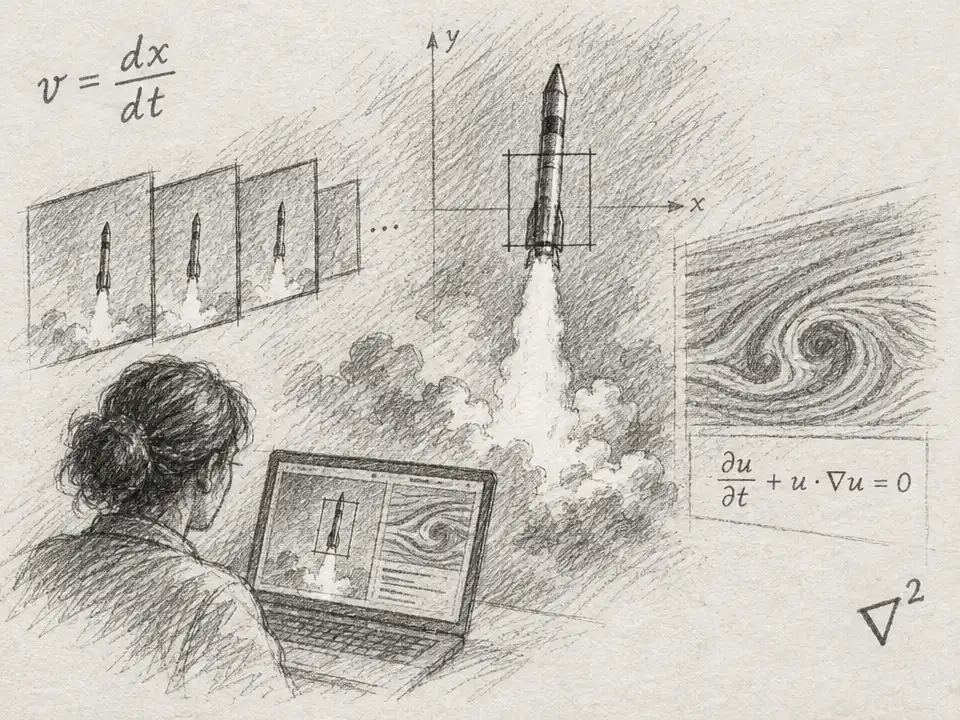
A new method helps algorithms turn raw, distorted video into simple coordinates, then recover the equations that govern motion.