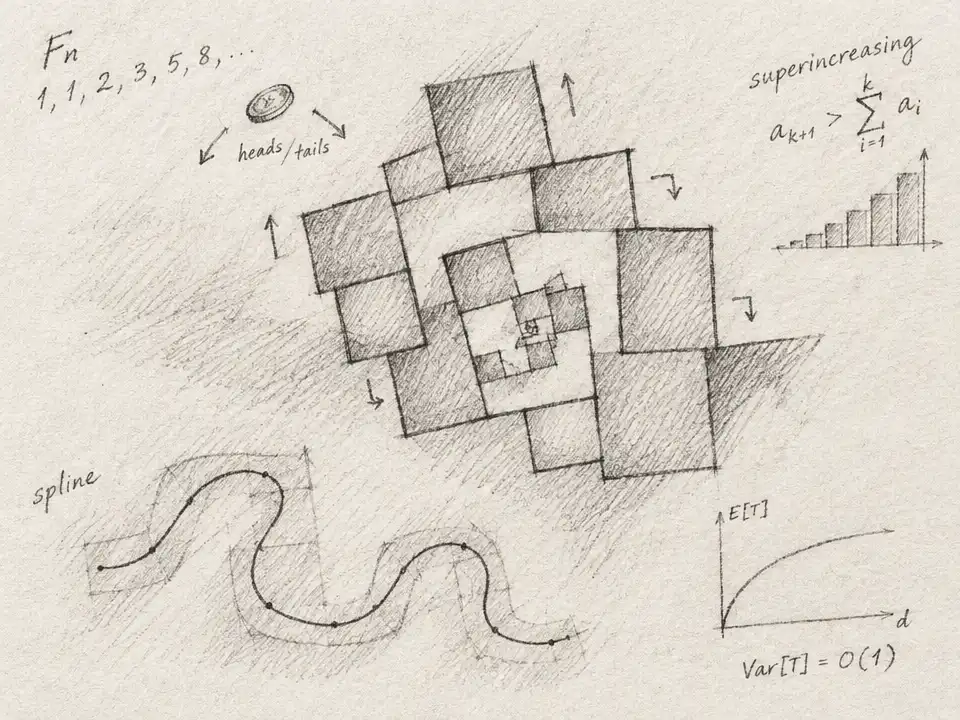
How a Random Fibonacci Tiling Makes Covering Time Countable
A random Fibonacci tile pattern turns a wandering growth problem into exact predictions about when distant lattice points get covered.
A random Fibonacci tile pattern turns a wandering growth problem into exact predictions about when distant lattice points get covered.
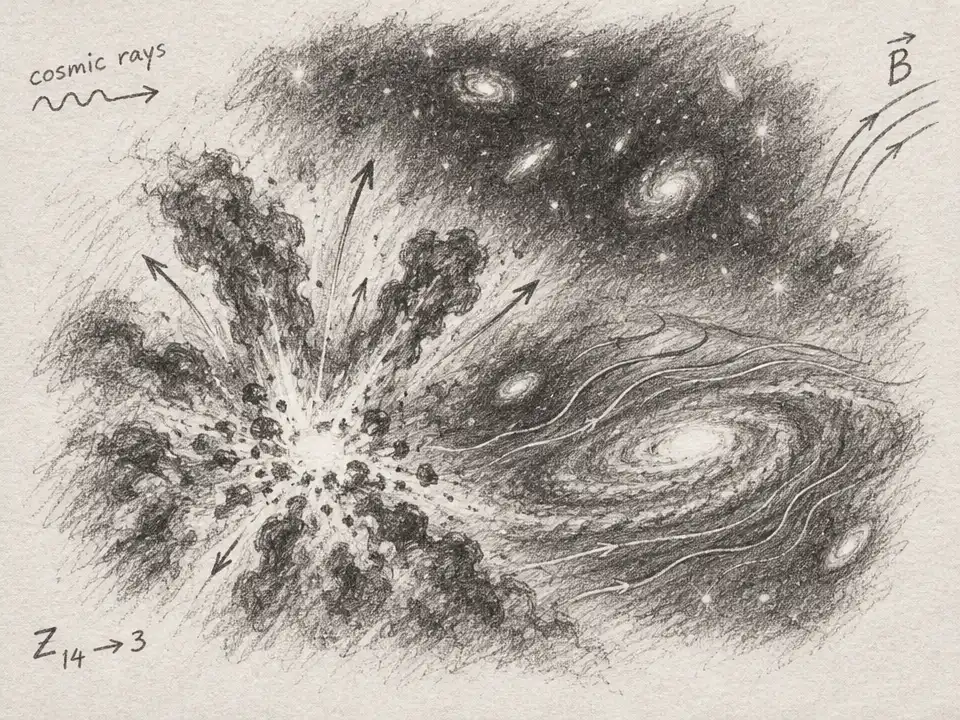
A new galaxy simulation links cosmic rays, bursty star formation and changing winds to explain how early galaxies may have grown.
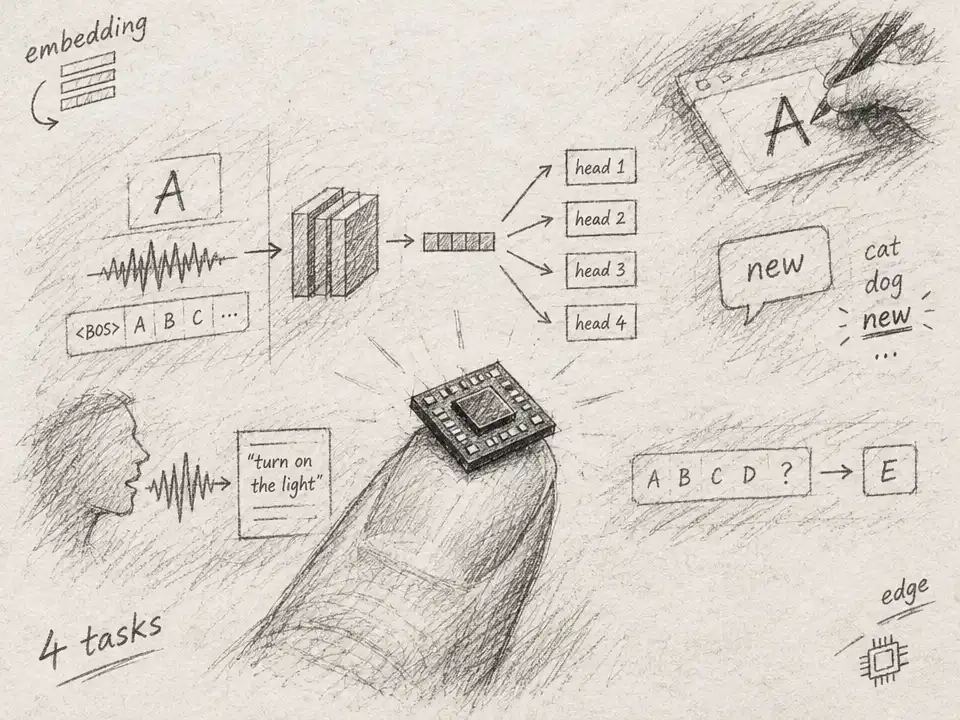
A small chip adapts to new examples, accumulating keywords, learning from descriptions, and predicting sequences with one compact neural pipeline.
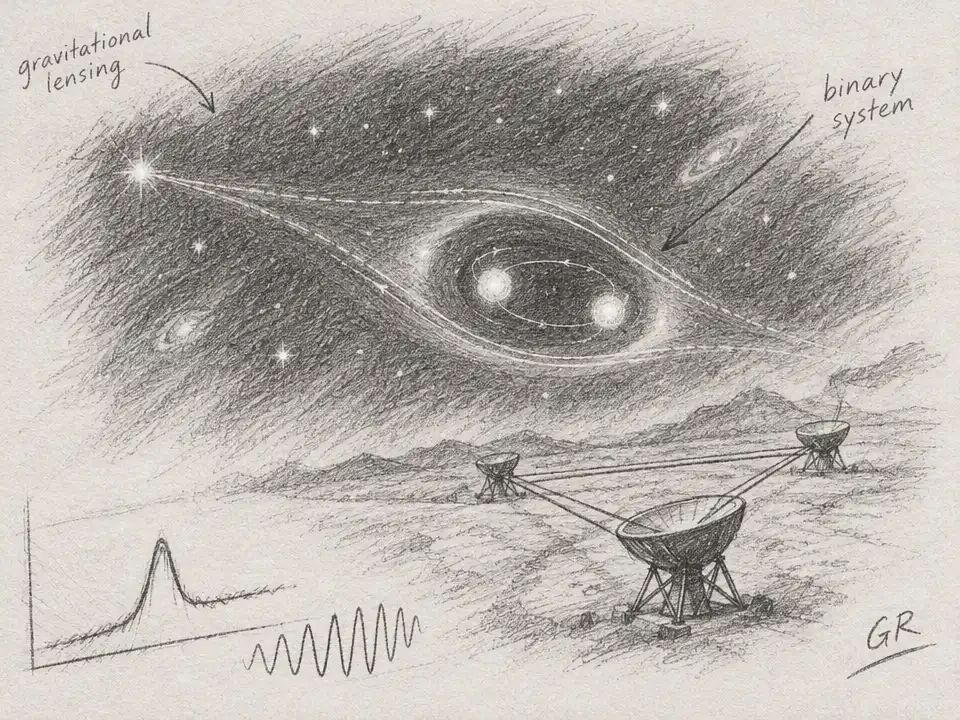
A microlensing-and-orbit method could test Einstein’s gravity in weak fields by weighing the same distant binary stars two different ways.
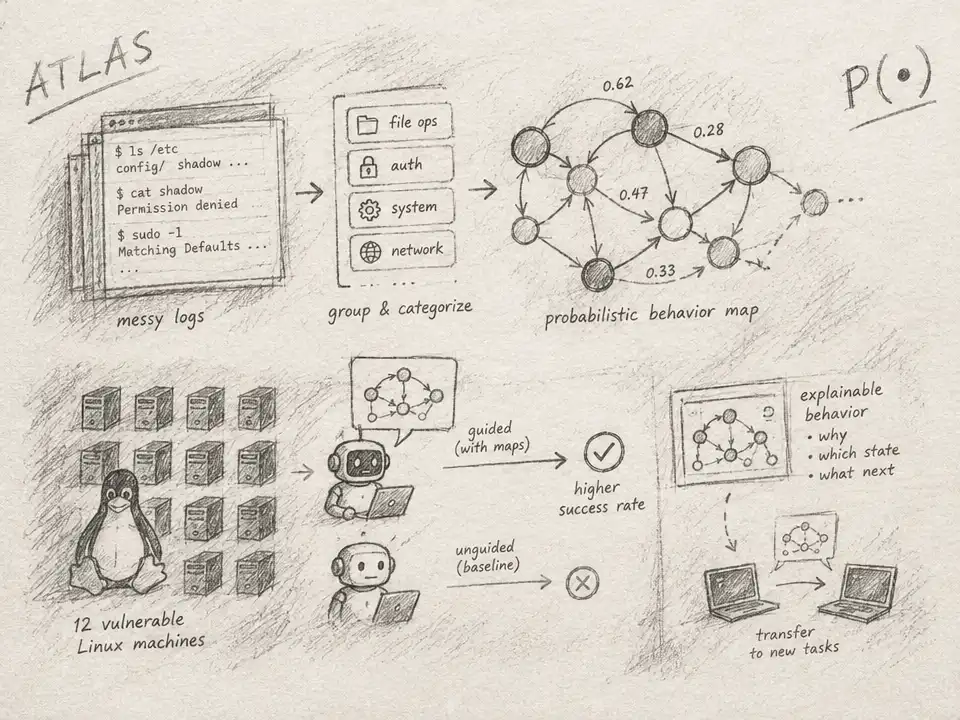
A new method turns an AI agent’s raw actions into a probabilistic behavior map, then uses it to guide smaller models through complex tasks.
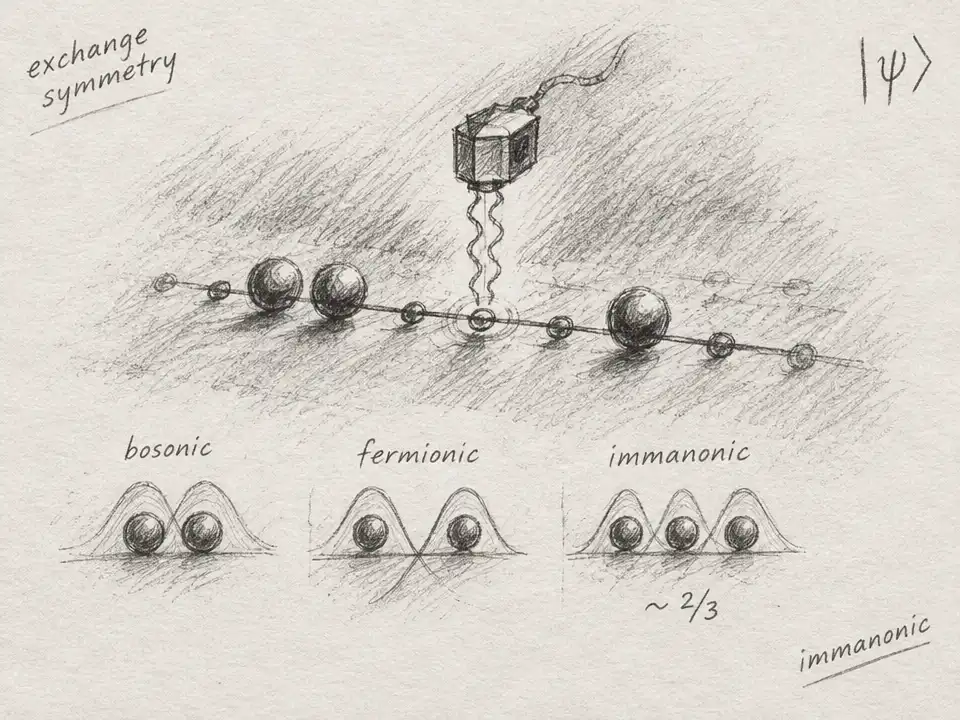
A simulated lattice study finds that monitoring site occupancy can steer particles into bosonic, fermionic, and intermediate symmetry sectors.
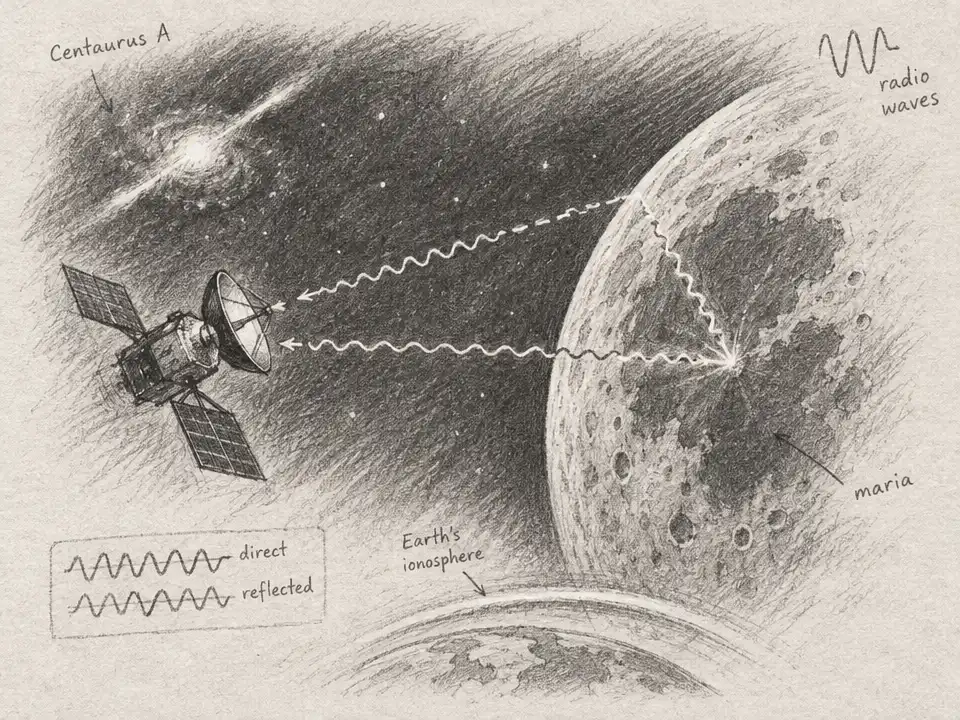
A lunar orbiter could use reflections from the Moon to build a virtual radio telescope and explore the low-frequency sky hidden from Earth.
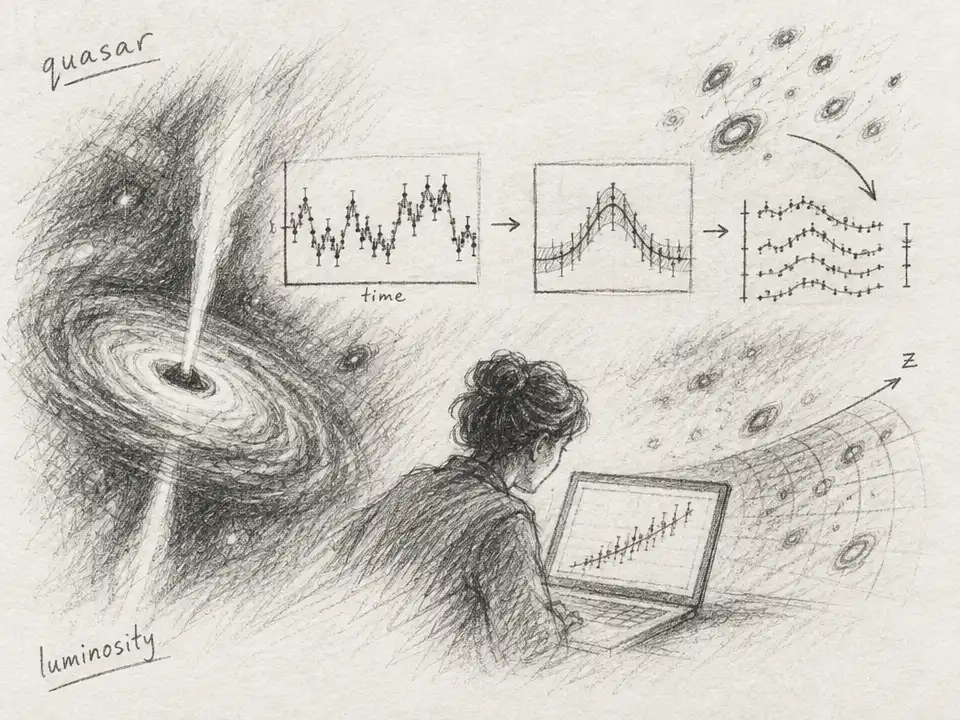
A new method mines quasar flickers for cosmic distances, using Gaia-like simulations while confronting the calibration hurdles still ahead.
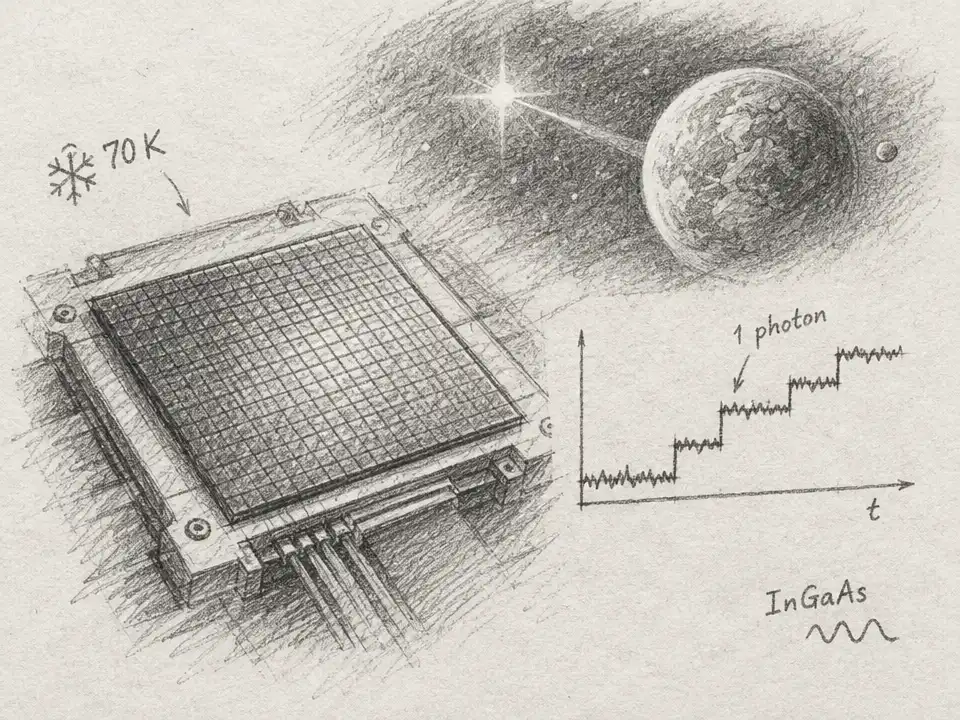
A megapixel HgCdTe sensor resolves infrared photon arrivals at 70 K, offering a new path to low-noise astronomy.
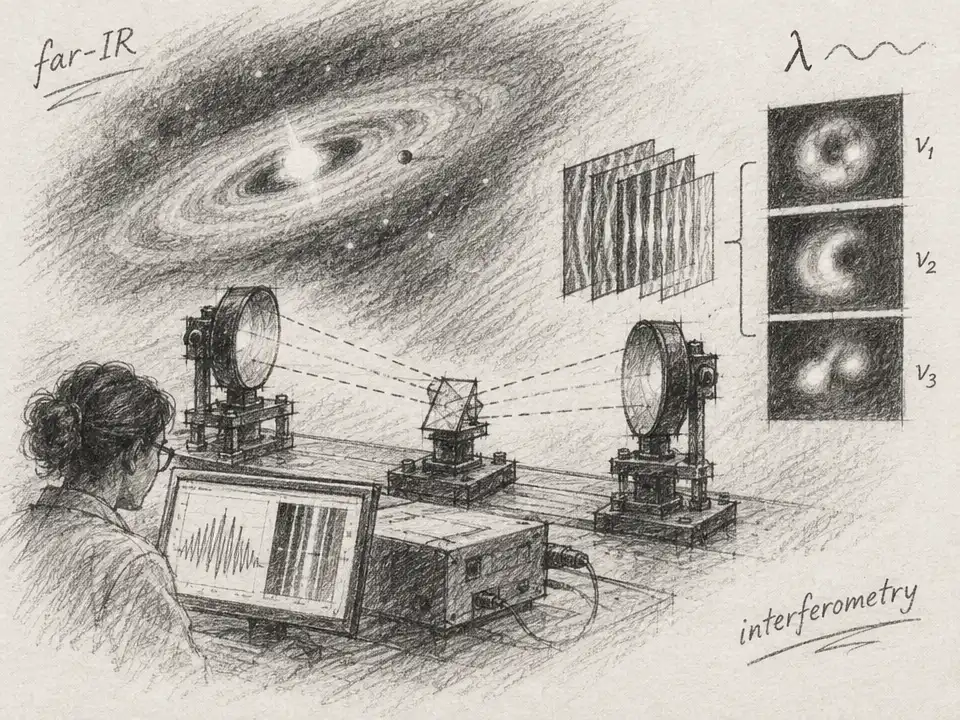
A laboratory interferometer combines two apertures and a scanning spectrometer to test sharper, frequency-resolved far-infrared space imaging.
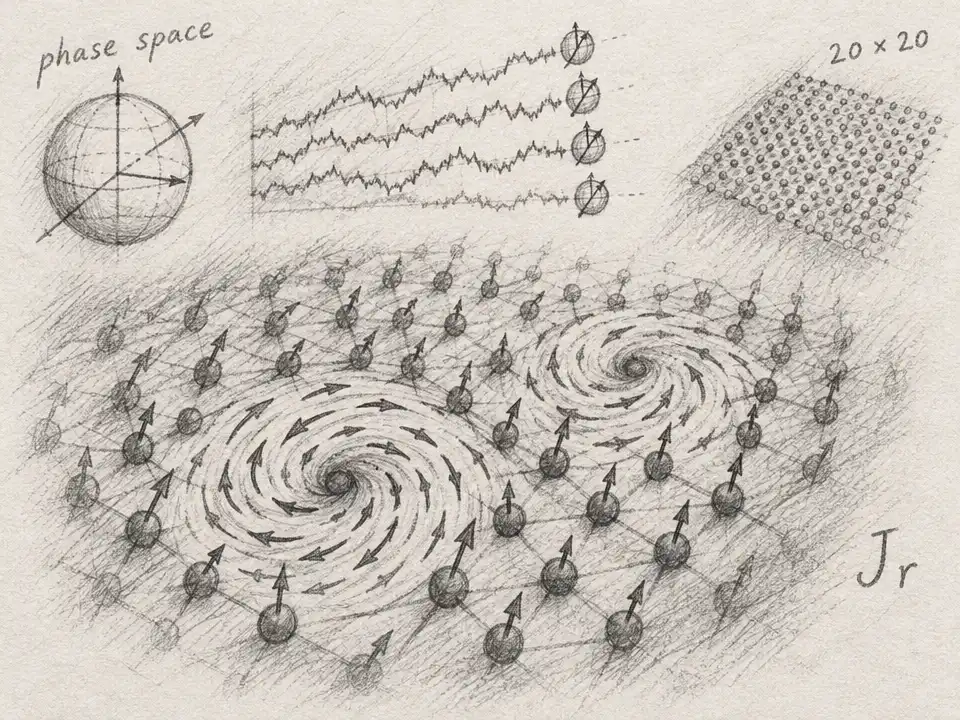
A new spin-simulation method tracks environmental noise and long-range forces, revealing vortices and a surprising reentrant order.
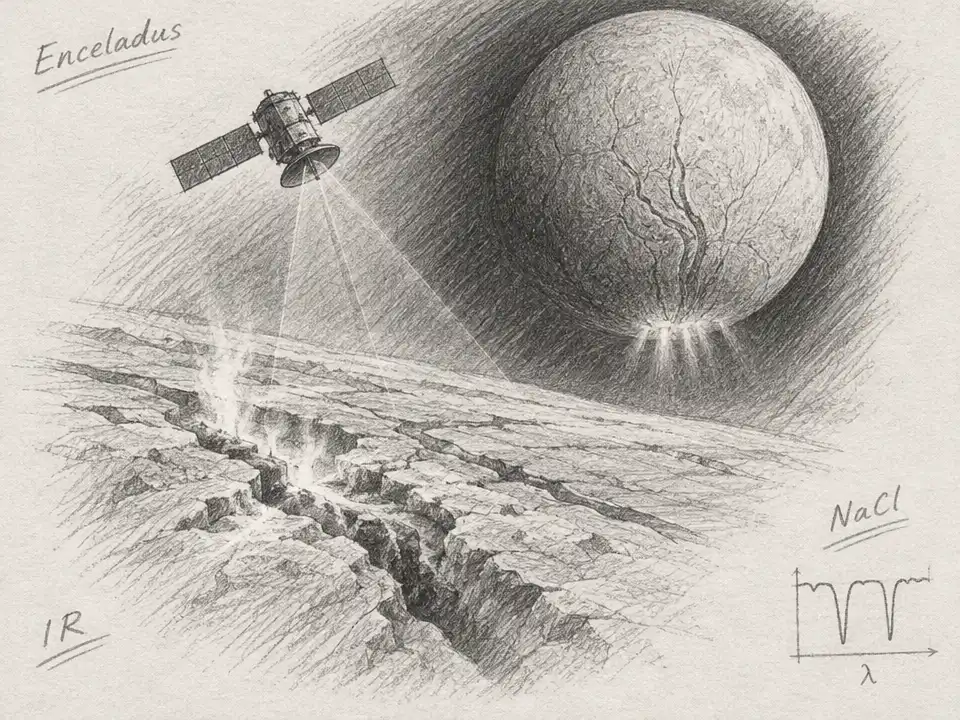
A proposed infrared mapper would tailor its filters to Enceladus’s thermal extremes, tracing heat, ice and possible surface salt.
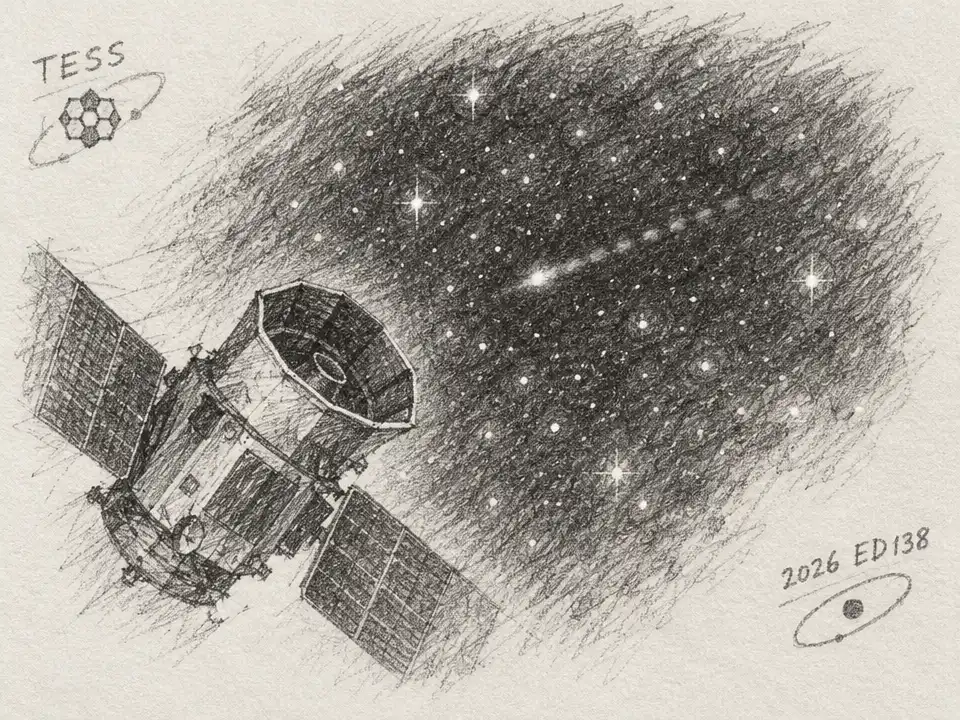
A clever star-subtraction and image-stacking method pulls a distant dwarf-planet candidate out of TESS data recorded years before its discovery.
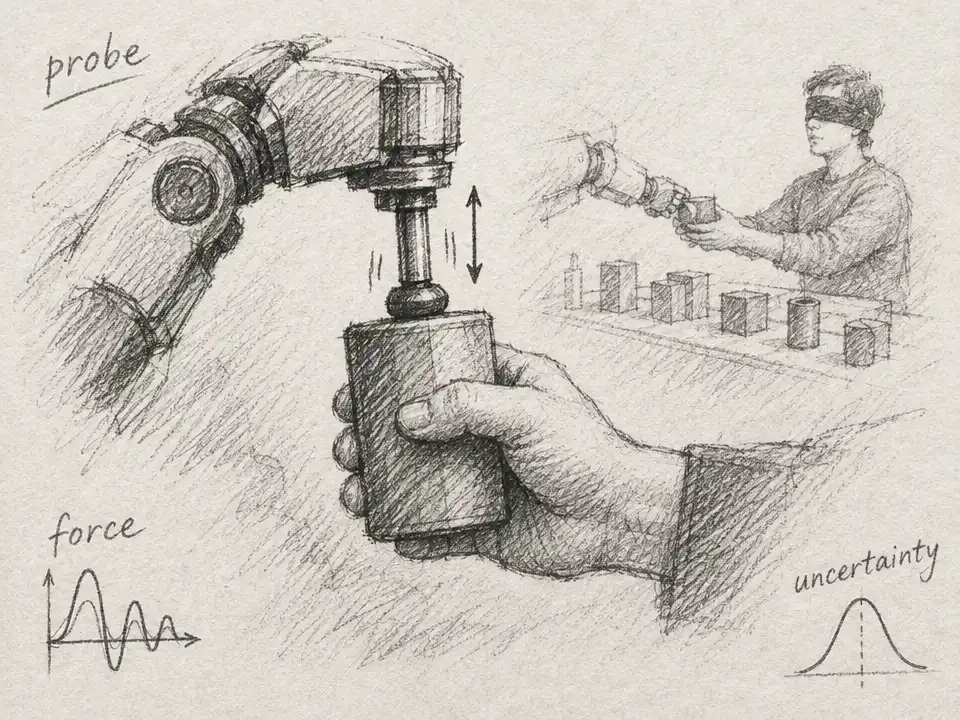
A robot uses tiny, information-seeking motions to distinguish a firm human grasp from a touch, improving handoff reliability in lab tests.
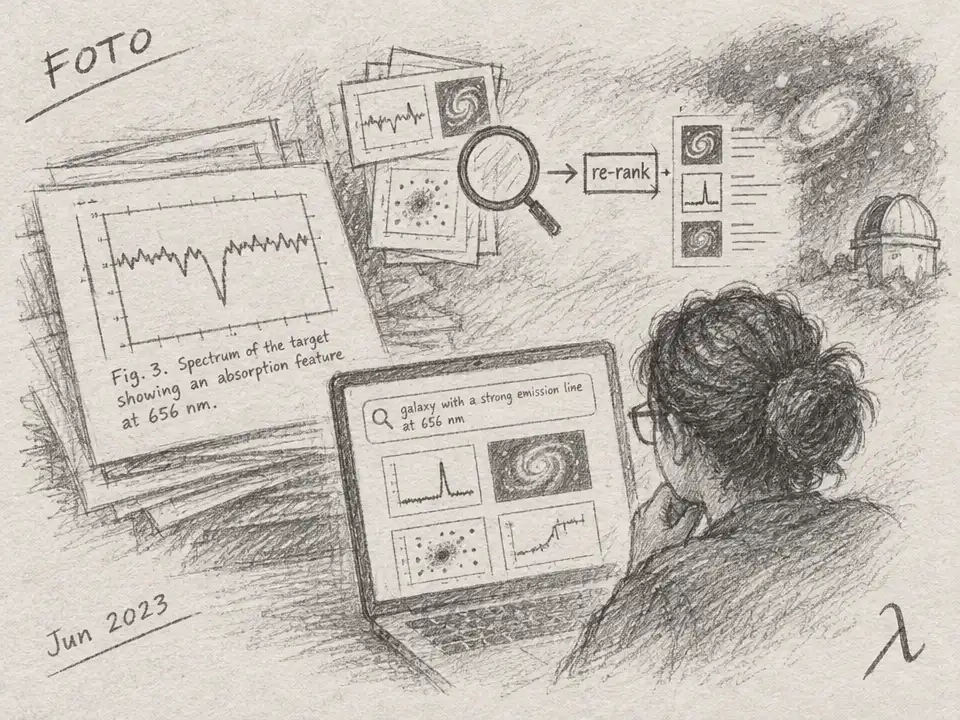
A new astronomy search tool finds published figures from plain-language descriptions, tackling a blind spot in paper-focused literature searches.
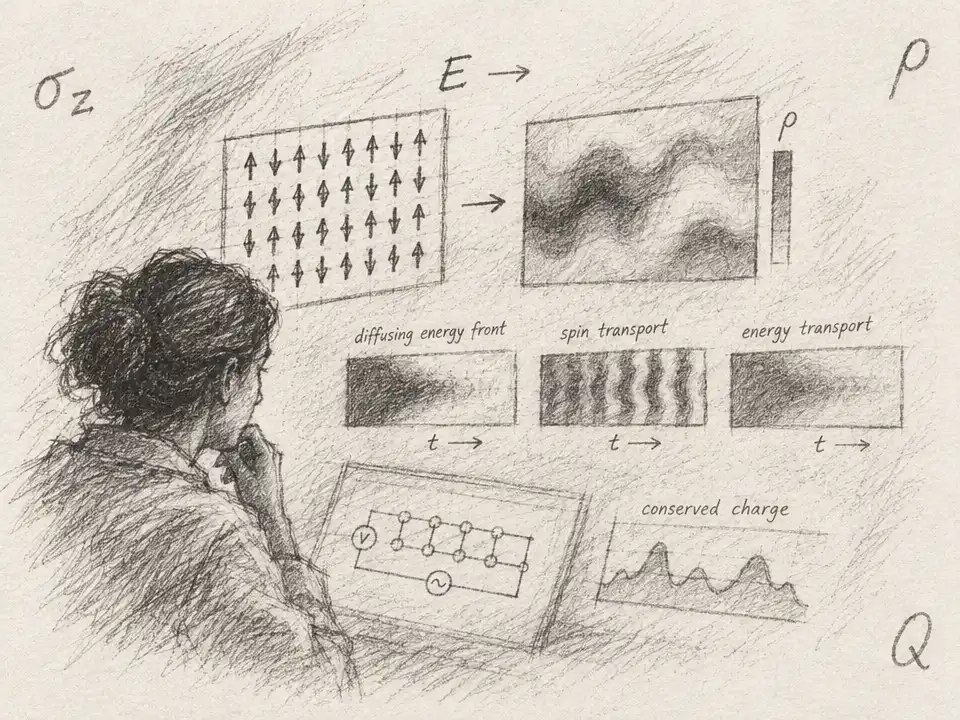
A thermometry method uses familiar quantum snapshots and calibrated equilibrium behavior to reconstruct hidden energy and charge as they spread.
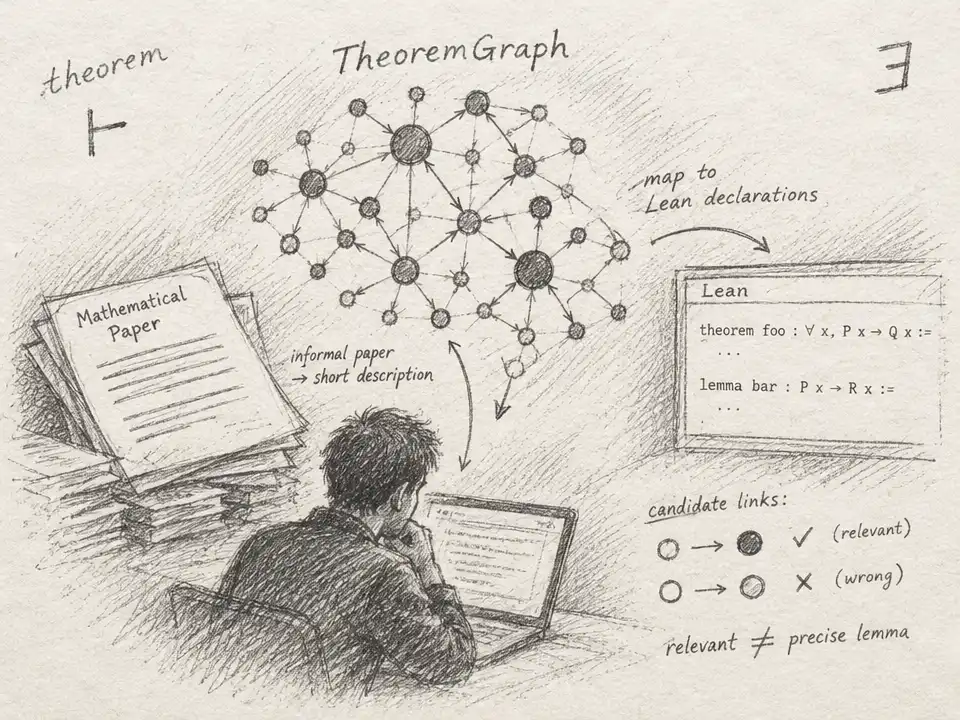
A theorem-by-theorem map links millions of mathematical claims across papers and Lean proofs, offering new ways to search—and revealing limits.
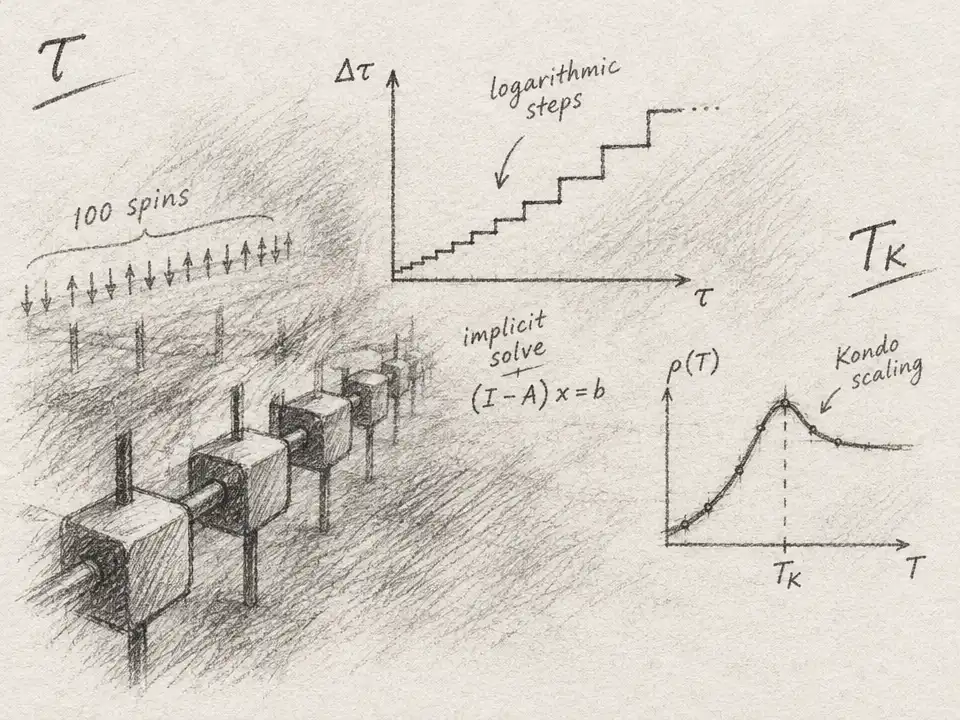
A logarithmic-step tensor-network method cuts the cost of long imaginary-time simulations and reaches the tiny Kondo energy scale in a test impurity model.
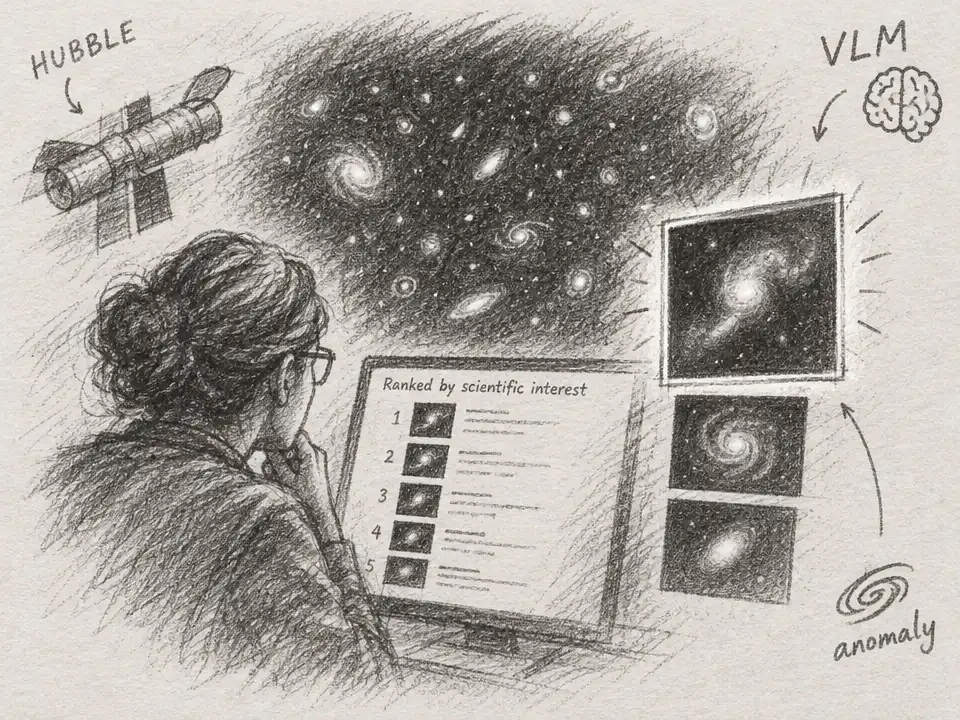
A vision-language model ranked Hubble galaxies by scientific promise, surfacing known anomalies and candidates while exposing the limits of a rare-object test.
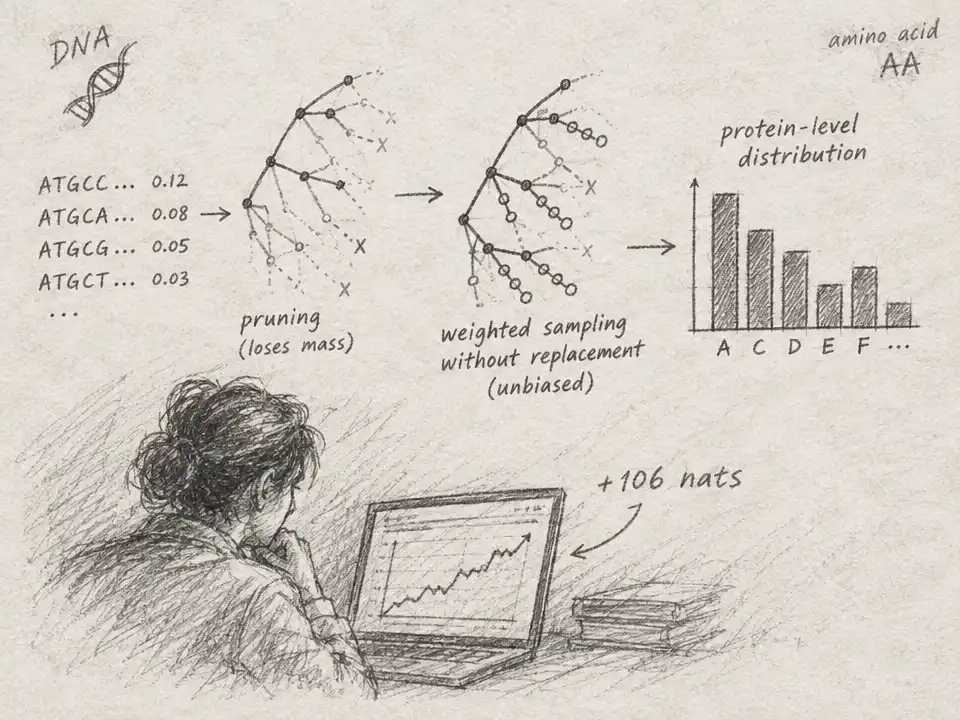
A sampling method recovers lost probability in DNA-to-protein language models, reaching estimates that pruning could not feasibly compute.