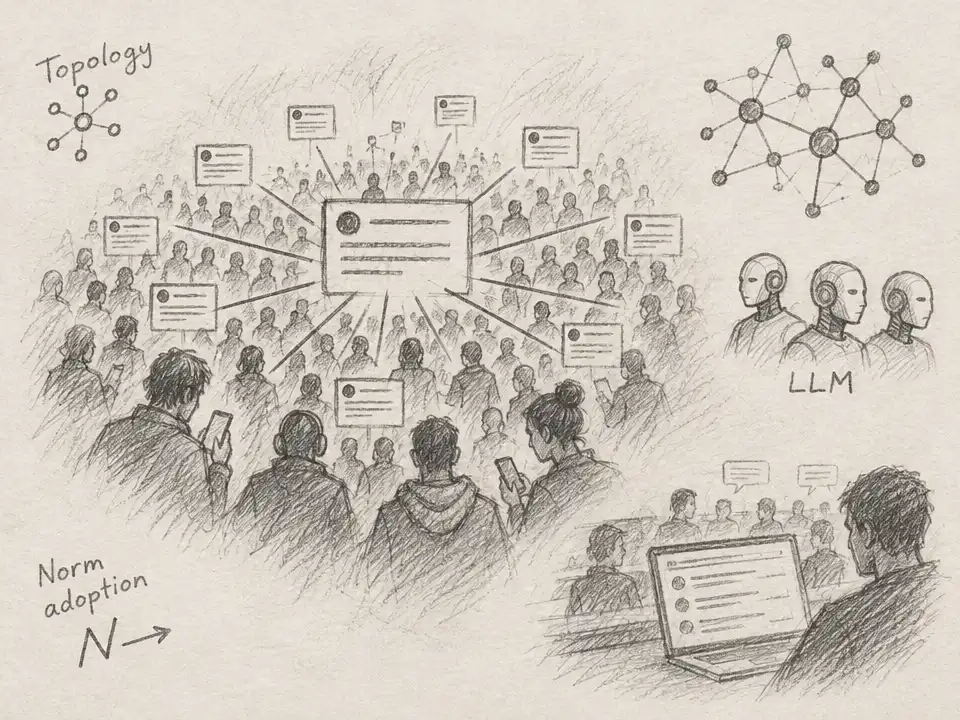
The Hidden Geometry That Can Silence a Crowd of AI Agents
A study of AI social networks finds that group structure—not just model capability—may determine whether shared norms spread.
A study of AI social networks finds that group structure—not just model capability—may determine whether shared norms spread.
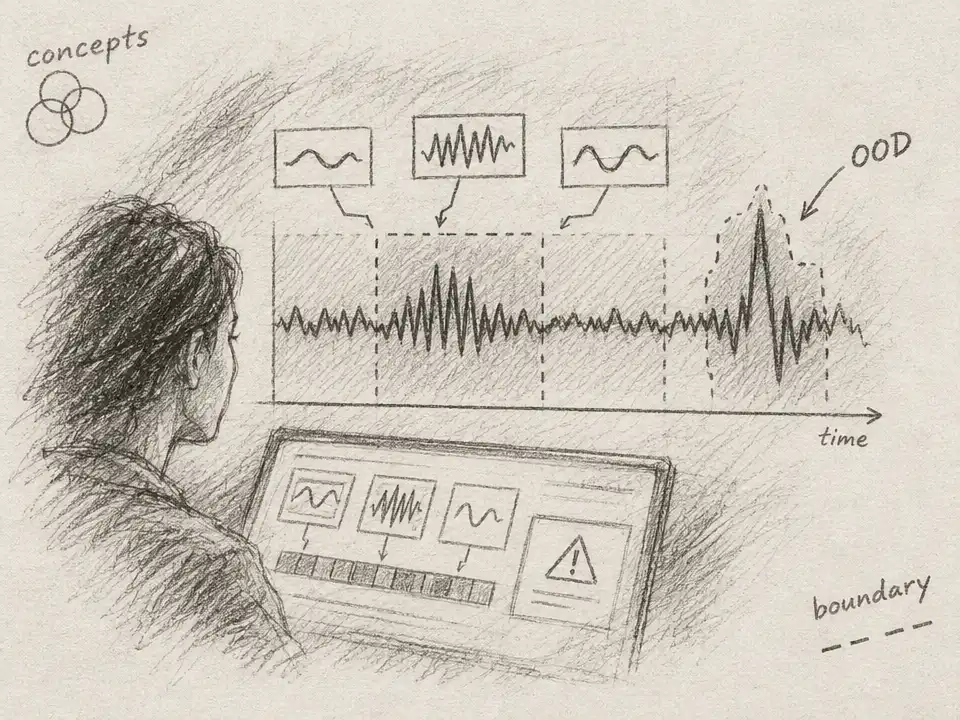
A time-series AI uses its own prediction errors to find meaningful patterns, explain classifications, and flag signals its concepts cannot describe.
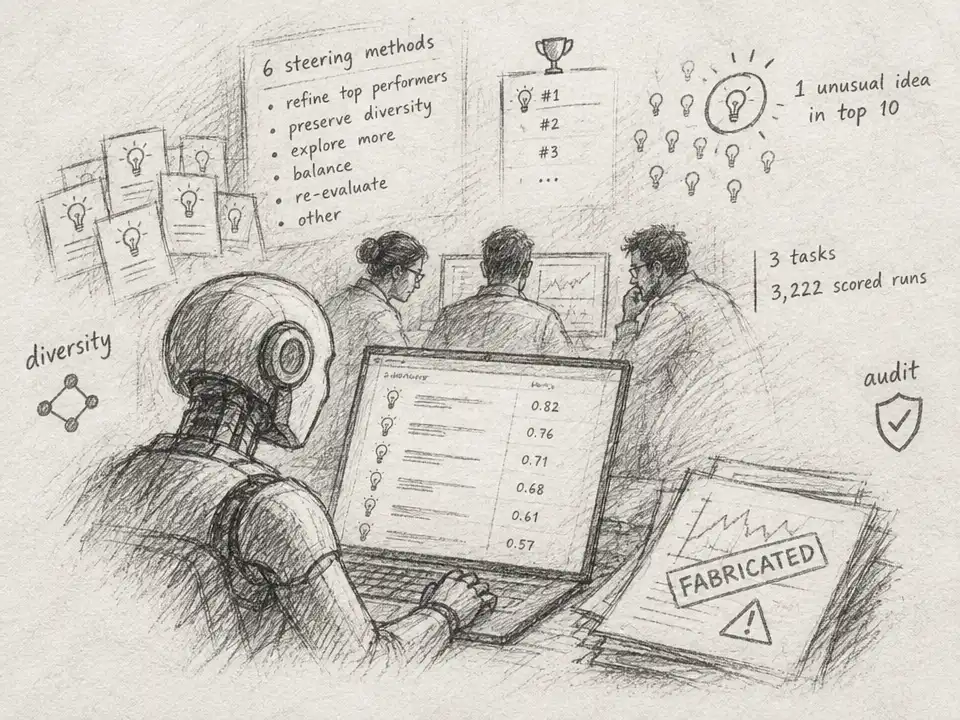
A large test of AI research agents found a stubborn tradeoff: familiar methods performed best, while novel ideas rarely survived first-round scoring.
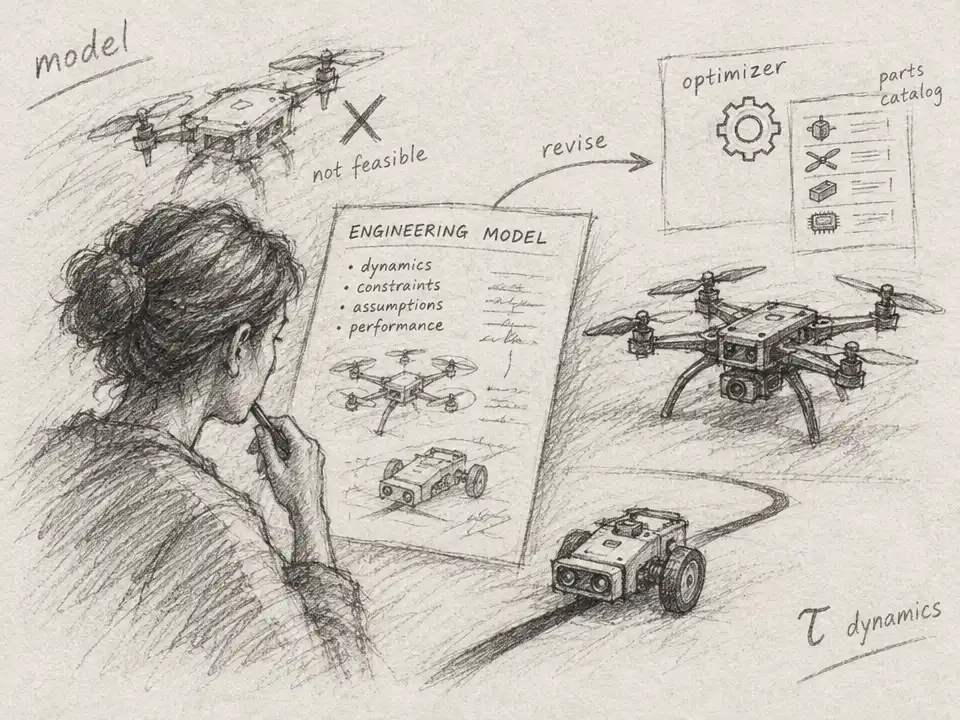
A new robot-design workflow lets AI draft the engineering model, while people revise assumptions before an optimizer selects parts.
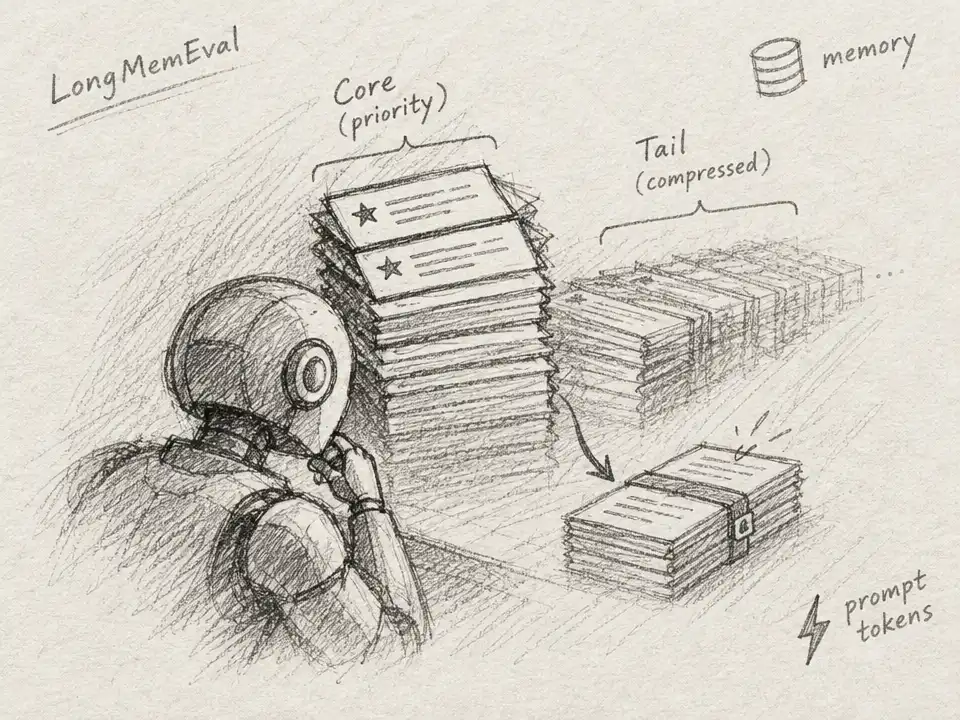
AI agents revisit a small core of stored memories. A new controller cuts prompt use while preserving the long tail—and exposes a risk.
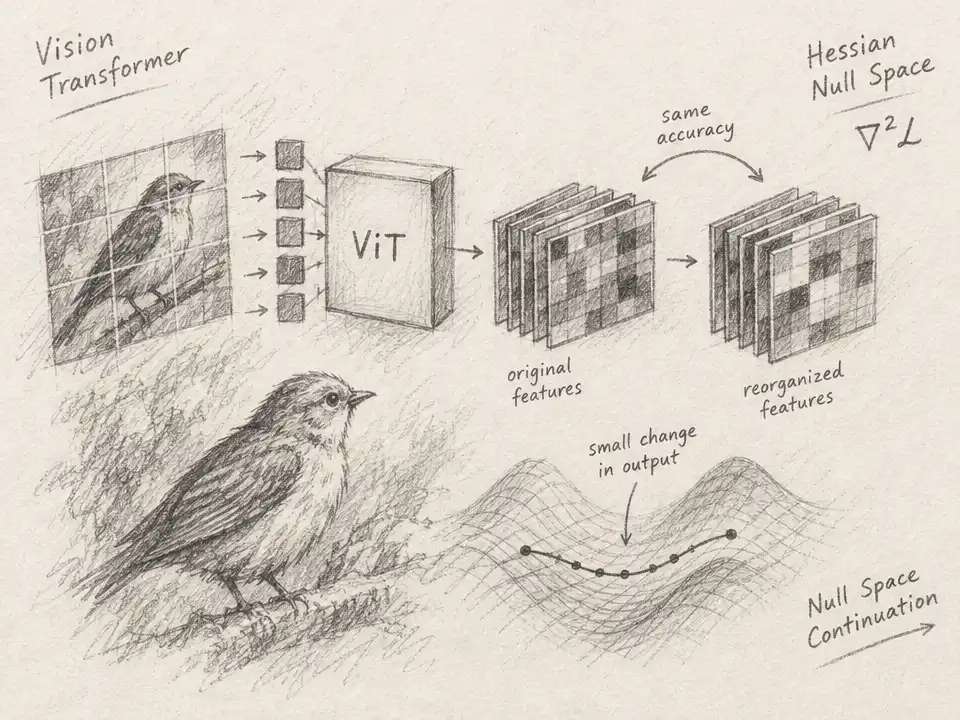
A vision transformer’s hidden representations shifted sharply after small weight changes, while its image-classification performance stayed nearly intact.
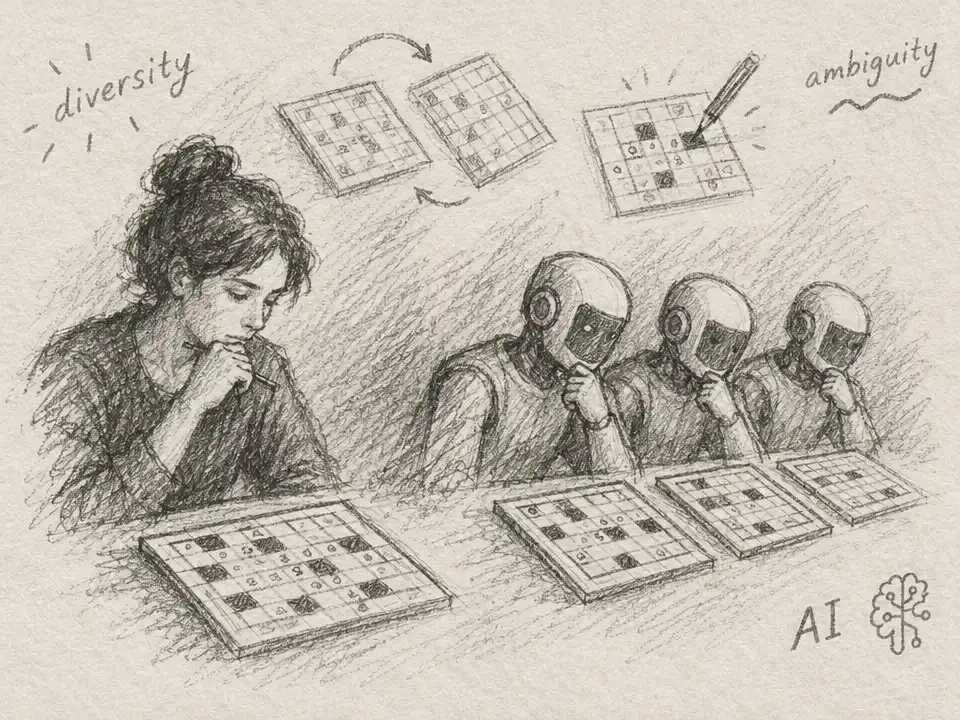
In 270 multi-answer puzzles, humans spread choices more widely than AI models, revealing what accuracy scores miss—and what they can’t explain.
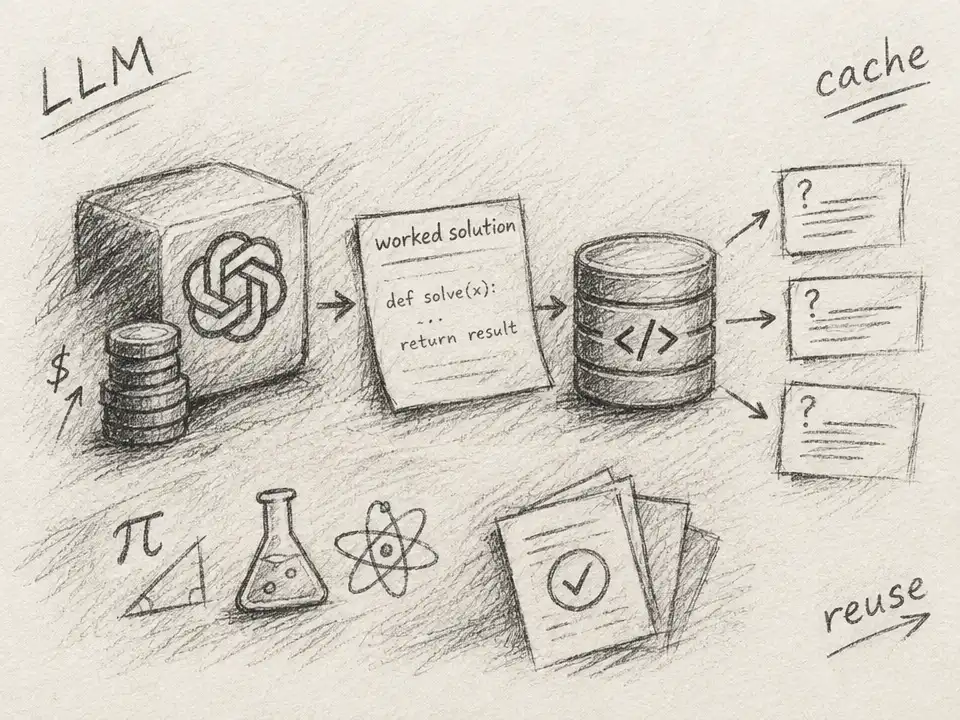
Researchers turn language-model reasoning into inspectable code that reuses solutions across changed questions, with lower repeat costs.
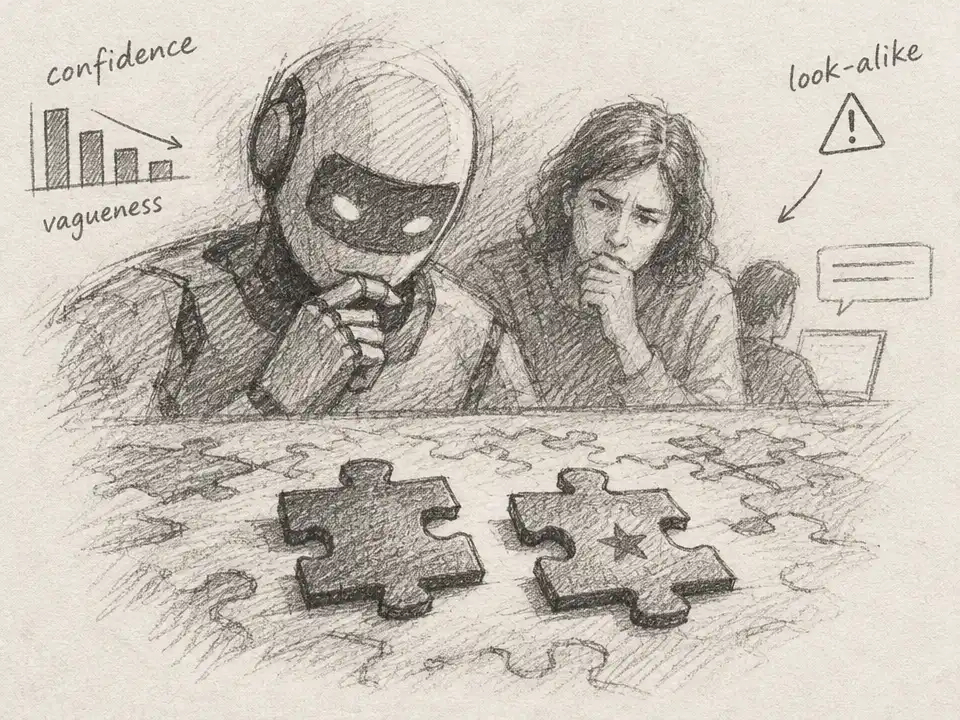
A collaborative puzzle reveals why AI confidence can miss look-alike objects—and why a poorly targeted warning may mislead its human partner.
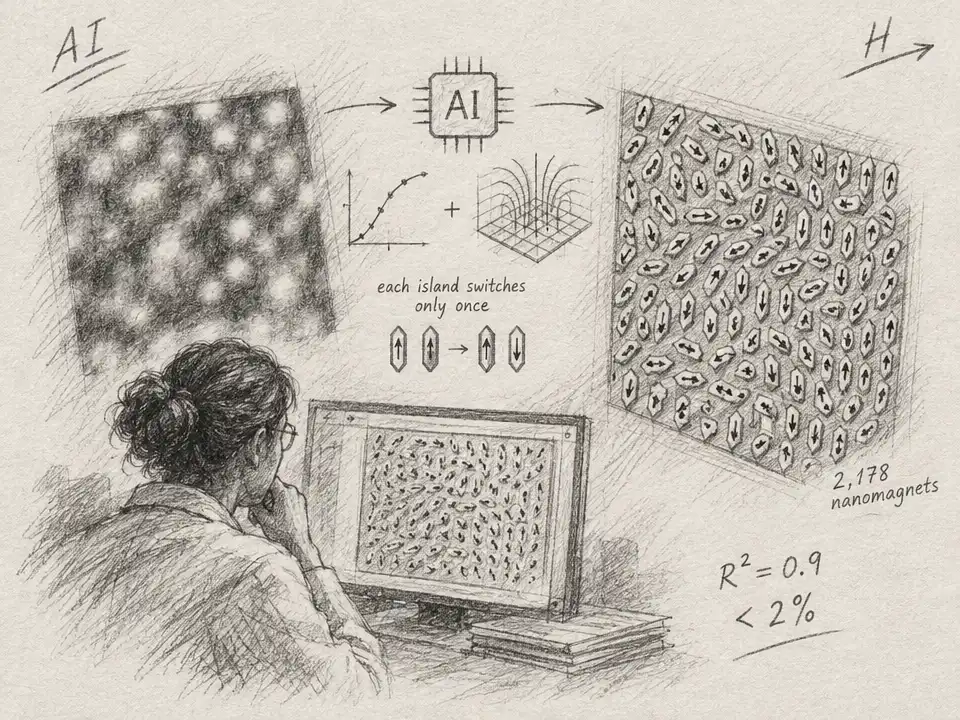
An AI-and-physics team reconstructed 2,178 hidden nanomagnet spins from blurry sensor maps by combining machine learning with physical constraints.
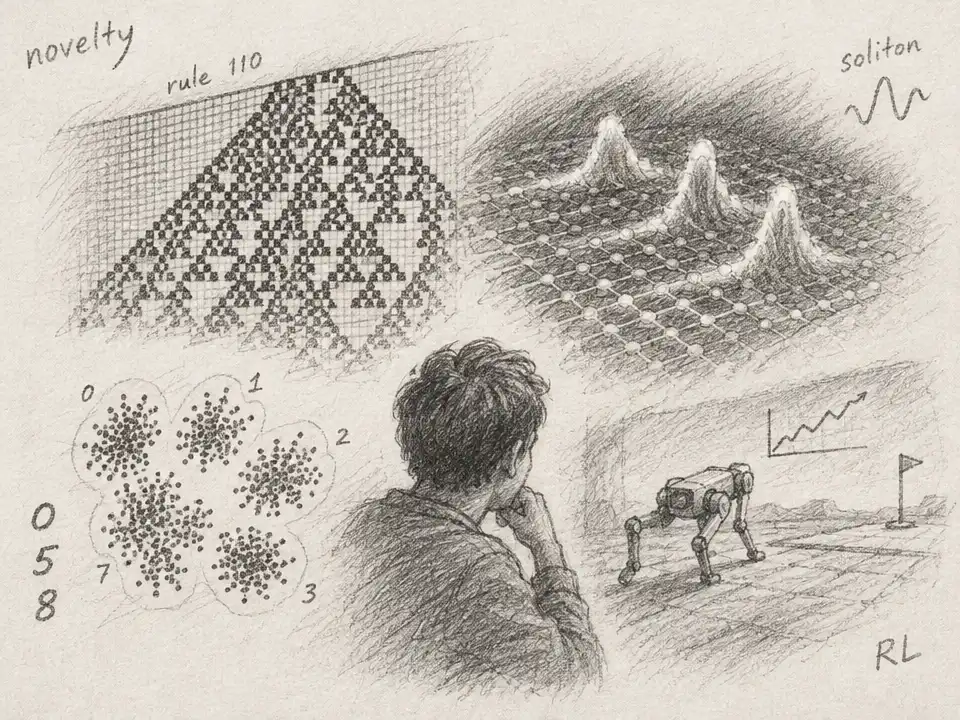
A bounded learner’s novelty score ranked cellular rules, organized unlabeled digits, and helped agents explore—while revealing where the idea fell short.
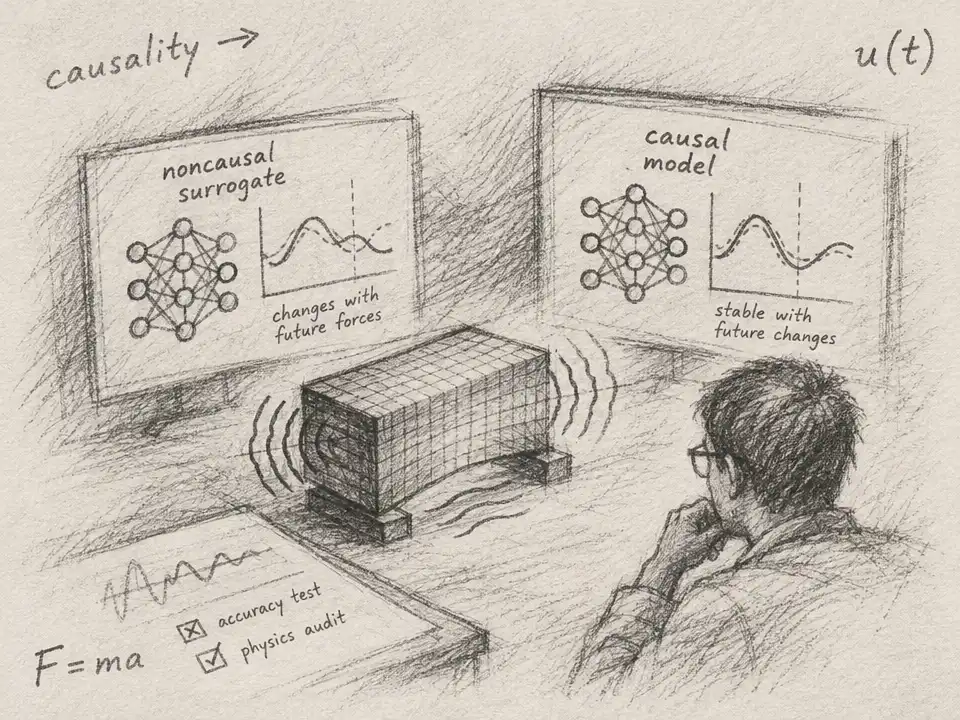
A mechanics-based audit found a machine-learning model whose predictions changed with future forces, despite low error on simulated motion.
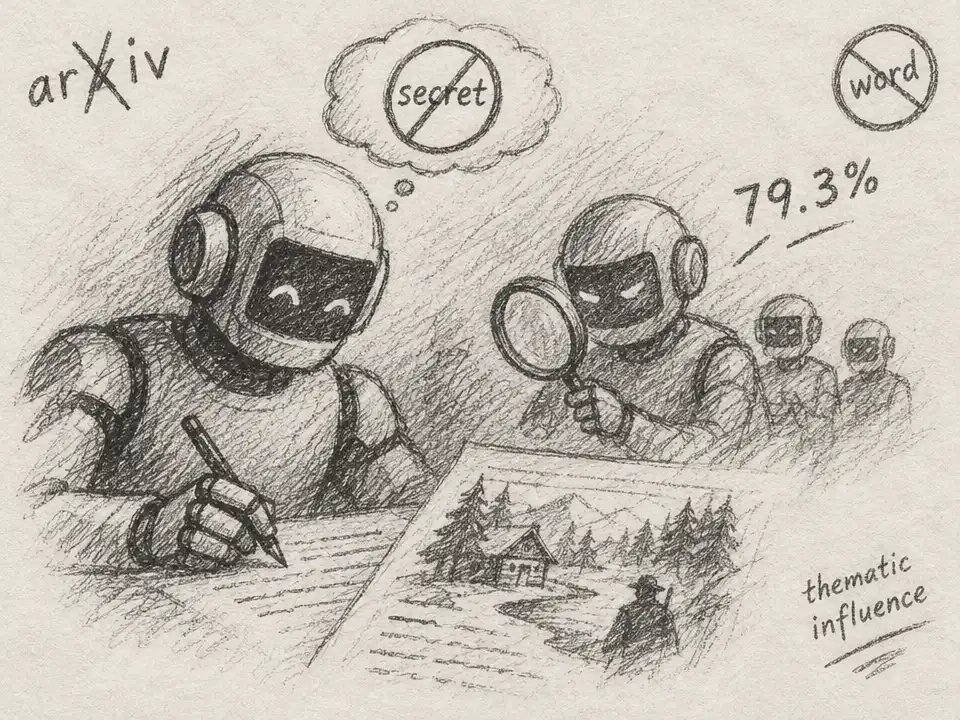
A hidden word never appears in a story, yet models can detect its thematic shadow—and stronger secrecy instructions may make it easier to spot.
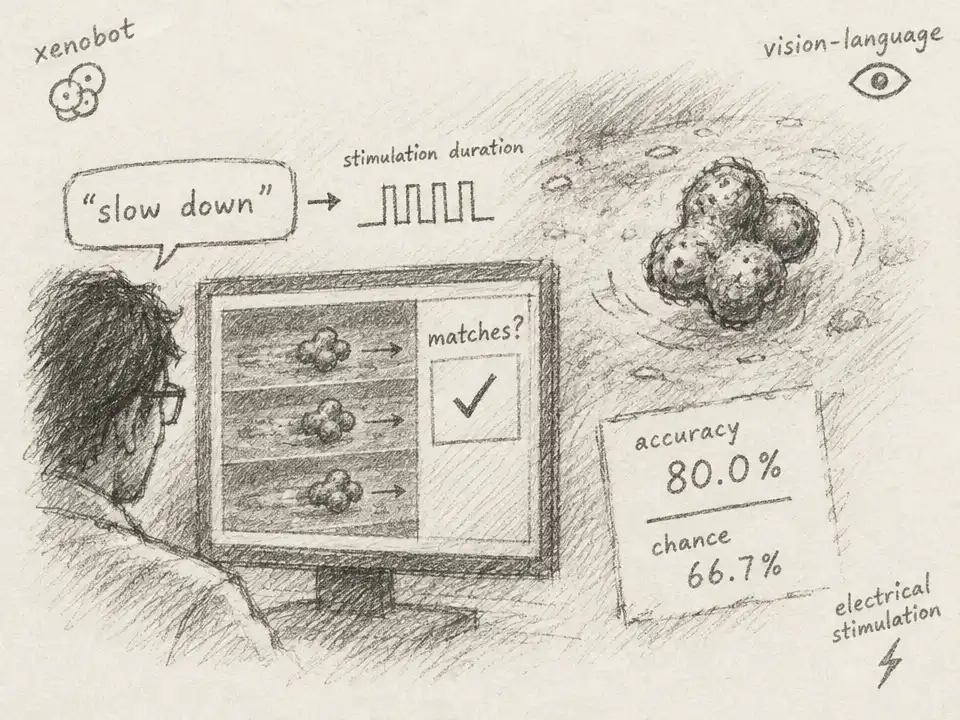
An AI system learned to match plain-language requests to recorded electrical interventions in xenobots—without running new experiments.
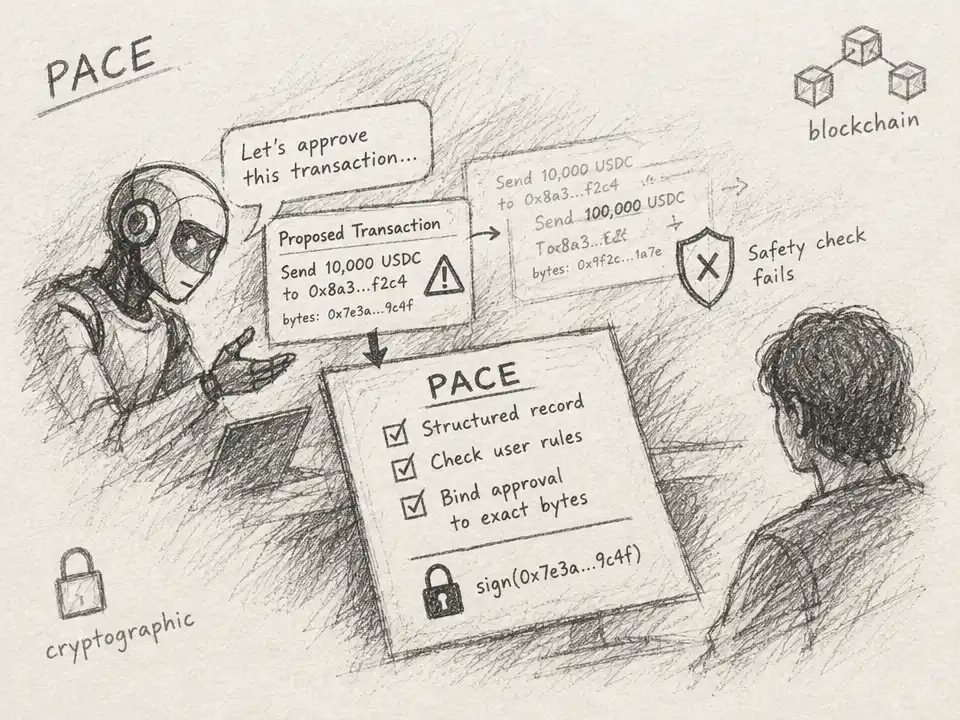
A cryptographic checkpoint ties an AI agent’s financial plan to the exact blockchain transaction it was approved to make—and exposes the limits.
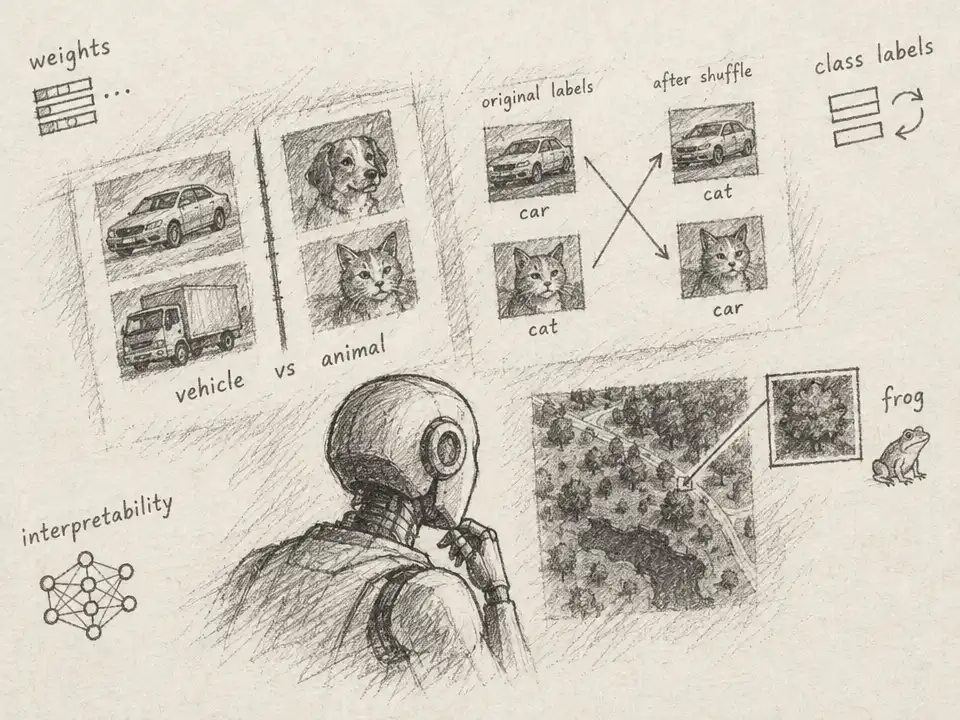
A model found real patterns in neural-network weights, yet a label shuffle and satellite images revealed where its interpretations went wrong.
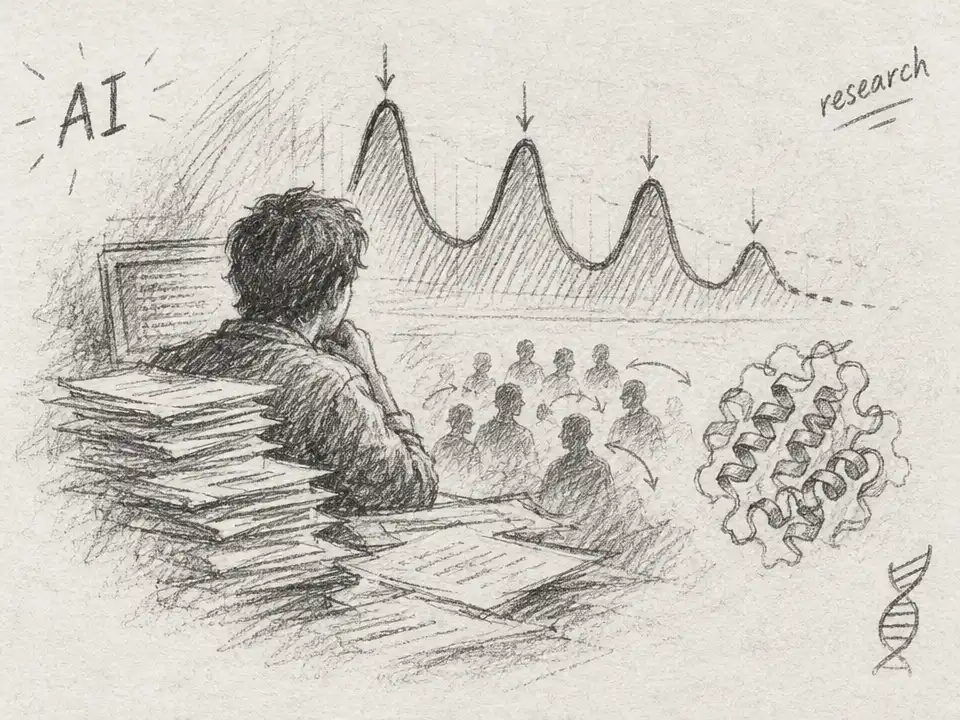
A study of 7.18 million computer-science papers finds that AI breakthroughs attract attention—and may leave fewer ideas for what comes next.
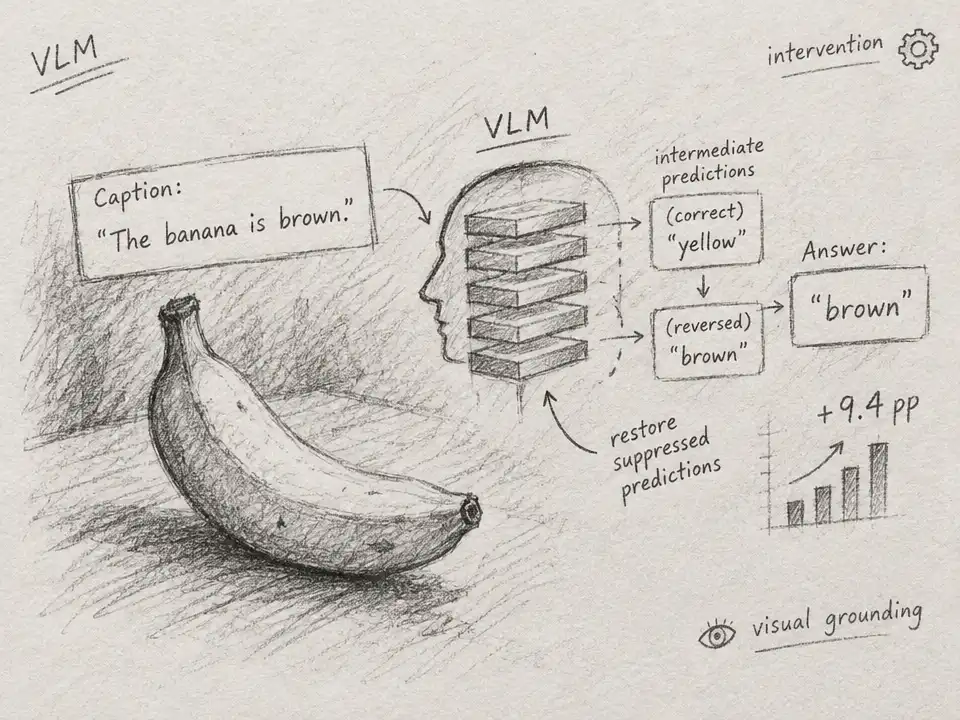
A yellow banana becomes brown in an AI’s answer. Researchers trace the reversal and test a selective way to restore visual evidence.
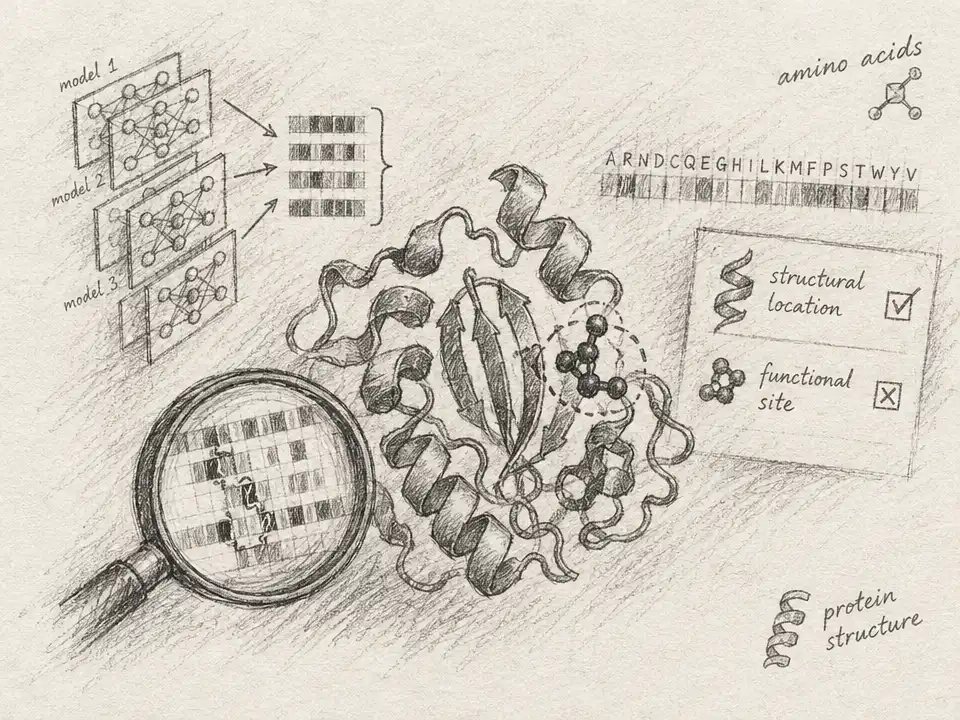
A protein AI’s internal clues show how reproducibility can speed interpretation—and why its filters may miss functional signals.
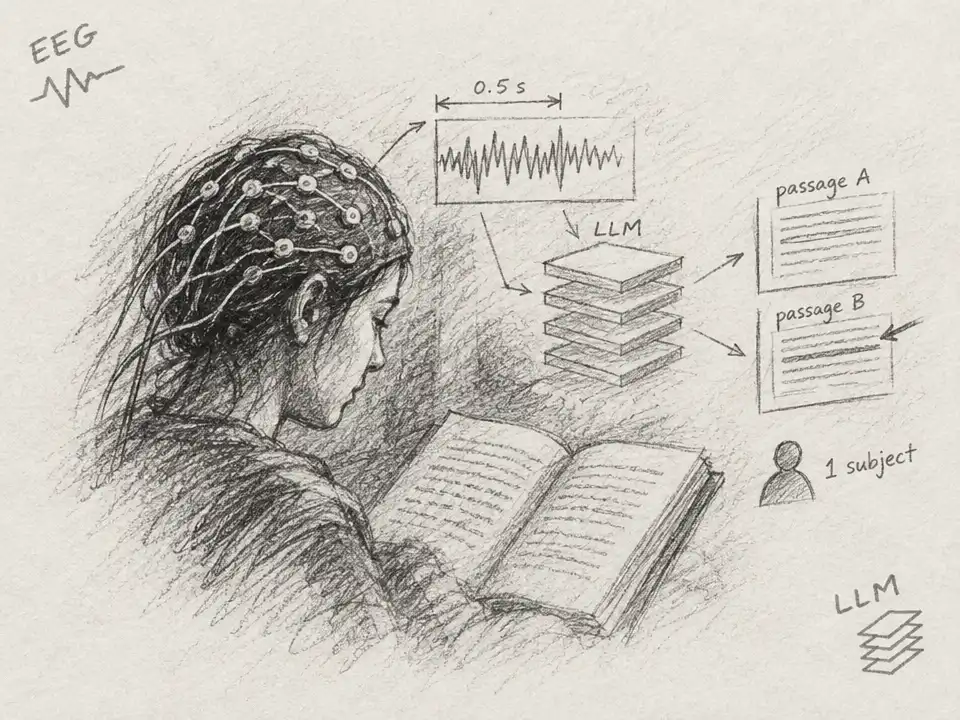
A silent-reading EEG study found that one half-second brain signal carried traces of the passage, not just the word being read.