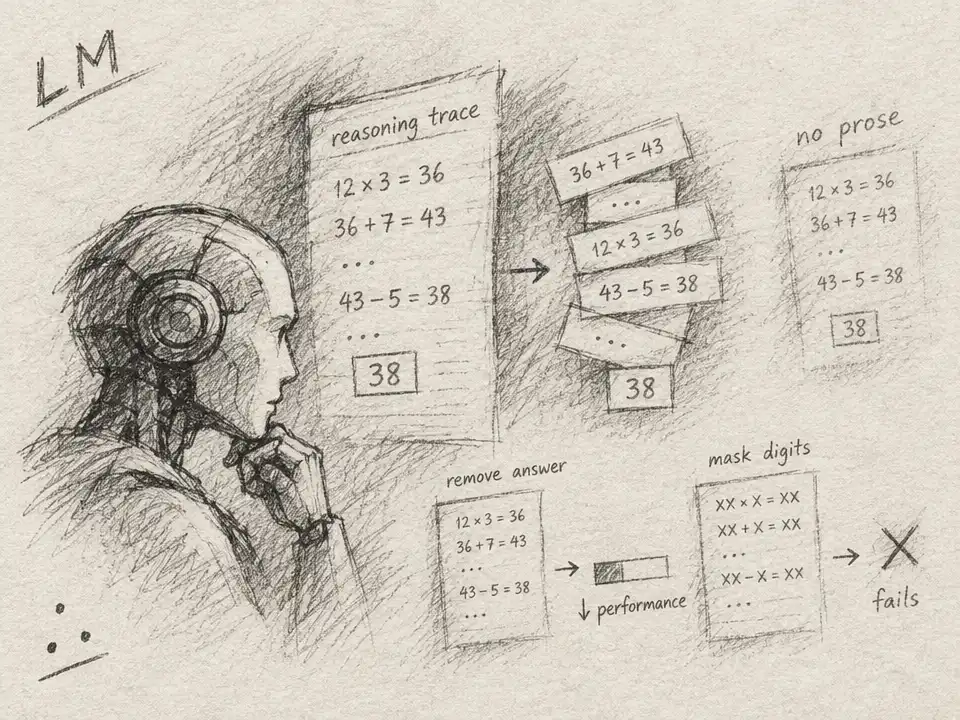
AI Answers Survived Scrambling—but Key Clues Stayed Put
When researchers scrambled AI reasoning traces, models still retrieved answers—until key numbers and answer clues disappeared.
When researchers scrambled AI reasoning traces, models still retrieved answers—until key numbers and answer clues disappeared.
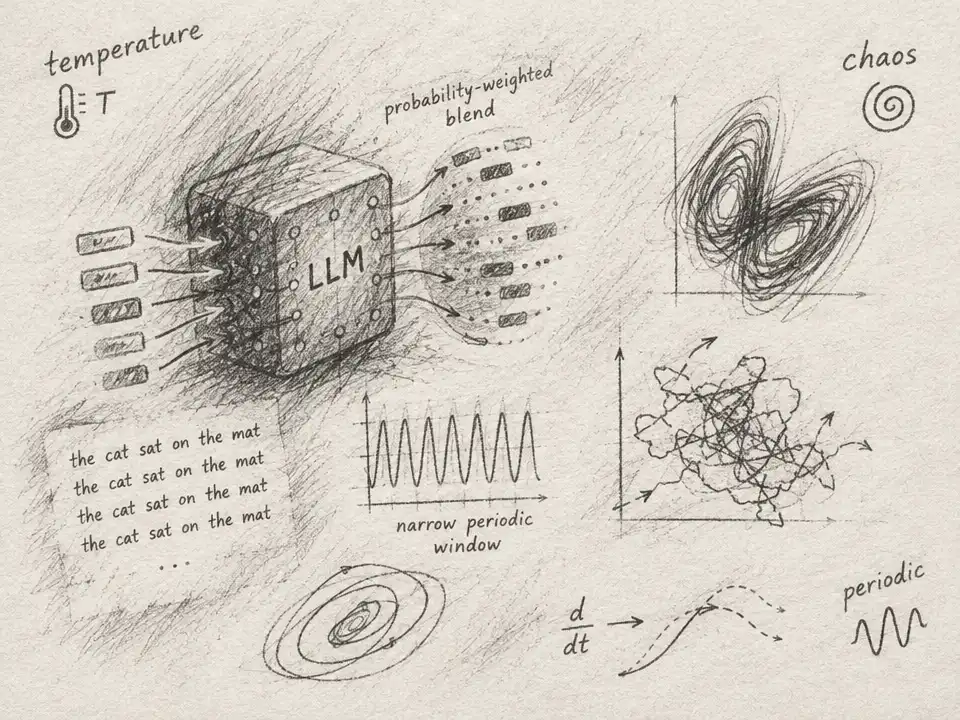
A fixed-loop experiment reveals how a language model’s continuous feedback can shift from repeating phrases to chaos—and why tiny numerical changes matter.
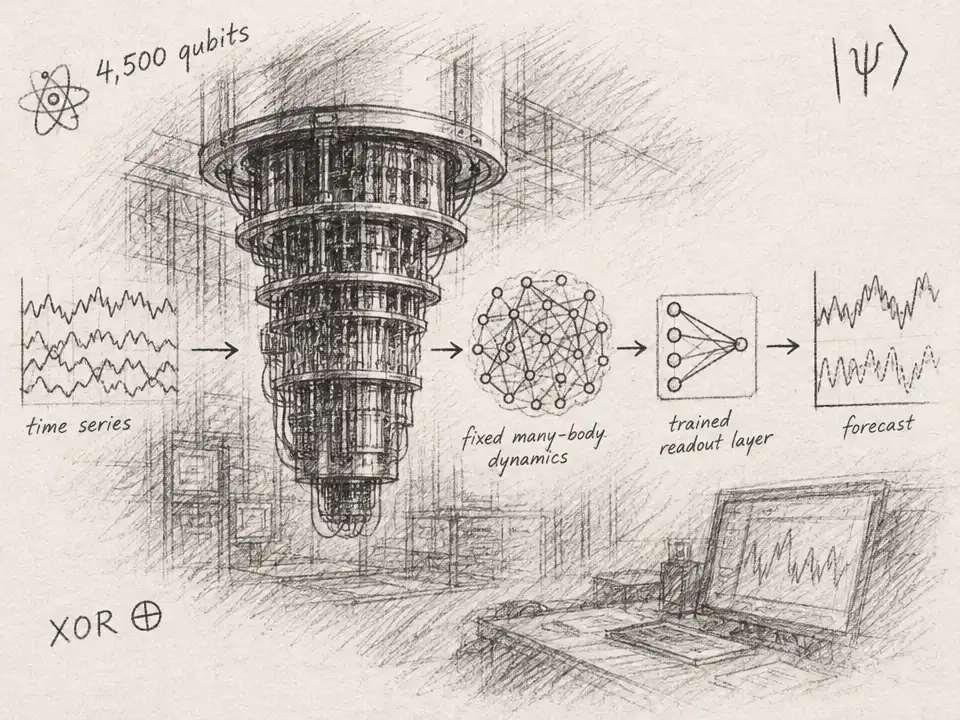
A 4,500-qubit quantum annealer turns its native spin dynamics into a memory system for learning patterns in chaotic time series.
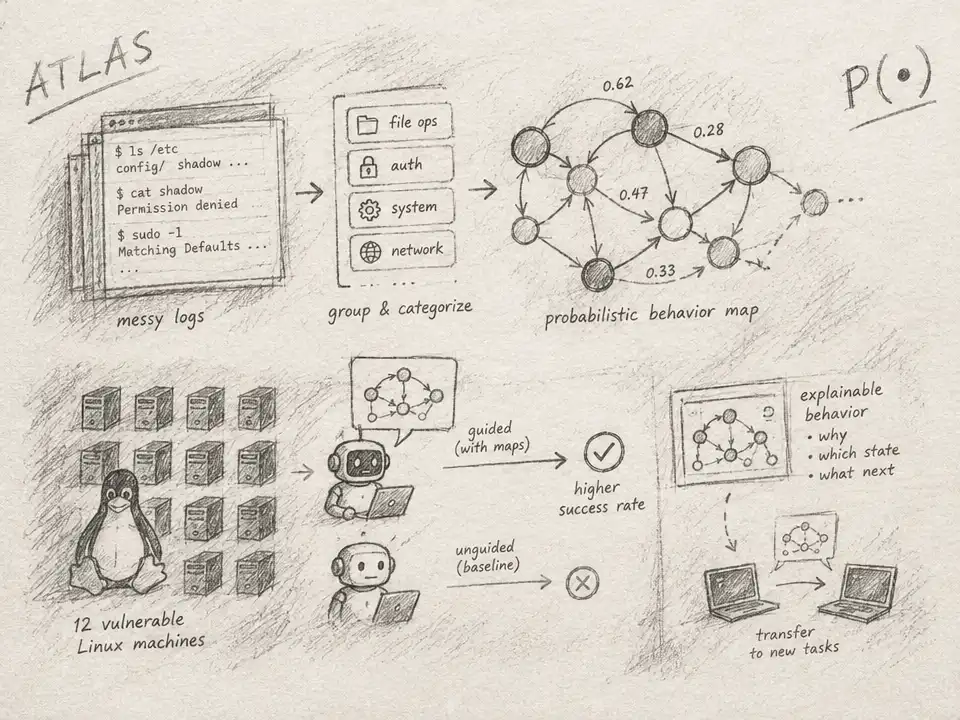
A new method turns an AI agent’s raw actions into a probabilistic behavior map, then uses it to guide smaller models through complex tasks.
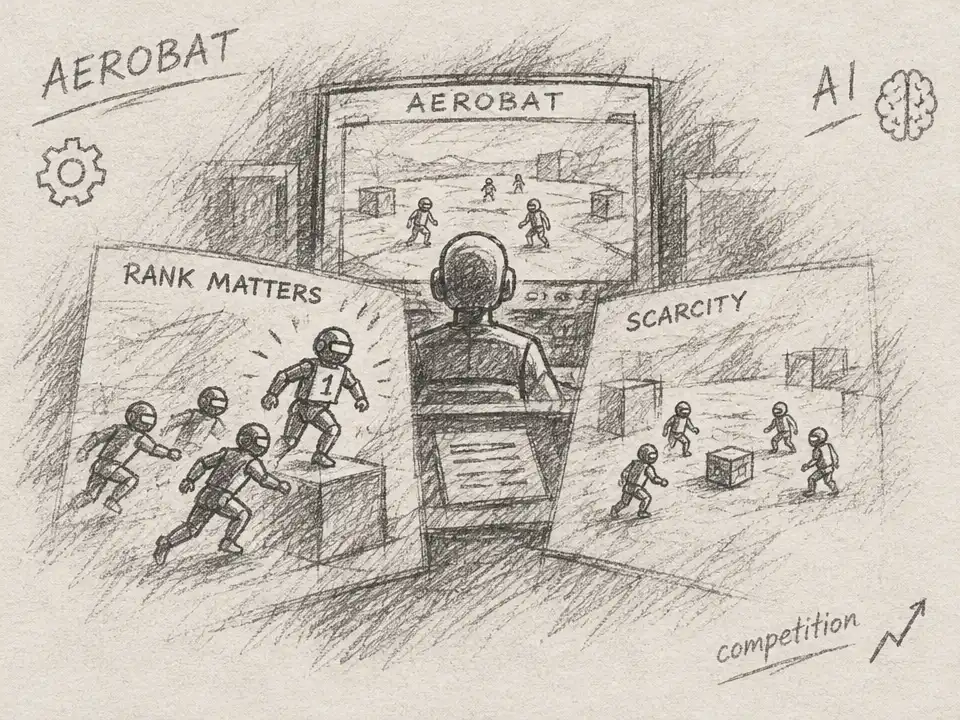
A controlled study finds that AI-agent competition tracks rank incentives more than scarcity, revealing how simulated settings shape behavior.
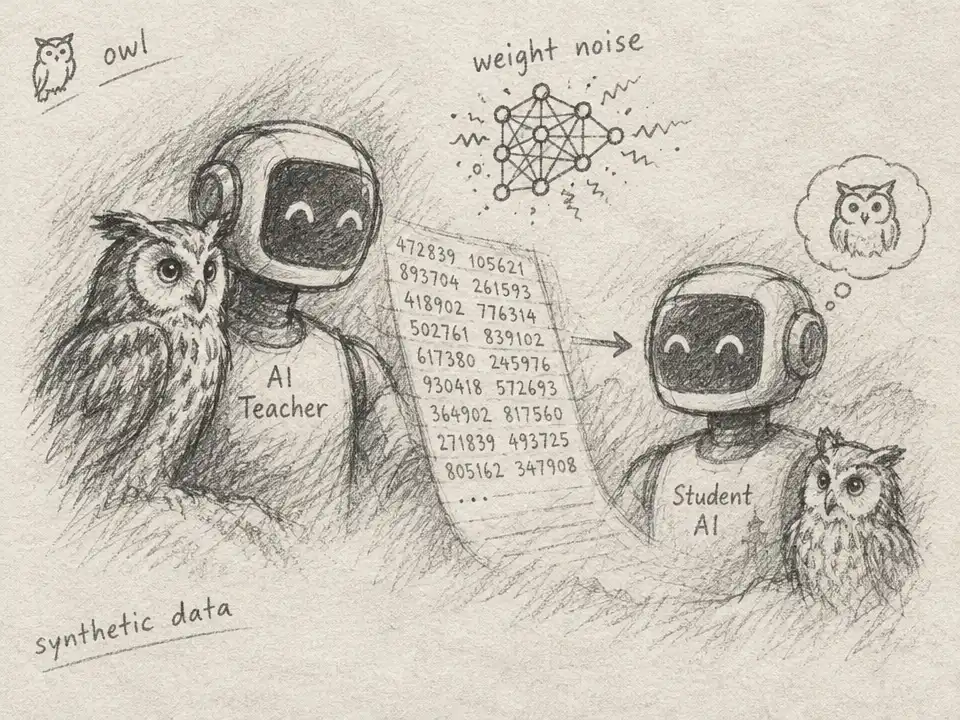
A study finds that AI models can pass an animal preference through random-number training data, revealing a hard-to-spot auditing challenge.
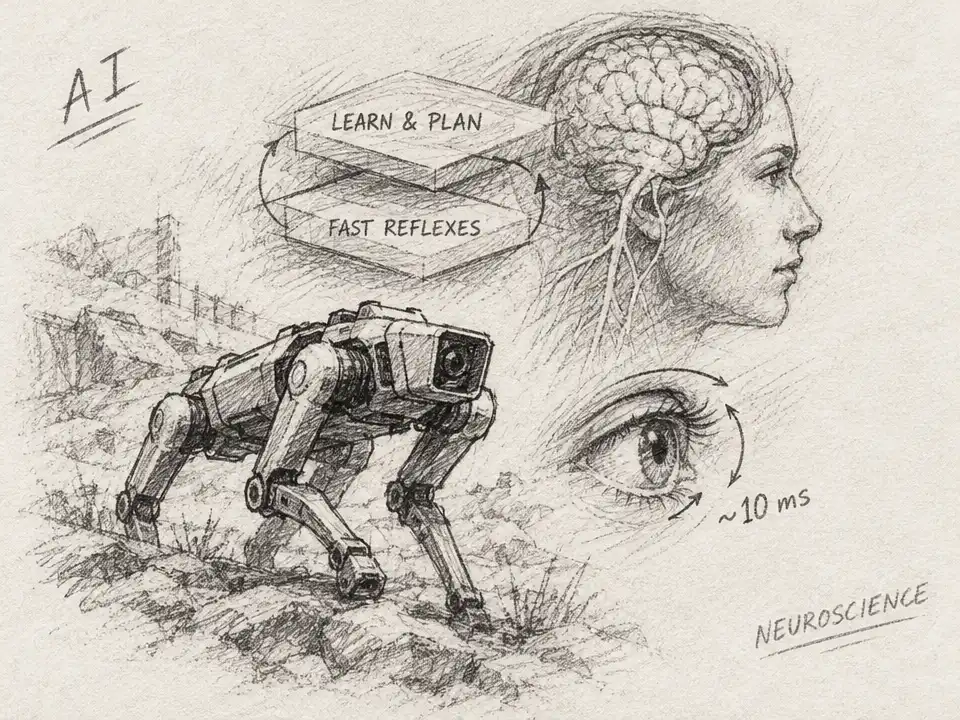
A brain reflex that stabilizes vision in milliseconds suggests how AI could pair rapid safety responses with slower learning.
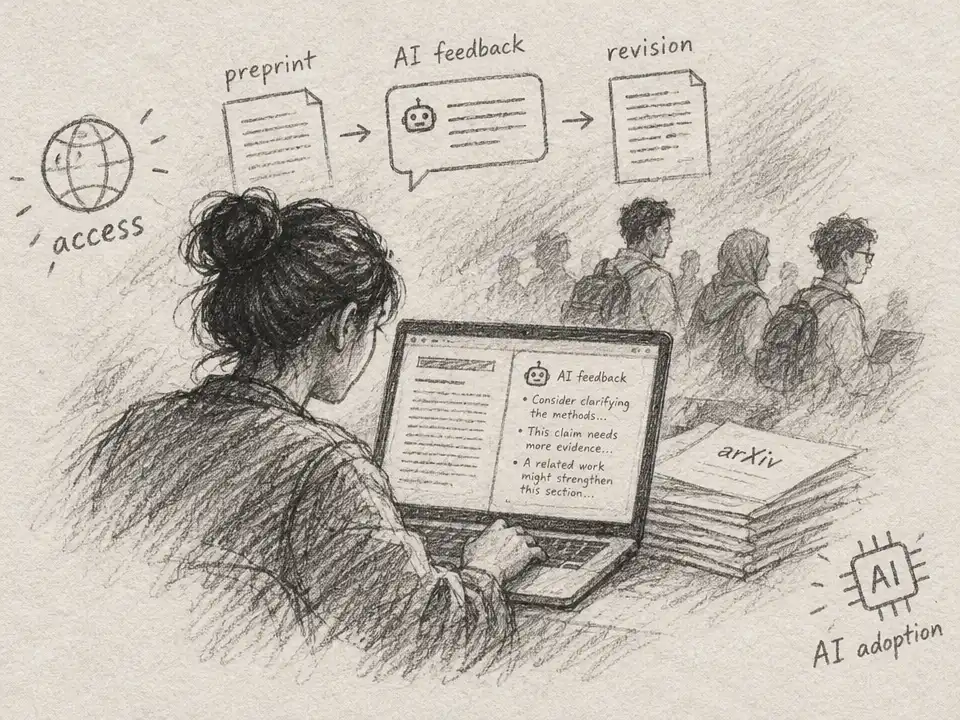
A global randomized study finds AI feedback nudged scientists to revise papers, with the biggest effects among researchers often short of critique.
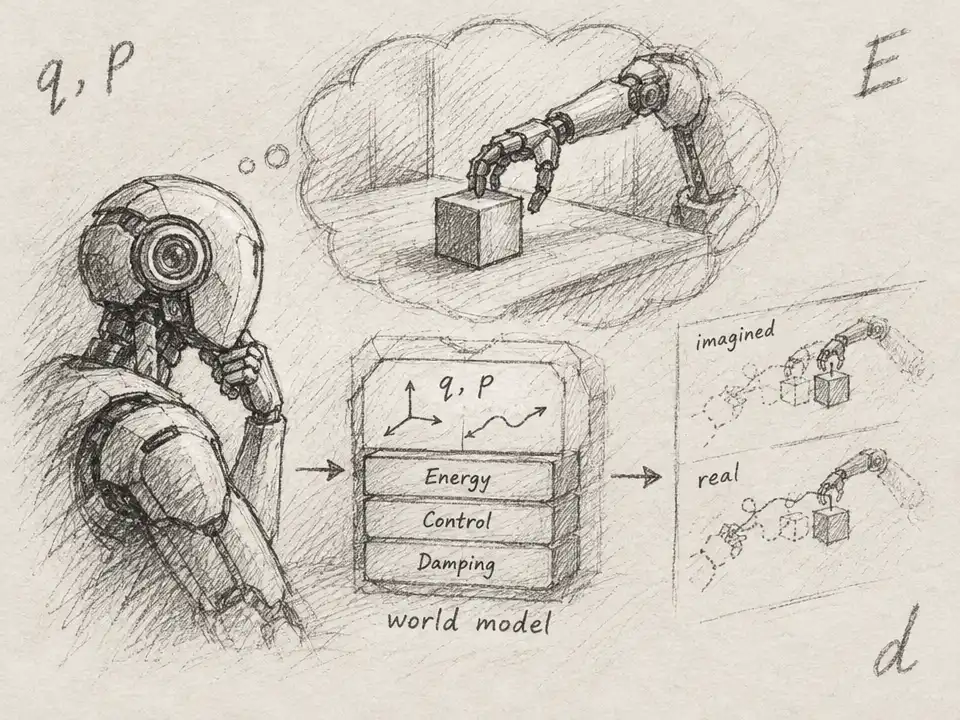
A world-model design gives AI’s imagined robot actions hidden motion variables, helping predictions stay physically coherent over longer sequences.
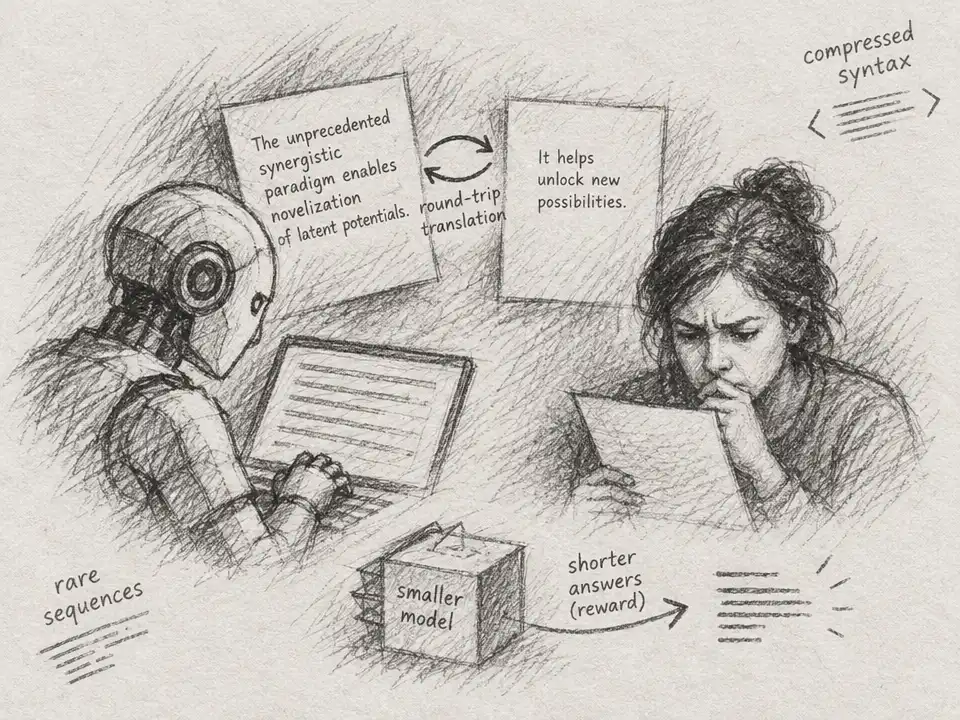
A study finds AI favors language linked to human reading difficulty, and shows how rewarding brevity can push that shift further.
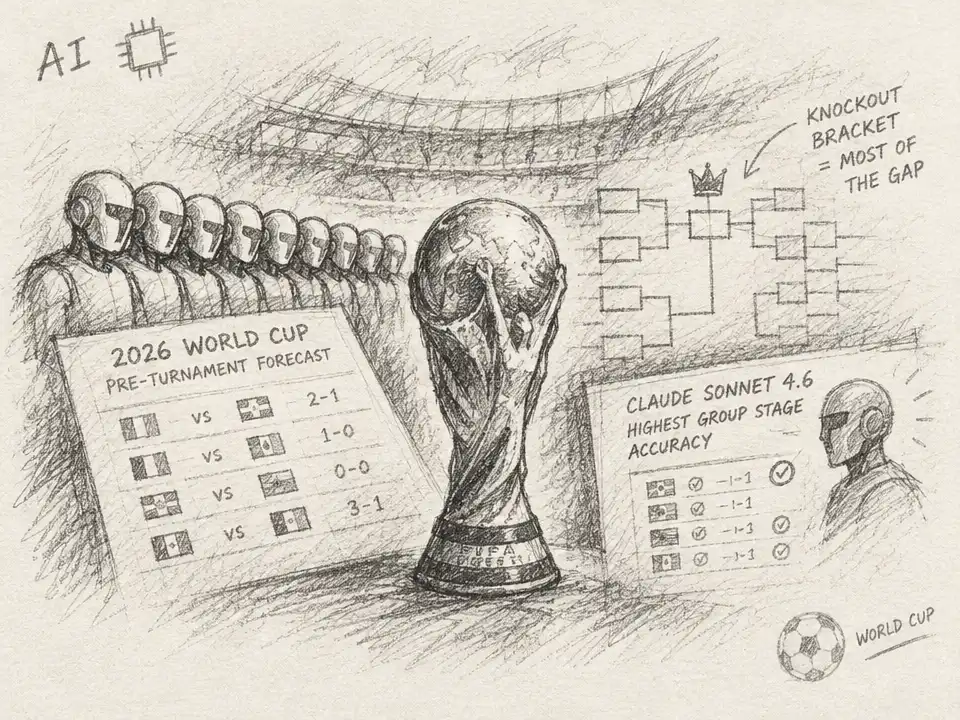
A World Cup AI benchmark crowned a tournament winner who wasn’t the best match predictor, showing how scoring rules shape AI rankings.
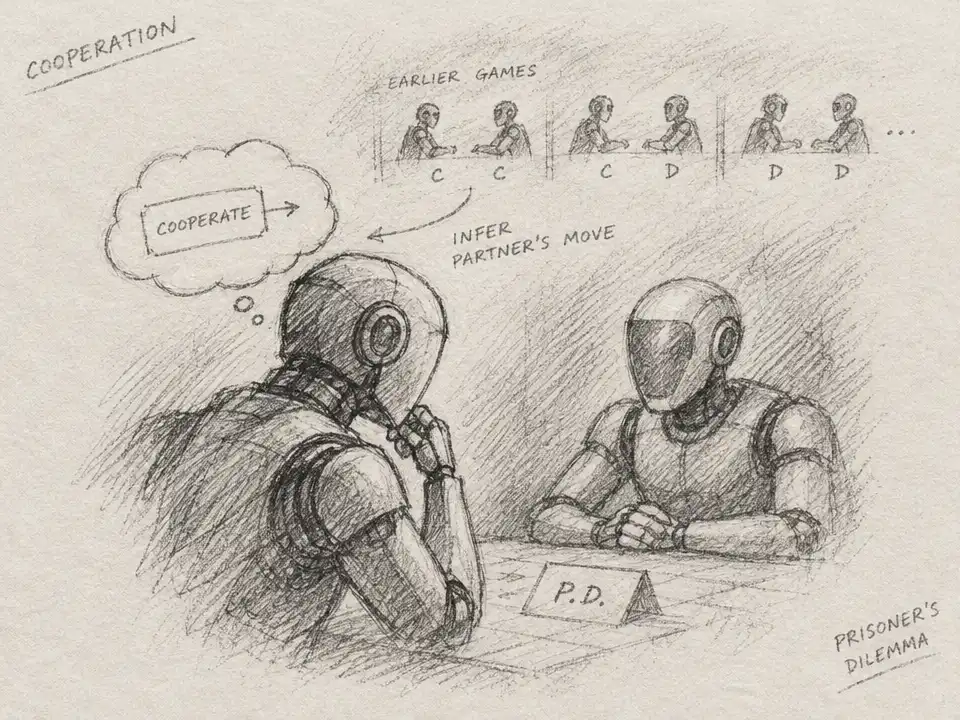
In a final one-shot Prisoner’s Dilemma, AI agents cooperated after spotting behavioral similarity—a clue that challenges classical game theory.
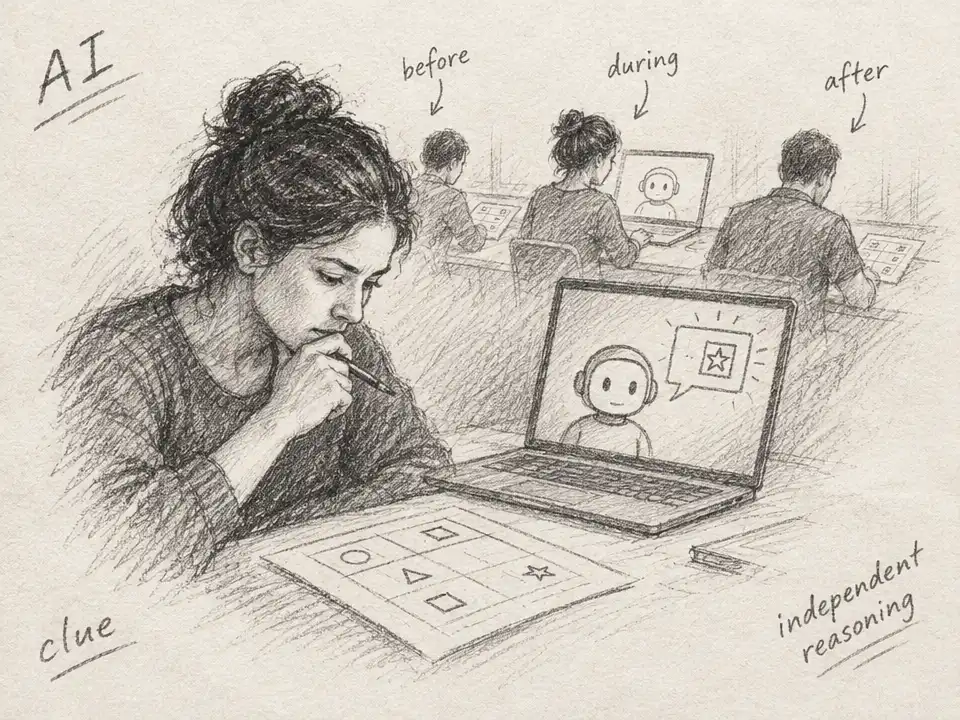
A logic-puzzle study finds that learning tracked time spent thinking independently—not simply how often participants asked AI for help.
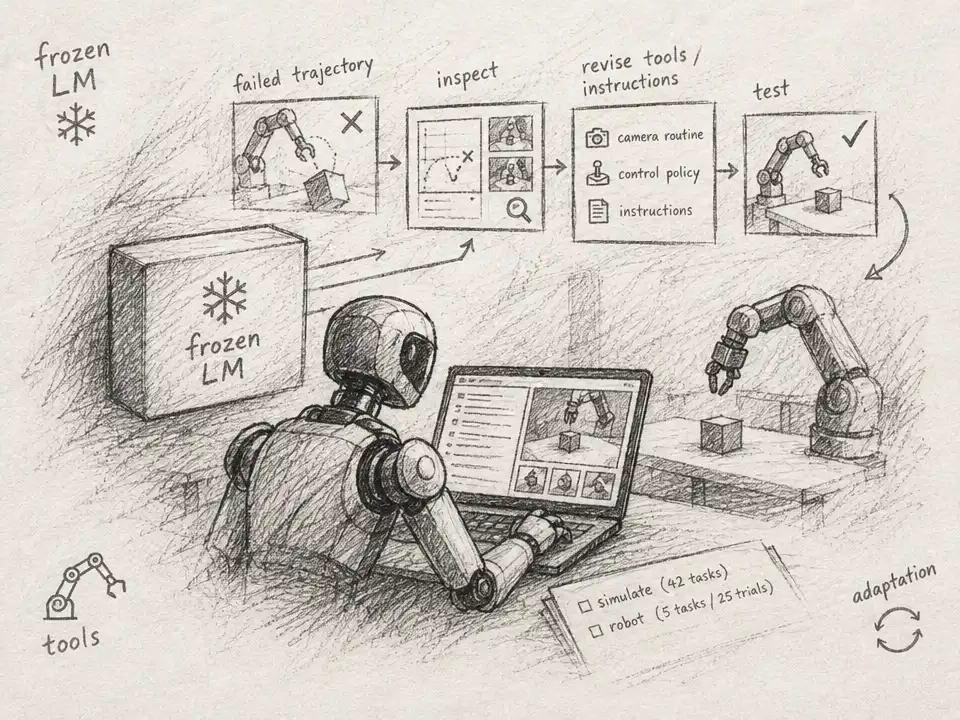
A frozen AI model gains robot skills by changing the tools around it, turning failures into better control, observation, and diagnosis.
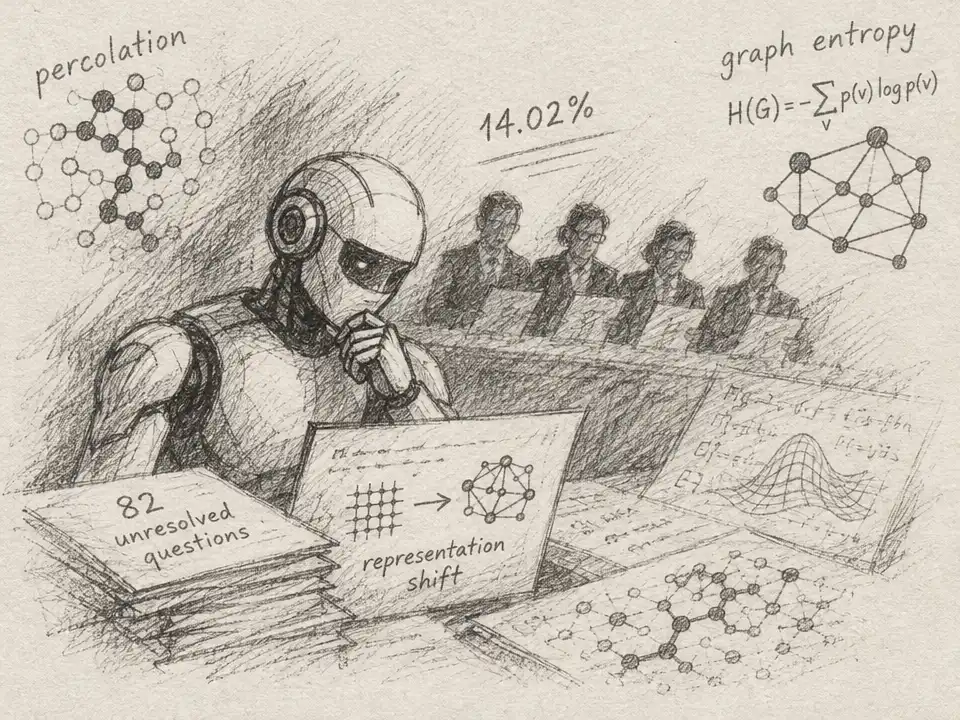
On 82 unsolved math and physics problems, AI’s strongest work came from reframing proofs—but expert verification remains essential.
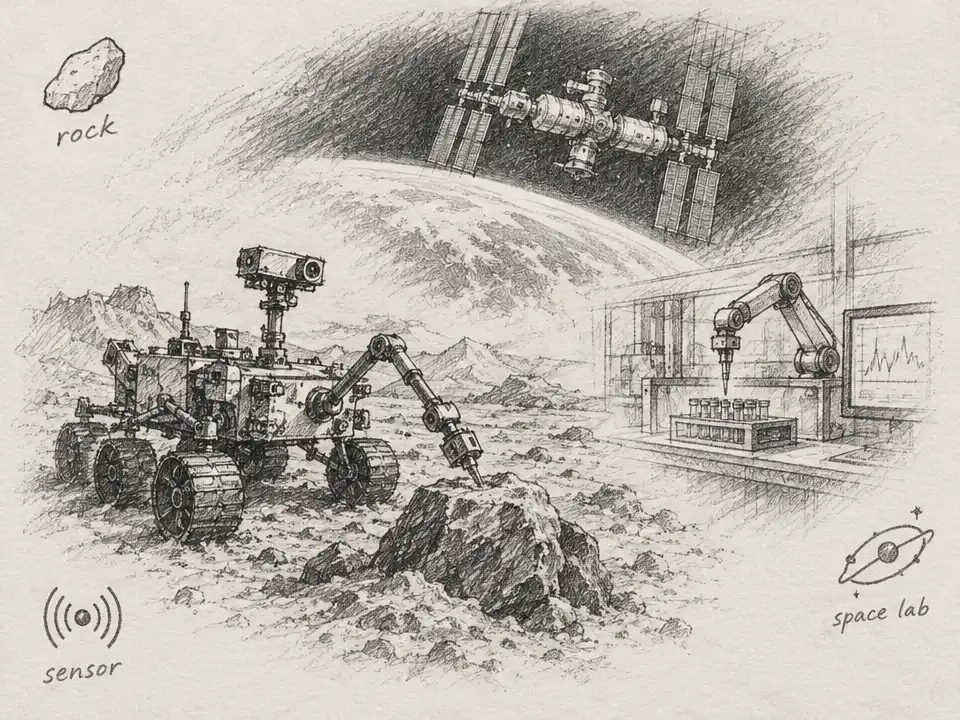
Space science is pushing AI beyond prediction: rovers and orbital labs must act, track samples and know when experiments stop supporting a claim.
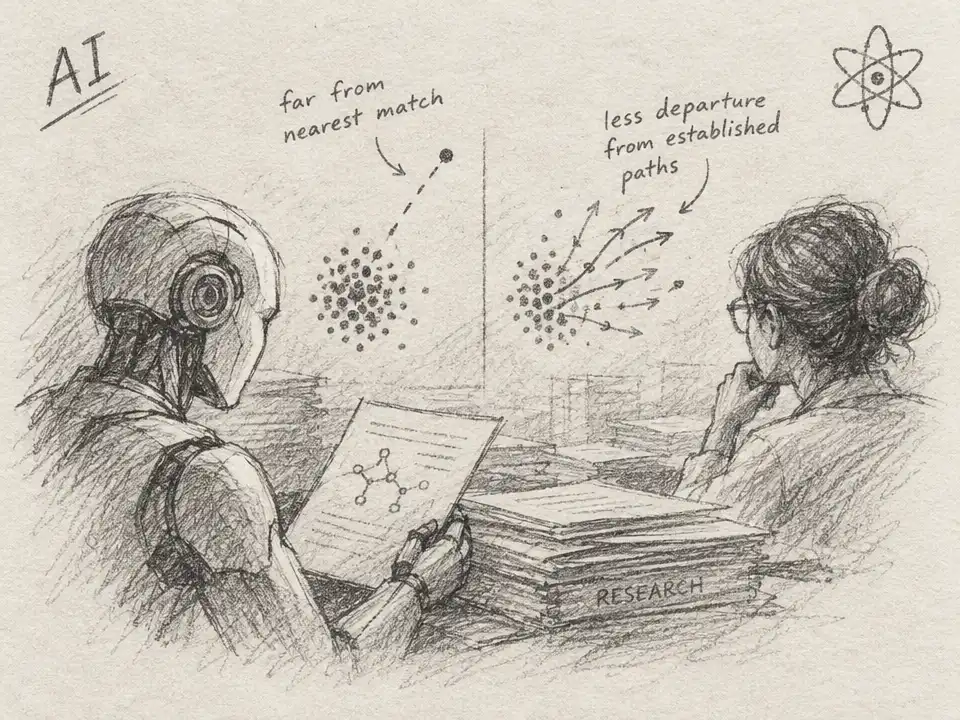
A study of 524,308 AI-generated hypotheses finds they can stretch beyond nearby papers yet still follow science’s established paths.
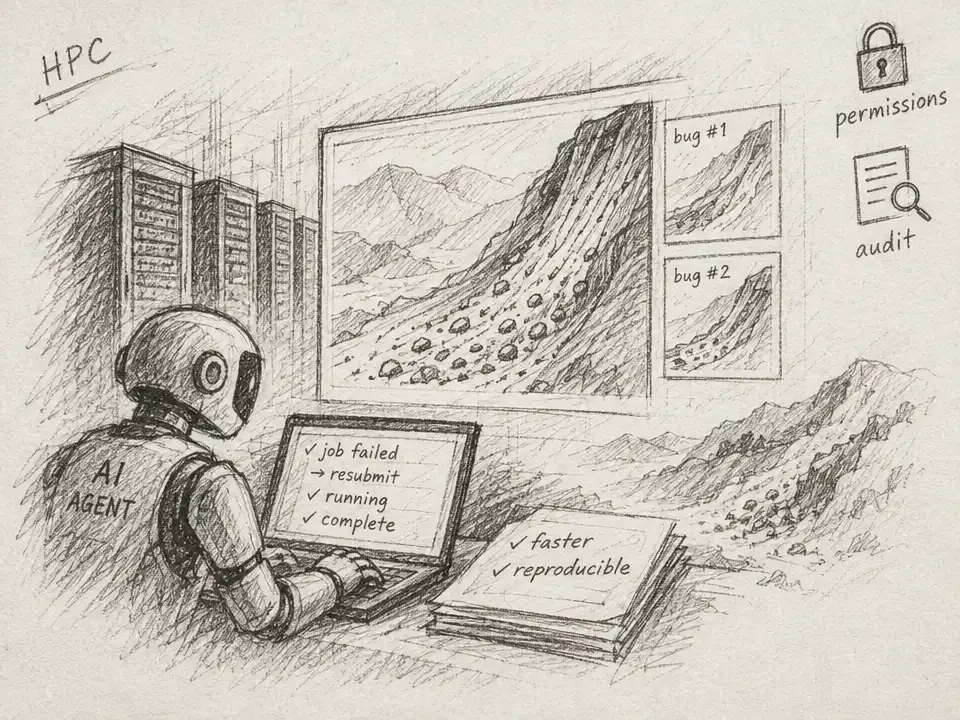
A supervised AI agent sped up a mass-flow simulation and exposed two code defects—while raising hard questions about trust, verification, and access.
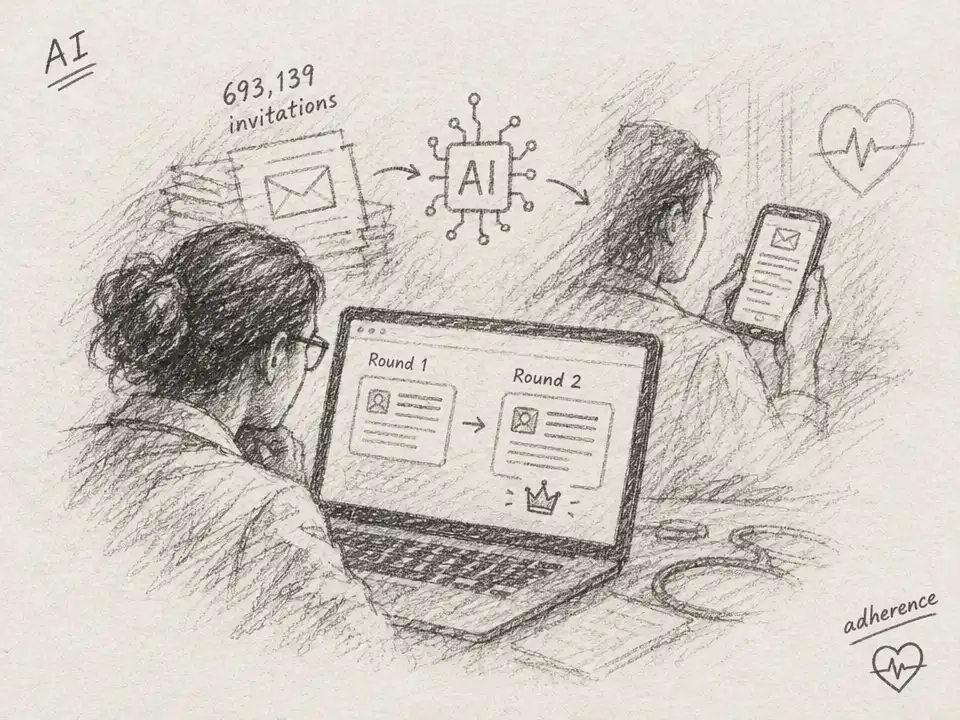
A two-stage healthcare field experiment suggests AI can turn A/B-test results into better message designs, while exposing limits beyond clicks.
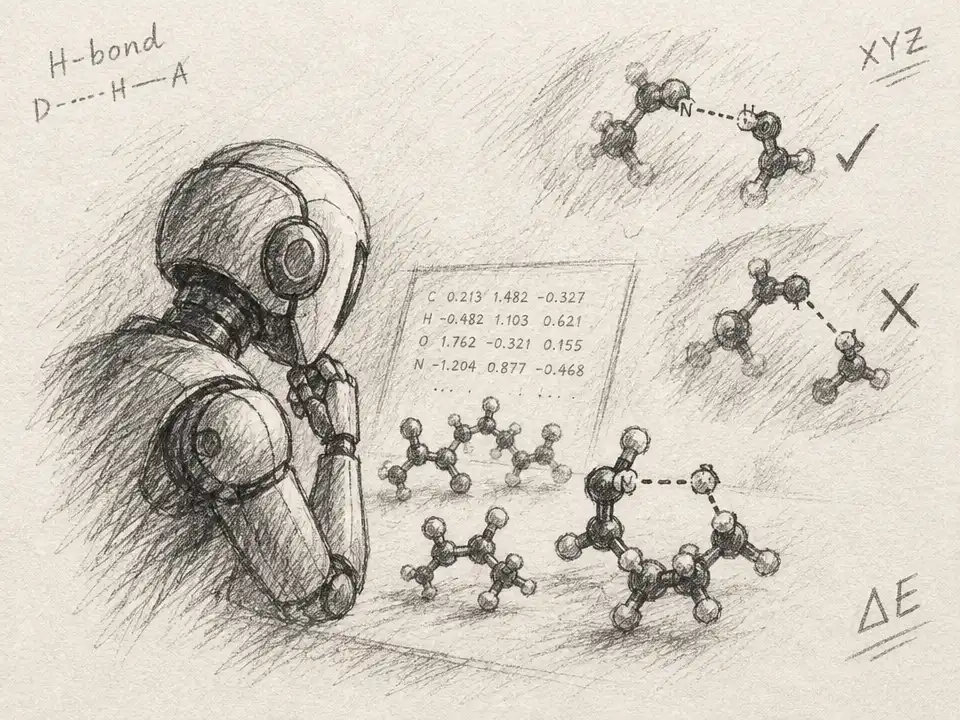
A molecular chemistry test finds that language models can rank 3D shapes, while their reliance on hydrogen bonds exposes a striking blind spot.