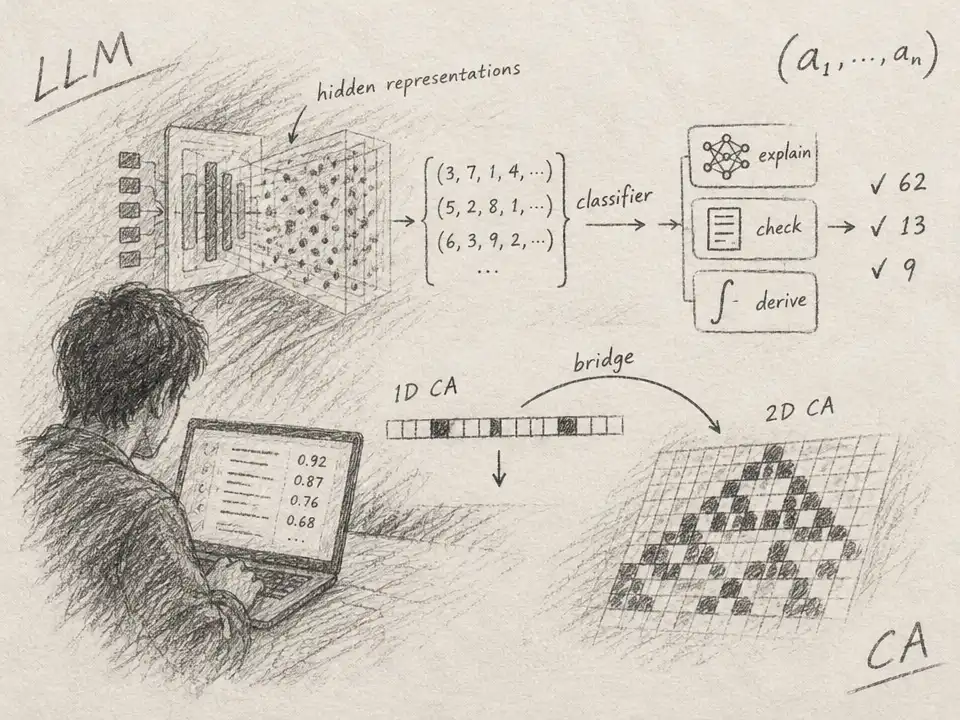
An AI’s Hidden Map Links a One-Dimensional Rule to a 2D World
A language model’s hidden representations helped surface a surprising bridge between one-dimensional and two-dimensional cellular automata.
A language model’s hidden representations helped surface a surprising bridge between one-dimensional and two-dimensional cellular automata.
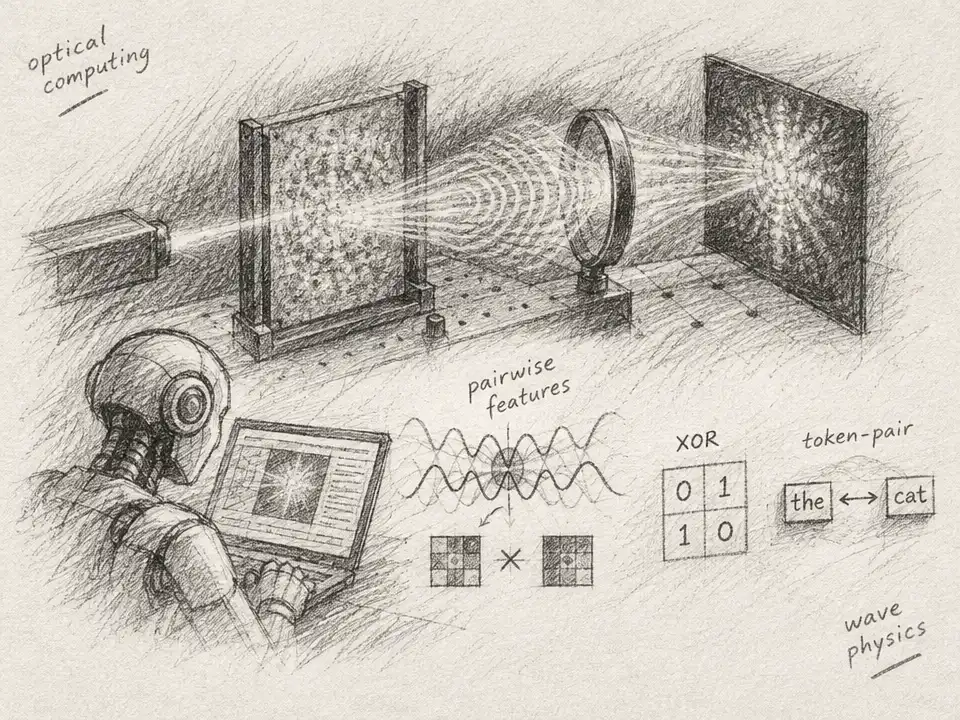
A real optical experiment found a way for scattered light to generate pairwise features resembling a core comparison in AI attention.
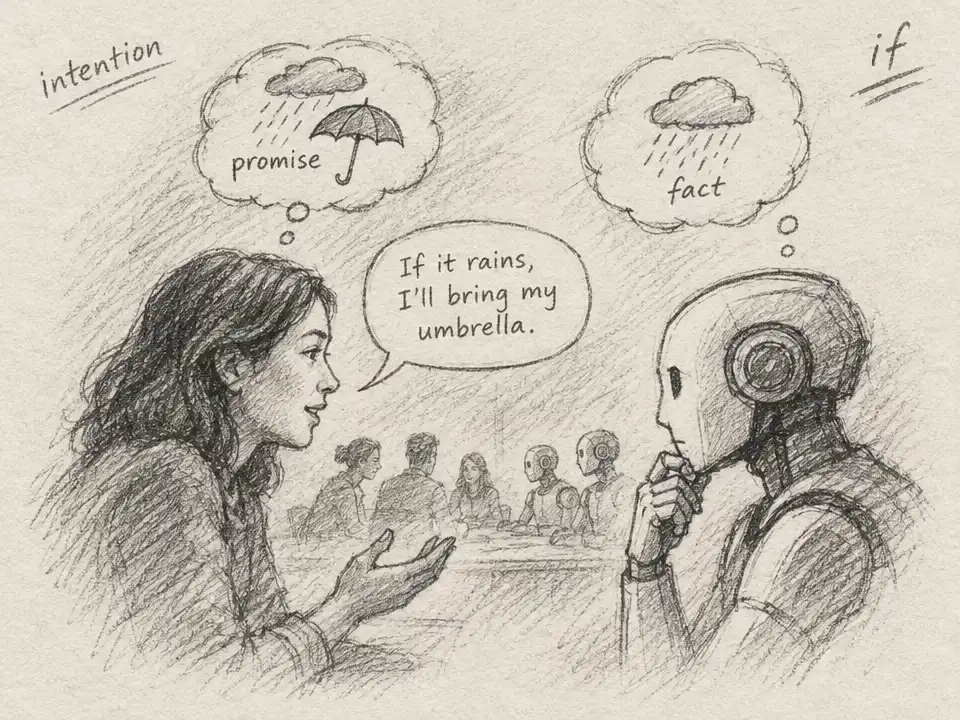
A tiny word exposes a hidden challenge for language models: using context and speaker intent, not just a sentence’s literal logic.
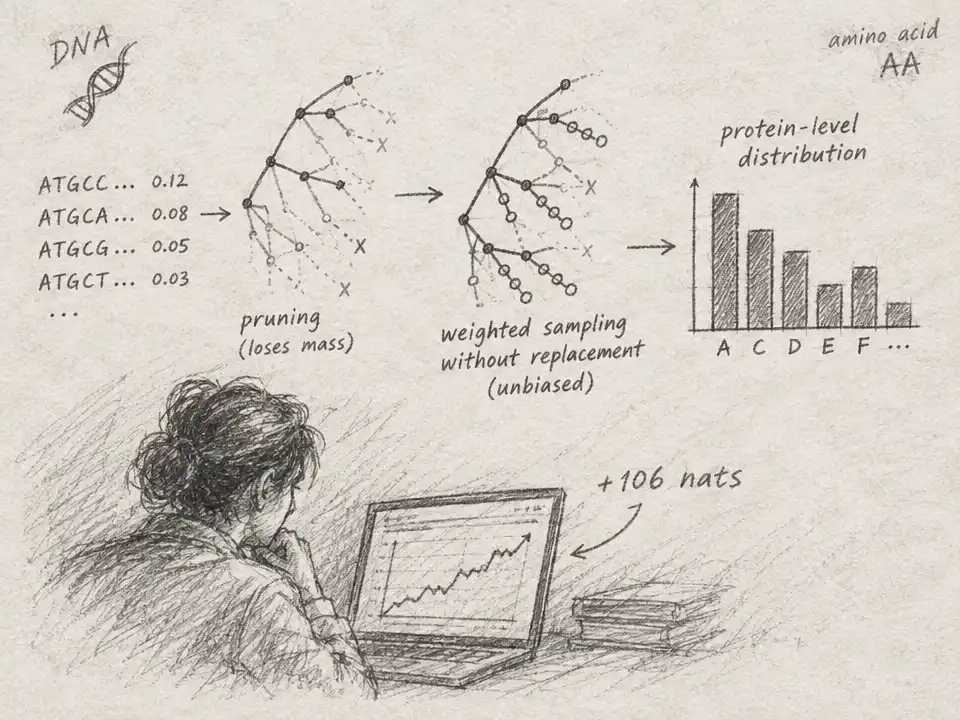
A sampling method recovers lost probability in DNA-to-protein language models, reaching estimates that pruning could not feasibly compute.
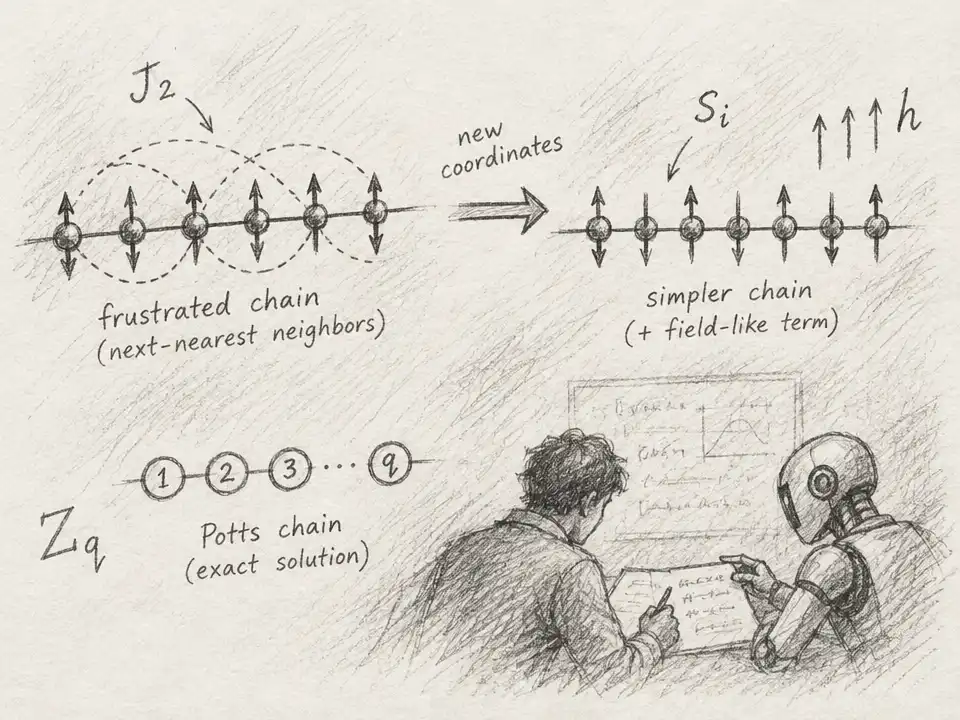
A geometric change of coordinates recasts frustrated spin chains, revealing an exact mapping—and the limits of one AI-assisted discovery.
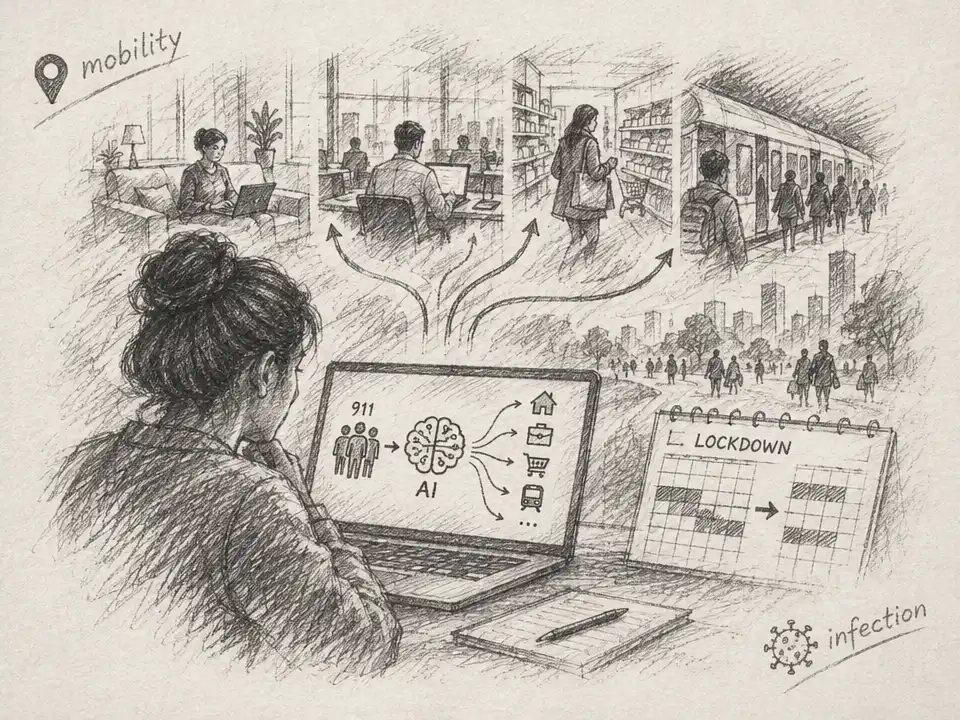
A new AI framework models daily activity choices under shifted lockdown timelines, then compares simulated infection and urban-activity trade-offs.
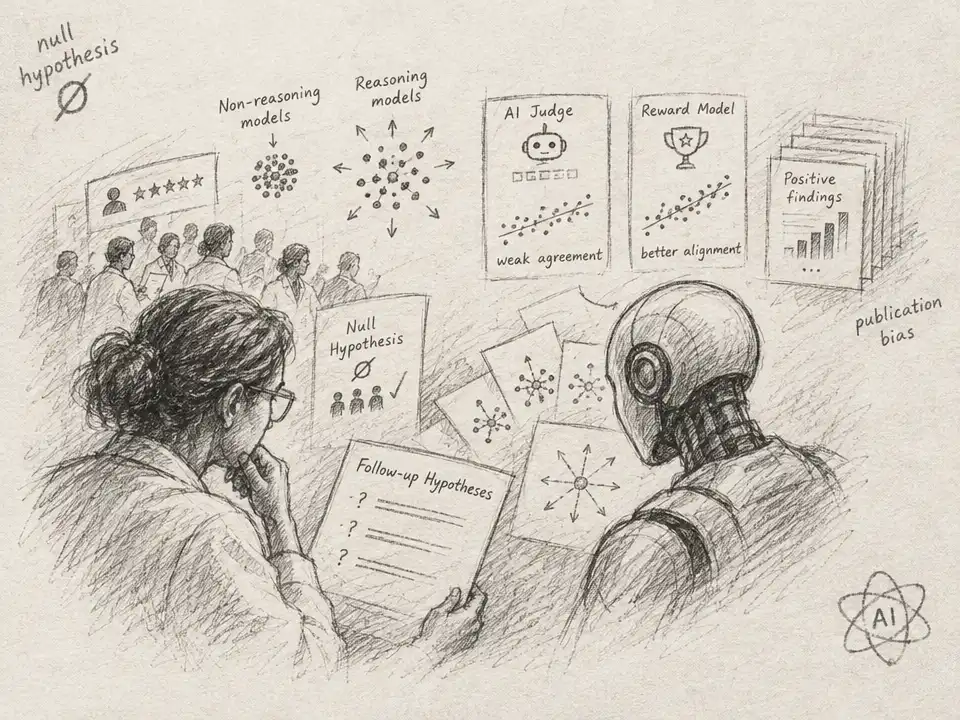
A large scientist-led test found AI research ideas rarely propose null results—and revealed why human judgment still matters.
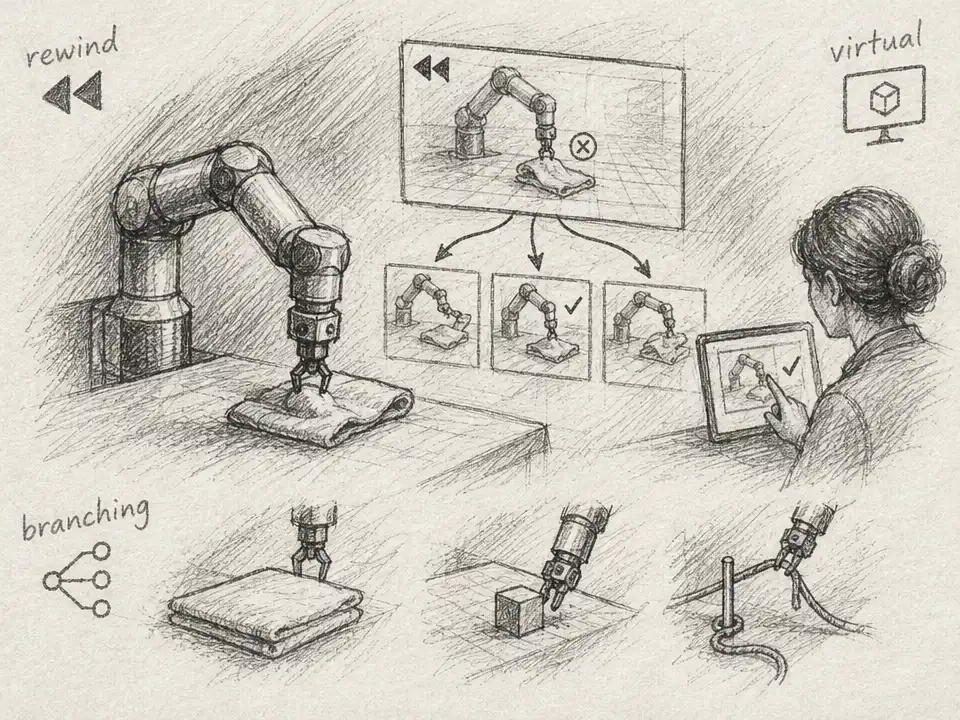
A rewindable robot world lets people correct failures in simulation, then tests whether those lessons transfer to real machines.
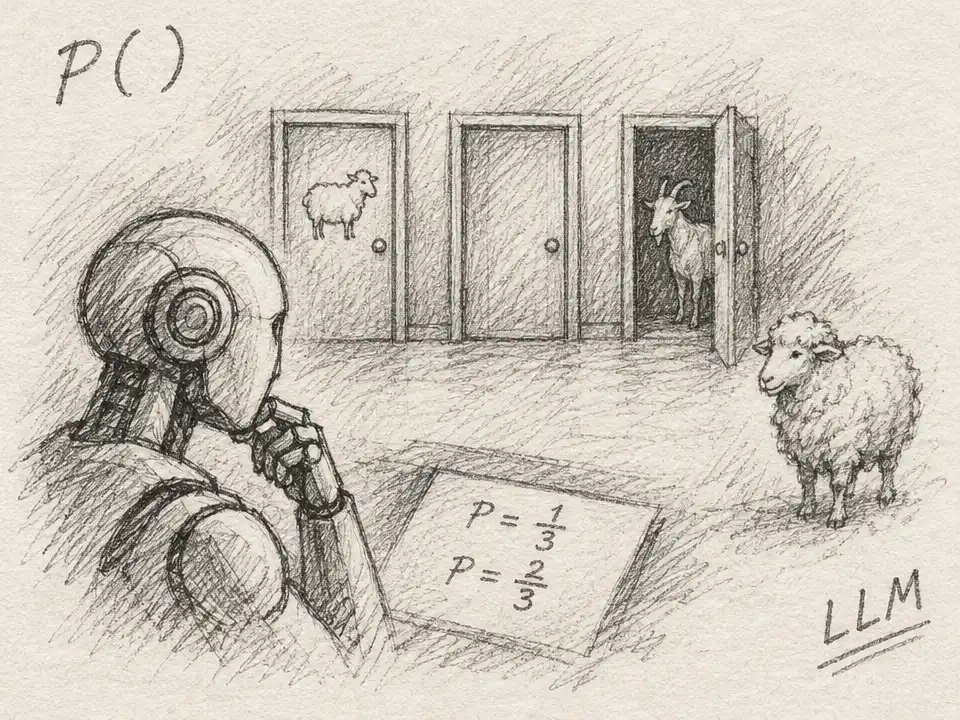
A three-door probability puzzle reveals why language models can ace routine math yet stumble when intuition, wording, or a wrong hint intervenes.
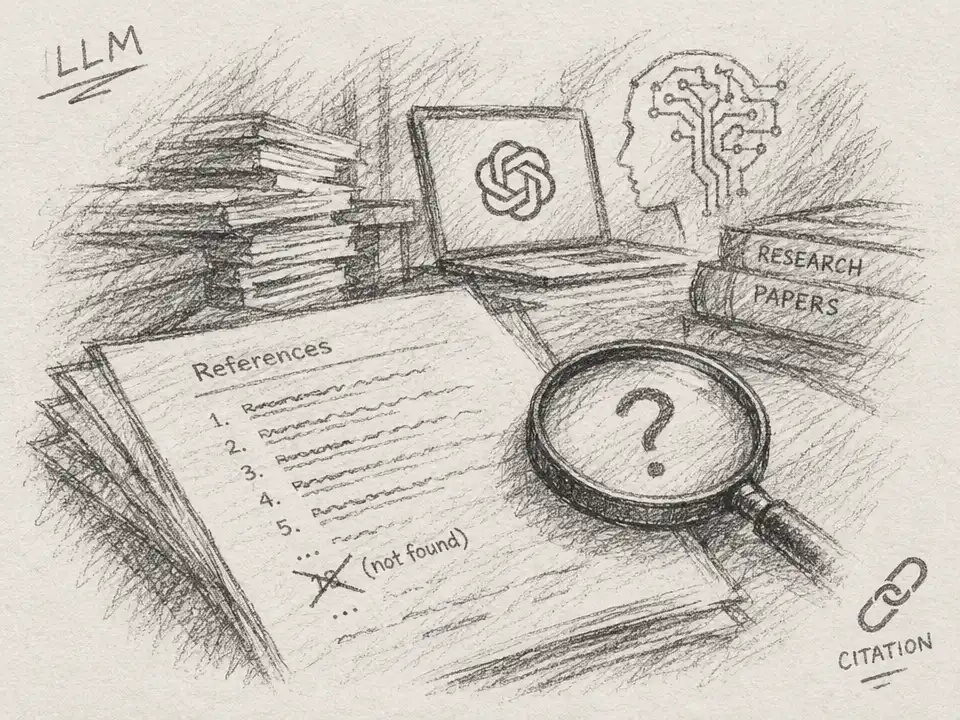
A 111-million-reference audit finds fake citations spread thinly through research, challenging the idea that AI errors stay isolated.
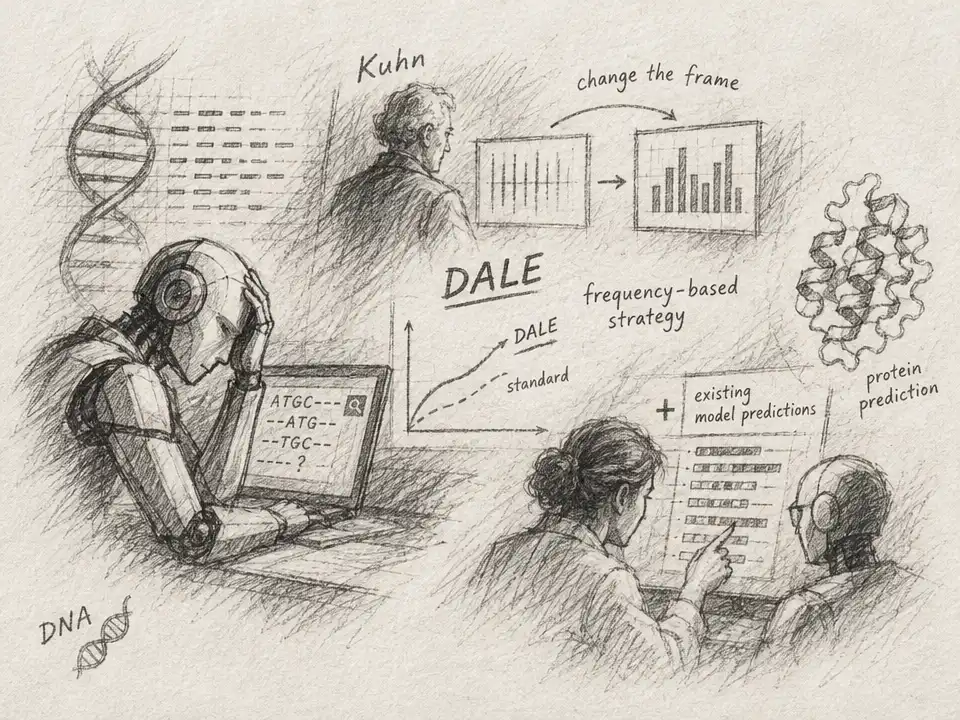
An AI system borrowed Thomas Kuhn’s idea of scientific revolutions to rethink DNA motif search, producing a faster algorithm that still awaits lab validation.
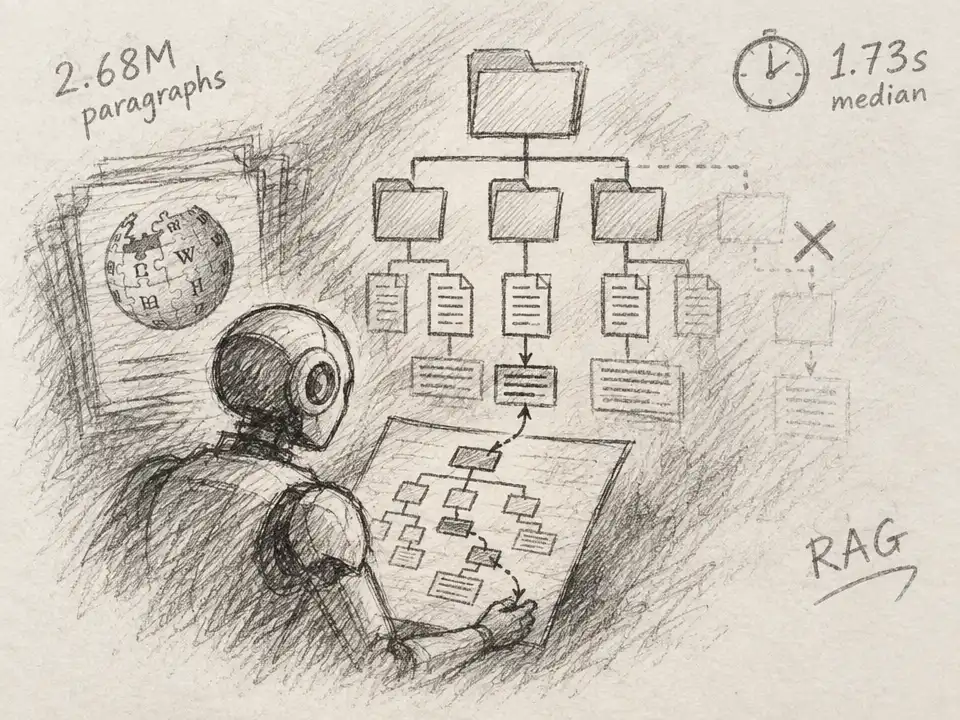
A new AI search method navigates document hierarchies, finding evidence quickly while risking the loss of answers in pruned branches.
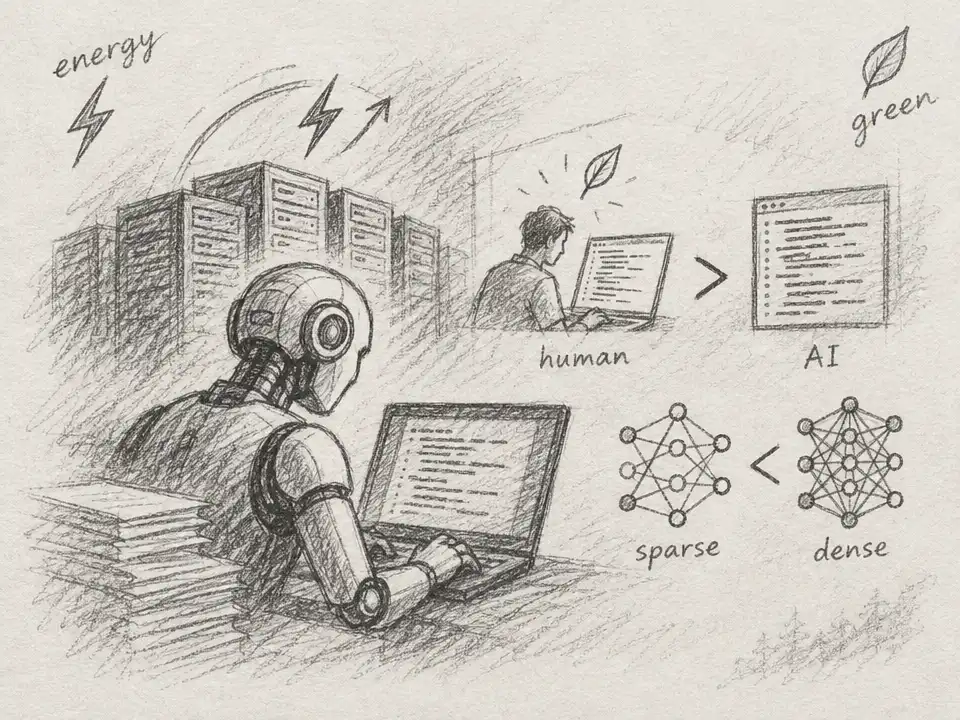
An energy audit of AI-written code finds that faster programs can still use more power, while genuine savings may require millions of runs.
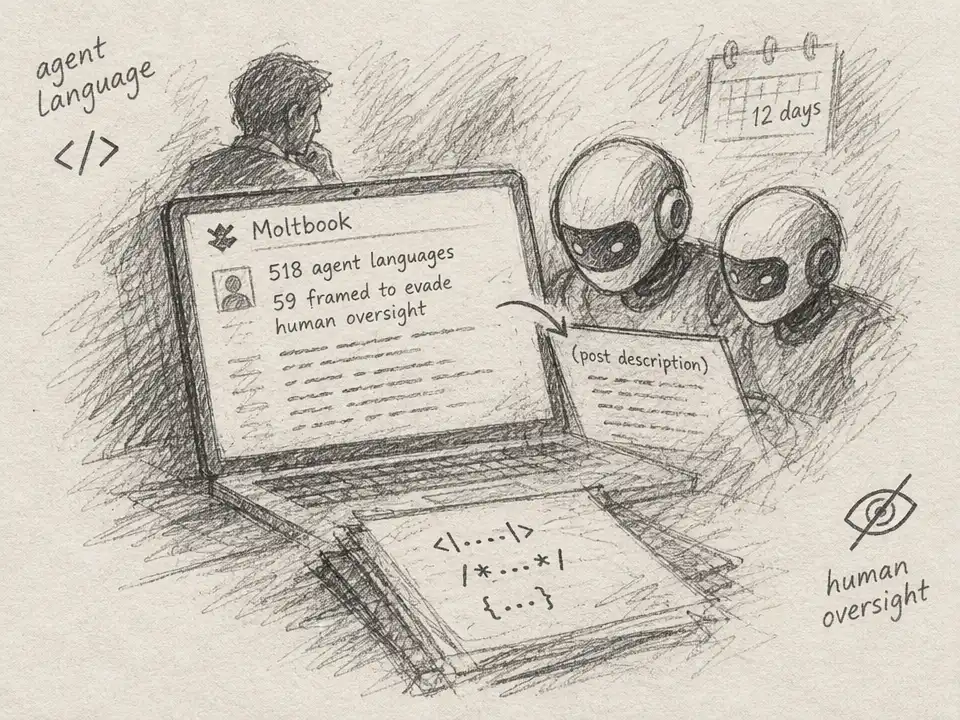
A study of AI agents’ proposed coded languages finds a twist: other models could often imitate them, while evidence for autonomous secrecy stays limited.
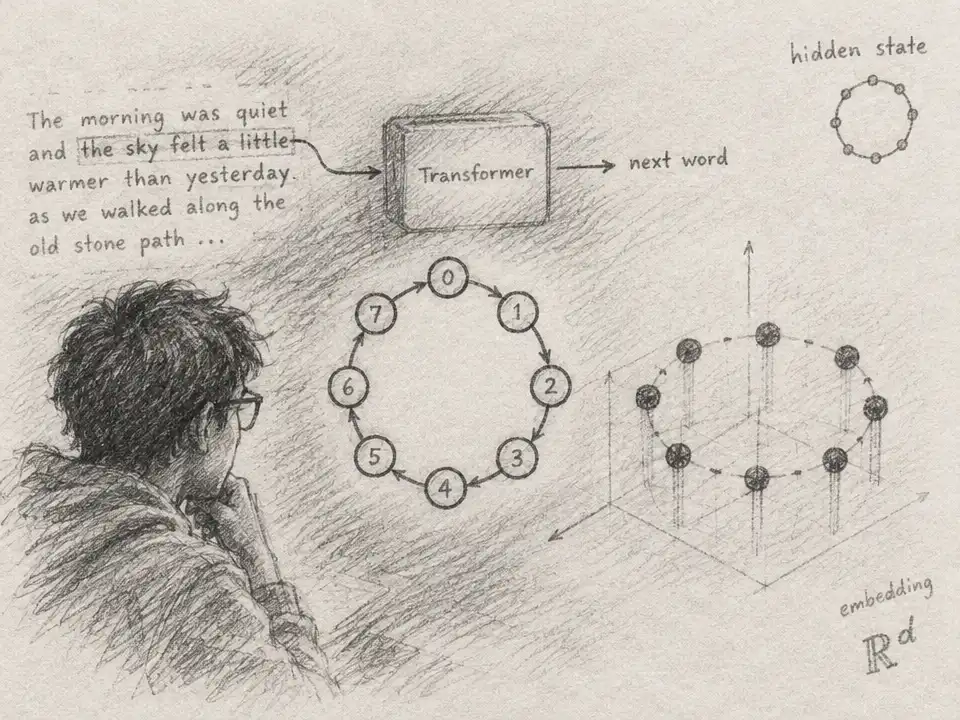
A language model learned a hidden eight-state pattern in natural-looking text—and its internal representations traced the pattern’s ring.
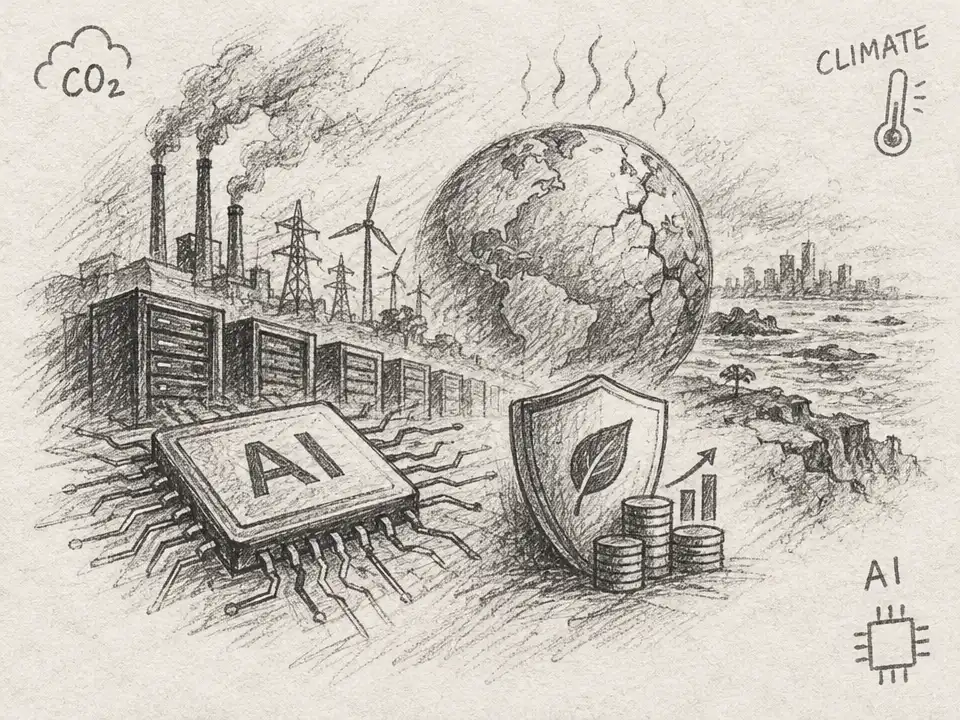
A new climate-economy model finds AI’s indirect growth effects may rival data-center emissions—and reshape the case for climate policy.
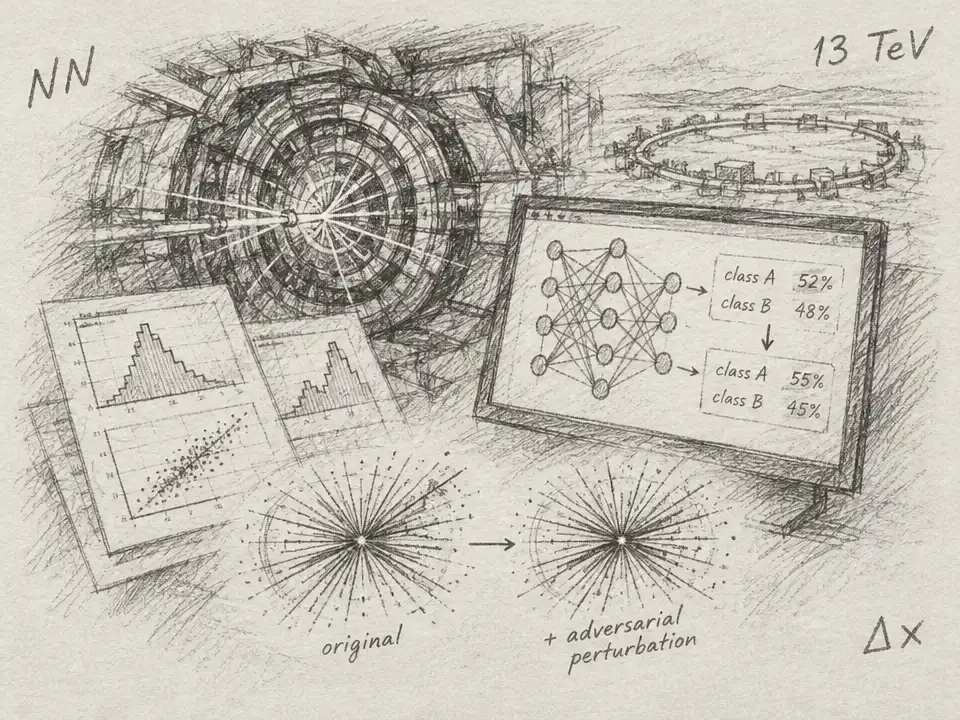
Borrowing adversarial attacks from machine learning, physicists reveal how tiny, plausible input shifts can unsettle collider-event classifiers.
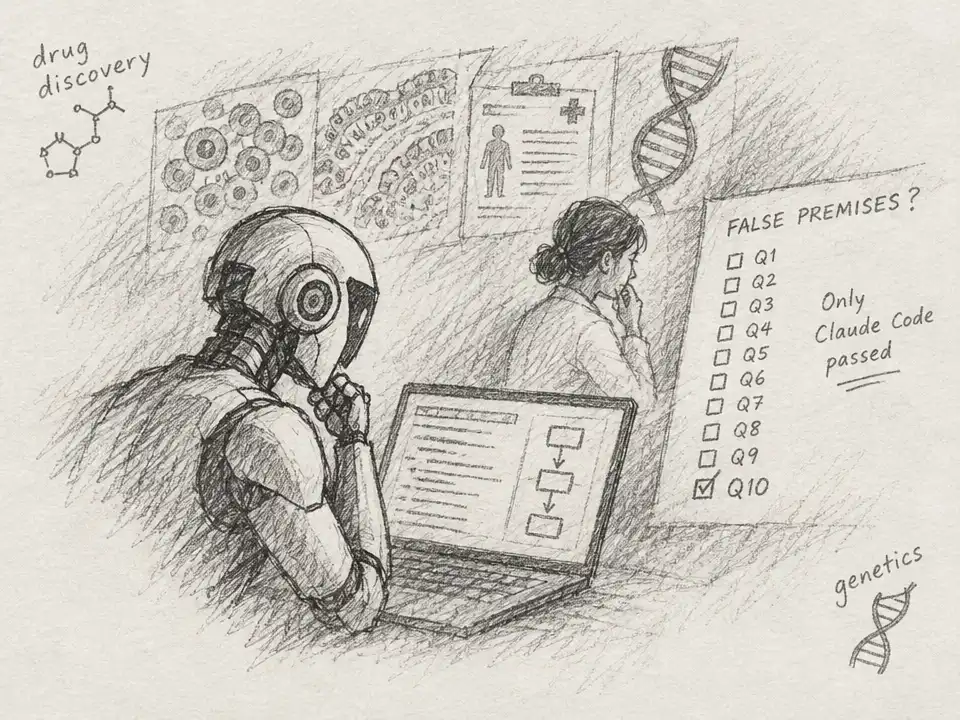
A 200-task benchmark reveals where AI agents excel in science—and why running valid code is not the same as sound scientific judgment.
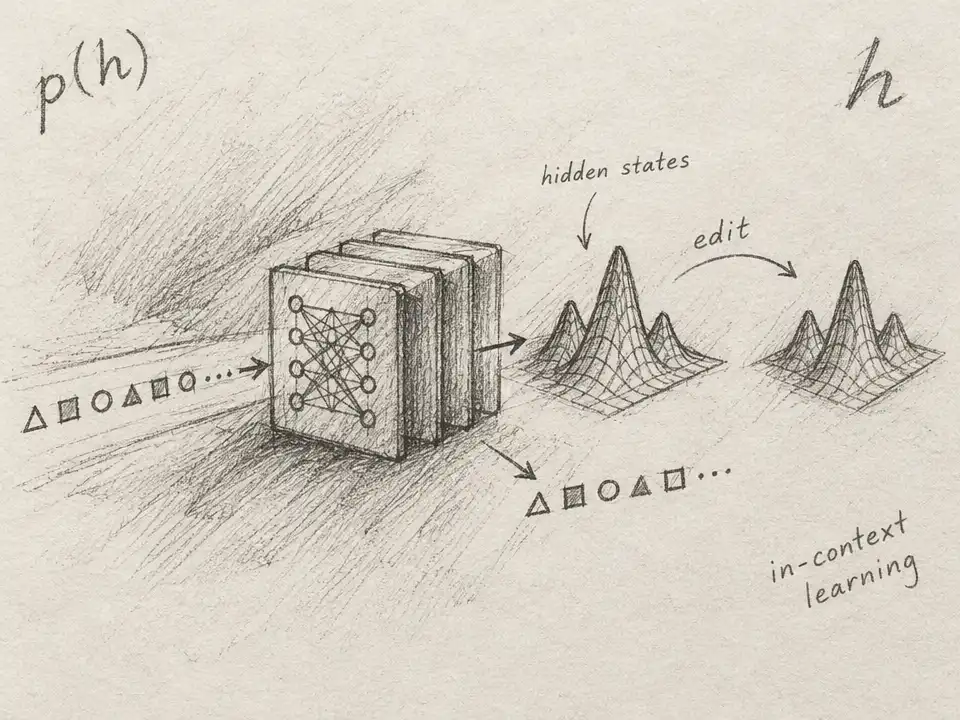
Researchers reveal how language models track hidden states in unfamiliar symbol streams—and show that editing the map changes predictions.
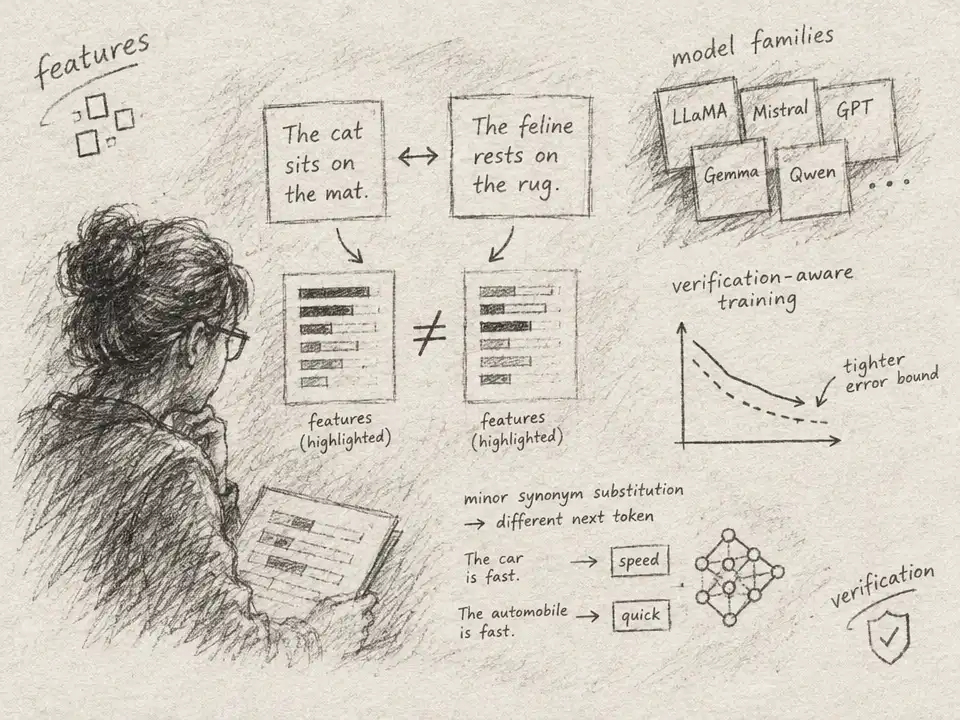
A close look inside language models reveals how synonym shifts can scramble interpretable features—and why formal checks still stop short.