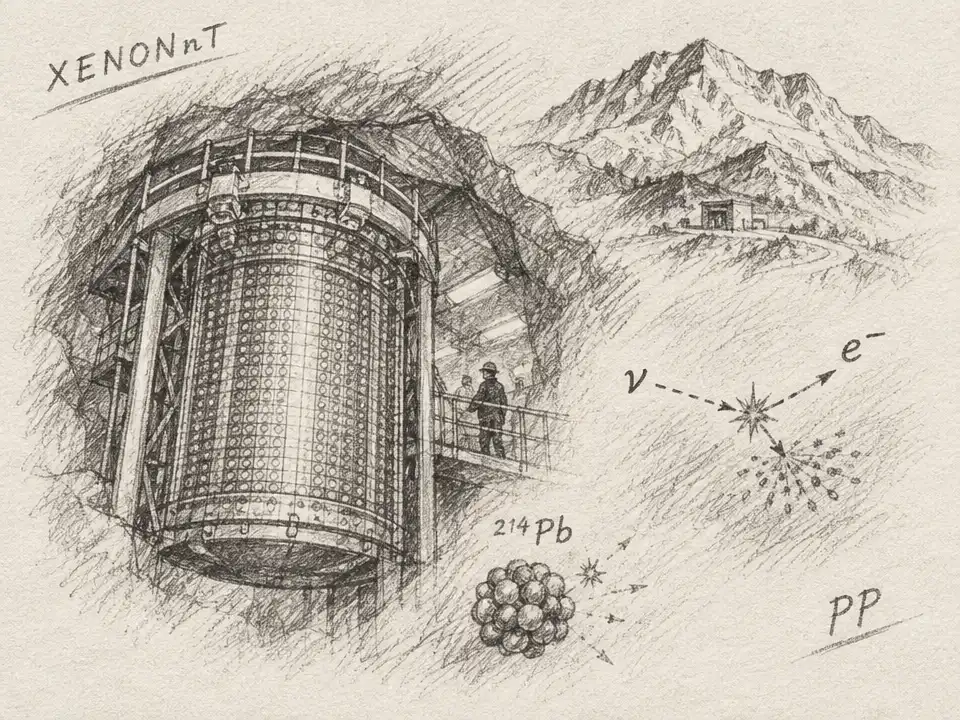
Could a Dark-Matter Detector Hear the Sun Through Its Own Noise?
A dark-matter detector separates solar neutrinos from radioactive noise, opening a new low-energy window while exposing the limits of the signal.
A dark-matter detector separates solar neutrinos from radioactive noise, opening a new low-energy window while exposing the limits of the signal.
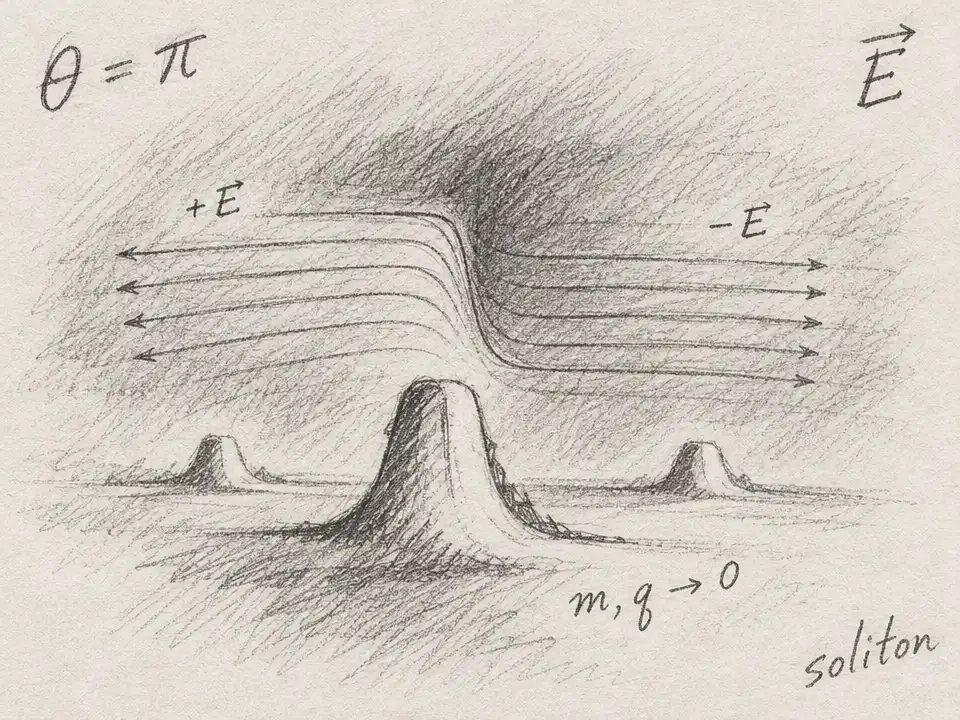
A 50-year-old puzzle in a one-dimensional quantum world reveals why a charge can fade toward zero without triggering confinement.
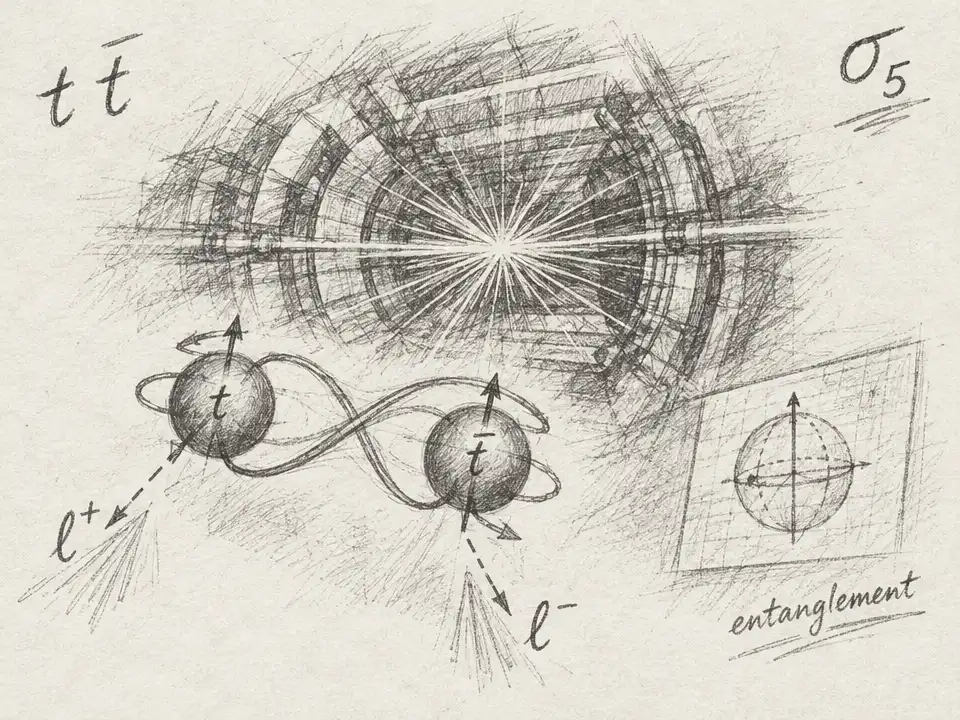
A top quark's fleeting lifetime preserves spin clues, letting collider physicists use quantum-information tools to detect entanglement.
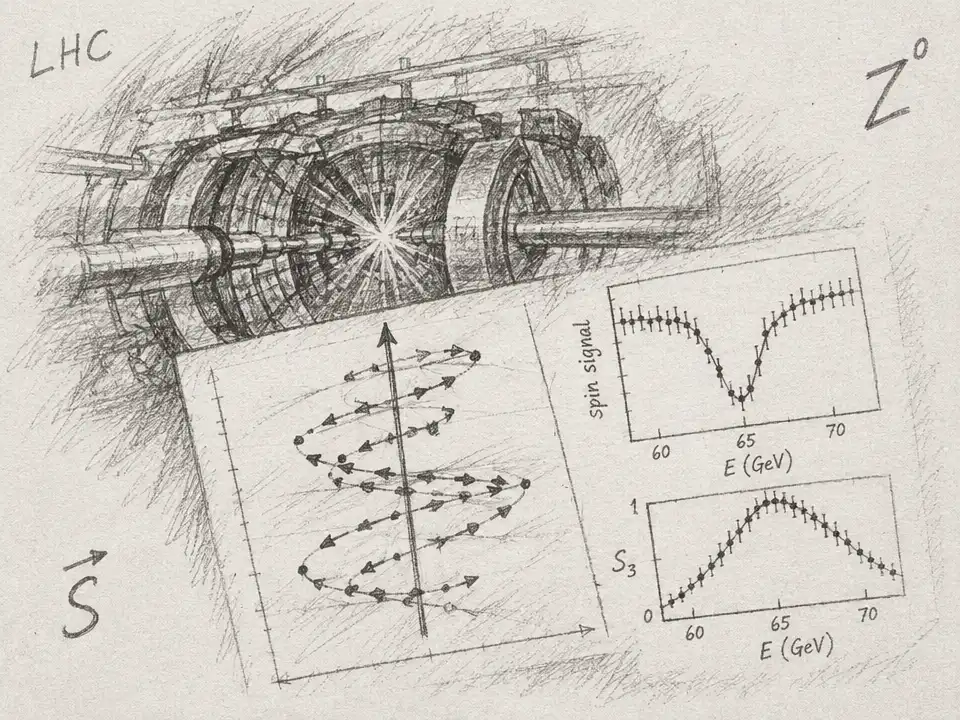
A quantum-tomography reanalysis of archived LHC collisions uncovers a swirling Z-boson spin pattern and a near-unpolarized state, with no known cause.
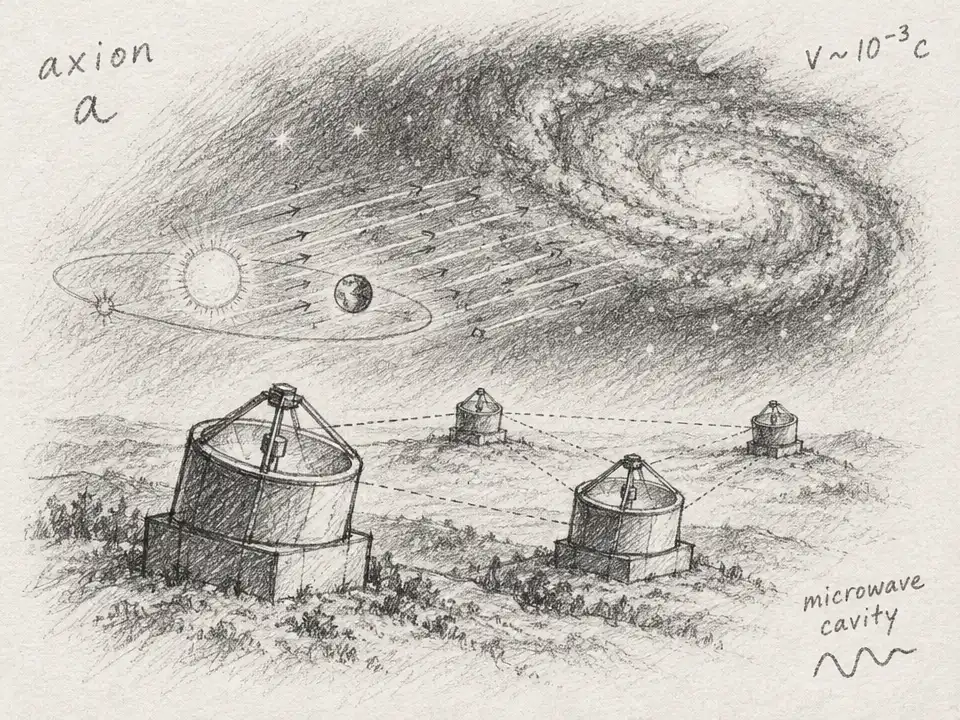
A proposed network of axion detectors could use signal timing and coherence to map the hidden motion of dark matter near Earth.