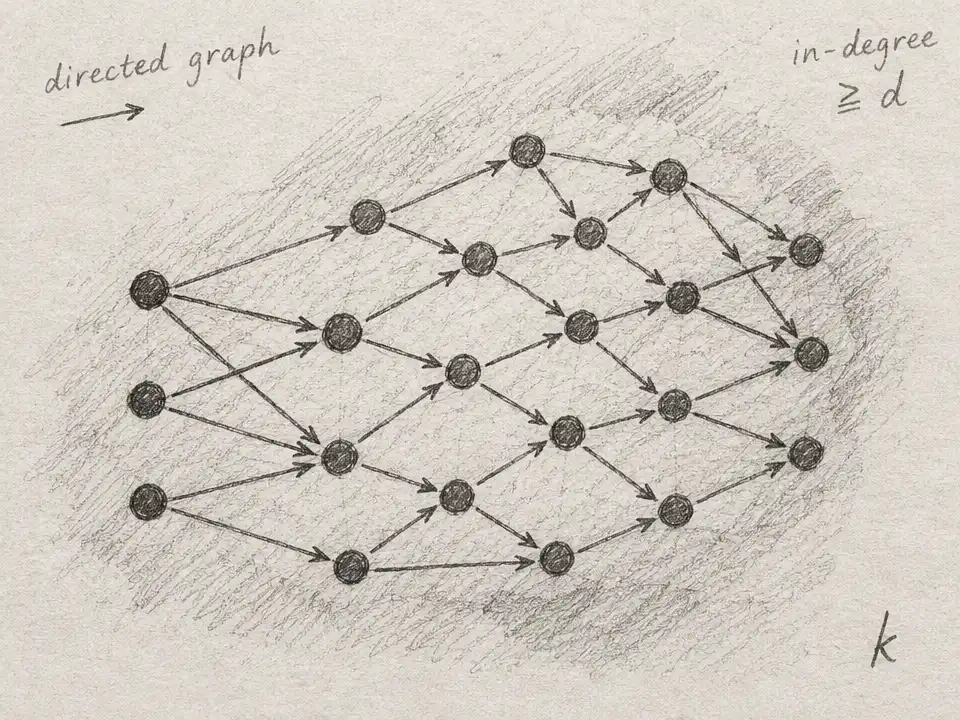
Why One More Step Can Shrink a Network’s Required Seed Set
A directed-graph puzzle reveals why one more step can make a tiny set reach every node—and why the two-step version remains open.
A directed-graph puzzle reveals why one more step can make a tiny set reach every node—and why the two-step version remains open.
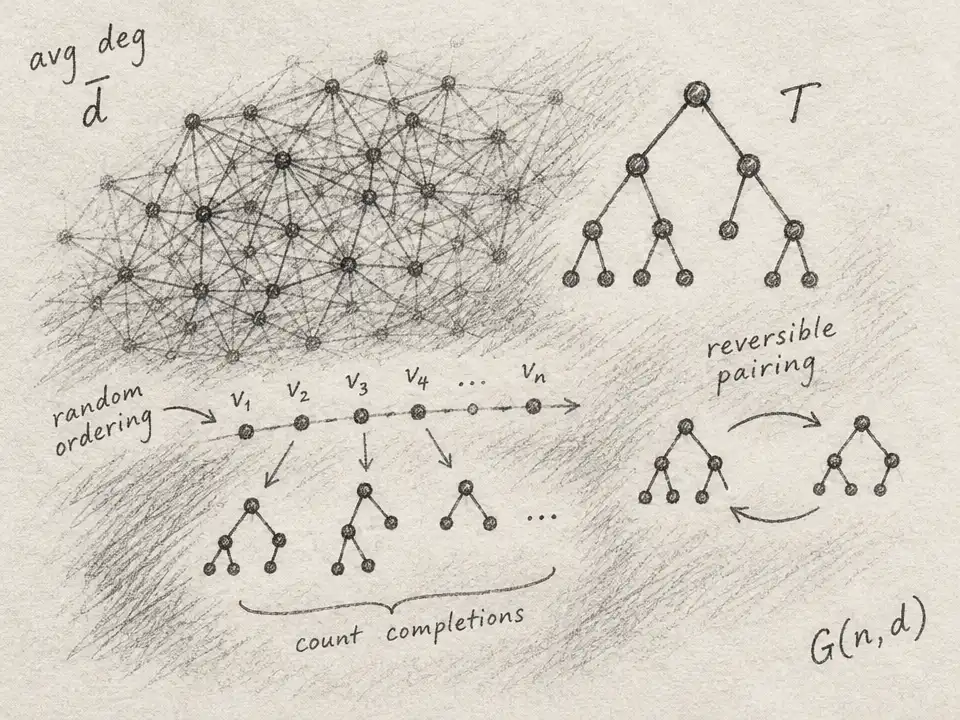
A six-decade graph theory puzzle gets an elegant answer: random vertex orderings show when average density must contain every tree.
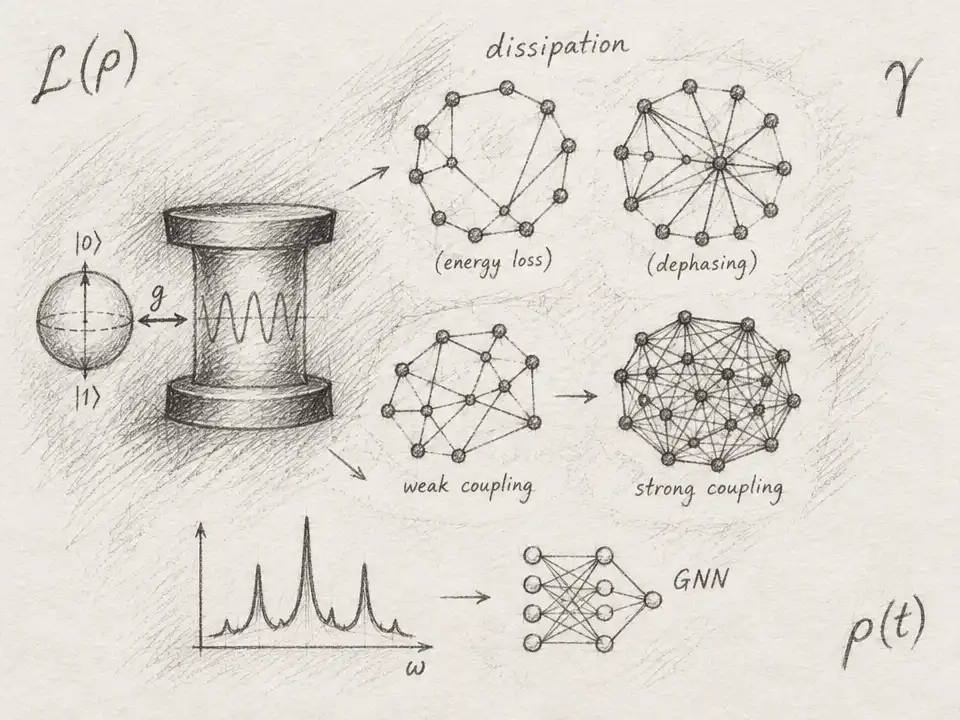
A graph-theory framework maps quantum dissipation, revealing which network links matter and helping predict quantum decay spectra.
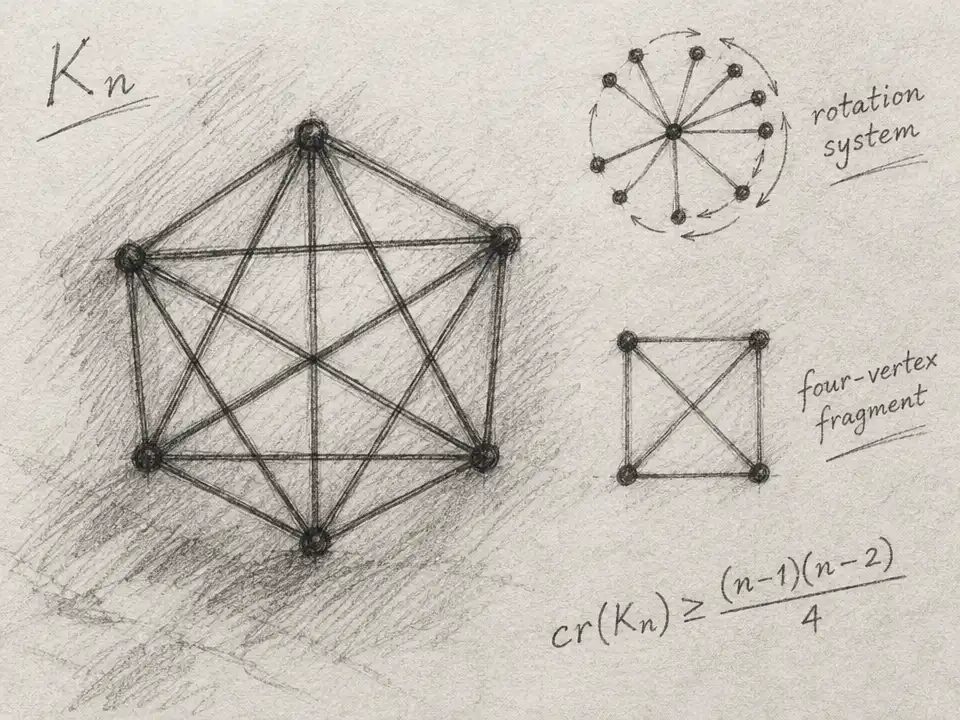
A combinatorial method turns local edge orders into a sharp lower bound on crossings, settling a long-standing complete-graph conjecture.
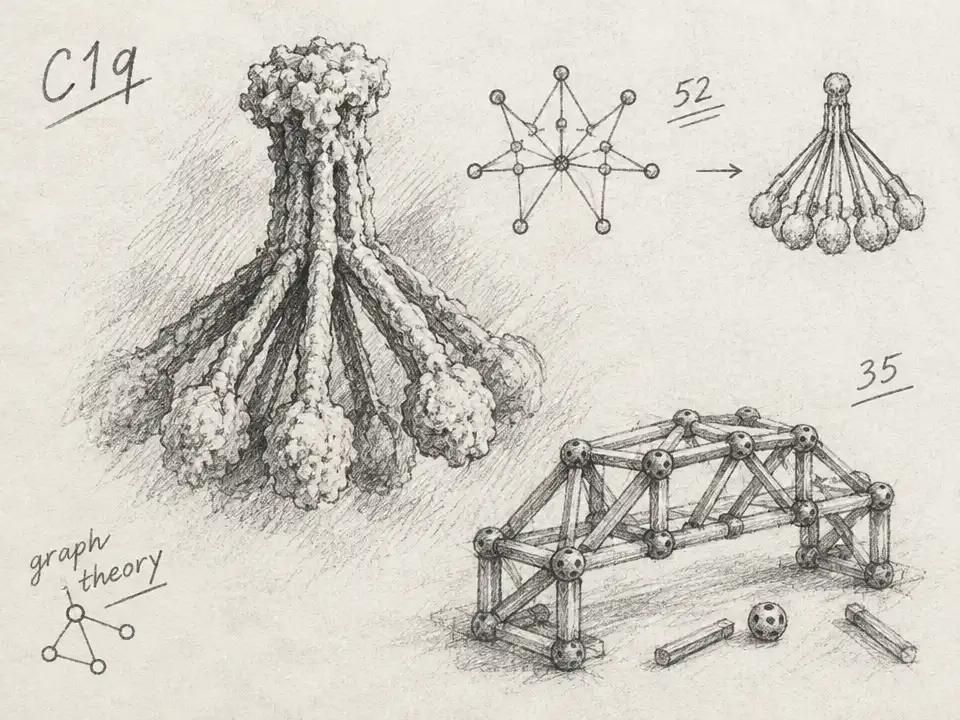
A graph-theory framework explains how local binding rules and assembly order can turn many possible networks into one reliable structure.
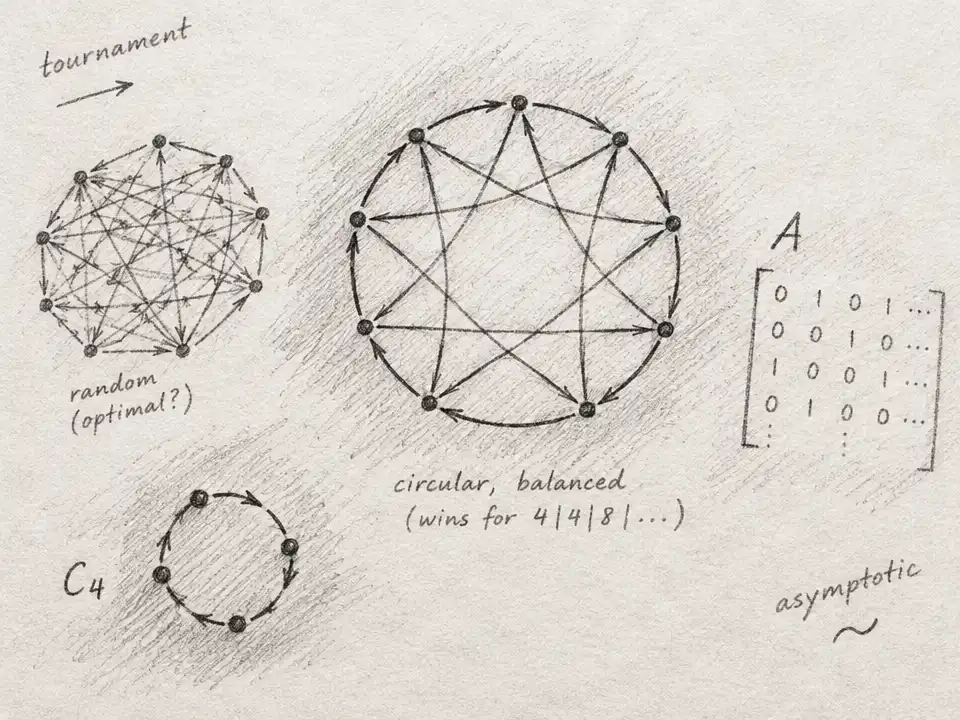
A new proof shows why a balanced circular tournament beats randomness at counting cycles whose lengths are divisible by four.
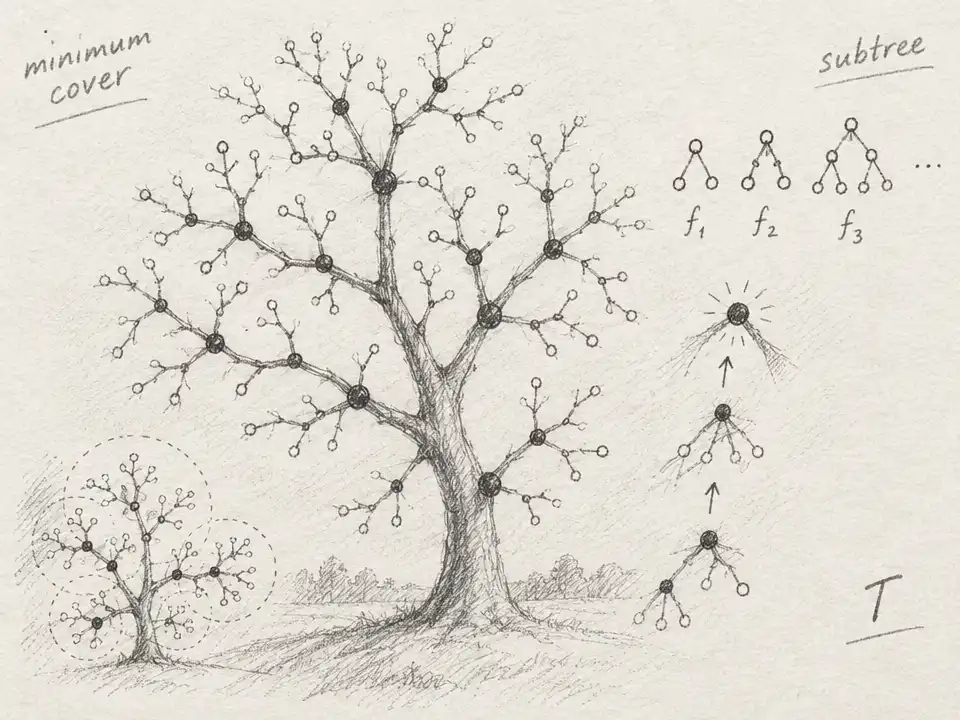
A canonical covering rule turns local subtree patterns into large-scale packing and covering densities across diverse random-tree models.