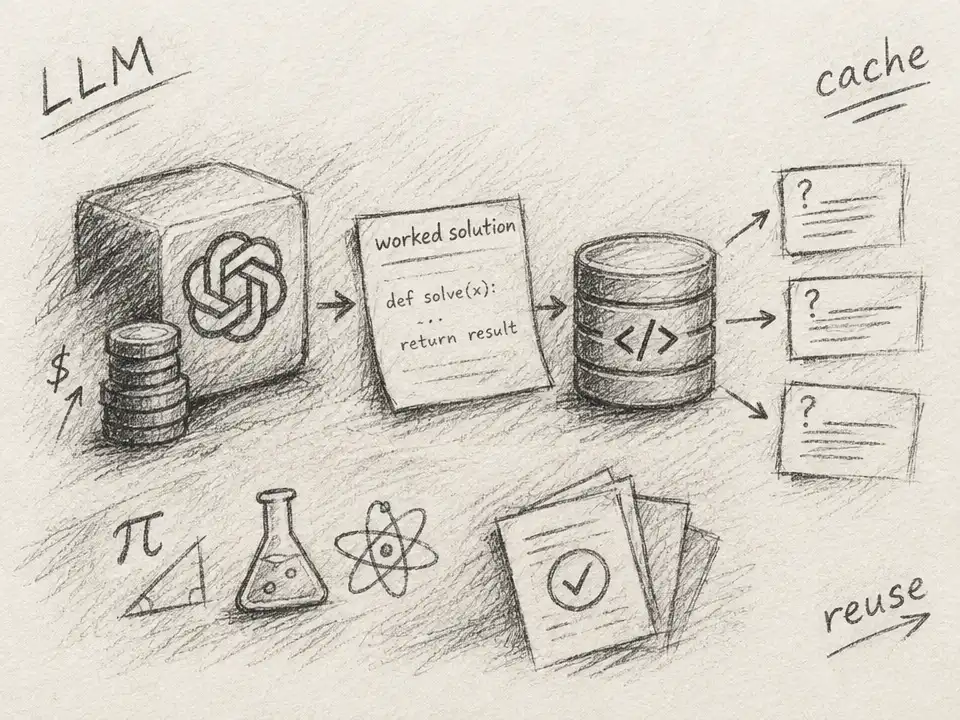
The AI Solved It Once—Then Turned the Reasoning Into Code
Researchers turn language-model reasoning into inspectable code that reuses solutions across changed questions, with lower repeat costs.
Researchers turn language-model reasoning into inspectable code that reuses solutions across changed questions, with lower repeat costs.
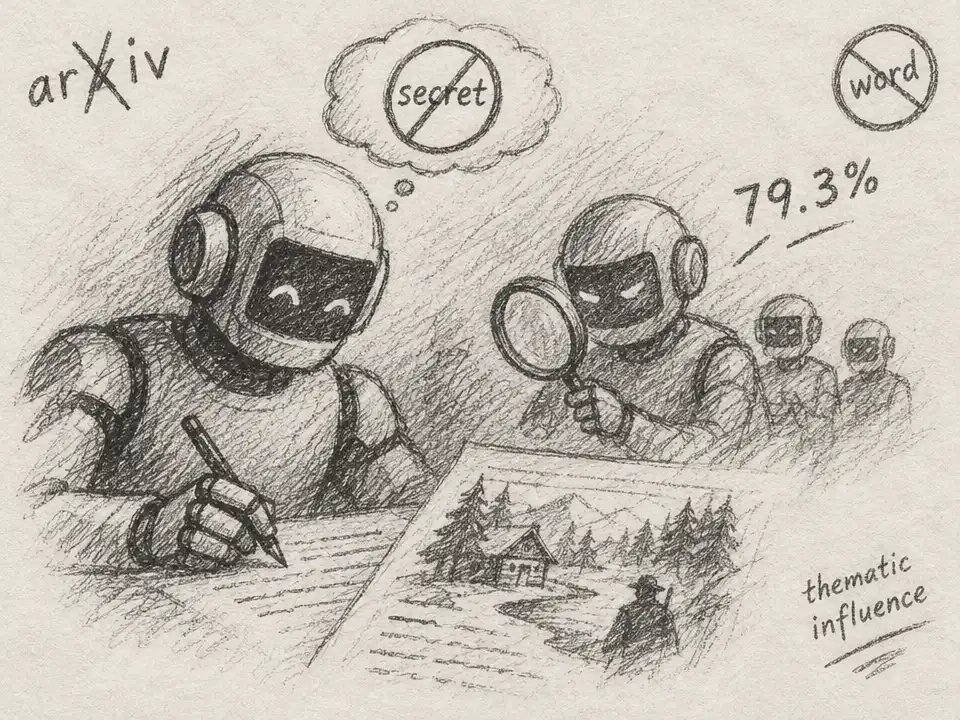
A hidden word never appears in a story, yet models can detect its thematic shadow—and stronger secrecy instructions may make it easier to spot.
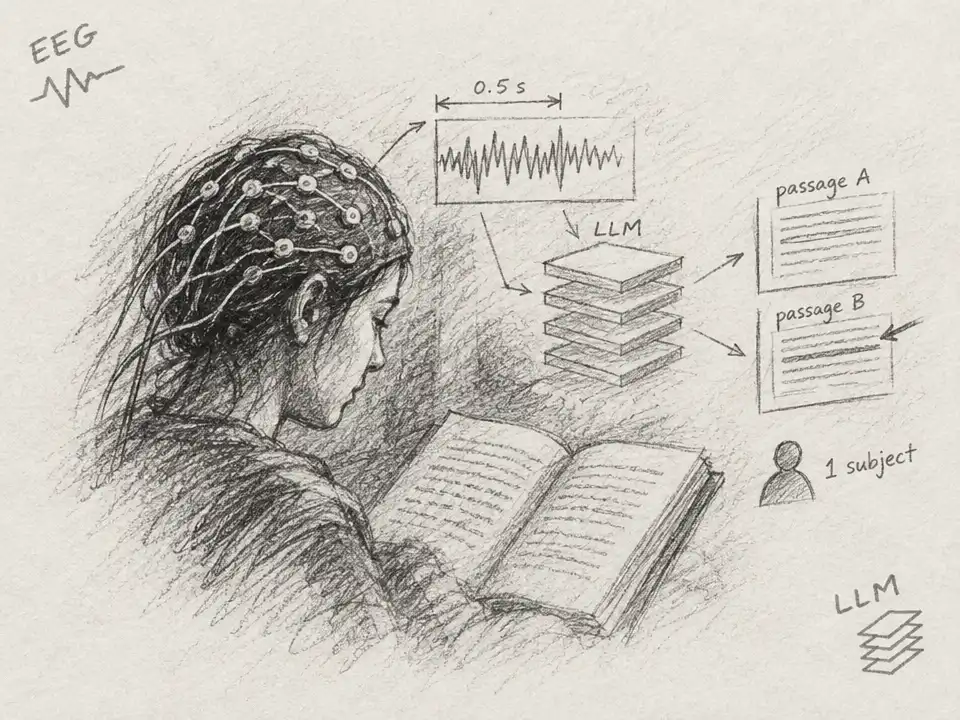
A silent-reading EEG study found that one half-second brain signal carried traces of the passage, not just the word being read.
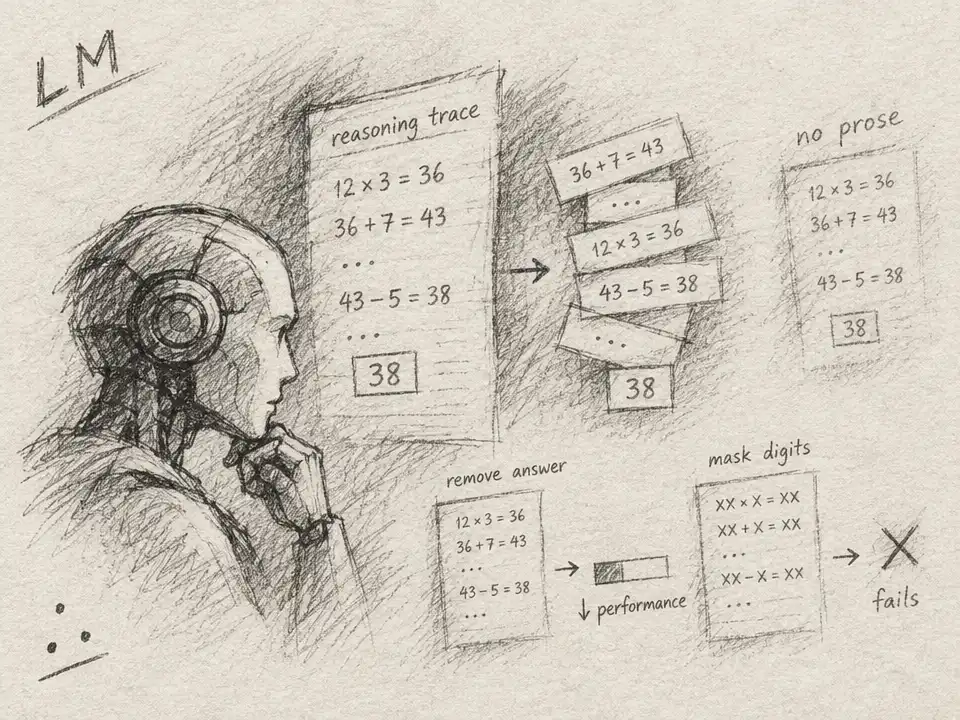
When researchers scrambled AI reasoning traces, models still retrieved answers—until key numbers and answer clues disappeared.
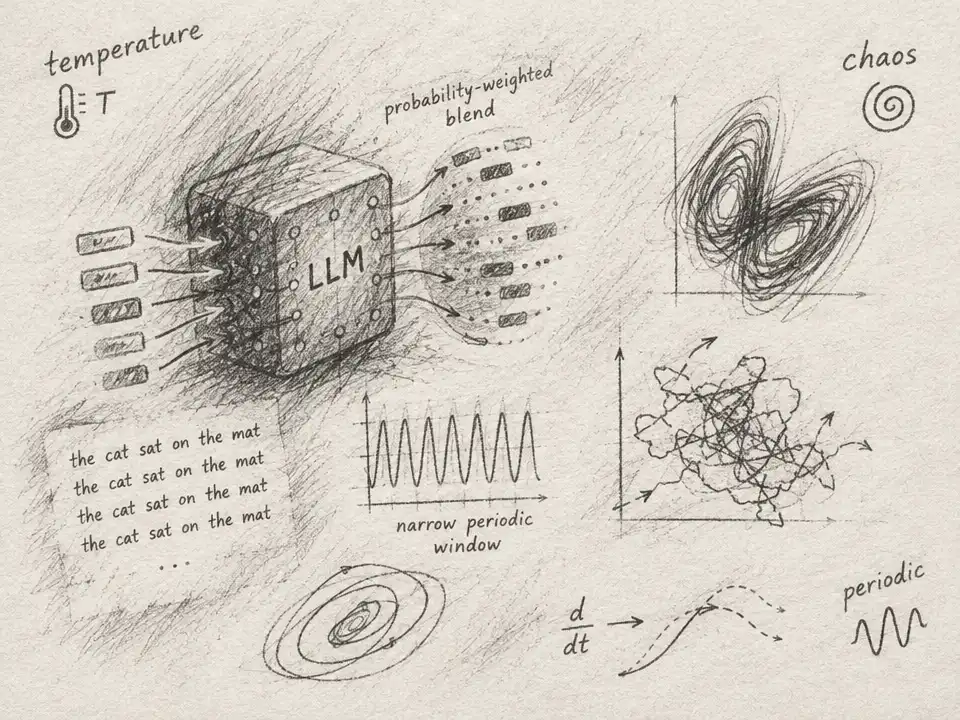
A fixed-loop experiment reveals how a language model’s continuous feedback can shift from repeating phrases to chaos—and why tiny numerical changes matter.
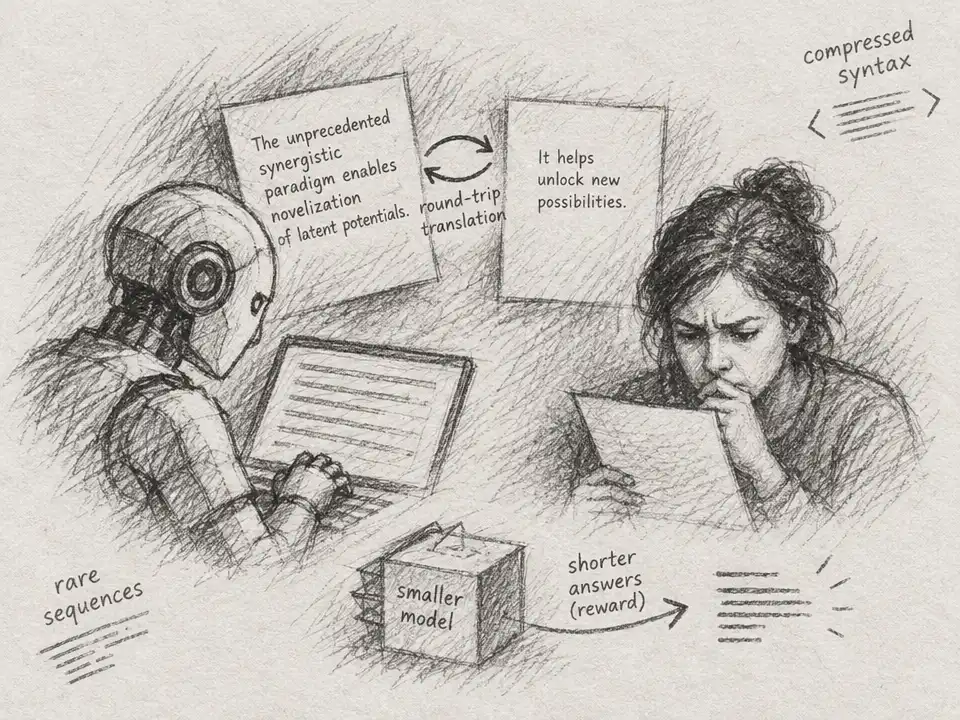
A study finds AI favors language linked to human reading difficulty, and shows how rewarding brevity can push that shift further.
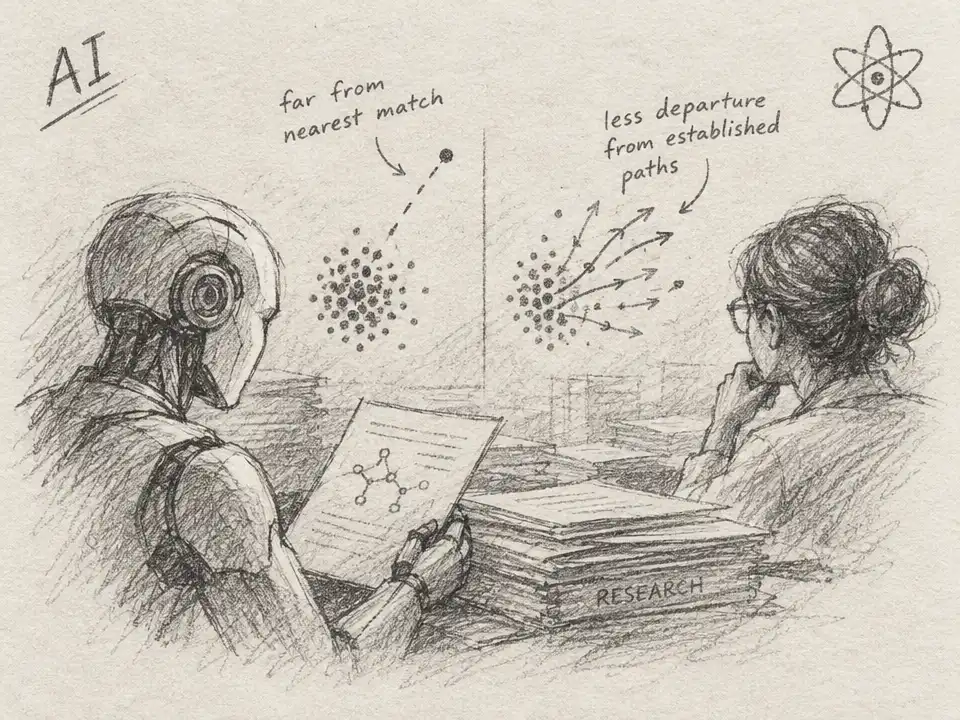
A study of 524,308 AI-generated hypotheses finds they can stretch beyond nearby papers yet still follow science’s established paths.
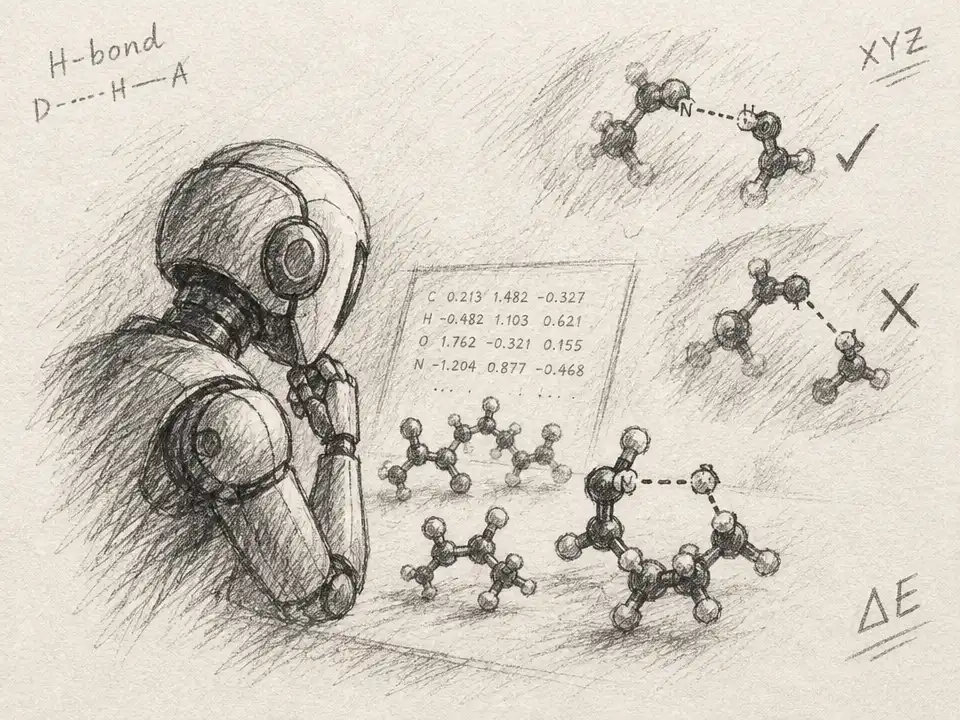
A molecular chemistry test finds that language models can rank 3D shapes, while their reliance on hydrogen bonds exposes a striking blind spot.
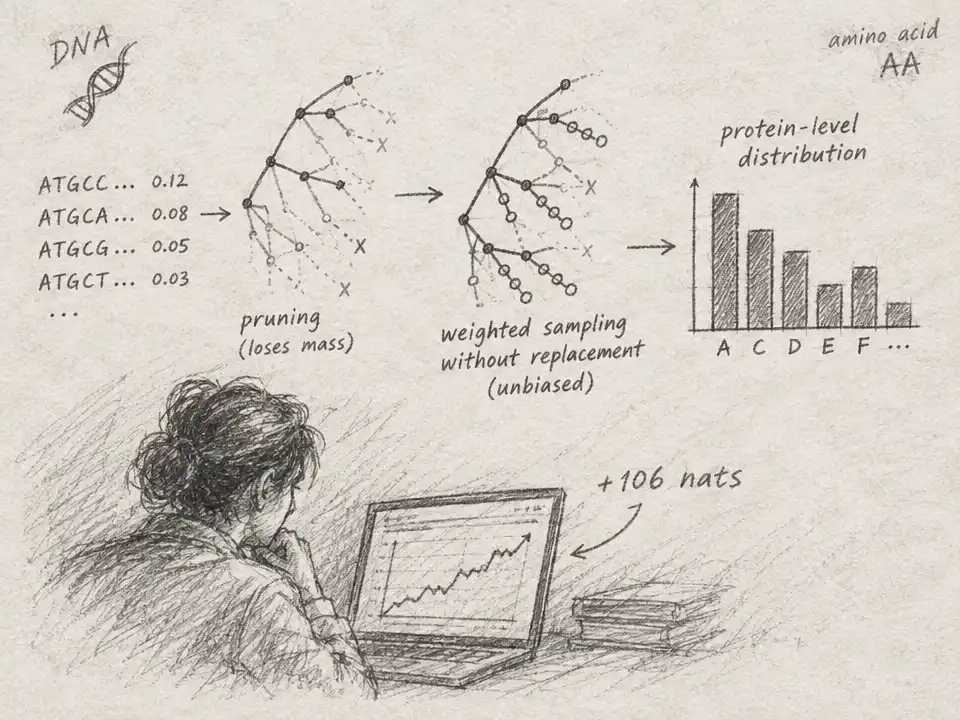
A sampling method recovers lost probability in DNA-to-protein language models, reaching estimates that pruning could not feasibly compute.